Your selection in monuments gave 80 results.

This inscription probably belonged to the fourth mithraeum of Poetovio and records the restoration of a Mithraic temple by the dux Aurelius Iustinianus.
This stele found at the foot of the Aventine bears an inscription of Kastos father and son, and mentions several syndexioi who shared the same temple.
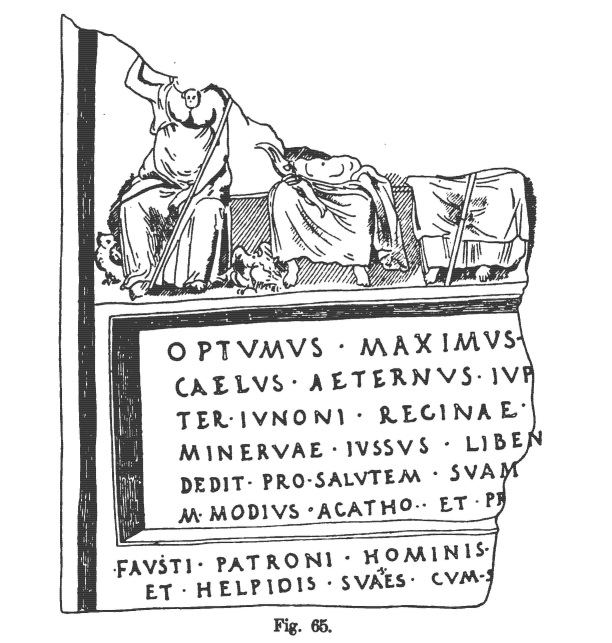
This marble relief bears an inscription by Marcus Modius Agatho, who dedicated several monuments to Mithras on the Caelian Hill in Rome.
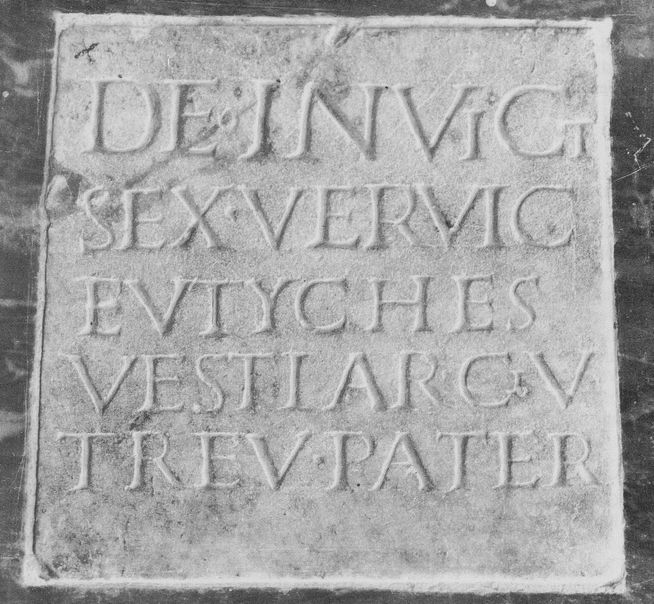
Several inscriptions dedicated to Mithras have been found in Eauze, including these two by a certain Pater Sextus Vervicius Eutyches, discovered in 1768.
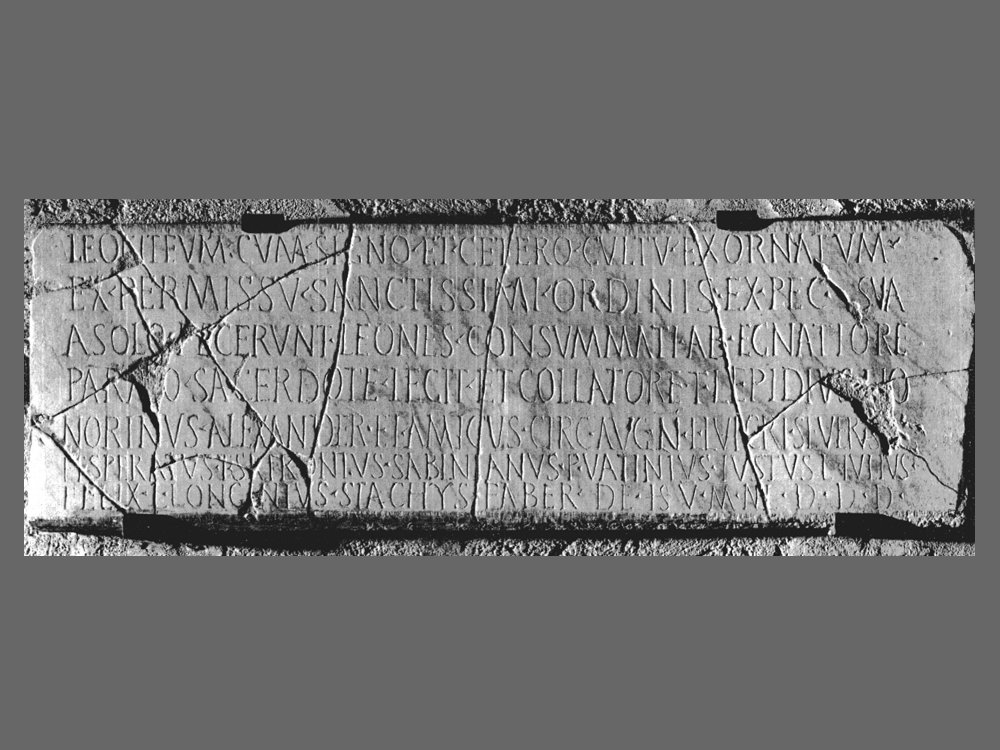
This plaque from Carsulae, in Umbria, refers to the creation of a leonteum erected by the lions at their own expense.
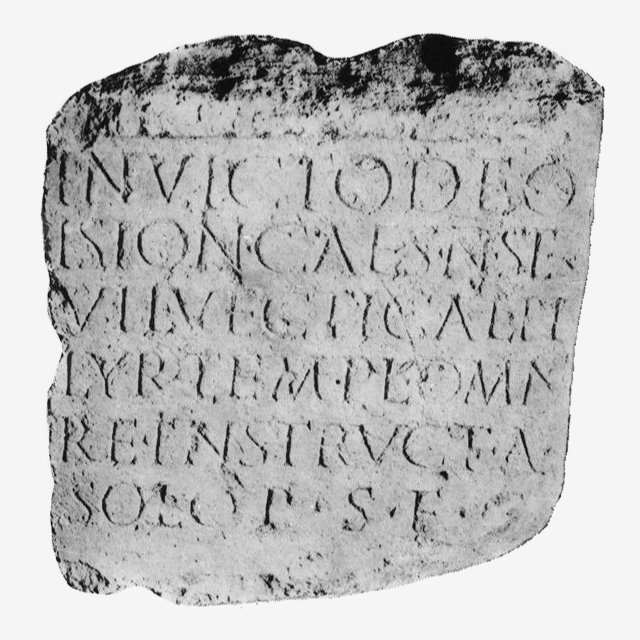
In this monument, the imperial slave Ision claims the completion of a new temple to Mithras in Moesia.
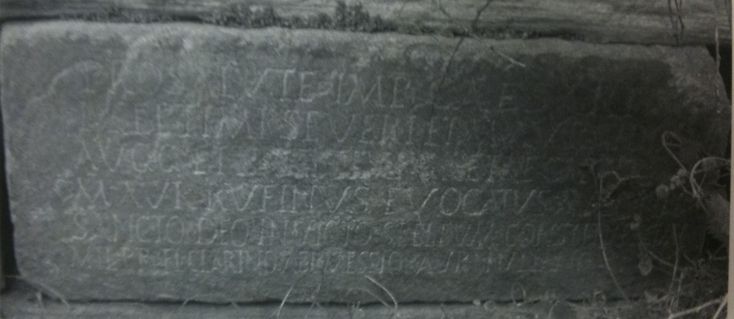
This inscription reveals the existence of a Mithraeum on the island of Andros, Greece, which has not yet been found.
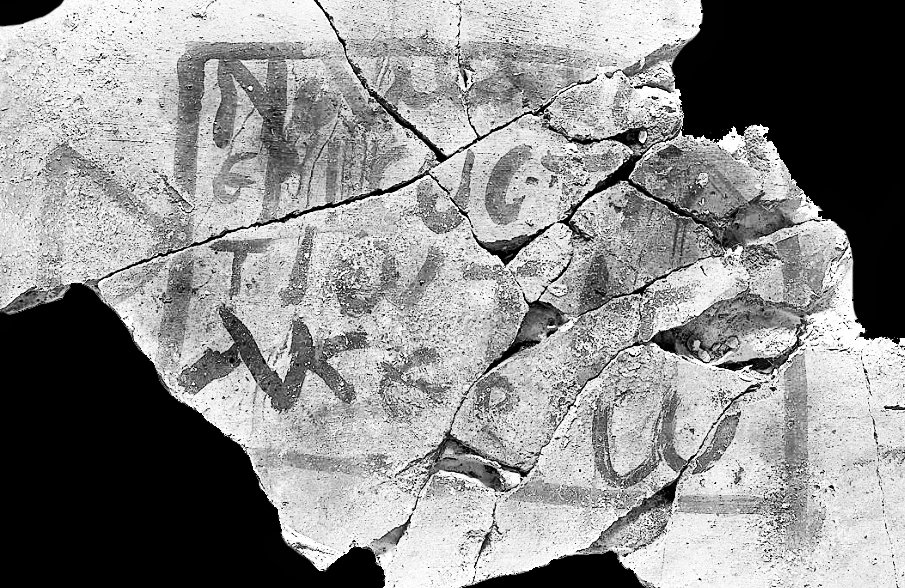
The text mentions a certain Kamerios, described as immaculate miles.

This plaque, located on the western staircase of the Palace of Darius, mentions the god Mithra together with Ahura Mazda as protectors of King Artaxerxes III Ochus.
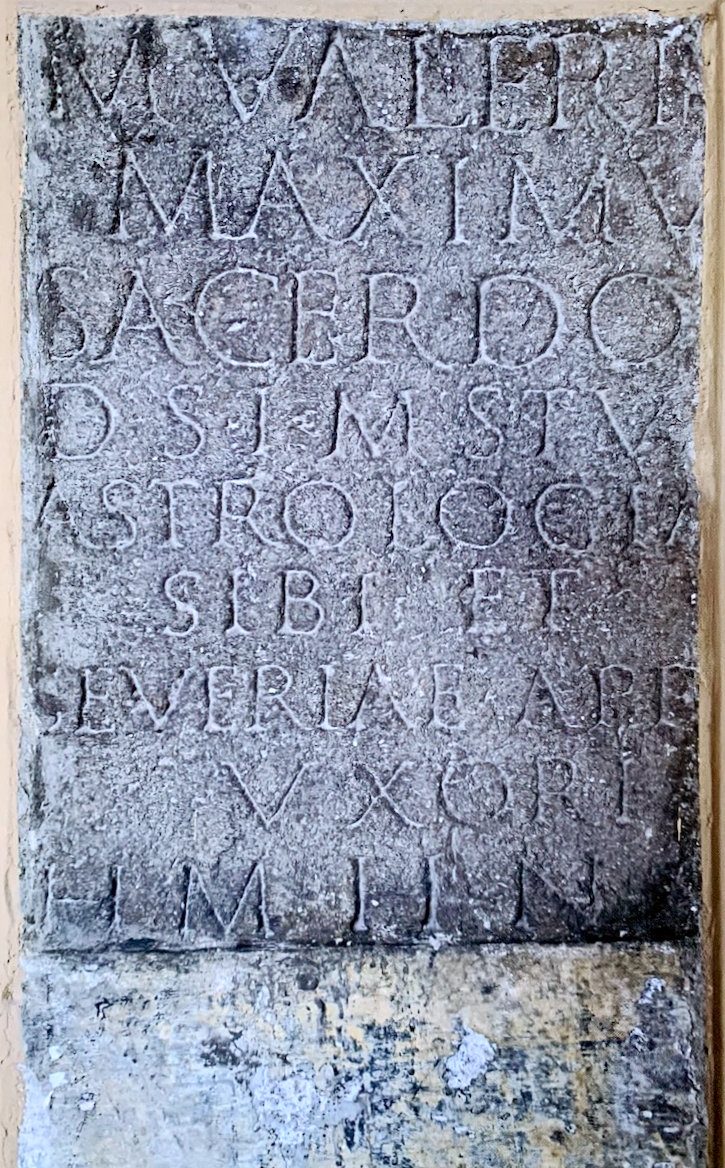
Marcus Valerius Maximus records in this inscription his knowledge of astrology as well as the name of his wife.
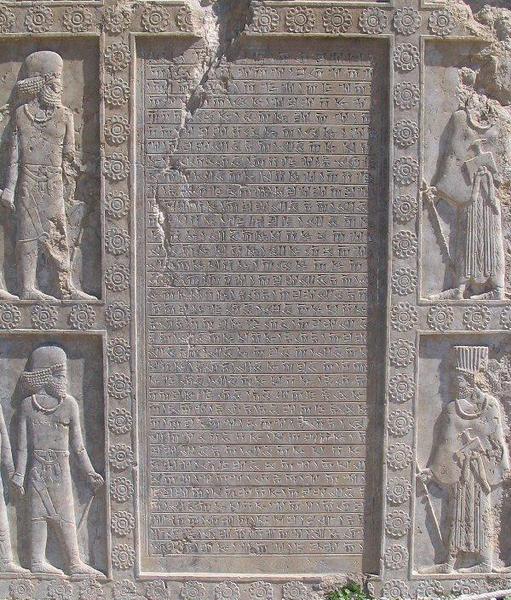
Located at the western entrance to the Palace of Darius in Persepolis, this tablet bears an inscription mentioning Ahuramazda and Mithra.
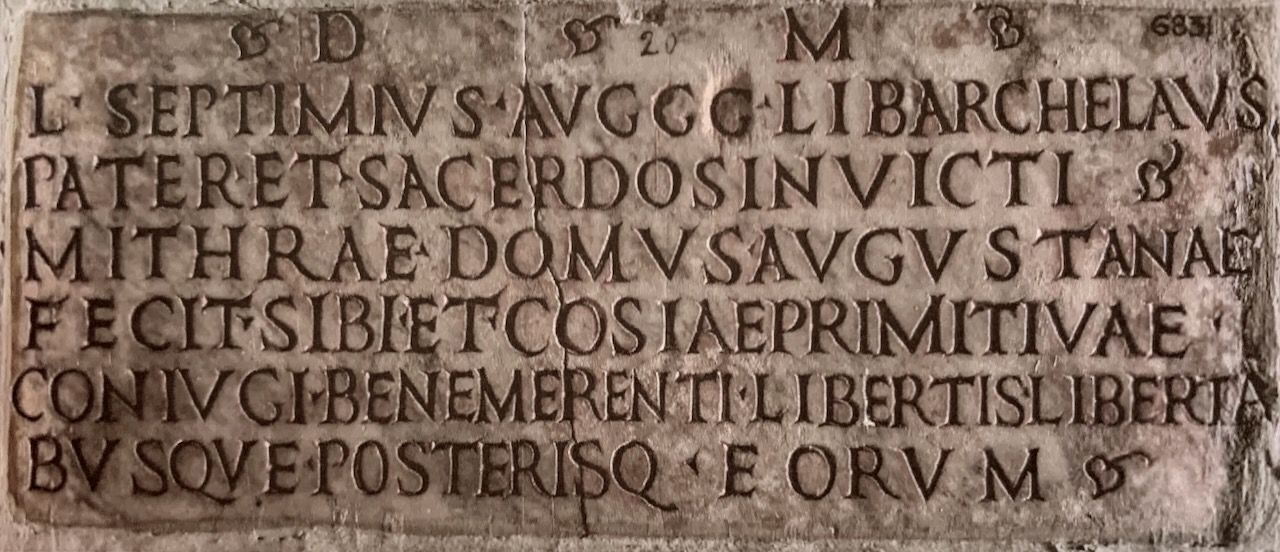
Marble funerary plaque erected by Lucius Septimius Archelaus, a Pater and priest of Mithras, for himself, his wife, and their freedmen and descendants.
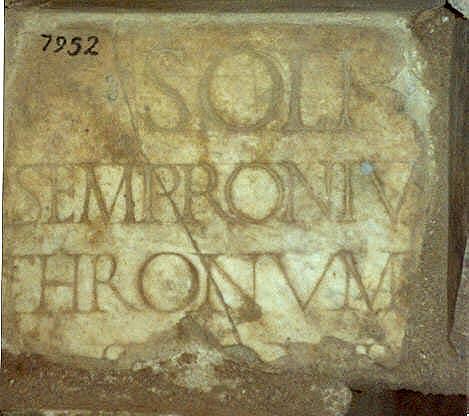
Slab marble indicates that Lucius Sempronius has donated a throne to the Mitreo delle Pareti Dipinte.
As this short inscription indicates, Aemilio Epaphorodito was both Pater and priest of the Mithraeum of the Seven Spheres.
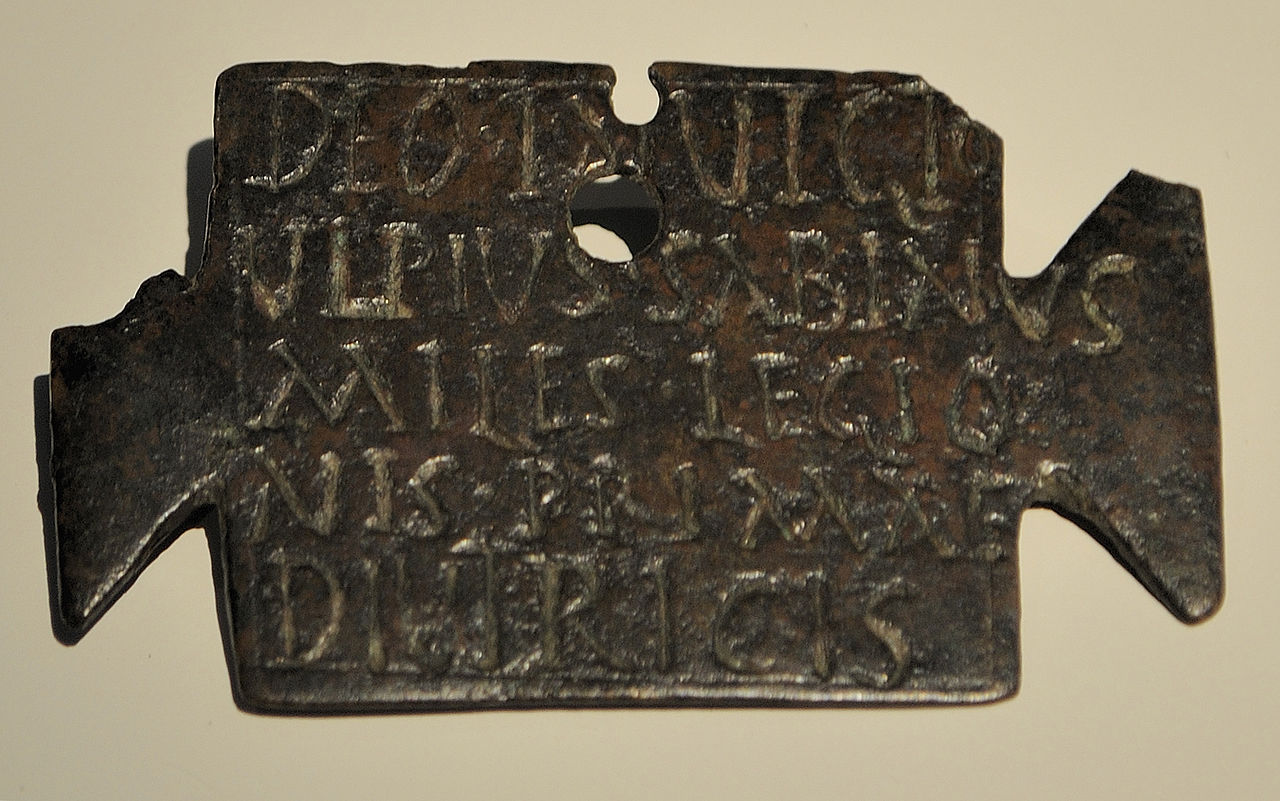

Slab found at Tazoult-Lambèse dedicated to the Unconquered god Sol Mithras by the governor of Numidia Marcus Aurelius Decimus.
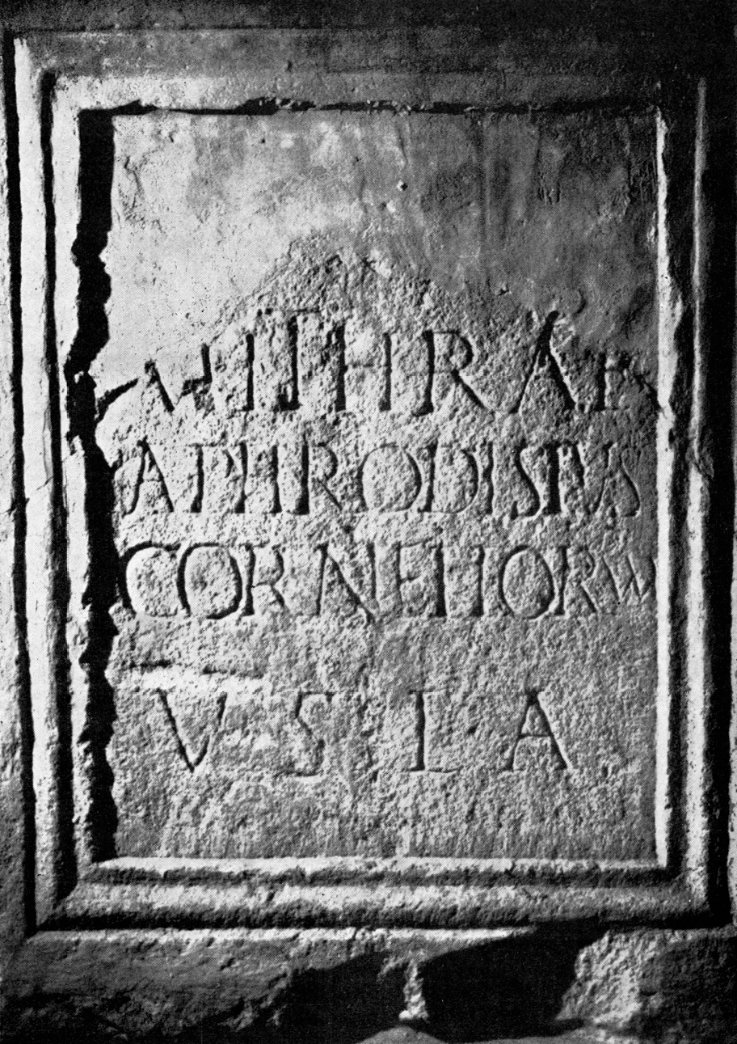
This inscription by a certain Aphrodisius was found under the old city hall of Algiers.
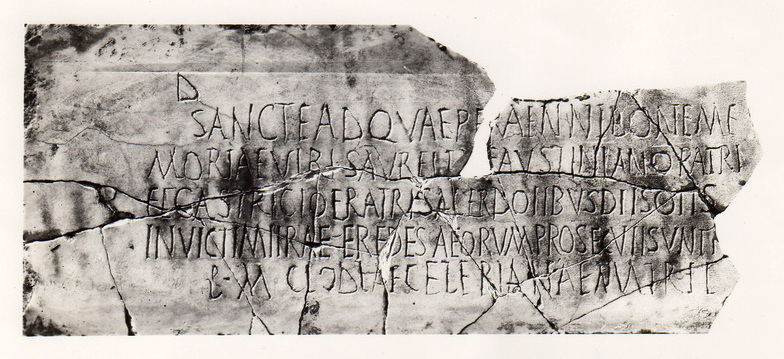
This inscription was commissioned by a family of priests of the invincible god Mithras.
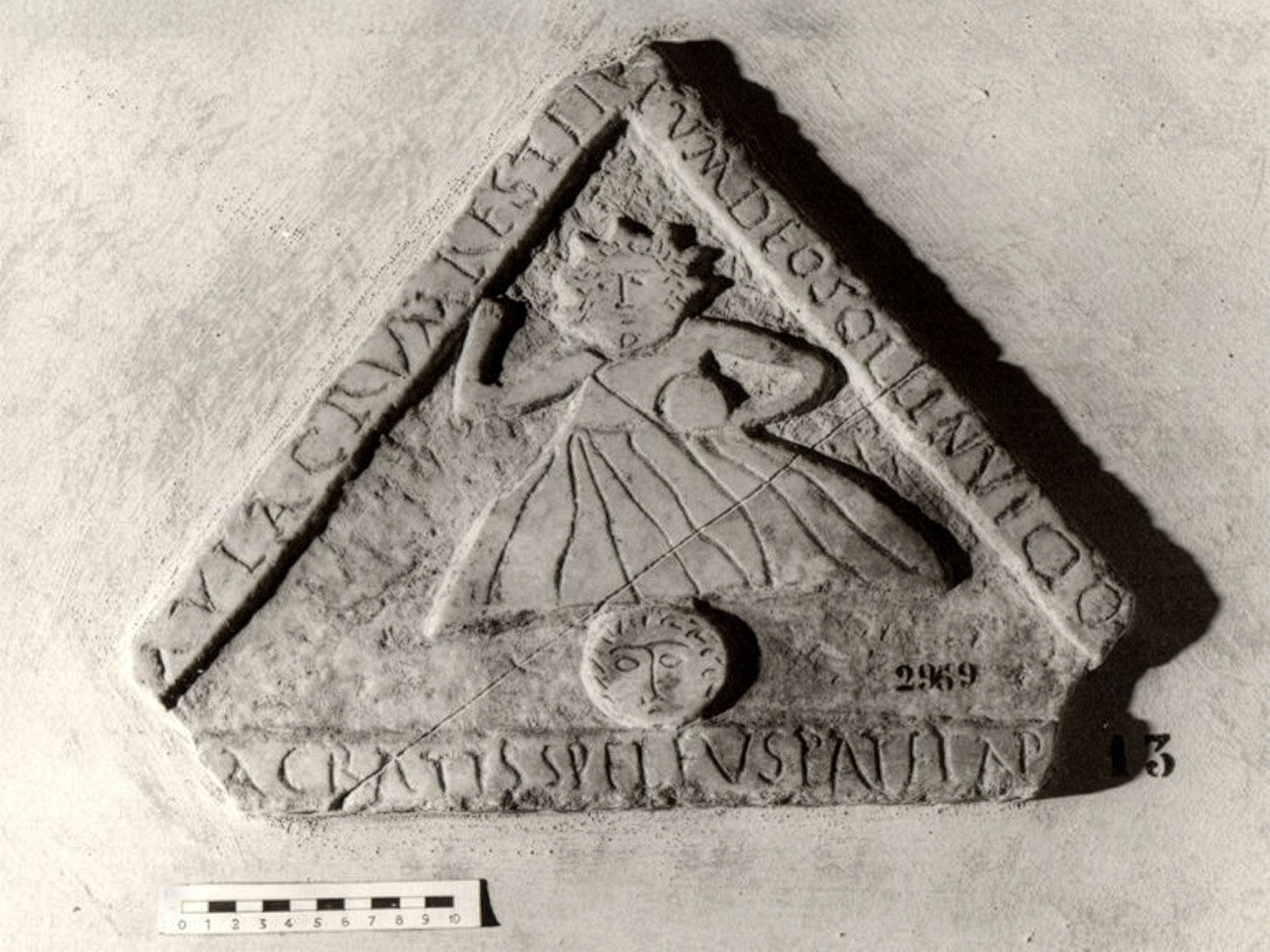
Small triangular slab bearing a Latin inscription referring to Sol Invictus and to a sacred cave, probably dating to the 4th century AD.
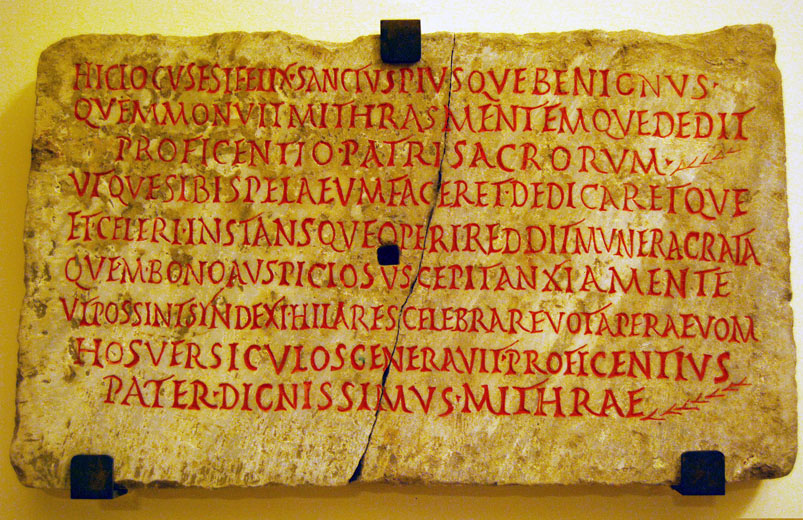
This marble slab bears an inception be the Pater Proficentius to whom Mithras has suggested to build and devote a temple.
