Your search Édouard des Places gave 86 results.
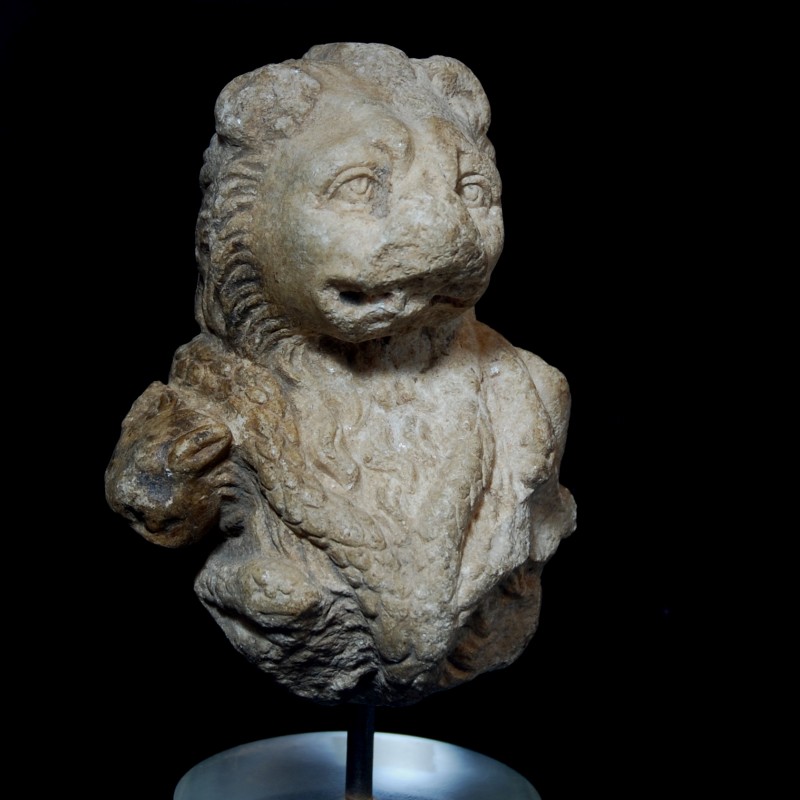
This bust of a lion-headed figure has been was part of a French private collection.
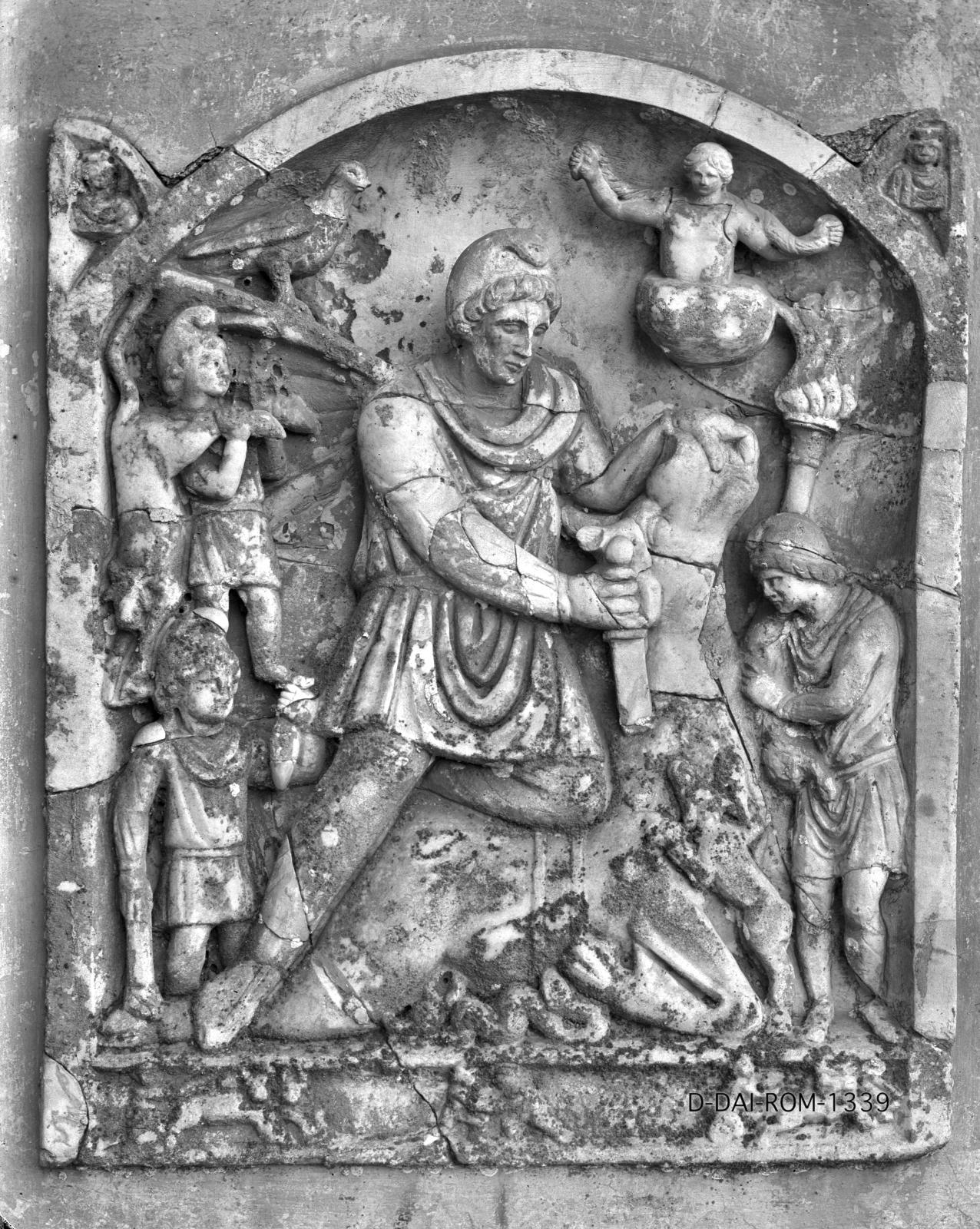
Currently in the Musei Vaticani, this Tauroctony includes Mithras’s birth restored as Venus anaduomene.
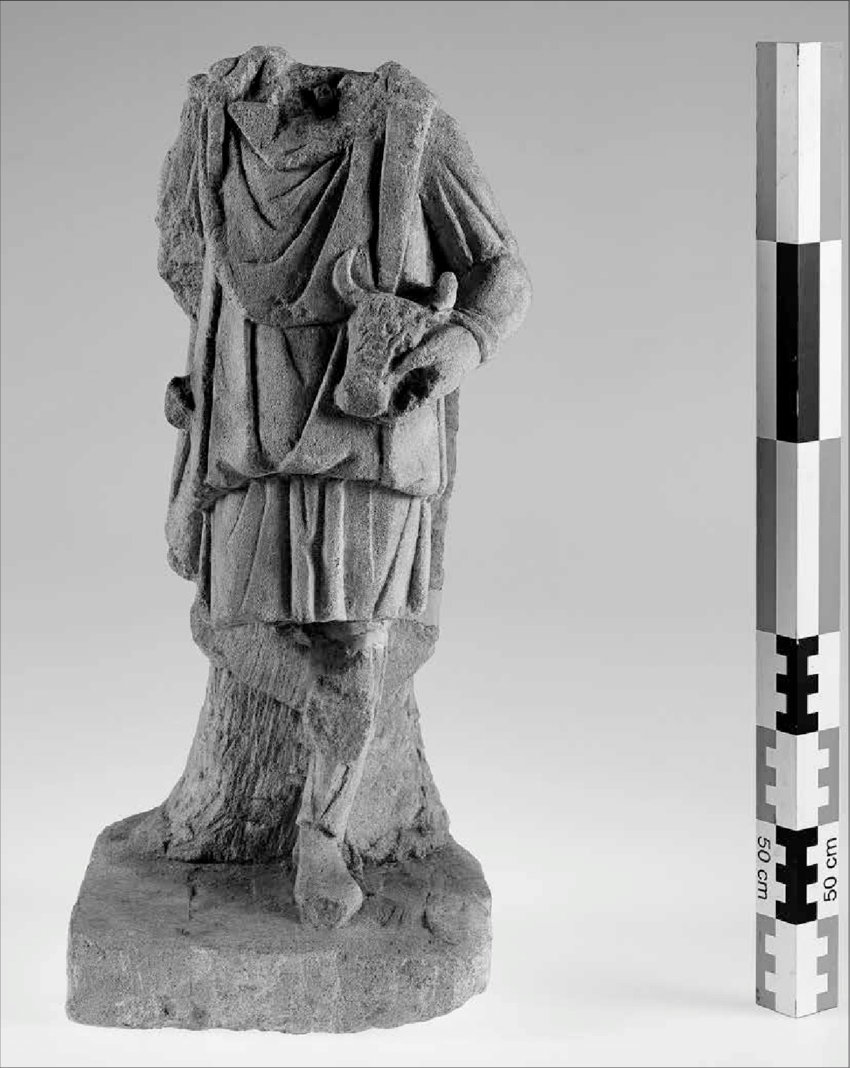
Statue of Cautes from Bodobrica, discovered around 1940, depicting the torchbearer standing before a tree or rock and associated with a bucranium.
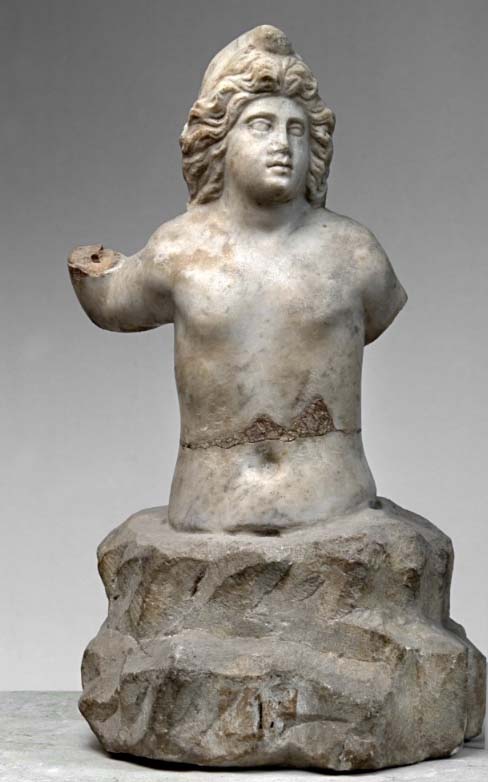
Mithras being born from the rock (petrogenia), acquired in Rome and formerly kept in Berlin.
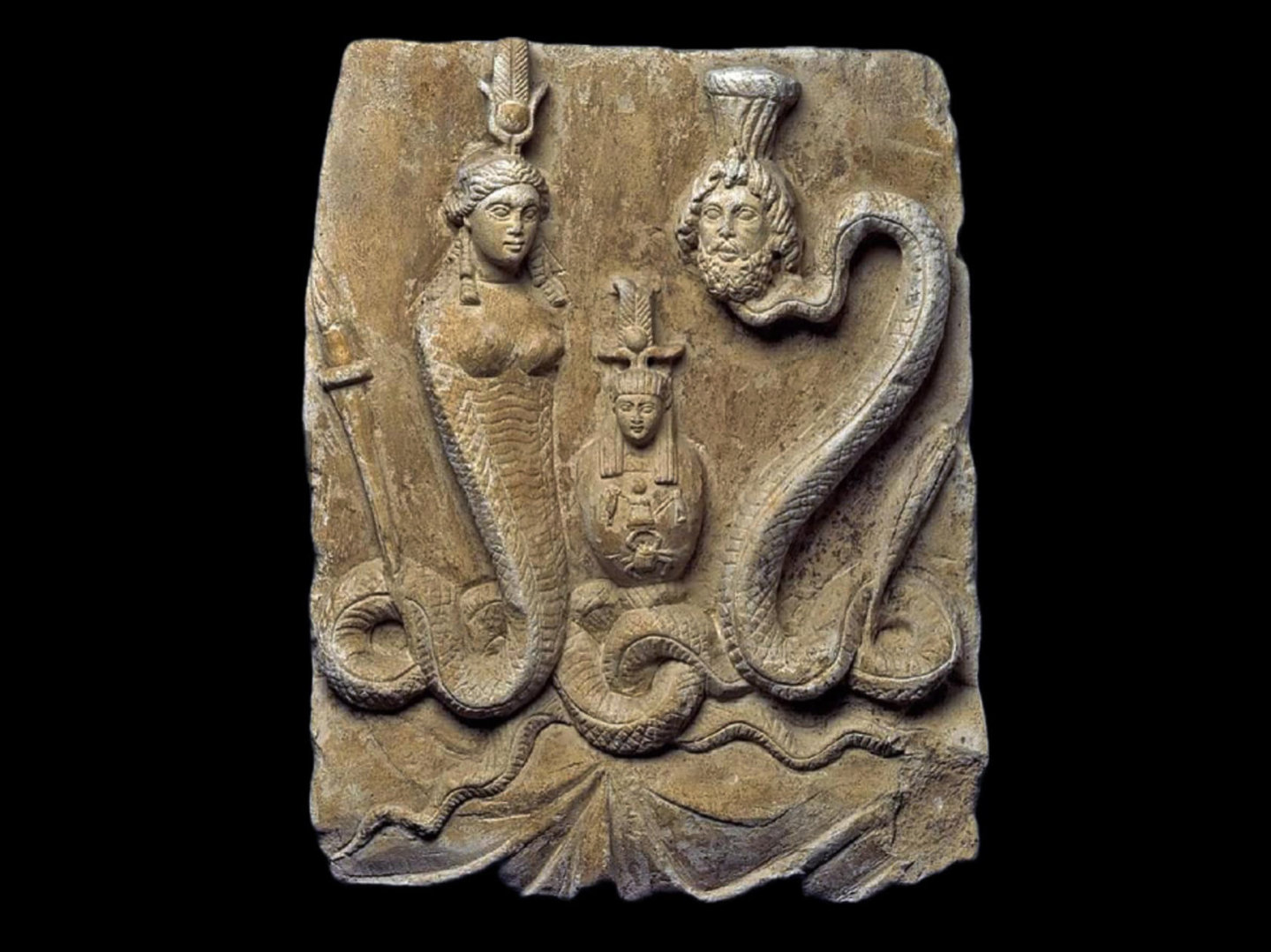
An anonymous late-antique Christian poem, traditionally attributed to Pseudo-Paulinus of Nola (Poema 32, vv. 109–111), that ridicules pagan cults and presents Mithras, Isis, and Serapis as gods of concealment, contradiction, and unstable forms rather than light…

This monograph presents the findings from Robert J. Bull's 1973 excavation of the Mithraeum in Caesarea Maritima, Israel, including stratigraphic analyses, studies of frescoes and and insights into the site's historical significance.

Roger Beck describes Mithraism from the point of view of the initiate engaging with the religion and its rich symbolic system in thought, word, ritual action, and cult life.

Robert Turcan highlights various examples of the philosophical interpretation, mainly Platonic, of the figure and cult of Mithras.
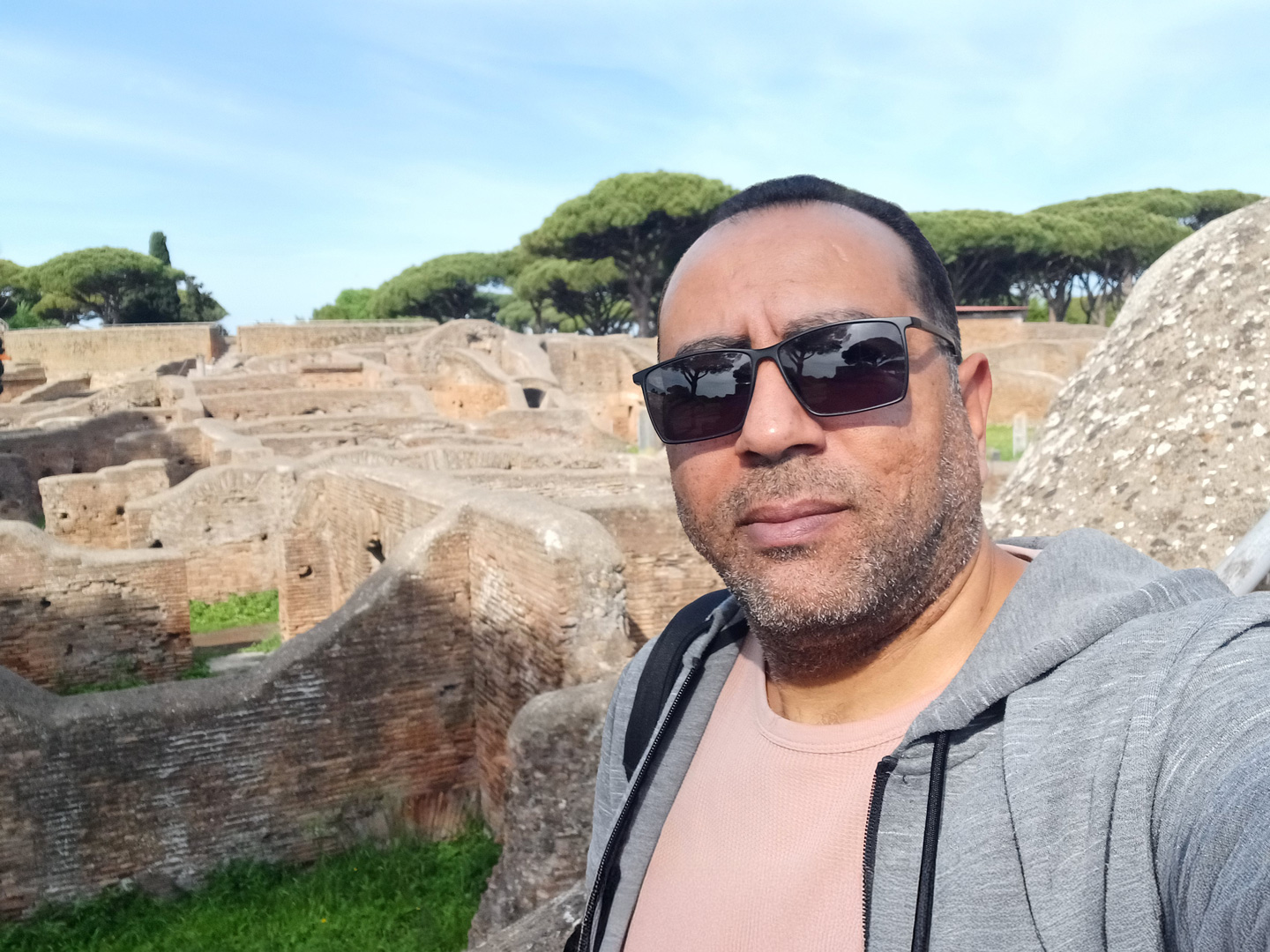
In his first book, Fahim Ennouhi sheds light on the cult of Mithras in Roman Africa. A marginal and elitist phenomenon, confined to restricted circles and largely absent from local religious dynamics, yet revealing.
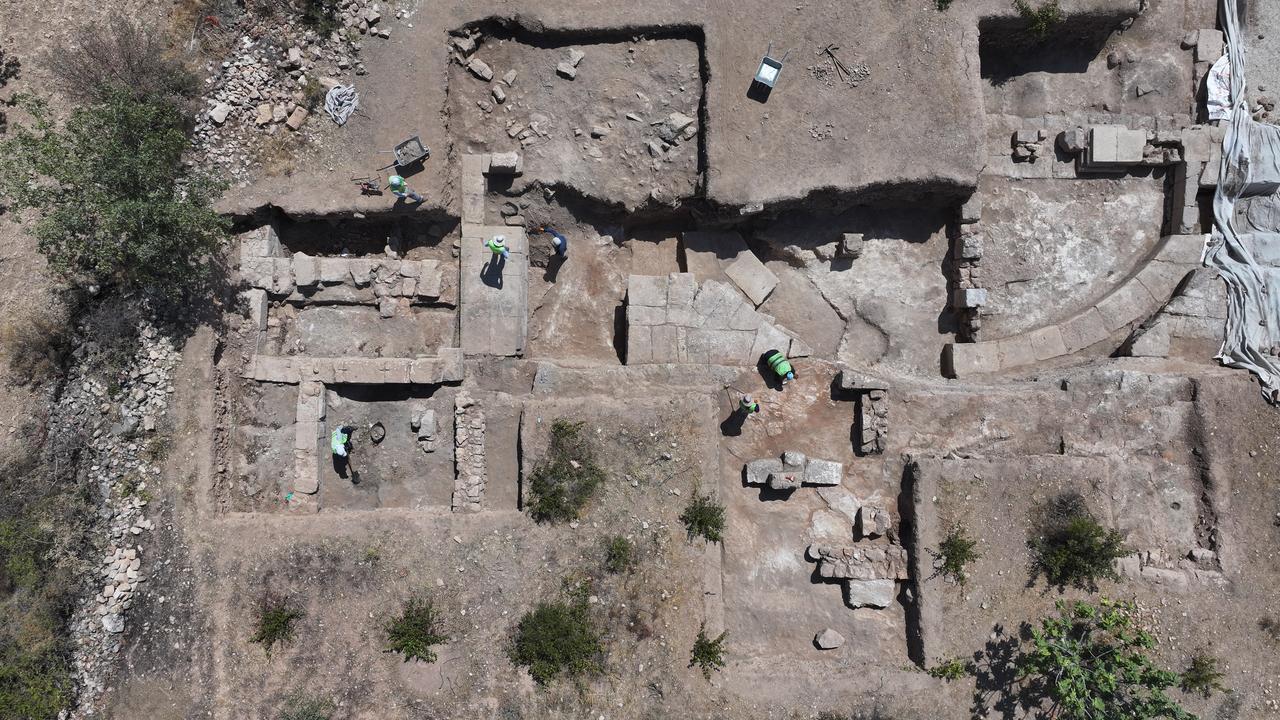
Archaeologists at Doliche are now excavating houses around the vast Mithras temple to learn how people lived beside the sanctuary.

Of Isis and Osiris or Of the Ancient Religion and Philosophy of Egypt, Plutarch, The Moralia.

Lifelong pater of Mithras in Anazarbus, holding the civic title Father of the Homeland.

Approved priest, Augustal serf at Casuentum et Carsulae, appointed quaestor of the Augustus treasury.

Public treasurer known for several inscriptions to Mithras found in San Silvestro.

There is no solid evidences of the finding of a Mithraic temple in Duhok, Iraq.
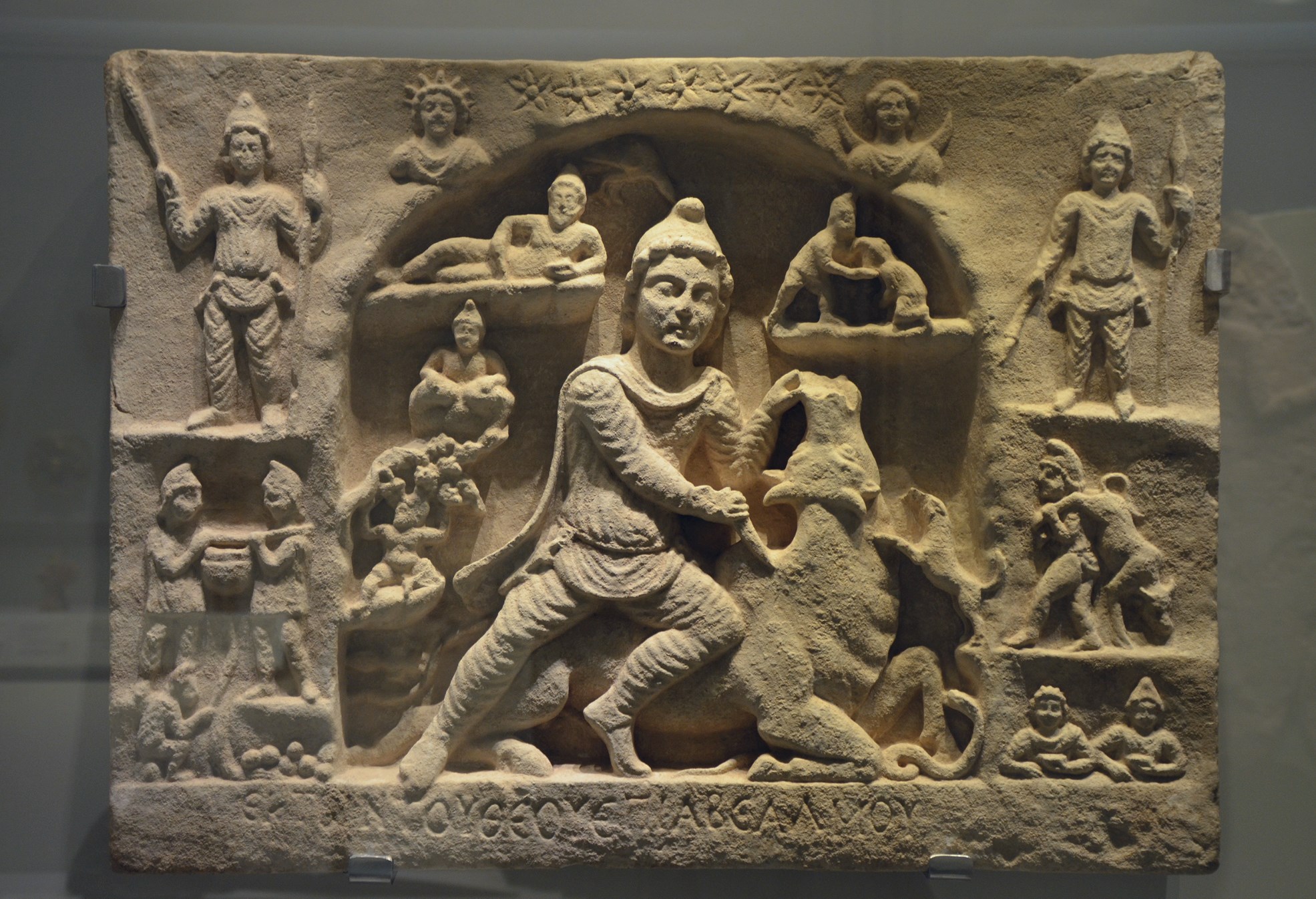
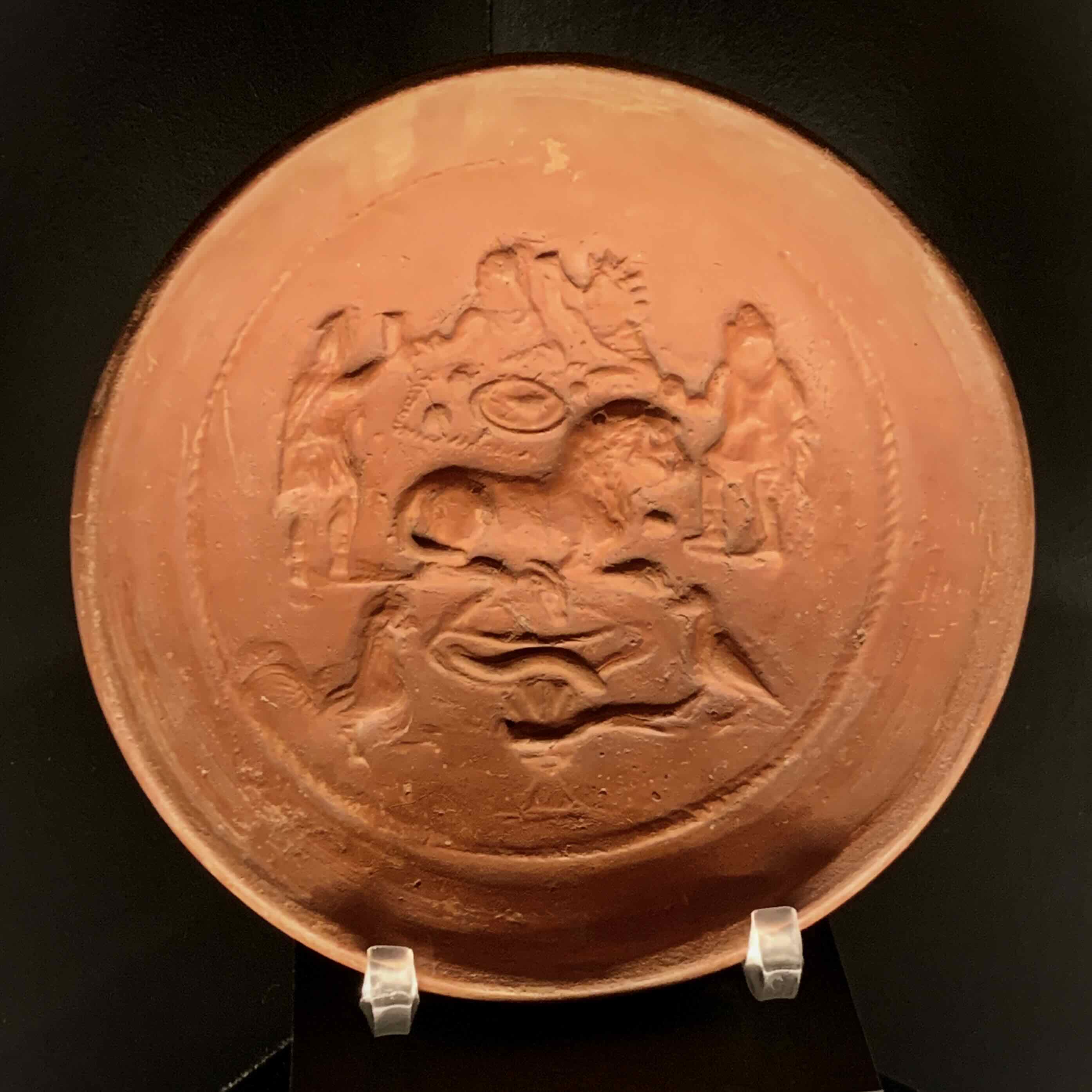
This terra sigillata was found in 1926 in a grave on the Roman cemetery of St. Matthias, Trier. An eyelet indicates that it could have been hung on a wall.


