Your search Al-Bahnasa gave 3013 results.
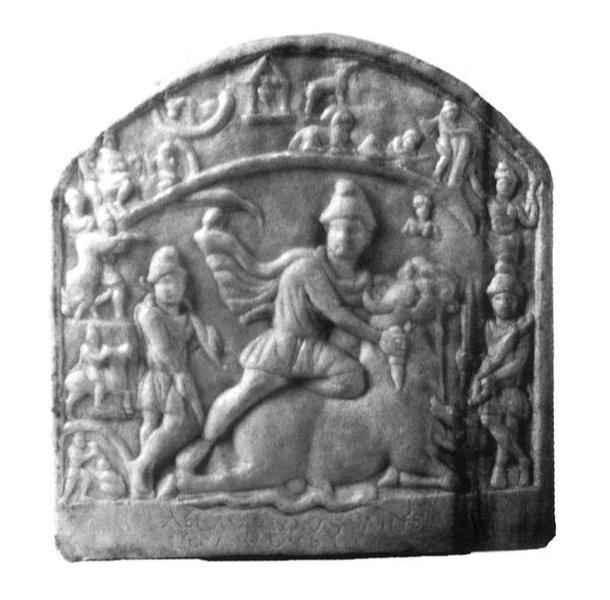
This small relief of Mithras killing the bull was found in 1859 in Turda, in the Cluj region of Romania.
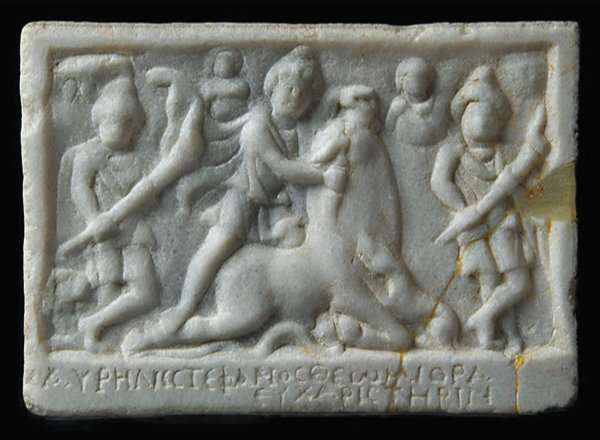
This relief of Mithras killing the bull is unique in the Apulum Mithraic repertoire because of its inscription in Greek.
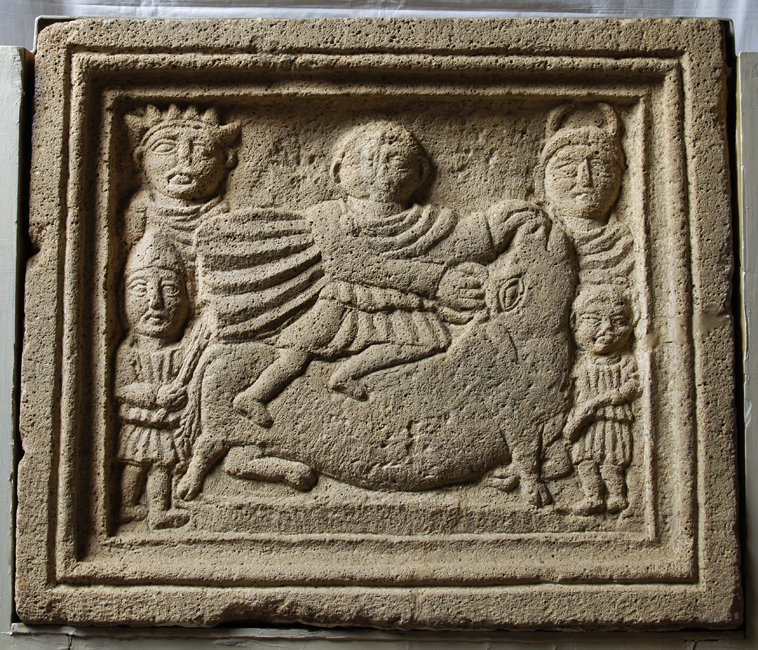
Several elements, such as the snake, scorpion or dog, are missing from this tauroctony relief of Cluj.
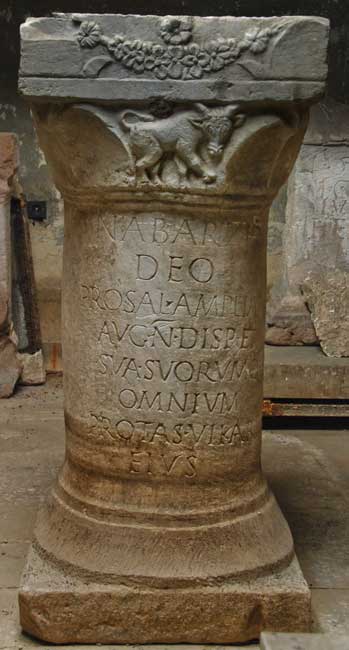
This column found in the Mithraeum of Sarmizegetusa bears an inscription to Nabarze instead of Mithras.
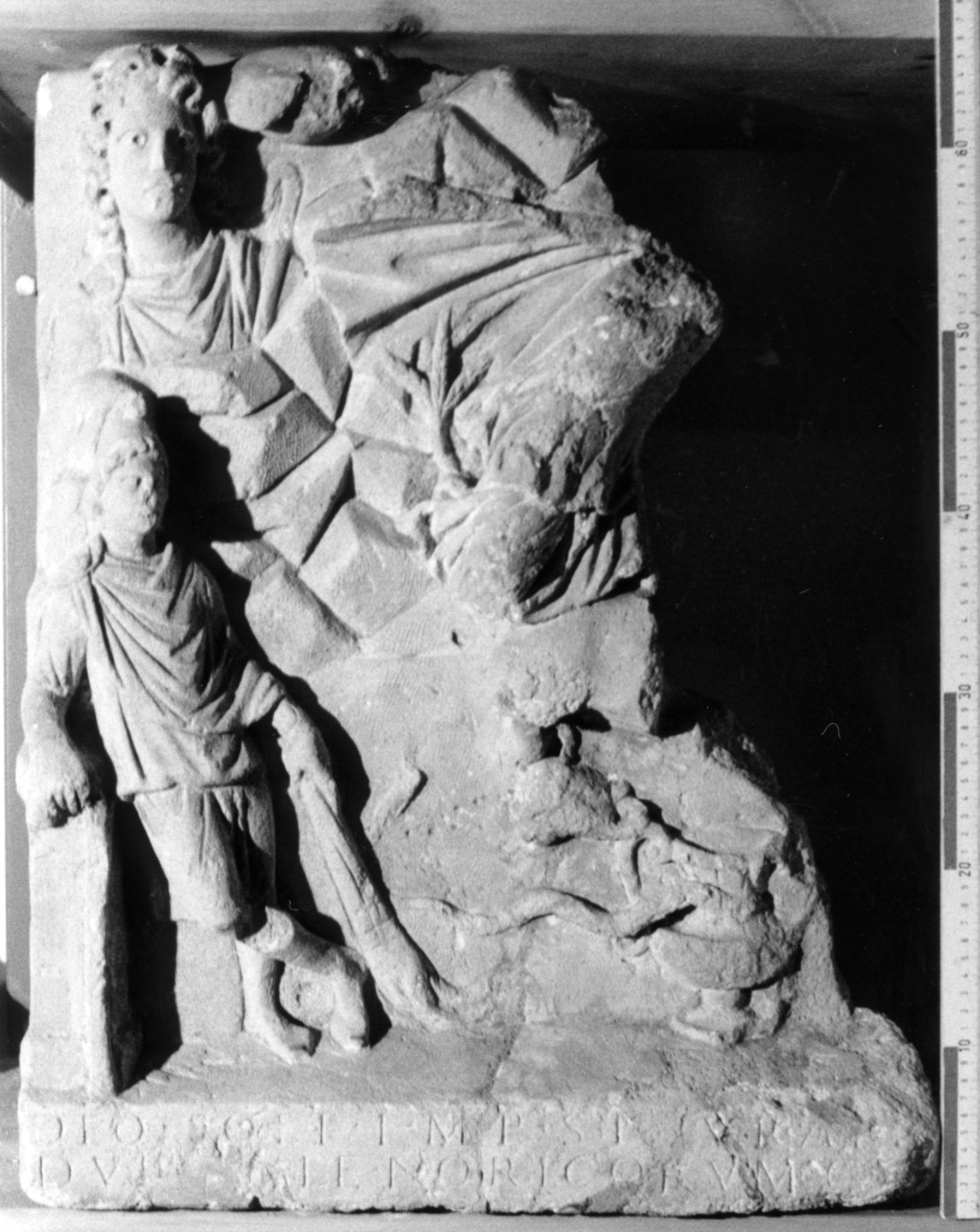
This second tauroctony, found in the Mithraeum of Dormagen, was consecrated by a man of Thracian origin.
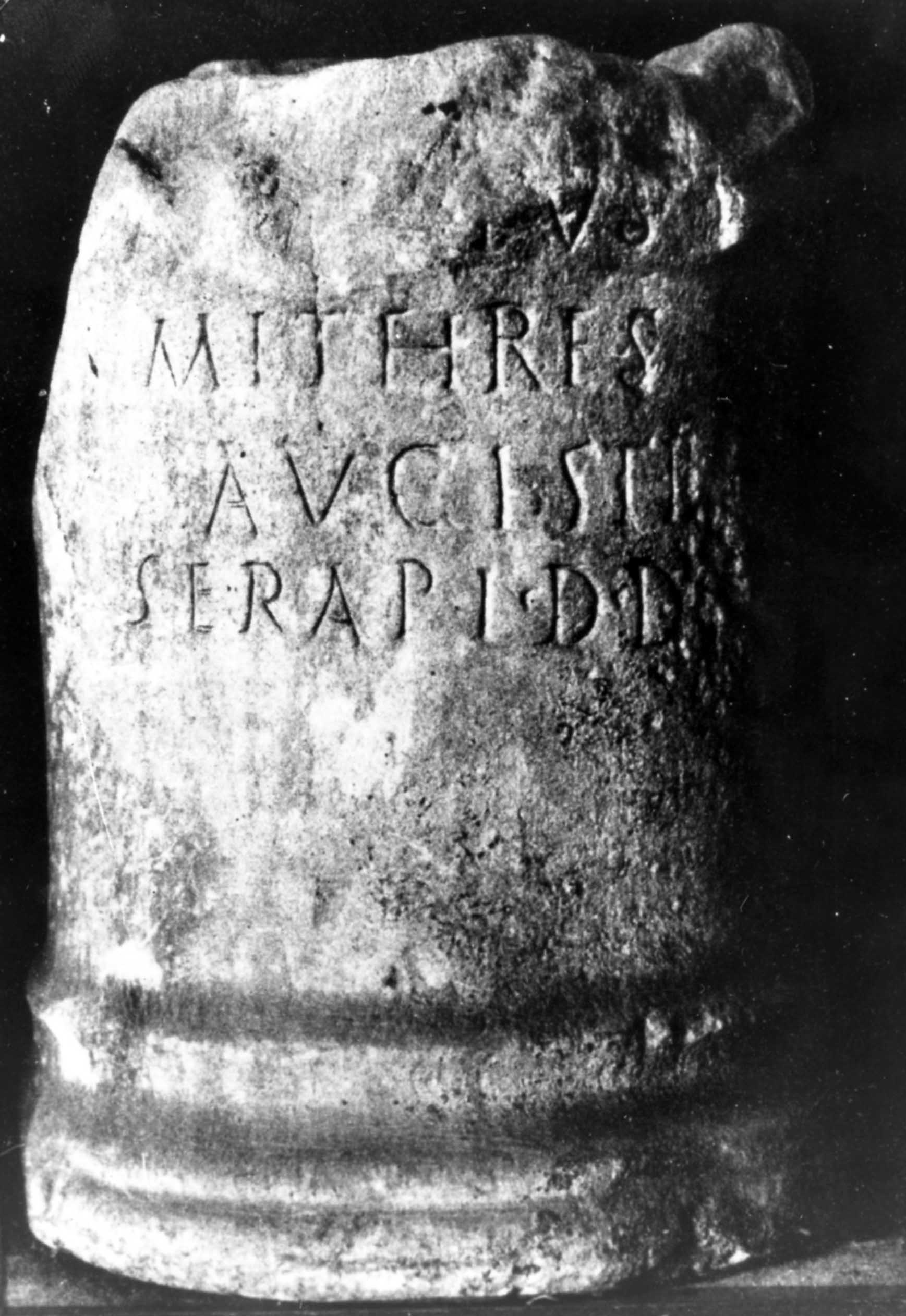
This monument, found in the Domus Flavia in Rome, bears an inscription by a certain Aurelius Mithres.

This 3rd century marble relief of Silvanus is the only sculpture found in Mitreo Aldobrandini.
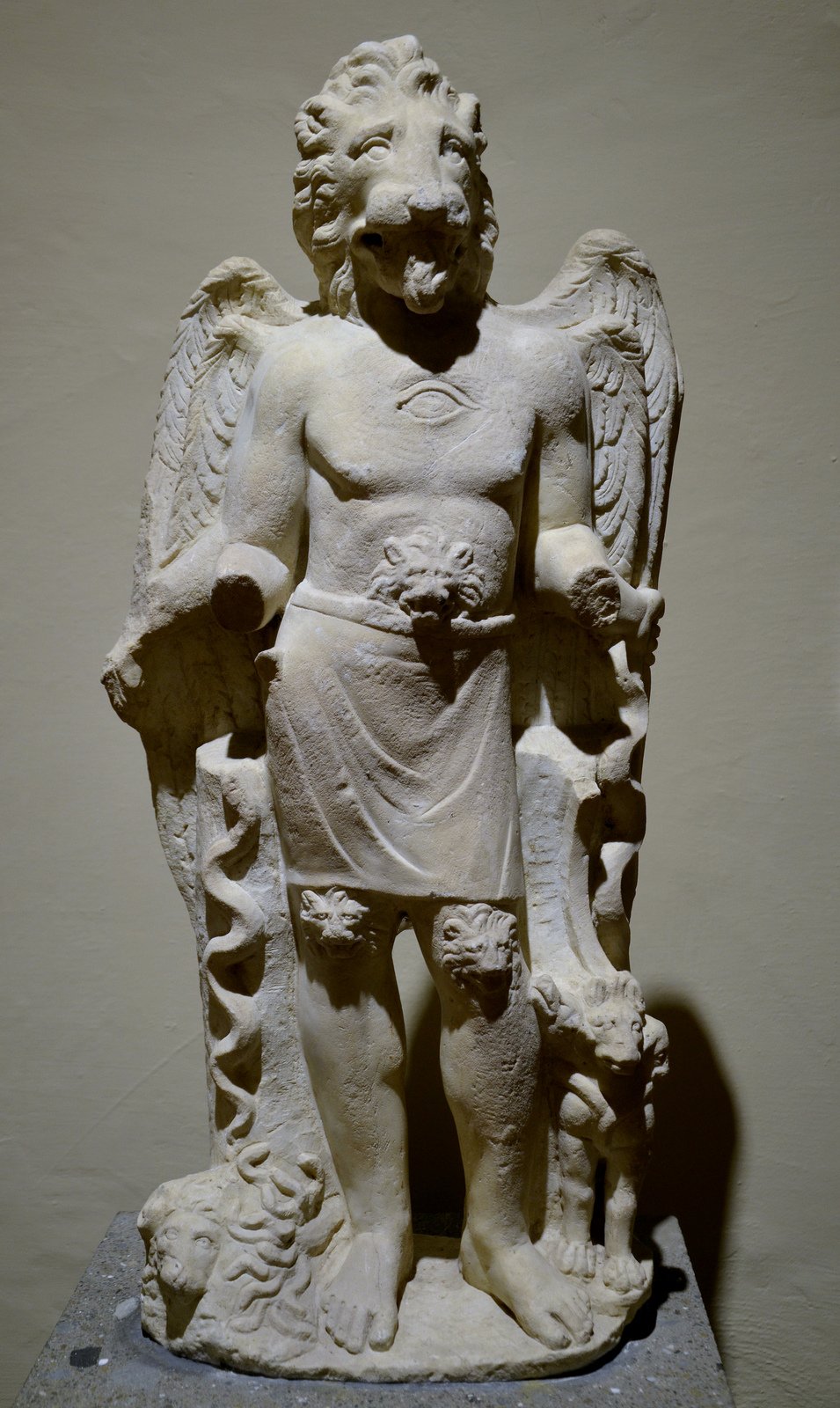
This lion-headed marble was found on the ruins of the Alban Villa of Domitianus.
This inscription found in the Mithraeum of the Seven Spheres mentions the Pater Marco Aemiliio Epaphrodito known from other monuments in Ostia.
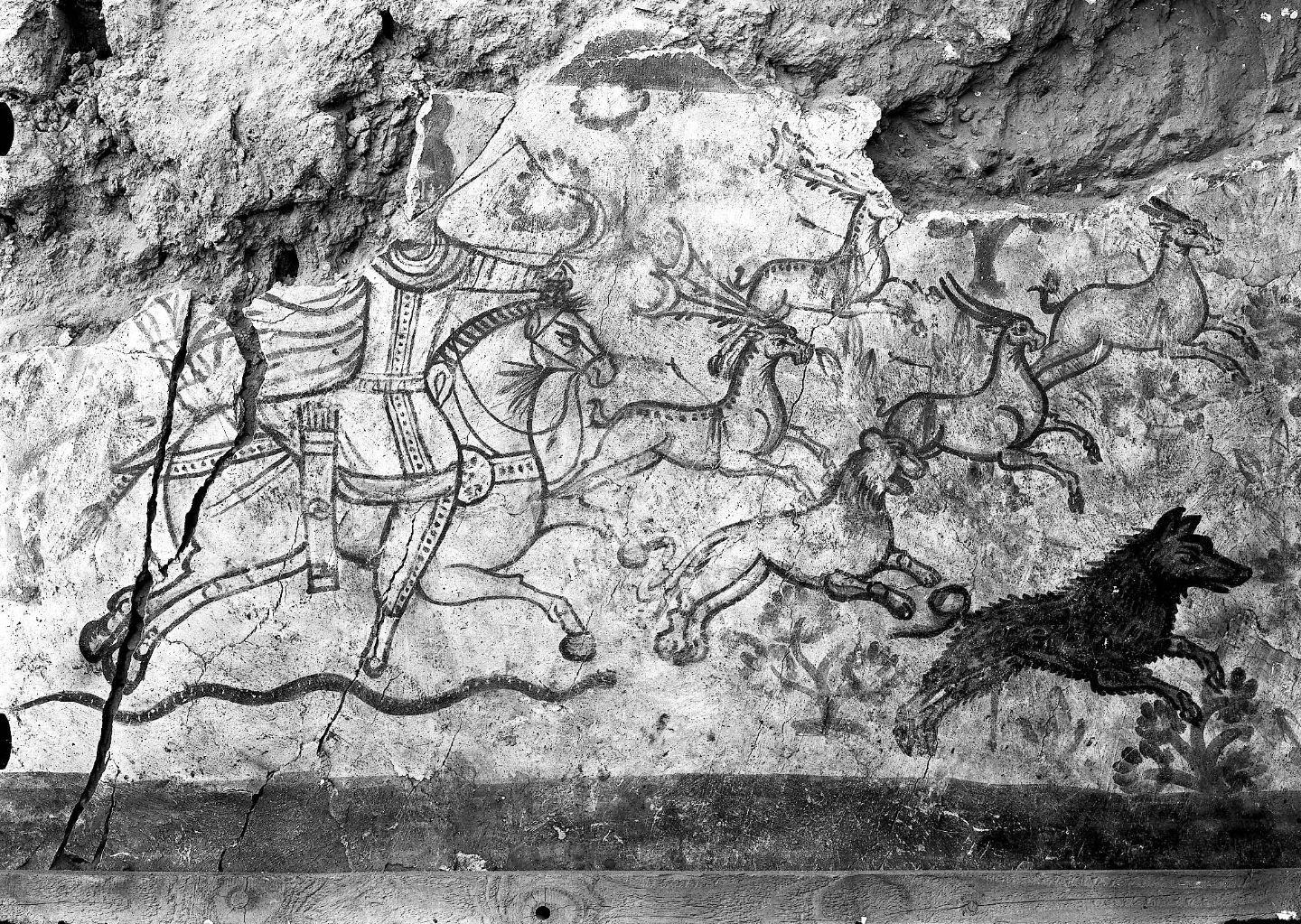
In this fresco from Dura Europos, Mithras is represented as a hunter accompanied by the lion and the serpent.

Excavations in 1979 on the remains of the church of Notre-Dame d'Avigonet in Mandelieu, Alpes-Maritimes, brought to light a small mithraeum.
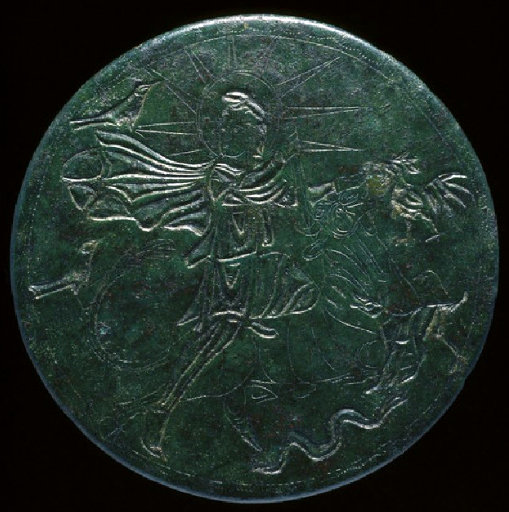
In the Mithraic bronze brooch found in Ostia, Cautes and Cautopates have been replaced by a nightingale and a cock.

Several fragmentary Mithraic remains dedicated by a certain Agatho in the Caelius suggest that a Mithraeum existed in the area.
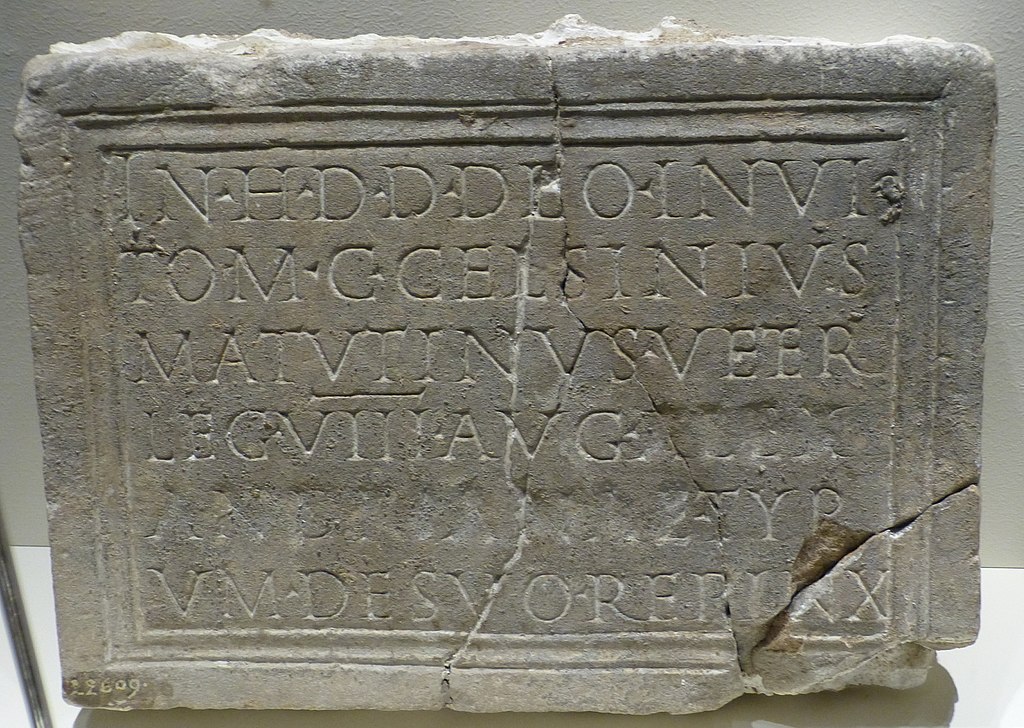
The inscription reports the restoration of the coloured painting of the main relief of the Mithraeum by a veteran of the Legio VIII Augusta.
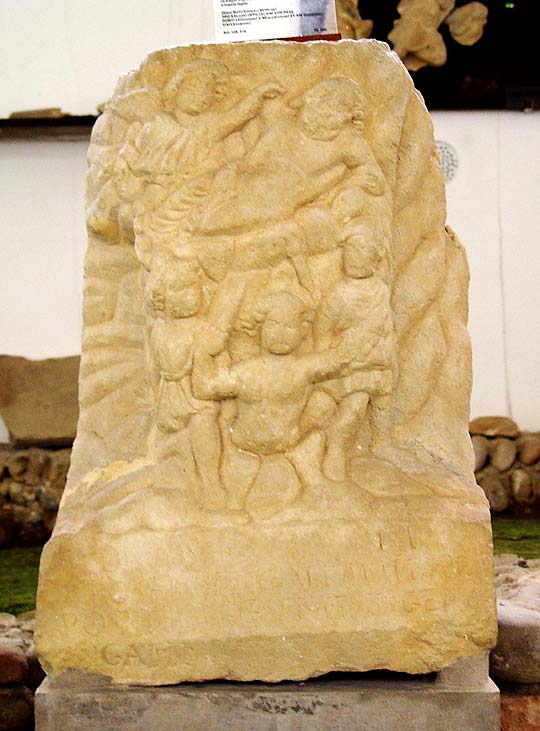
Cautes and Cautopates attend the birth of Mithras from the rock in the Petrogenia of the third Mithraeum of Ptuj.
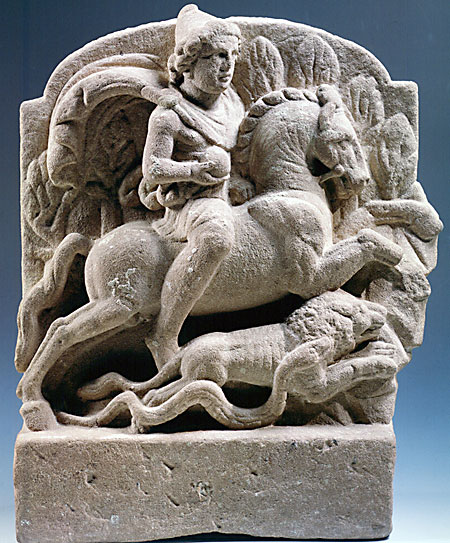
Mithras galloping, in a cypress forest, carrying a globe in one hand and accompanied by a lion and a snake.
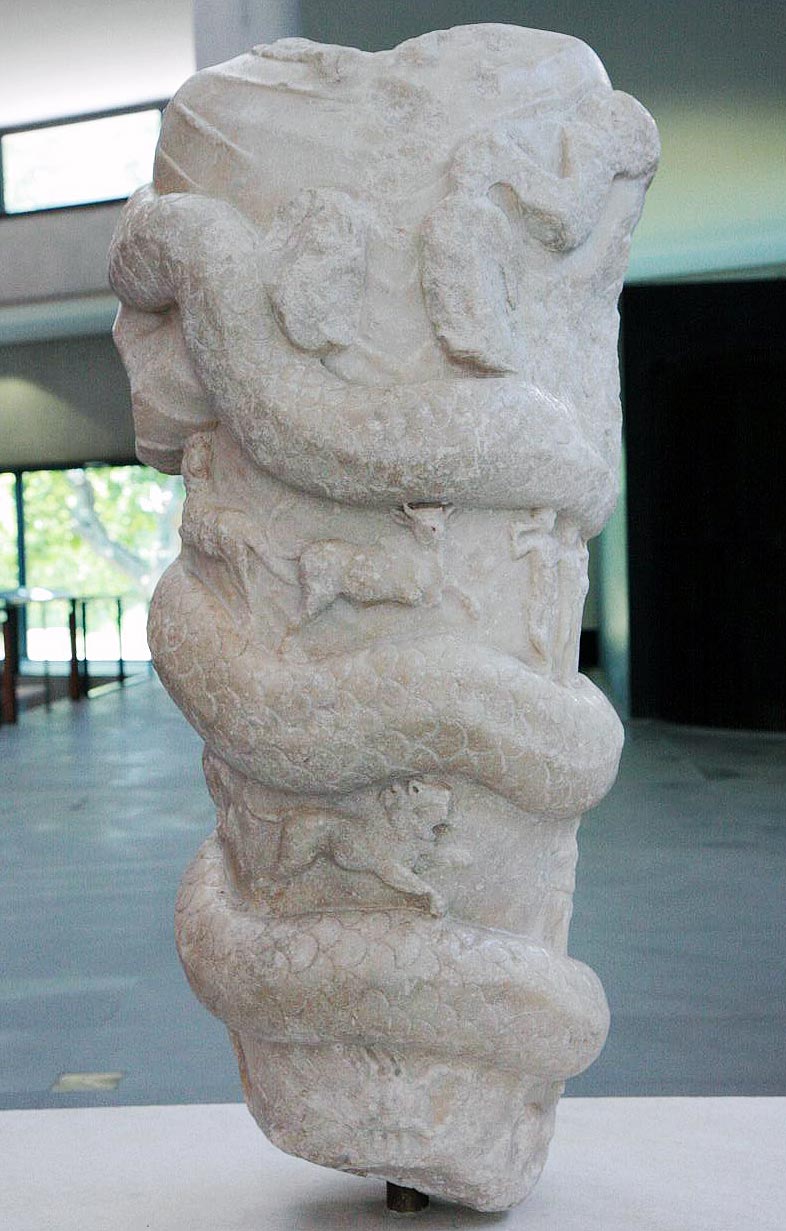
The Aion of Arles includes nine signs of the zodiac in three groups of three, between the spirals of the serpent.
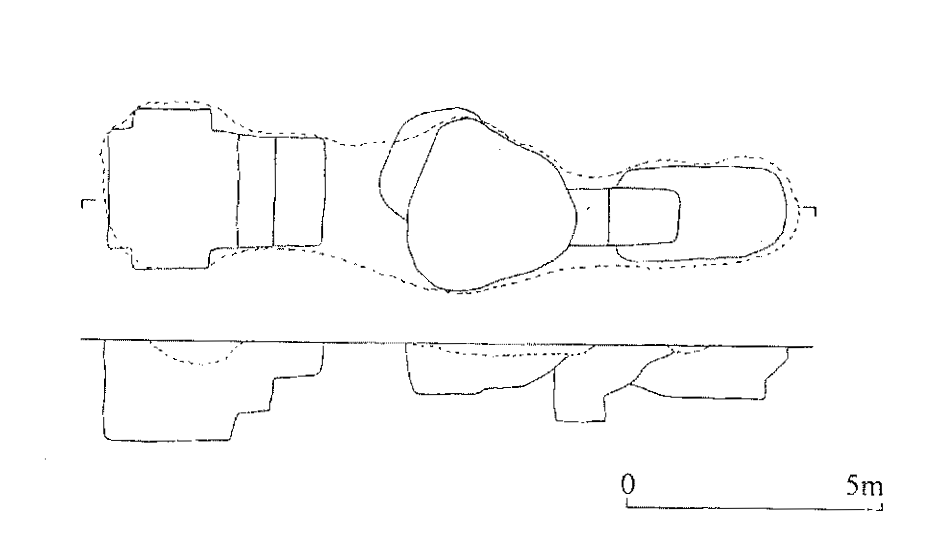
The temple contained hundreds of ceramic vessels and animal bones, which may indicated that a grand Mithraic feast was celebrated before its closing.
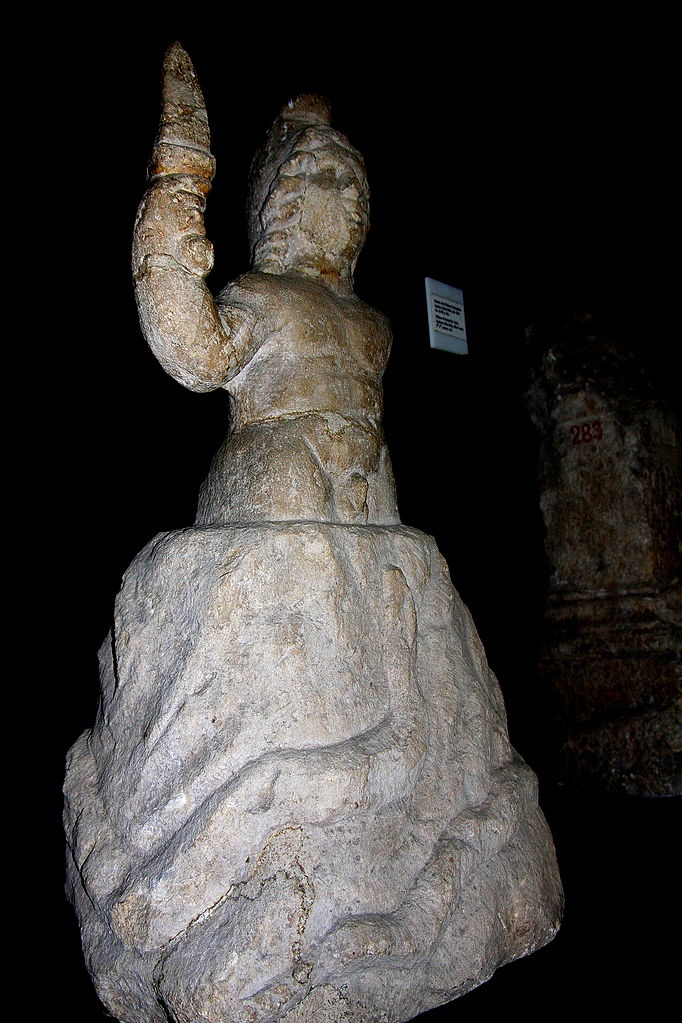
As usual, the solar god rises a dagger with one of his hands while emerges from the rock.
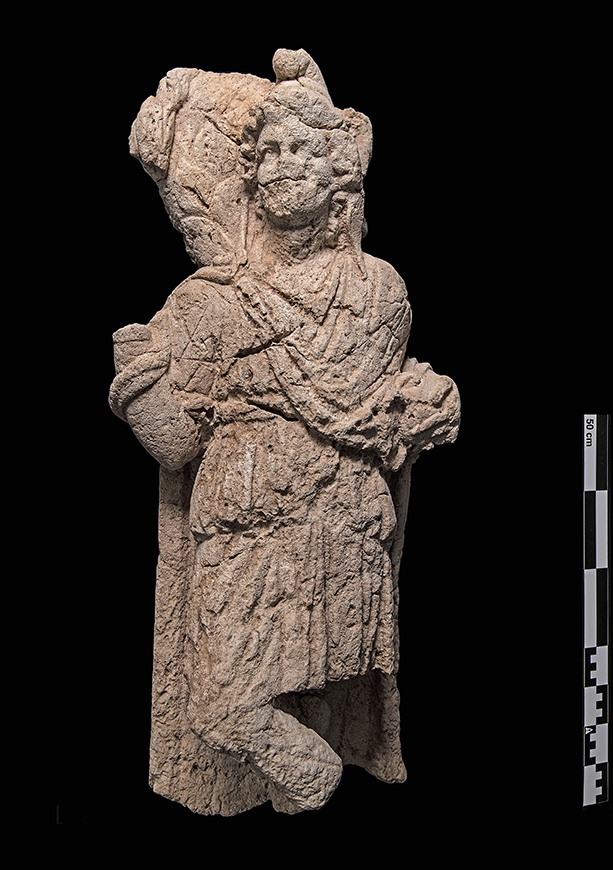
This remarkable relief by Cautes was found in what appears to be a mithraeum in Trier.
