Your search Arsha wa Qibar - Qaybar - Qeibar - Qibare, al-Hawa gave 3160 results.
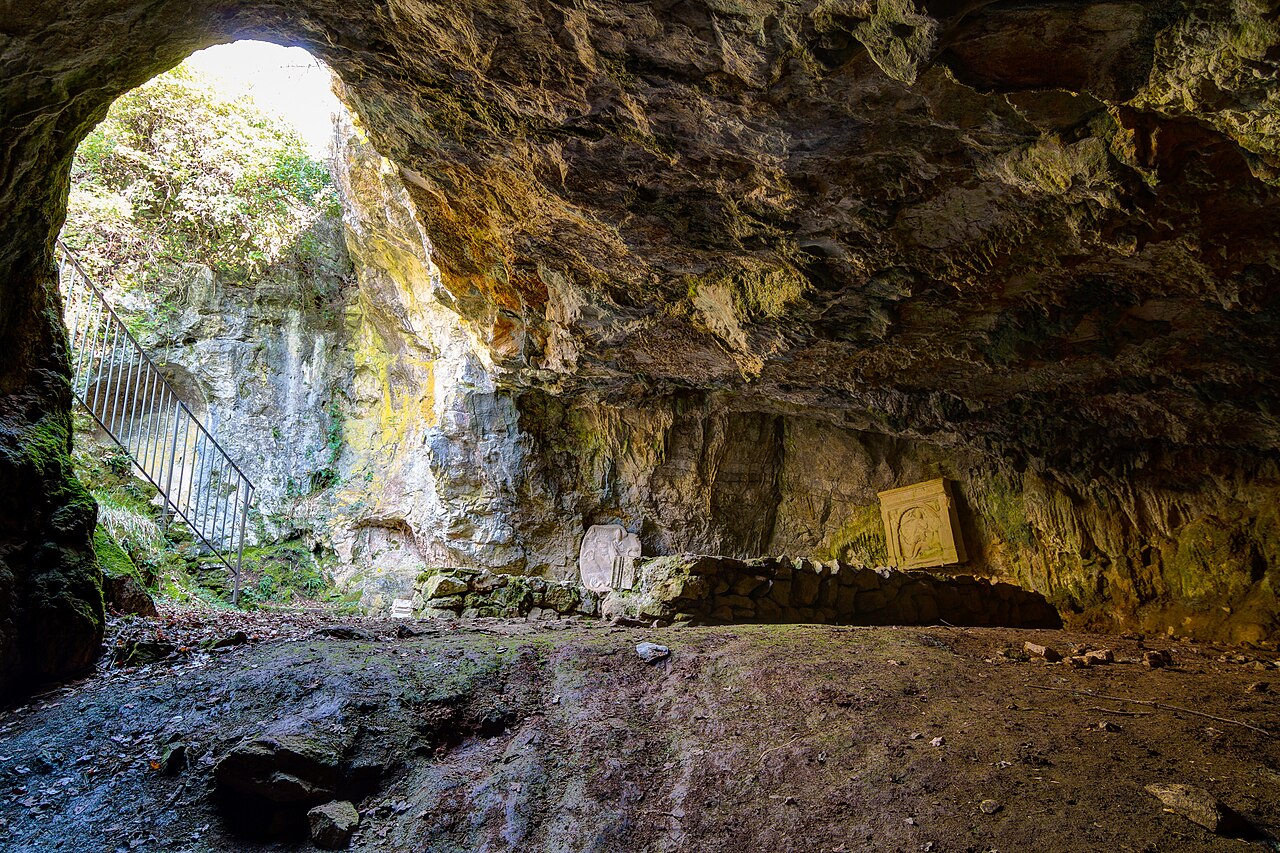
The site was destroyed in the 5th century but some elements, including the benches, can still been seen.
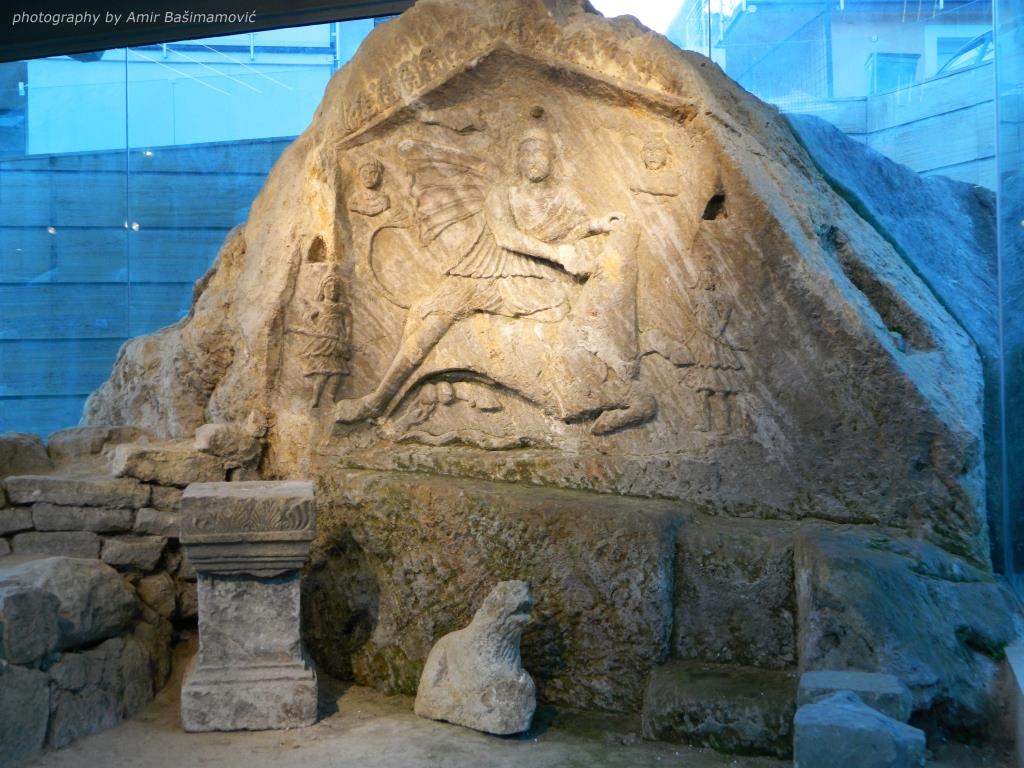
The relief of Mithras killing the bull from the Jajce Mithraeum is walled into the cult niche and surmounted by a roof.

Fresco of Mithras found in an arched niche above the right bench of the Baths of Caracalla’s Mithraeum in Rome.
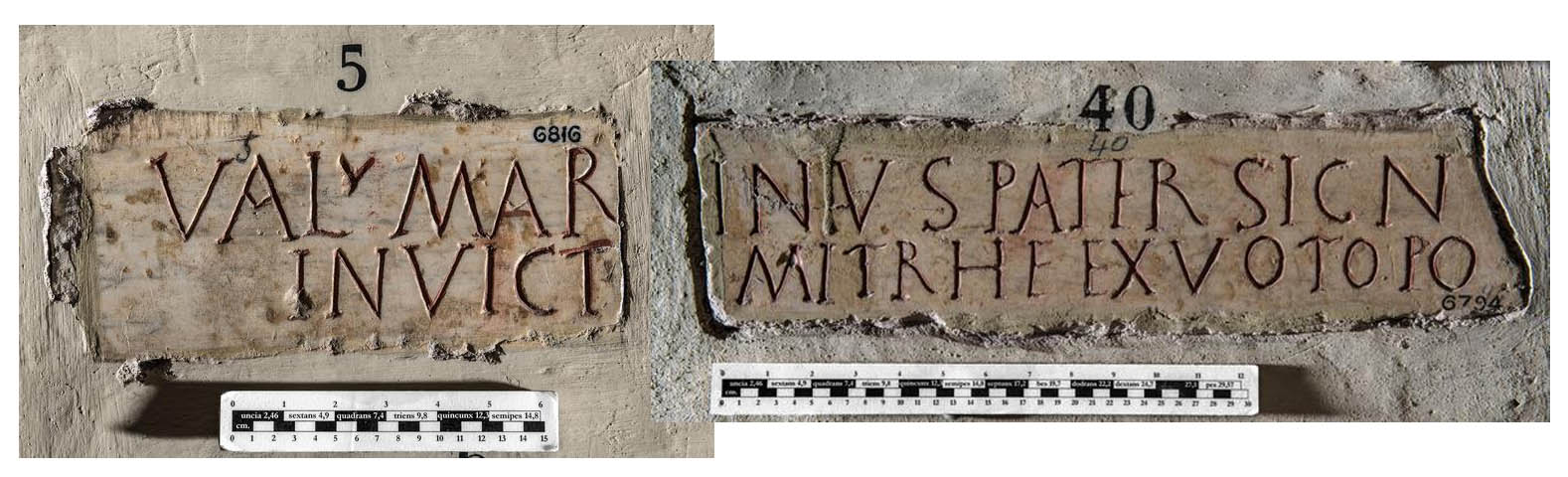
Marble inscription recording the dedication of a cult image to the unconquered Mithras by a certain pater Valerius Marinus from Rome.

This inscription, which doesn’t mention Mithras, was found near the church of Santa Balbina on the Aventine in Rome.

This fragment of a sculpture depicting the birth of Mithras from a rock, intertwined with a chaotic mass of serpent coils, was discovered in Aquileia, Italy.
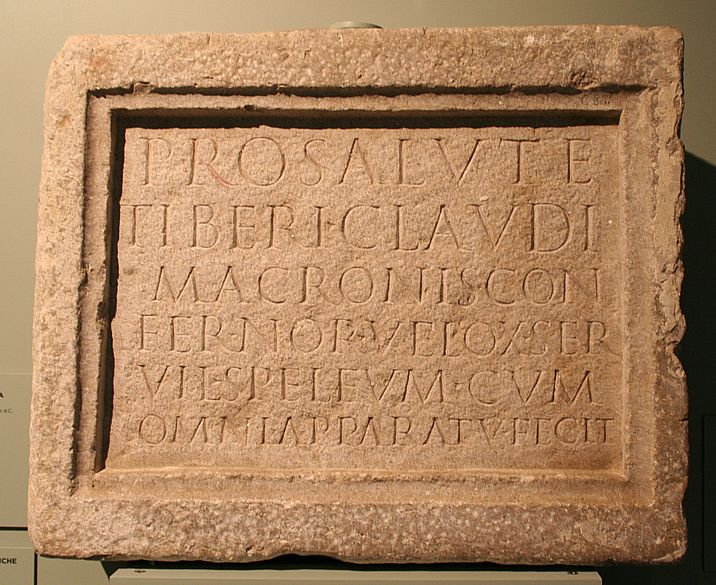
Marble slab with inscription by Velox for the salvation of the chief of the iron mines of Noricum.
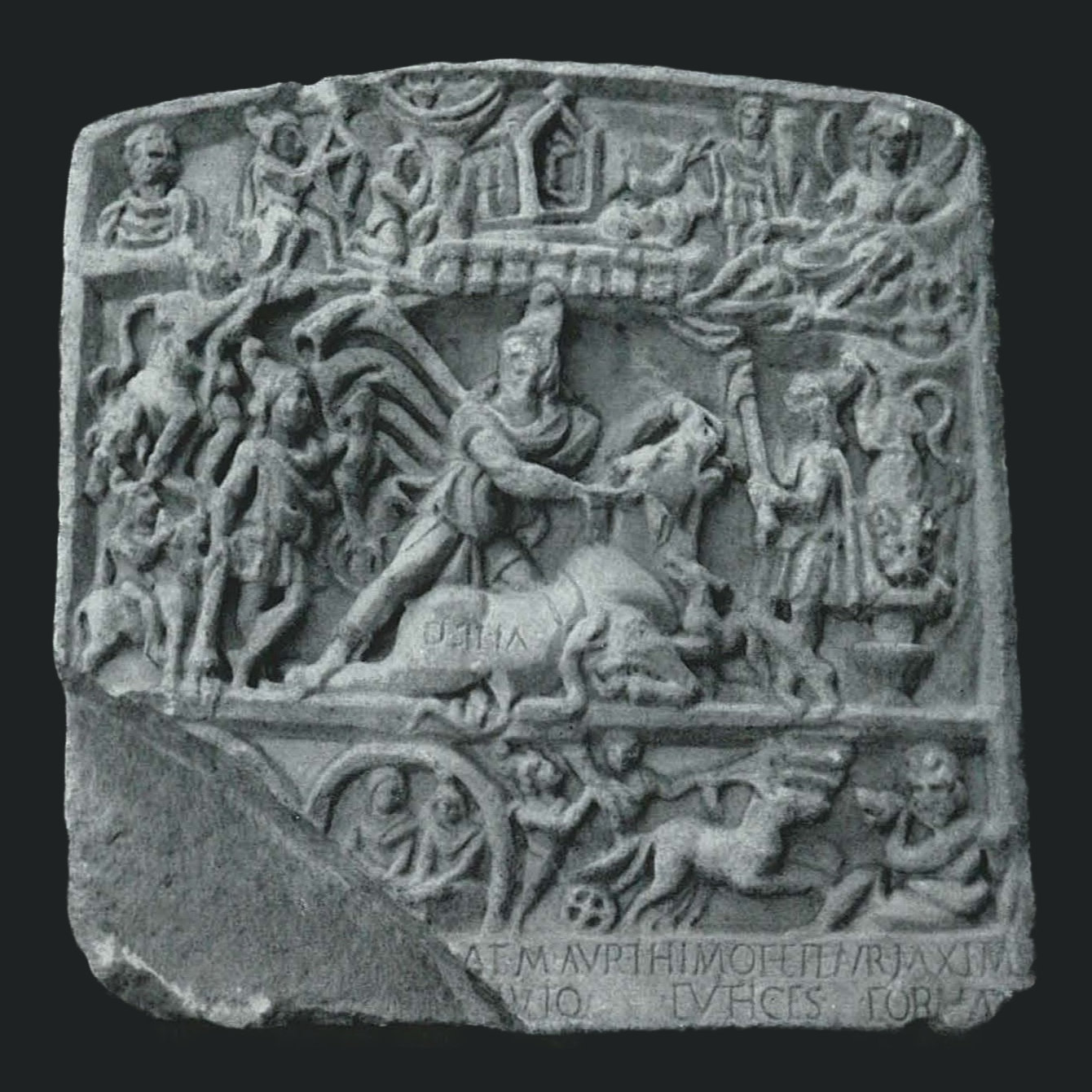
This marble relief of Mithras killing the bull was made by a freedman who dedicated it to his old masters.
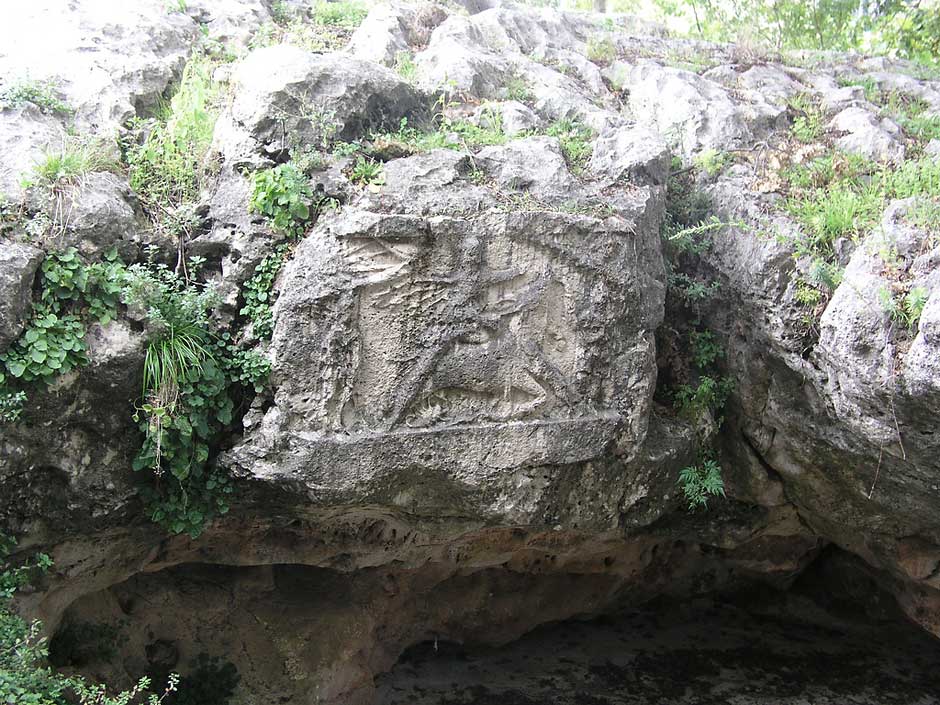
The Mithraeum of Mocici was situated in a grotto at one hour's walk fomr the ancient Epidaurum.
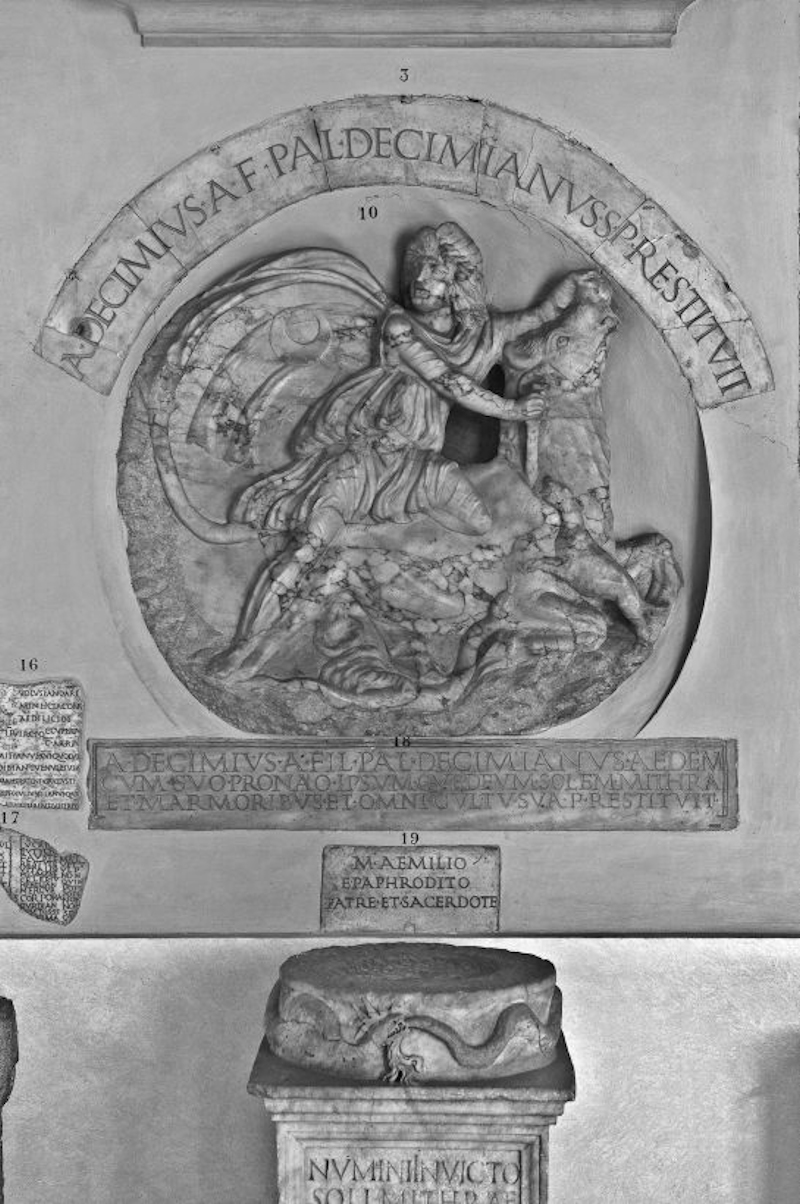
The relief of Mithras slaying the bull from the Mithraeum of the Seven Spheres was discovered in 1802 by Petirini by order of Pope Pius VII.
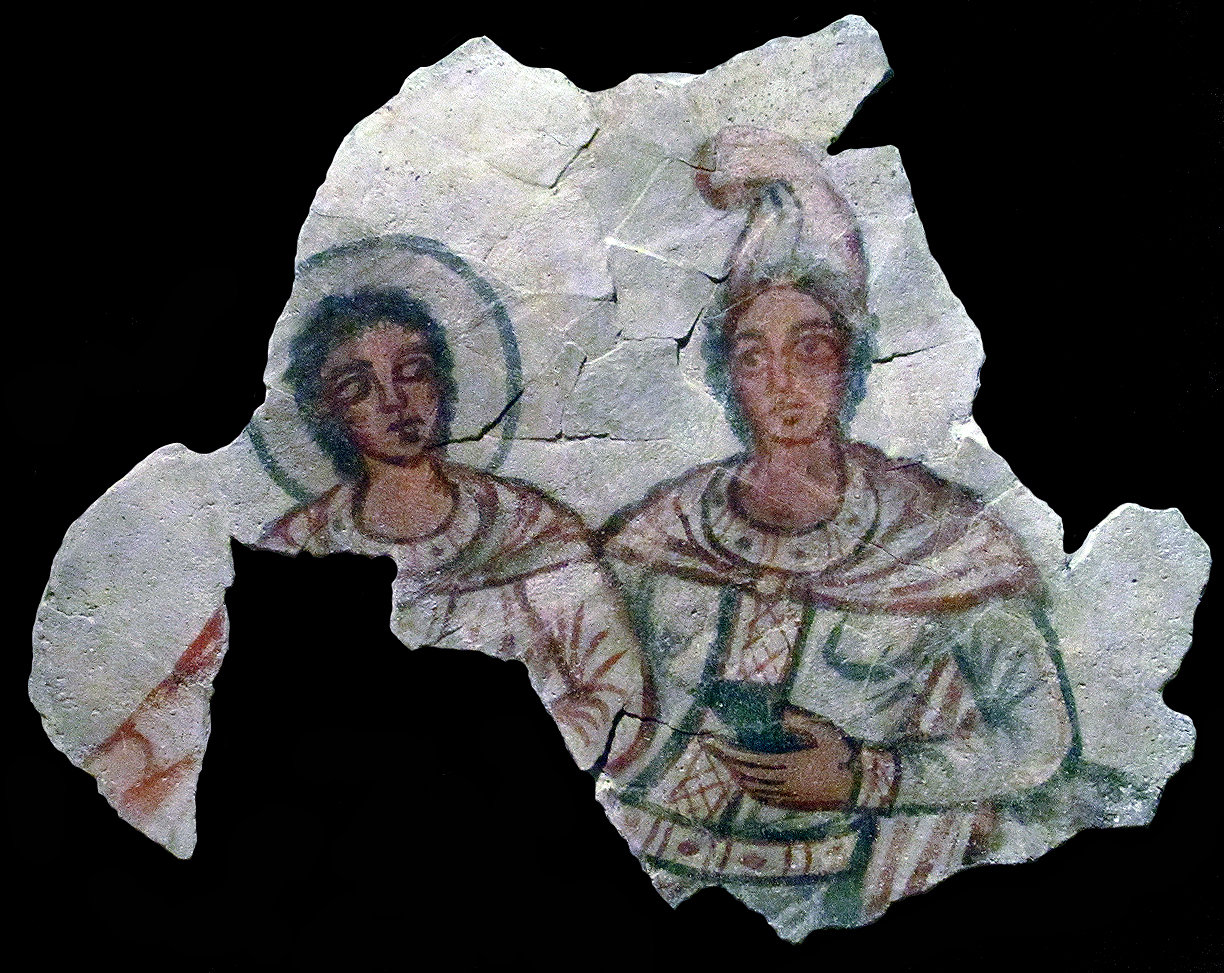
Sol watches Mithras as he gazes Mithras gazes up to heaven while sharing the sacred meal.
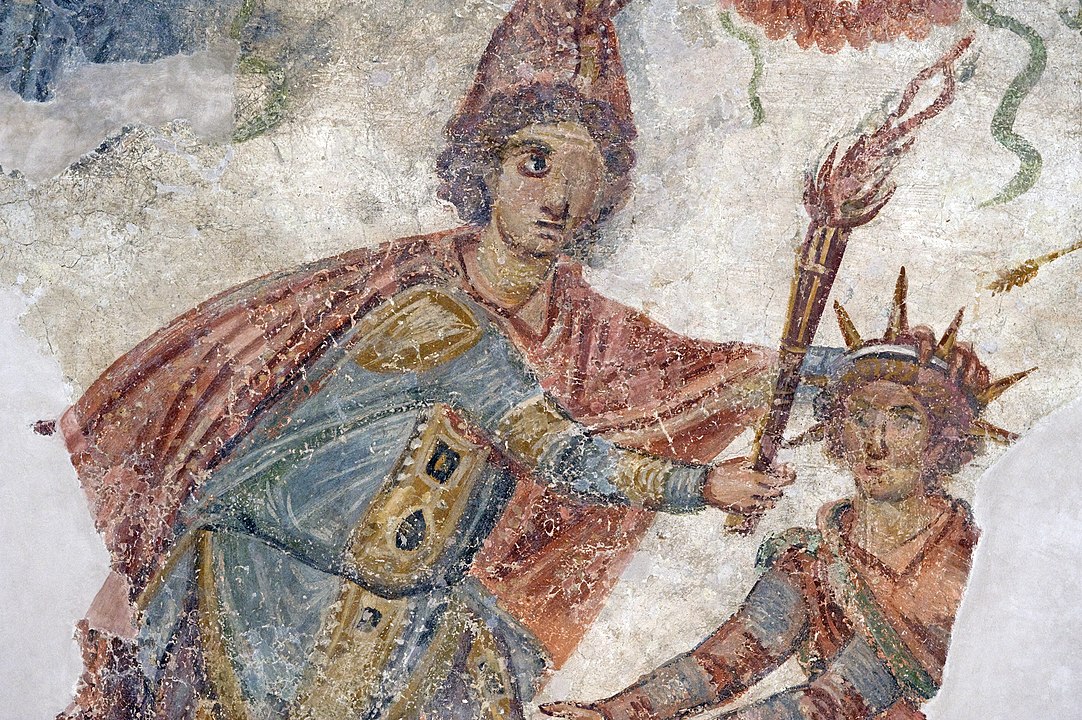
Fresco du Mithraeum de Hawarte, Syria, depicts Mithras' victory over the Sun.
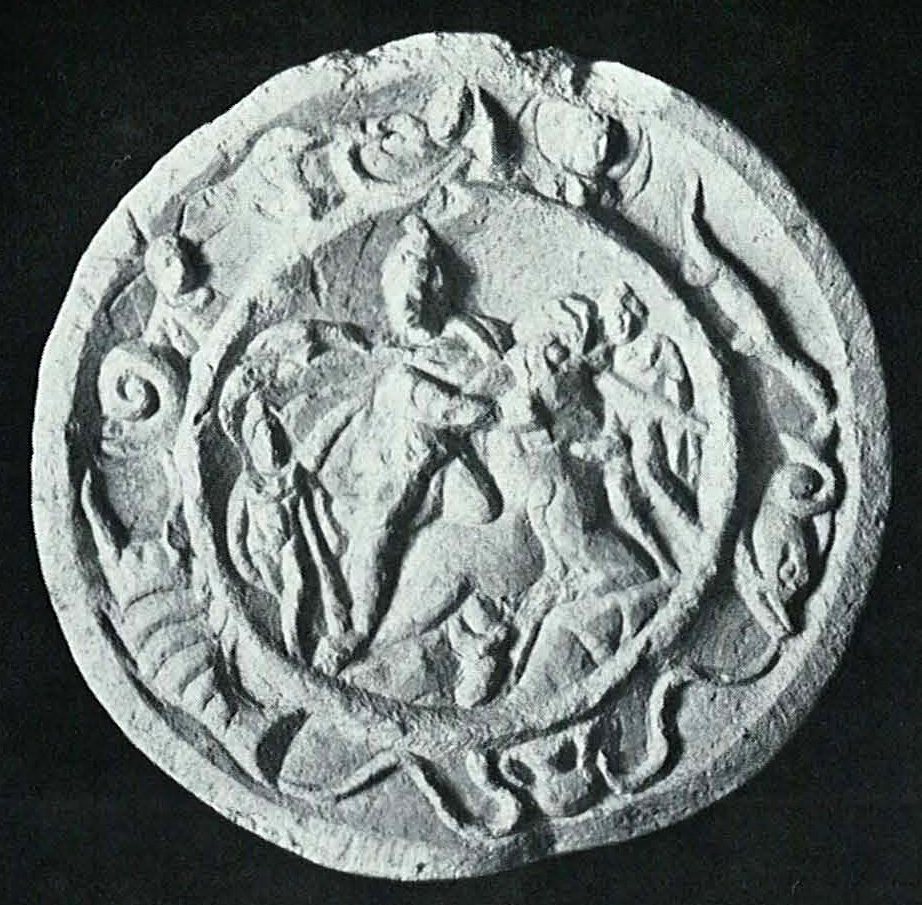
The round relief of Mithras killing the bull of Split is surrounded by a circle with Sun, Moon, Saturn and some unusual animals.
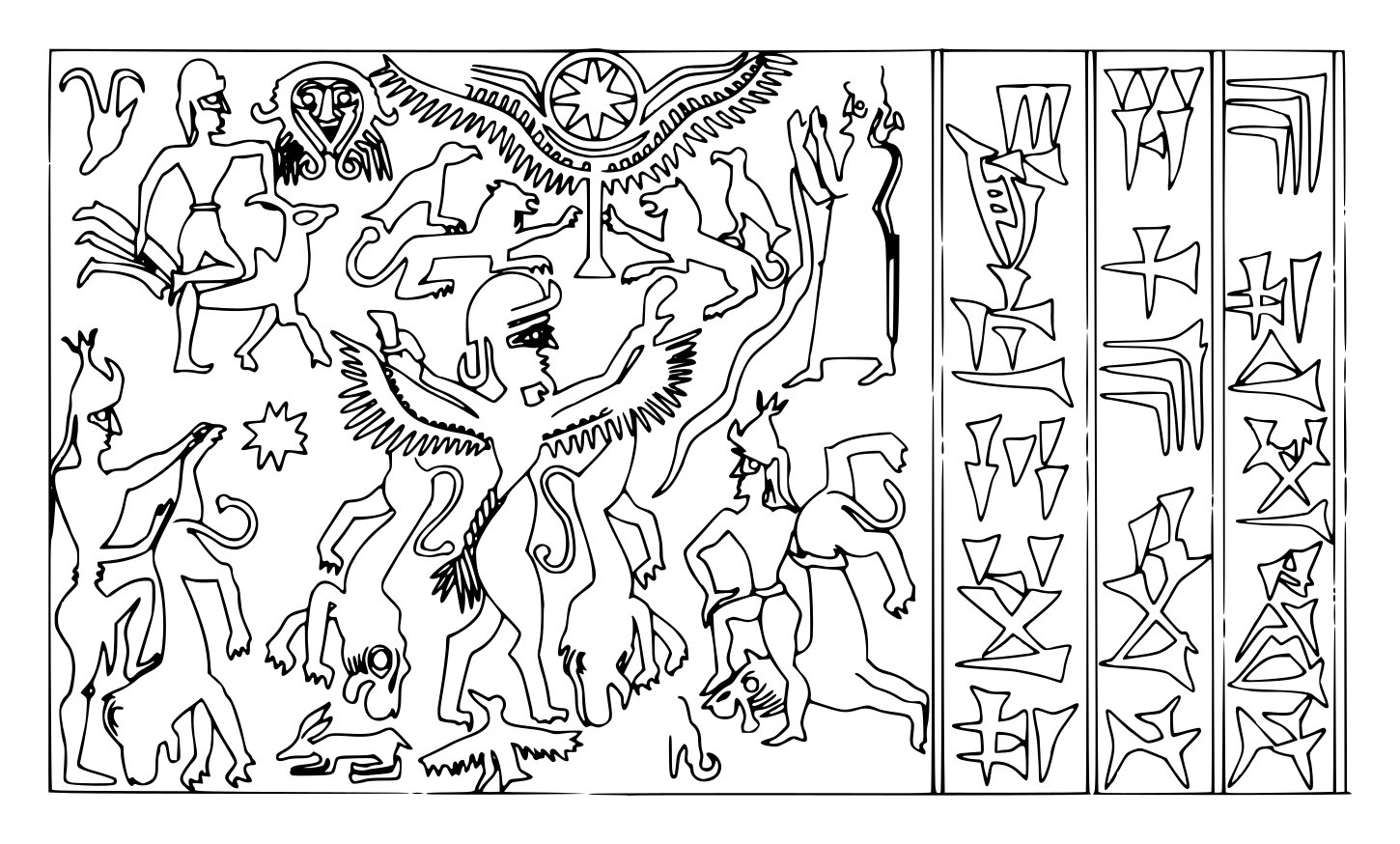
Royal Mitannian seal featuring a winged solar emblem and heroic combat scenes from the cultural milieu in which the earliest attestation of Mitra is found.

Senator, imperial legate and commander from Poetovio, whose dedications to Mithras link the Danubian and African diffusion of the cult.

Ostian sacerdos remembered through his participation in the dedication of the monumental leontocephalic image erected under Commodus in 190 CE.

A Mithraic worshipper whose dedication to Cautes preserves a distinctive epigraphic tradition associated with the coastal communities of north-eastern Hispania.
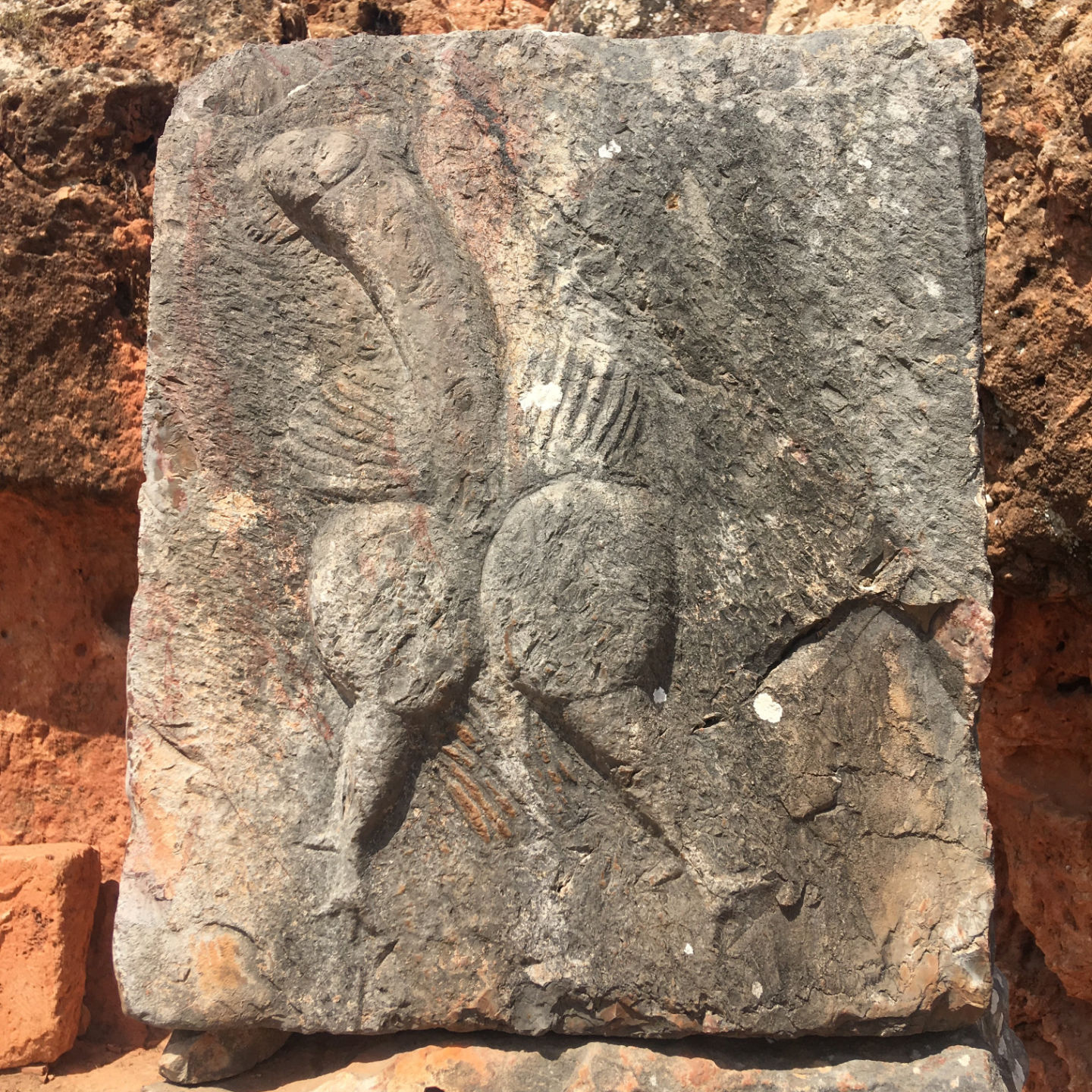
The phallus from Tiddis, Algeria, has been represented as a cock.

Benefactor of the Imperial Palace Mithraeum and possible member of Ostia’s African community.
