Your search Ay-Todor gave 1062 results.
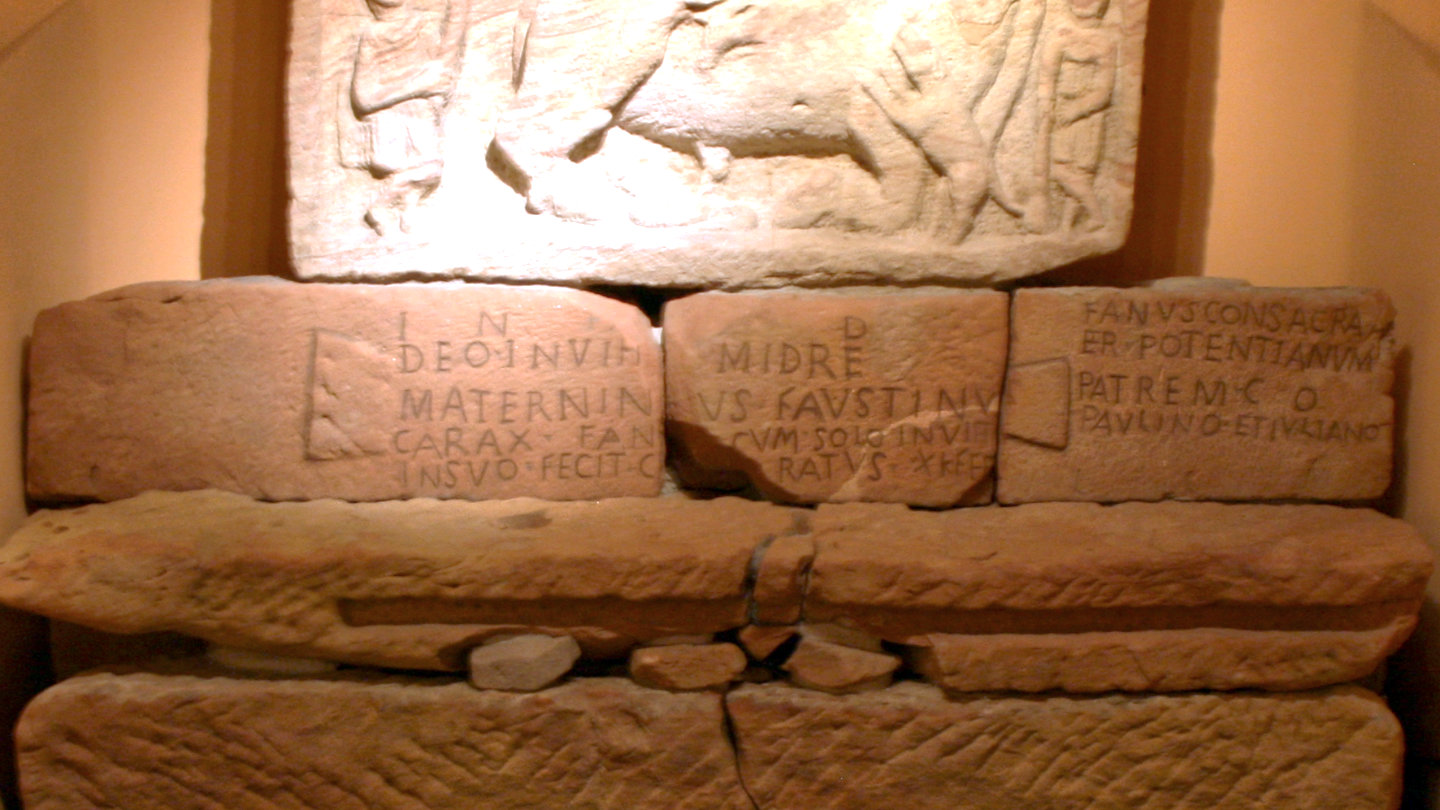
The inscription was located at the base of the main Tauroctony of the Gimmeldingen Mithraeum.
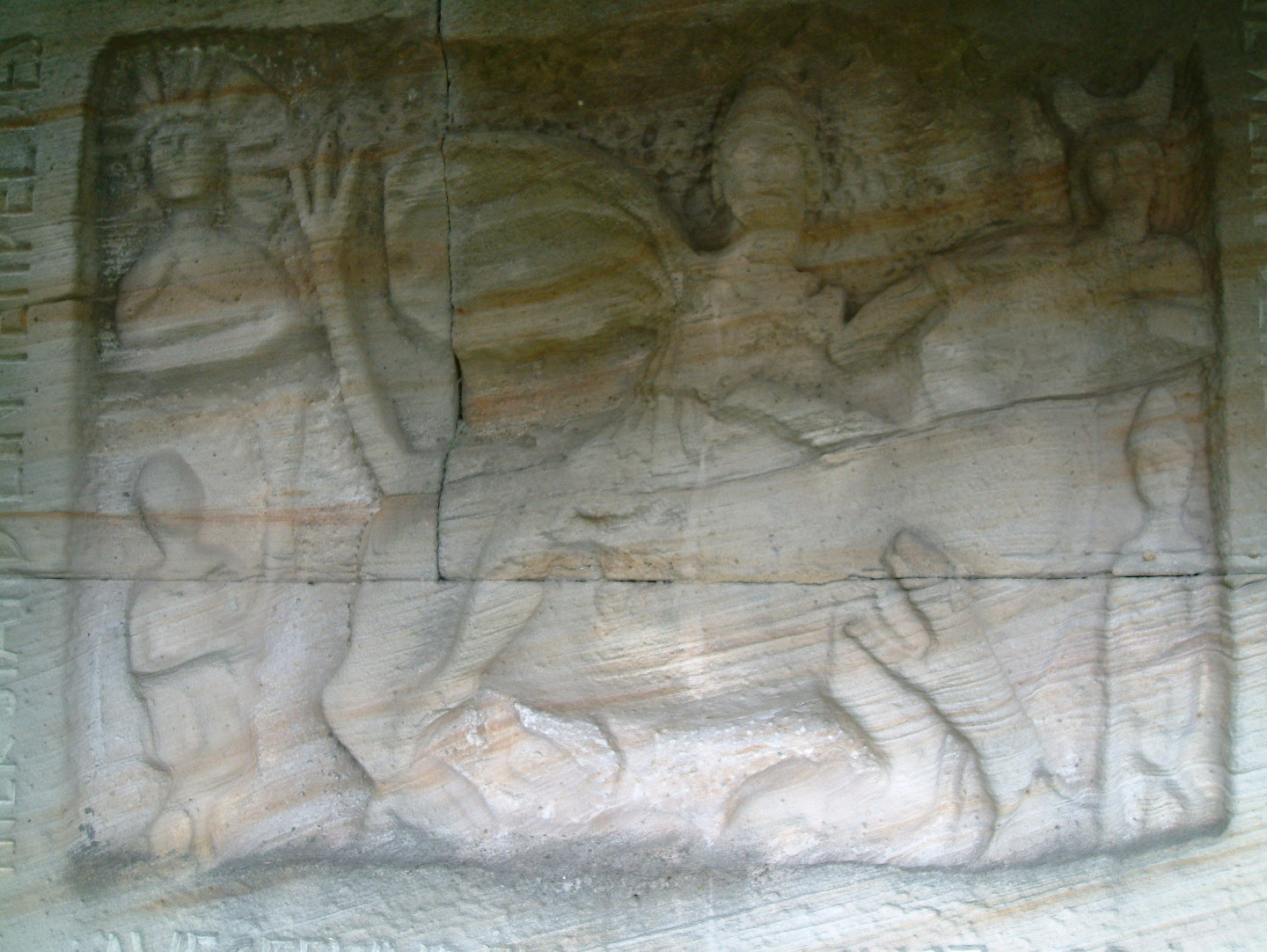
This relief of Mithras killing the bull found in Gimmeldingen, Germany, lacks the usual raven.
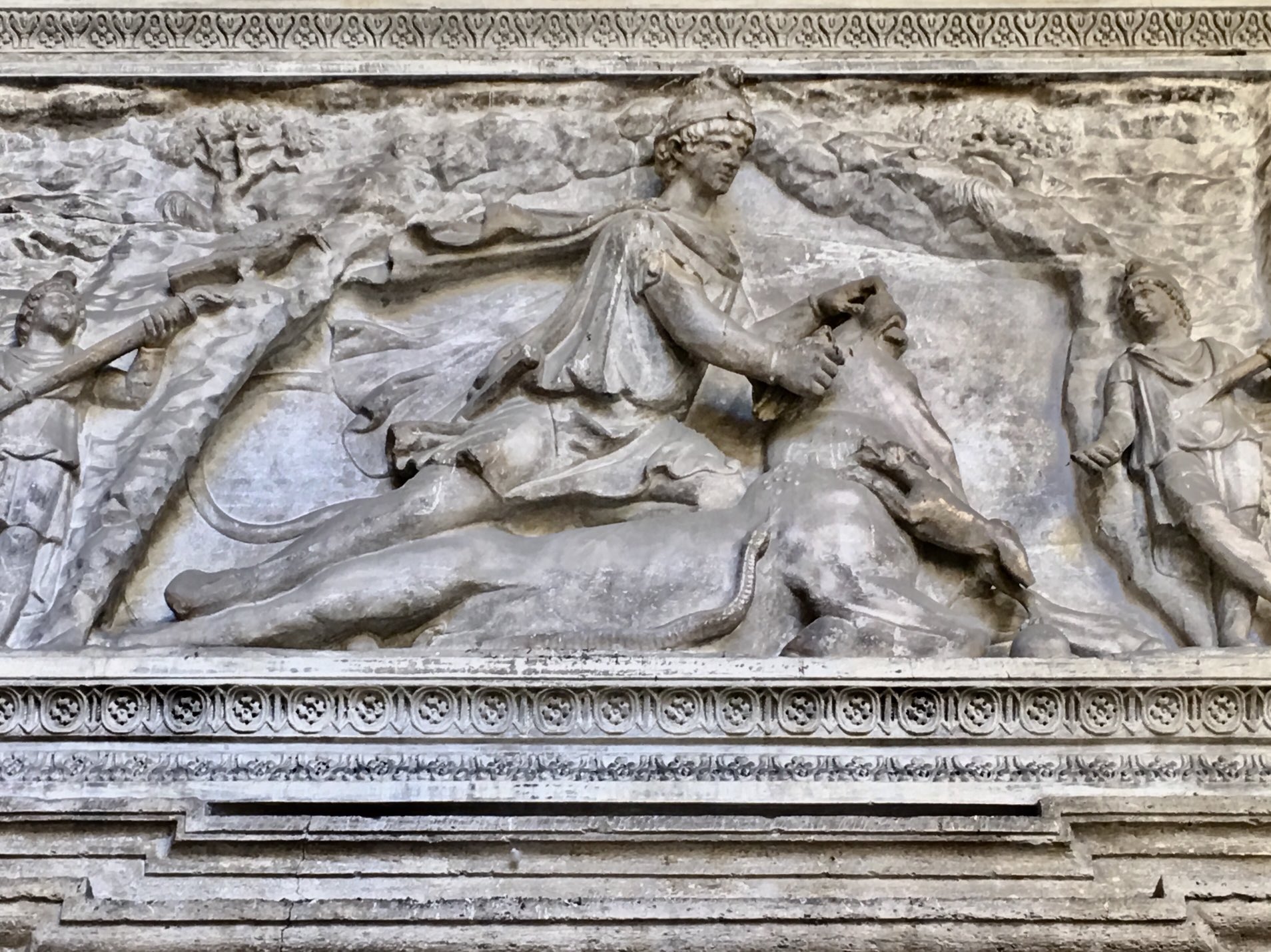
This relief of Mithras as a bullkiller, probably found in Rome, has been part of the Palazzo Mattei collection since at least the end of the 18th century.
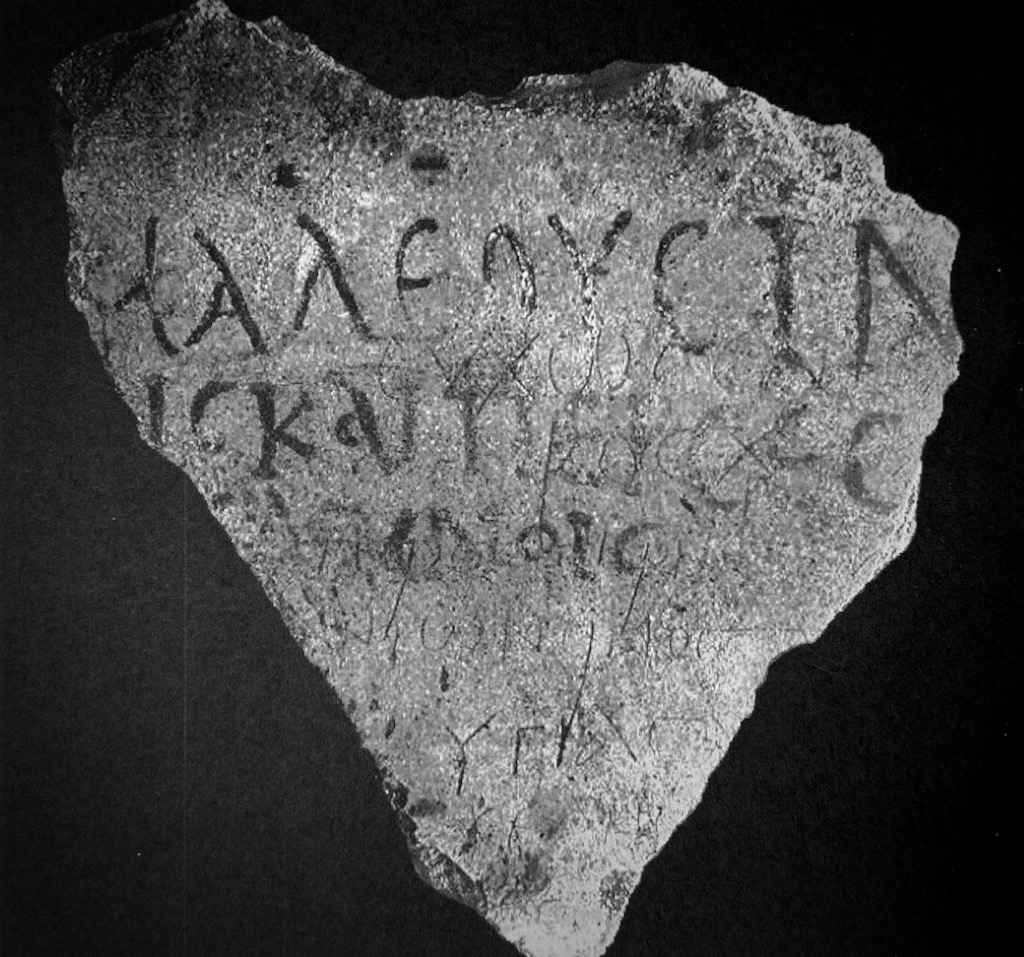
This short dipinto pays homage to the Lions and the Persians, the 4th and 5th Mithraic degrees.
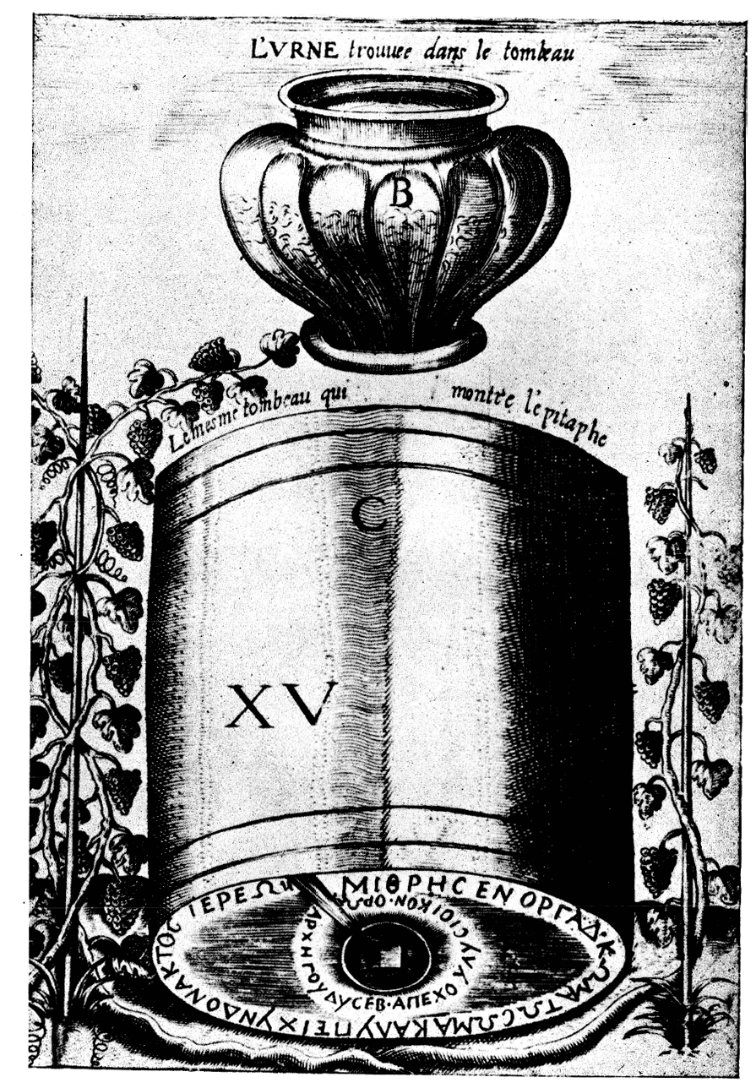
This funerary inscription, engraved on a stone urn discovered near Roman Dijon, mentions a certain Chyndonax, described as a priestly leader of Mithras.

This inscription by a certain Ioulianos, found at the entrance to the Dolichenum at Dura Europos, bears an inscription to Zeus Helios Mithras et Tourmasgade.
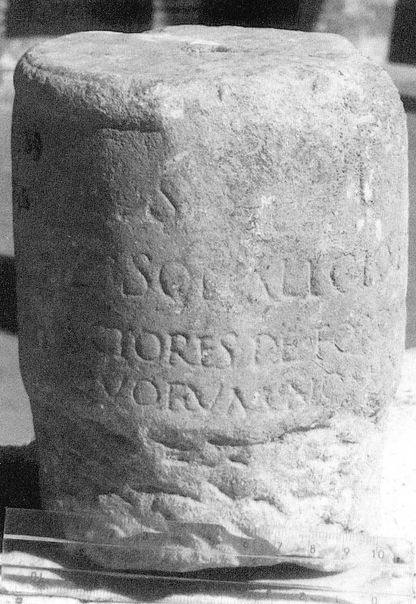
The inscription included the names of the brotherhood, which are now lost.
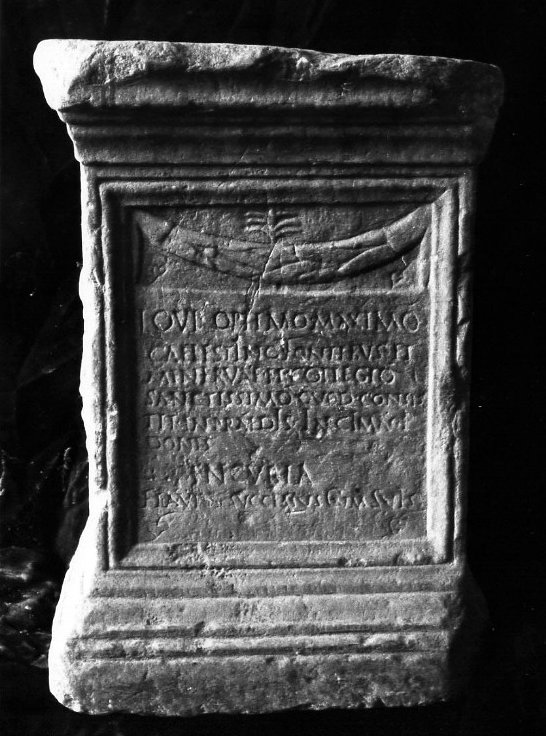
According to the inscription on it, this altar probably supported a statue of Jupiter.
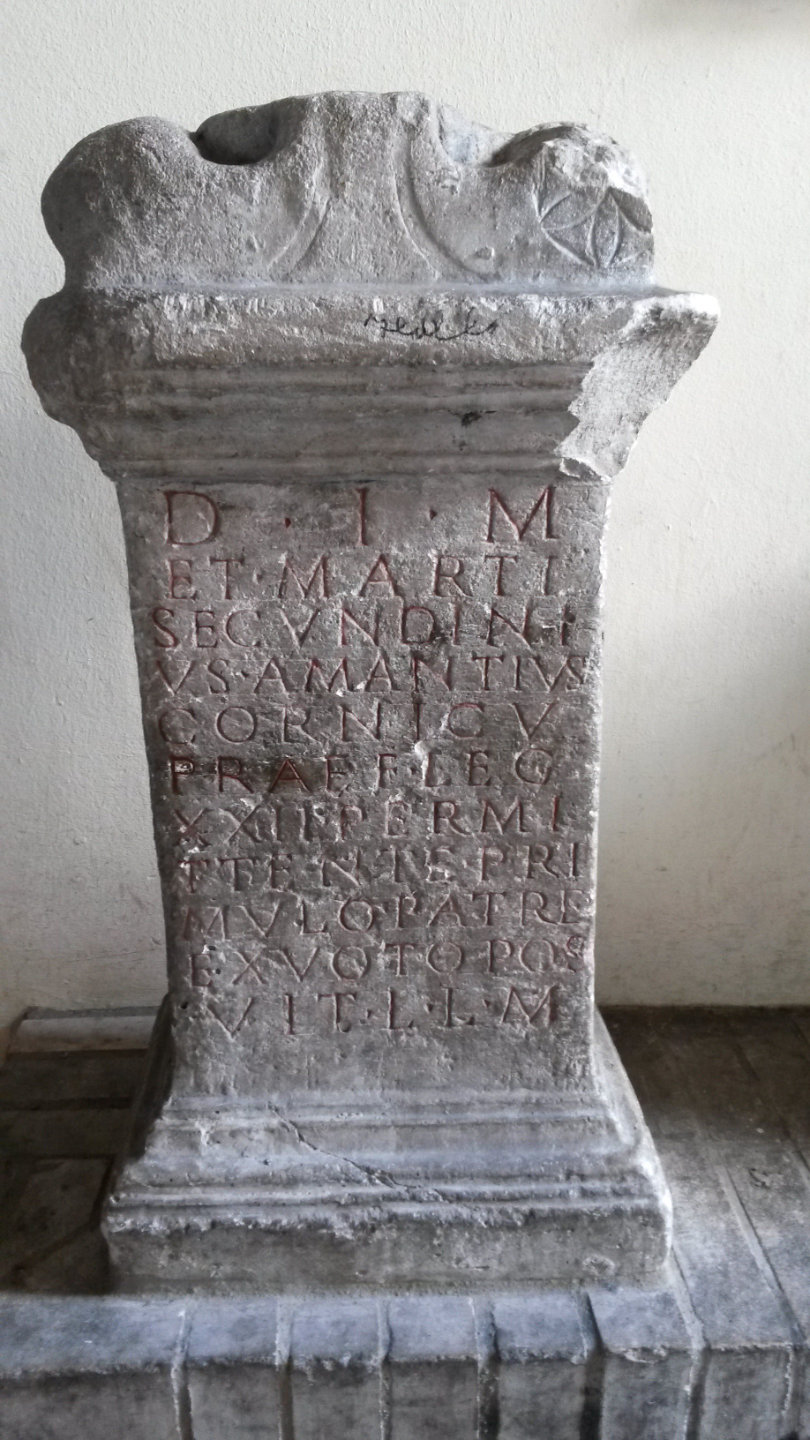
This altar has been unusually dedicated to both gods Mithras and Mars at Mogontiacum, present-day Mainz.
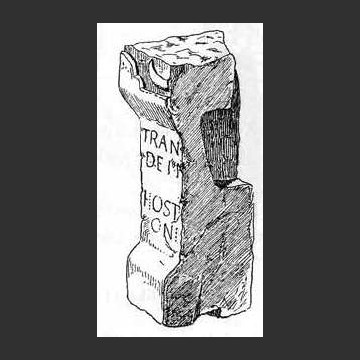
This damaged monument of a certain Hostilius from Malvesiatium, now Skelani, bears an inscription apparently to Mithras transitus.
Fragmentary marble statue of a woman from the Mithraeum delle Sette Porte.
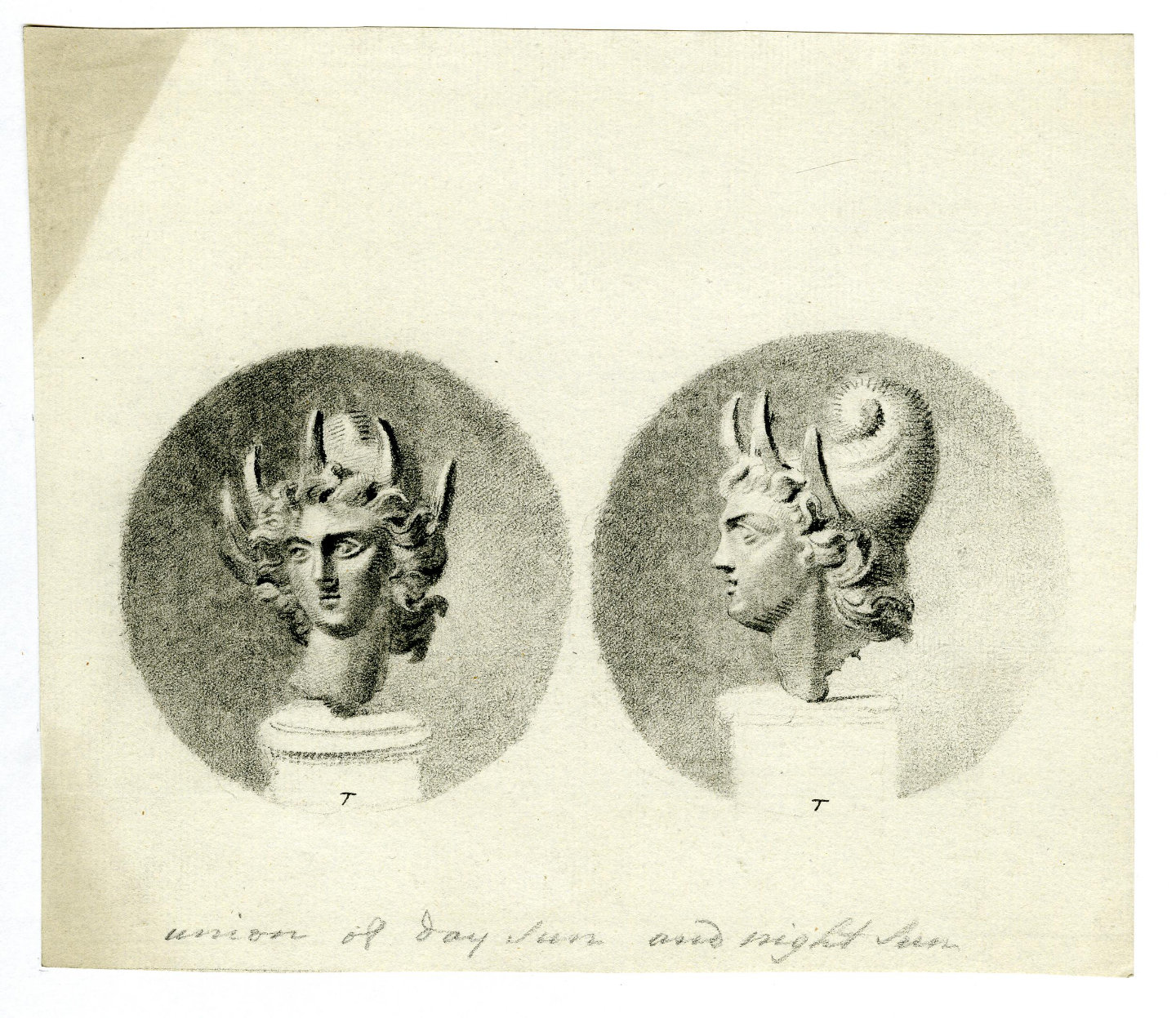
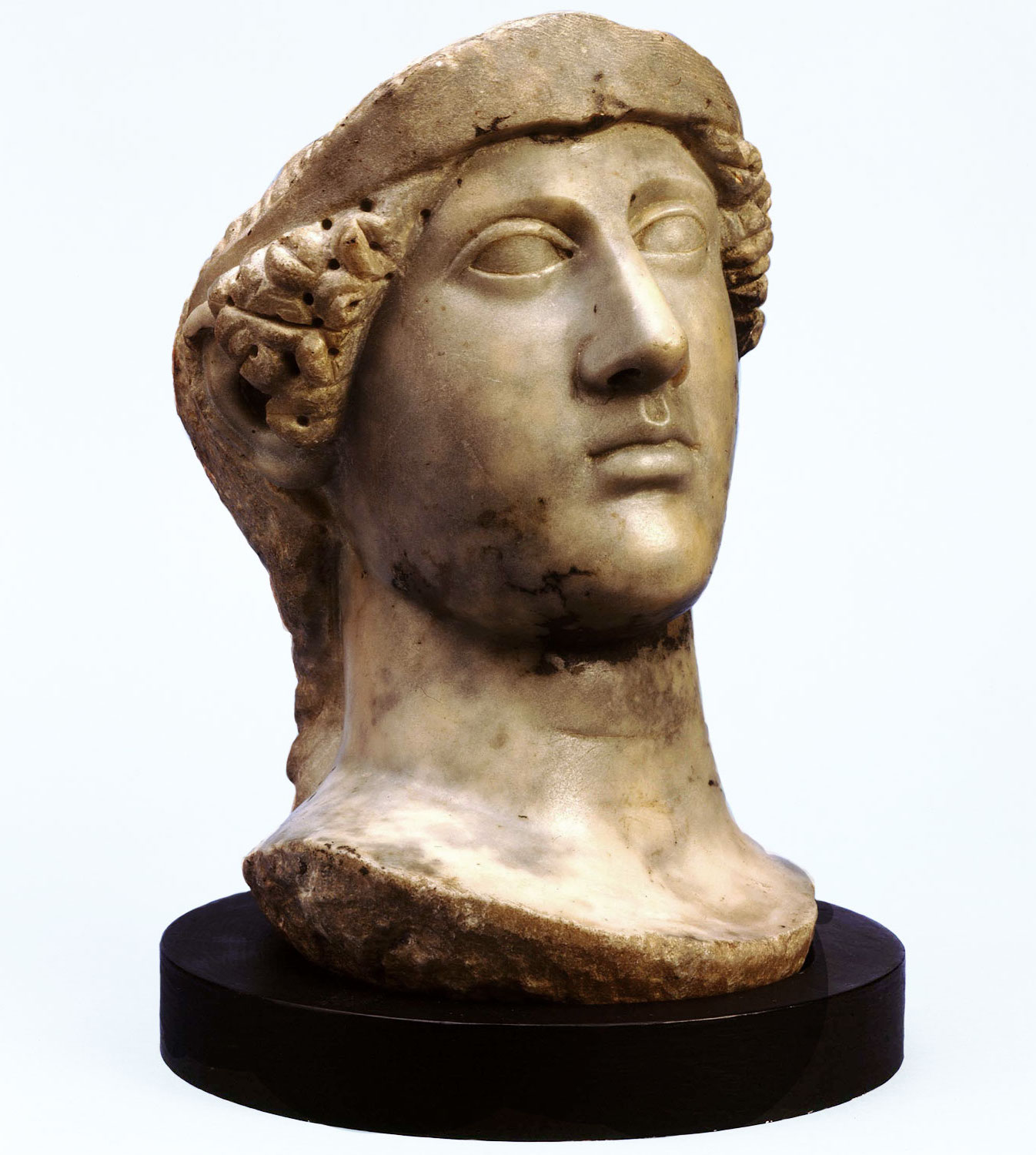
This head was found at the east end of temple of Mithras in London.
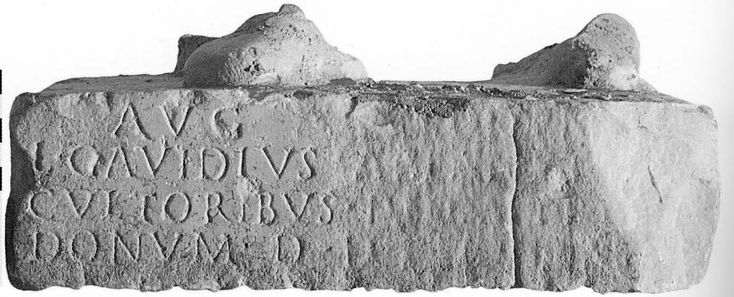
This inscription on white marble by Lucius Gavidius uses the term ther cultores to refer to his Mithraic community in Stabiae, Italy.
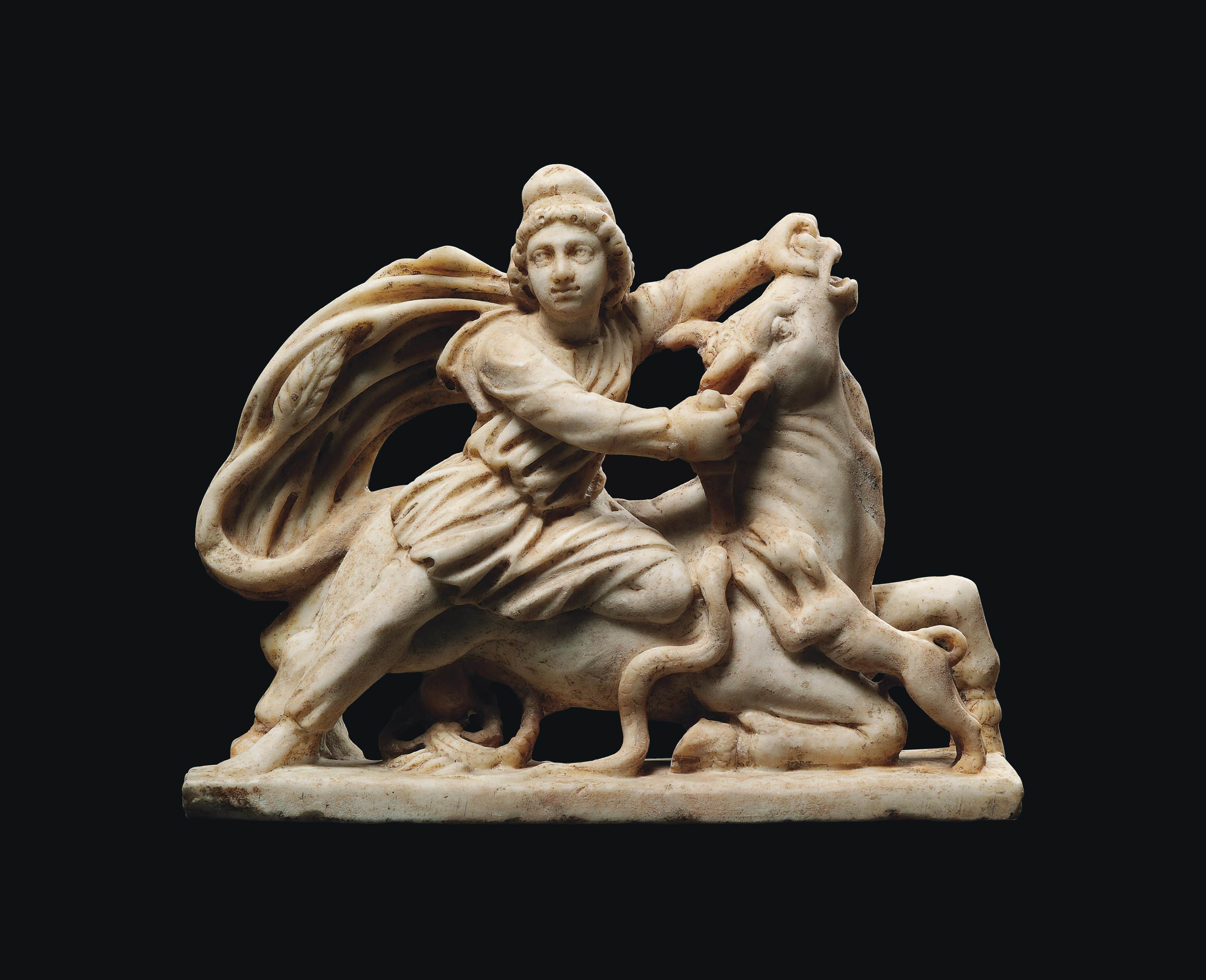
Marble group of Mithras slaying the bull, formerly sold by Antiquarium Ltd., New York.
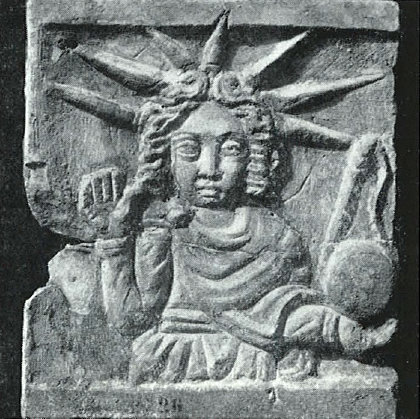
The relief of Sol was found during the construction of Piazza Dante in Rome in 1874.
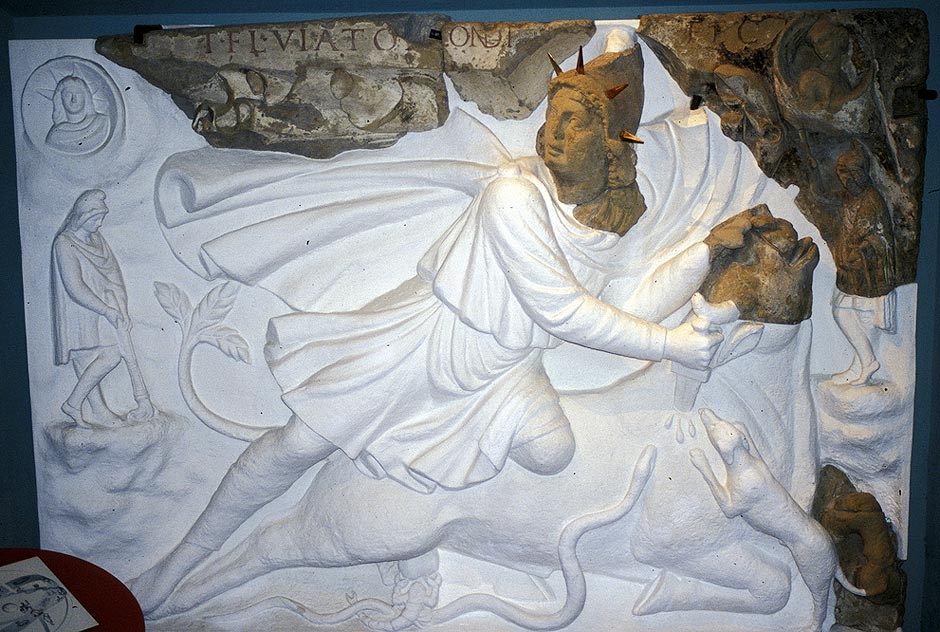
Of this great relief of Mithras slaying the bull only a few segments remain.
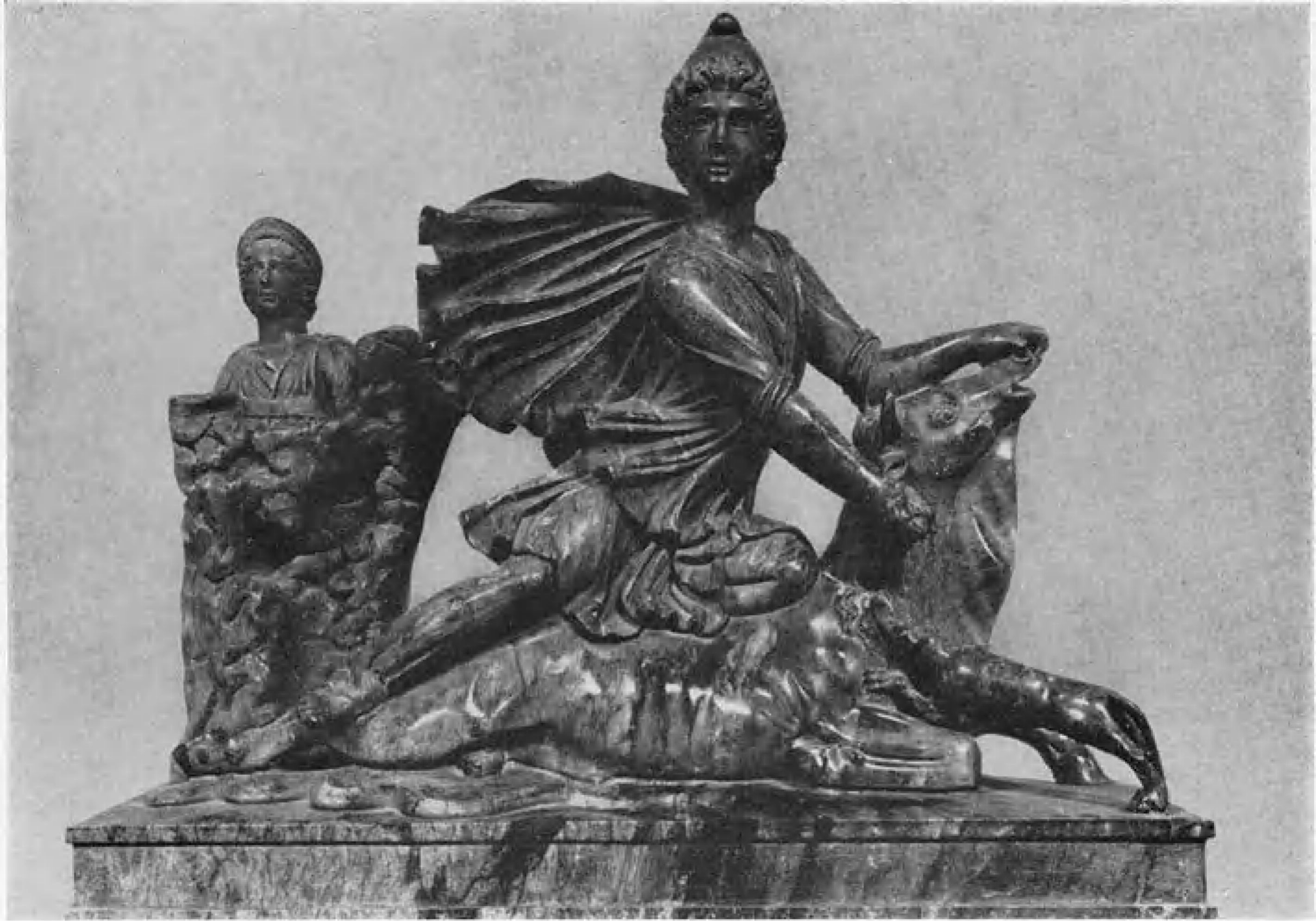
This black marble of Mithras killing the Bull has belonged to the sculptor Carlo Albacini.
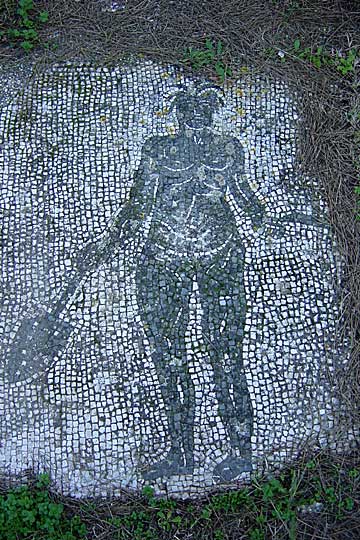
Several figures related to the Mysteries of Mithras are depicted on the mosaics of the Mithraeum of the Animals.
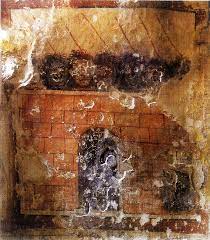
The City of Darkness unique fresco from the Mithraeum of Hawarte shows the tightest links between the western and eastern worship of Mithras in Roman Syria.
