Your search Bad Ischl im Salzkammergut gave 2084 results.

A freedman of Septimius Severus, he was Pater and priest of the invincible Mithras, as mentioned in a marble inscription found in Rome.
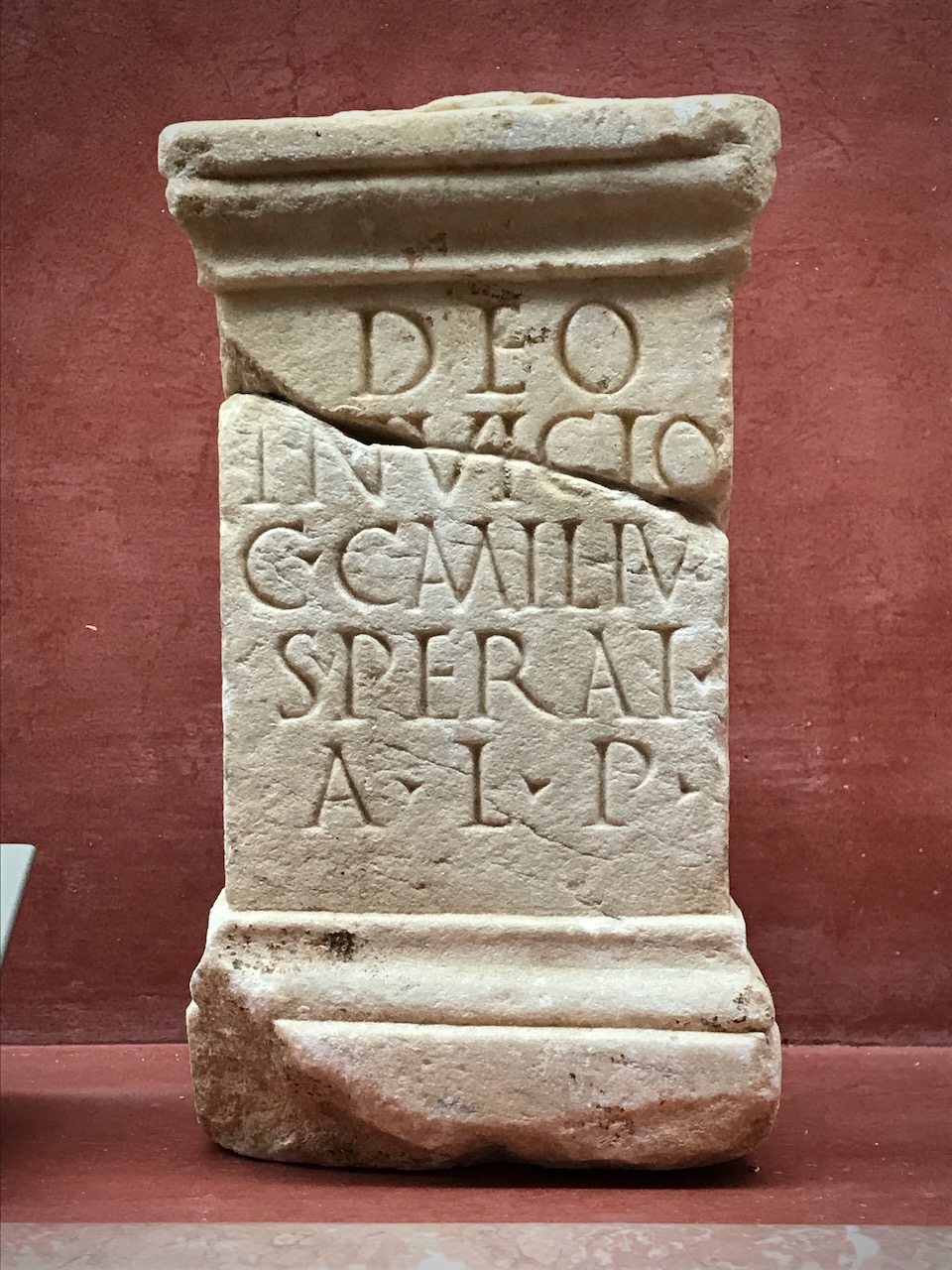
Small white marble altar made in honour of Mithras found at San Albín, Mérida.

This inscription found in the Mithraeum Aldobrandini informs us of certain restorations carried out in the temple during a second phase of development.
This monument bears an inscription to Mithras by a well-known general of the Roman Empire.

Mithraeum I in Güglingen, Landkreis Heilbronn (Baden-Württemberg).
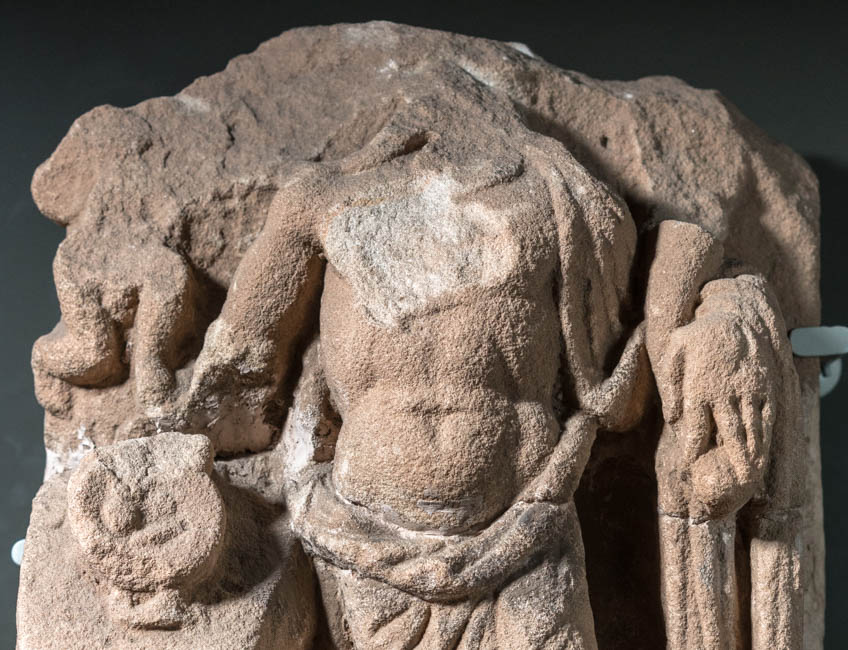
A standing half naked man makes offerings to an altar while holding a cornucopia in his other hand.
In this 4th-century Roman altar, the senator Rufius Caeionius Sabinus defines himself as Pater of the sacred rites of the unconquered Mithras, having undergone the taurobolium.
This limestone altar dedicated to Mithras by a certain Veturius Dubitatus was found in Dalj, Croatia, in 1910.
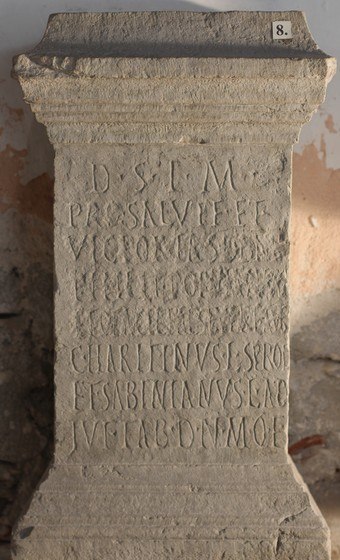
This stone altar found in Poreč was dedicated by two freedmen to the numen and majesty of the emperors Philip the Arab and Otacilia Severa.
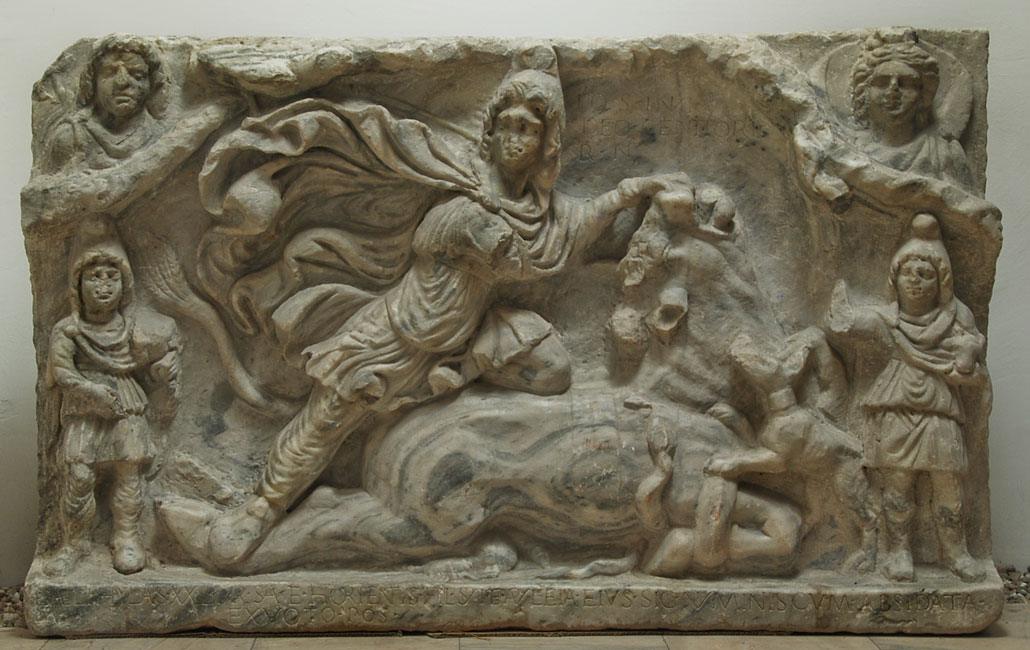
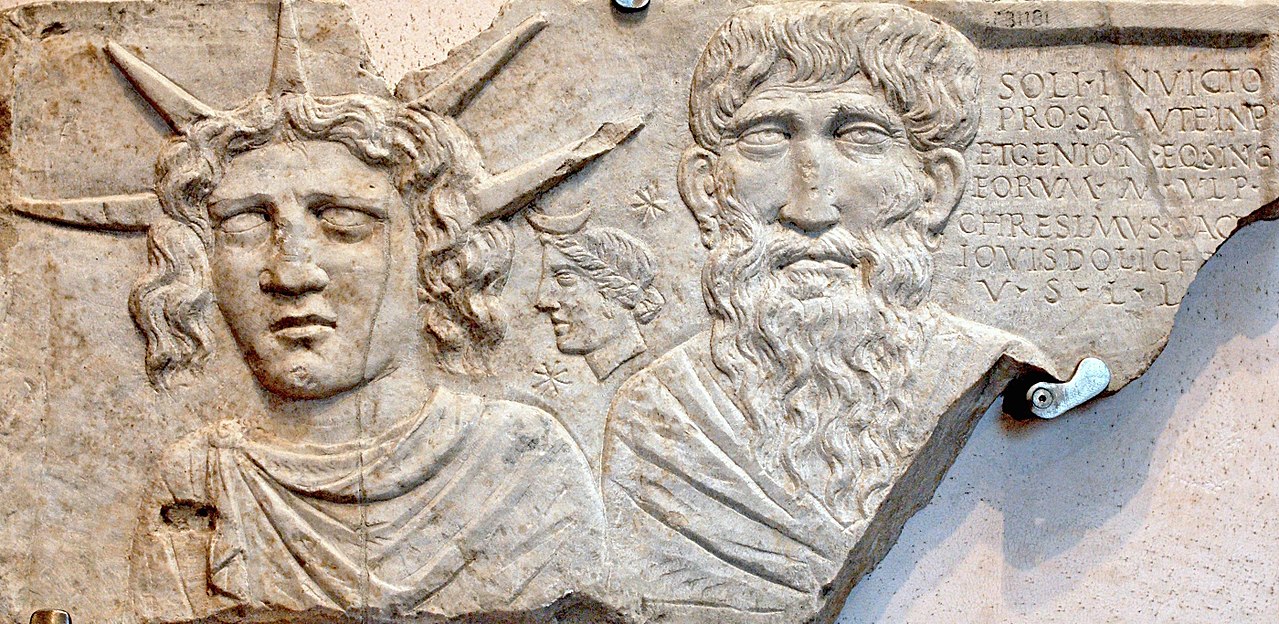
This monument bears an inscription by a certain Lucius Aelius Hylas, in which he associates Sol Invictus with Jupiter.
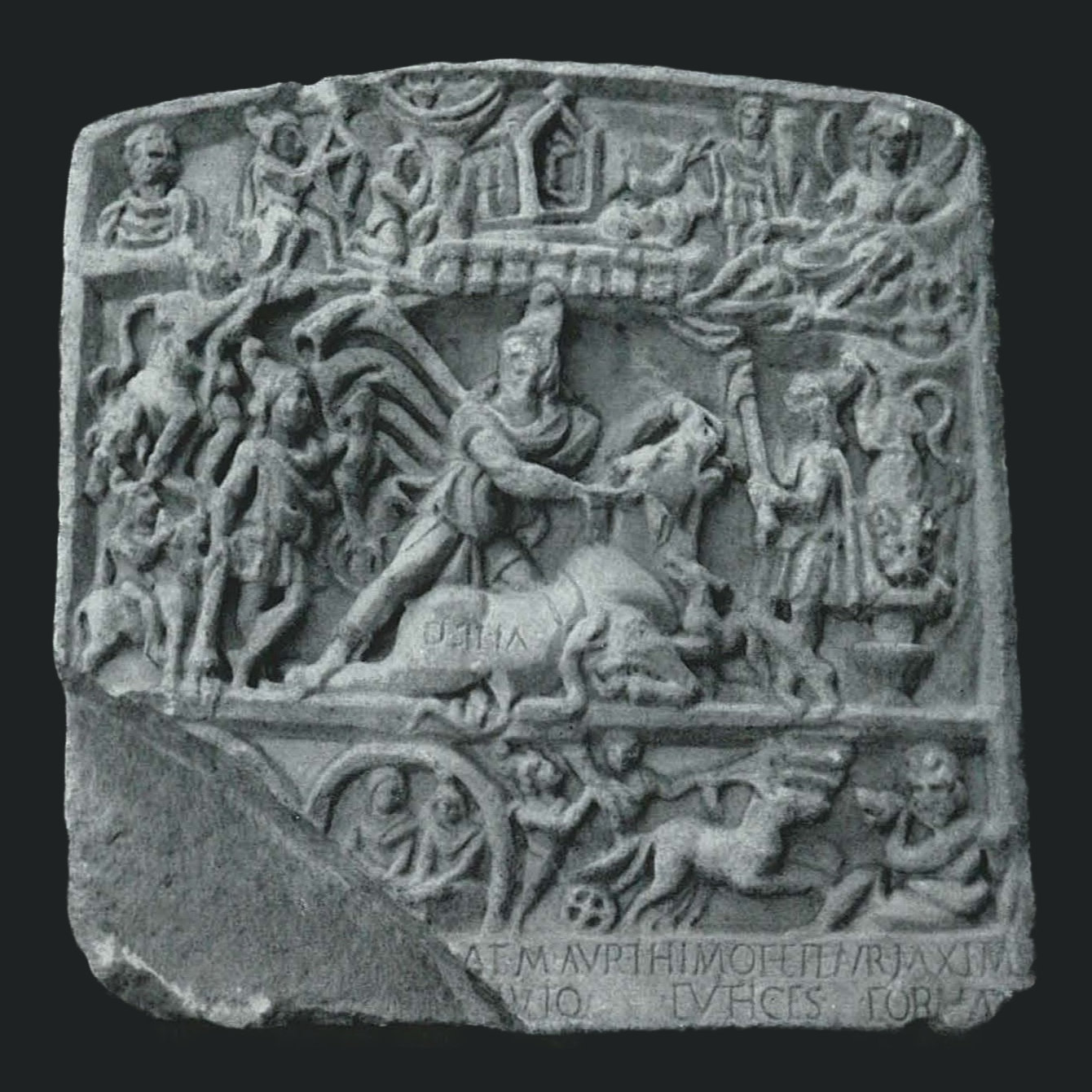
This marble relief of Mithras killing the bull was made by a freedman who dedicated it to his old masters.
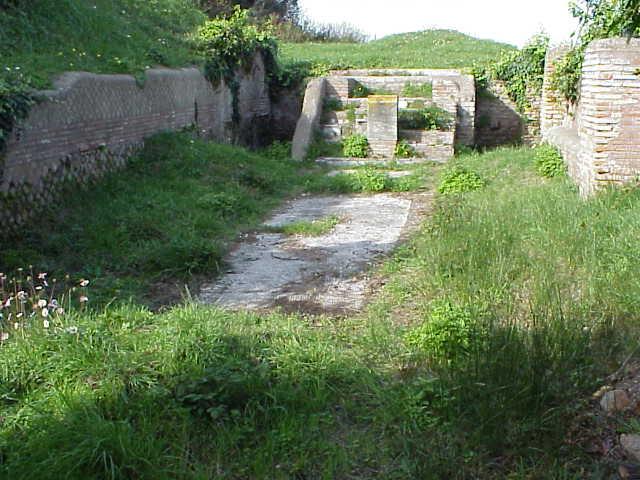
A mosaic of Silvanus, dated to the time of Commodus, was found in a niche in a nearby room of the Mithraeum in the Imperial Palace at Ostia.
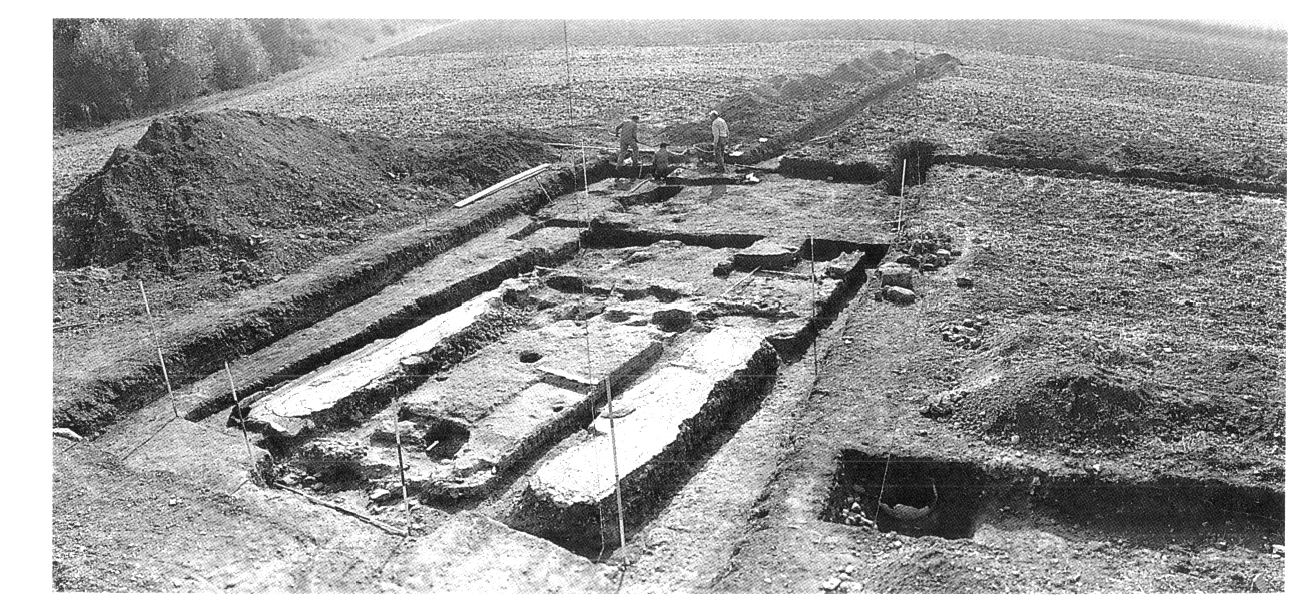
The Mithraeum of Biesheim-Kunheim is located near the ancient village of Altkirch, near the Rhin.
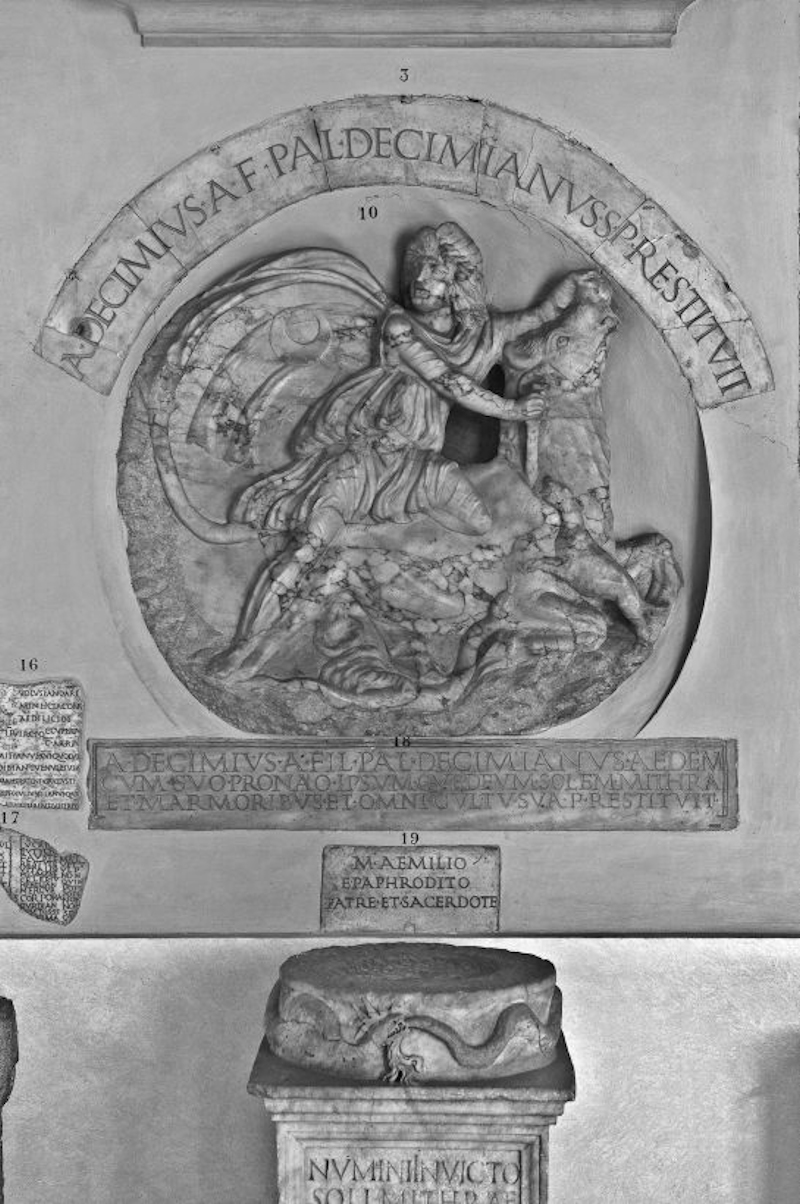
The relief of Mithras slaying the bull from the Mithraeum of the Seven Spheres was discovered in 1802 by Petirini by order of Pope Pius VII.
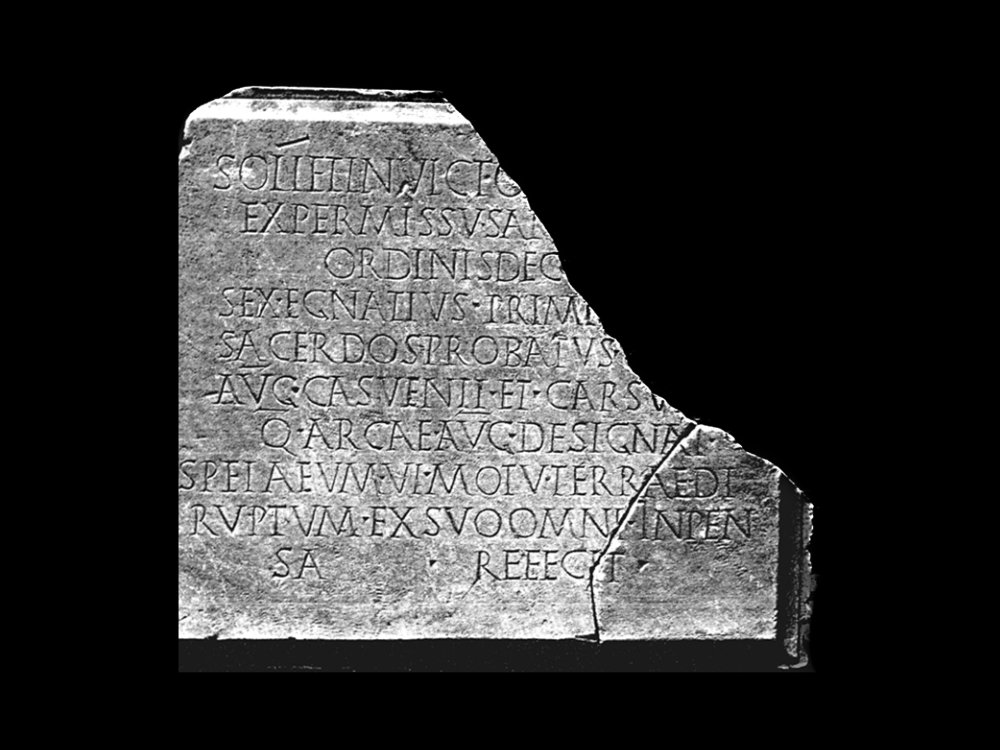
Marble plaque with inscription of a sacerdos probatus to Sol and the god Invictus Mithras.
This inscription to Mithras Invencible was dedicated by a certain Apronianus in 172 is currently lost.
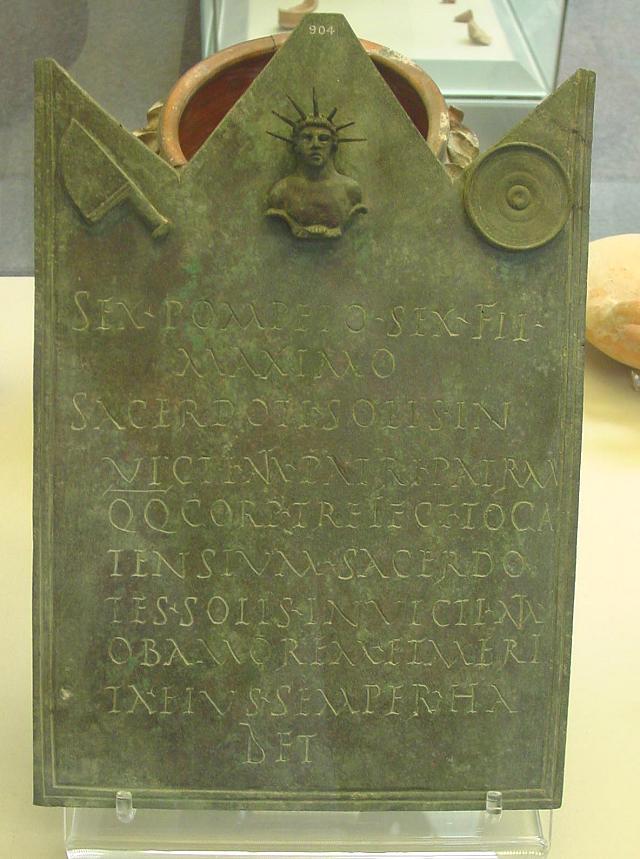
This plaque, now on display in the British Museum, may have come from the Aldobrandini Mithraeum in Ostia.

On the occasion of the discovery of a Mithraeum in Cabra, Spain, we talk to Jaime Alvar, a leading figure in the field of Mithraism. With him, we examine the testimonies known to date and the peculiarities of the cult of Mithras in Hispania.
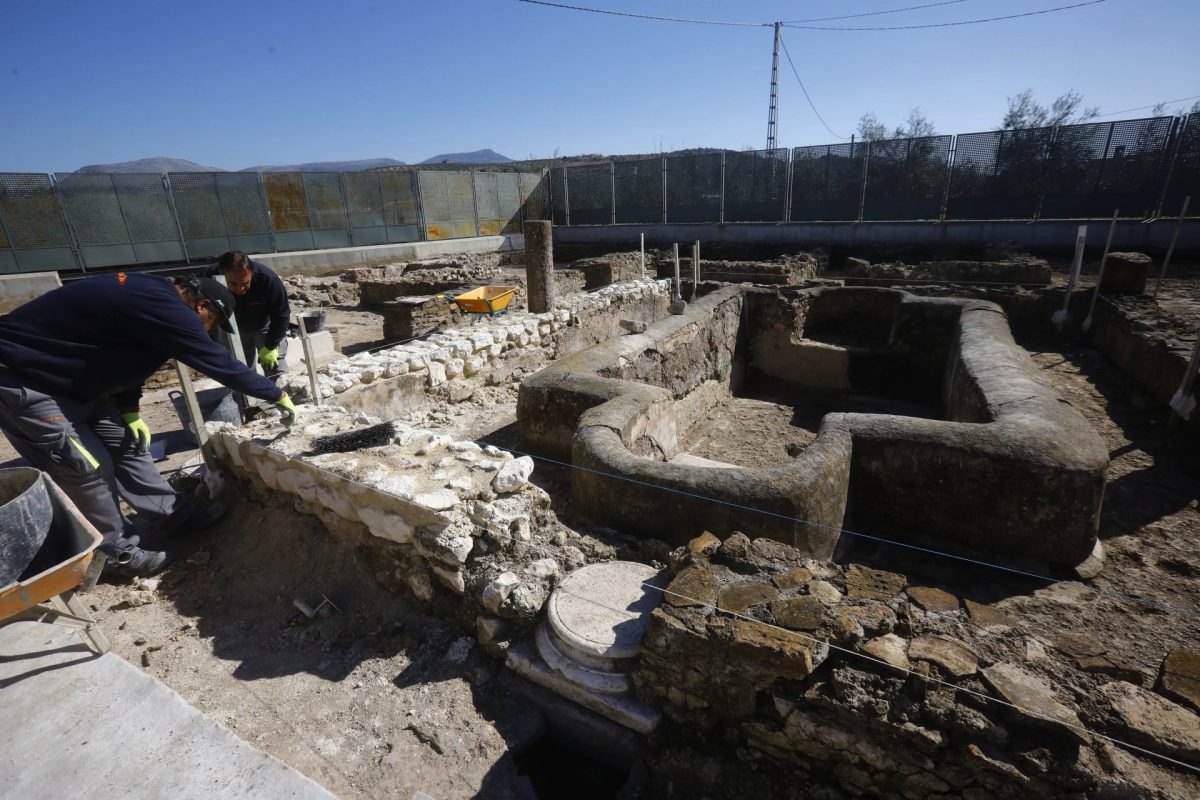
Las excavaciones llevadas a cabo en el yacimiento arqueológico romano de la villa de Mithra, en Cabra (Córdoba), han deparado el excepcional hallazgo de un mitreo, o zona destinada al culto al dios Mithra, cuya estatua fue descubierta hace unos 70 años…
