Your search Bad Ischl im Salzkammergut gave 1088 results.
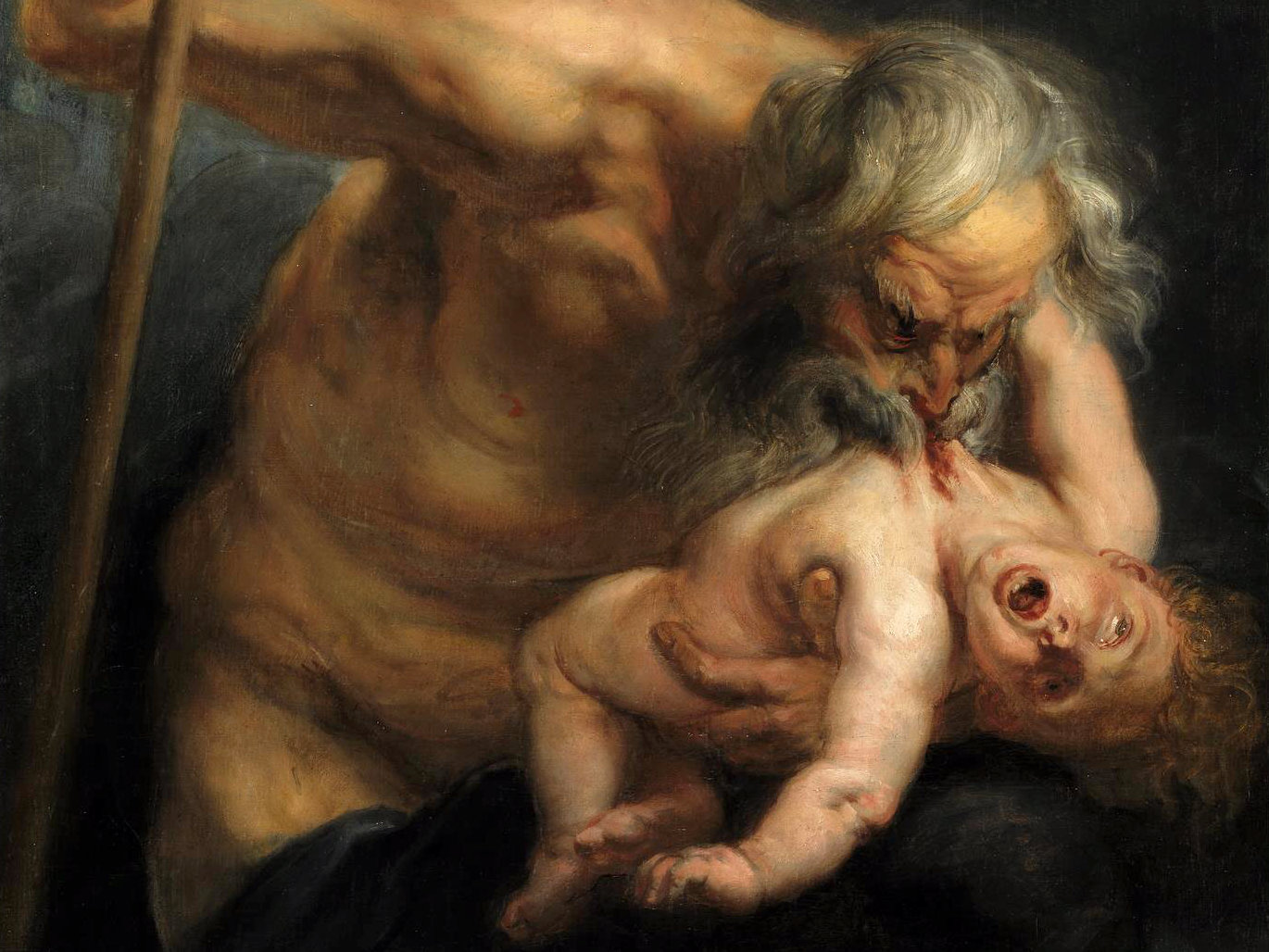
It is well known that Mithras was born from a rock. However, less has been written about the father of the solar god, and especially about how he conceived him.
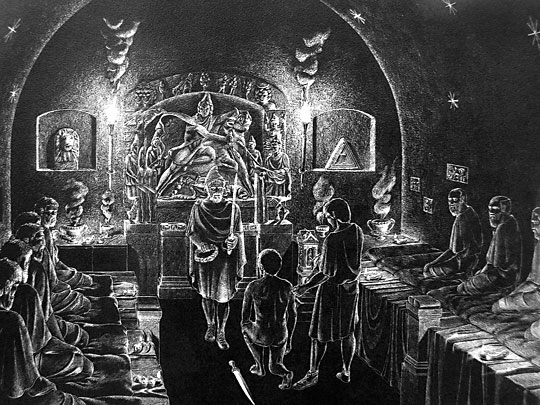
The Mithraeum of Osterburken could not be excavated bodily owing to the water of a well in the immediate neighbourhood. The monument had been covered carefully with sand.
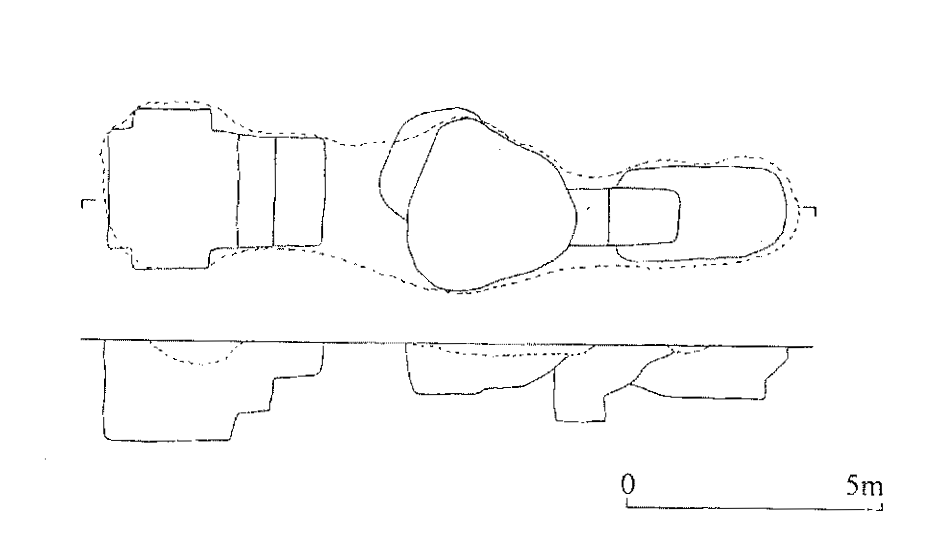
The temple contained hundreds of ceramic vessels and animal bones, which may indicated that a grand Mithraic feast was celebrated before its closing.
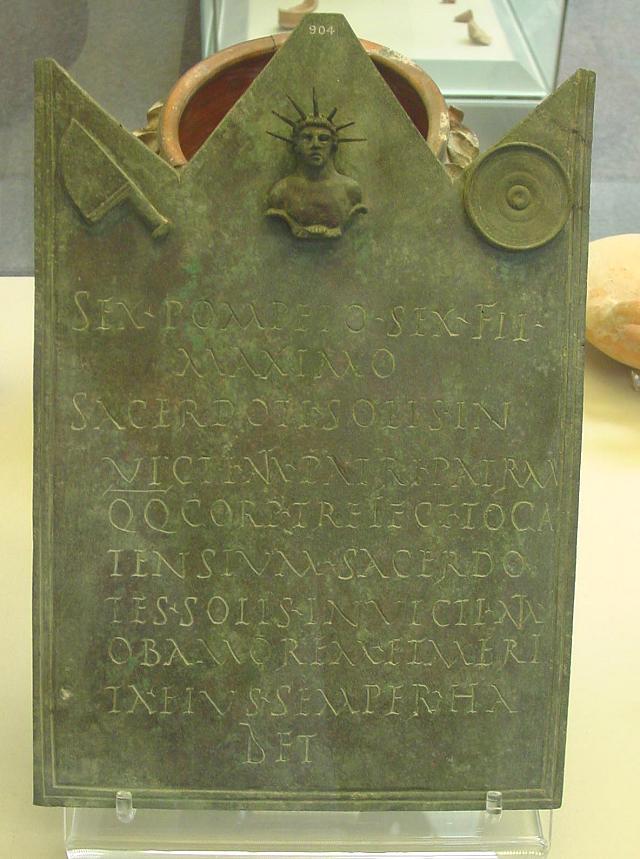
This plaque, now on display in the British Museum, may have come from the Aldobrandini Mithraeum in Ostia.
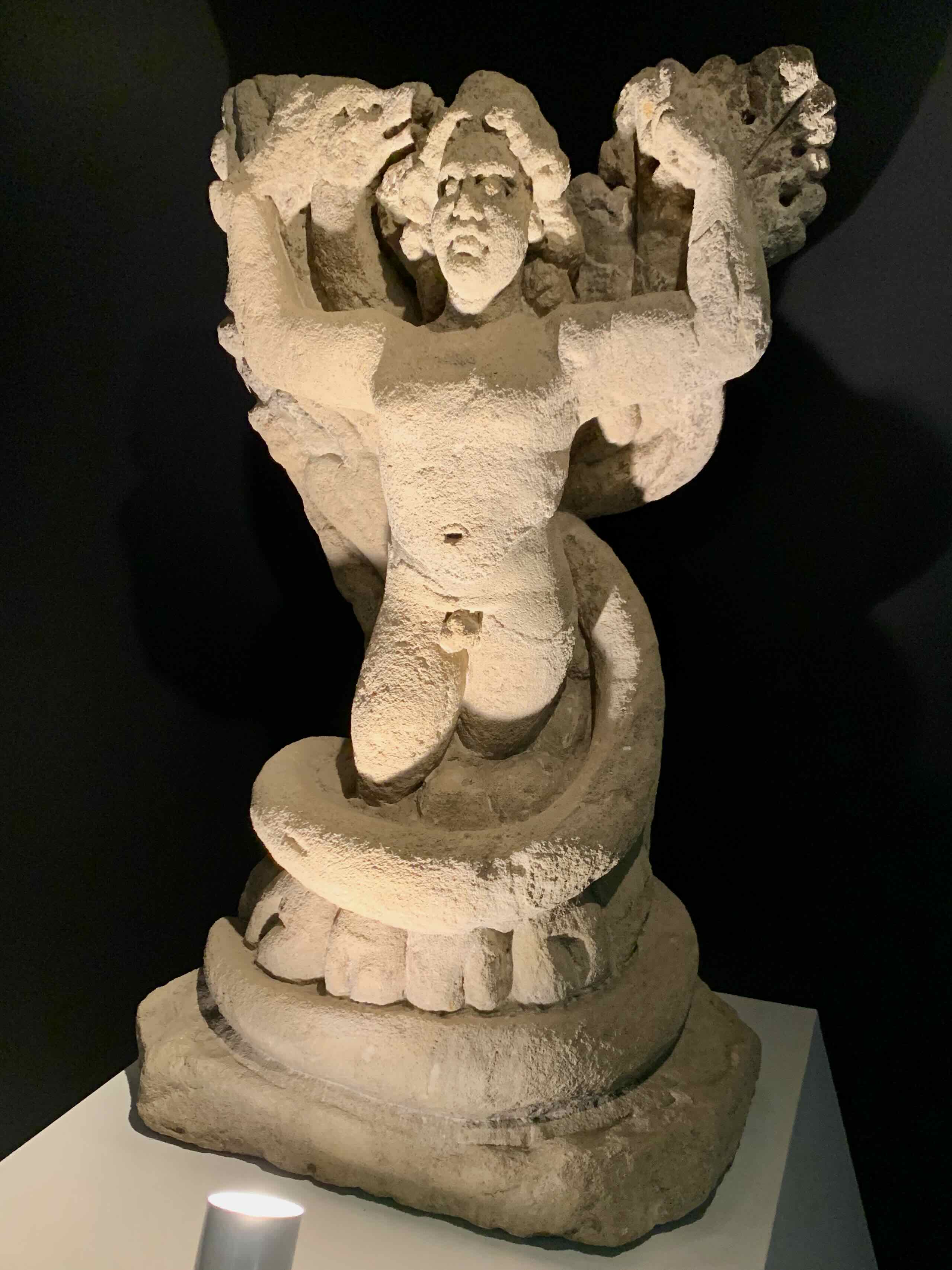
Mithras Petrogenitus, born from the rock, from the Mithraeum of Carnuntum III.

On the occasion of the discovery of a Mithraeum in Cabra, Spain, we talk to Jaime Alvar, a leading figure in the field of Mithraism. With him, we examine the testimonies known to date and the peculiarities of the cult of Mithras in Hispania.
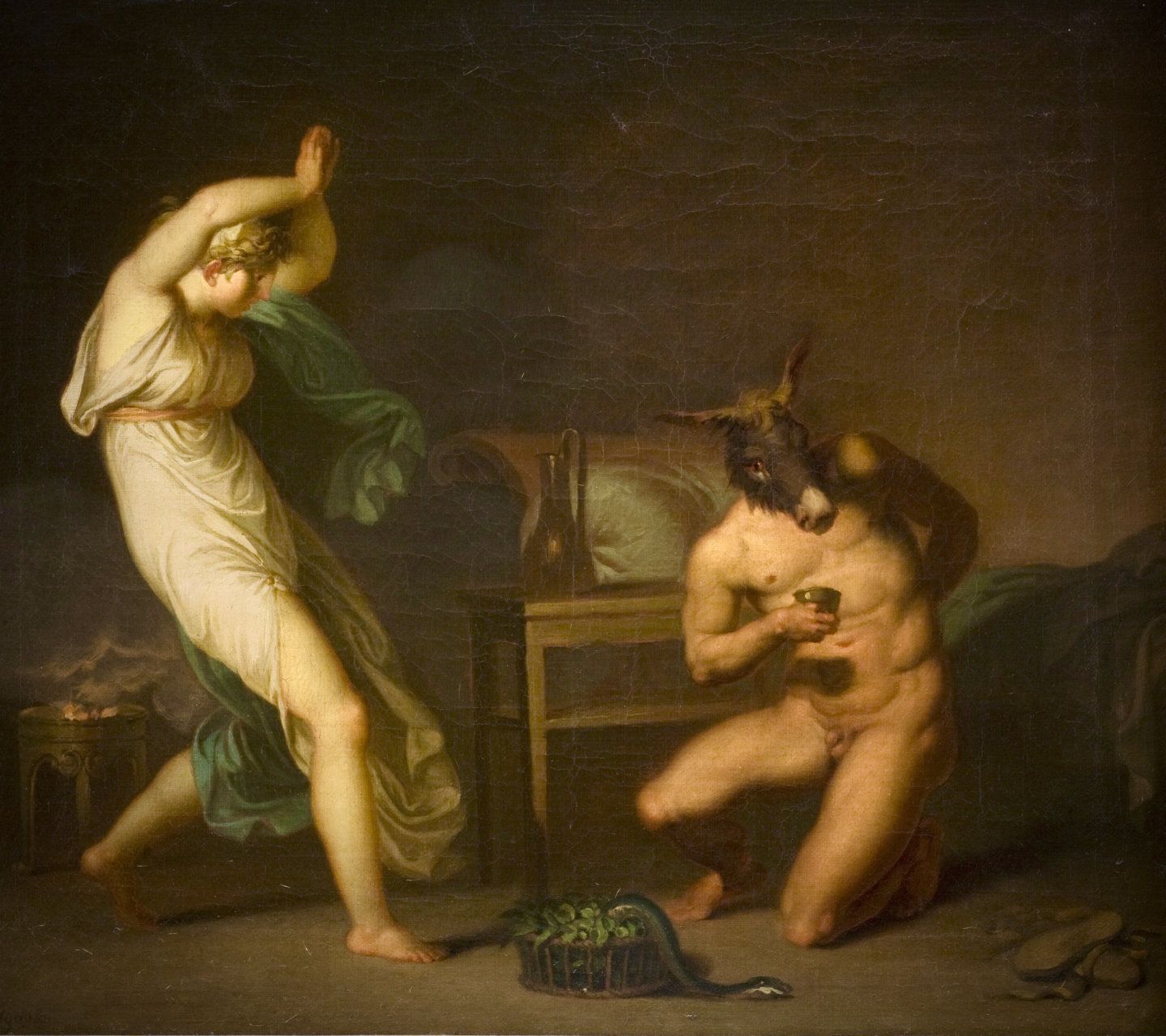
Did Apuleius explain his very own initiation into the Mysteries of Mithras in The Golden Ass? Apuleius' The Golden Ass is one of the most famous and entertaining novels of antiquity. Among his adventures, Lucius is initiated into the mysteries of Isis…
Yolanda’s multimedia dissertation focuses on the cognitive mechanisms that motivate Mithras worshippers. Her work includes a podcast entitled Conversations about Mithras.
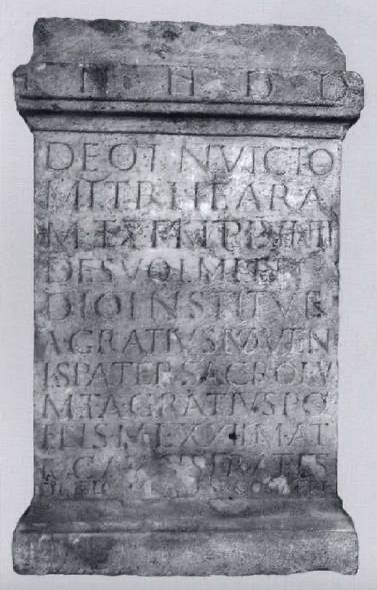
The monument was dedicated by two brothers, one of them being the Pater of his community.
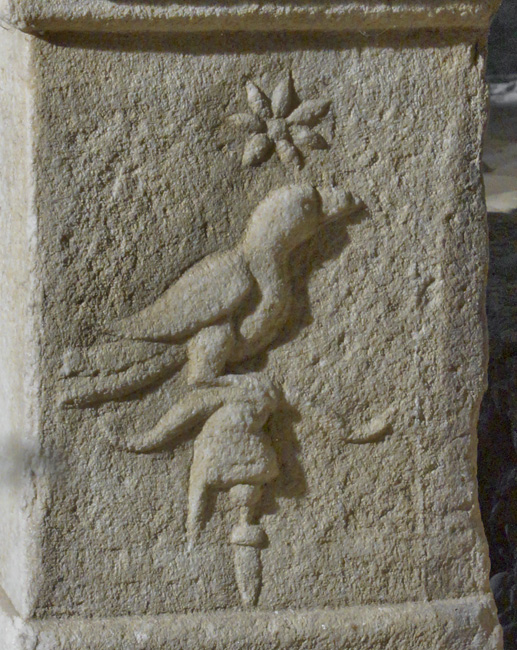
This altar from Ptuj, present-day Poetovio, is decorated with various Mithraic animals such as a tortoise, a cock and a crow and other objects.

The inscription explains the transmission of the fourth Mithraic degree through the Paters of the Mitraeum of San Silvestro.
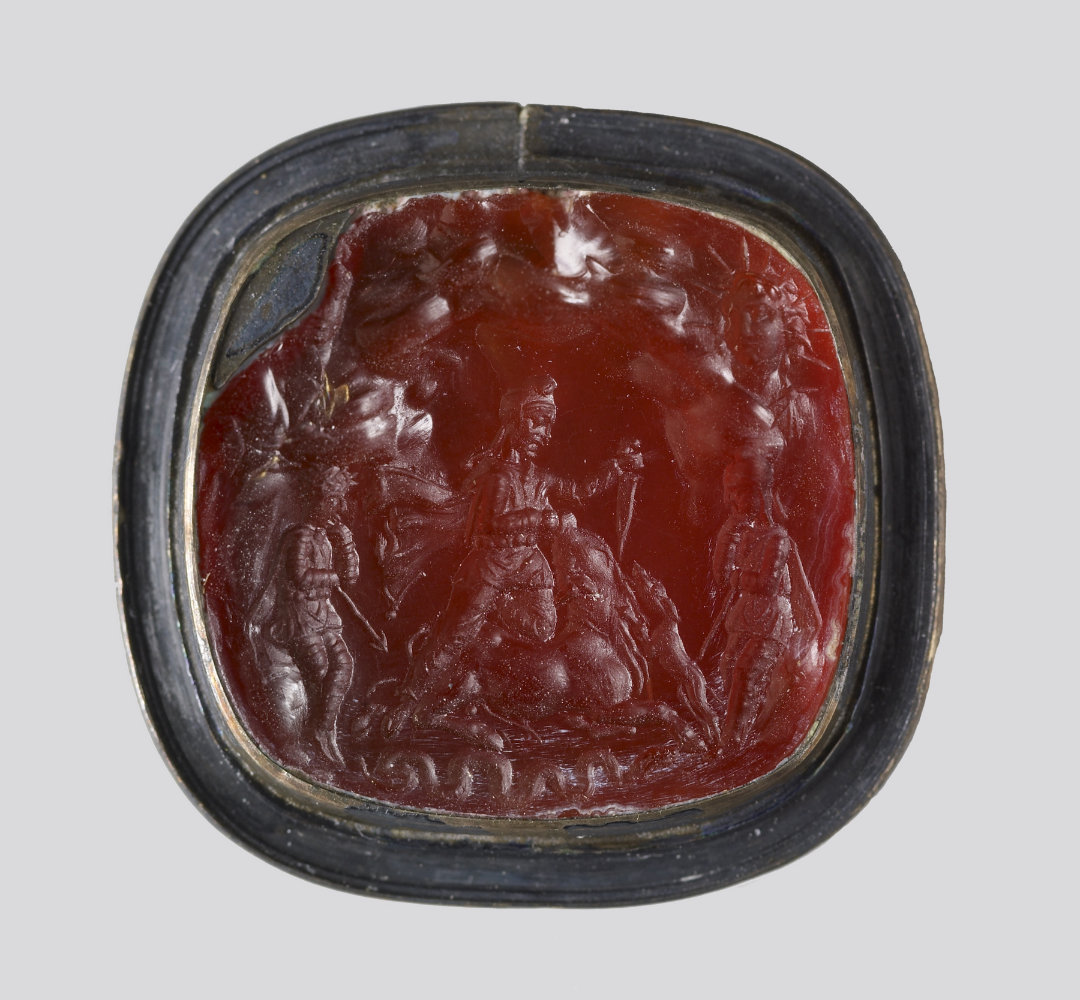
This ancient carnelian intaglio mounted in gold depicts Mithras slaying the bull surrounded by his companions Cautes and Cautopates.

The Mithraeum located in Piazza Dante in Rome was discovered in 1874 along with a series of monuments dedicated by a Pater named Primus.
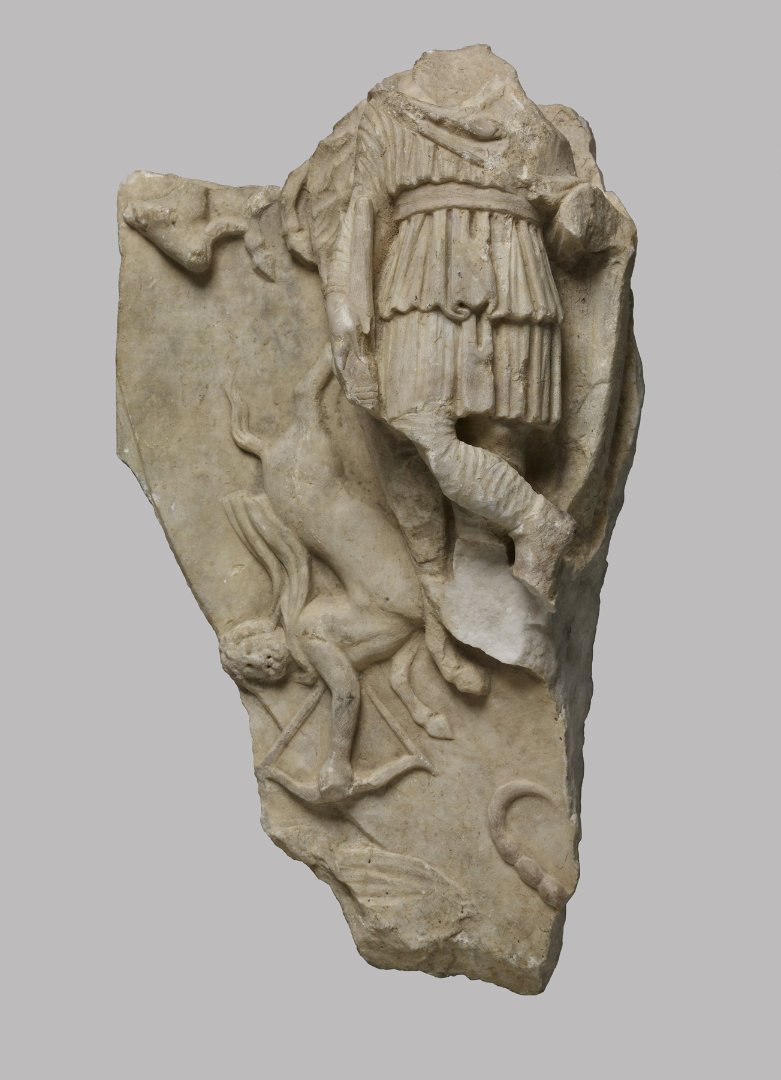
This fragmentary relief shows Cautopates bordered by three of the six zodiacal signs with which He is associated: Capricorn, Sagittarius and Scorpio.
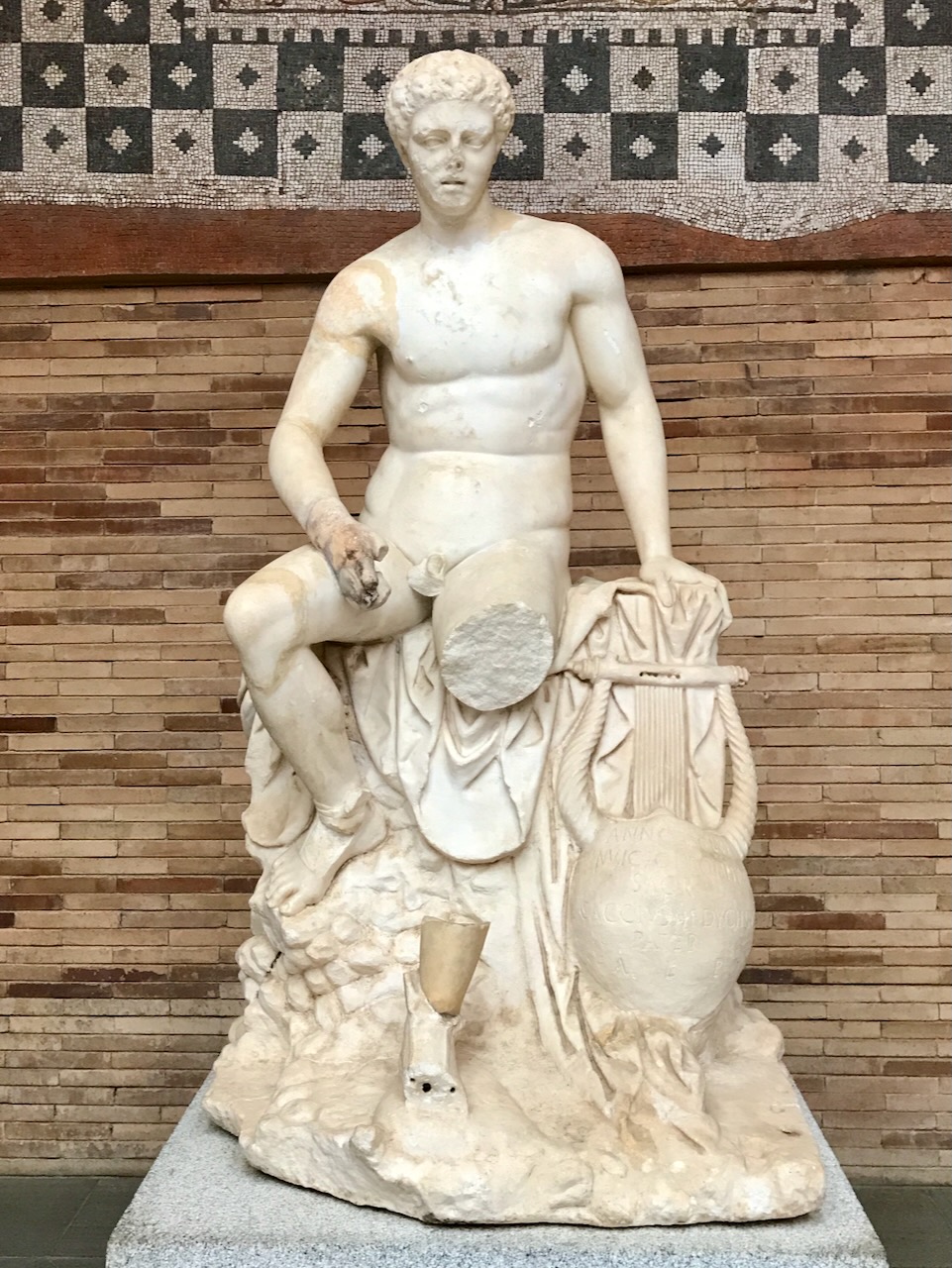
The statue of Mercury in Merida bears a dedication from the Roman Pater of a community in the city in 155.
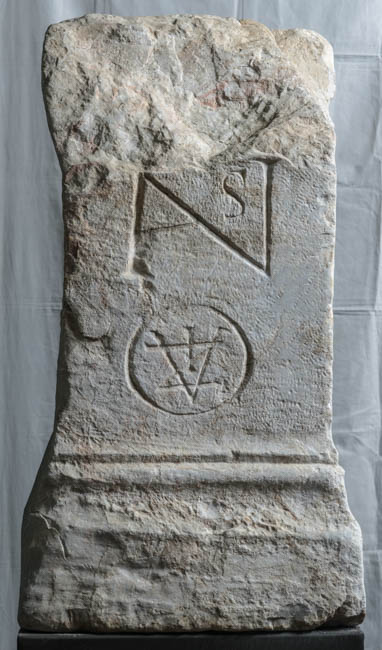
The limestone altar at Klechovtse in North Macedonia bears an inscription to the invincible Mithras.
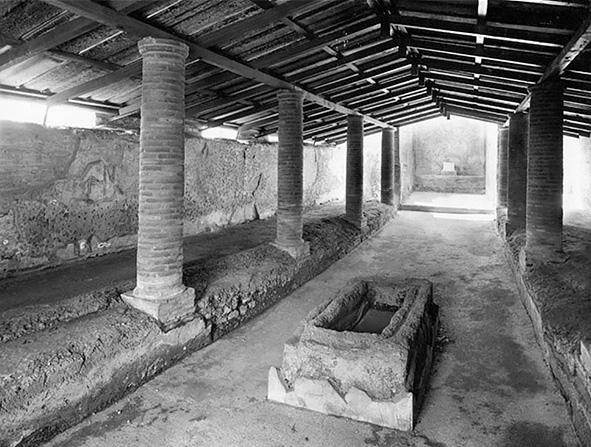
The Mithraeum in the Chapel of the Three Naves was not linked to the cult of Mithras until recently because of a mosaic showing a pig, in the belief that it was an animal unfit for consumption in a temple of Eastern origin.
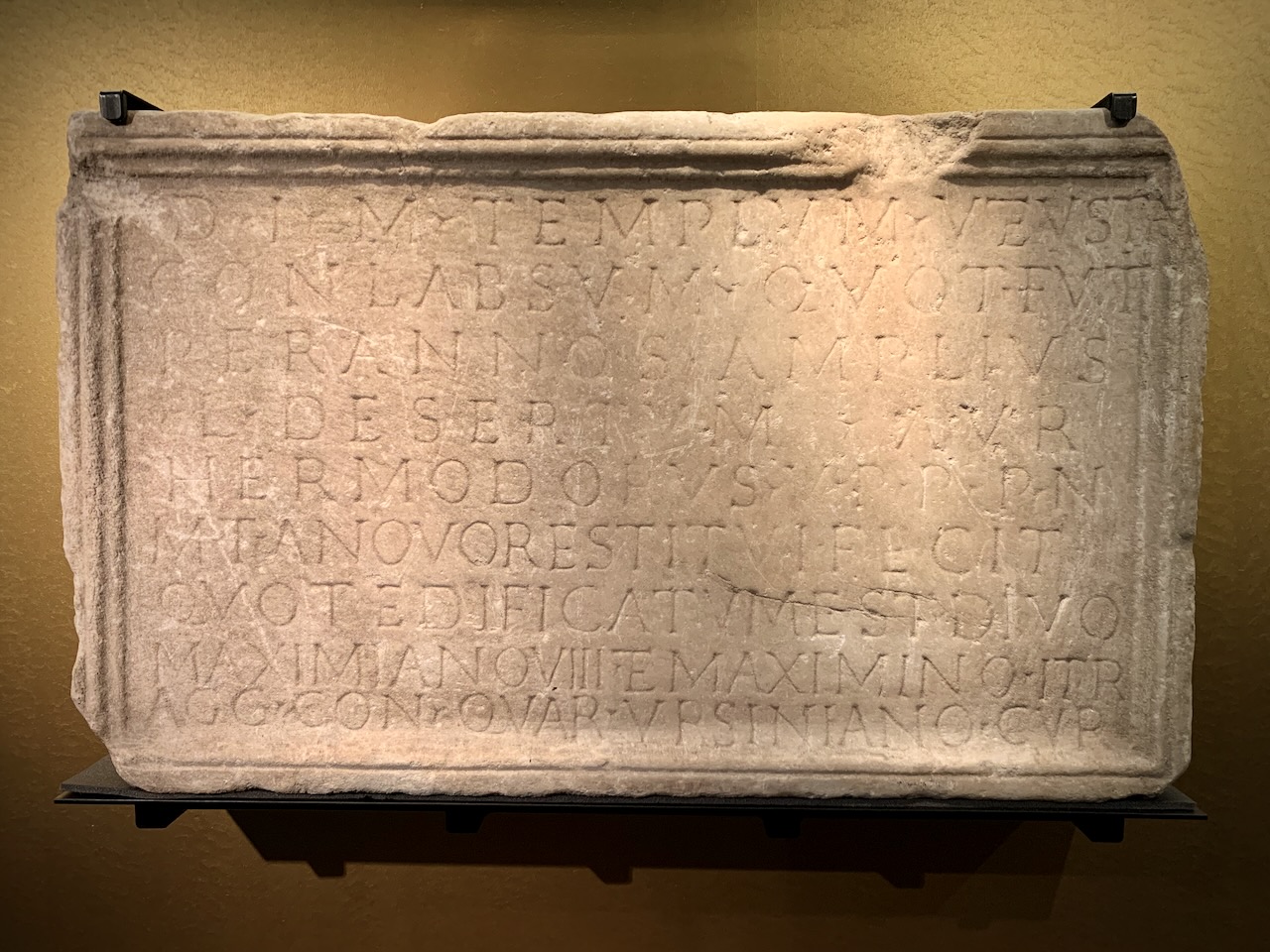
This marble gives some details of the reconstruction of the Virunum Mithraeum.
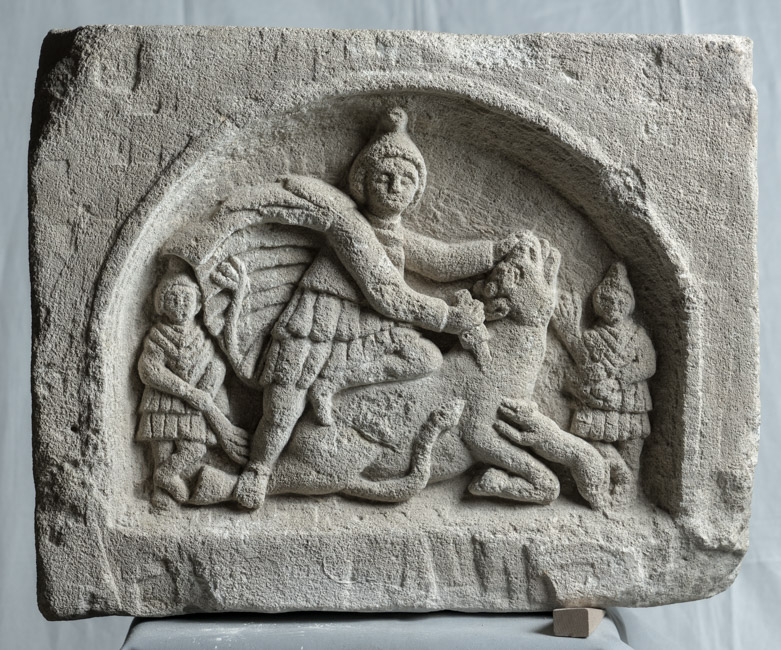
This relief found at Carnuntum represents Mithras slaughtering the bull, without the scorpion, in the sacred cave.
This altar, which has now disappeared, was dedicated by the slave Quintio for the health of a certain Coutius Lupus.
