Your search Boulogne-sur-Mer gave 706 results.

Sandstone fragment of a Mercury statuette preserving part of the shoulder and caduceus.
Fragmentary inscribed altar dedicated to Mercury from the Saalburg sanctuary area.

Termini Imerese is a town of the Metropolitan City of Palermo on the northern coast of Sicily, in Italy.
Founded on the east bank of the Tigris, Sumere is mentioned in Roman sources as a fortified settlement during the Persian campaign of Julian in 363 CE, notably by Ammianus Marcellinus.
Emerita Augusta was founded in 25 BC by order of the Emperor Augustus to protect a pass and a bridge over the Guadiana River. The city became the capital of the province of Lusitania and one of the most important cities in the Roman Empire.
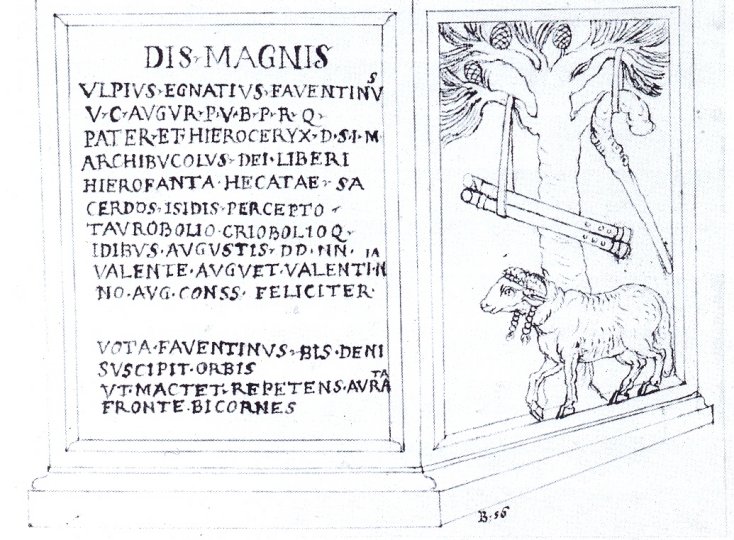
Both of them were discovered in 1609 in the foundations of the façade of the church of San Pietro, Rome.
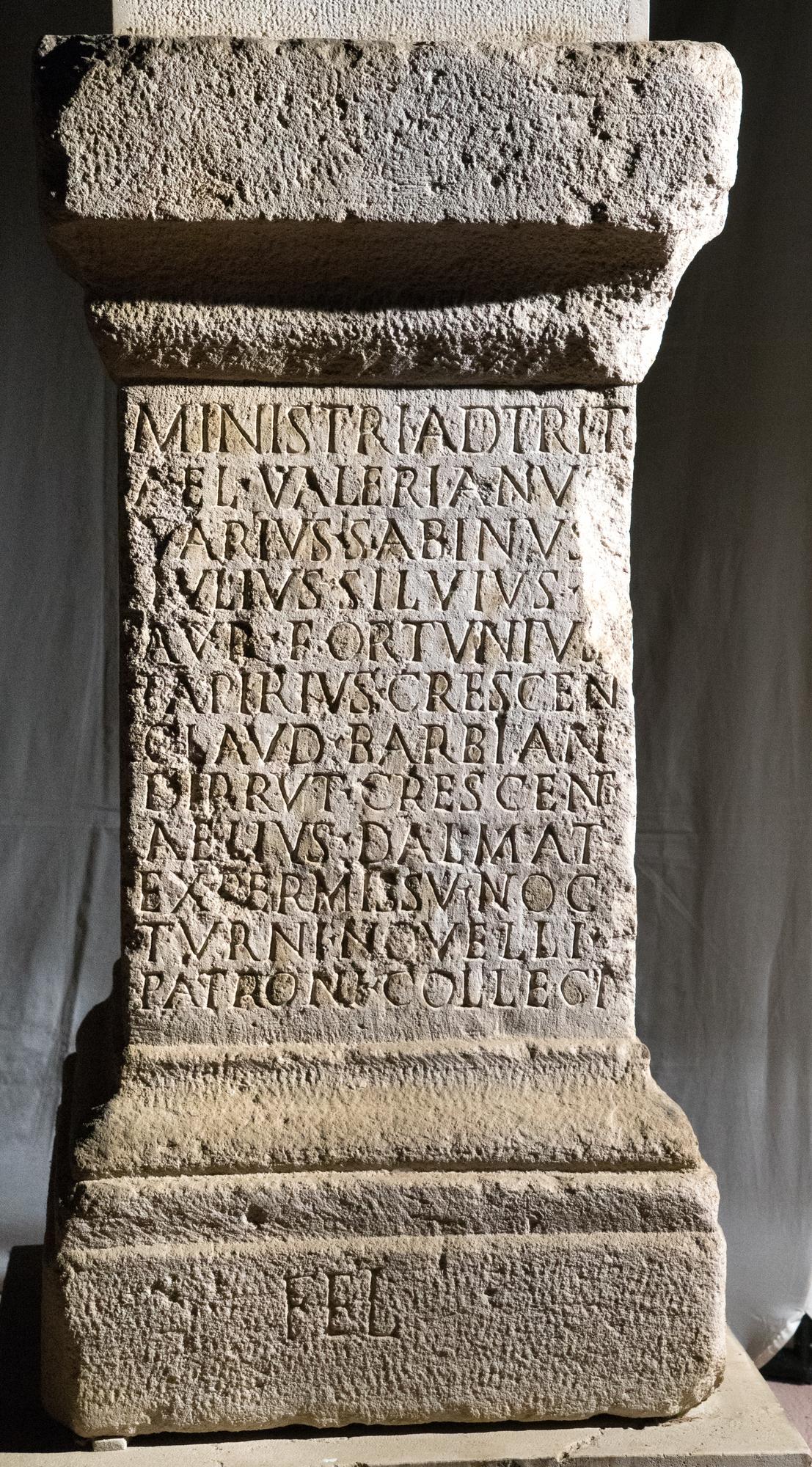
This inscribed limestone altar from Roman Salona preserves several lists of ministers associated with the Tritones collegium during the Tetrarchic period.
Fragments of this limestone statue include the head and torso of Mercury, holding the caduceus in his left hand.

This altar was dedicated by a certain Marcus Aurelius Decimus to Sol Mithras and other gods in Diana, Numibia, present Argelia.
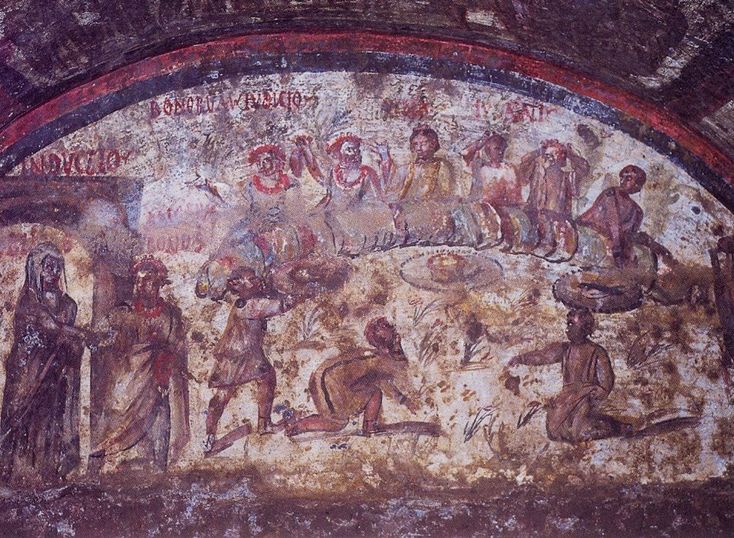
The epigrahy includes a mention of Marcus Aurelius, a priest of the god Sol Mithras, who bestowed joy and pleasure on his students.
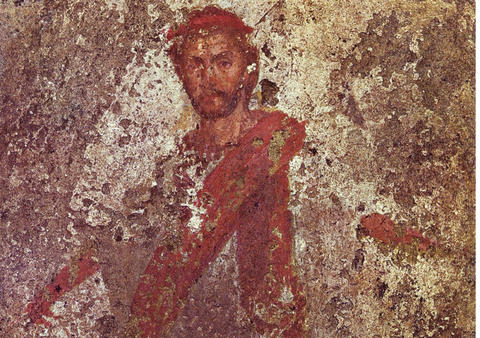
Figures in procession, each representing a different grade of Mithraic initiation, labeled with their respective titles.


Kamerios reached the seventh grade in the Mithraic ladder. A couple of graffitis celebrate his achievements in the Mithraeum of Dura Europos.
In this 4th-century Roman altar, the senator Rufius Caeionius Sabinus defines himself as Pater of the sacred rites of the unconquered Mithras, having undergone the taurobolium.
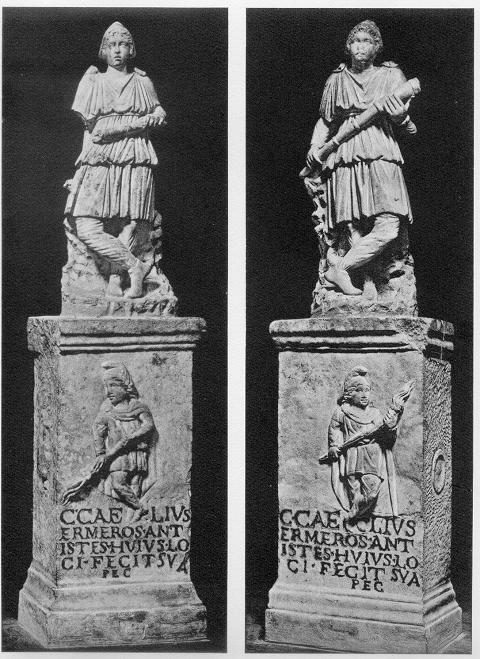
The sculptures of Cautes and Cautopates from the Mitreo del Palazzo Imperiale may have been reused from an older mithraeum in Ostia.

Hector erected an altar to Mithras in Emerita Augusta by means of a ‘divine vision’.

Gaius dedicated an altar to the god Invictus in Emerita Augusta in the 2nd century.