Your search Boulogne-sur-Mer gave 706 results.
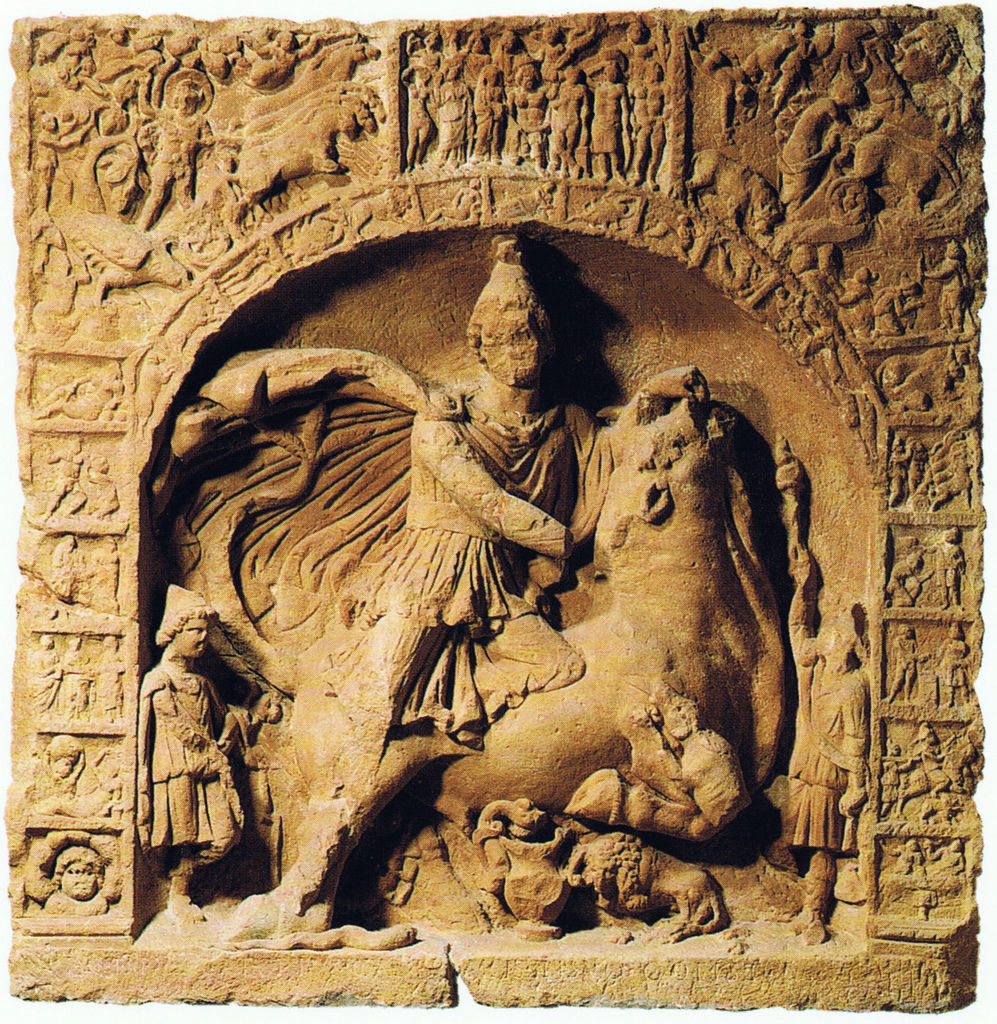
Franz Cumont considers the bas relief of Osterburken ’the most remarkable of all the monuments of the cult of Mithras found up to now’.

The remains of the Mithraeum of Aosta, also known as the Mitreo di Augusta Praetoria, were discovered in 1953 in insula 59, in a commercial district of the ancient city.
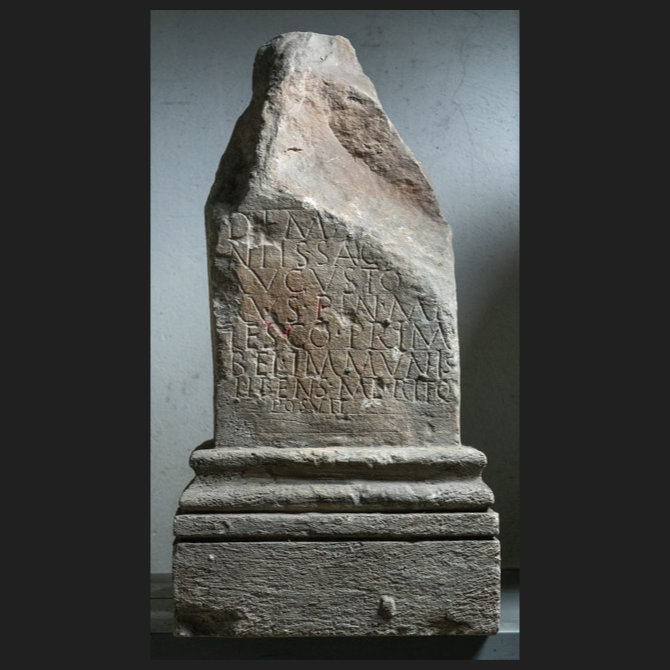
This altar, discovered in Grude, near Tihaljina, Bosnia and Herzegovina, bears an inscription by Pinnes, a soldier of the Cohors Prima Belgica.

In the Mithraeum of Gross Gerau, discovered in 1989, a statue of Mercury, a lion and an altar were found.
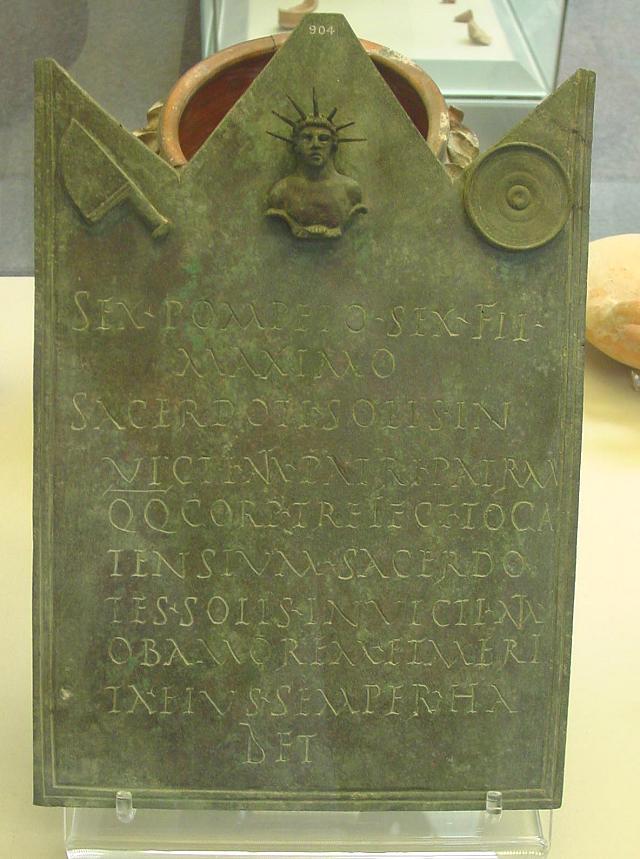
This plaque, now on display in the British Museum, may have come from the Aldobrandini Mithraeum in Ostia.
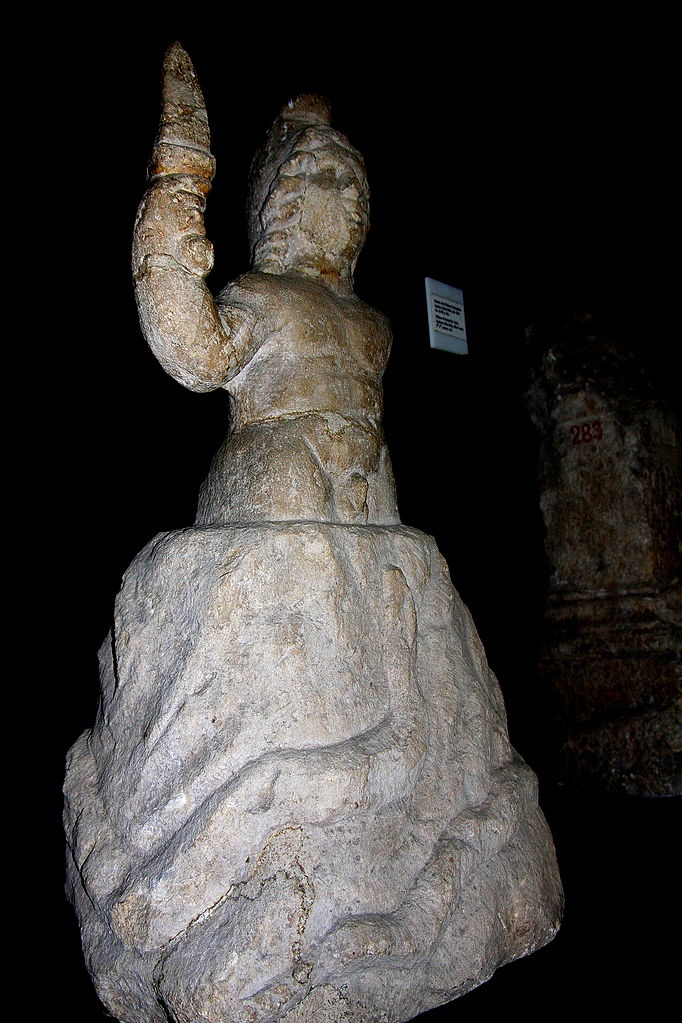
As usual, the solar god rises a dagger with one of his hands while emerges from the rock.
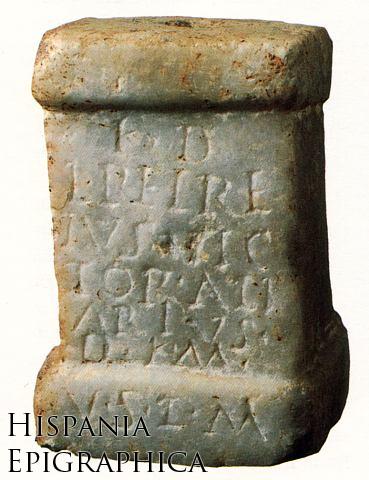
Small arula with mithraic inscription and dedication to Cautes from a garlic merchant.
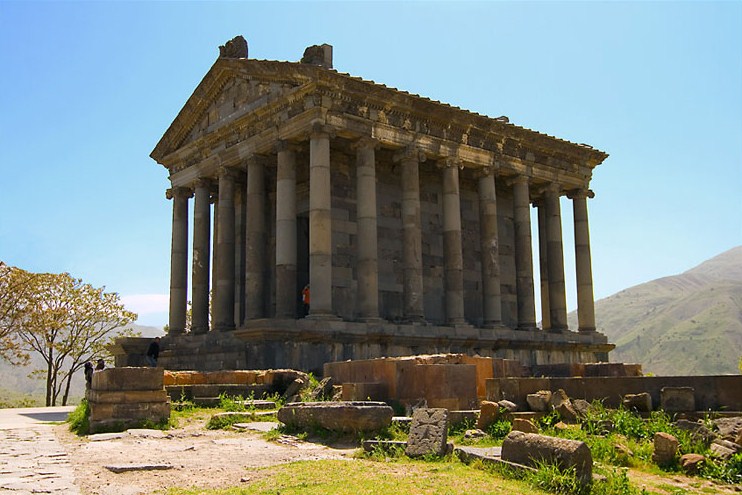
After Christianity was adopted, most pagan monuments were destroyed or abandoned. Garni, however, was preserved at the request of the sister of King Tiridates II and used as a summer residence for Armenian royalty.
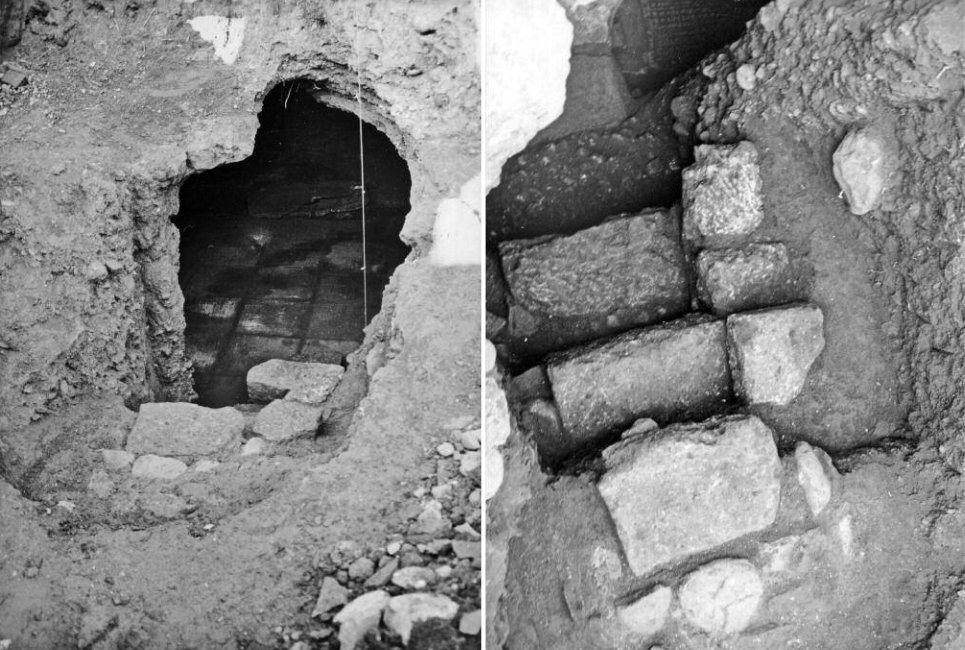
The underground cave which served as temple was cut into the conglomerate rock of the area, and a flight of eight steps of stone slabs led to it.

In Aquincum petrogenia, Mithras holds the usual dagger and torch as he emerges from the rock.
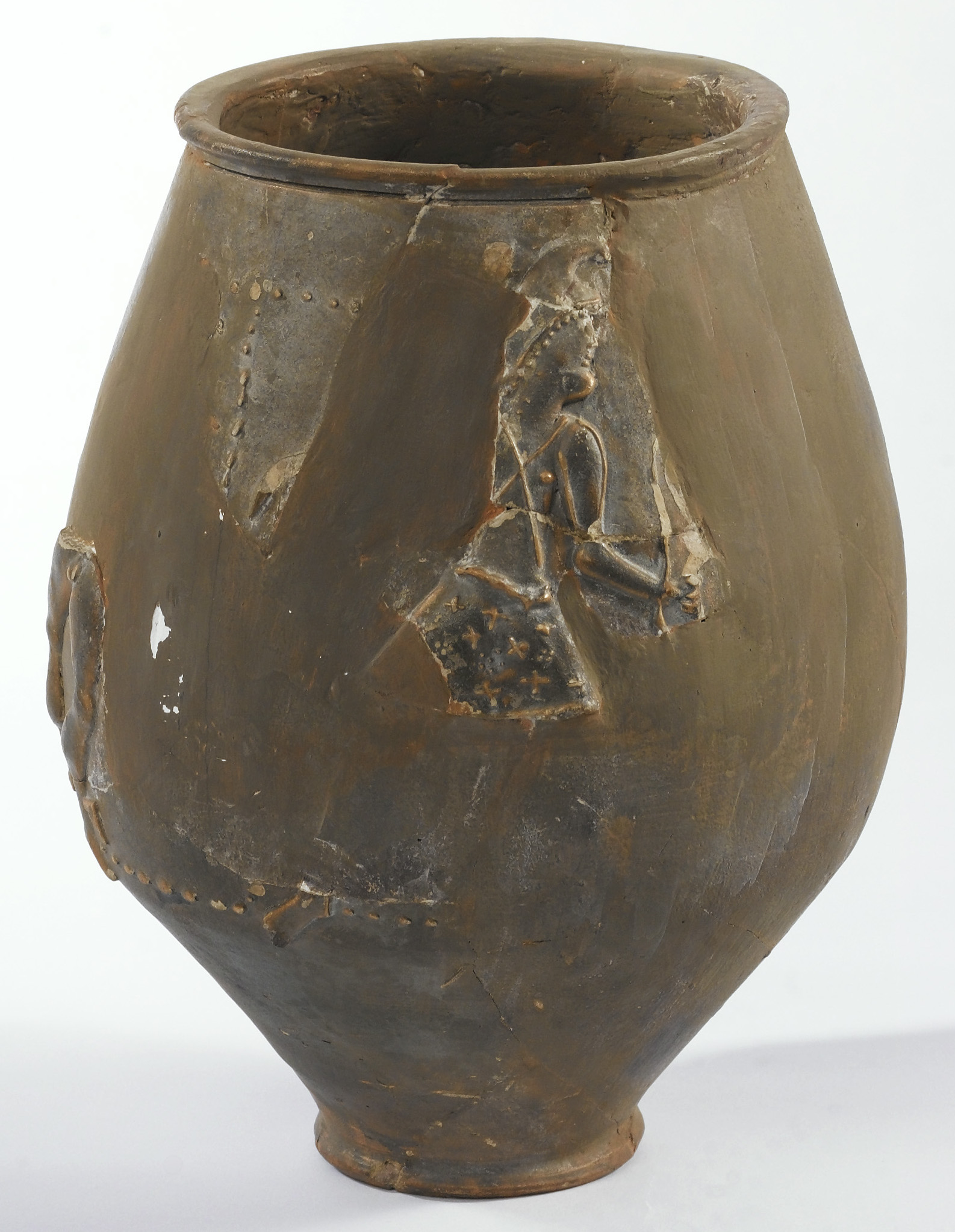
The St Albans mithraic vase depicts fragments of three figures identified by Vermaseren as Hercules, Mercury and Mithras as an archer.

Jason Reza Jorjani, PhD, is a philosopher and author of Prometheus and Atlas, World State of Emergency, Lovers of Sophia, Novel Folklore: The Blind Owl of Sadegh Hedayat, and Iranian Leviathan: A Monumental History of Mithra's Abode.

The article reveals the context in which the first public appearance of Mitra happened to answer two questions: who were the first people to give prominence to this deity, and for what purpose they did so.
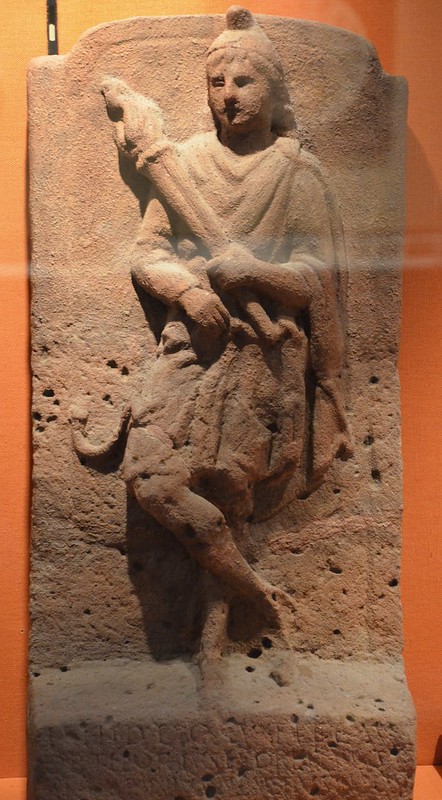
Reliefs of Cautes and Cautopates dedicated by Florius Florentius of Saalburg and Ancarinius Severus.

The pater Artemidorus seems to be an Augustan freedman of the Claudians, of Eastern origin.


For the health of this man, a small altar was dedicated to the god Invictus in the Emerita Augusta.
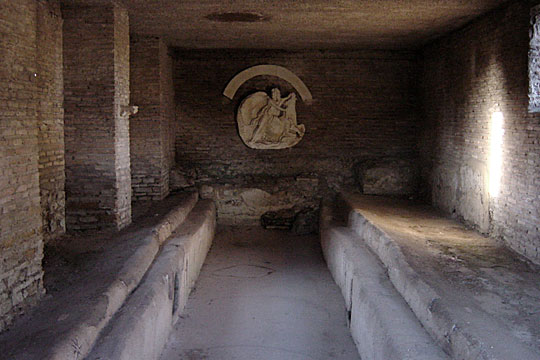
The Mithraeum of the Seven Spheres (Sette Sfere) is of great importance for the understanding of the cult, because of its black-and-white mosaics depicting the planets, the zodiac and related elements.

Senior Mithraic priest of Ostia whose inscriptions preserve rare and unique epithets of Mithras, including Incorruptus Juvenis and Indeprehensibilis.
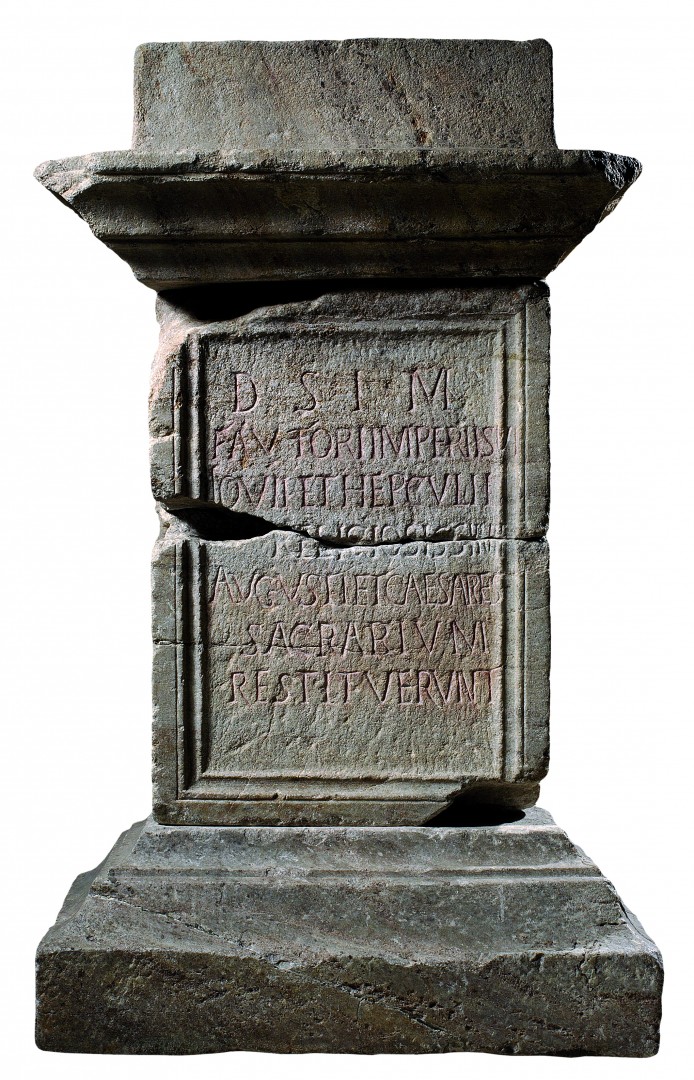
Altar with Cautes and Cautopates dedicated to Sol Invictus Mithras as protector of the Tetrarchy in 3rd-century Carnuntum.
