Your search Bu Njem gave 1882 results.
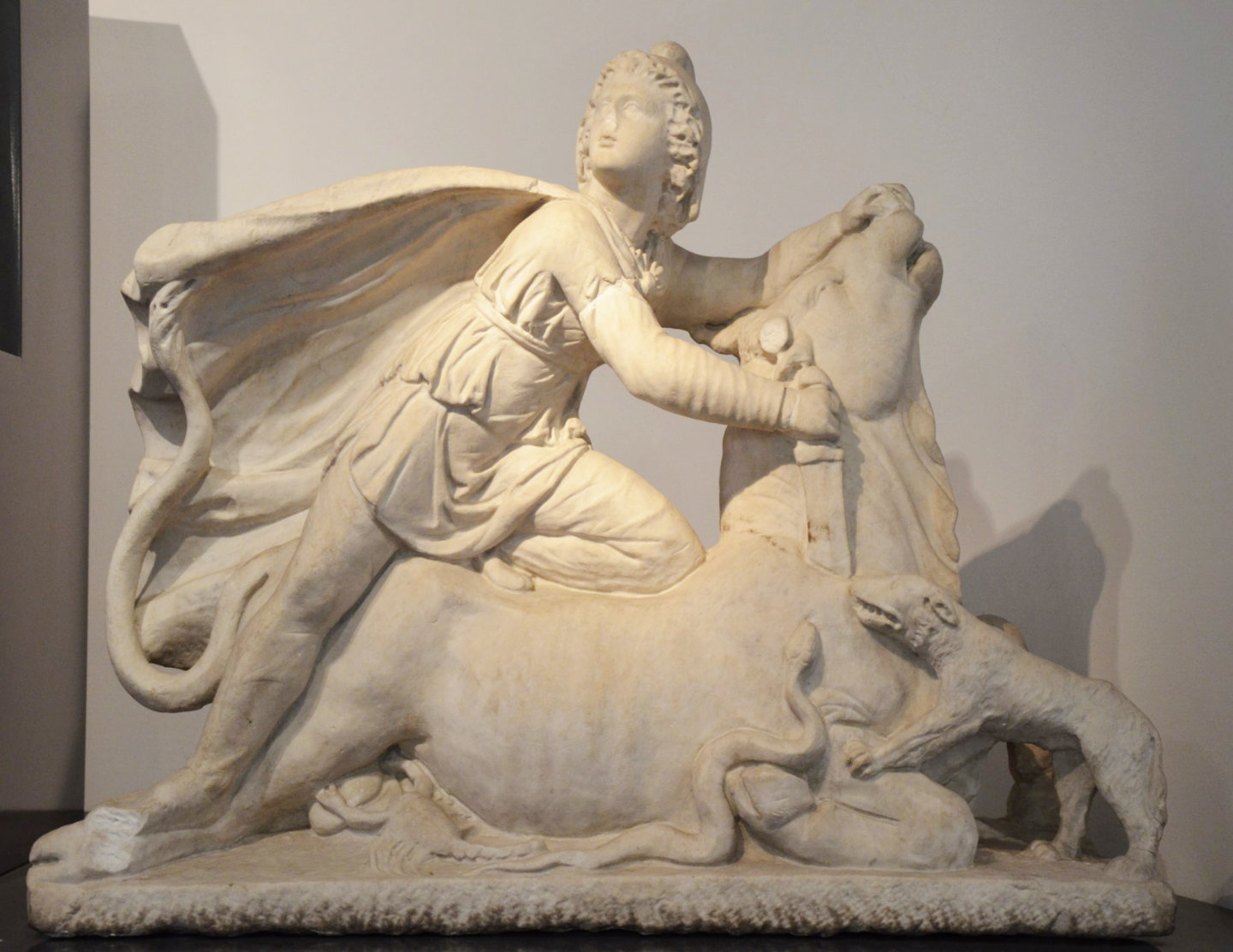
This statue of Mithras as a bullkiller was bought at Rome where it might be found.
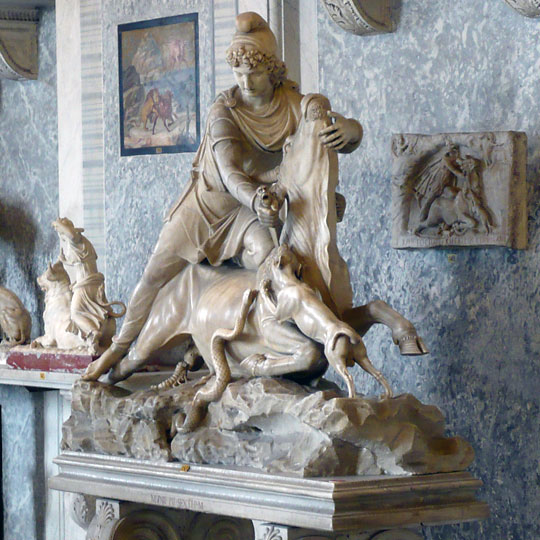
This Mithras killing the bull belonged to the sculptor V. Pancetti before being exhibited in the Vatican Museums under Pius VI.
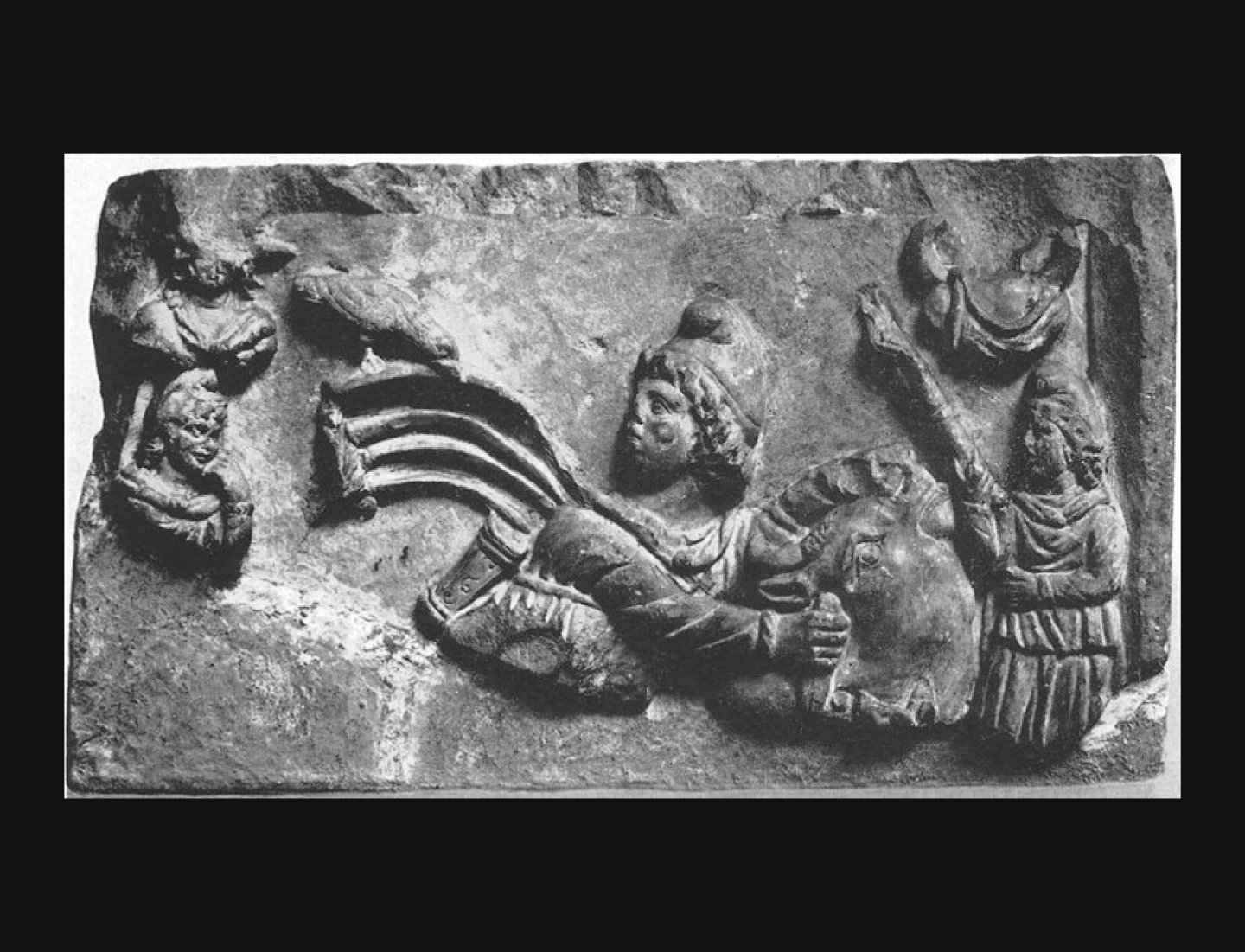
Franz Cumont bought this relief of Mithras as a bullkiller from a dealer who claimed to have found it in a vineyard near the church of Saint Pancrace, in Rome.
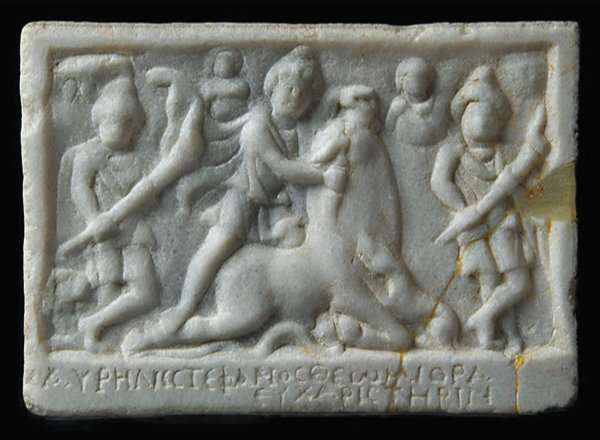
This relief of Mithras killing the bull is unique in the Apulum Mithraic repertoire because of its inscription in Greek.
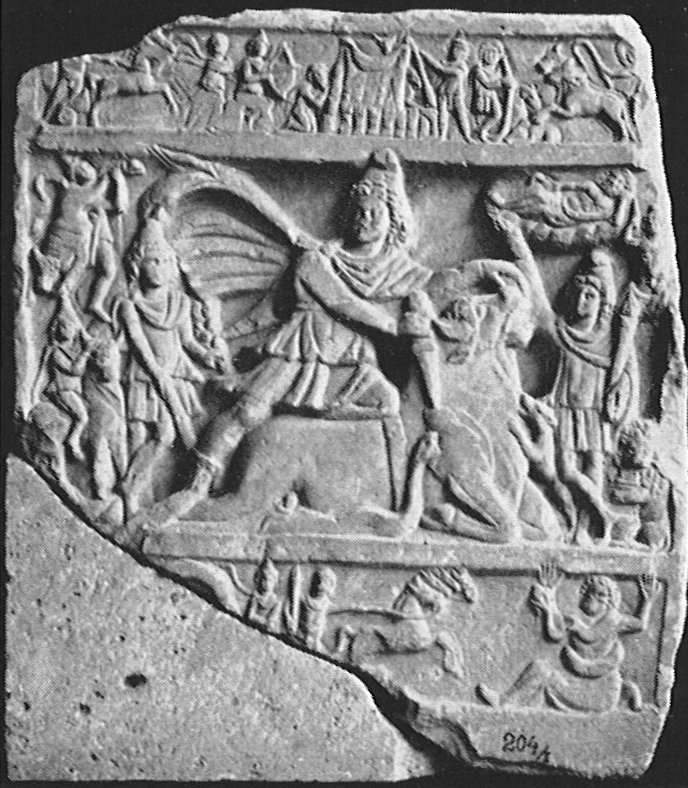
This relief of Mithras killing the bull from Apulum, now Alba Iulia, Romania, contains several scenes from the Mithras legend.
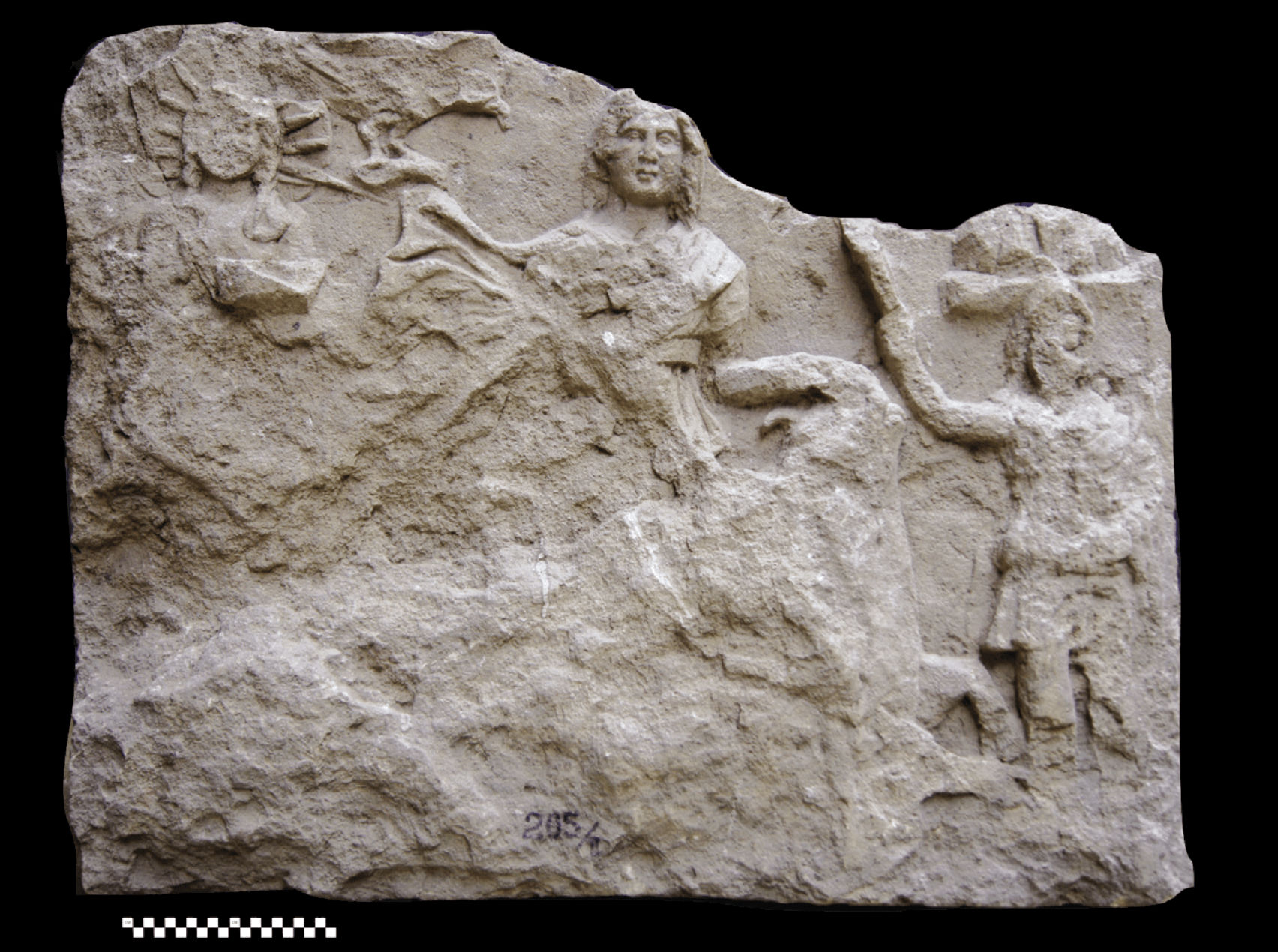
The relief of Mithra slaying the bull from Apulum, Romania, has been missing until the scholar Csaba Szabó identified it in the diposit of the Arad Museum.
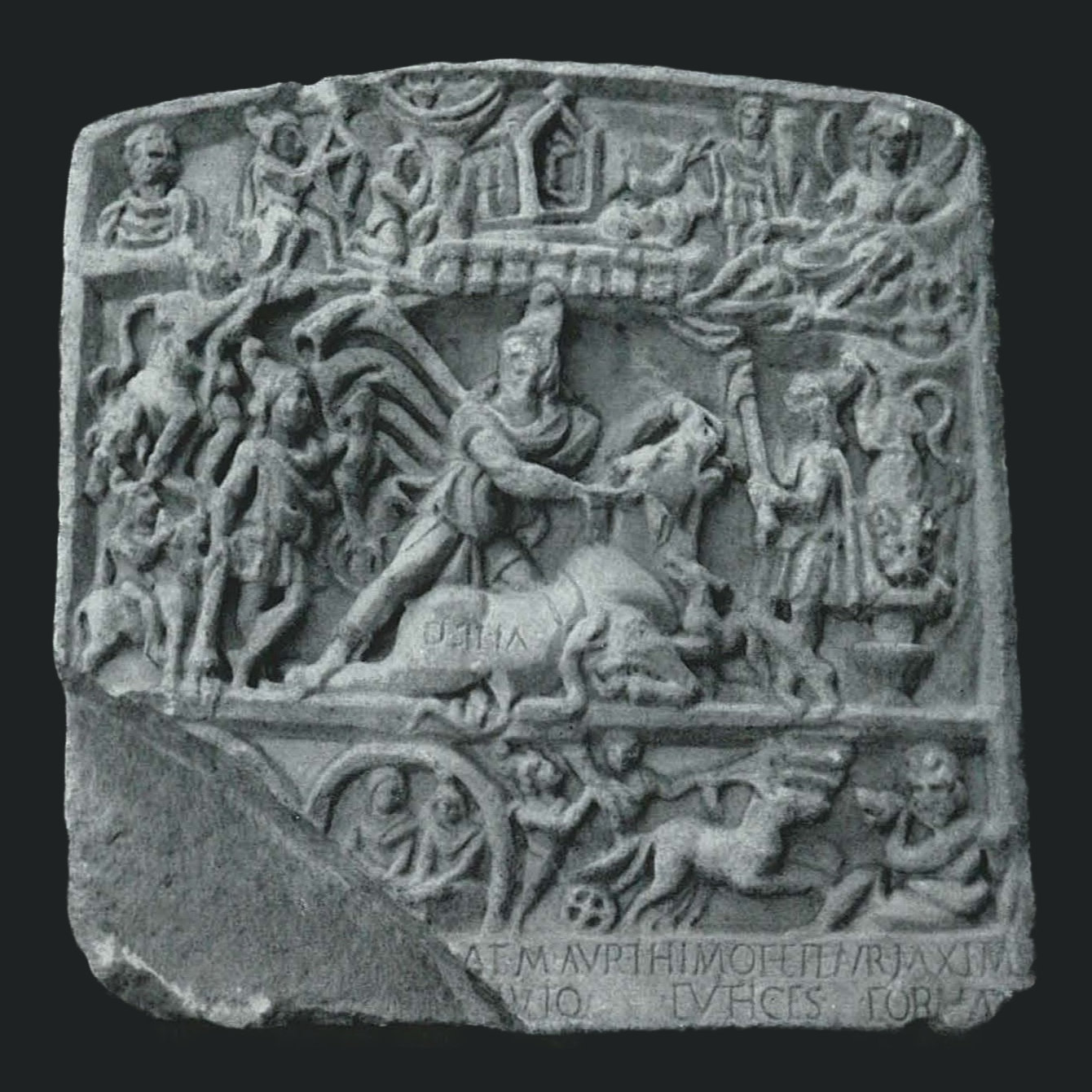
This marble relief of Mithras killing the bull was made by a freedman who dedicated it to his old masters.
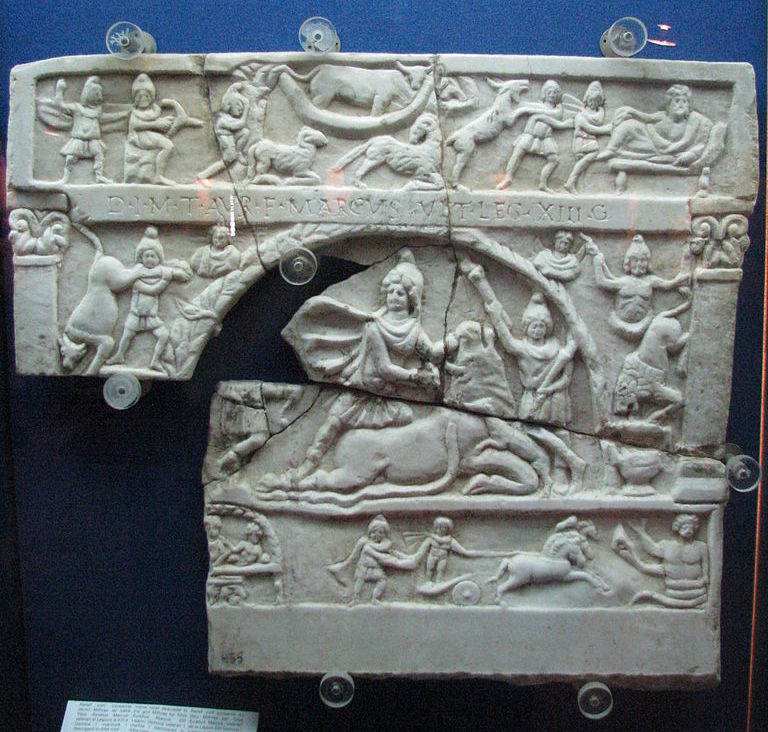
This marble relief from Alba Iulia contains numerous scenes from the myth of Mithras.

Only a fragment of this marble group of Mithras killing the bull remains.
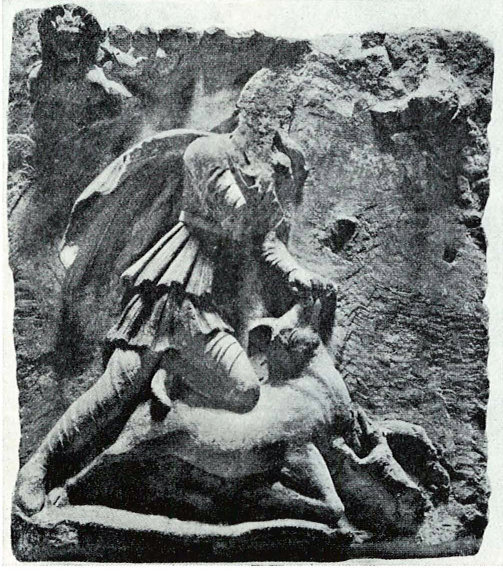
Discovered in Memphis, Egypt, a second relief depicting Mithras killing the bull.
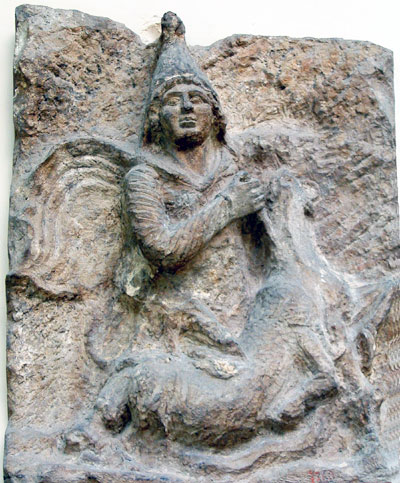
This Mithras killing the Bull relief from Memphis, Egypt, it is preserved in the Museum of Cairo.
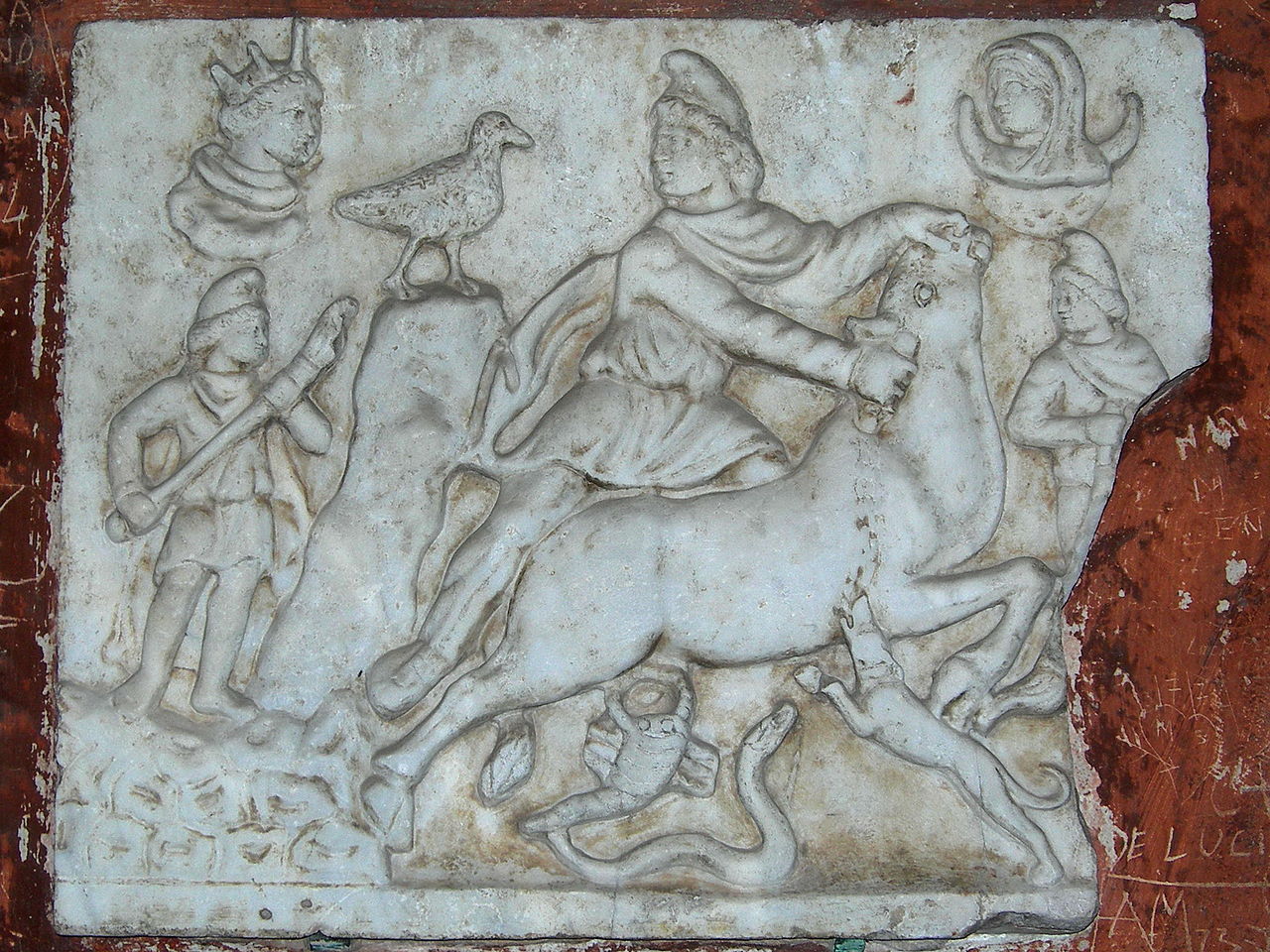
This white marble relief of Mithas killing the sacred bull was found embedded in the building of a noble family in Pisa.
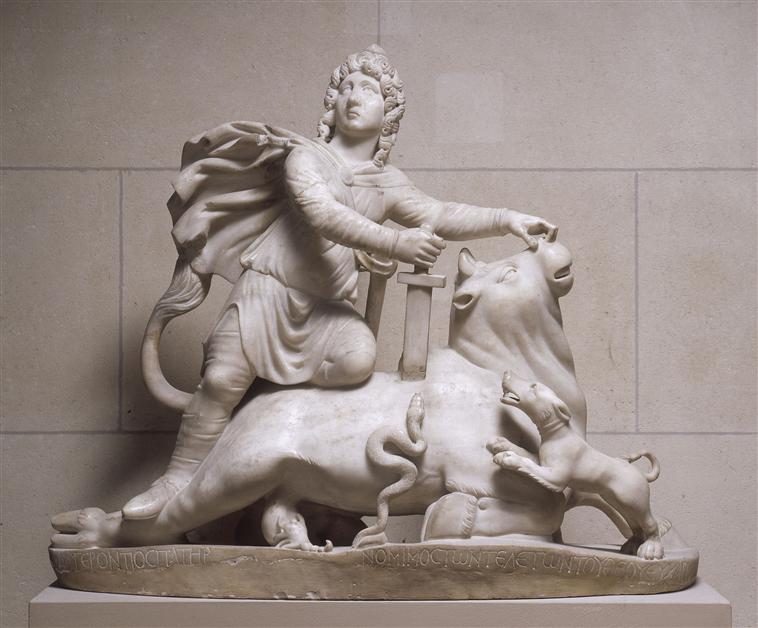
The Mithras killing the bull sculpture from Sidon, currently Lebanon.
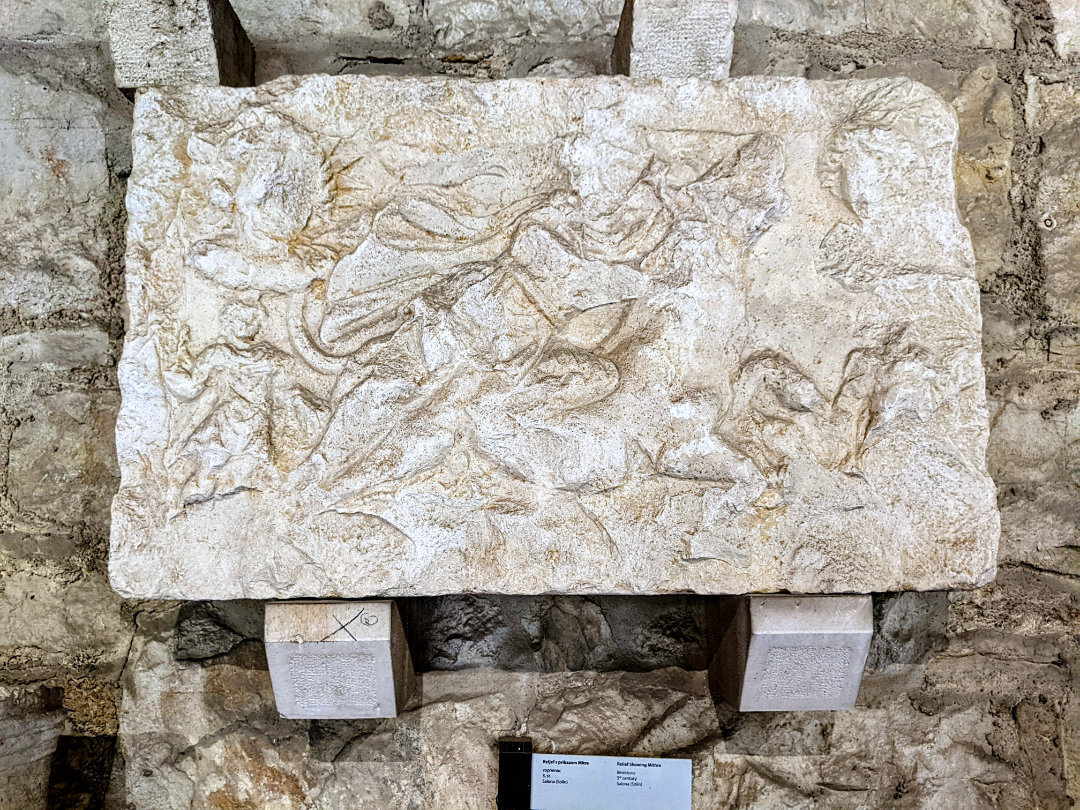
This relief of Mithras killing the sacred bull was found in 1908 near Klisa, in the surroundings of Salona, the ancient capital of Roman Dalmatia.
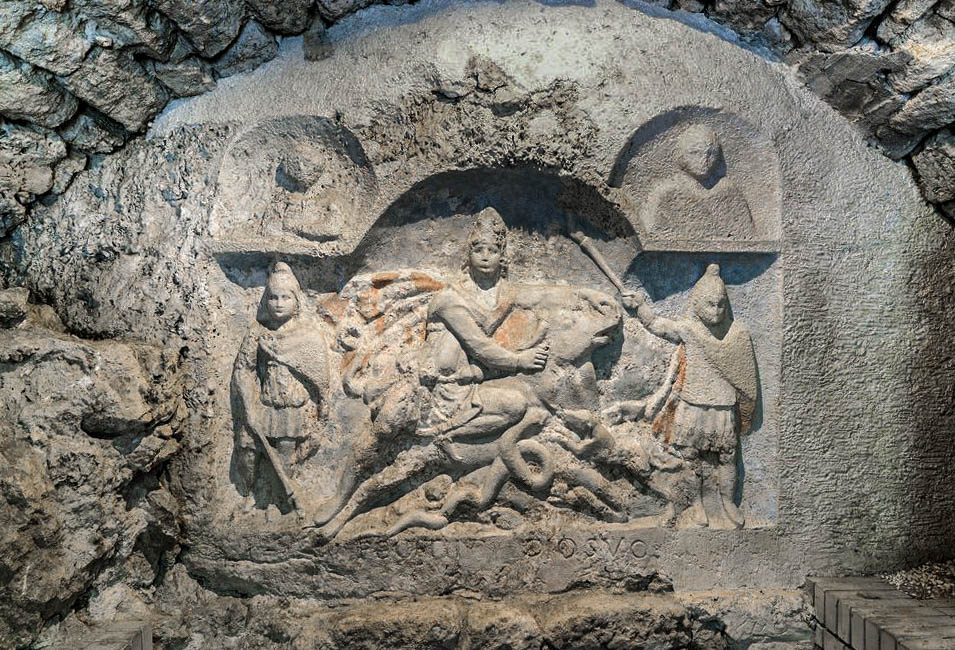
The main cultic relief of Mithras slaying the bull of Fertorakos was carved into the rock face.
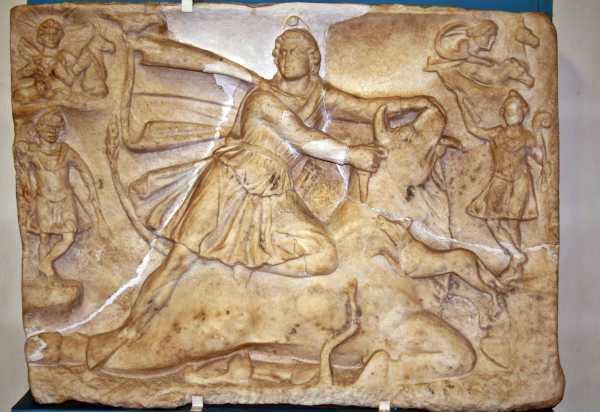
The relief of Mithras slaying the bull of Danaújváros was found broken into three parts in a tomb looted in antiquity.
This inscription to Mithras Invencible was dedicated by a certain Apronianus in 172 is currently lost.

Interpreting the Bas-relief of Mithras Tauroctonos from Osterburken in the Light of Porphyry’s Treatise, The Cave of the Nymphs.

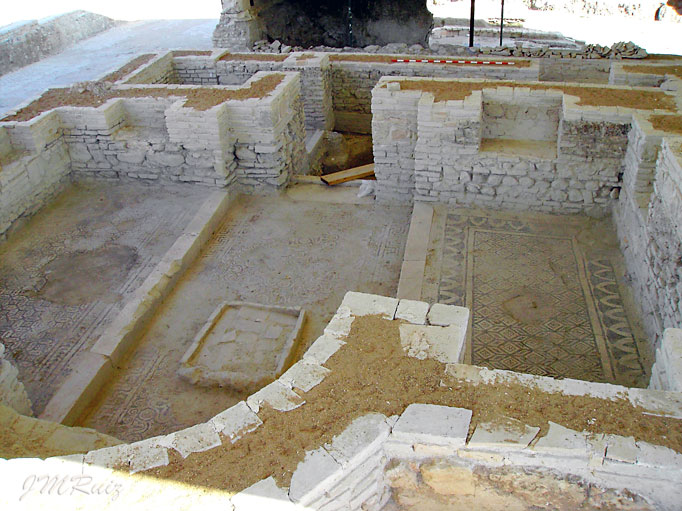
One of the rooms of the villa has been interpreted as a mithraeum, but we do not have enough evidence to confirm this.
