Your search Cabrera de Mar gave 1568 results.

Marino is an Italian comune with 46,676 inhabitants located in the Metropolitan City of Rome Capital in Lazio.

A probable Mithraic sanctuary near Santa Maria in Domnica on the Caelian Hill, known from a group of dispersed reliefs formerly owned by Ottaviano Zeno.
Sighișoara is a municipality on the Târnava Mare River in Mureș County, central Romania.
Stabiae was an ancient city situated near the modern town of Castellammare di Stabia and approximately 4.5 km southwest of Pompeii.
The Gaulish name of today Martigny was either Octodurus or Octodurum in the 1st century BC. It was conquered by the Romans in 57 BC and occupied by Servius Galba with the Legion XII.
Mariana is a Roman site south of Biguglia, in the Haute-Corse département of the Corsica région of south-east France.
Caesarea was first settled by the Phoenicians in the 4th century BC. In 63 BC, the Romans annexed the region and Caesarea became the seat of the Roman procurators.
Brigetio, which became Szőny, was an independent town until 1977, when it was incorporated into Komárom. The Roman legion Legio I Adiutrix was stationed here from 86 AD until the middle of the 5th century.

Clarissimus knight and legate born in Poetovio that helped to disseminate the cult of Mithras in the African provinces.
This marble tablet found at Portus Ostiae mentions a pater, a lion donor and a series of male names, probably from a Mithraic community.
Cyrene linked North Africa to the Greek East through long-standing urban traditions and eastern Mediterranean maritime exchange.
Bruttium occupied the southernmost reaches of the Italian Peninsula where maritime mobility linked Italy, Sicilia and the wider Mediterranean.
Sicilia connected Italy, North Africa and the eastern Mediterranean through some of the busiest maritime routes of the Roman world.
Corsica et Sardinia occupied an important insular position within the maritime networks of the western Mediterranean.
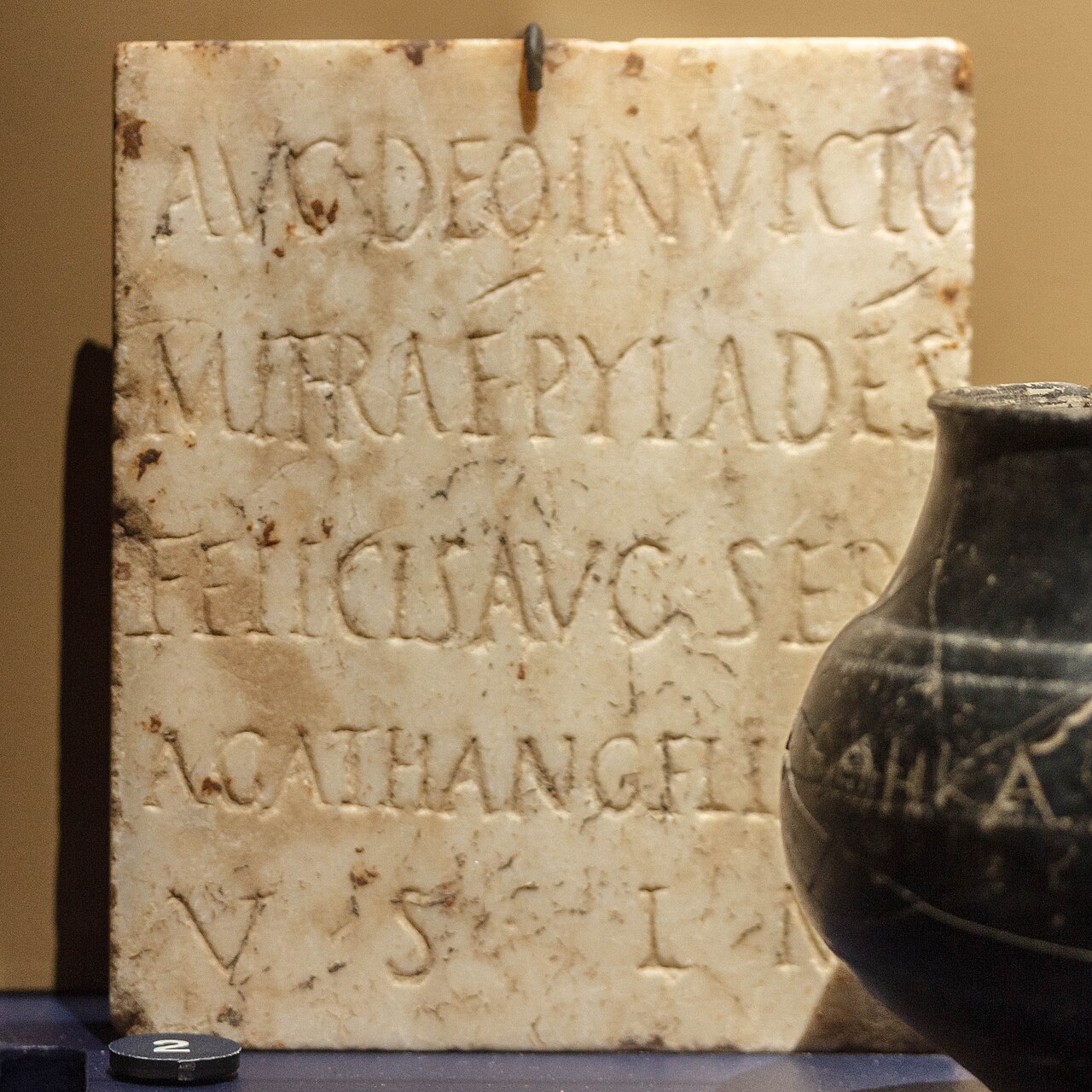
This marble plaque from Iuliomagus, Roman Angers, bears a rare dedication to Mithras by Pylades, a slave of an imperial slave connected to the Roman administration in Gaul.
Mauretania preserves western North African evidence linked to urban and maritime networks of the Roman empire.
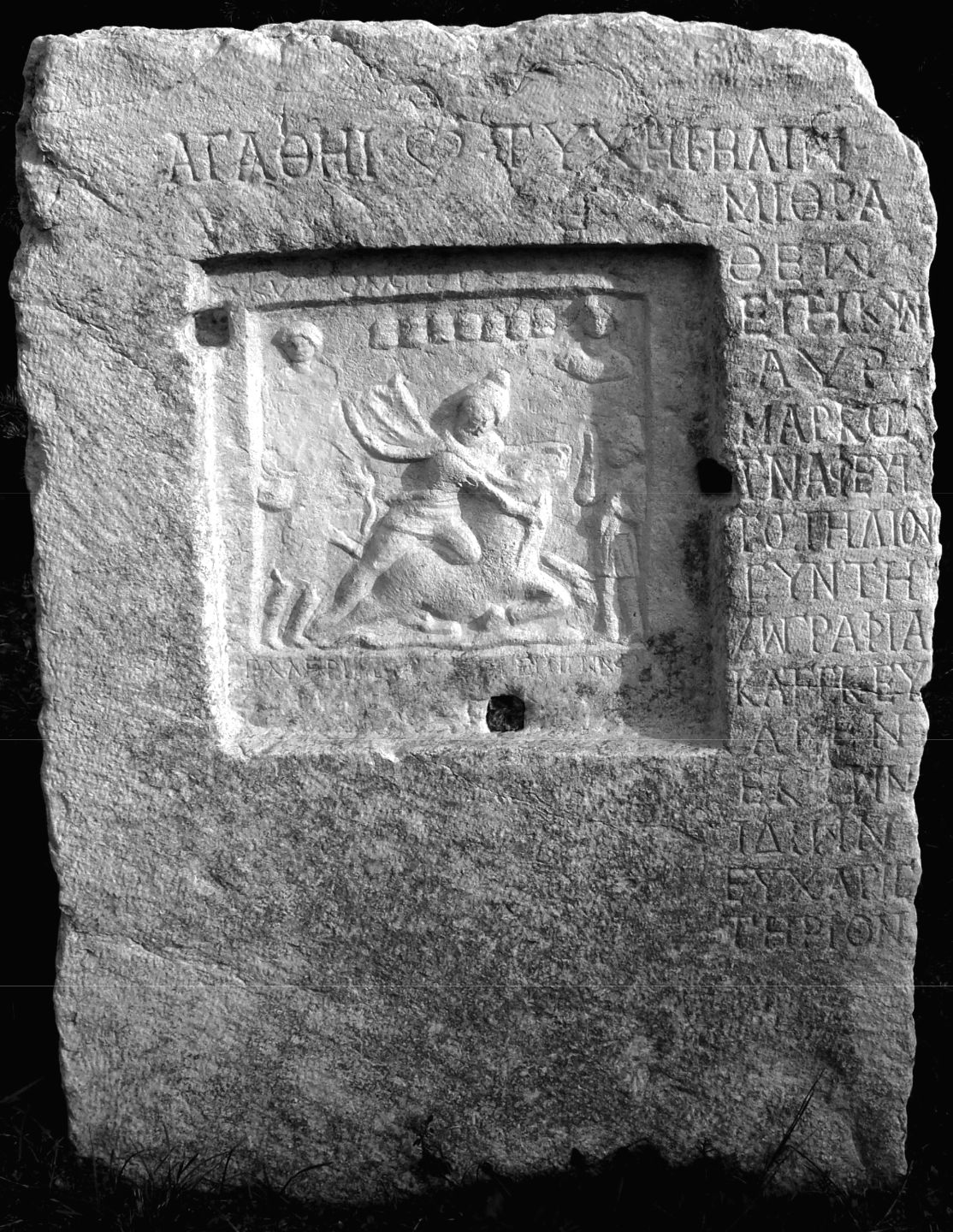
The Tauroctony of Nicopolis ad Istrum is unique as it is the only Mithraic stele befitting a Greek donor.
This marble dedication from Puteoli was offered to Sol Invictus and the genius of the colony by Claudius Aurelius Rufinus together with his wife and son.
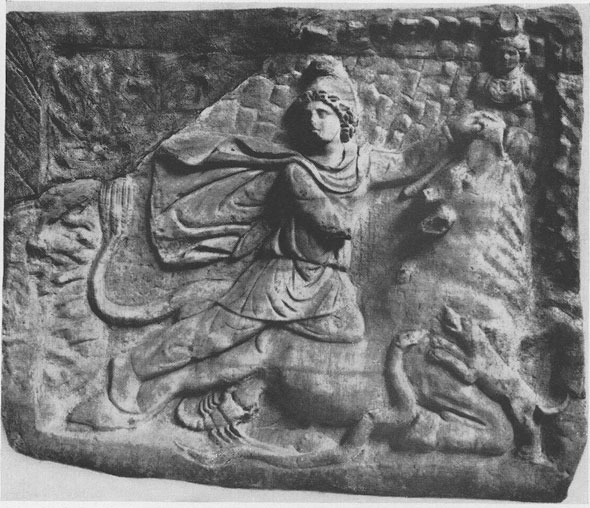
This marble tauroctony relief, probably originating from Naples, depicts Mithras slaying the bull within a cave-like setting, accompanied by the usual animals and celestial busts.
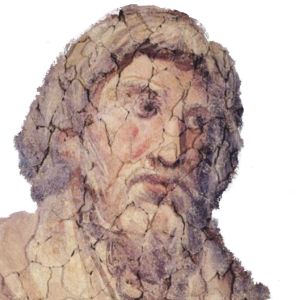
North African author, Platonic philosopher and rhetorician associated with the Mithraic milieu of Ostia.
