Your search Cabrera de Mar gave 1571 results.

The sculpture of the birth of Mithras in Florence included the head of Oceanus.
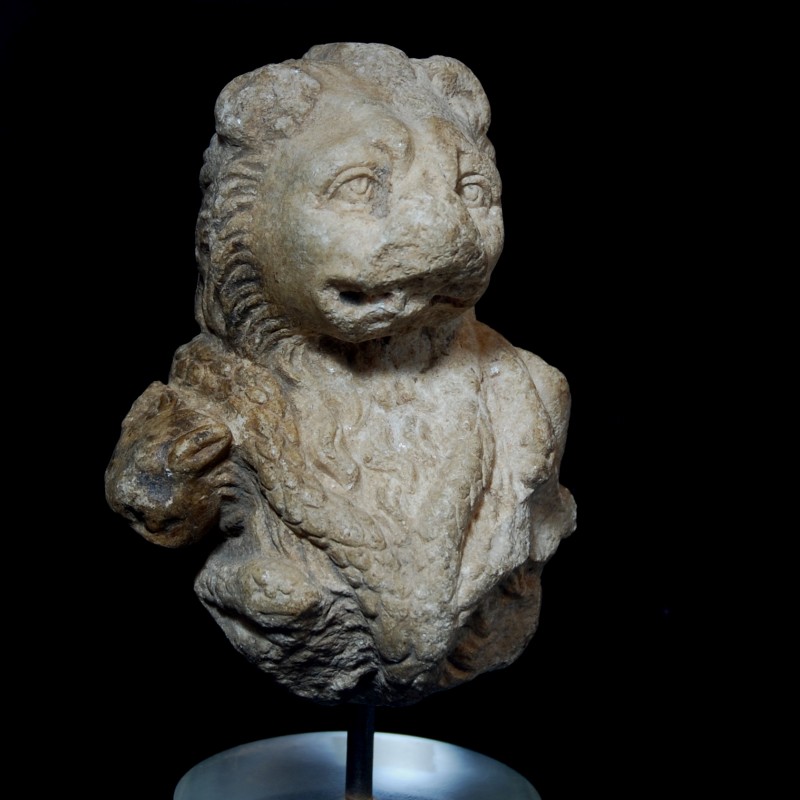
This bust of a lion-headed figure has been was part of a French private collection.
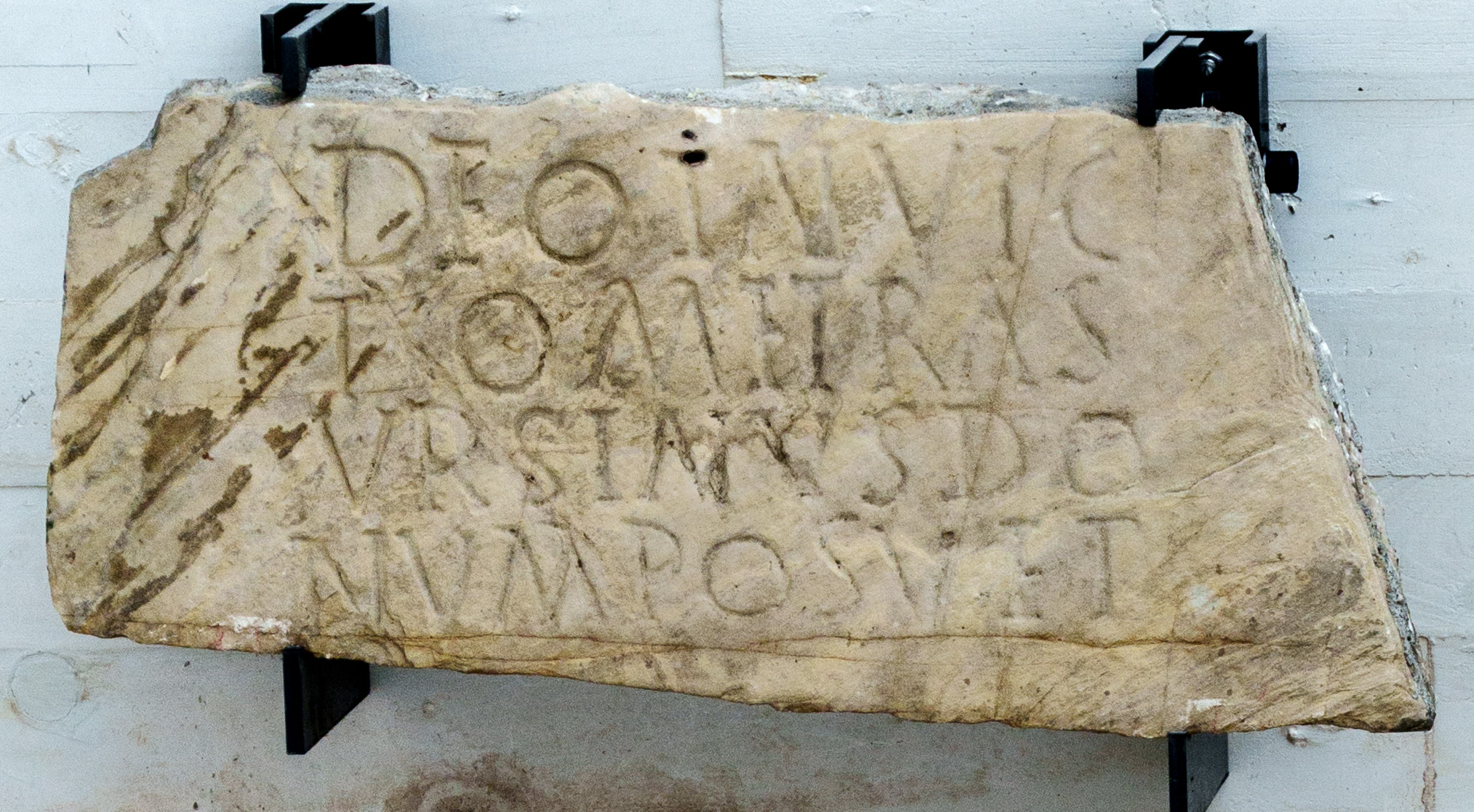
Marble plaque with inscription by a certain Ursinus found in Virunum in 1838.

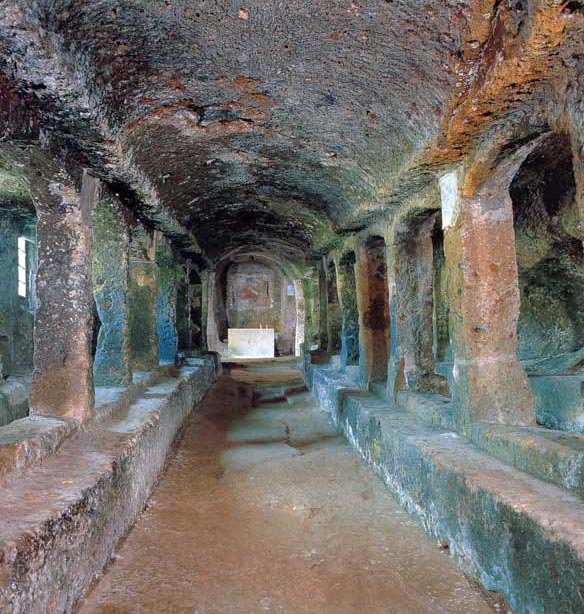
The Mithraeum of Sutri was built inside a rocky hill that also hosted the Roman theatre of the city.
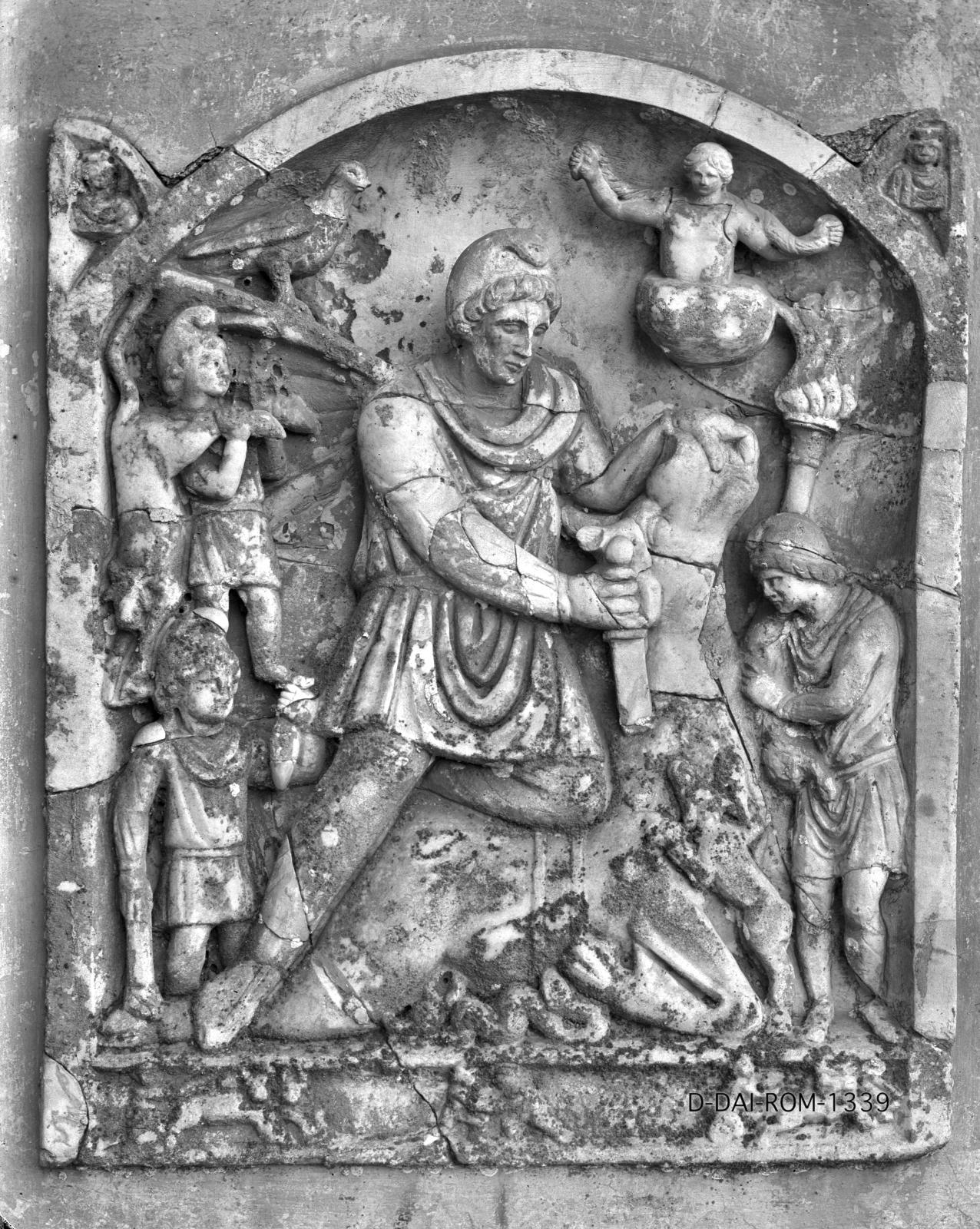
Currently in the Musei Vaticani, this Tauroctony includes Mithras’s birth restored as Venus anaduomene.
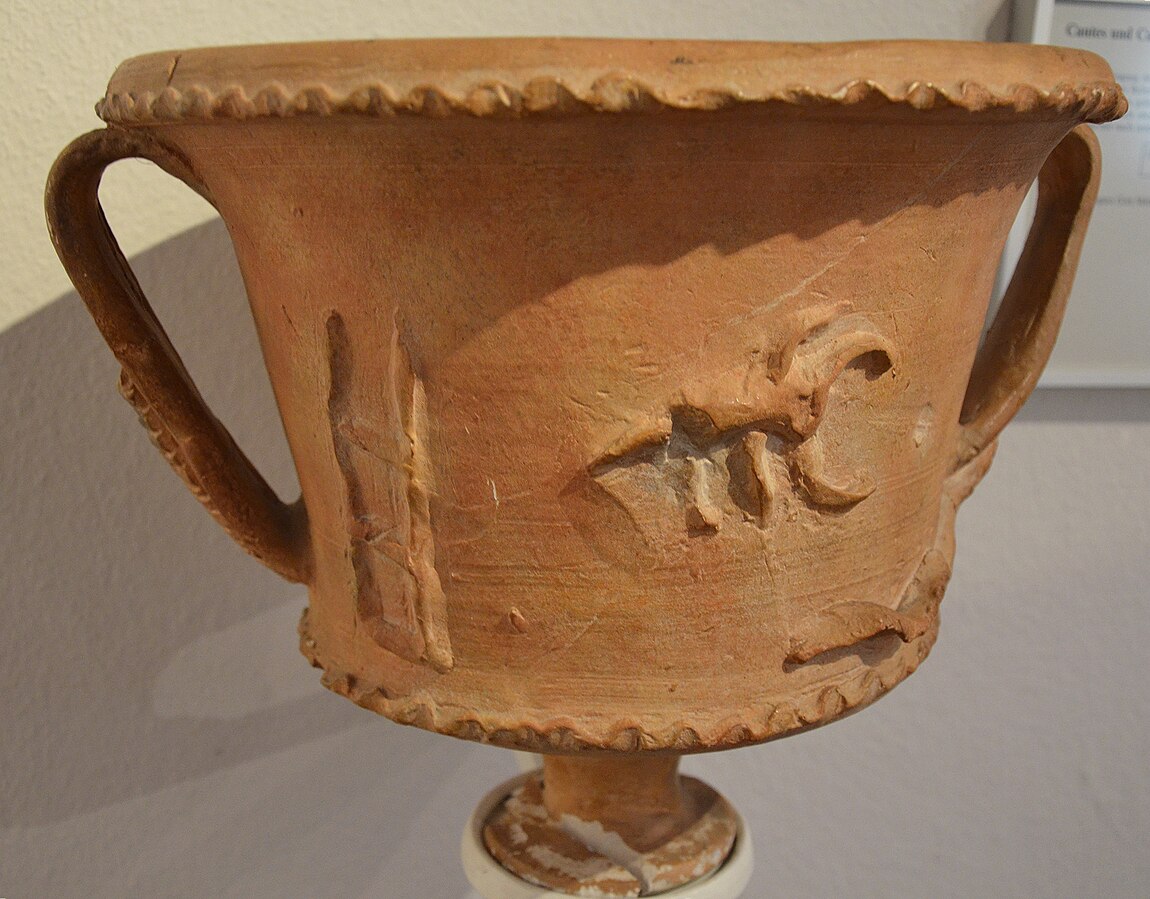
Terracotta krater from the southern part of the Friedberg Mithraeum, discovered in 1849. The vessel is decorated in relief with serpents, a scorpion and a ladder-like motif.

This Mithraic temple, also known as the Mithraeum of the Olympii, dates to the 3rd century and was rediscovered in 15th-century Rome, but it has not been preserved.
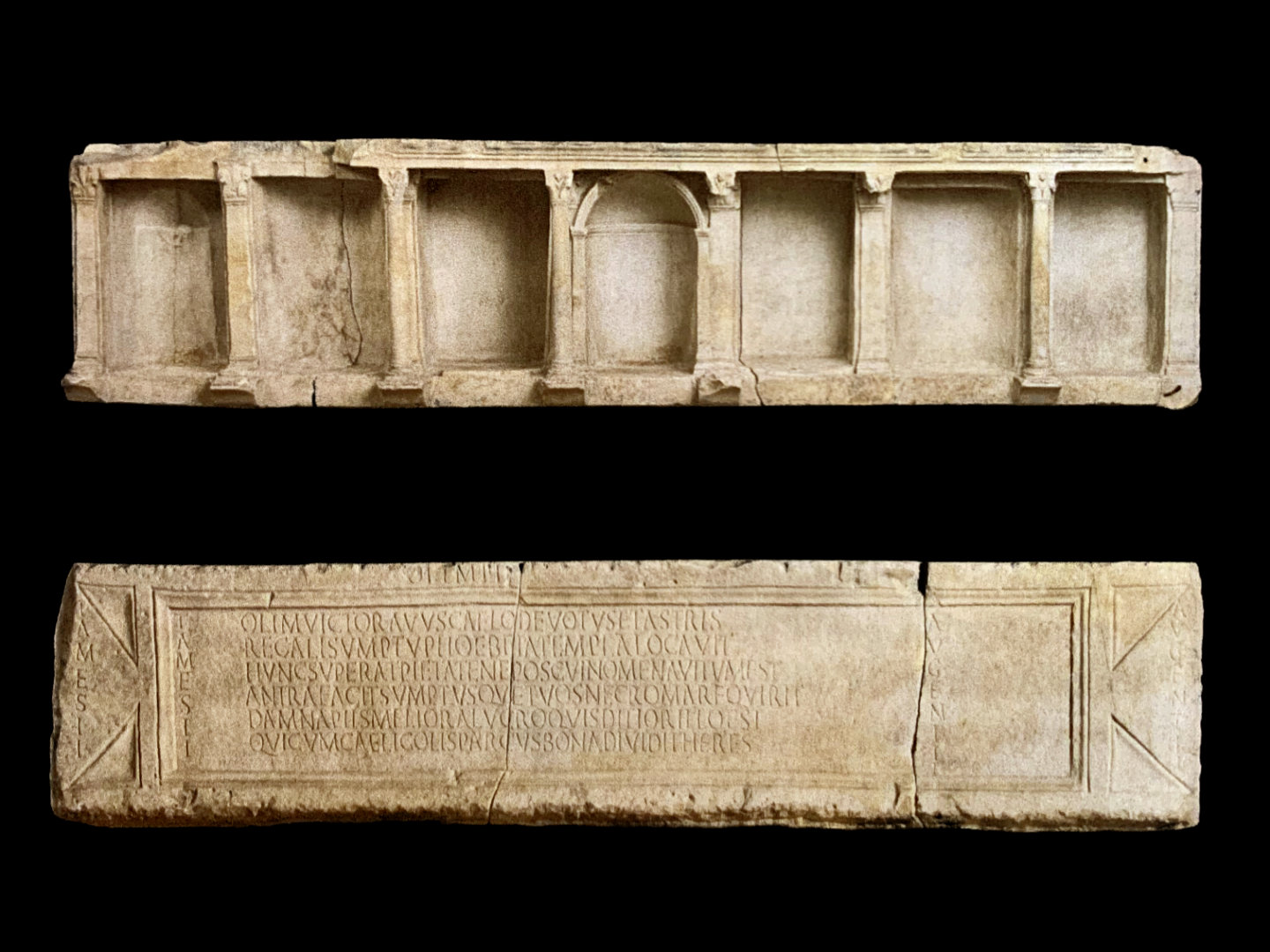
This monument is the only one still available from the disappeared Mithraeum in Piazza S. Silvestro in Capite.
In these passages from his hymns and satires, Julian articulates a solar theology in which Helios governs cosmic order and time. Within this framework, Mithras appears as a personal divine guide associated with the ascent of souls.
This tauroctony may have come from Hermopolis and its style suggests a Thraco-Danubian origin.
Emperor Julian may have been initiated into the cult of the god Mithras at the Mithraeum of Vienne, France, according to Turcan.
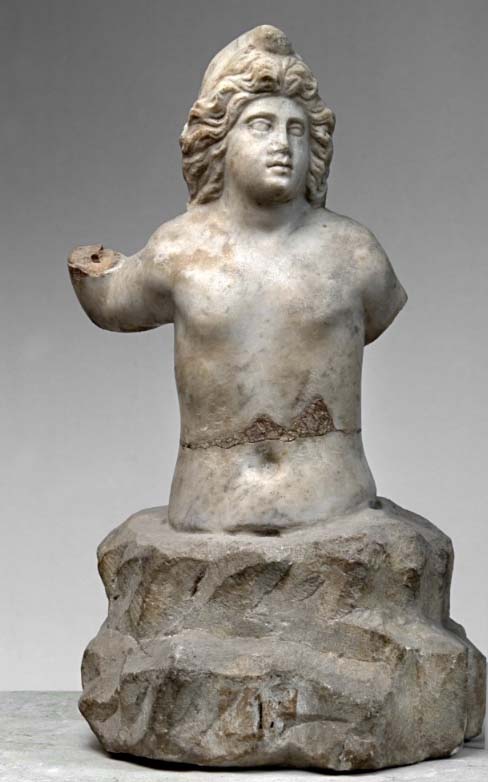
Mithras being born from the rock (petrogenia), acquired in Rome and formerly kept in Berlin.
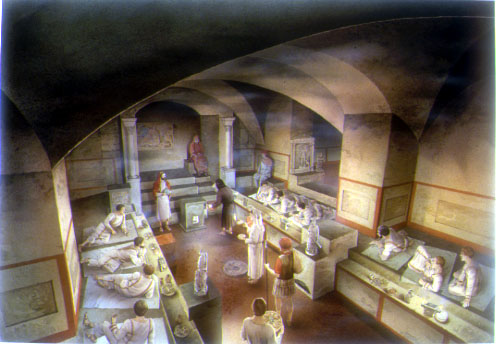
The Mithraeum of the Crypta Balbi was locted in the middle of a densely populated insula near the theatre of Cornelius Balbus.
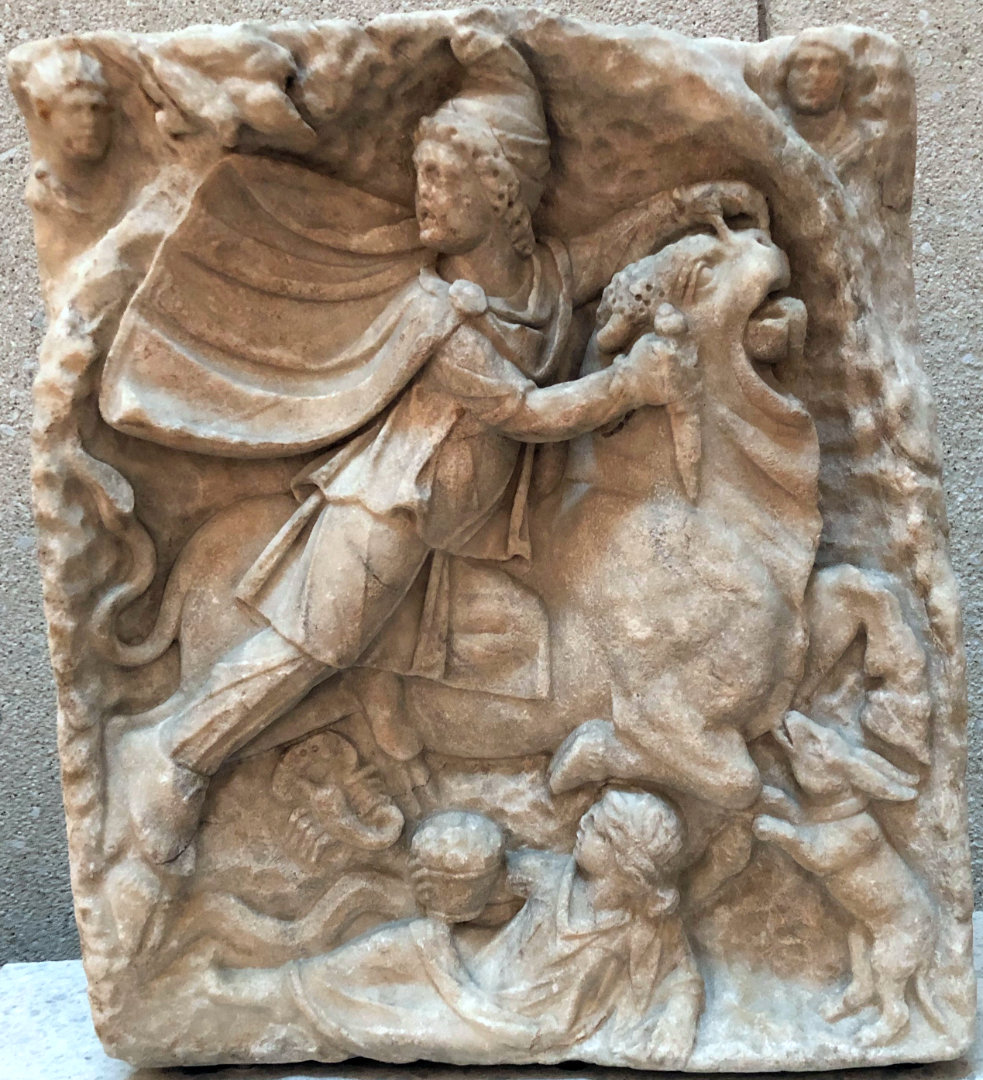
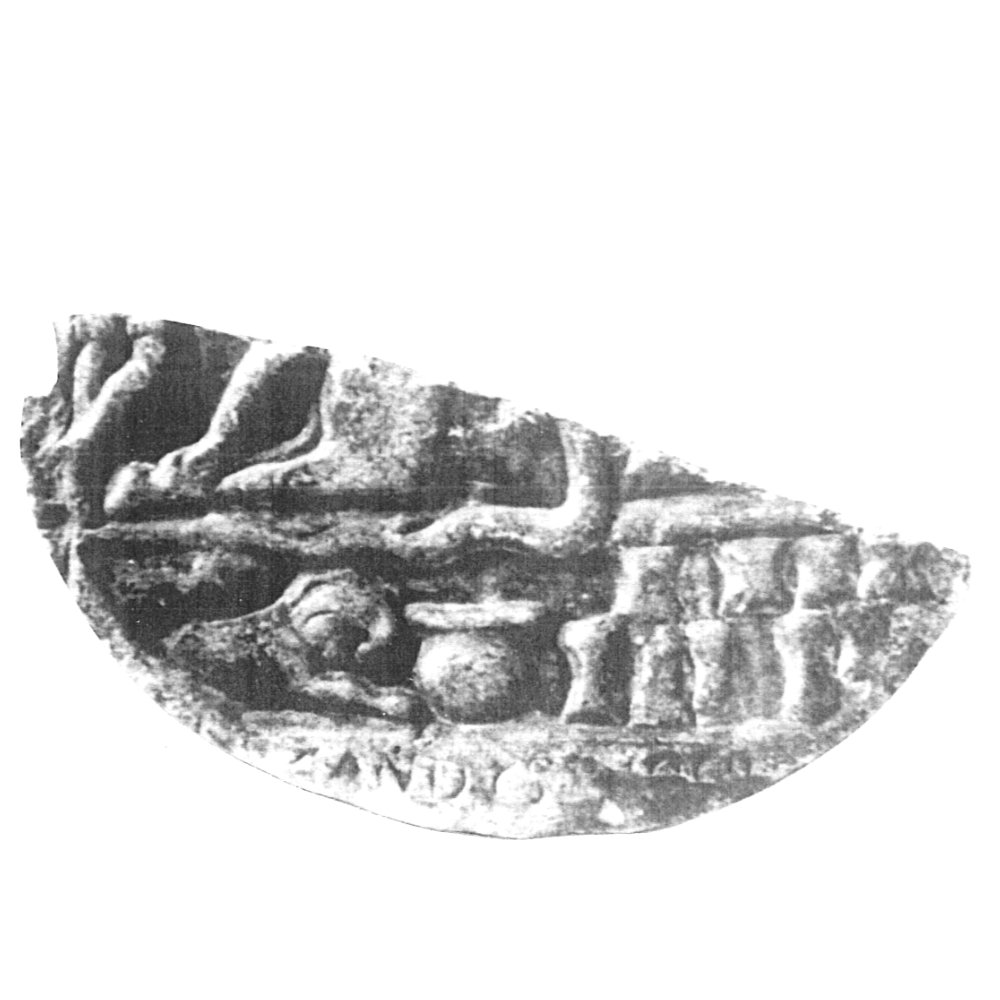
This tauroctony relief is distinguished by the rare depiction of Tellus reclining beneath the bull.
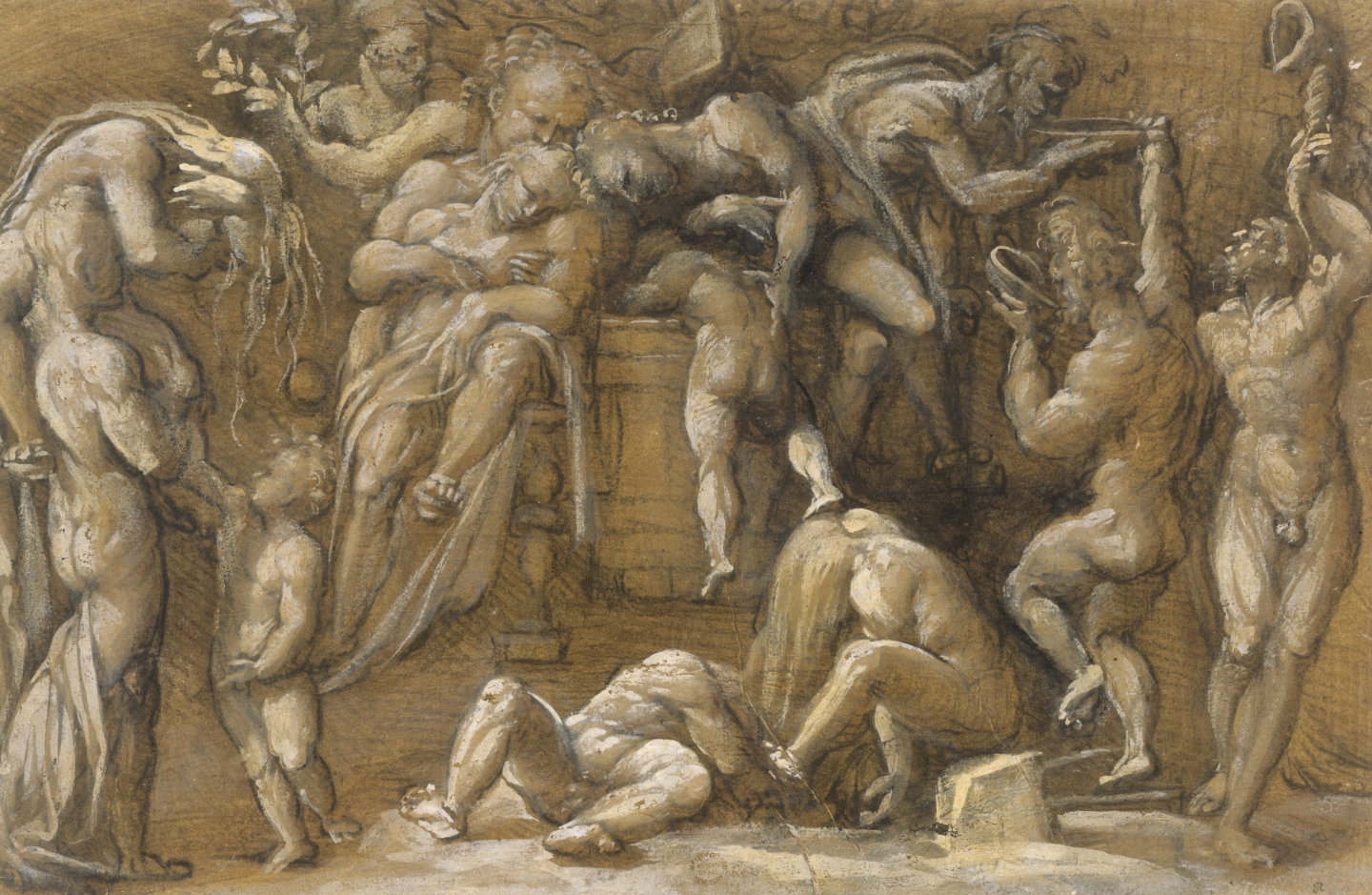
In polemical passages from the late second and early third centuries, Tertullian portrays the cult of Mithras as a demonic imitation of Christian rites and provides rare early references to Mithraic initiation and ritual symbolism.
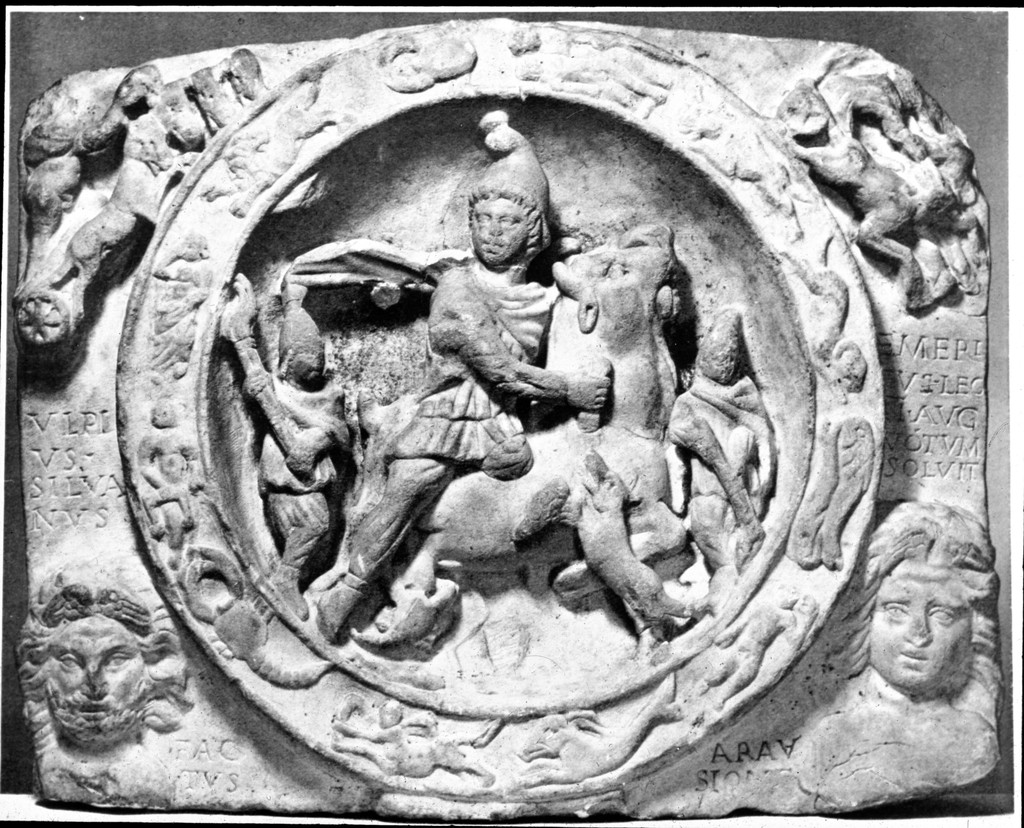
The image of Mithras killing the bull, found near Walbrook, is surrounded by a Zoadiac circle.
This collective volume explores the ways ancient peoples interacted with divine powers through prayer, magic, and the interpretation of the stars. Drawing on evidence from Mesopotamia to Late Antiquity, it situates these practices within broader religious and cosmological systems…
Fritz Saxl interprets Mithraism primarily through its images, proposing the cult as a visual cosmology structured around the descent, sacrifice and re-ascent of light, developed in close dialogue with Aby Warburg and Erwin Panofsky.
A Roman centurion investigates a ritual murder and a deadly new weapon, the Fire of Mithras, from the alleys of Lutetia to the battle of Argentoratum.
