Your search Casa del Mitreo gave 219 results.
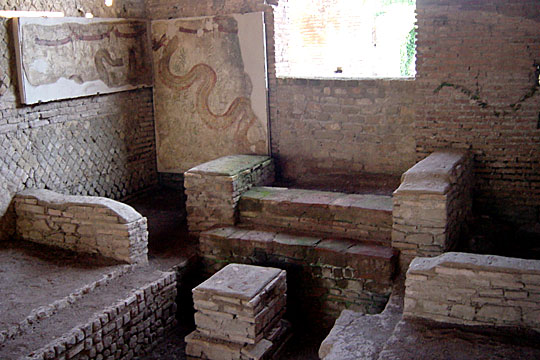
The Mithraeum of the Snakes preserves paintings of serpents, representing Genius Loci, part of an older private sanctuary, which were respected in the temple of Mithras.
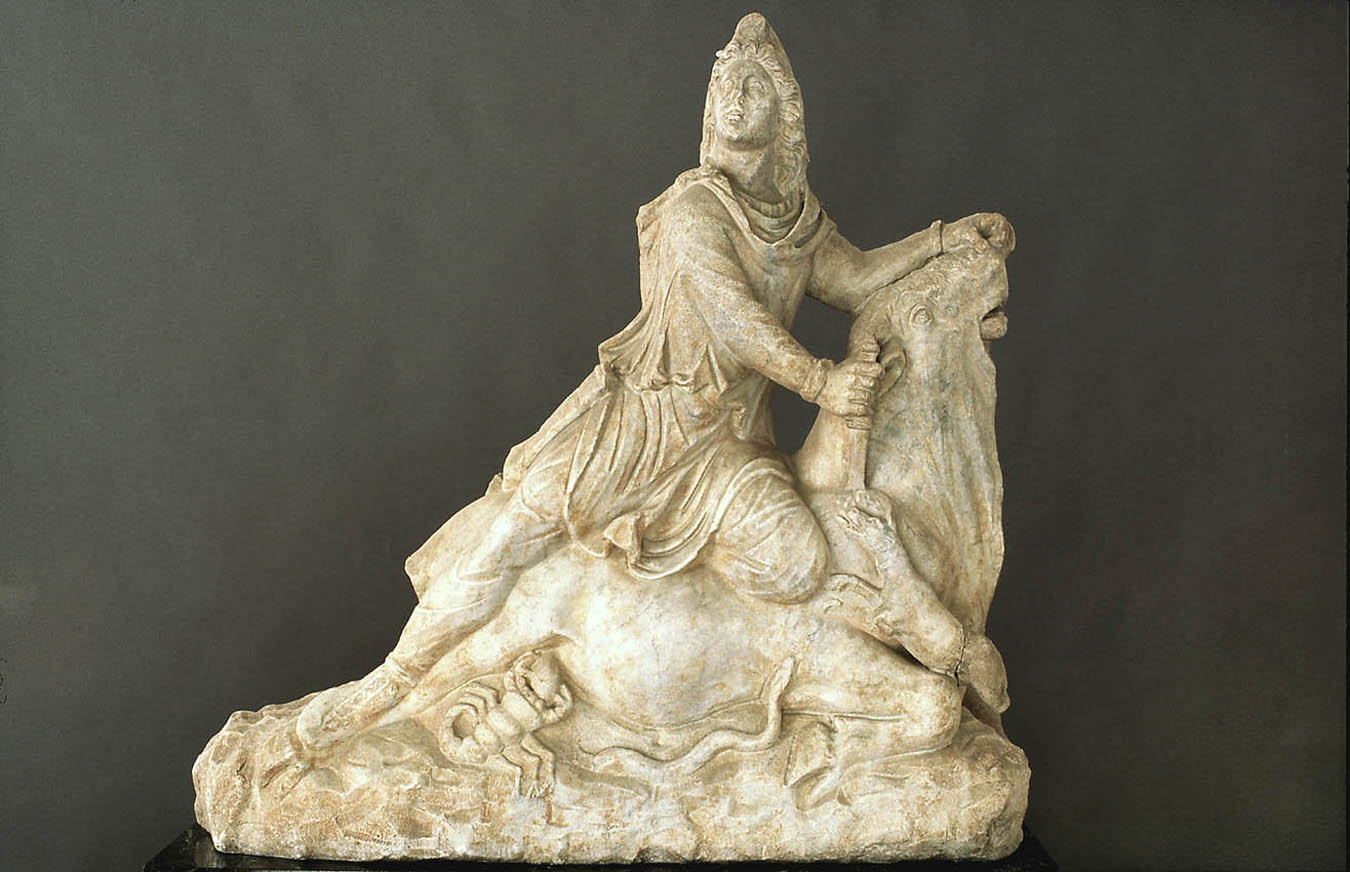
The Mithras of Cabra is the only full preserved Tauroctony sculpture found in Spain yet.
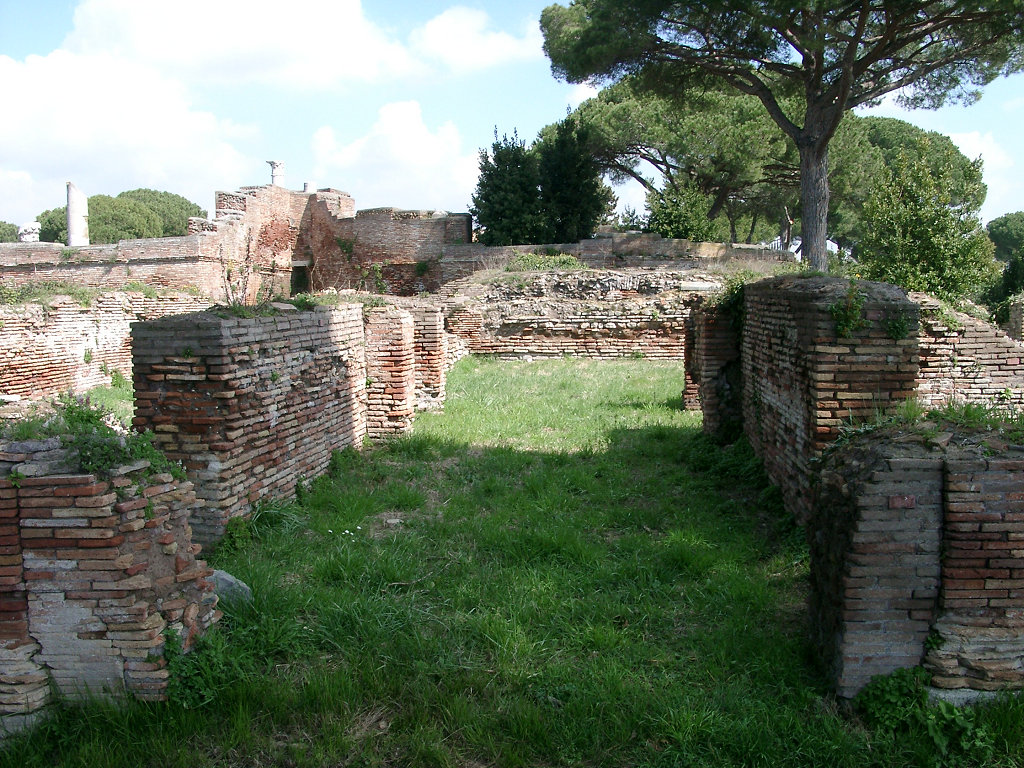
The Mithraeum of Frutosus was in a temple assigned to the guild of the stuppatores.
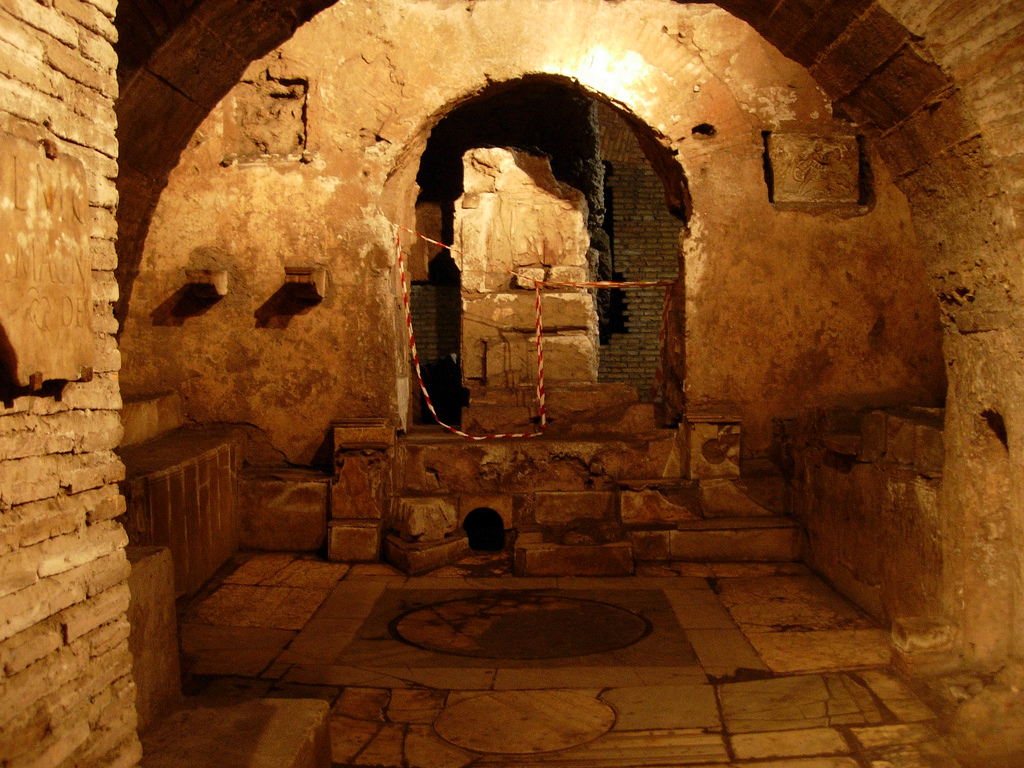
The Mithraeum of the Circus Maximus was discovered in 1931 during work carried out to create a storage area for the scenes and costumes of the Opera House within the Museums of Rome building.
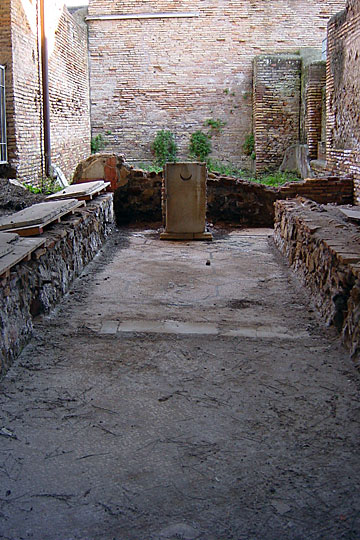
The Mithraeum of Lucretius Menander was installed in the early 3rd century in an alley to the east of a Hadrianic building named after the solar god temple.
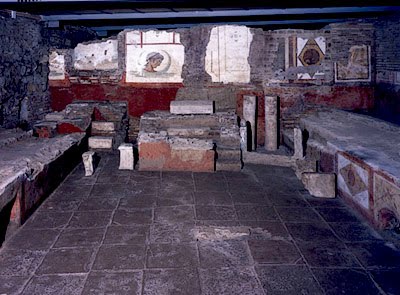
The Mitreo dei Castra Peregrinorum was discovered under the church of Santo Stefano Rotondo in Rome.
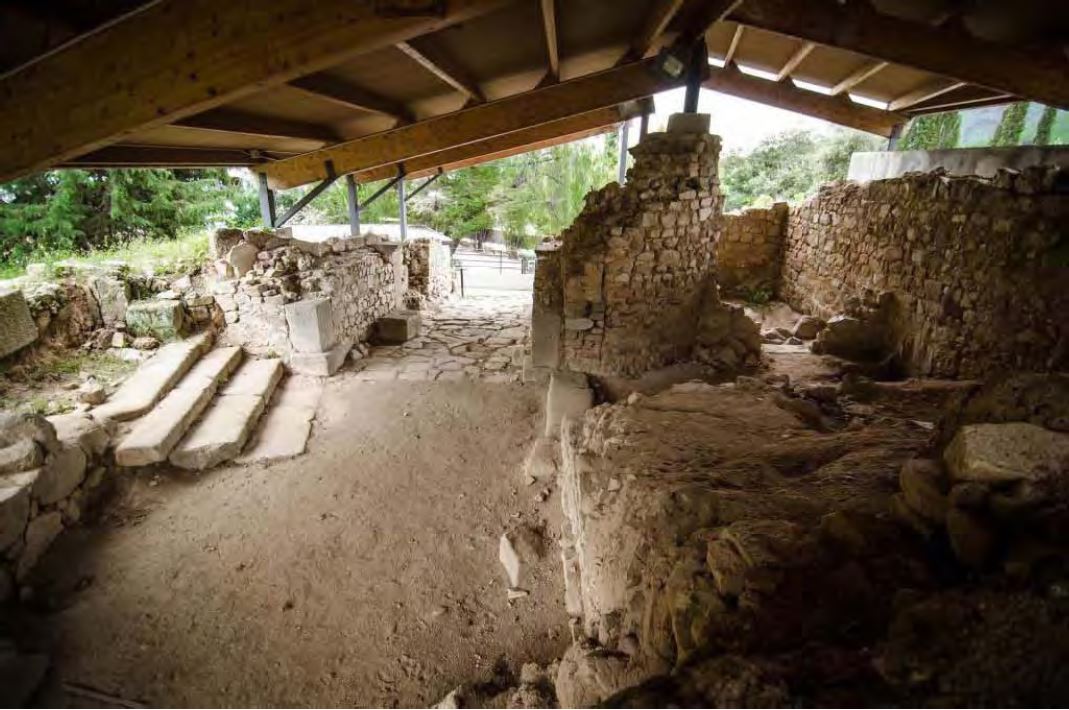
The Roman villa of Can Molodell had a sanctuary that has been related to the cult of Mithras.

The dedicator of this marble basin could be the same person who offered the sculpture of Mithras slaying the bull in the Mitreo delle Terme di Mitra.

The image of the god Arimanius to which this monument refers has not yet been found.
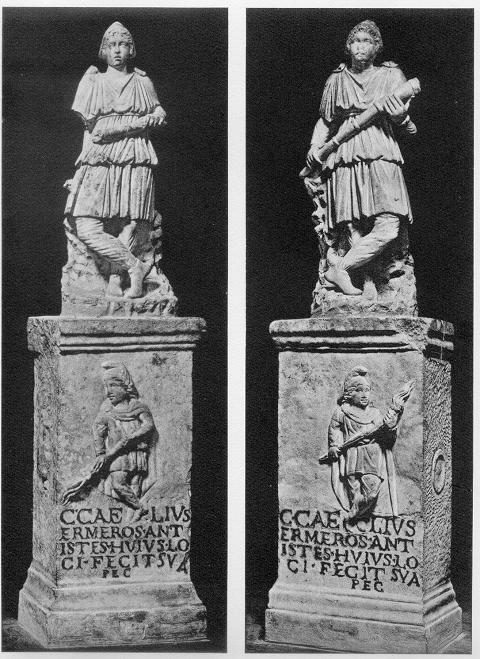
The sculptures of Cautes and Cautopates from the Mitreo del Palazzo Imperiale may have been reused from an older mithraeum in Ostia.
The Mitreo Fagan revealed remarkable sculptures of leon-headed figures now exposed at the Vatican Museum.
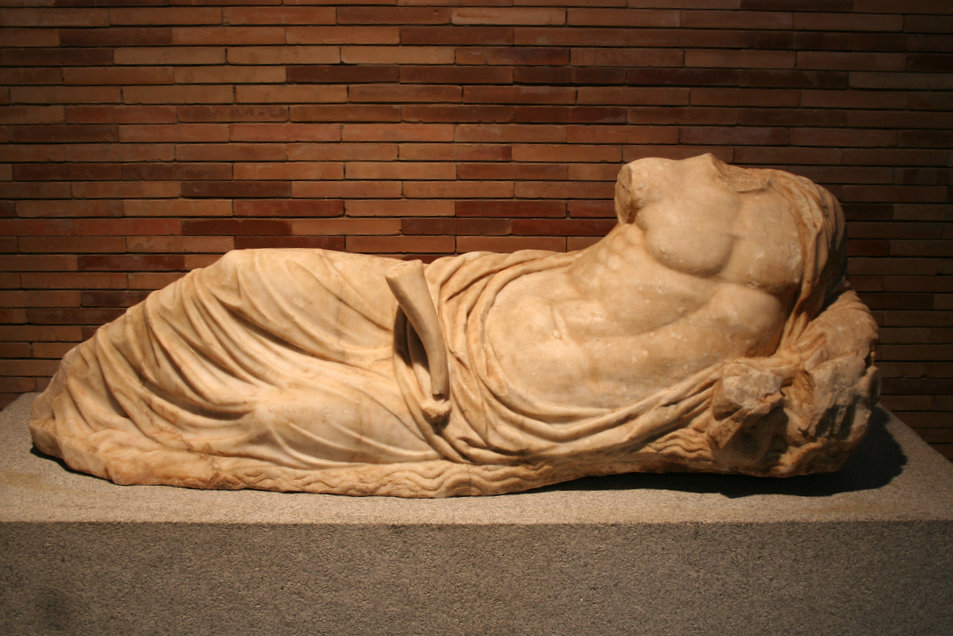
The sculpture of Oceanus in Merida bears an inscription by the Pater Patrorum Gaius Accius Hedychrus.
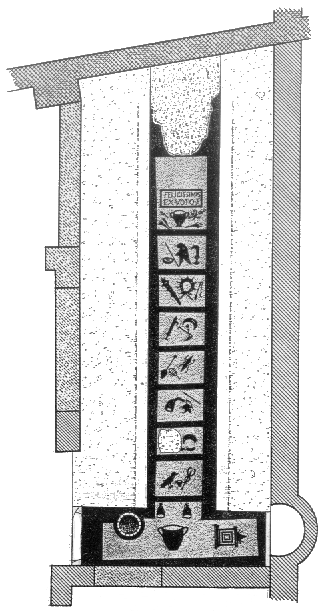
The Mithraeum Felicissimus has a floor mosaic depicting the seven mithraic grades.
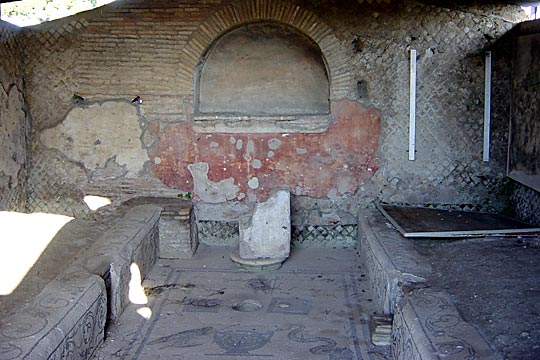
The name of the Mithraeum of the Seven Gates refers to the doors depicted in the mosaic that decorates the floor, symbolising the seven planets through which the souls of the initiates have to pass.
García y Bellido proposed the existence of a mithraeum in a narrow, elongated room where the Troia mithraic relief was found.
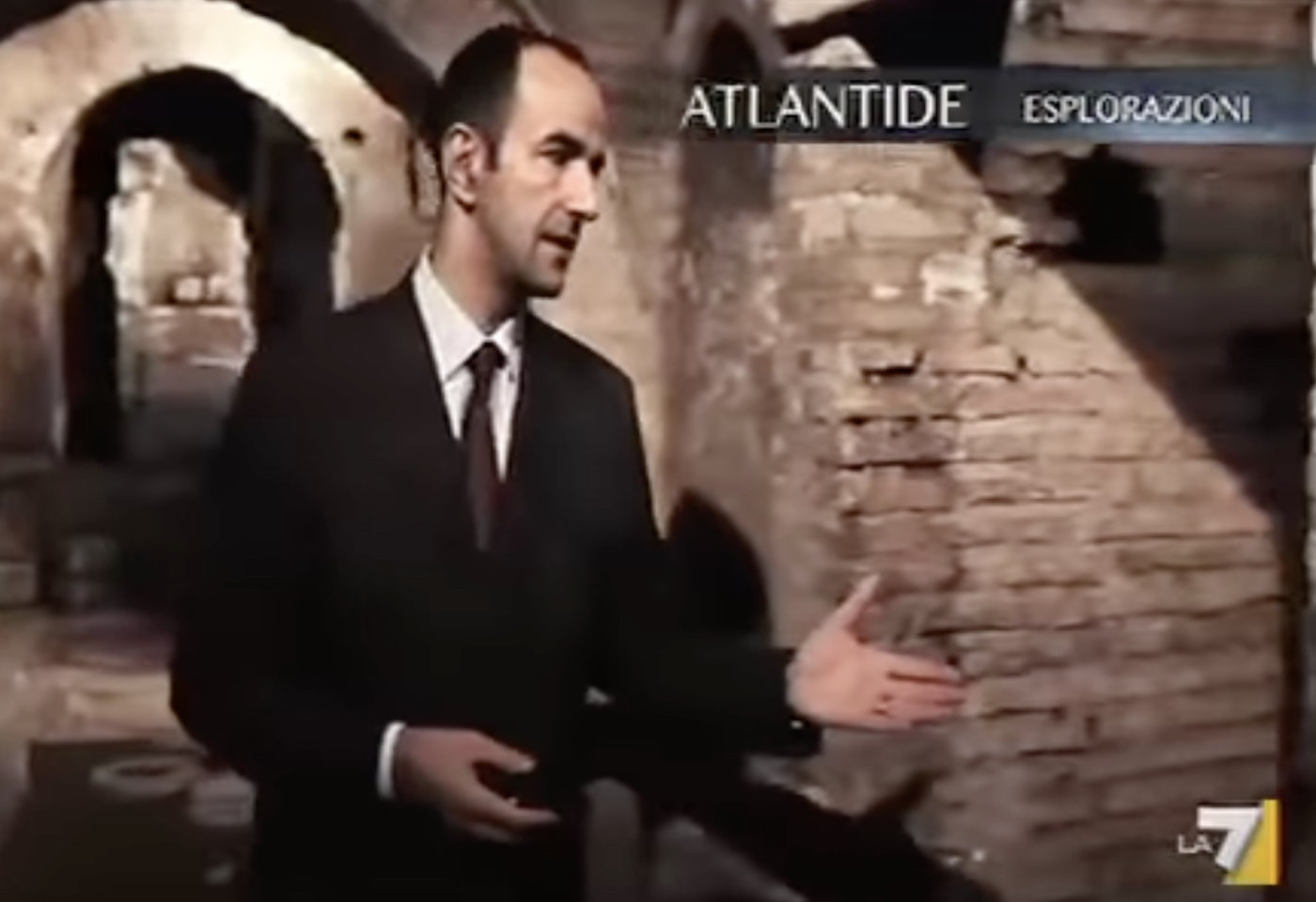
Video report of the Italian TV channel La 7 about Mithraism made in the Mithraeum of the Circo Massimo.
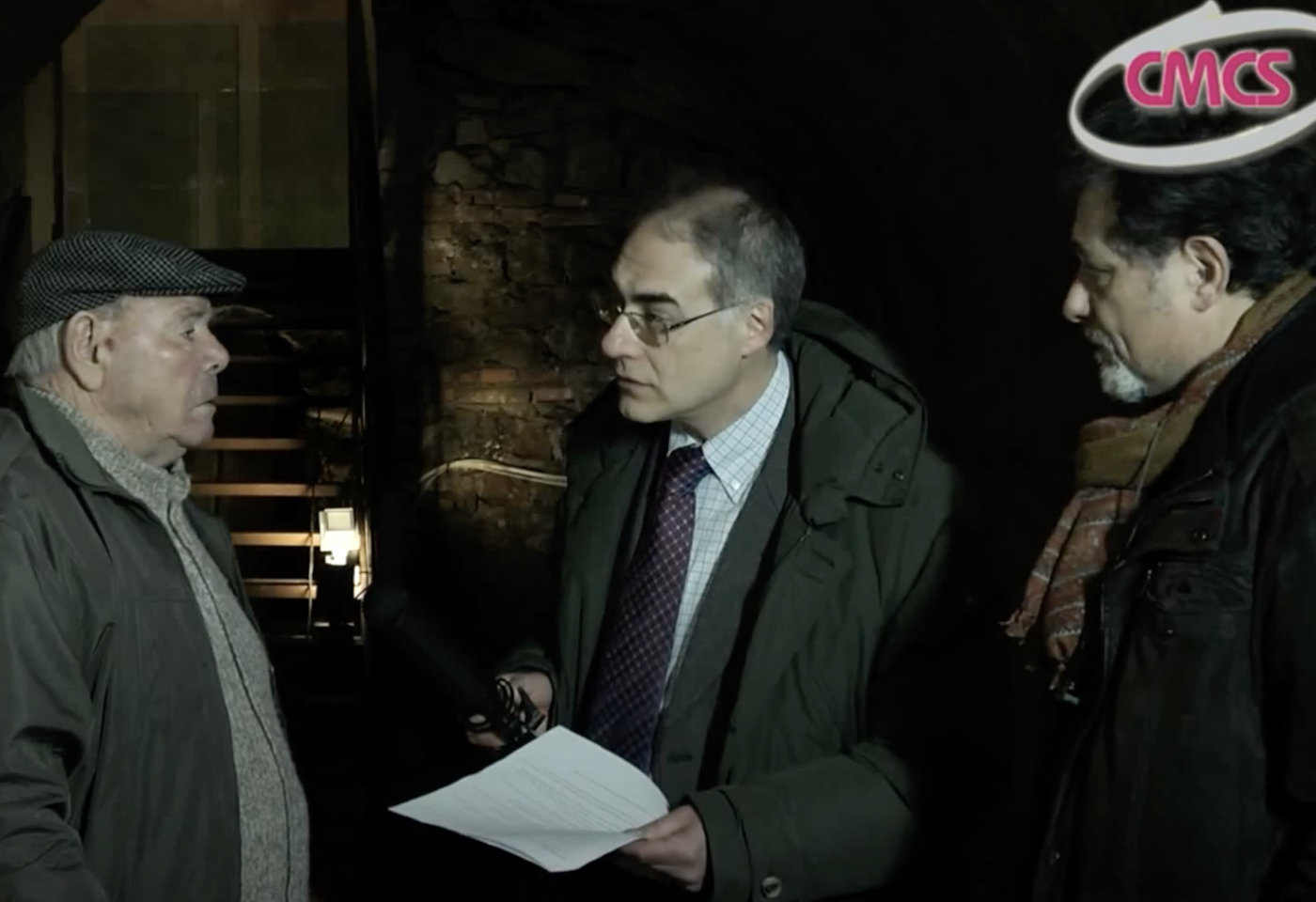
Interview to one of the workers who participated in the discovery of the temple of Mithras of Marino, Rome.
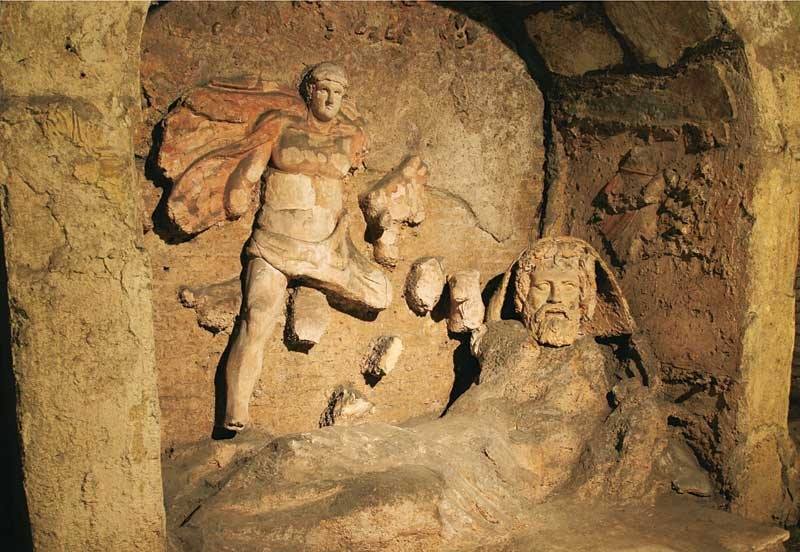
Even if only a few fragments remain, it is very likely that the main niche of the Mitreo di Santa Prisca contained the usual representation of Mithras killing the bull.
The fragmented tauroctony of the Mitreo di Santa Prisca rests on the naked figure of a bearded man, probably Ocean or Saturn.
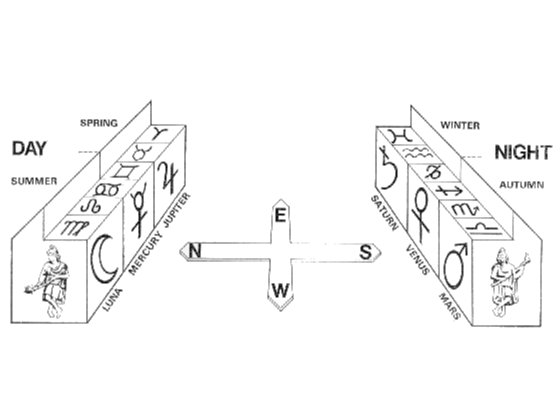
The rich mosaics of the Mithraeum of the Seven Spheres include the the signs of the Zodiac.
