Your search Catacombe dei Santi Marcellino e Pietro gave 240 results.
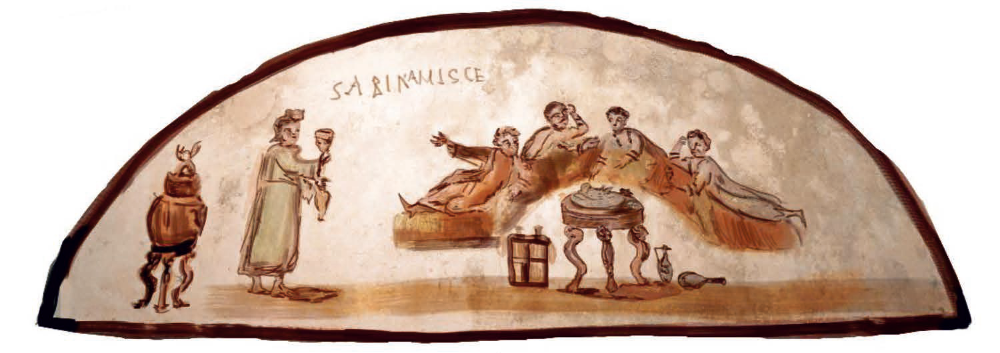
A dinner scene with Sabina from the Catacombe dei Santi Marcellino e Pietro, near Rome, may have been commissioned by a follower of Mithras.
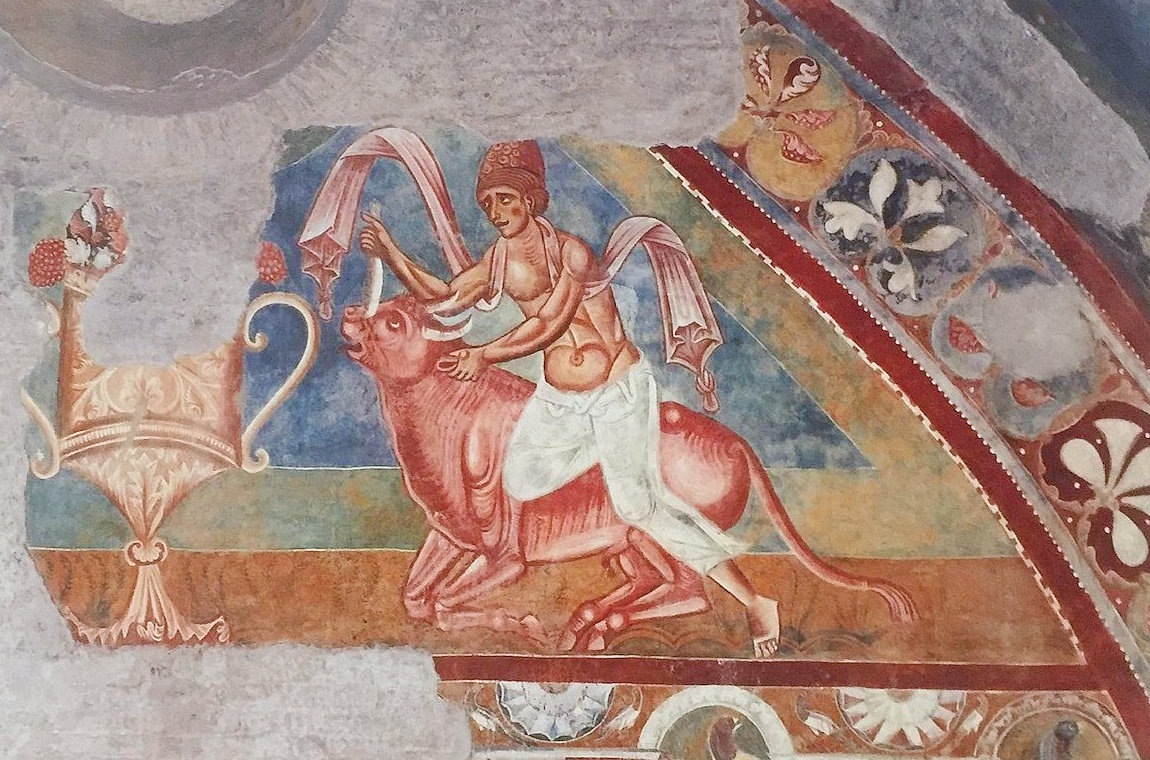
What appears to be a representation of Mithras killing the bull appears in the 12th century frescoes of the Basilica dei Santi Quattro Coronati in Rome.
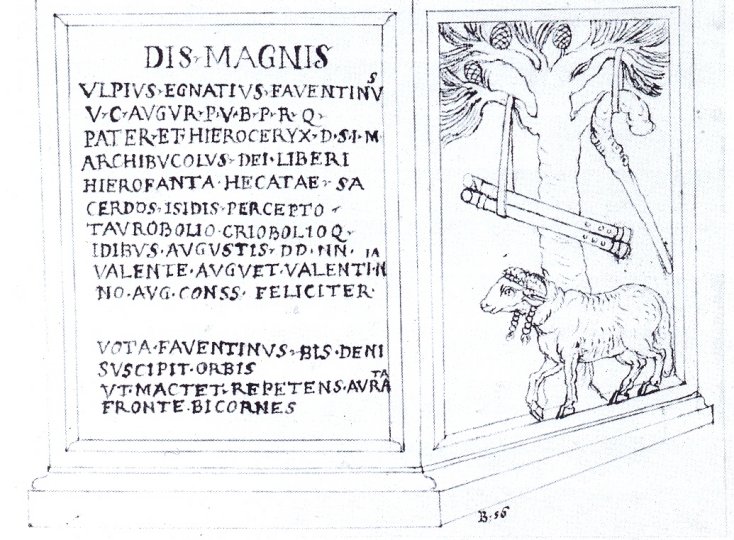
Both of them were discovered in 1609 in the foundations of the façade of the church of San Pietro, Rome.

A marble torso of a male figure from the Mithraeum at Walbrook in London, flattened at the back, probably one of the attendant deities of Mithras, which would have stood about 2 ft. in complete height.
Limestone altar fragment from the apsidal construction at Ulmetum, Moesia Inferior, bearing a partially preserved inscription mentioning fonte dei — the spring of the god; the Mithraic attribution is uncertain.
Red sandstone base from the Mithraeum at Neuenheim with representations of deities on each of its four sides
Marble altar dedicated at the Vatican Phrygianum in Rome by the Mithraic pater Alfenius Ceionius Iulianus Kamenius in 374 CE.
This altar dedicated to Sol Invictus Mithras by a certain Septimius Zosimus was found in the Basilica of San Martino ai Monti in Rome.
This inscription mentions a Pater for the first known time.
A small four-sided white marble relief of uncertain Mithraic attribution, found at Italica (modern Santiponce, near Seville), depicting a bull walking to the right on the front, a fig-tree on the back, five ears of wheat on the right side, and damaged vine tendrils with grapes on the left…
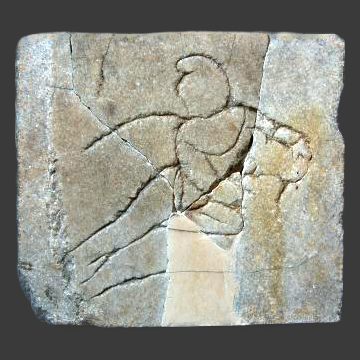
This unfinished Mithras tauroctonos without the usual surrounding animals was found in 1923 in Italica, near Seville, Spain.

Lissa-Caronna details the excavation and findings of a mithraeum beneath San Stefano Rotondo, focusing on its decor, sculptures, and rituals.
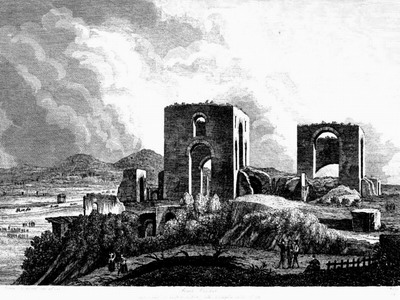
Mithras and other oriental gods were worshipped in the shrine of Zeus near the Villa of the Quintilians in Rome.
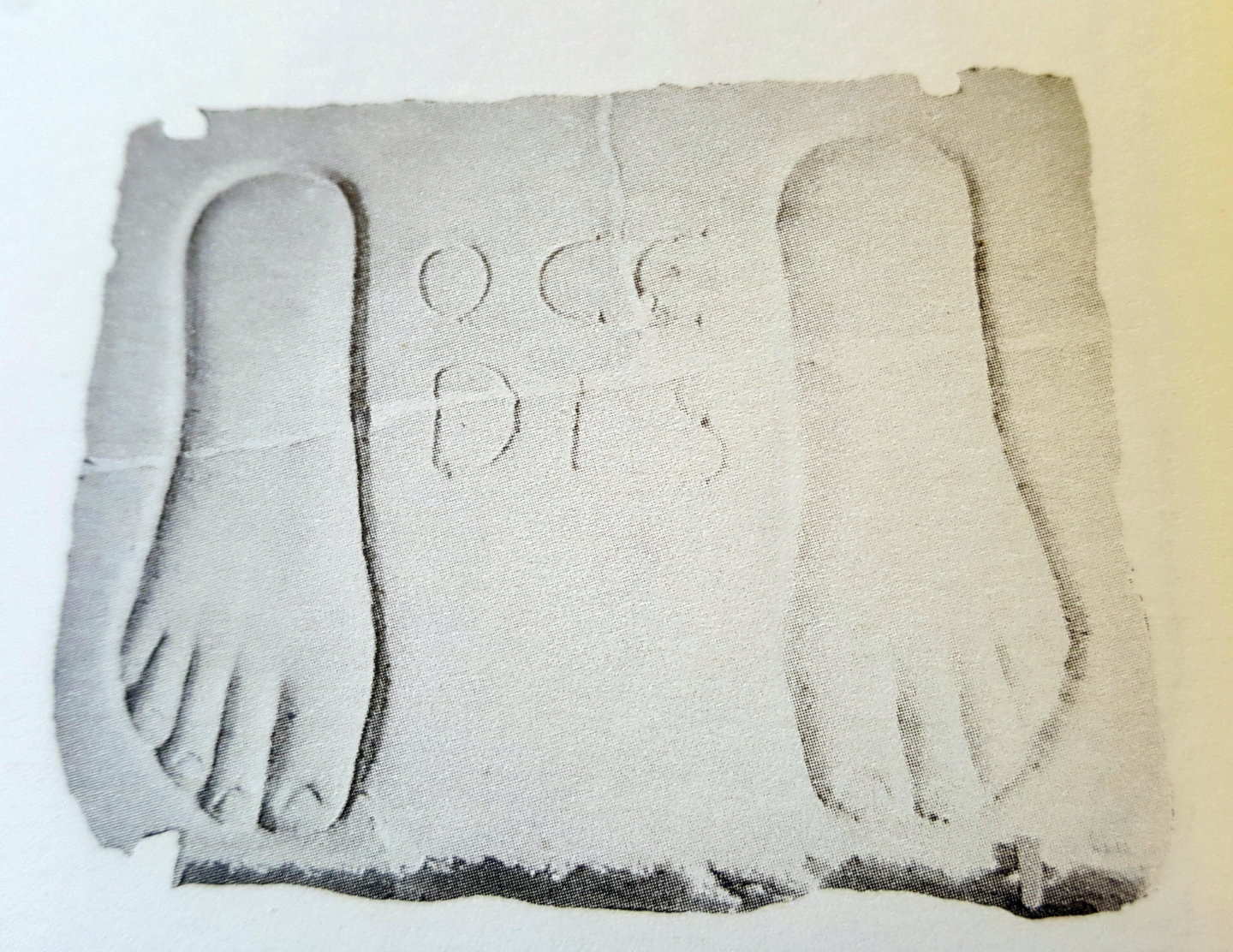
Recent interpretations link this marble inscription to the cult of the goddess Nemesis.

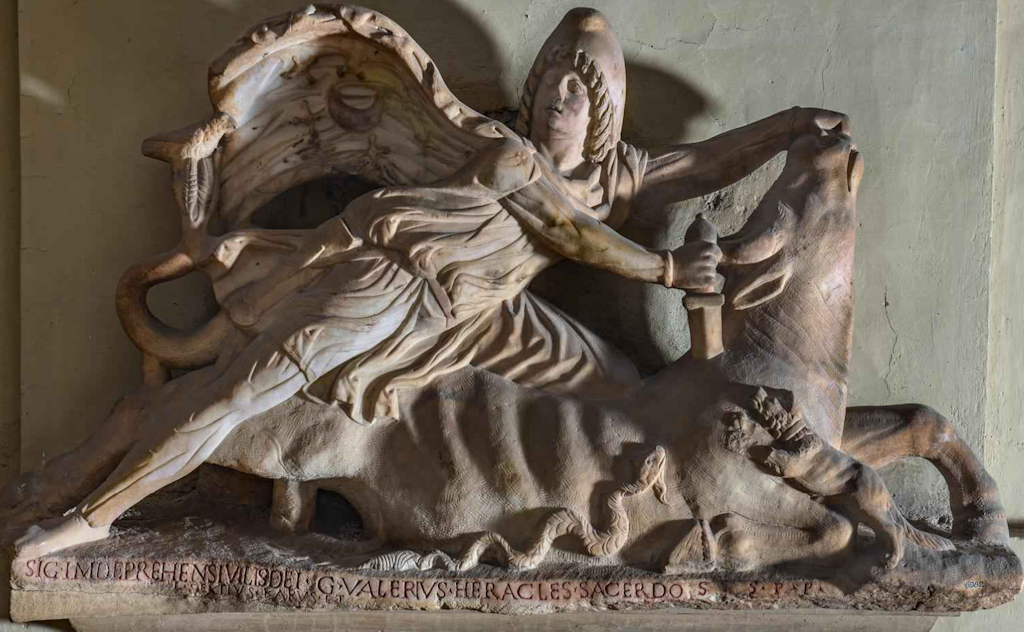
This sculpture of Mithras killing the bull was dedicated to the “incomprehensible god” by a certain priest called Gaius Valerius Heracles.
The Fagan Mithraeum, also known as the Mithraeum of Tor Boacciana, yielded remarkable sculptures of lion-headed deities, several of which are now preserved in the Vatican Museums.

