Your search Catacombe dei Santi Marcellino e Pietro gave 242 results.

Inscription dedicated by Caius Paulinius Iustus to the Virtus of the invincible deity within the Mithraic sanctuary.
Simple inscribed altar dedicated to the invincible deity from Cologne.
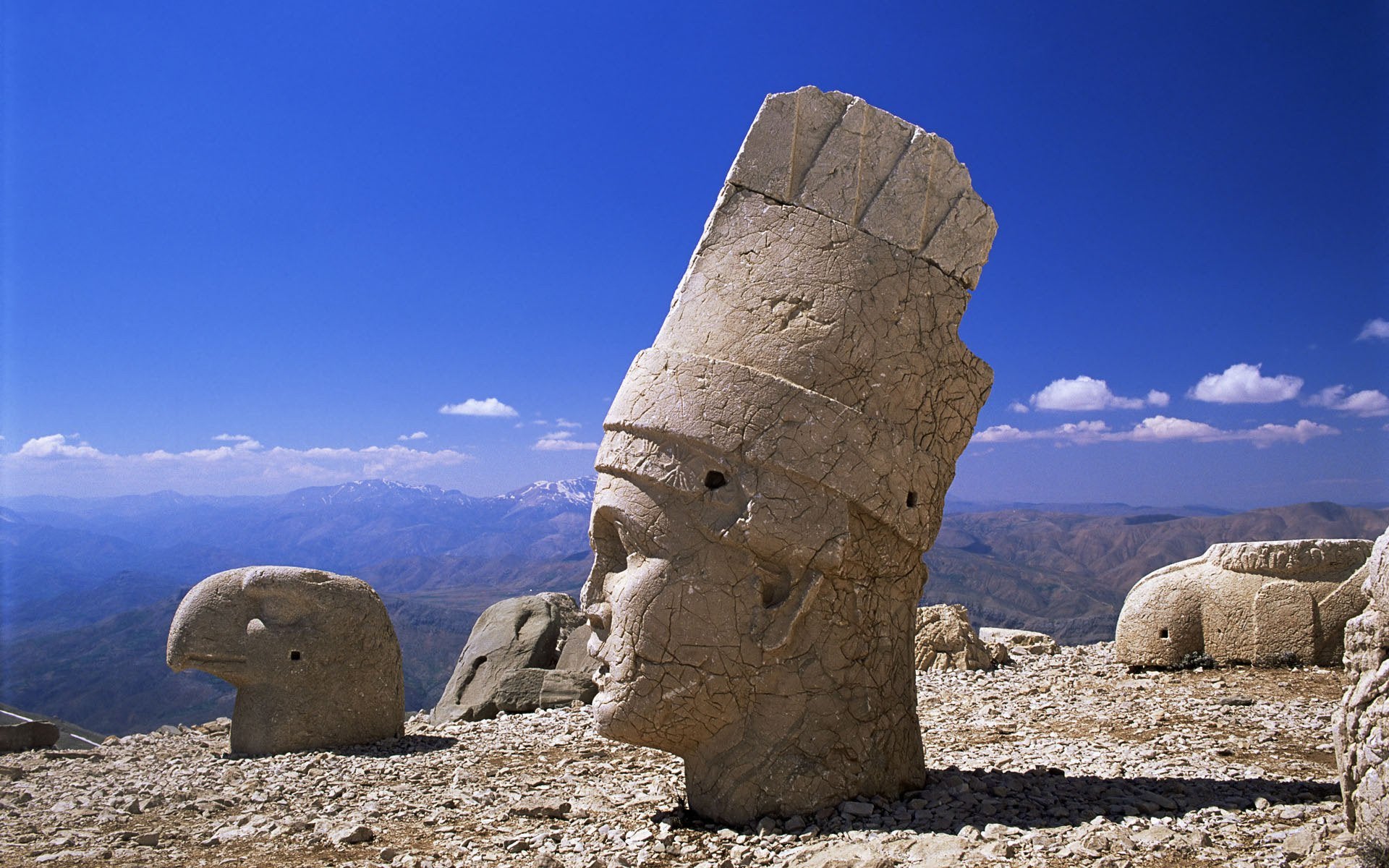
The colossal head has been identified as a solar god, Apollo-Mihr-Mithras-Helios-Hermes.

Administrator, probably a slave of Pater Alfius Severus, who dedicated the main altar of the Mitreo di Marino.
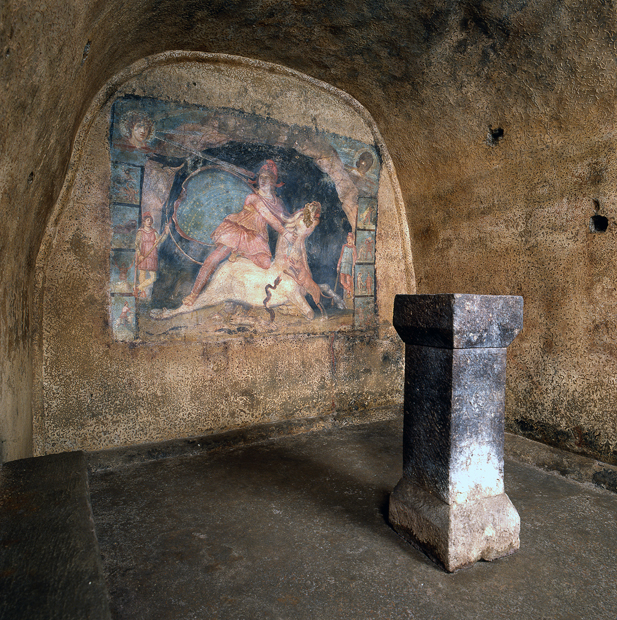
The Marino Mithraeum preserves one of the most elaborate painted cycles of Mithras’ myth, combining the tauroctony, planetary symbolism and scenes from the god’s sacred narrative.

Emperor Caracalla ordered one of Rome’s largest temples to the god Mithras to be built in the baths bearing his name.

Garlic merchant, probably from Lusitania, who dedicated an altar to Cautes in Tarraconensis.
This lost Mithraic relief, formerly kept near the church of the Santissima Annunziata in Naples, was probably a large tauroctony associated with the area of Puteoli or Pausilypon.

Late Roman senator, public augur and Mithraic pater active in the second half of the fourth century CE.
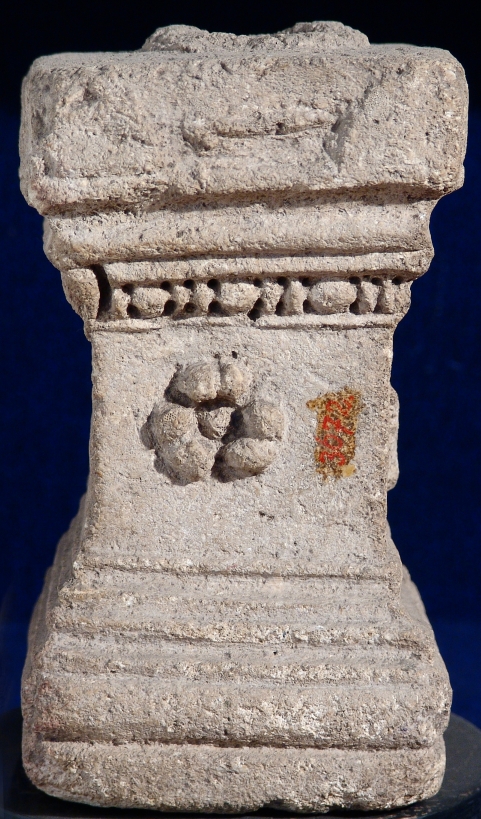
This limestone altar from Roman Dacia preserves a dedication to Mithras by a commander of the Ala II Pannoniorum.
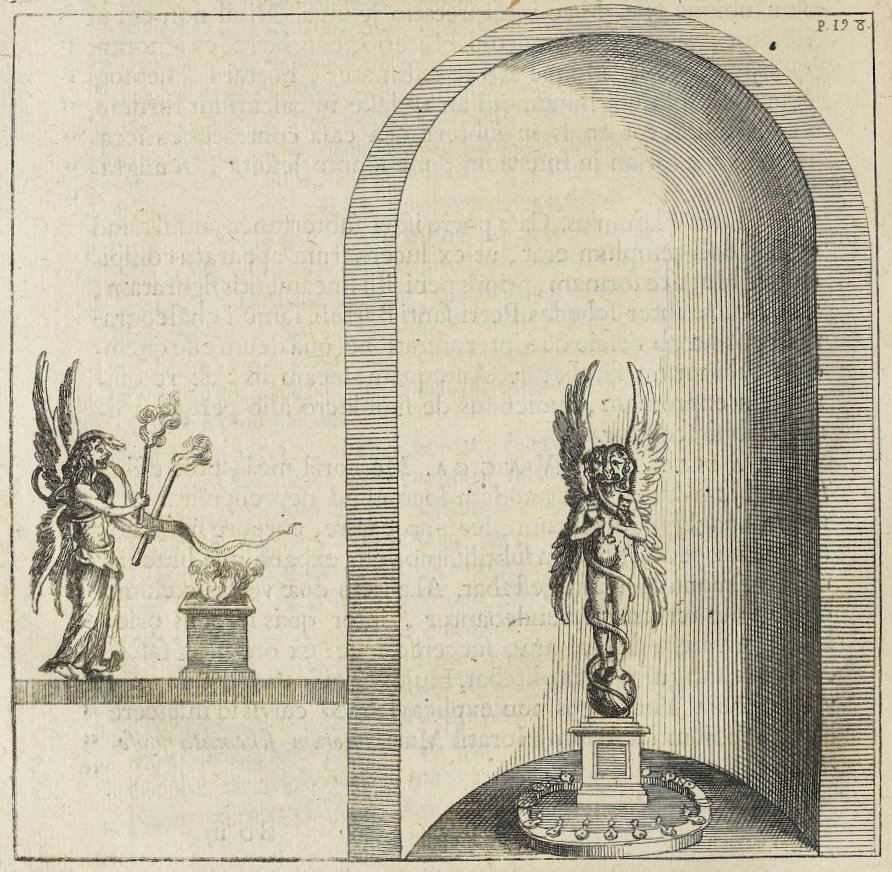
This monument has been identified from ’Memorie di varie antichità trovate in diversi luoghi della città di Roma’, a book by Flaminio Vacca of 1594.
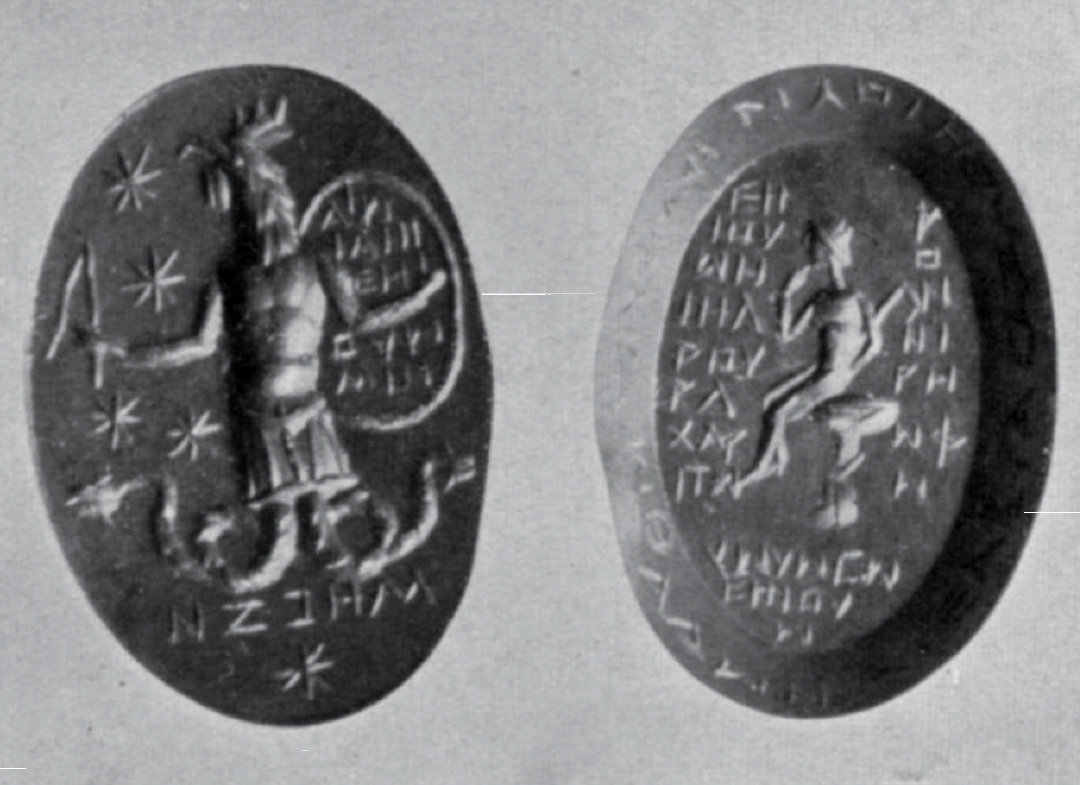
Gnostic amulet found in the ancient Agora of Athens, depicting Abraxas on one side and a Mithraic inscription on the other.
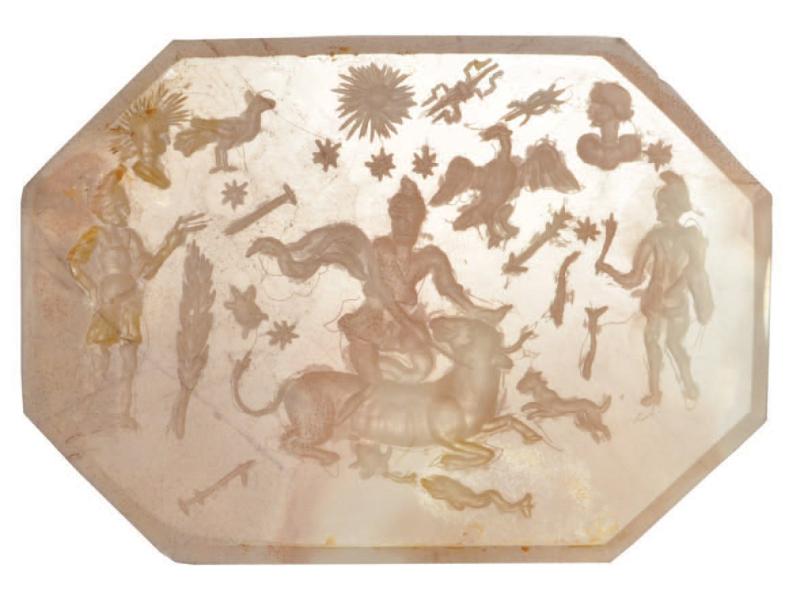
Large intaglio engraved with Mithras as bull slayer surrounded by a peculiar version of Cautes and Cautopates and other celestial deities.
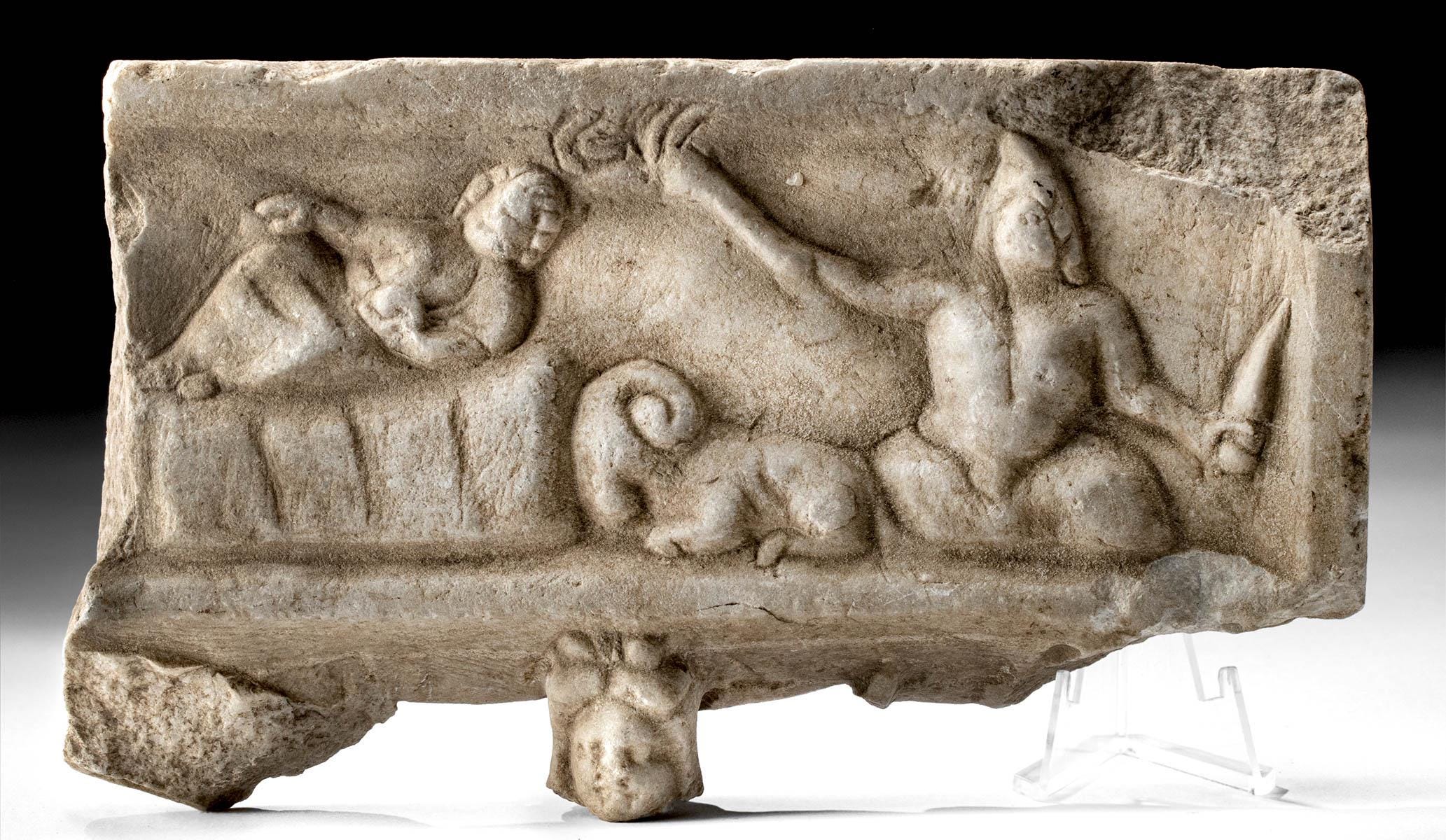
Mithras emerging from the rock with torch and dagger beside a reclining Oceanus or Saturn.
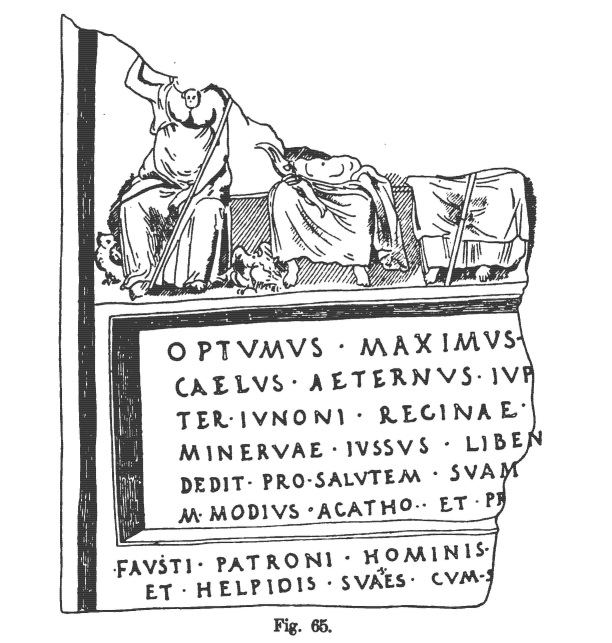
This marble relief bears an inscription by Marcus Modius Agatho, who dedicated several monuments to Mithras on the Caelian Hill in Rome.
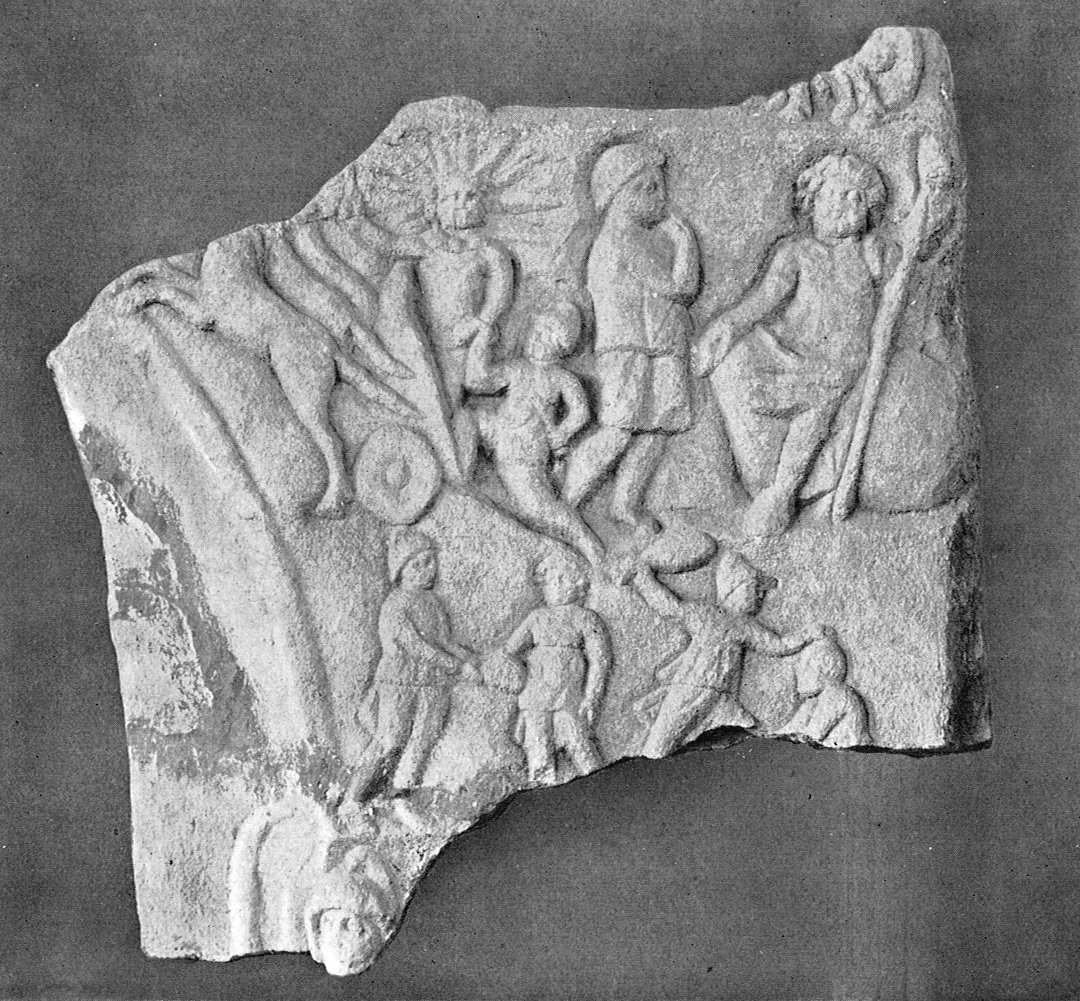
Several Mithraic scenes, including Mithras with Saturn, Mithras with Sol and Mithras' Ascension, are depicted on this fragment of a relief from Ptuj.
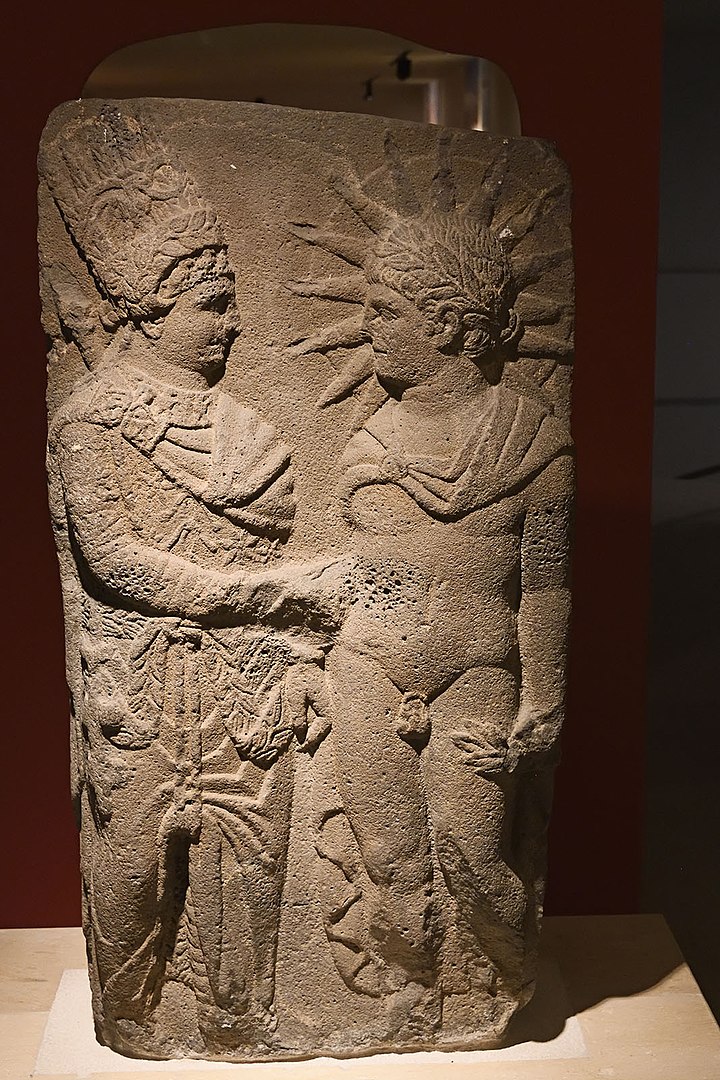
Stele representing Apollo-Mithras-Helios in a Hellenistic nude fashion, shaking hands with Antiochus I.
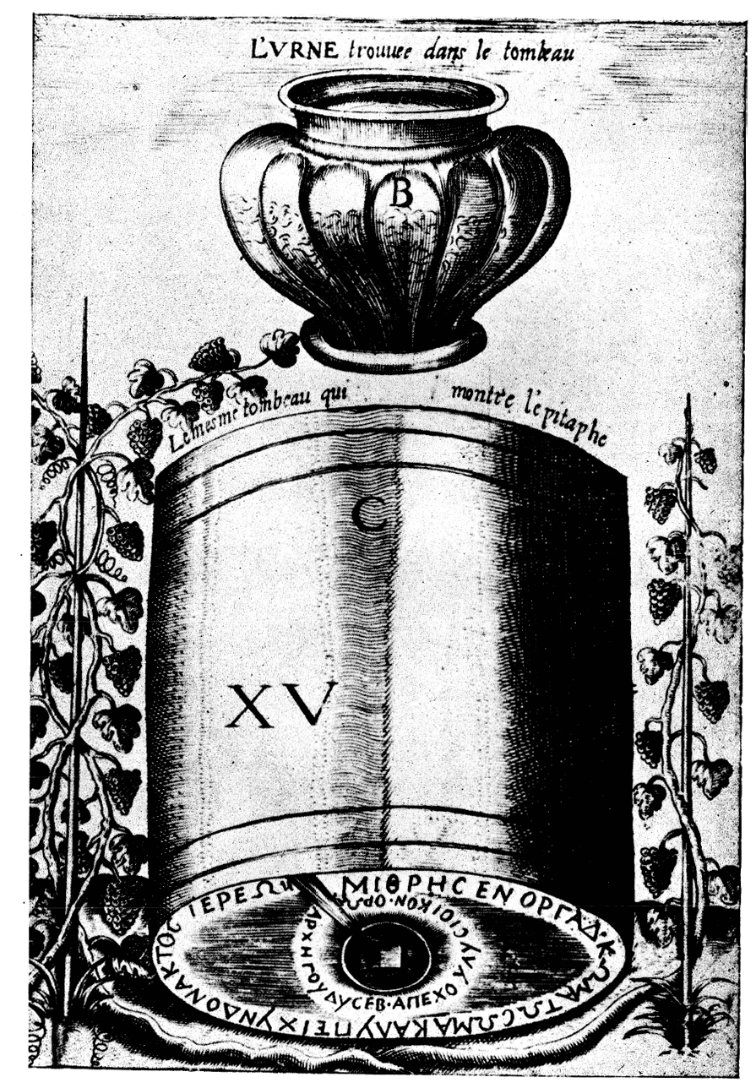
This funerary inscription, engraved on a stone urn discovered near Roman Dijon, mentions a certain Chyndonax, described as a priestly leader of Mithras.
This inscription by a certain Ioulianos, found at the entrance to the Dolichenum at Dura Europos, bears an inscription to Zeus Helios Mithras et Tourmasgade.
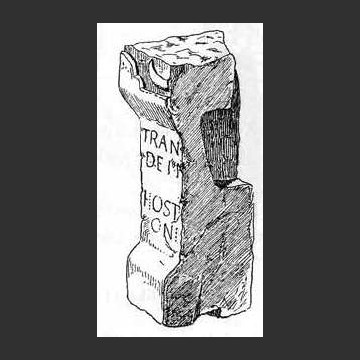
This damaged monument of a certain Hostilius from Malvesiatium, now Skelani, bears an inscription apparently to Mithras transitus.
