Your search Ernesto Milá gave 148 results.

Roger Beck describes Mithraism from the point of view of the initiate engaging with the religion and its rich symbolic system in thought, word, ritual action, and cult life.

An inscription mentioning a speleum decorated by Publilius Ceionius suggests the location of a mithraeum in Cirta, the capital of Numidia.
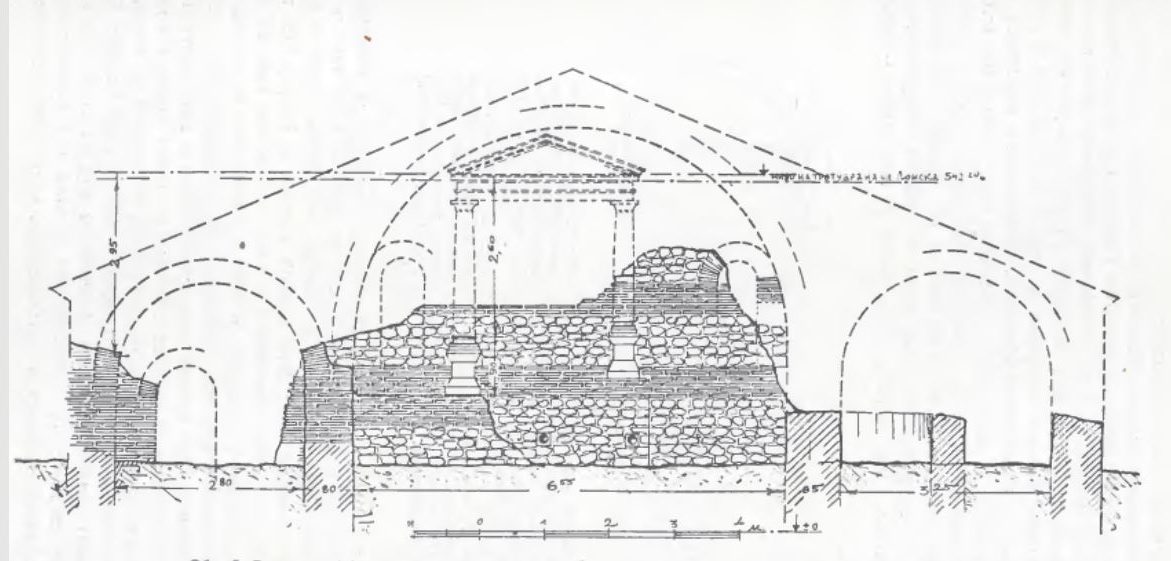
The Mithraeum of Serdica was found in the fortified area of the ancient city of Serdica, now Sofia, Bulgaria.

Commentaries by Pseudo-Nonnus, also known as Nonnus the Abbot, on Gregory Nazianzen’s In Julianum Imperatorem Invectivae Duae and In Sancta Lumina.

Greek-speaking member of the community of Mithras followers from Apulum in the 2nd century.

Governor of Numidia in 303, vir perfectissimus Valerius Florus was a well-known persecutor of Christians.


Dedicated multiple monuments to Mithras, Fortuna Primigenia and Diana in Etruria.


Aphrodisius, probably of Greek origin, must have been a slave of the Cornelii.

Marcus Statius Niger was a lion who erected an altar to Cautopates in Statio, the present-day Angera, with his brother Gaius.
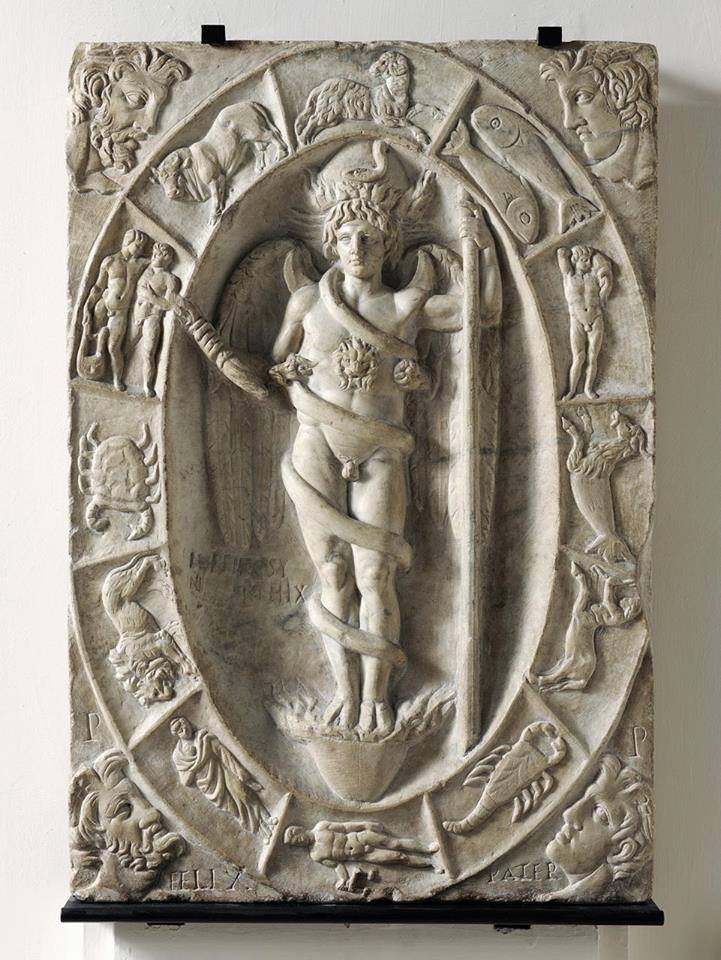
The Aion / Phanes relief, currently on display in the Gallerie Estensi, Moneda, is associated with two Eastern mysteric religions: Mithraism and Orphism.
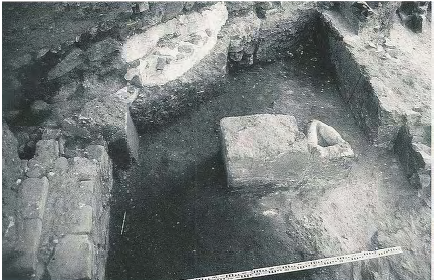
The Mithraeum at Espronceda Street, in Merida, was discovered in 2000. It is a semi-subterranean temple.
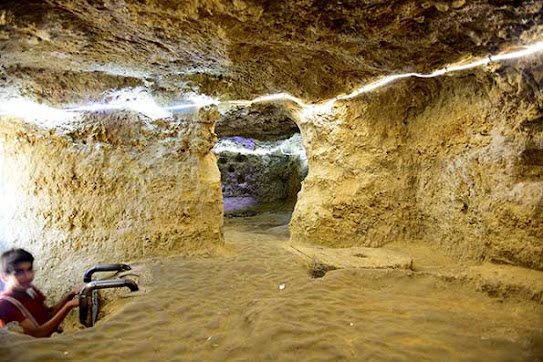
The Niasar Cave, غار نیاسر, was a temple probably devoted to Iranian Mithras that dates back to the early Partian era.
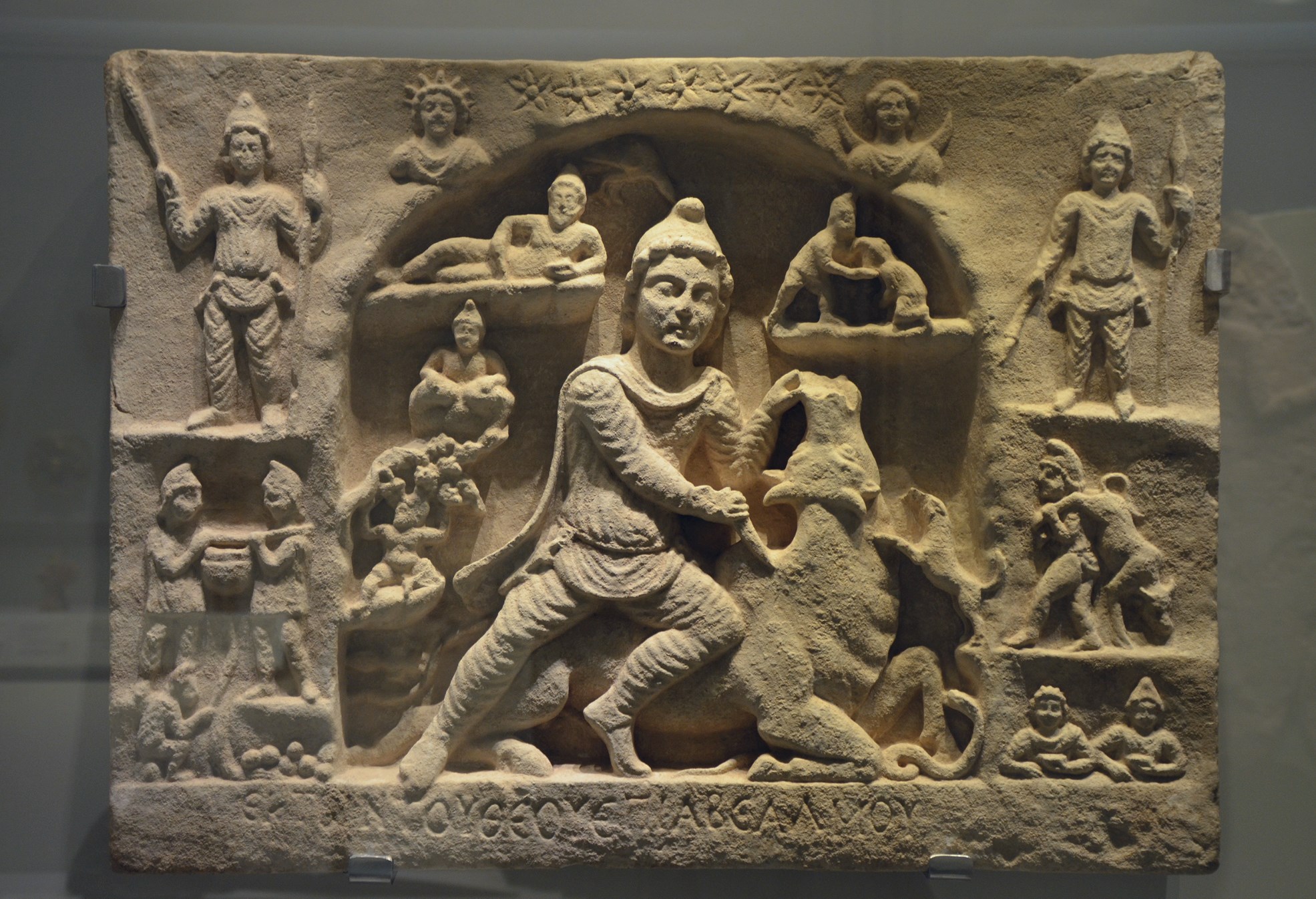

This very fine relief of Mithras killing the bull was discovered in 2014 in Germán, near Sofia, Bulgaria, and is now housed in the Sofia History Museum.
The Mysteries of Mithras is an independent Initiatic Order which is inspired by and uses the allegory of the lost and ancient Mithraic Mysteries also known as Mithraism a previously influential Roman Cult of the same name.
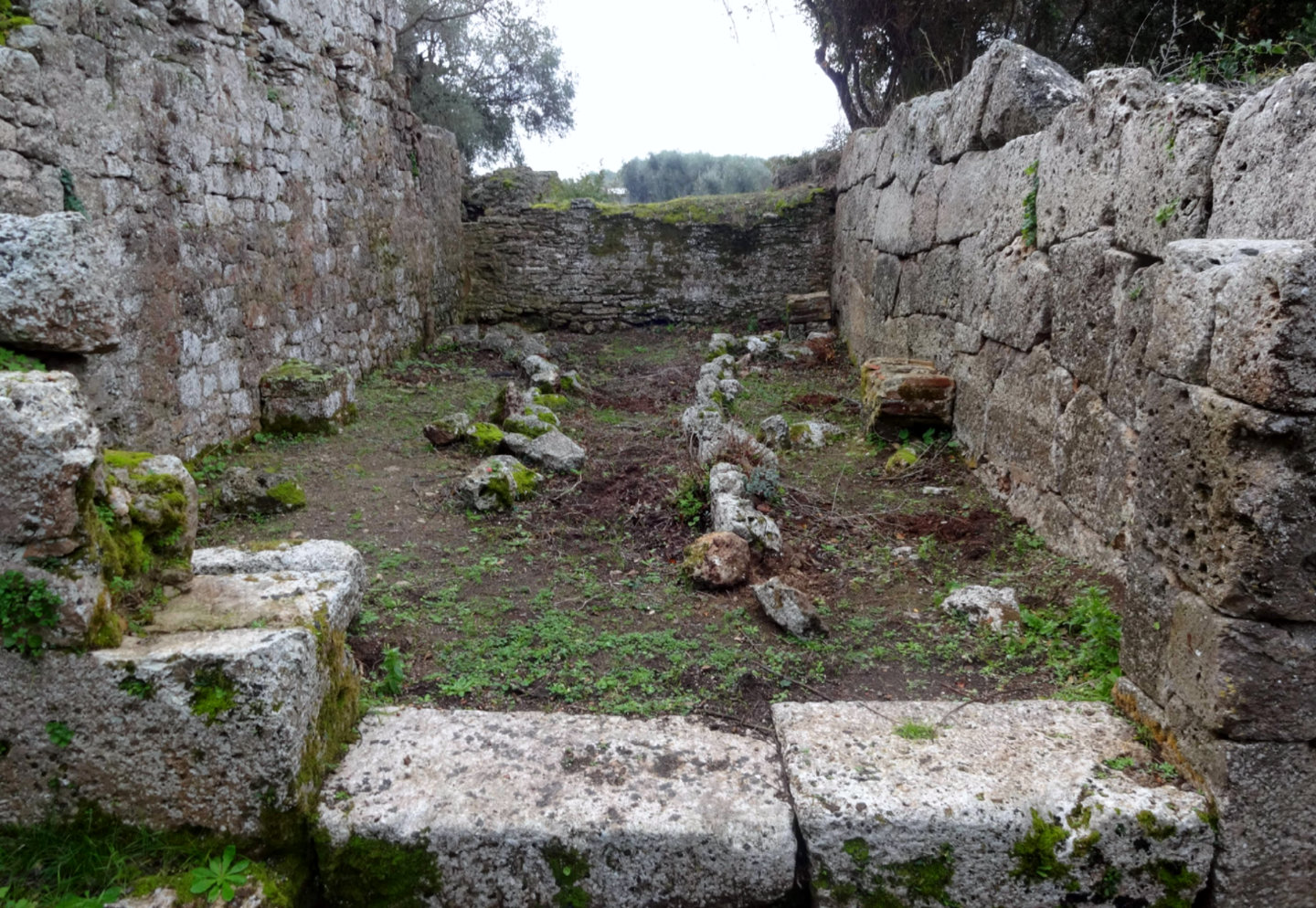
The Mithraeum was inserted into the basement of the basilica-theater by the 3rd century.
