Your search Fürth gave 130 results.

Marble statuette fragments from Mithraeum II at Ptuj, ancient Poetovio, preserving the torsos and partial bodies of Sol's horses together with a two-wheeled car — a rare three-dimensional representation of this scene.
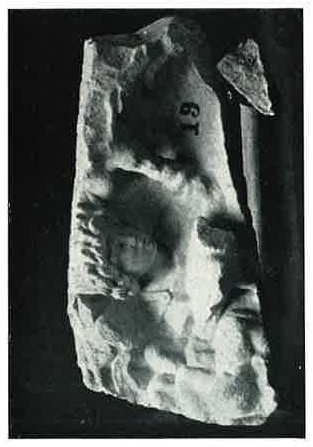
Three Italian marble fragments from the Zollfeld at Virunum, Noricum, forming a tauroctony relief; the iconography is well preserved and the use of imported Italian marble reflects the high status of the dedicants.
Painted Parthian inscription on a ceramic sherd possibly referring to Mithras as a bull-slayer.

Administrator, probably a slave of Pater Alfius Severus, who dedicated the main altar of the Mitreo di Marino.
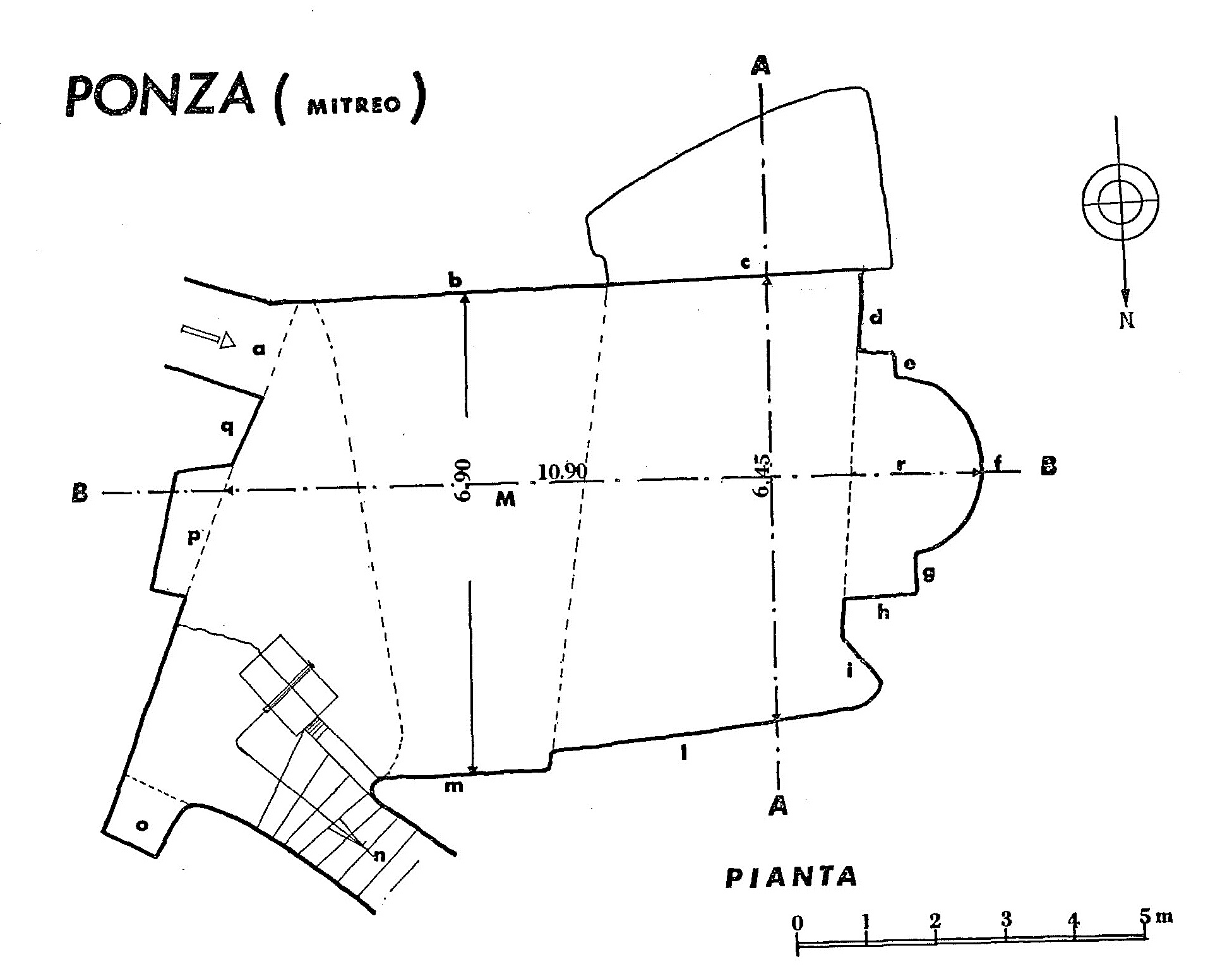
This Mithraic shrine on the island of Ponza is renowned for its exceptional stucco zodiac and astral symbolism linked to Roman Mithaism.
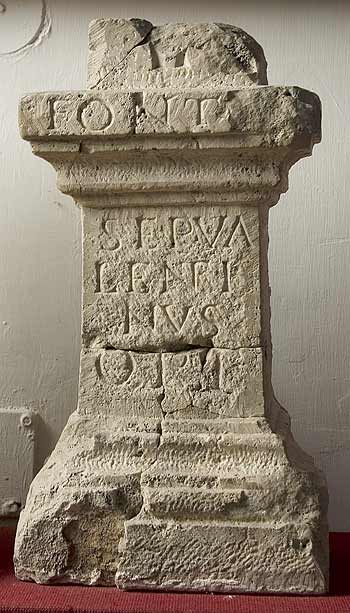
Fragmentary limestone altar dedicated by Septimius Valentinus, an optio, probably discovered in Mithraeum IV at Aquincum.

Clarissimus knight and legate born in Poetovio that helped to disseminate the cult of Mithras in the African provinces.
This marble tablet found at Portus Ostiae mentions a pater, a lion donor and a series of male names, probably from a Mithraic community.
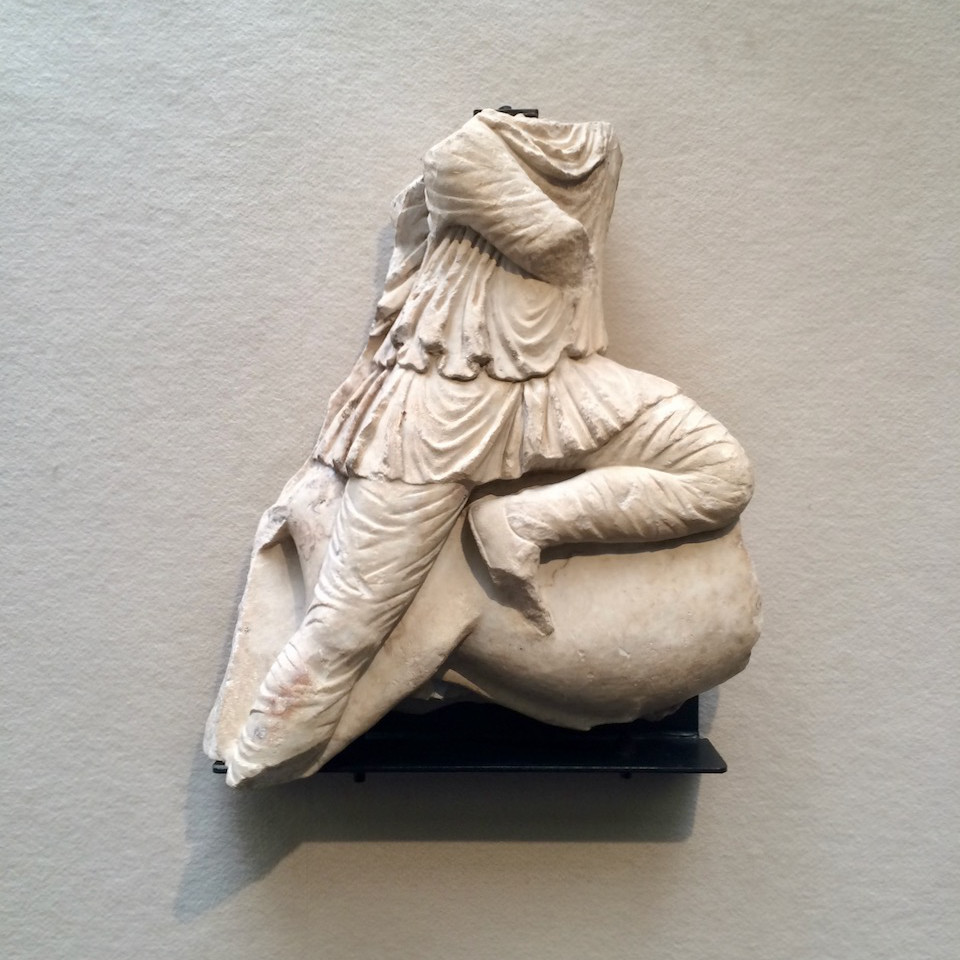
The Mithra Tauroctonos from Syracuse, Sicily, is currently on display in the city's archaeological museum.

An imperial slave and customs administrator of the Illyrian tax system, he financed and built a Mithraic temple in Moesia Superior.

Late Roman senator, public augur and Mithraic pater active in the second half of the fourth century CE.
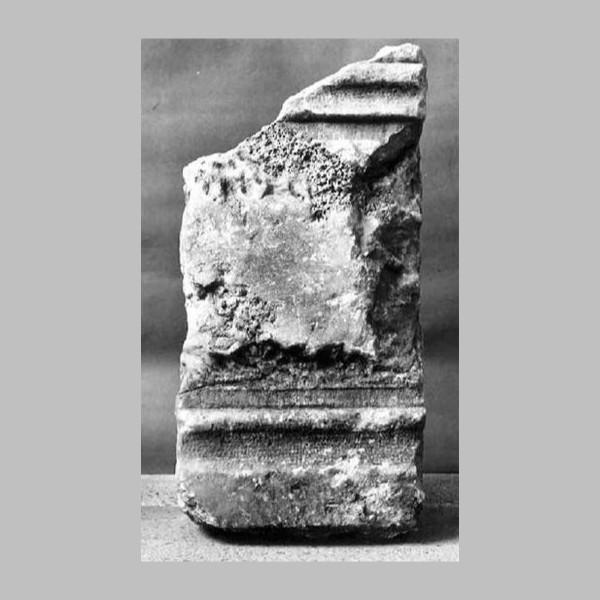
A certain Blastia or Blastianus made a dedication to Mithras and Silvanus on an altar in Emona, Italy.
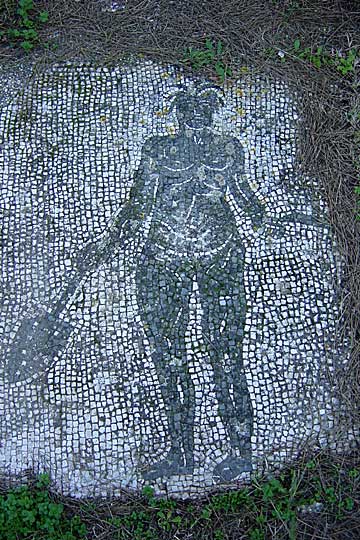
Several figures related to the Mysteries of Mithras are depicted on the mosaics of the Mithraeum of the Animals.
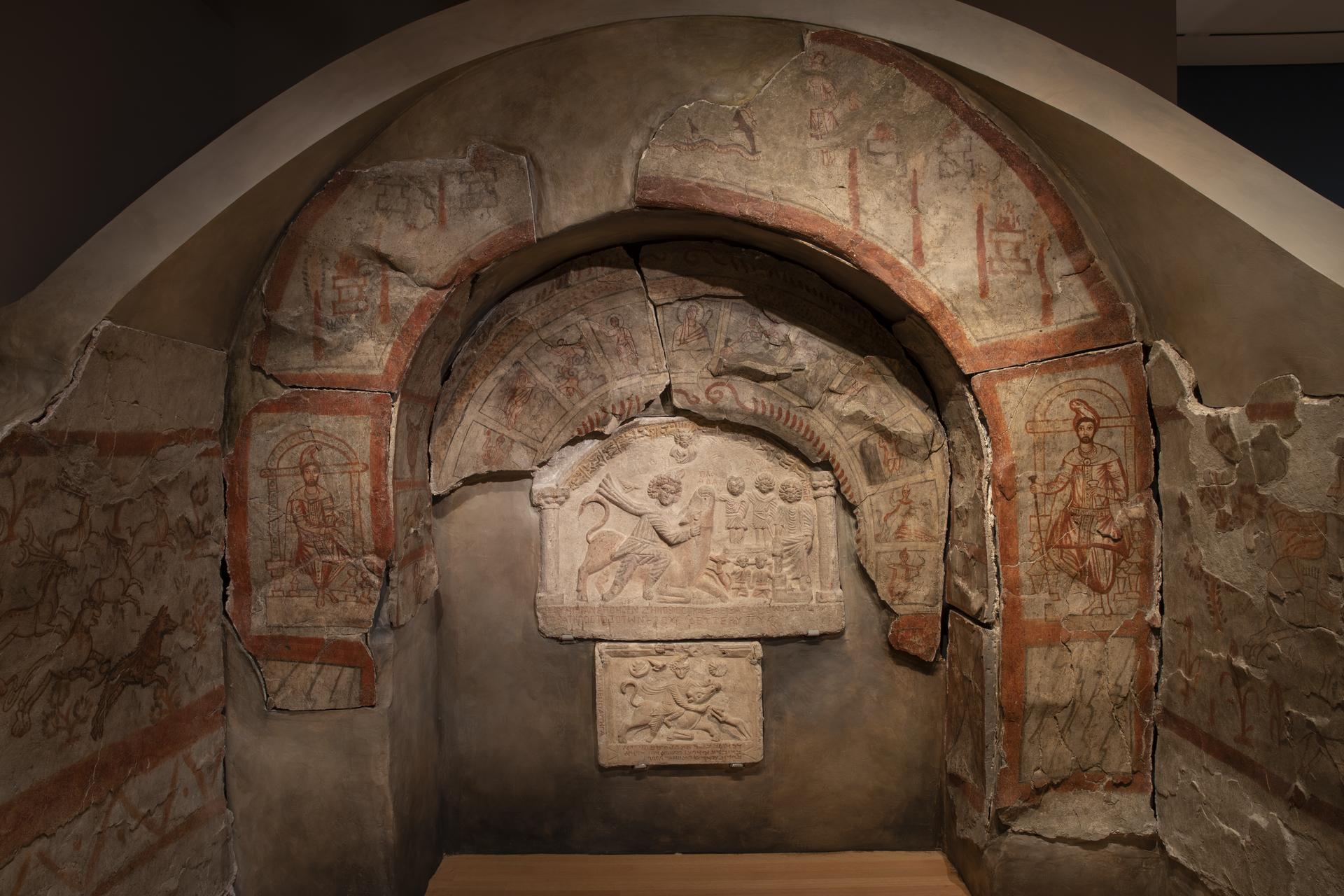
This enigmatic fresco on top of the main tauroctony shows Mithras killing the bull, accompanied by Cautes and Cautopates, surrounded by burning altars and cypress trees.
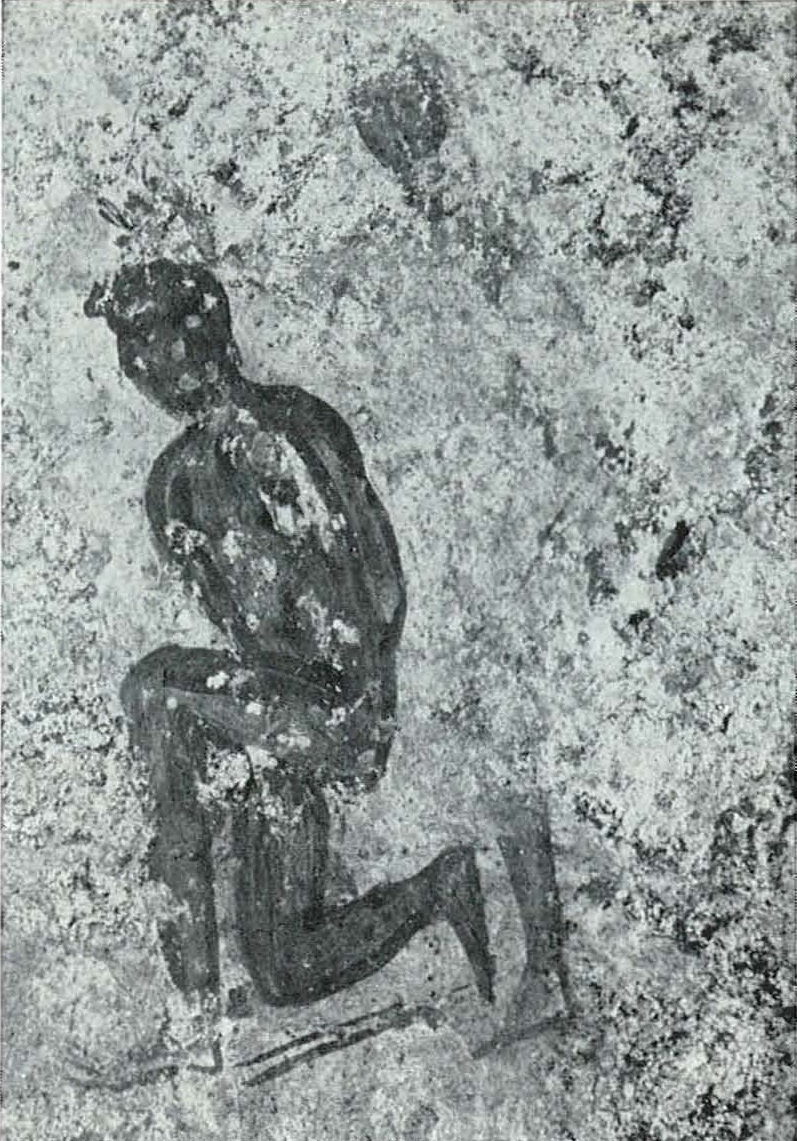
This scene from the frescoes of the Mitreo di Santa Maria Capua Vetere shows a kneeling, naked man surrounded by two other figures.

This remarkable marble relief from the end of the 3rd century was discovered in the most remote room of the Mithraeum in the Circo Massimo.
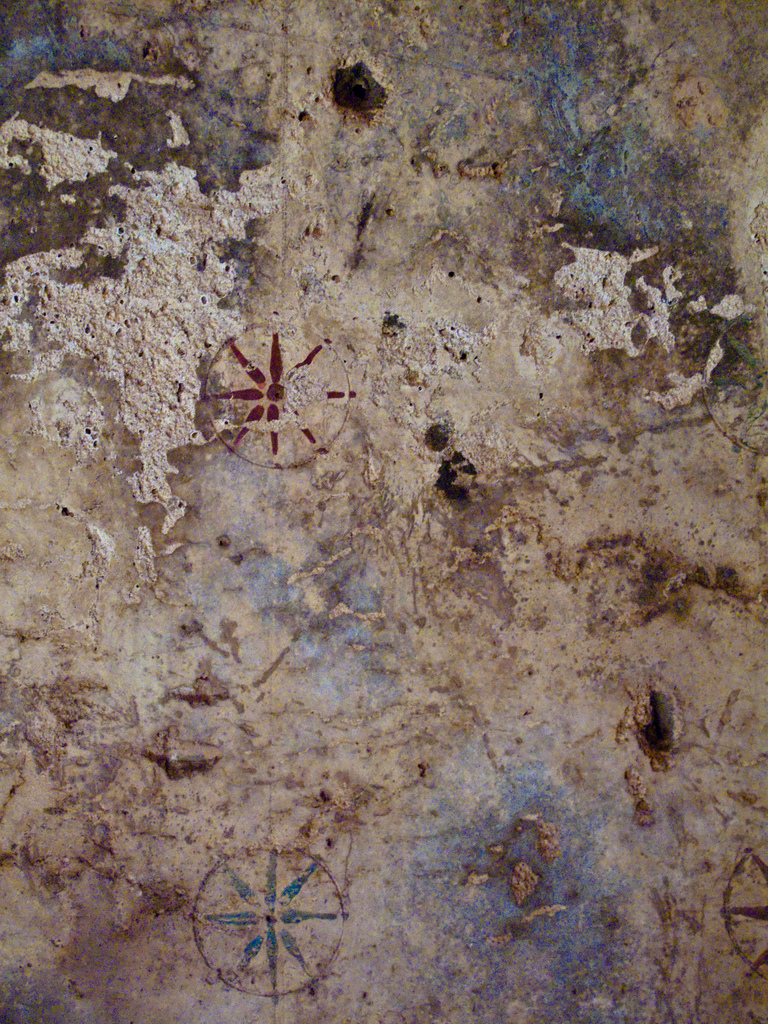
The vault of the Mithraeum in S. Capua Vetere is decorated with stars that have holes in their centers, which once held colorful glass decorations.
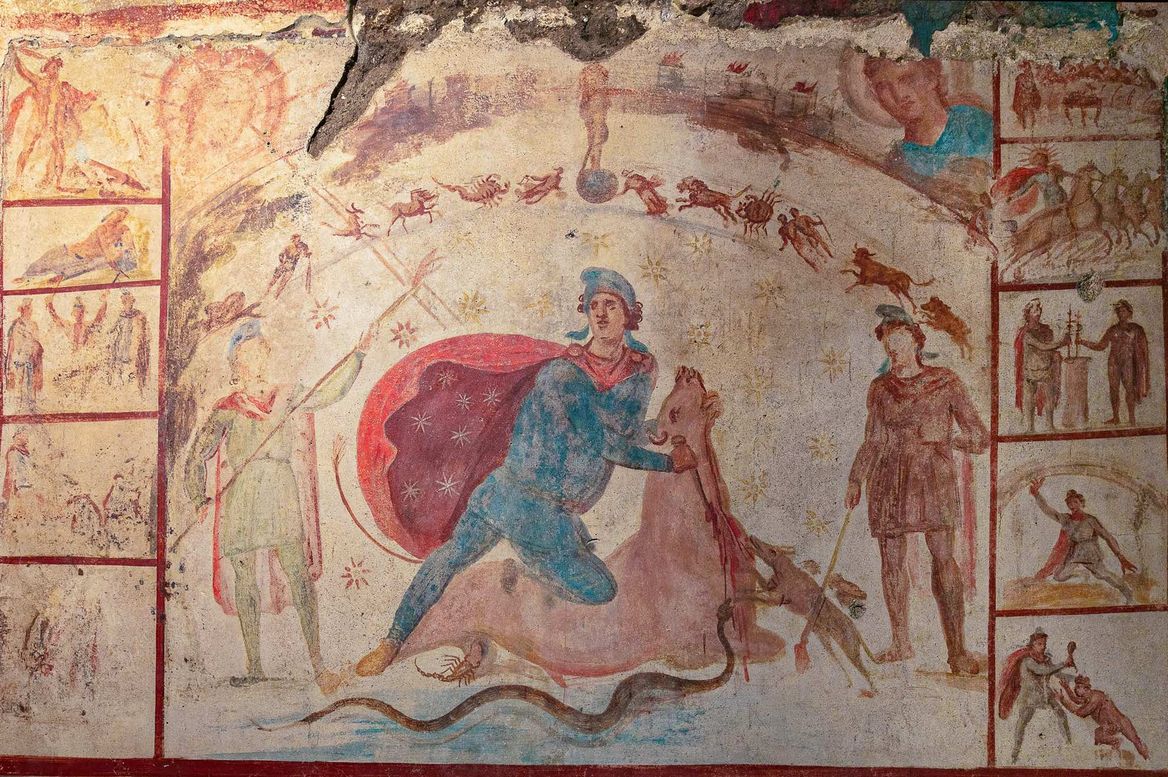
The votive fresco from the Mithraeum Barberini displays several scenes from Mithras’s myth.
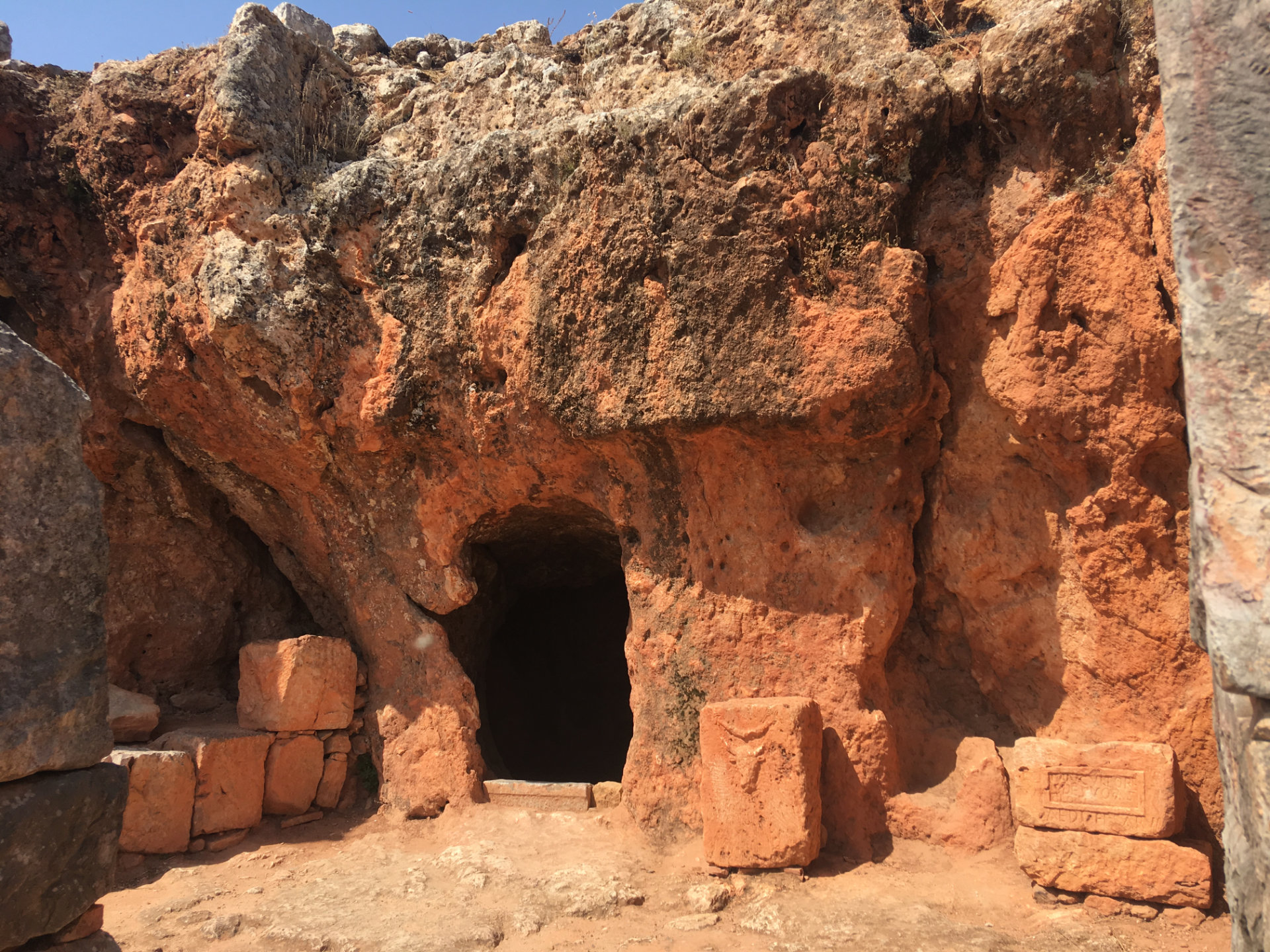
The Mithraeum was housed in a cave. The vault is almost dome-shaped and in front of the cave there is enough space for a possible adjacent temple.
Lenni George on Hekate’s development across ancient traditions, from mystery cults to magical practice and philosophical thought.
