Your search Farid ud-Din Attar gave 893 results.

Macedonia preserves Mithraic evidence shaped by major Balkan routes and long-standing urban traditions.
Moesia preserves a strongly militarised body of Mithraic evidence along the Danubian frontier of the empire.
Cappadocia preserves evidence shaped by military movement, eastern frontier dynamics and Anatolian religious landscapes.
Achaea preserves some of the earliest and most culturally complex evidence for Mithraic activity in the Greek-speaking eastern Mediterranean.
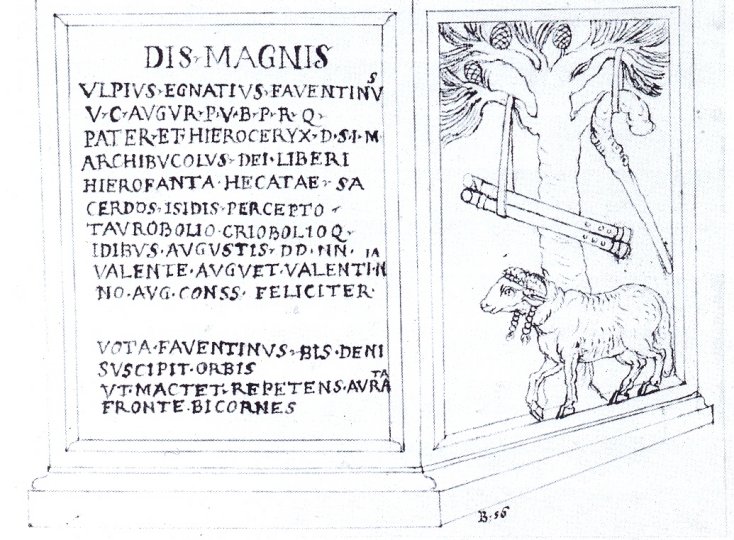
Both of them were discovered in 1609 in the foundations of the façade of the church of San Pietro, Rome.

These six marble fragments from the Second Mithraeum of Poetovio preserve parts of tauroctonies together with figures of Sol, Cautes, and Cautopates.
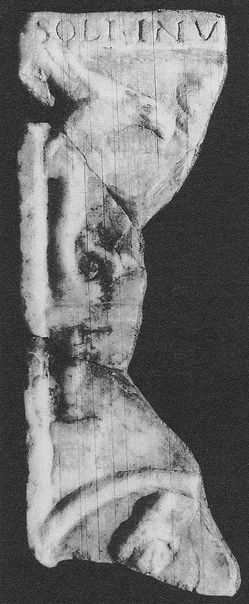
This marble fragment from Apulum preserves the head of Mithras beneath an arch together with a raven and the remains of Sol’s radiate crown.
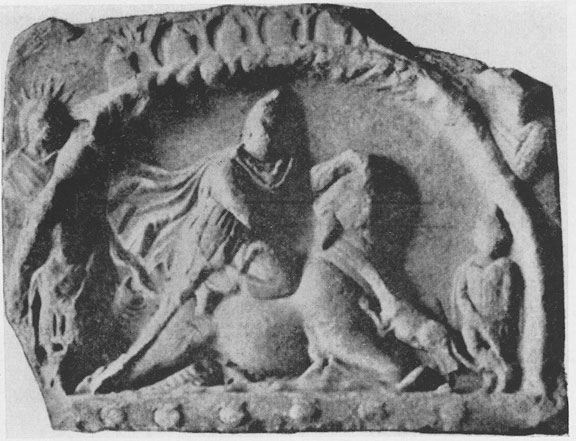
This finely carved marble tauroctony from Interamna features an unusual series of altars and ritual vases surrounding the scene.
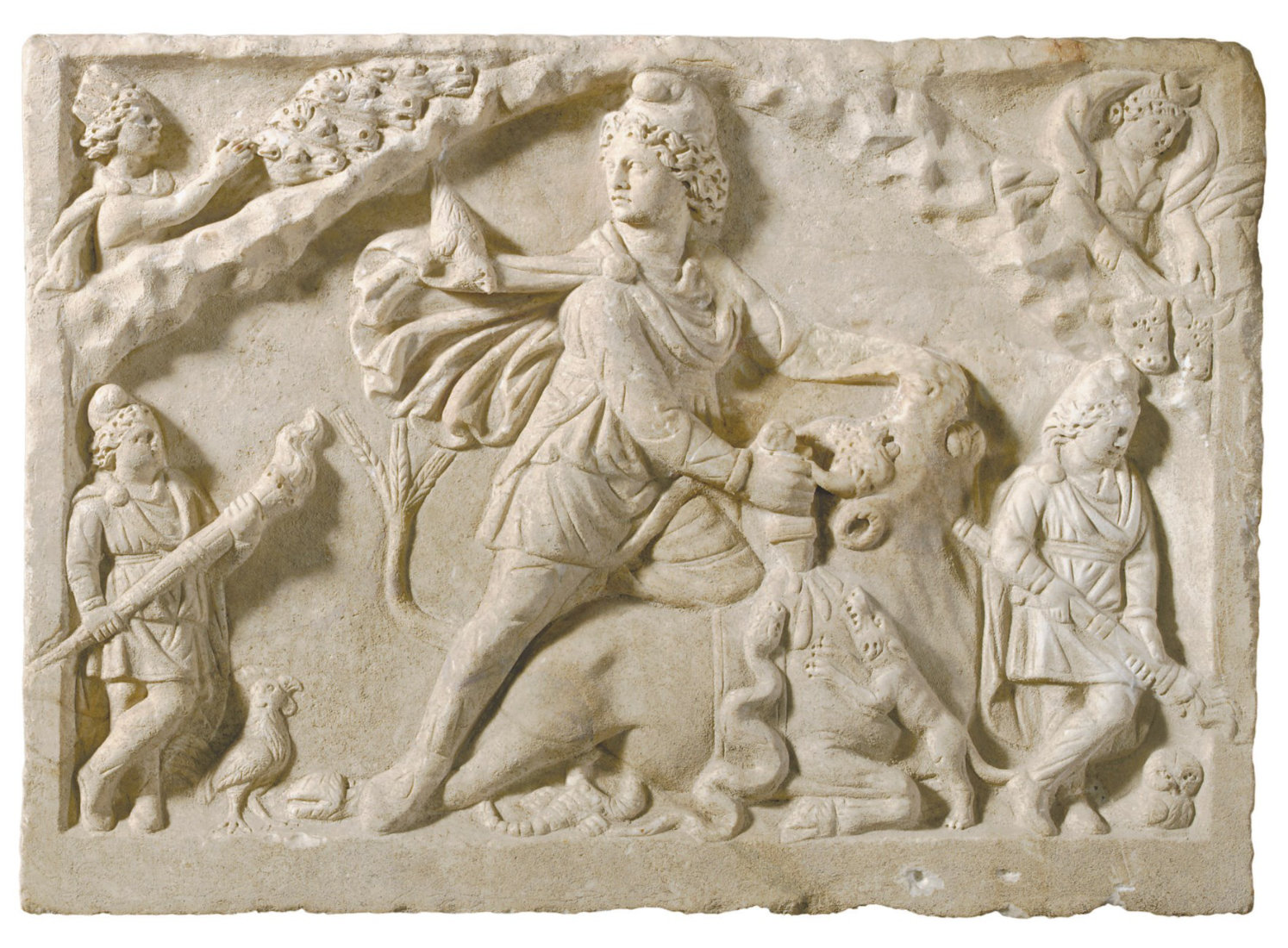
This relief of Mithras killing the bull includes an unusual owl at the feet of Cautopates and a cock next to Cautes.
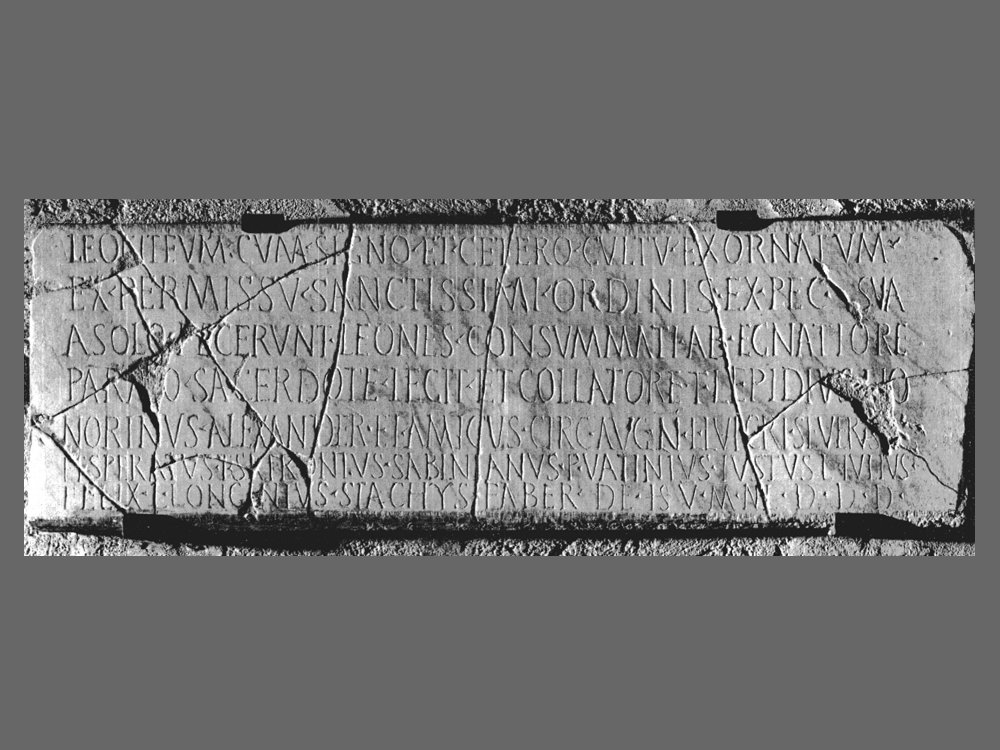
This plaque from Carsulae, in Umbria, refers to the creation of a leonteum erected by the lions at their own expense.
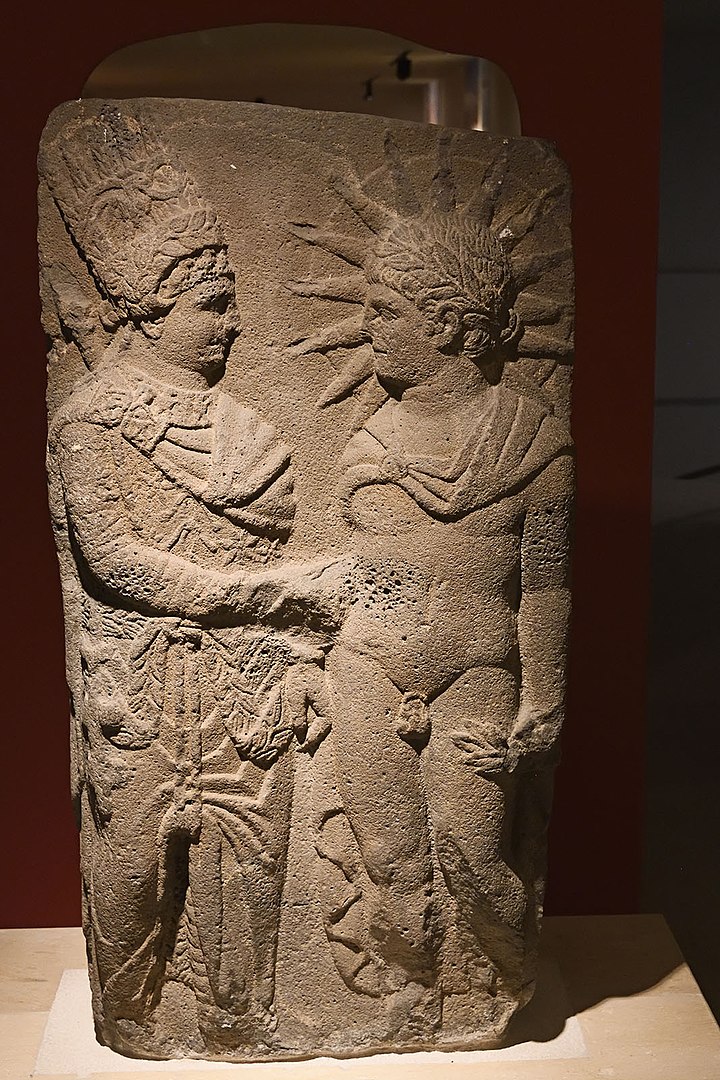
Stele representing Apollo-Mithras-Helios in a Hellenistic nude fashion, shaking hands with Antiochus I.
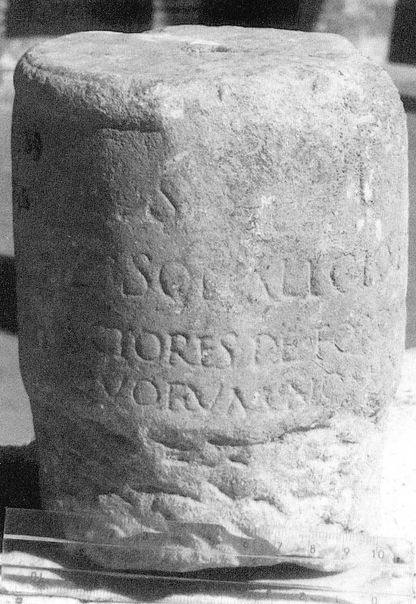
The inscription included the names of the brotherhood, which are now lost.
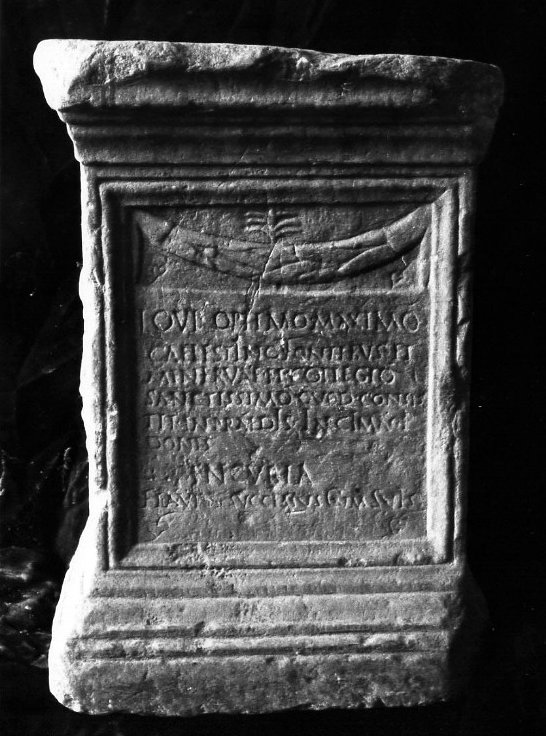
According to the inscription on it, this altar probably supported a statue of Jupiter.
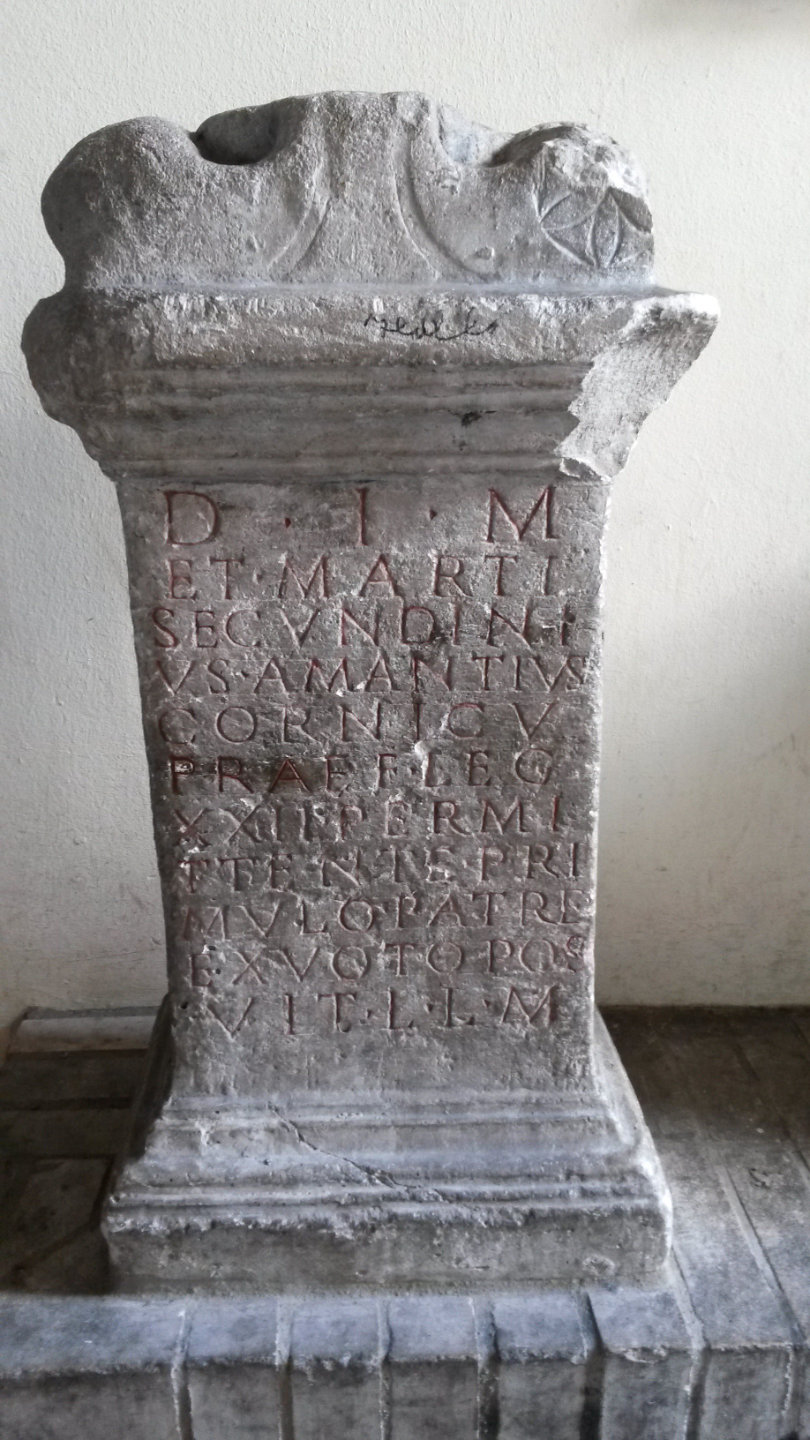
This altar has been unusually dedicated to both gods Mithras and Mars at Mogontiacum, present-day Mainz.

This marble altar was found ’in the street called di Branco’, behind the palace of the Cardinal of Bologna, in Rome.
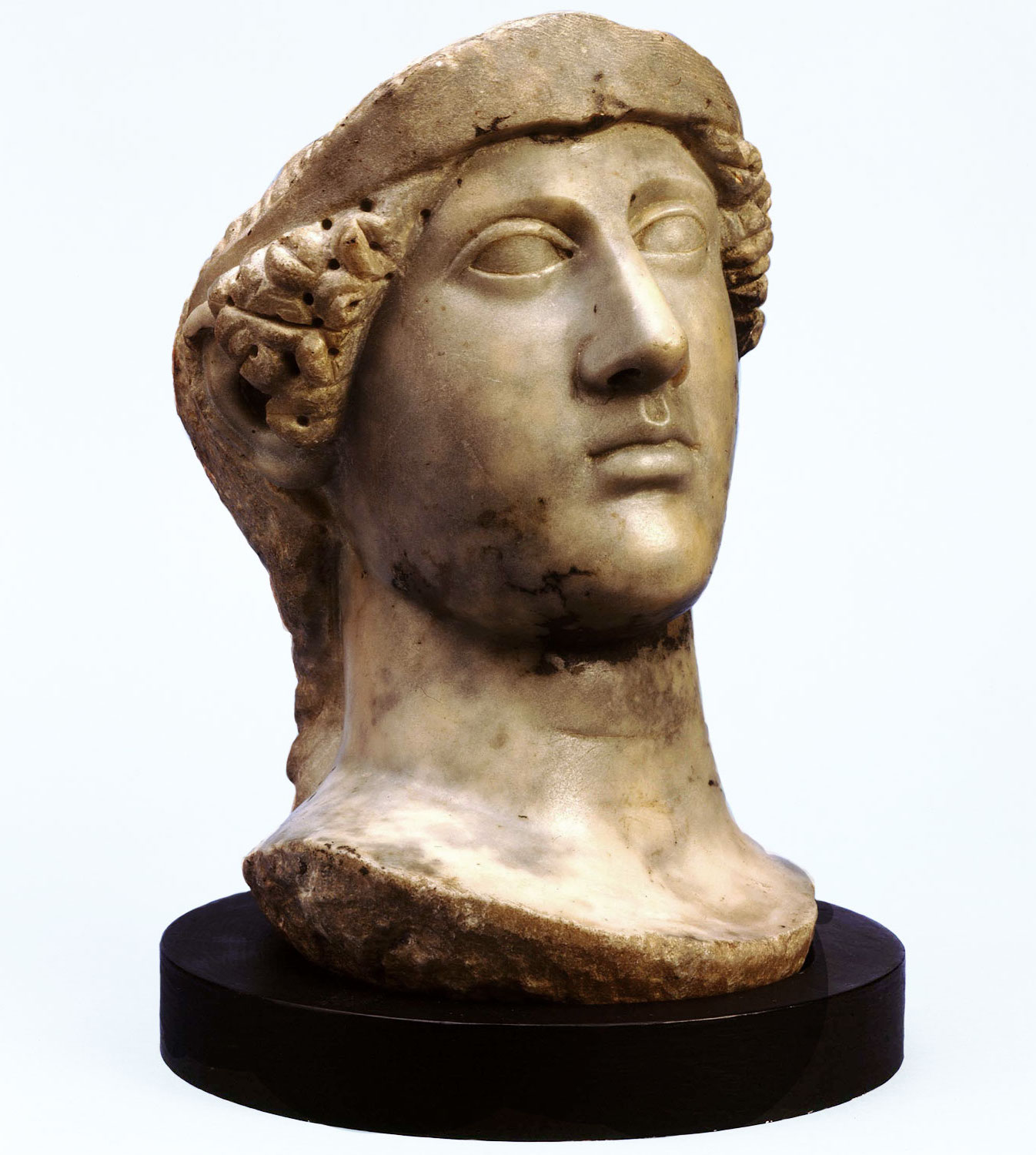
This head was found at the east end of temple of Mithras in London.
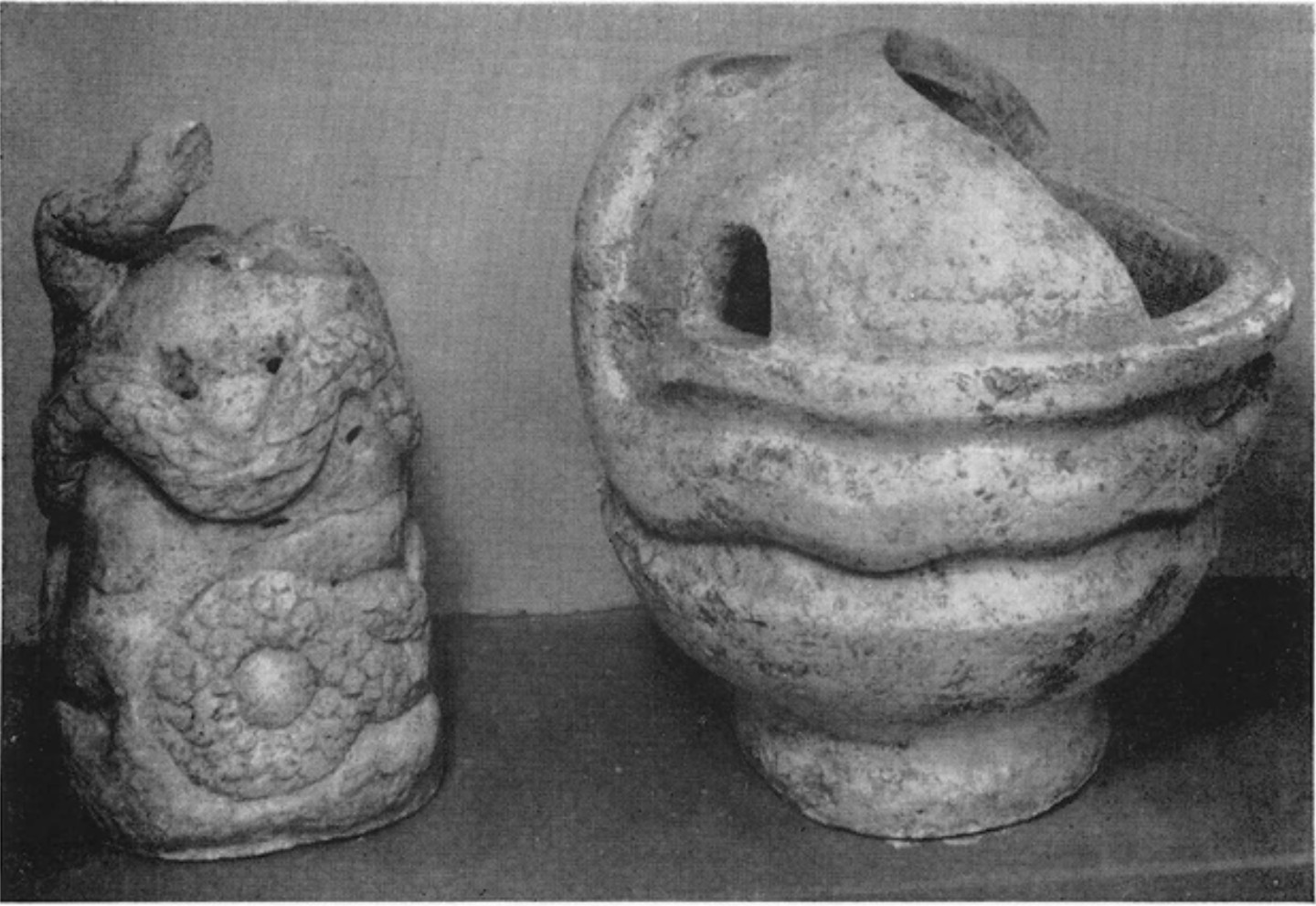
Both objects have a snake winding itself around them.
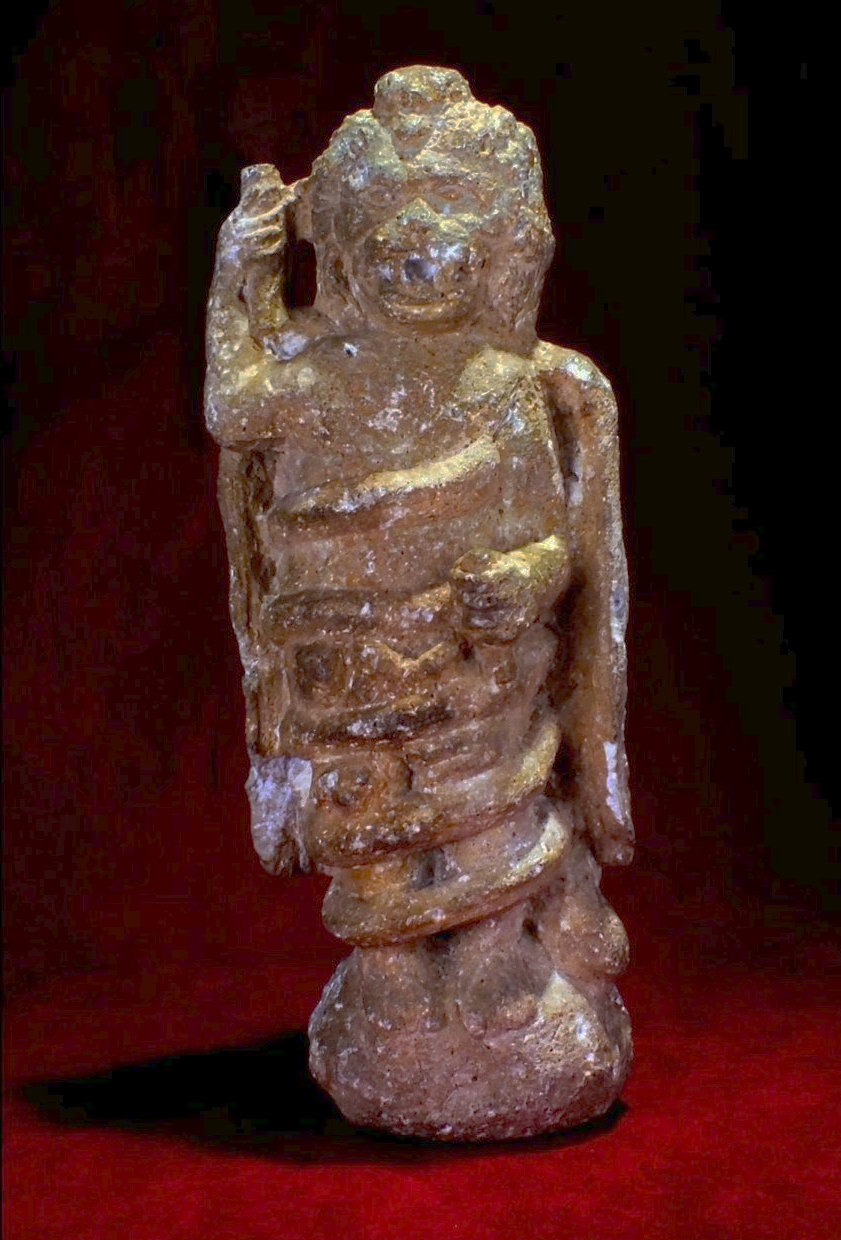
Its base is partially broken, so it is unclear if the figure was standing on a globe, an expected position, or not.
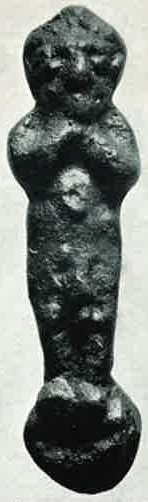
Bronze fibula from Petronell-Carnuntum, depicting a standing lion-headed Aion.
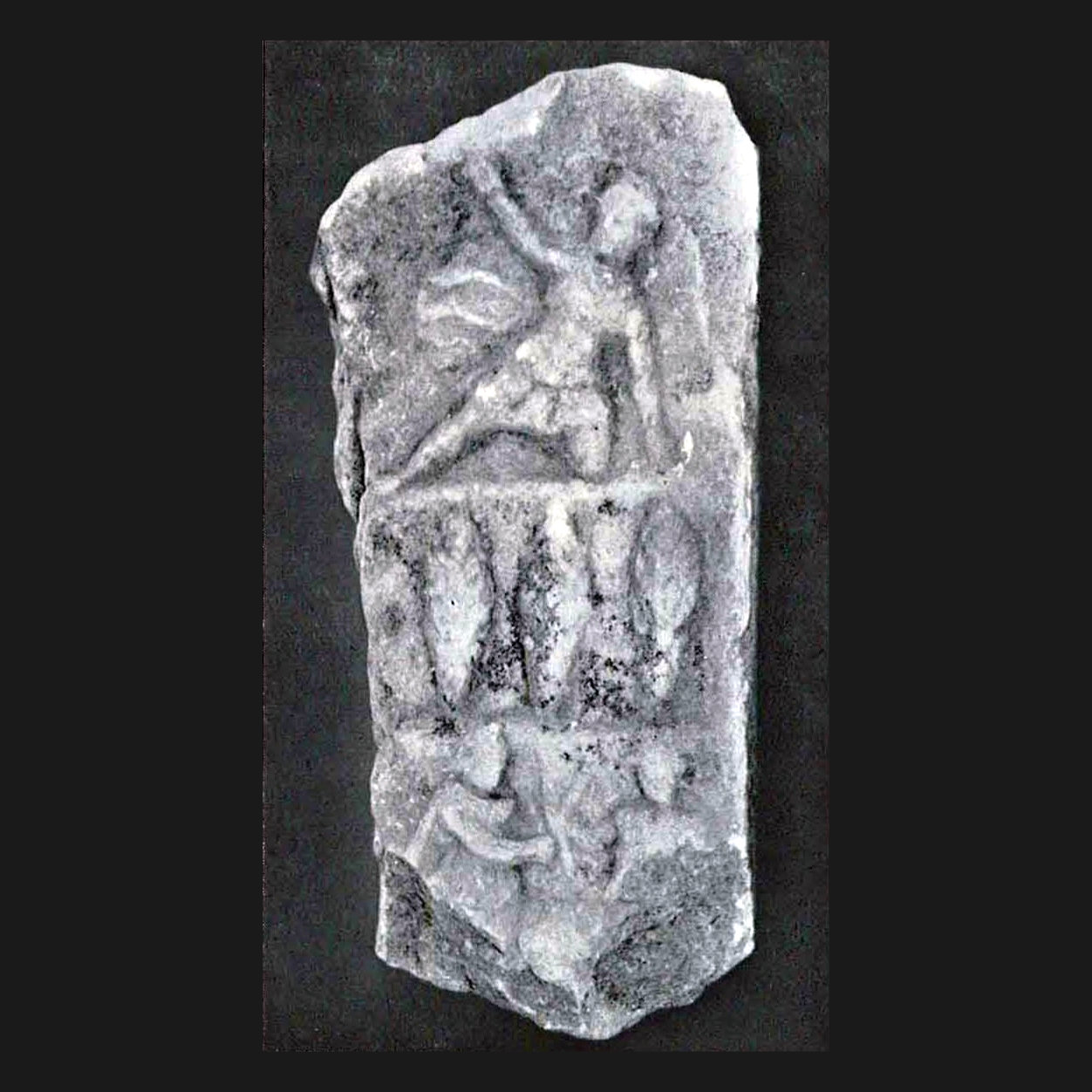
These fragments of a cult relief of Mithras were found at the Mithraeum II of Ptuj, Slovenia.
