Your search Han Potoci gave 881 results.

The Mithraeum of Spoleto was found in 1878 by the professor Fabio Gori on behalf of Marquis Filippo Marignoli, owner of the land.
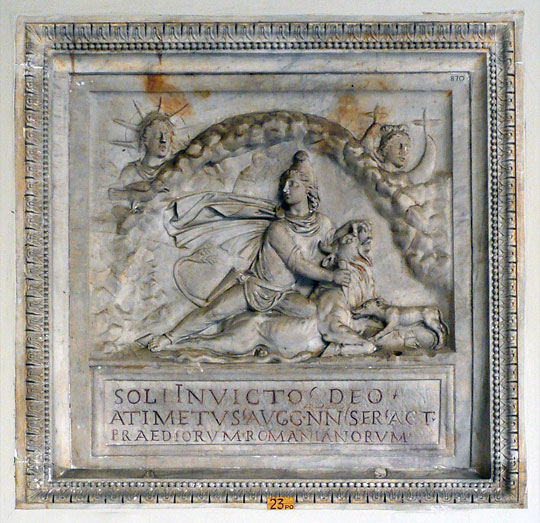
White marble relief depicting Mithras slaying the bull, dedicated by Atimetus.
The Digital Atlas of Roman Sanctuaries in the Danubian Provinces (DAS) is the first comprehensive and open access representation of sacralised spaces in the area.
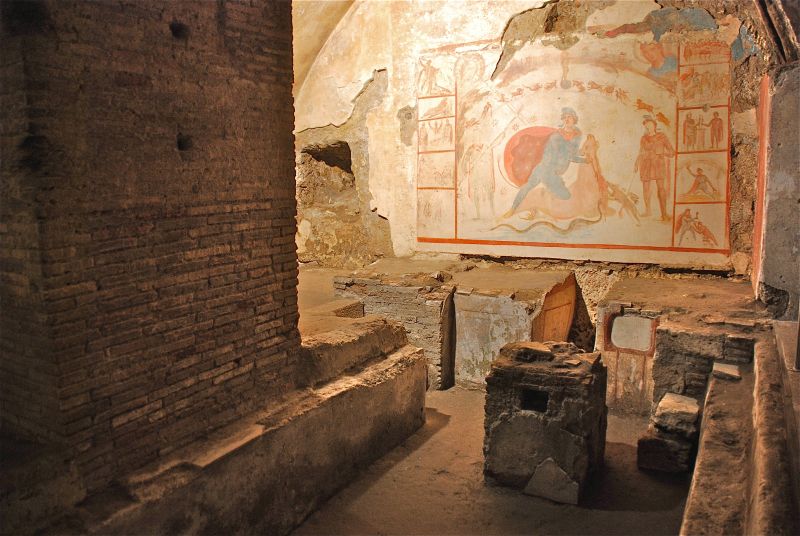
The Barberini Mithraeum was discovered in 1936 in the garden of the Palazzo Barberini, owned by Conte A. Savorgnan di Brazza.
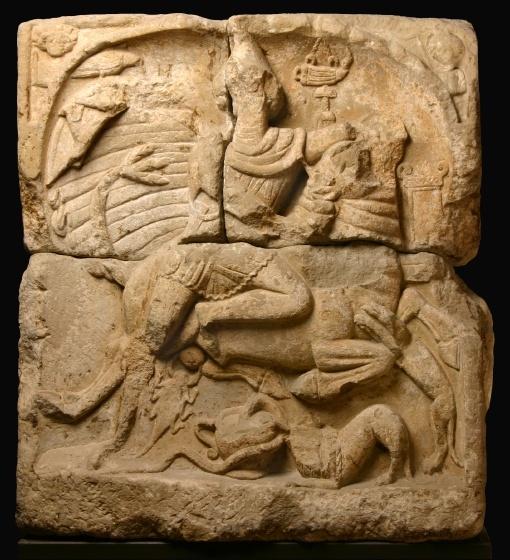
This relief of Mithras killing the bull, now on display in Stuttgart, includes a small altar with a sacrificial knife and an oil lamp.
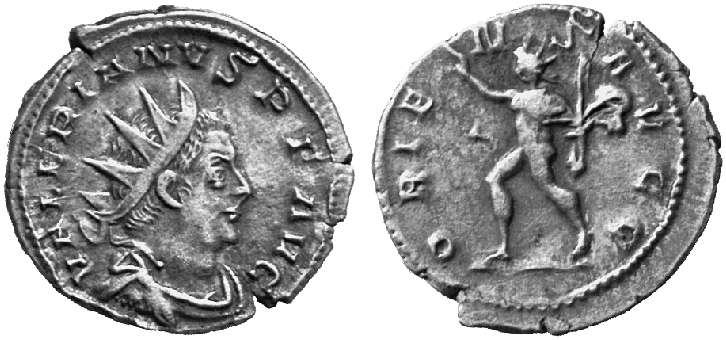
This coin was deposited in the upper level of the throne in the cult niche of the Mitreo della Planta Pedis.
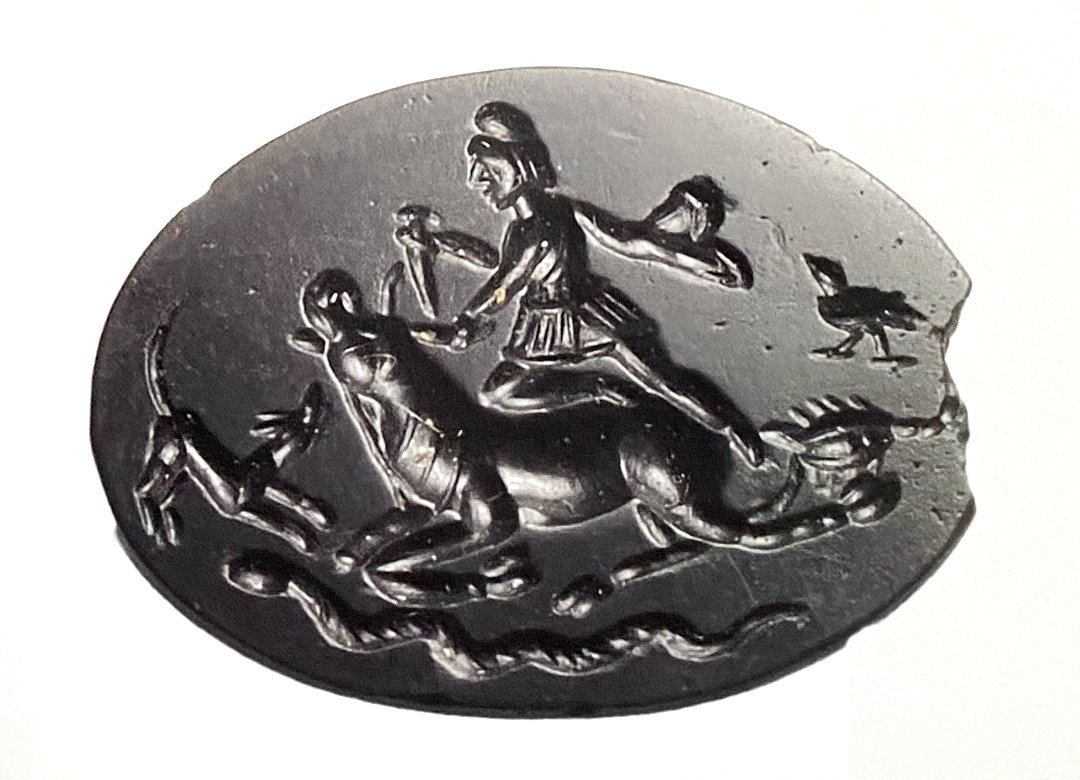
This intaglio with Mithras killing the bull on one side and Kabiros on the other was probably used as a magical amulet.
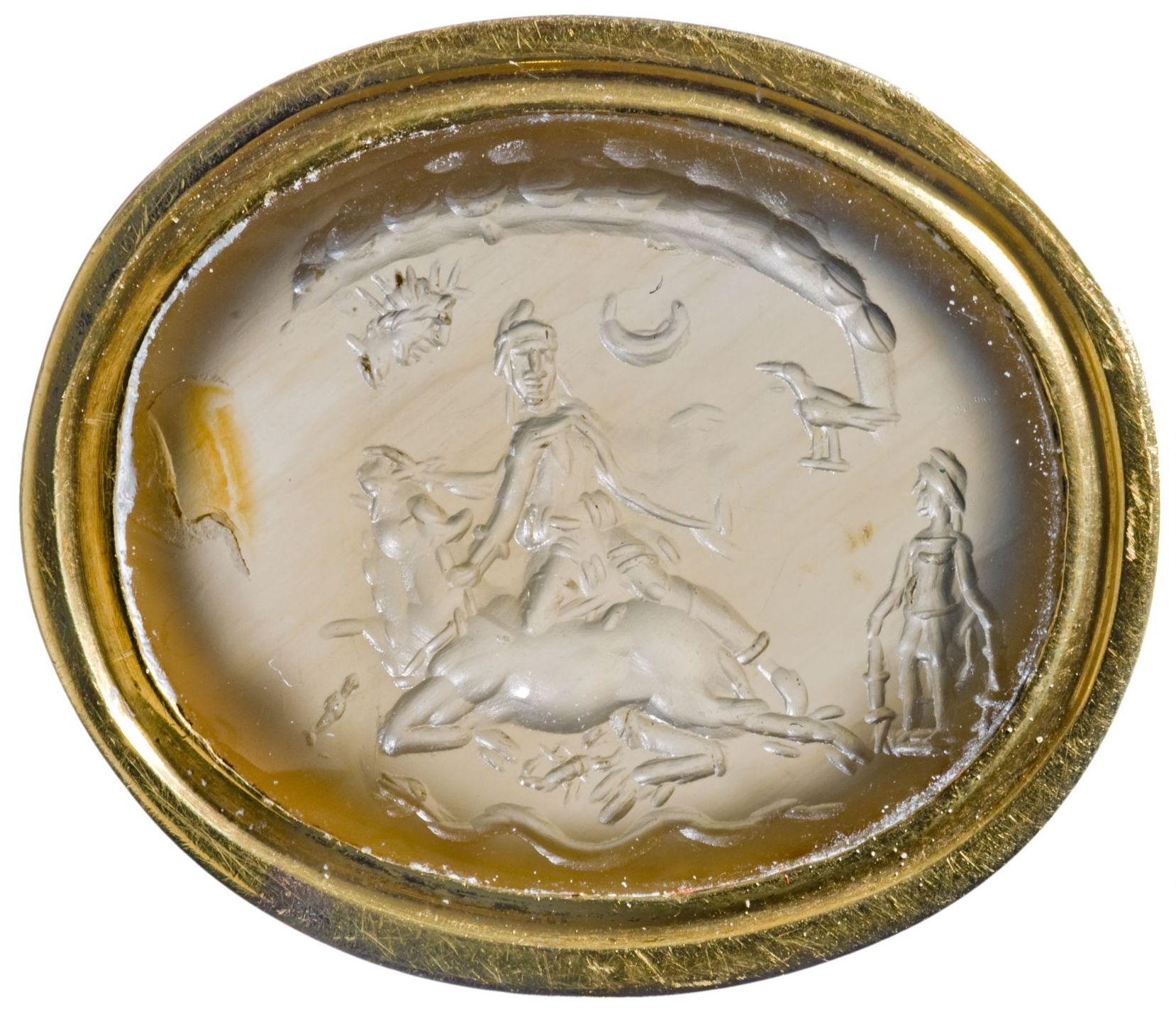
This intaglio depicting Mithras killing the bull is preserved at the Bibliothèque national de France.
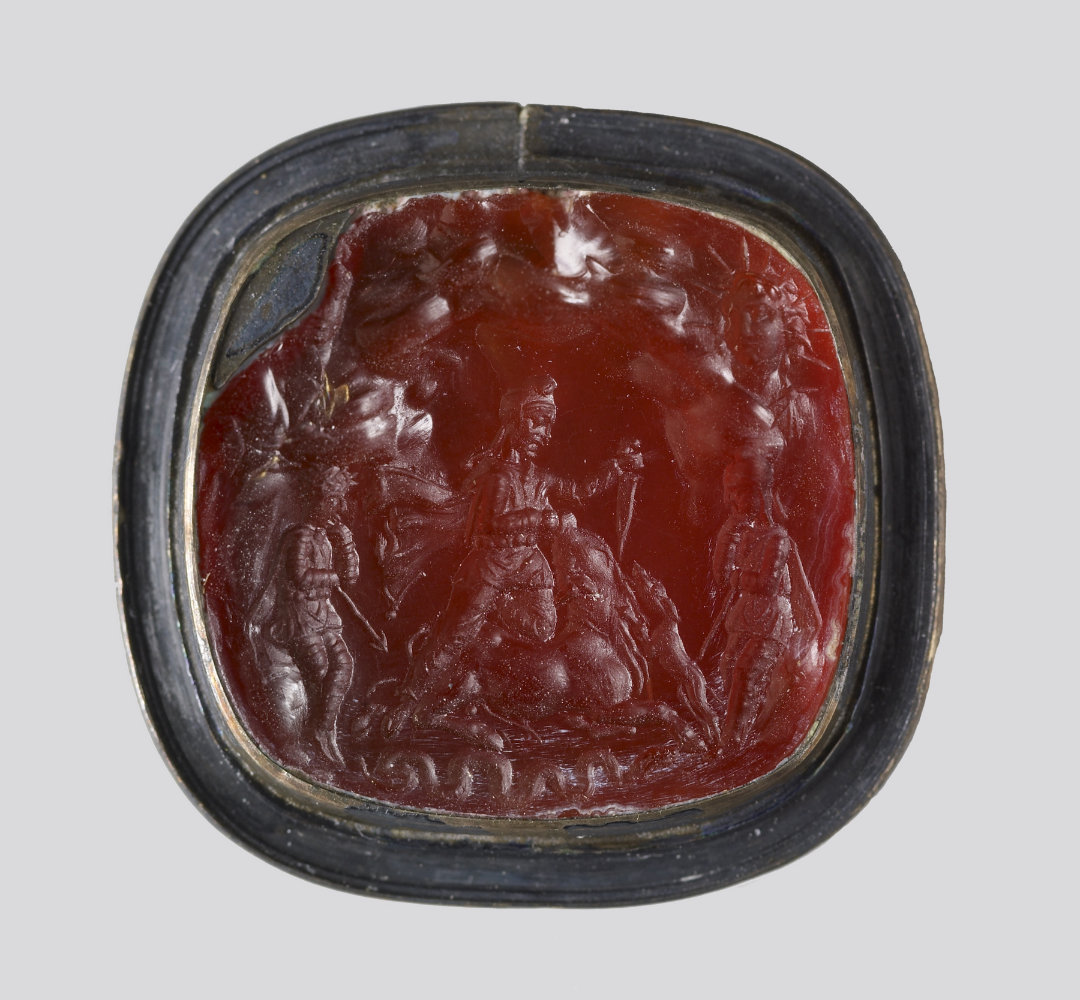
This ancient carnelian intaglio mounted in gold depicts Mithras slaying the bull surrounded by his companions Cautes and Cautopates.

The Mithraeum located in Piazza Dante in Rome was discovered in 1874 along with a series of monuments dedicated by a Pater named Primus.
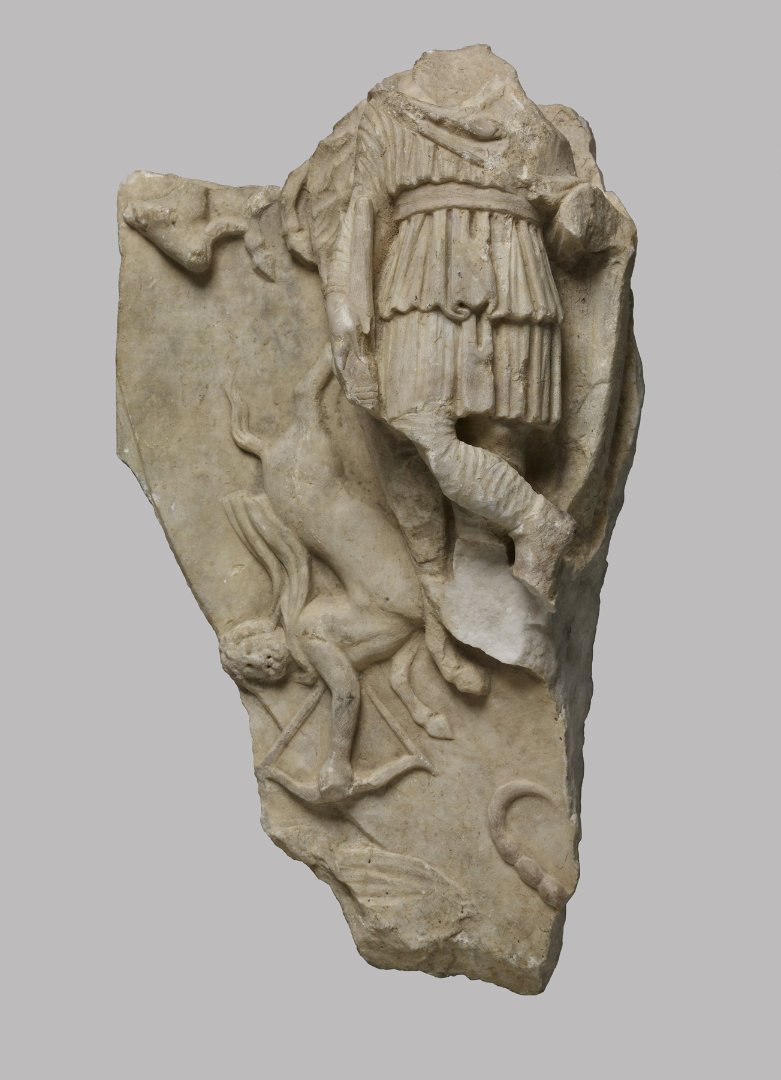
This fragmentary relief shows Cautopates bordered by three of the six zodiacal signs with which He is associated: Capricorn, Sagittarius and Scorpio.
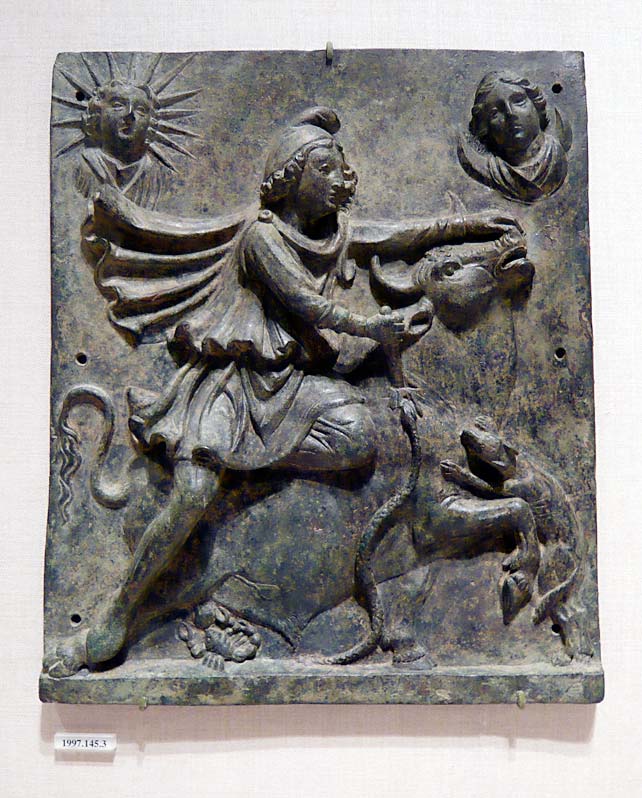
Mithras Tauroctony on bronze exposed at the Metropolitan Museum of New York.
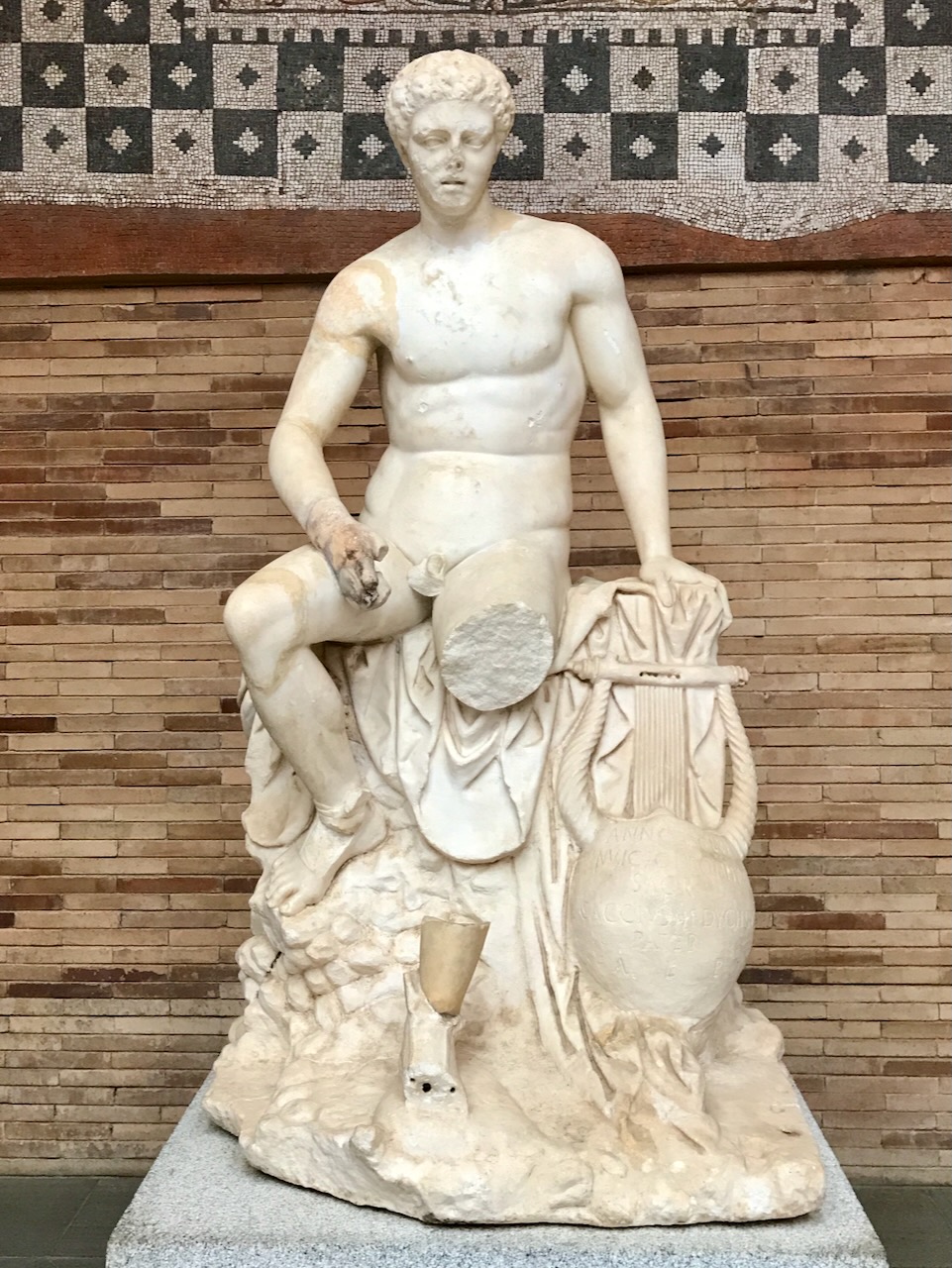
The statue of Mercury in Merida bears a dedication from the Roman Pater of a community in the city in 155.
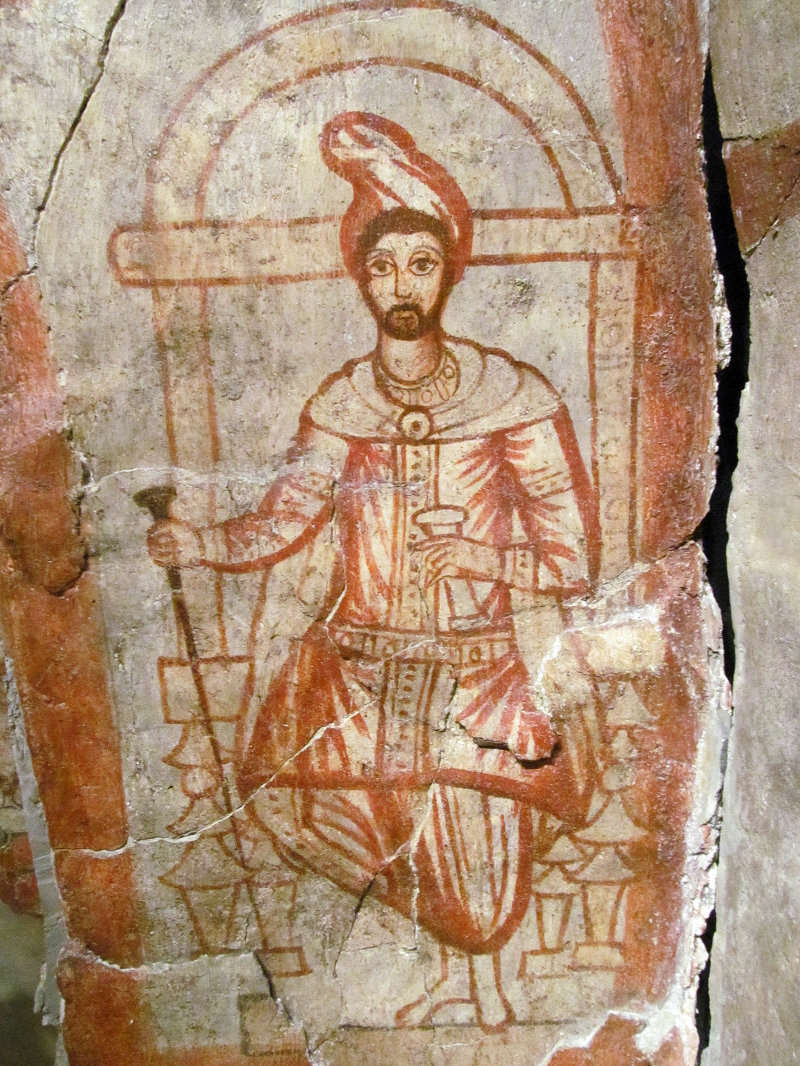
Some scholars have speculated that the scrolls both figures hold in their hands represent Eastern doctrines brought to the Western world.
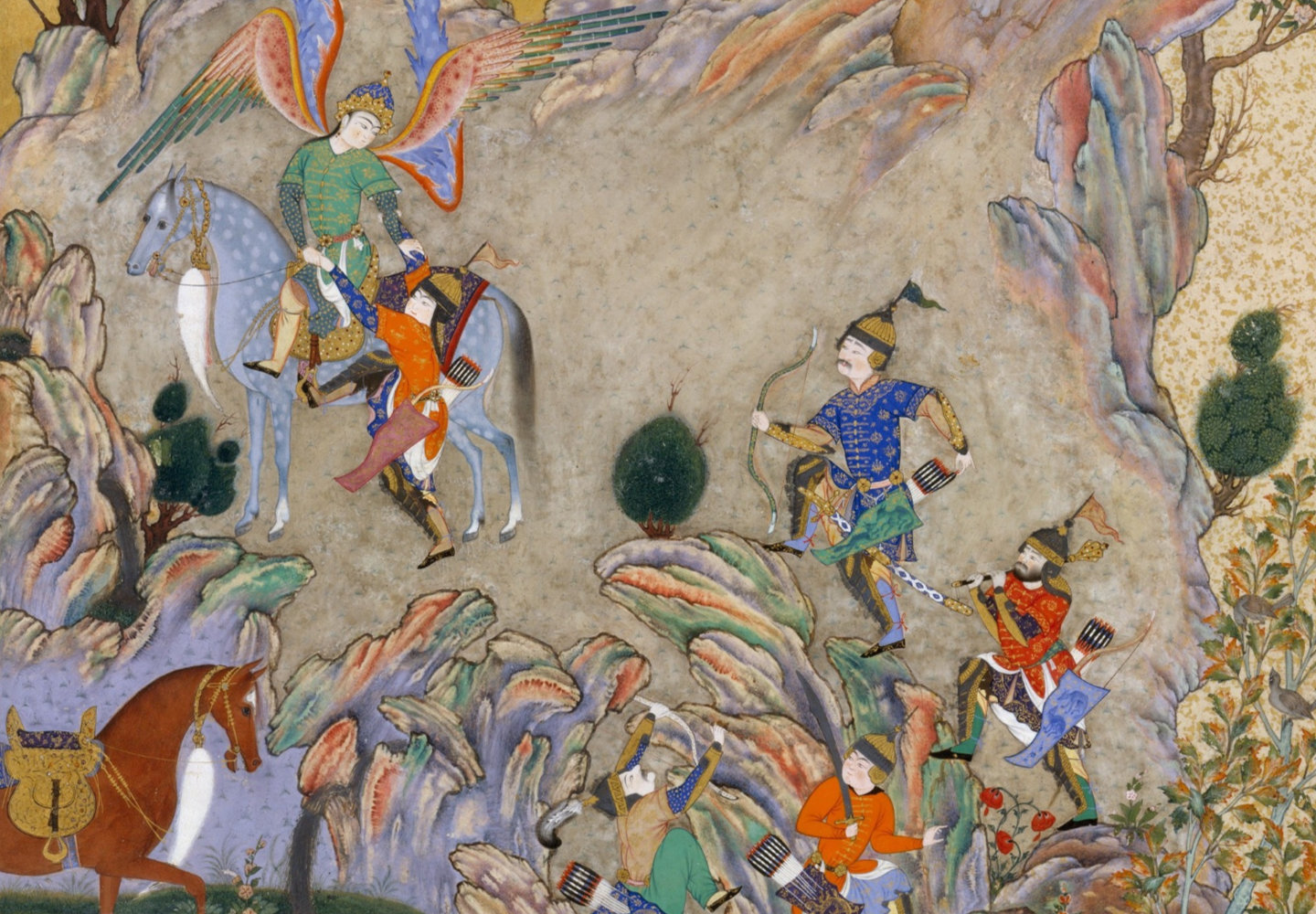
We propose to revisit a passage by the prolific author Marteen Vermaseren that highlights correspondences today forgotten between the Roman Mithras and its Eastern counterparts.
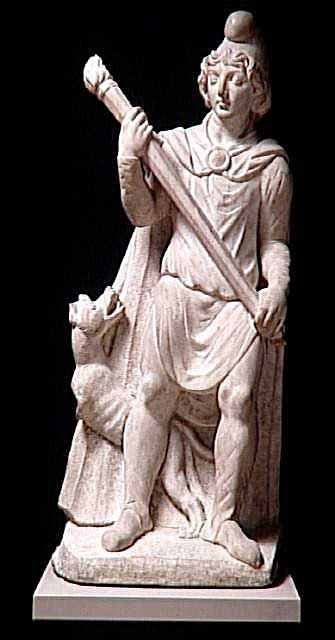
A bronze plaque records the existence of a mithraeum at Virunum that collapsed and was rebuilt by members of the community.
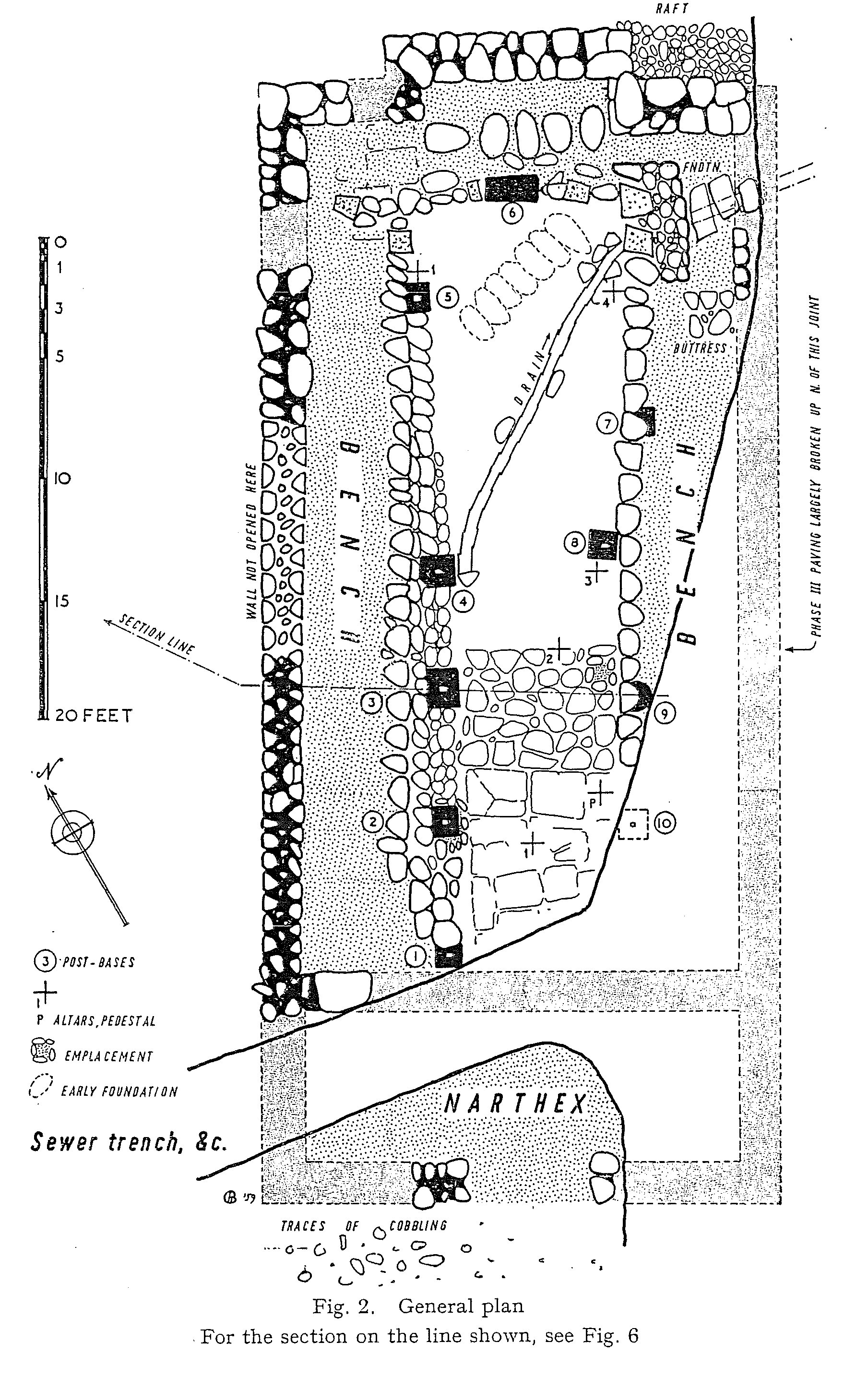
The Mithraeum of Caernarfon, in Walles, was built in three phases during the 3rd century, and destroyed at the end of the 4th.
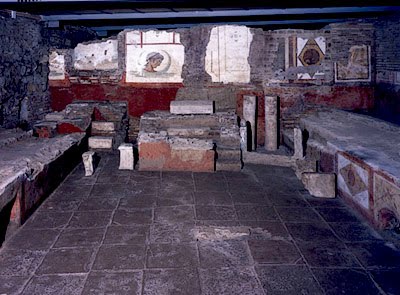
The Mitreo dei Castra Peregrinorum was discovered under the church of Santo Stefano Rotondo in Rome.
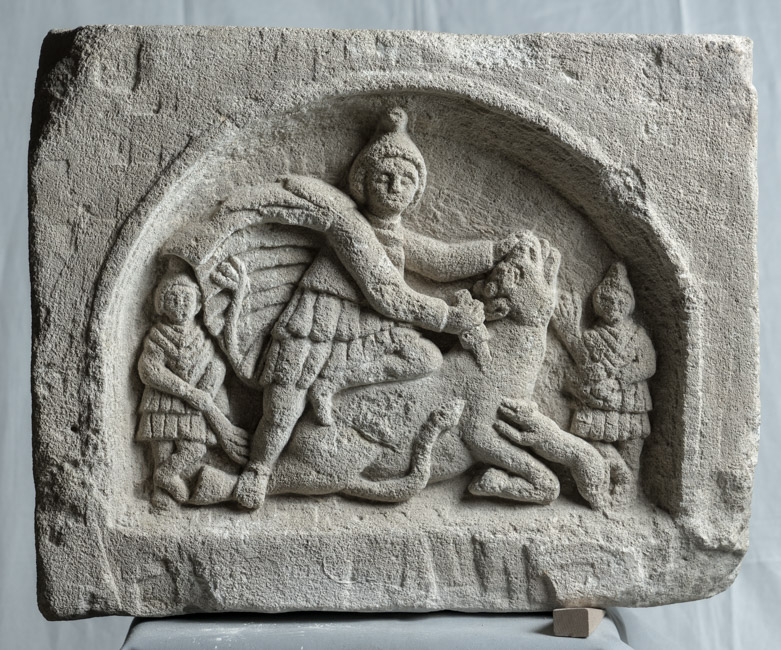
This relief found at Carnuntum represents Mithras slaughtering the bull, without the scorpion, in the sacred cave.
