Your search Jean-Christian Tautil gave 159 results.

The Mithraeum under and behind S. Prisca on the Aventine is without doubt the most important sanctuary of the Persian god in Rome.

In their groundbreaking new book, Mushrooms, Myths & Mithras, classics scholar Carl Ruck and friends reveal compelling evidence suggesting that psychedelic mushroom use was equally influential in early Europe, where it was central to initiation cerem

Manfred Clauss's introduction to the Roman Mithras cult has become widely accepted as the most reliable and readable account of this fascinating subject.

David Ulansey argues that Mithraic iconography was actually an astronomical code, and that the cult began as a religious response to a startling scientific discovery.


Robert Turcan highlights various examples of the philosophical interpretation, mainly Platonic, of the figure and cult of Mithras.
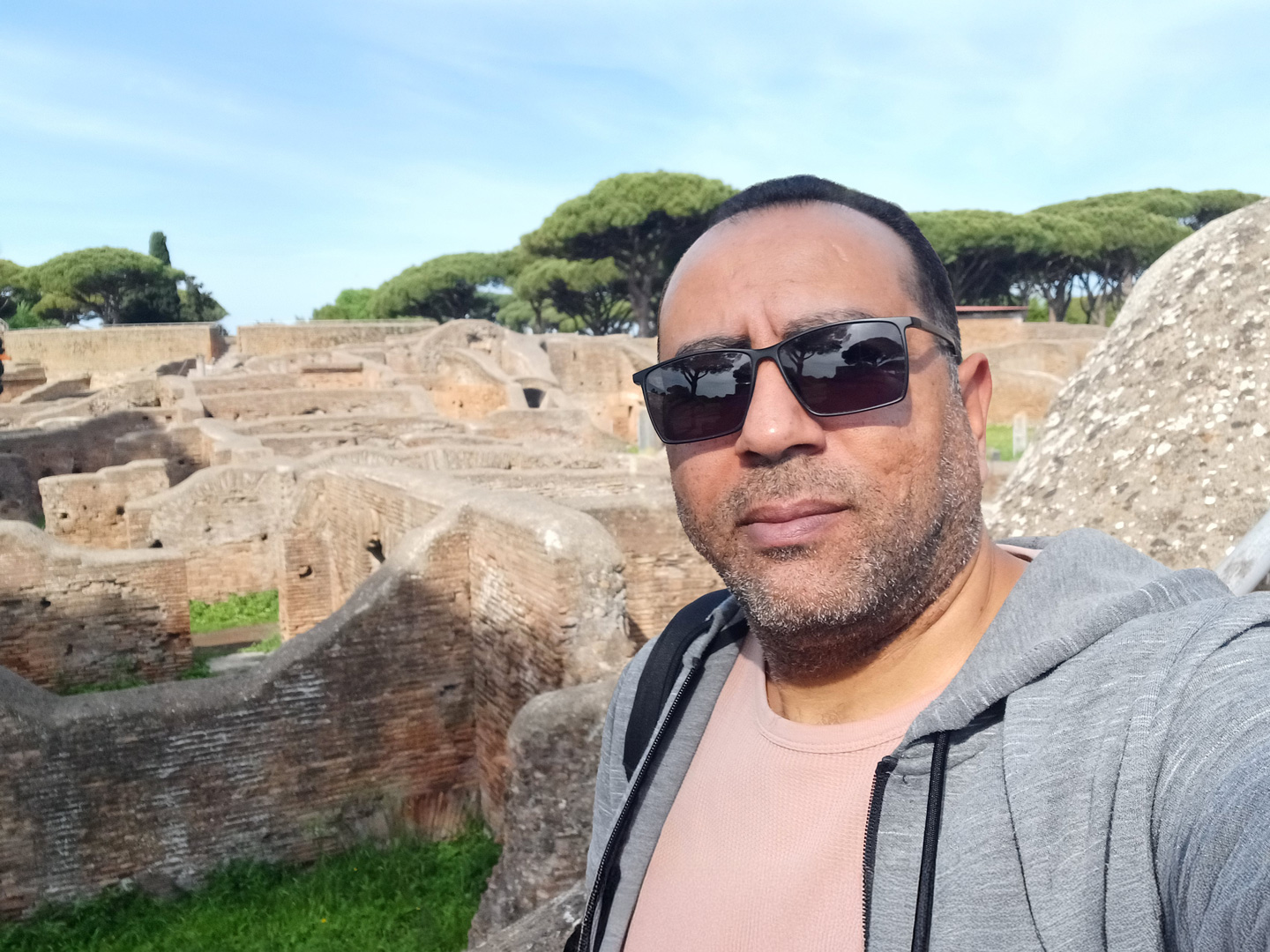
In his first book, Fahim Ennouhi sheds light on the cult of Mithras in Roman Africa. A marginal and elitist phenomenon, confined to restricted circles and largely absent from local religious dynamics, yet revealing.
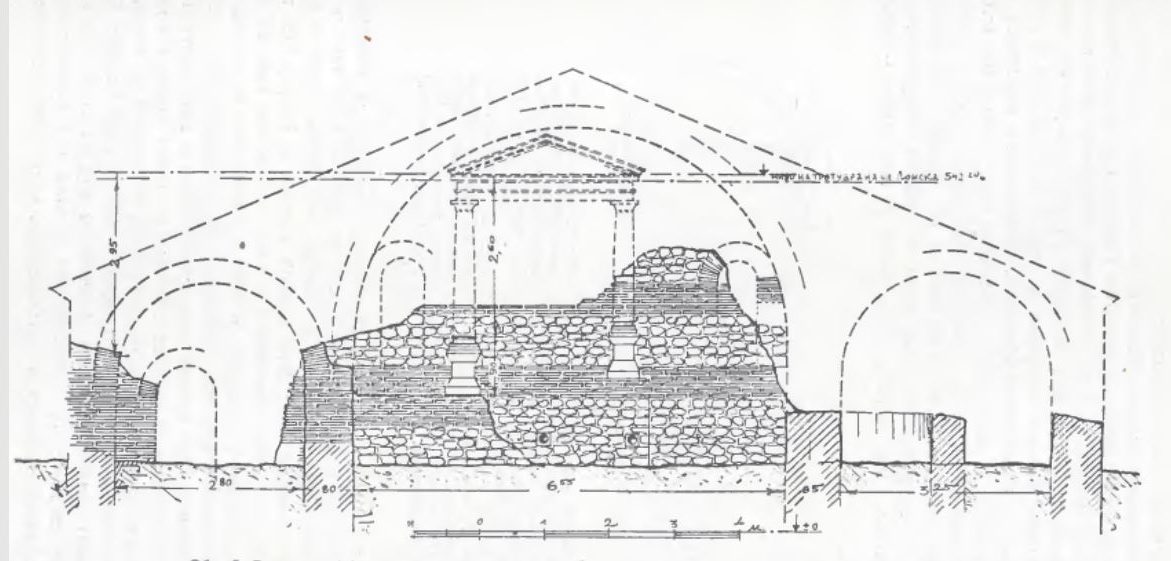
The Mithraeum of Serdica was found in the fortified area of the ancient city of Serdica, now Sofia, Bulgaria.
Mithras the Cattle-Rustler: The Persian Cult of Fire as Divided into Sexed Powers and the Hidden Cave Rites of the Magi.
Questions on the old and new testaments, 113.11. Ambrosiaster, 5th cent.

Vir clarissimus and governor of Numidia, who dedicated a temple to Mithras with its images and ornaments in Cirta.