Your search Latium gave 467 results.
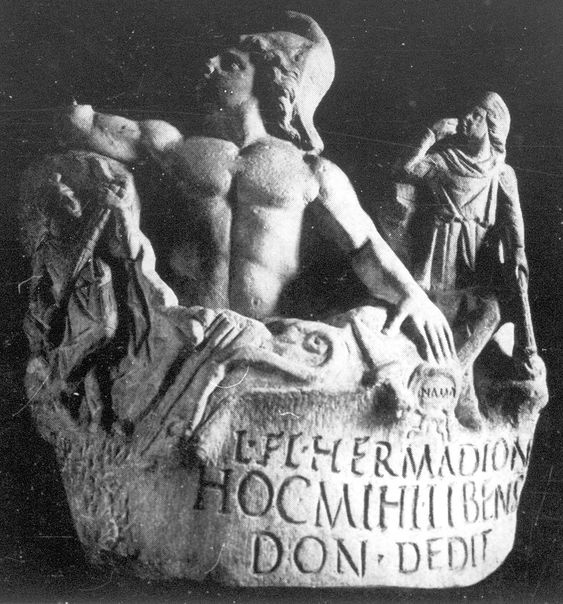
Mithras rock-born from Villa Giustiniani was holding a bunch of grapes in its raised right hand instead of a torch, probably due to a restoration.
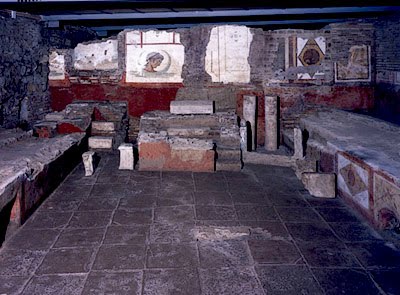
The Mitreo dei Castra Peregrinorum was discovered under the church of Santo Stefano Rotondo in Rome.
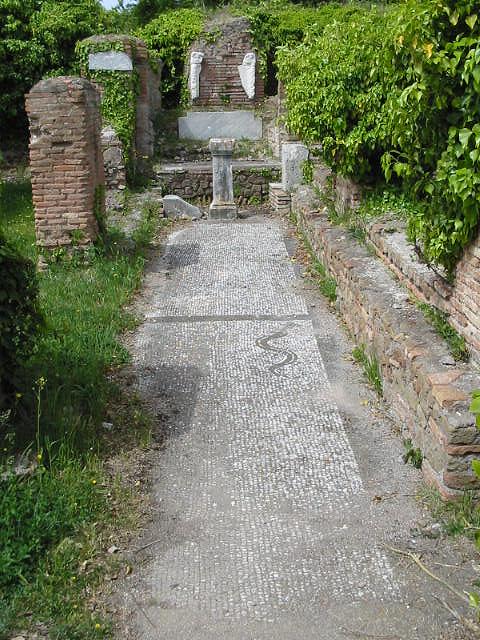
The floor of the central aisle of the Mithraeum of the Footprint in Ostia has a mosaic depicting a snake and a footprint.

This marble slab found near the Casa de Diana in Ostia bears two inscription with several names of brothers of a same community

The image of the god Arimanius to which this monument refers has not yet been found.
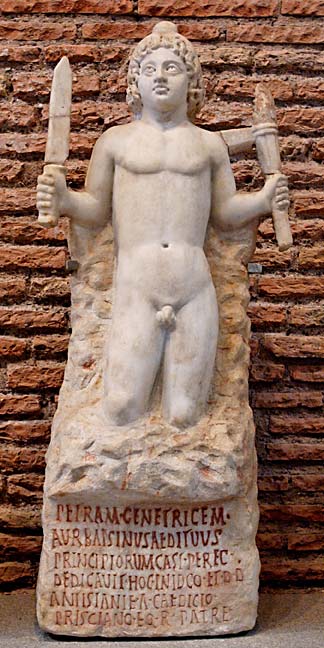
The sculpture of Mithras rock-birth from Santo Stefano Rotondo bears an inscription of Aurelius Bassinus, curator of the cult.
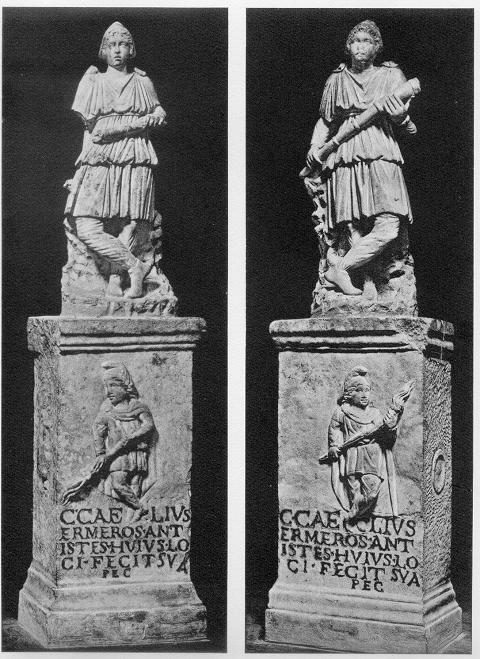
The sculptures of Cautes and Cautopates from the Mitreo del Palazzo Imperiale may have been reused from an older mithraeum in Ostia.
This altar, now lost, mentions that the Pater Patrum passed on the attributes of the sacred Corax to his son.

Three mithraic monuments were found in 1931, suggesting that a mithraeum probably existed in the area.
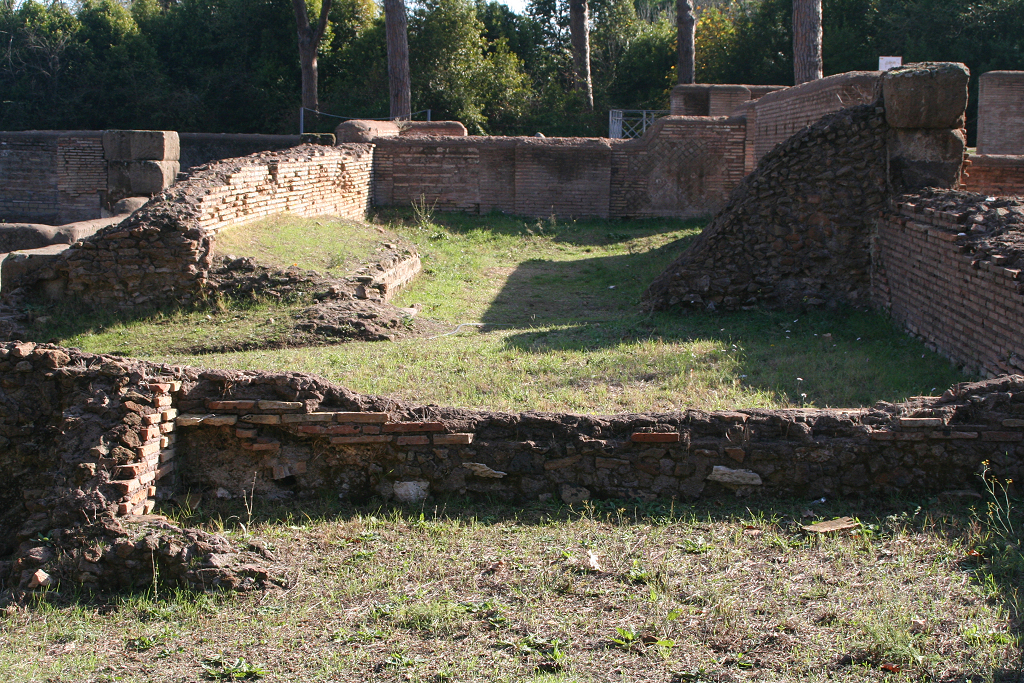
The Mithraeum near Porta Romana was connected to a Sacello, but the door was blocked.
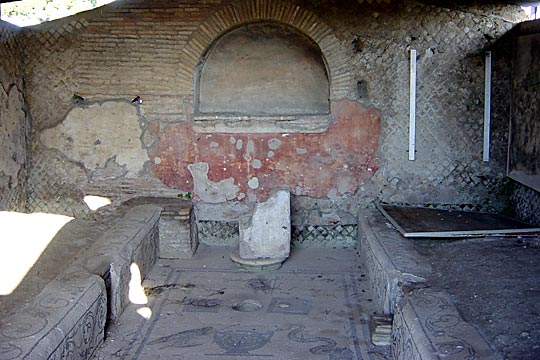
The name of the Mithraeum of the Seven Gates refers to the doors depicted in the mosaic that decorates the floor, symbolising the seven planets through which the souls of the initiates have to pass.
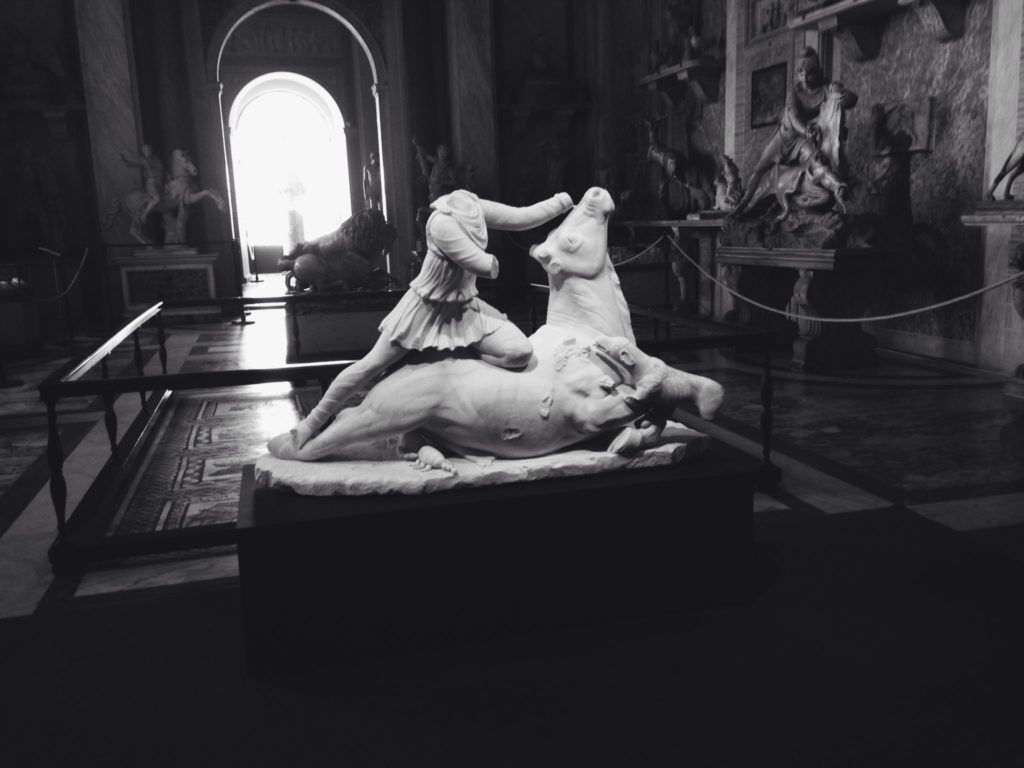
Votive sculpture of Mithras sacrificing the bull from the Mithraeum of Tarquinia.
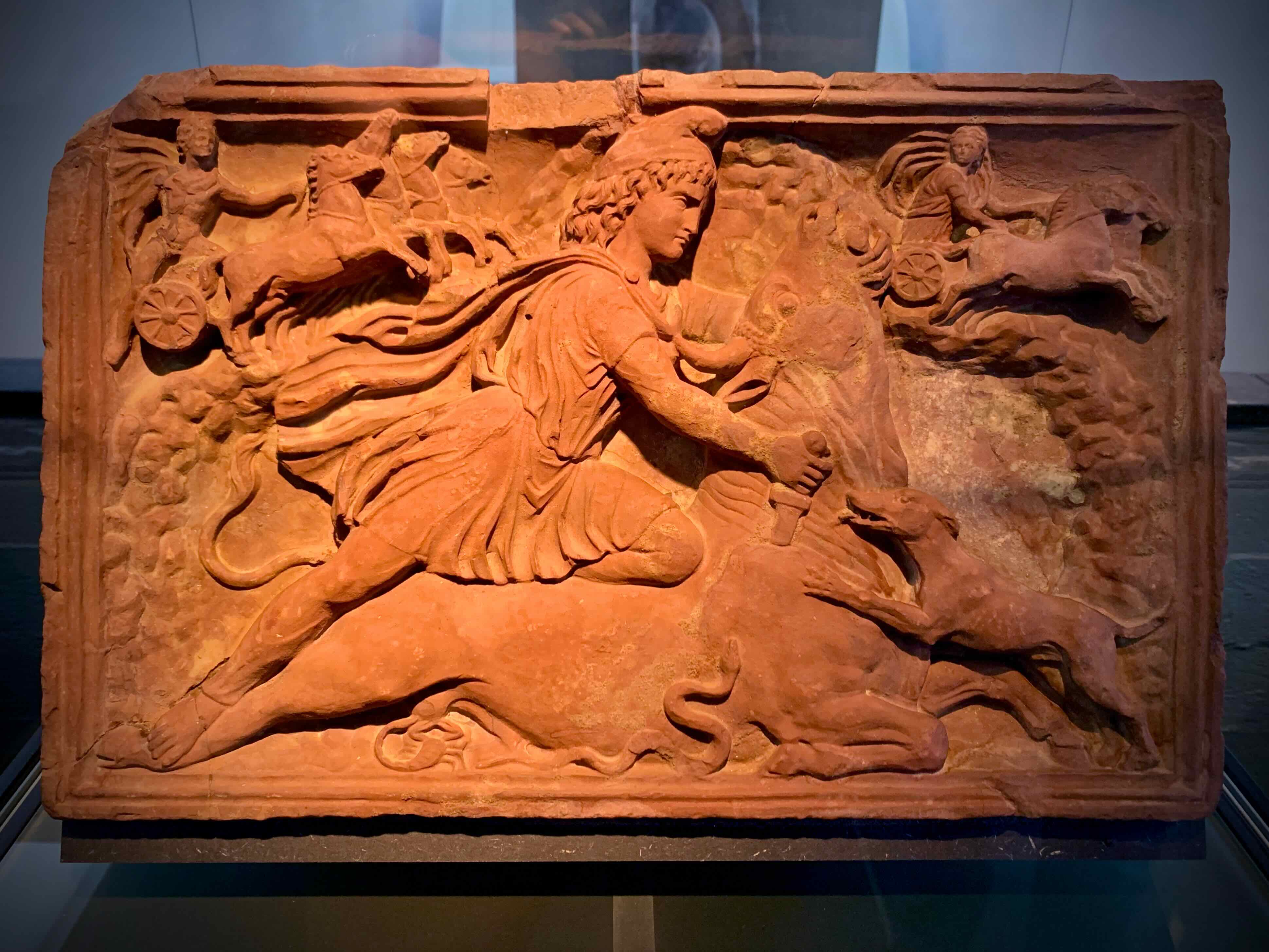
Maarten Vermaseren acquired this rosso antico marble of Mithras slaying the bull in 1961.
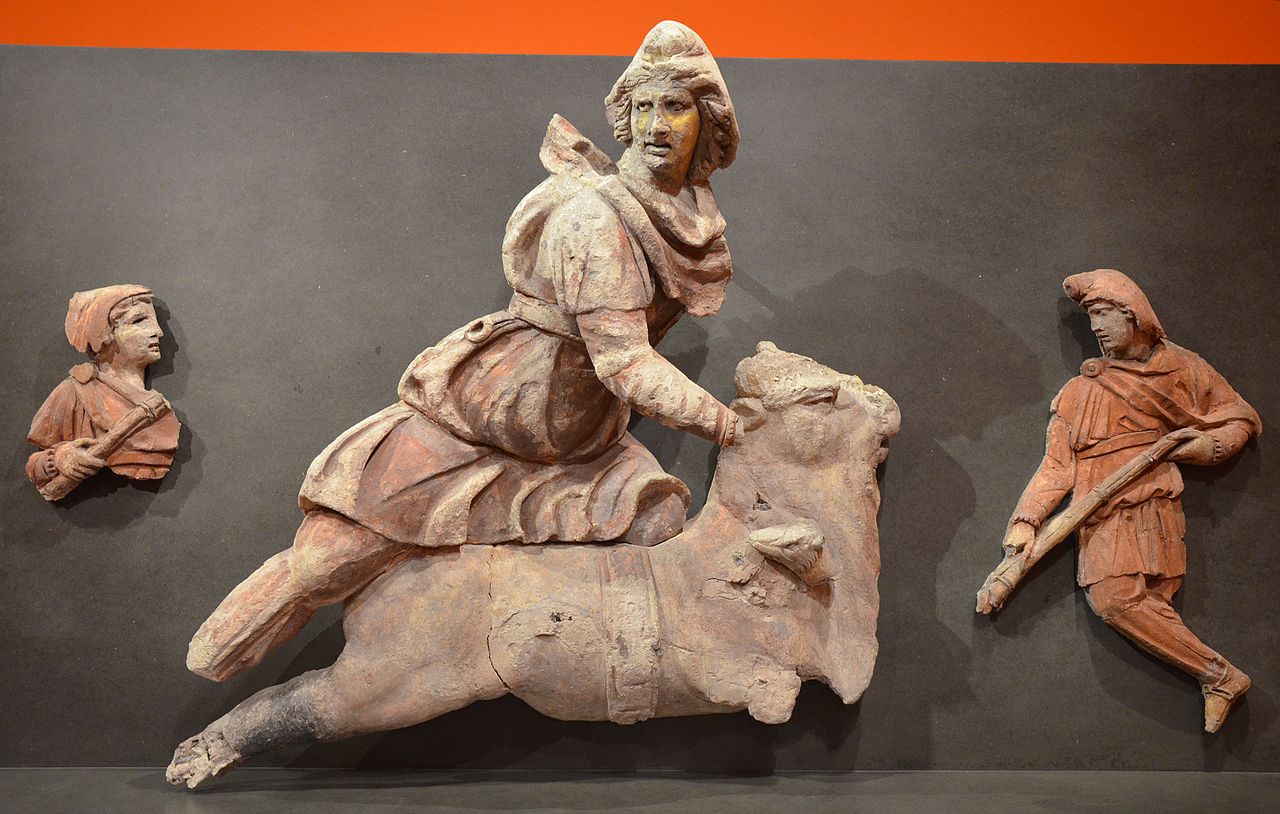
This relief was found under the Palazzo Montecitorio, in Rome, and bought by the Liebighaus at Frankfort.
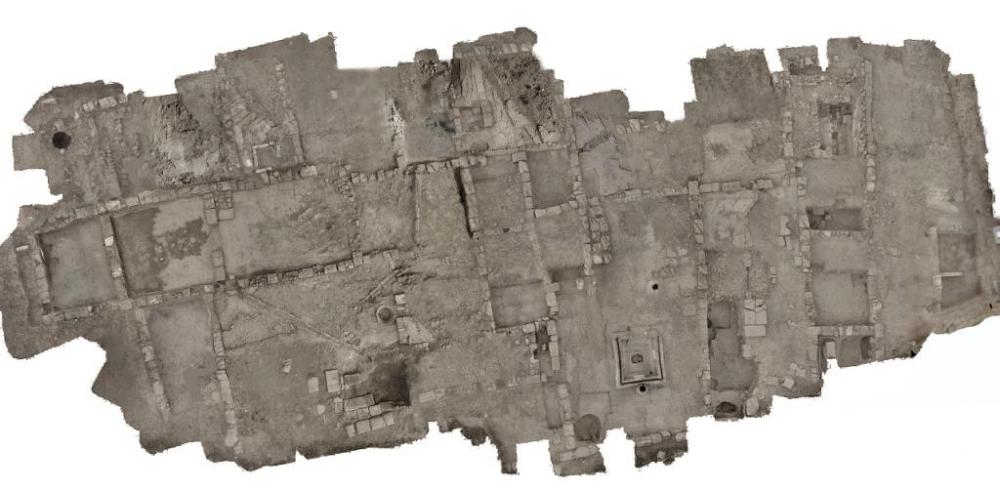
The discovery of the Mithraeum of Tarquinia is due to the Department for Protection of Cultural Heritage of the Carabinieri, who noticed some clandestine excavations near the Ara della Regina.
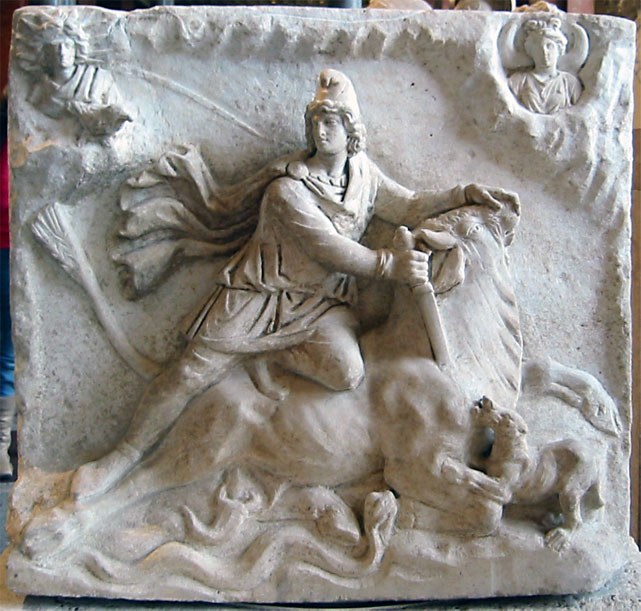
The marble shows Mithras slaying the bull, on one side, and Sol and Mithras feasting on a bull skin, on the other.
This temple of Mithras on the north side of the Capitoline Hill in Rome no longer exists.
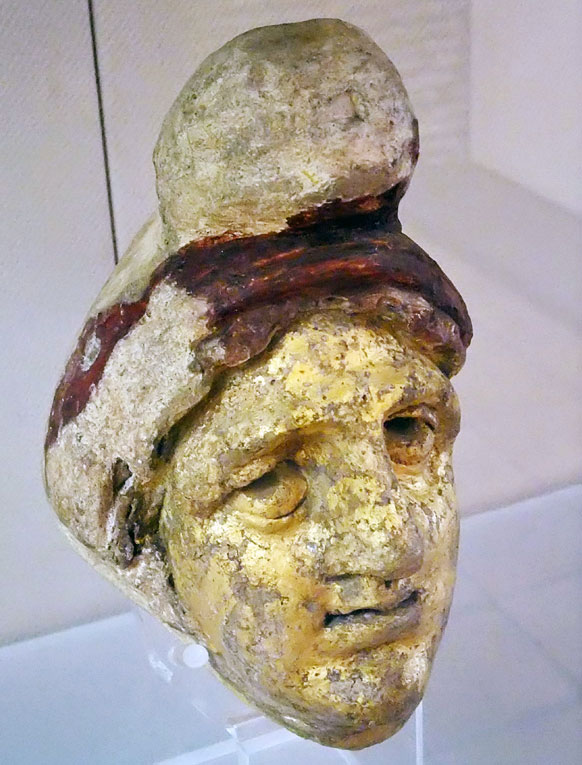
The head was part of a stucco relief of the Tauroctony found under the church of Santo Stefano Rotondo in Rome
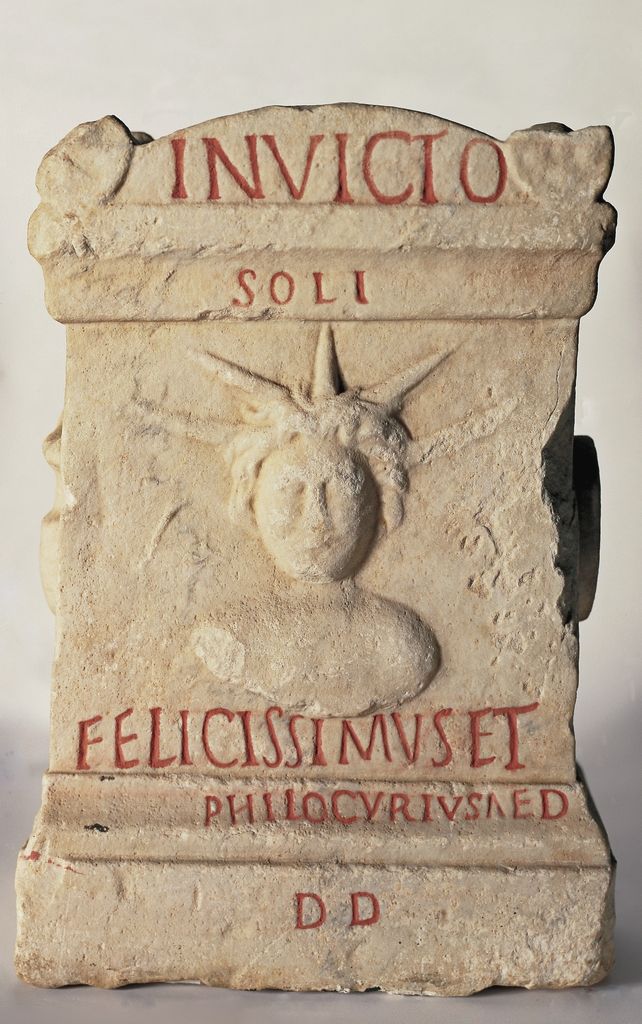
This small altar found in Rome depicts the god Sol with five rays around his head.
