Your search Quintus Septimius Florens Tertullianus gave 61 results.
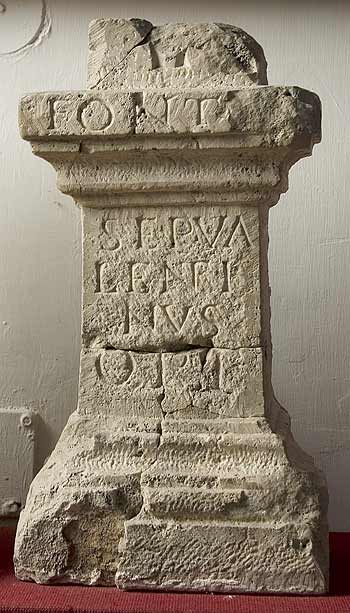
Fragmentary limestone altar dedicated by Septimius Valentinus, an optio, probably discovered in Mithraeum IV at Aquincum.
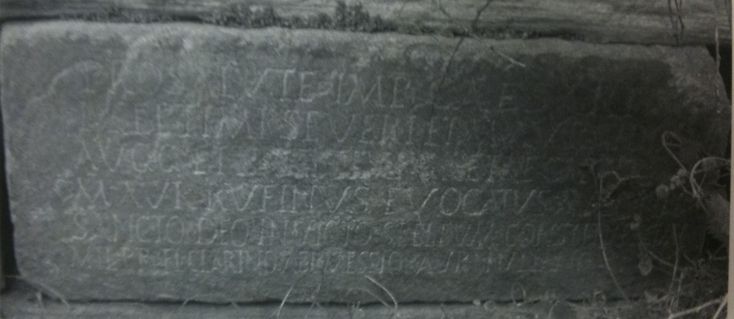
This inscription reveals the existence of a Mithraeum on the island of Andros, Greece, which has not yet been found.
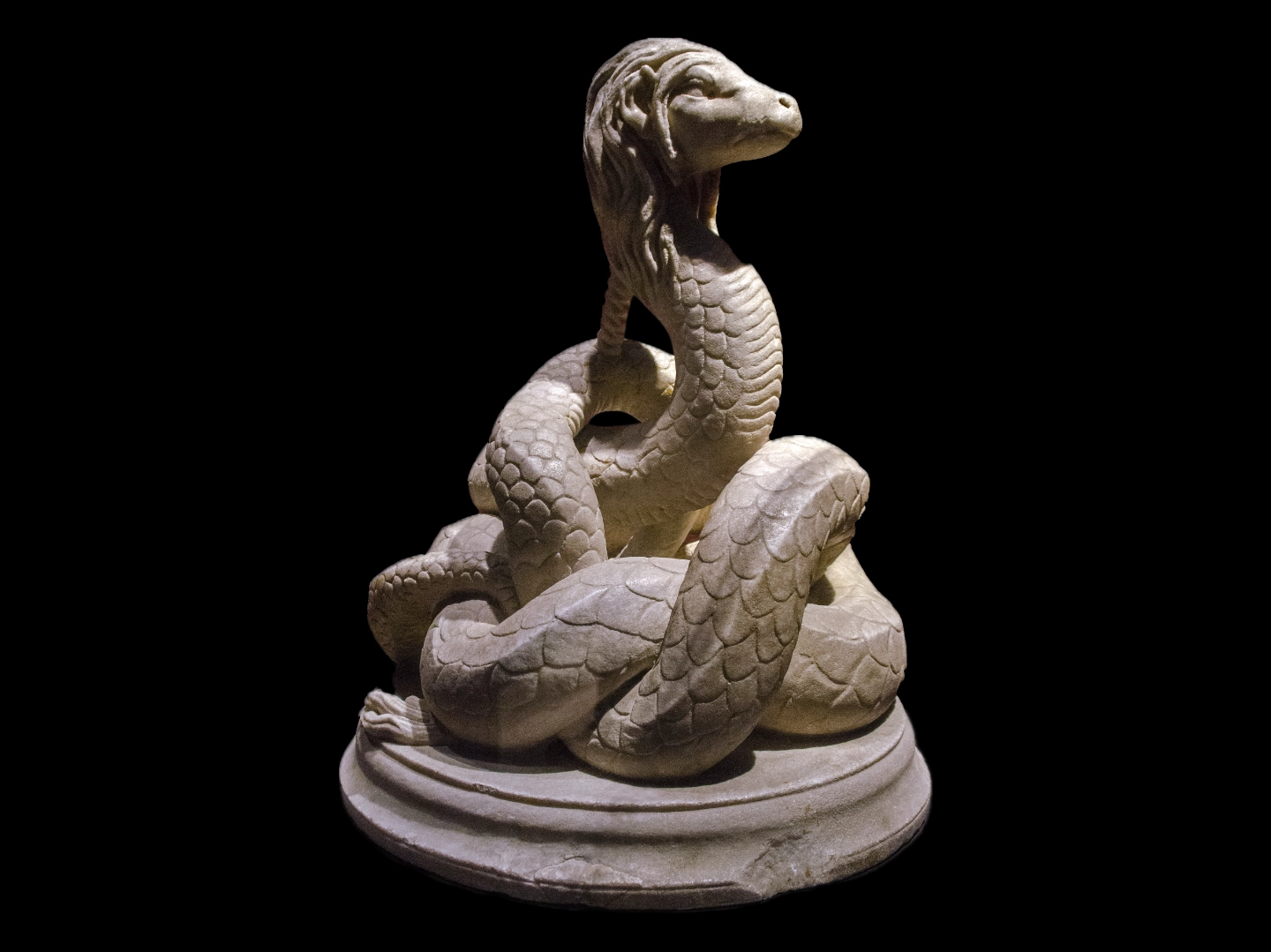
At Rome’s twilight, amid political upheaval and Christian ascendancy, Vettius Agorius Praetextatus embodied pagan intellect, virtue, and authority across senatorial, military, and mystical spheres.

Vir perfectissimus and priest of Zeus Brontes and Hekate, he erected a mithraeum in Rome.


Optio who erected several altars to Mithras in the Mithraeum of Sárkeszi.

A freedman of Septimius Severus, he was Pater and priest of the invincible Mithras, as mentioned in a marble inscription found in Rome.

Syndexios in Ostia, his name Marsus suggests that he was a snake-charmer.

Coin of Istrus, Moesia Inferior, showing Caracalla on one side and a god on horseback (Mithras ?) on the other.
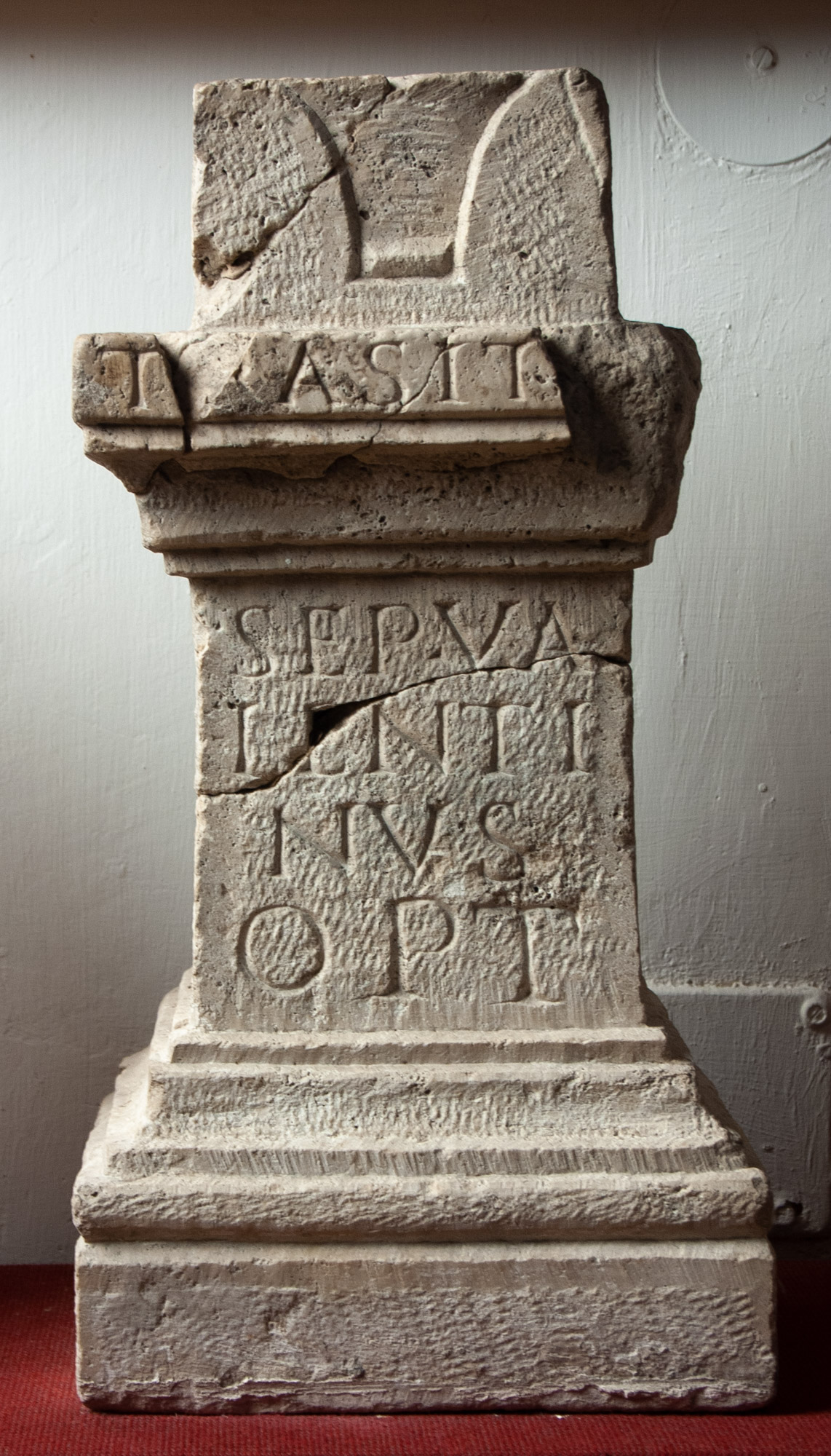
This is one of the altars erected by Septimius Valentinus, in this case, to the transitus of Mithras.
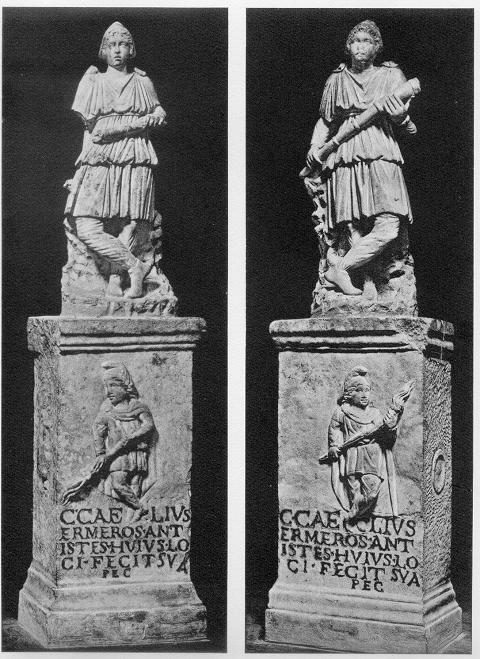
The sculptures of Cautes and Cautopates from the Mitreo del Palazzo Imperiale may have been reused from an older mithraeum in Ostia.

An inscription from the place called La Oneda near Breno in Val Camonica, dedicated to Sol Divinus by L. Apisocius Successus for himself and his four patrons Marcus, Gaius, Lucius and Quintus, with a dagger with ribbons carved below.
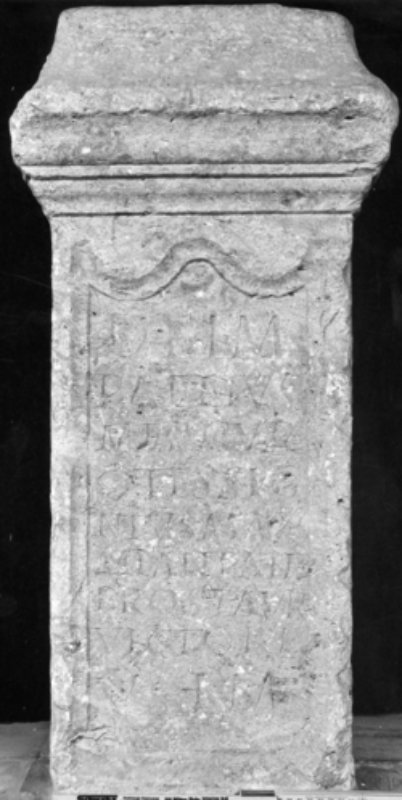
This altar to Mithras found in Aquilieia mentions several persons of a same community.
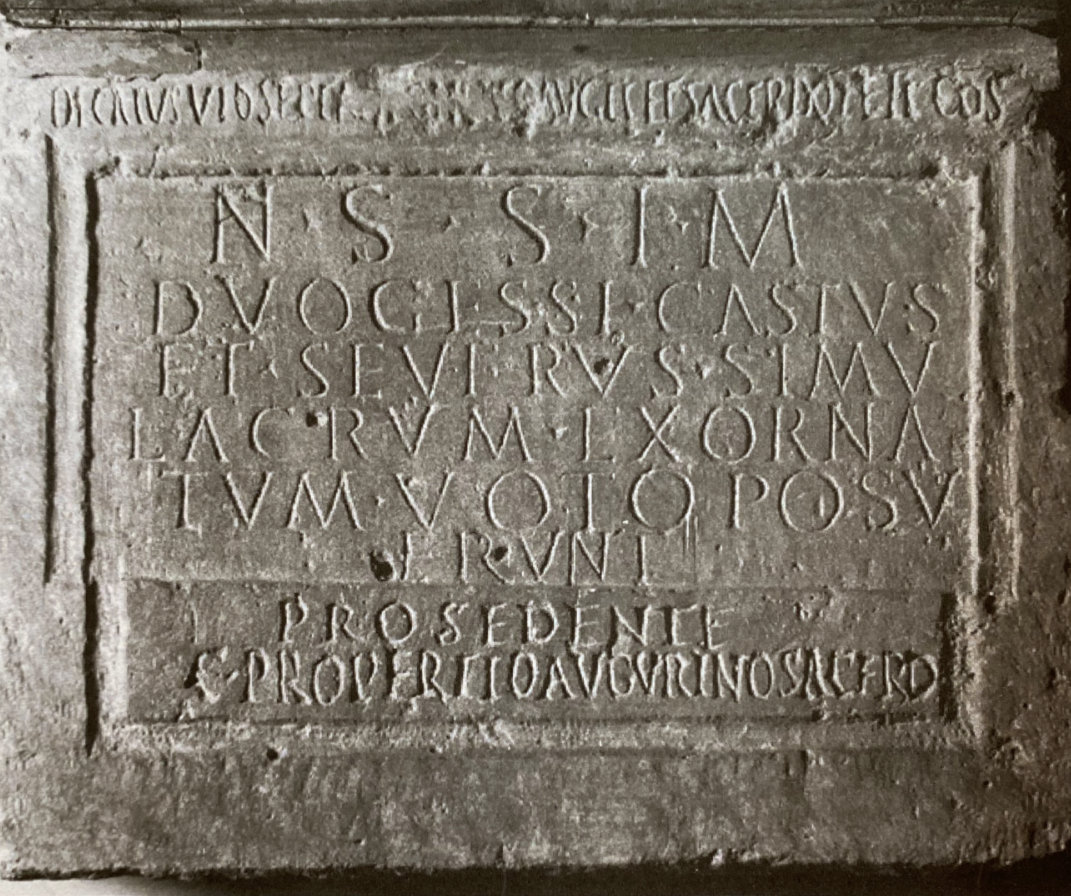
Gessius Castus and Gessius Severus have placed a decorated stutue and left testimony on this inscription below.
A marble dedication tablet found in the Vigna Curtii Palloni outside the Porta Sant'Agnese near the Praetorian Camp in Rome, recording the construction of a sacrarium dedicated to Sol Invictus by Q. Pompeius Primigenius, pater and sacerdos, under Septimius Severus and Caracalla…
Epigraphic testimony catalogued in the Année Épigraphique and Lugli’s Fontes for ancient Rome.
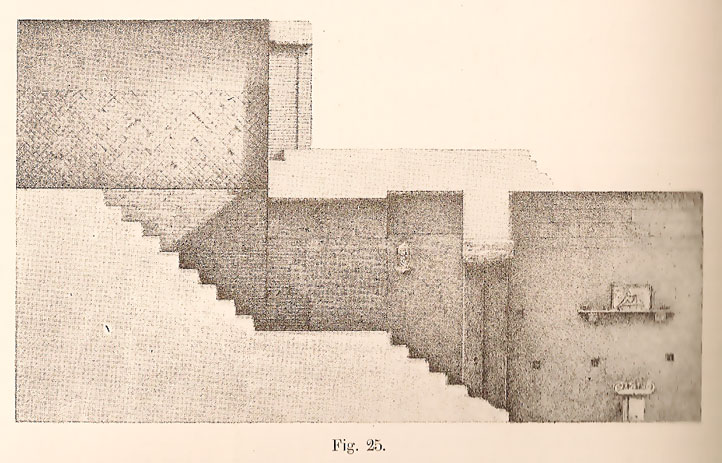
In a house from the time of Constantine, a Lararium was found with a statue of Isis-Fortuna. The Mithraeum was a door next to it, on a lower room.
Assemblage of cult objects from the Mithraeum at Königshoffen including painted lamps, glass and terra-sigillata fragments with potters' stamps and graffiti (including Deo invicto Mithrae), two iron bells, an iron shield-knob, and stone fragments.
Assemblage of plates, jugs, dishes, cups, censers, two bronze coins, and animal bones from the Mithraeum at Dieburg
Dedication to Mithras from Juslenville by Axius Verus, Quintus Vetius and Probinus.
