Your search Roger Jehu Bull gave 454 results.
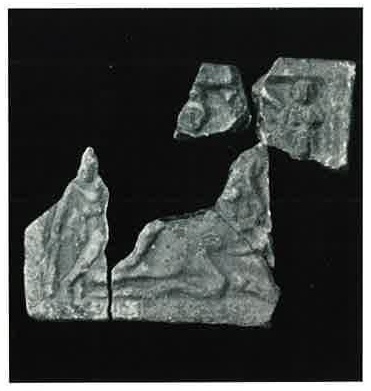
Five fragments of a whitish-yellow marble tauroctony from the Mithraeum at Sarmizegetusa, Dacia, with the central bull-slaying framed by a round border and the dagger of Mithras clearly visible.

Two greyish marble fragments from the Mithraeum at Sarmizegetusa, Dacia, preserving the torso of Mithras in tunic and cloak killing the bull with his right hand.
Two fragments of a rectangular white marble relief from the Mithraeum at Sarmizegetusa, Dacia, in the Lugoj collection, depicting Mithras killing the bull with the raven on the flying cloak.

Three greyish marble tauroctony fragments from the Mithraeum at Sarmizegetusa, Dacia, preserving the head of Mithras and the bull and parts of the subsidiary scenes.
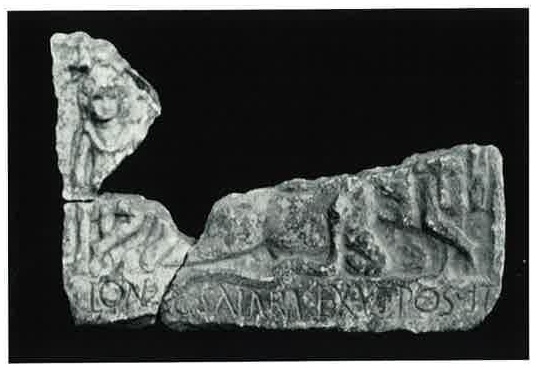
Three fragments of a rectangular bluish marble tauroctony from the Mithraeum at Sarmizegetusa, Dacia, preserving the lower and central portions of the bull-slaying with Cautopates.
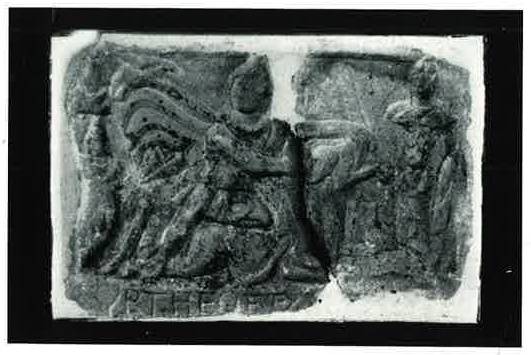
Yellowish marble tauroctony in two fragments from the Mithraeum at Sarmizegetusa, Dacia, executed in a primitive style with the bull represented obliquely.
Right lower corner of a greyish marble tauroctony from the Mithraeum at Sarmizegetusa, Dacia, preserving the bull's knees and dewlap, the dog, part of the serpent, and the lower part of Cautes.
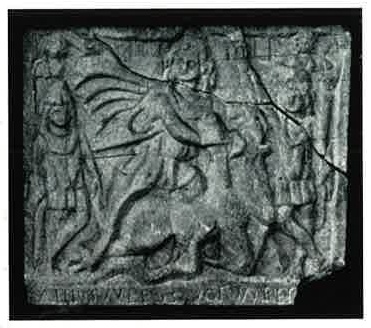
Bluish marble tauroctony relief from the Mithraeum at Sarmizegetusa, Dacia, depicting Mithras killing the bull with the dog, scorpion, and subsidiary scenes.
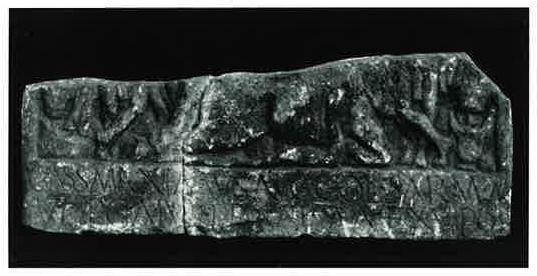
Two sandstone tauroctony relief fragments from the Mithraeum at Sarmizegetusa, Dacia, preserving the lower right portion of the bull-slaying scene.
Fragment of a bluish marble tauroctony from the Mithraeum at Sarmizegetusa, Dacia, preserving the right lower corner with the bull's knee, the dog, and the lower part of Cautes.
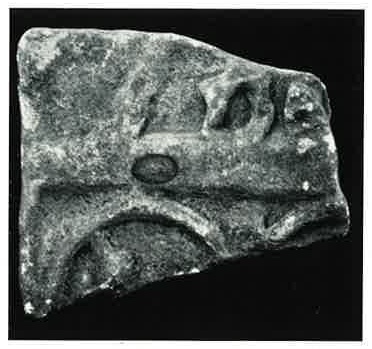
Fragment of a yellowish marble tauroctony from the Mithraeum at Sarmizegetusa, Dacia, preserving the left lower corner with the bull's hind hoof, the crossed legs of Cautopates, and the flame of his downward torch.
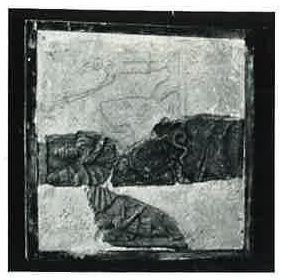
Four fragments of a bluish marble tauroctony from the Mithraeum at Sarmizegetusa, Dacia, with the central bull-slaying partially preserved including the Sol bust and a figure in Phrygian cap.
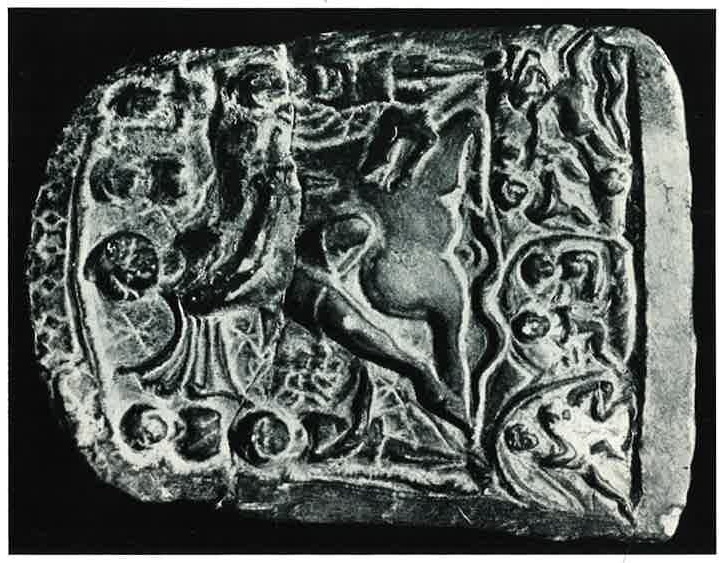
Trapezium-shaped white marble tauroctony relief from the Mithraeum at Sarmizegetusa, Dacia, with the standard bull-slaying scene in two fragments.
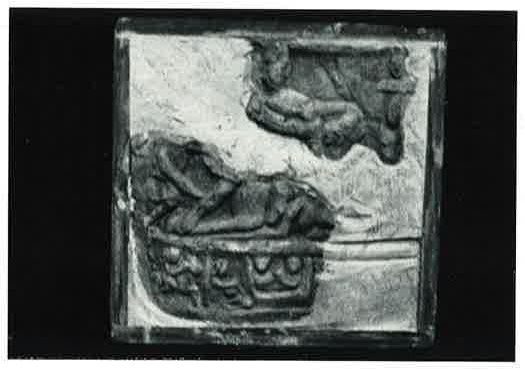
Fragment of a bluish marble tauroctony from the Mithraeum at Sarmizegetusa, Dacia, preserving the left lower corner with the bull's hindmost part, the scorpion, and part of the Cautopates area.
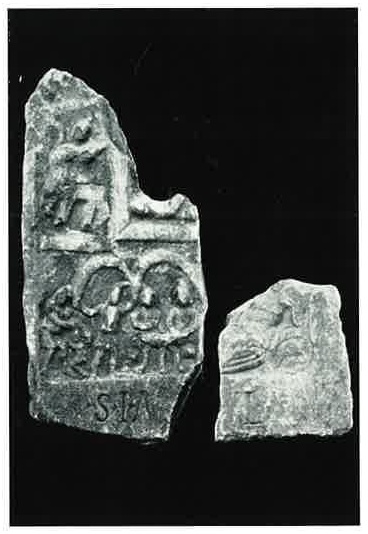
Eight fragments of a large white marble open-work tauroctony from the Mithraeum at Sarmizegetusa, Dacia, with the central bull-slaying carved in openwork within a framing border.
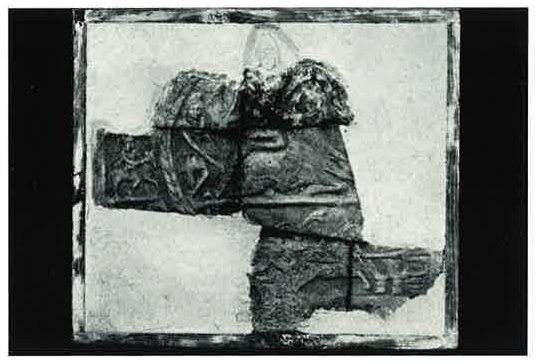
Seven fragments of a white marble tauroctony relief from the Mithraeum at Sarmizegetusa, Dacia, depicting the central bull-slaying with a rich programme of subsidiary Mithraic scenes.
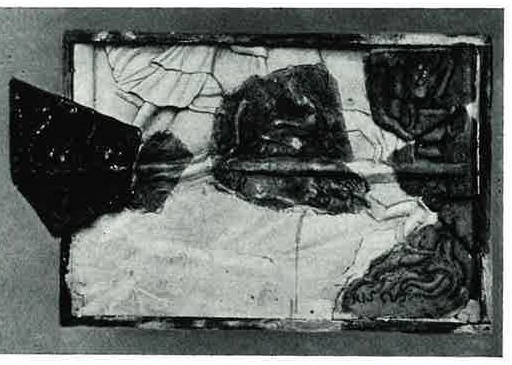
Seven fragments of a marble tauroctony relief from the Mithraeum at Sarmizegetusa, Dacia, preserving Mithras's breast, parts of the bull, and subsidiary scenes.
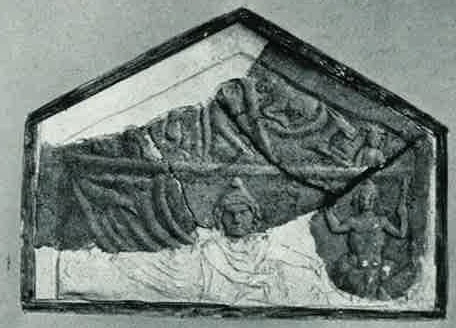
Four fragments of a bluish marble tauroctony relief from the Mithraeum at Sarmizegetusa, Dacia, depicting the central bull-slaying with partially preserved subsidiary scenes.
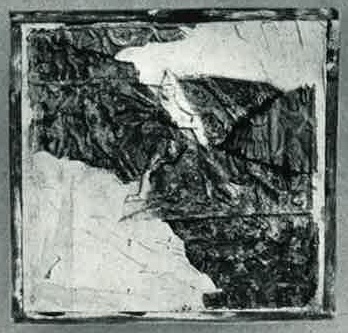
Bluish marble tauroctony relief in fragments from the Mithraeum at Sarmizegetusa, Dacia, divided into horizontal registers with the central bull-slaying and multiple subsidiary Mithraic scenes.
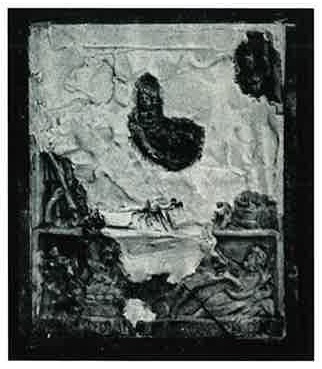
White marble tauroctony relief in eleven fragments from the Mithraeum at Sarmizegetusa, Dacia, divided into three horizontal registers, the central one depicting the bull-slaying and the others bearing subsidiary Mithraic scenes.
