Your search Roman cemetery of St. Matthias gave 3406 results.

This marble statuette from Ostia depicts Cautopates lowering his torch beside a tapering rock associated with Mithras’ birth from stone.
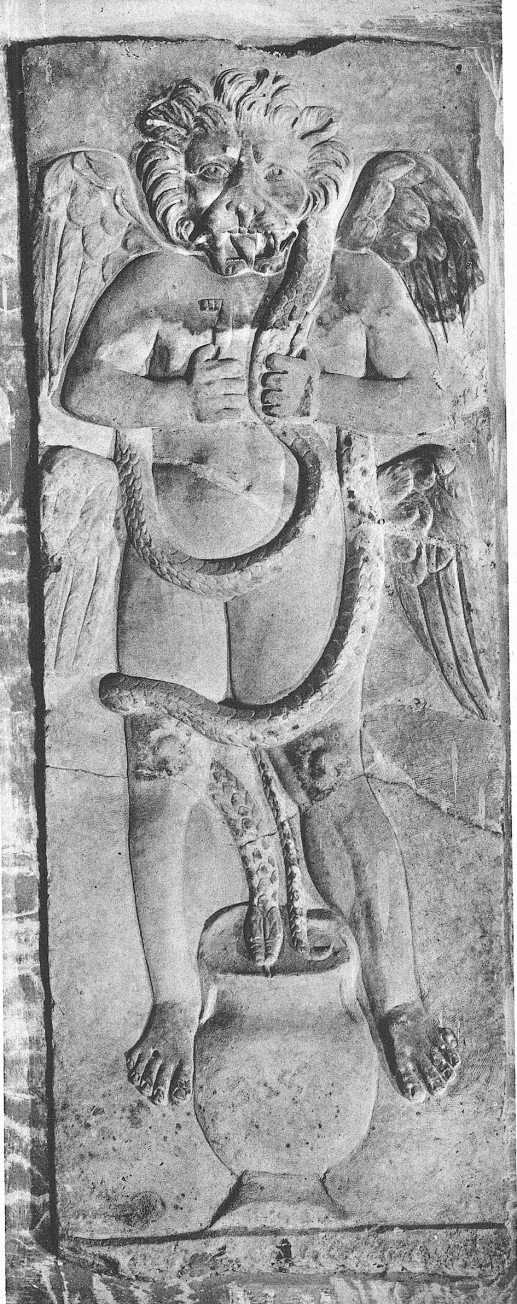
This white marble relief depicting a lion-headed figure from Ostia is now exposed at the Musei Vaticani.
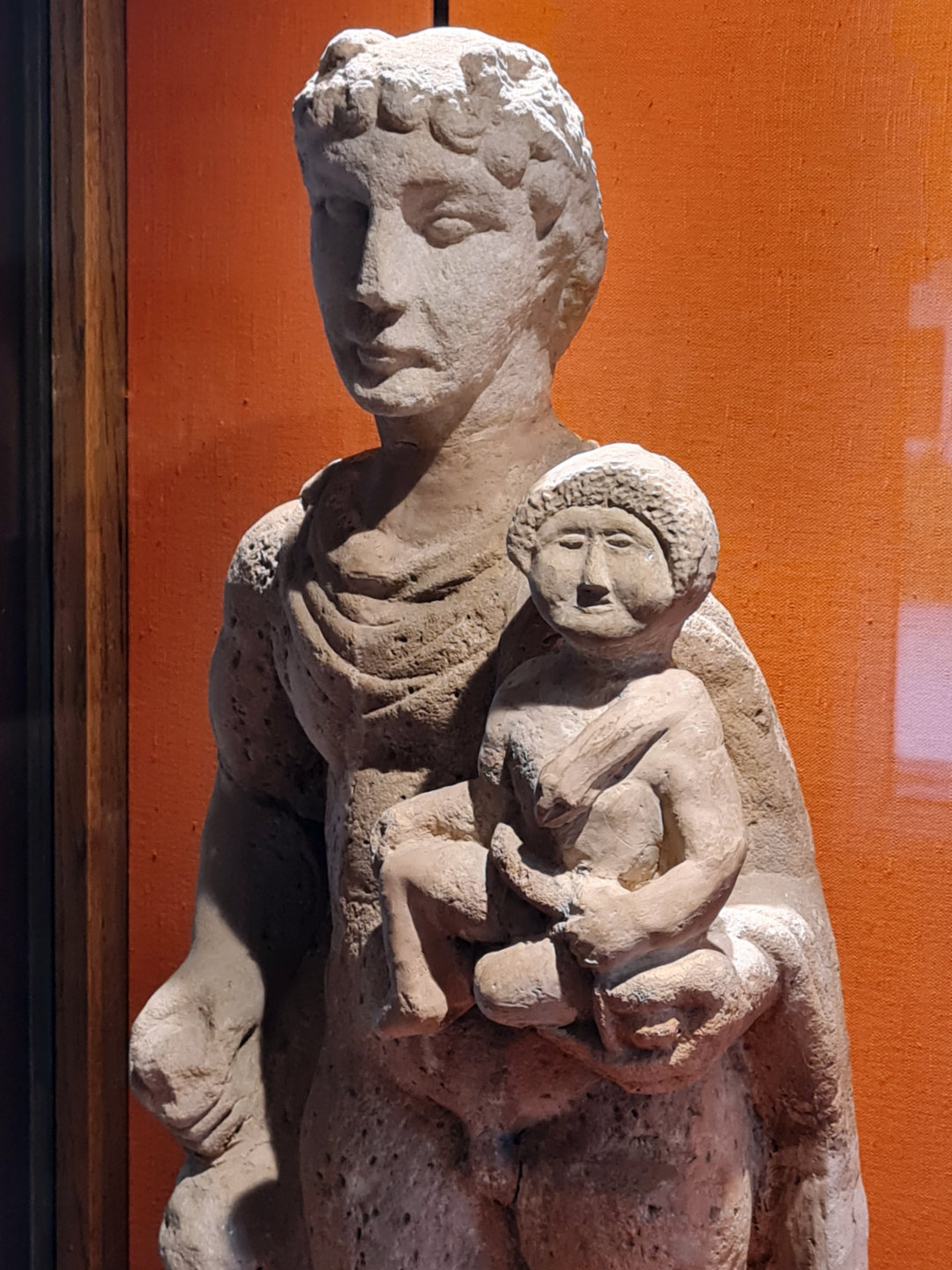
The Stockstadt Mercury carries a purse and a small child around which a snake is coiled.
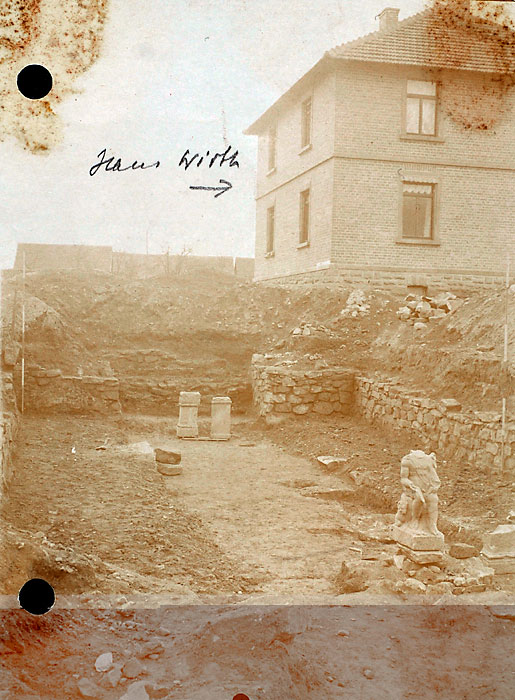
The Mithraeum I in Stockstadt contained images of Mithras but also of Mercury, Hercules, Diana and Epona, among others.
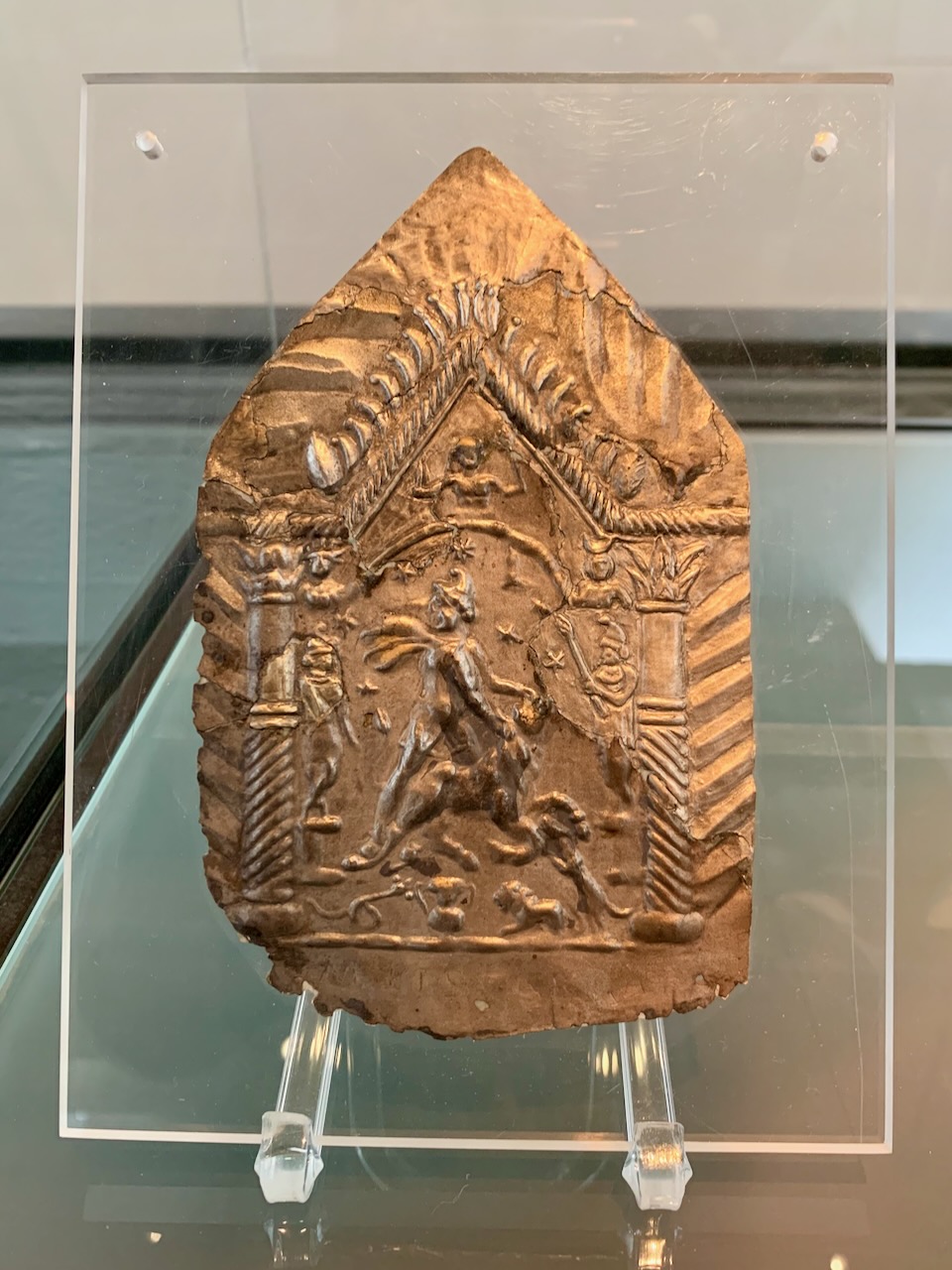
This plaque was found in Mithraeum I at Stockstadt broken into pieces inserted between the blocks of the socle of the cult relief, in the manner of a votive deposit.

The Mithraeum II in Stockstadt was in fact the first one known built in the vicus. It was destroyed by fire around 210.
Sandstone relief depicting the god Aion, standing with wings, a staff and a key, accompanied by a lion and a serpent-entwined vessel.

An inscription mentioning a speleum decorated by Publilius Ceionius suggests the location of a mithraeum in Cirta, the capital of Numidia.
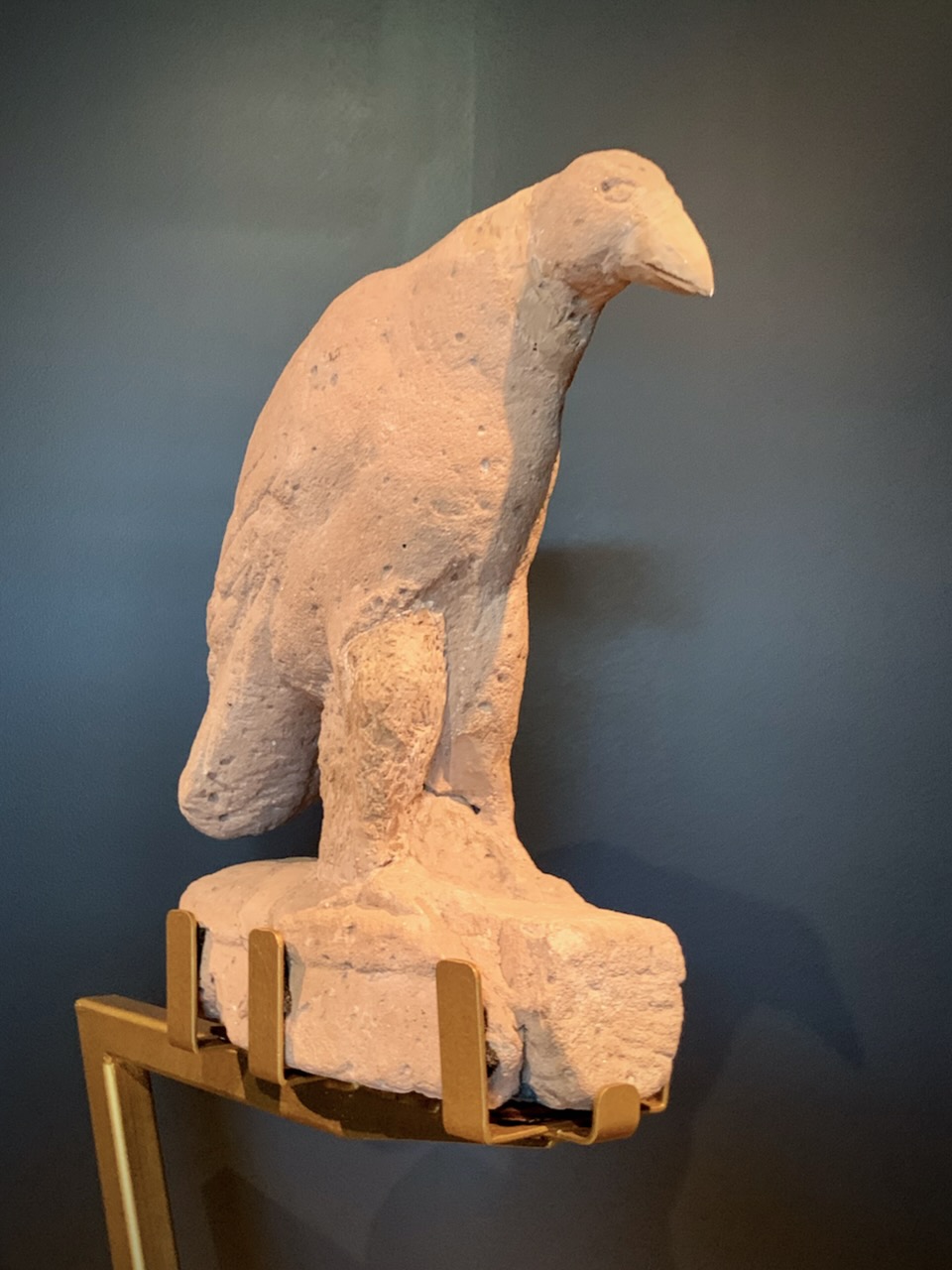
The Stockstadt Raven is one of only two standing-alone sculptures of this bird to be found in Mithraic statuary.

This gemstone depicting Mithras killing the bull, preserved in the Ploiești Museum, originated from Prahova County or south of the Danube area.
This marble of Cautes was found together with his partner Cautopates in Ostia in 1939.
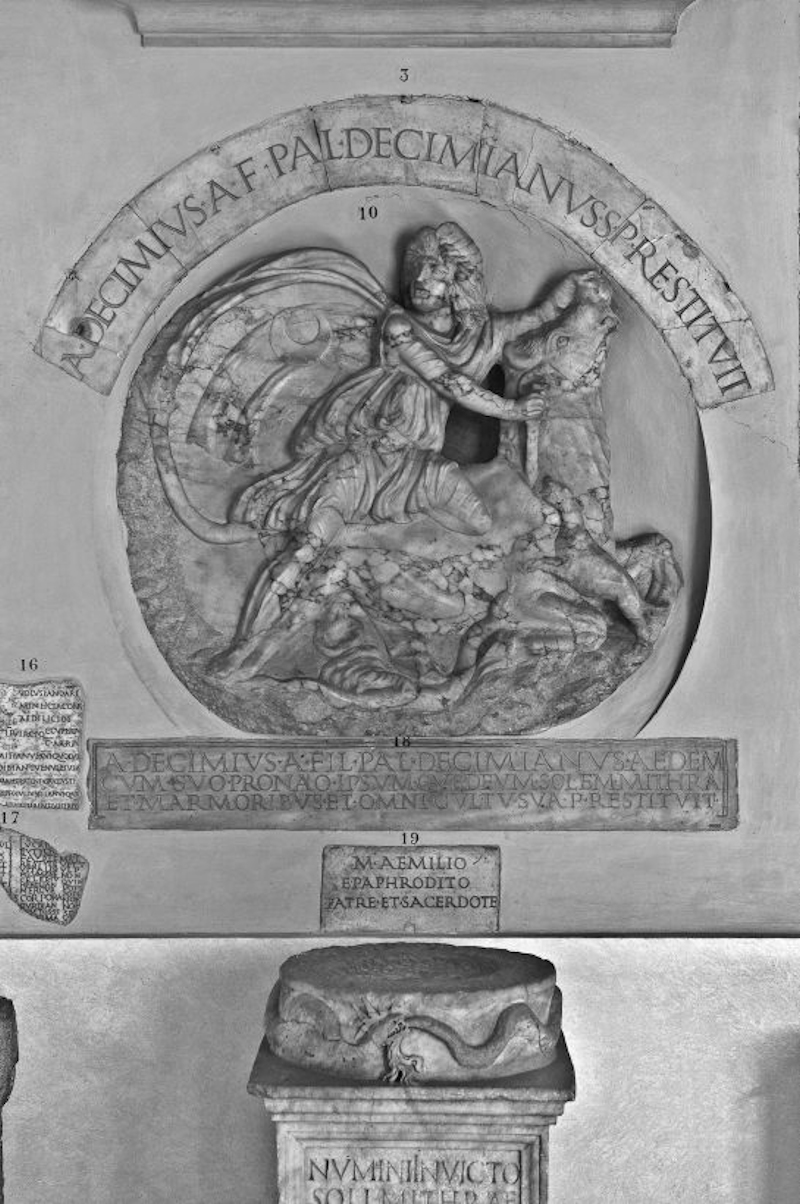
The relief of Mithras slaying the bull from the Mithraeum of the Seven Spheres was discovered in 1802 by Petirini by order of Pope Pius VII.
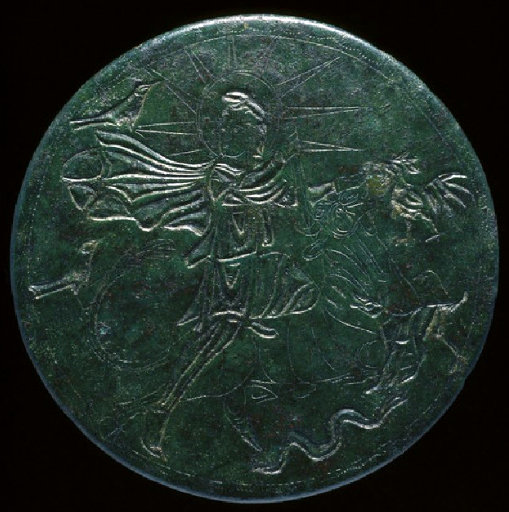
In the Mithraic bronze brooch found in Ostia, Cautes and Cautopates have been replaced by a nightingale and a cock.
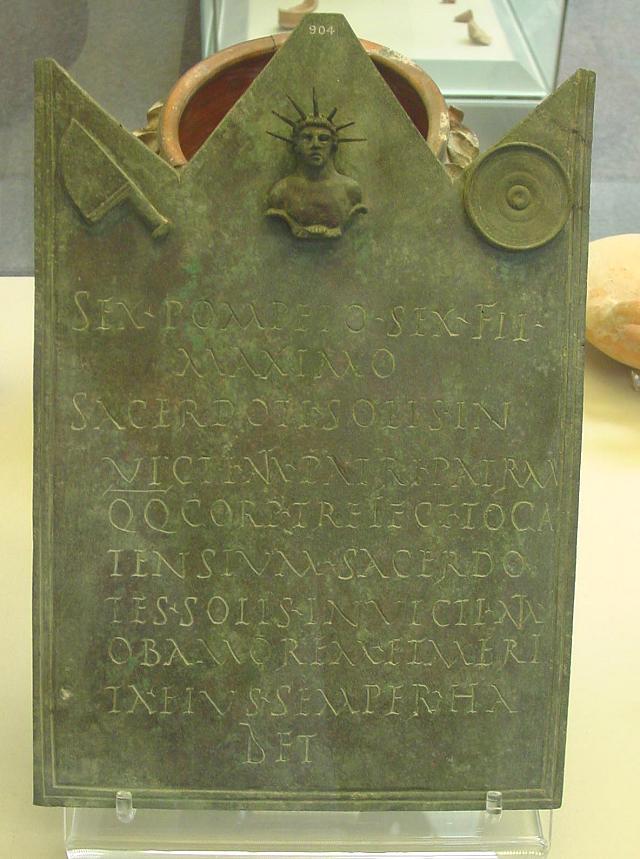
This plaque, now on display in the British Museum, may have come from the Aldobrandini Mithraeum in Ostia.
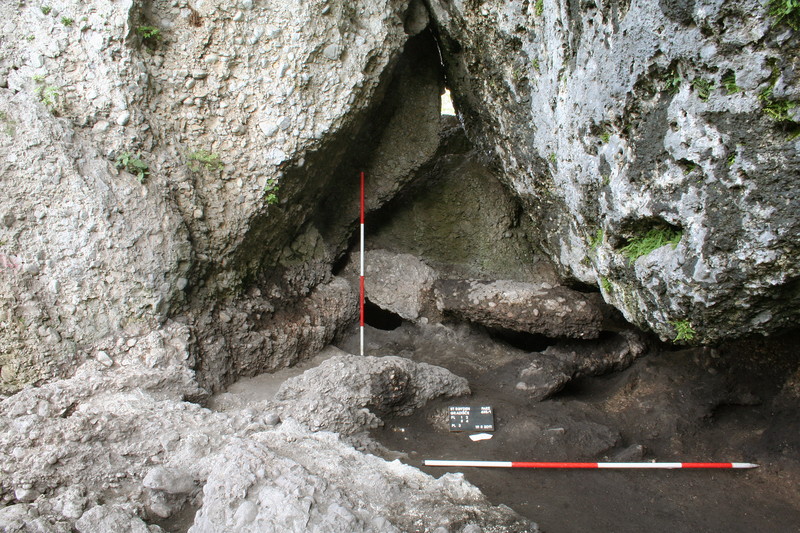
The 'Mithraic cave' in the Gradische/Gradišče massif near St. Egidio contained vessels decorated with snakes and the remains of chicken bones and other animals that were consumed during Mithraic ceremonies.
The dedicator of this marble basin could be the same person who offered the sculpture of Mithras slaying the bull in the Mitreo delle Terme di Mitra.
This inscription, found in the Mitreo della Planta Pedis, among some other monuments in Ostia, suggests a link between Mithras and Silvanus.
Marble head of Helios-Mithras with curly hair and seven holes for fastening rays, from the Mitreo degli Animali at Ostia, Lateran Museum.
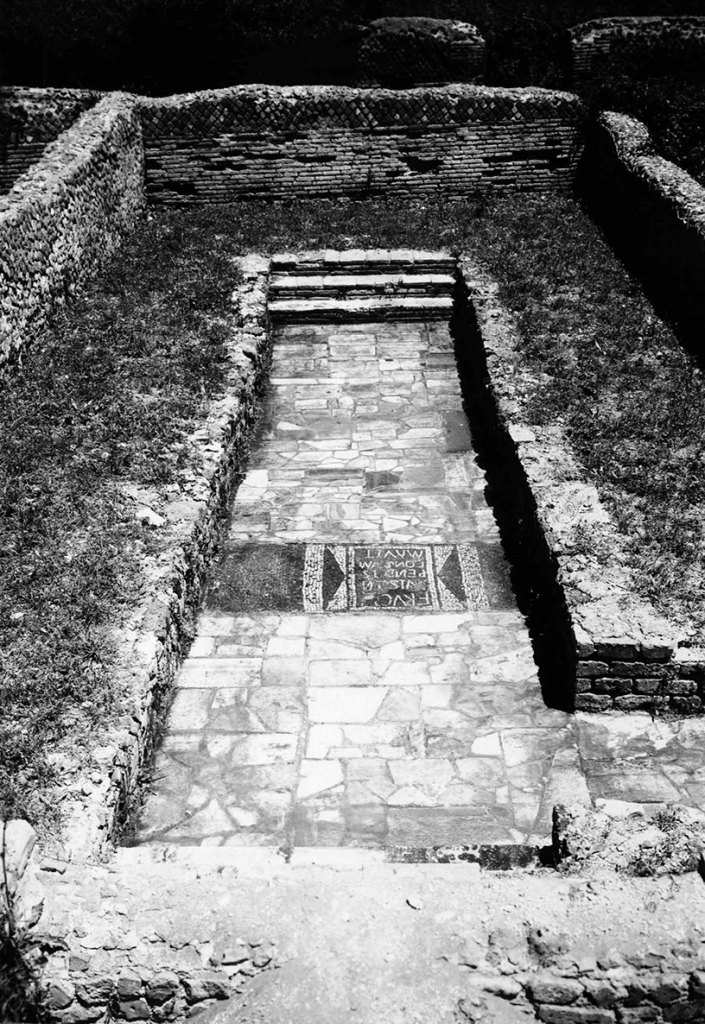
The Mithraeum of Sabazeus was found in one of the rooms of the Horrea built in the years 120 - 125 AD. The installation of the shrine may have taken place in the first half of the third century.
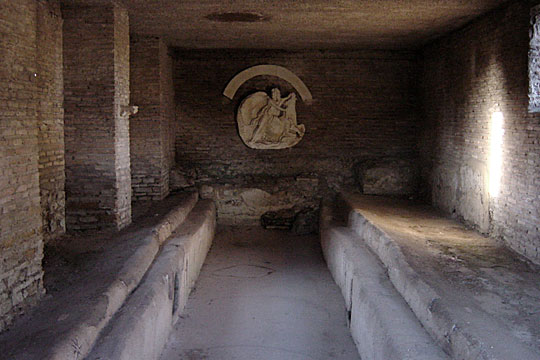
The Mithraeum of the Seven Spheres (Sette Sfere) is of great importance for the understanding of the cult, because of its black-and-white mosaics depicting the planets, the zodiac and related elements.
