Your search Rosa María Cid gave 235 results.

This altar, which has now disappeared, was dedicated by the slave Quintio for the health of a certain Coutius Lupus.
Between the 1st and 4th centuries, Mithraism developed throughout the Roman world. Much material exists, but textual evidence is scarce. The only ancient work that fills this gap is Porphyry’s intense and complex essay.
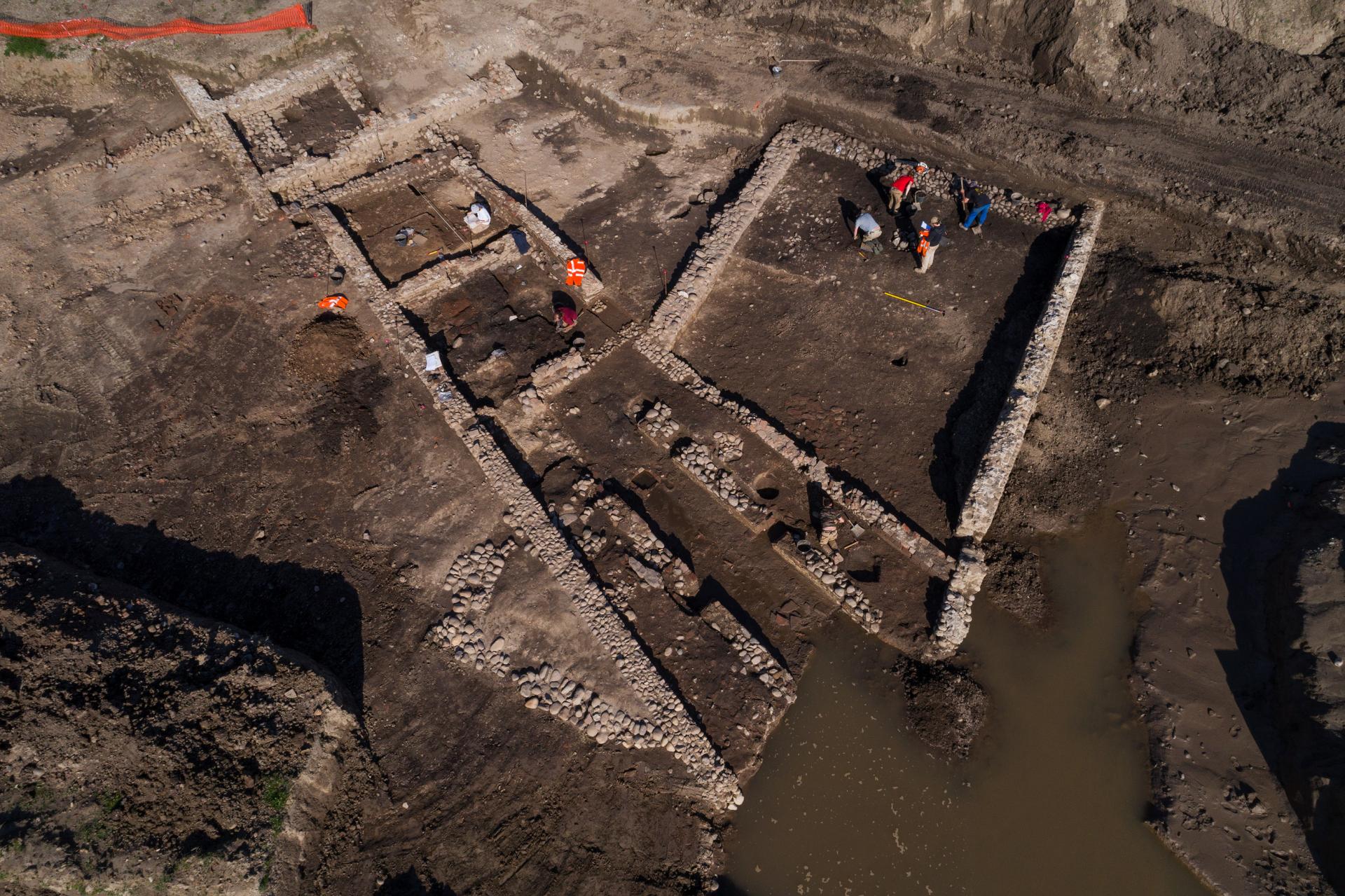
L’Inrap vient de mettre au jour un lieu de culte dédié au dieu Mithra sur le site de Mariana, à Lucciana, France.
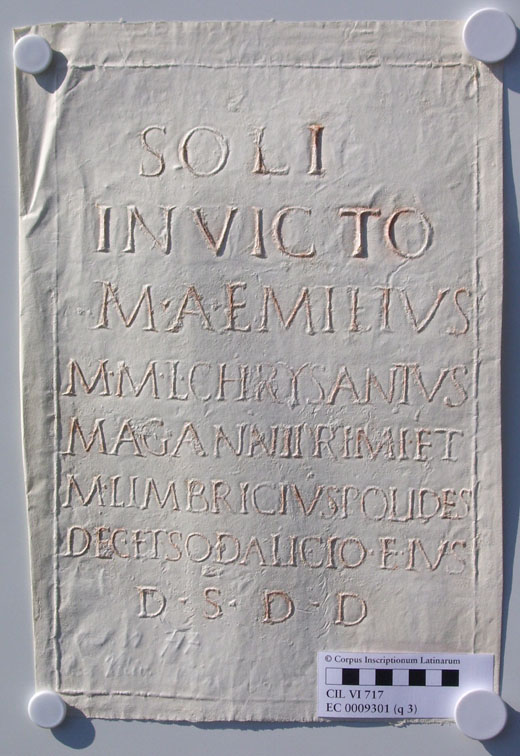
Aemilius Chrysanthus shares the expenses of this monument with a decurio named Limbricius Polides.
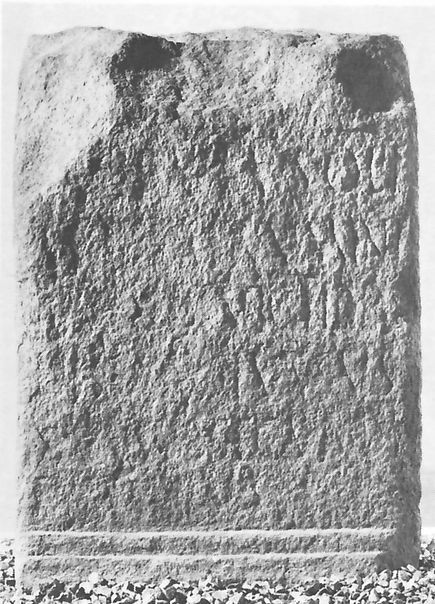
The v in this small altar found in Novaria has been interpreted by some commentators as qualifying Mithras as victorious.
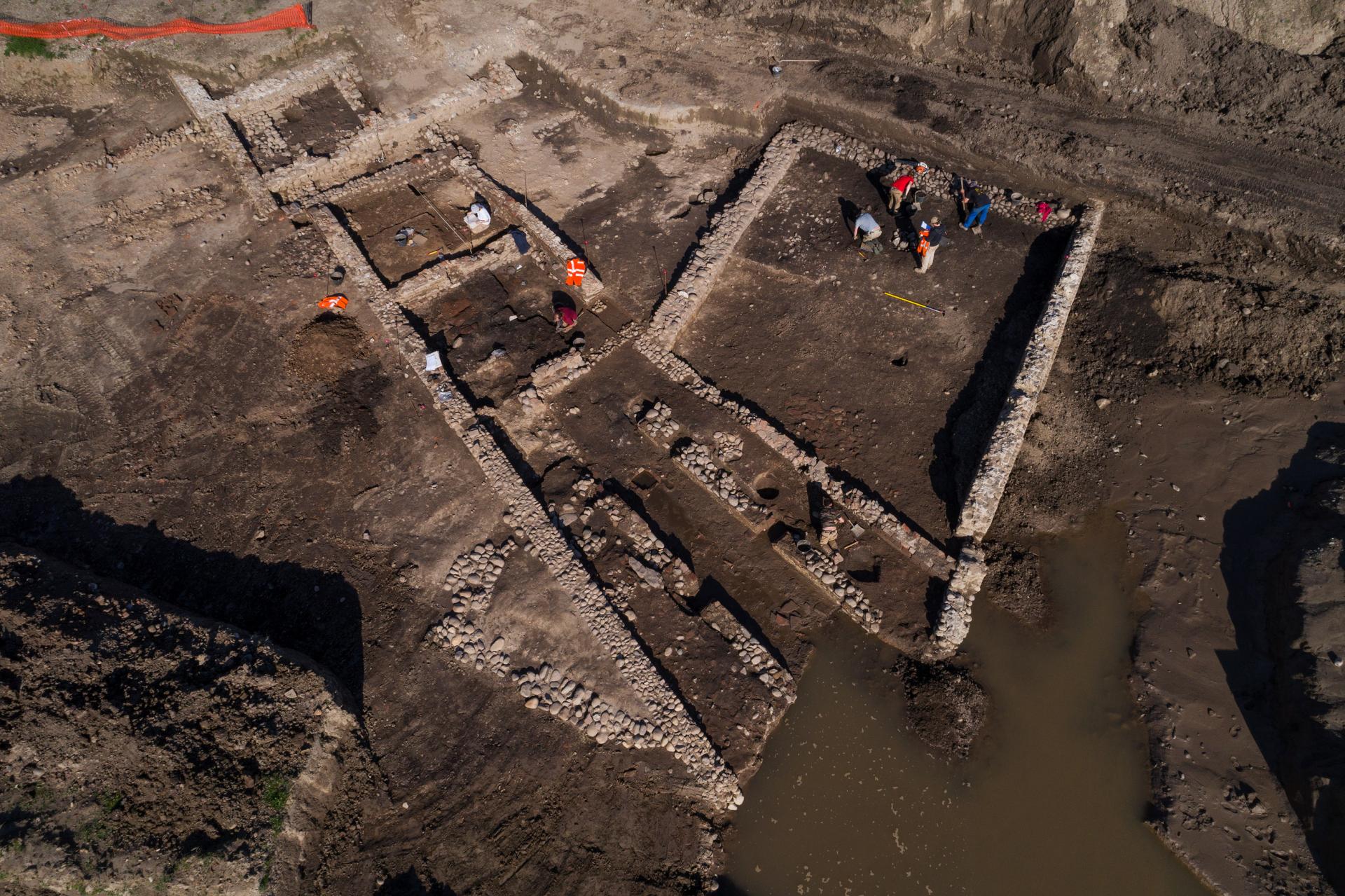
For the first time, a Mithraeum has been discovered in Corsica, at the site of Mariana, Lucciana (Haute-Corse).

The Mithraeum at Capua is in many respects one of the most important sanctuaries of the Iranian god who in the first centuries of our era conquered the Roman world.

Magazine Jardin des arts. Numéro spécial consacré aux colosses de Nemrut Dagi.
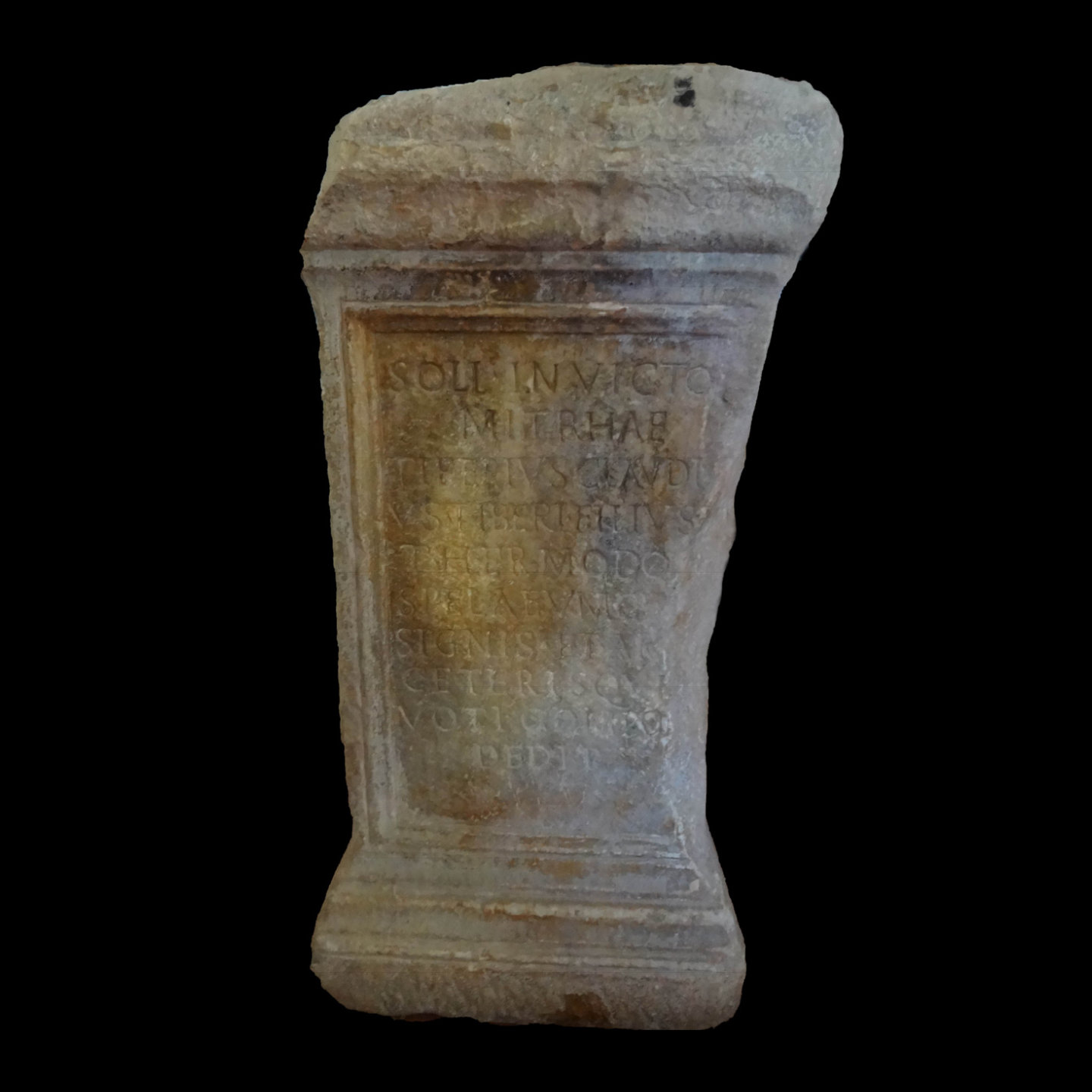
The donor of this Mithraic inscription from Bolsena, a certain Tiberius Claudius Thermoron, is known from two other monuments.

Mithraic devotee known from Dacia and tentatively associated with inscriptions from Rome and Poetovio.
The Fagan Mithraeum, also known as the Mithraeum of Tor Boacciana, yielded remarkable sculptures of lion-headed deities, several of which are now preserved in the Vatican Museums.
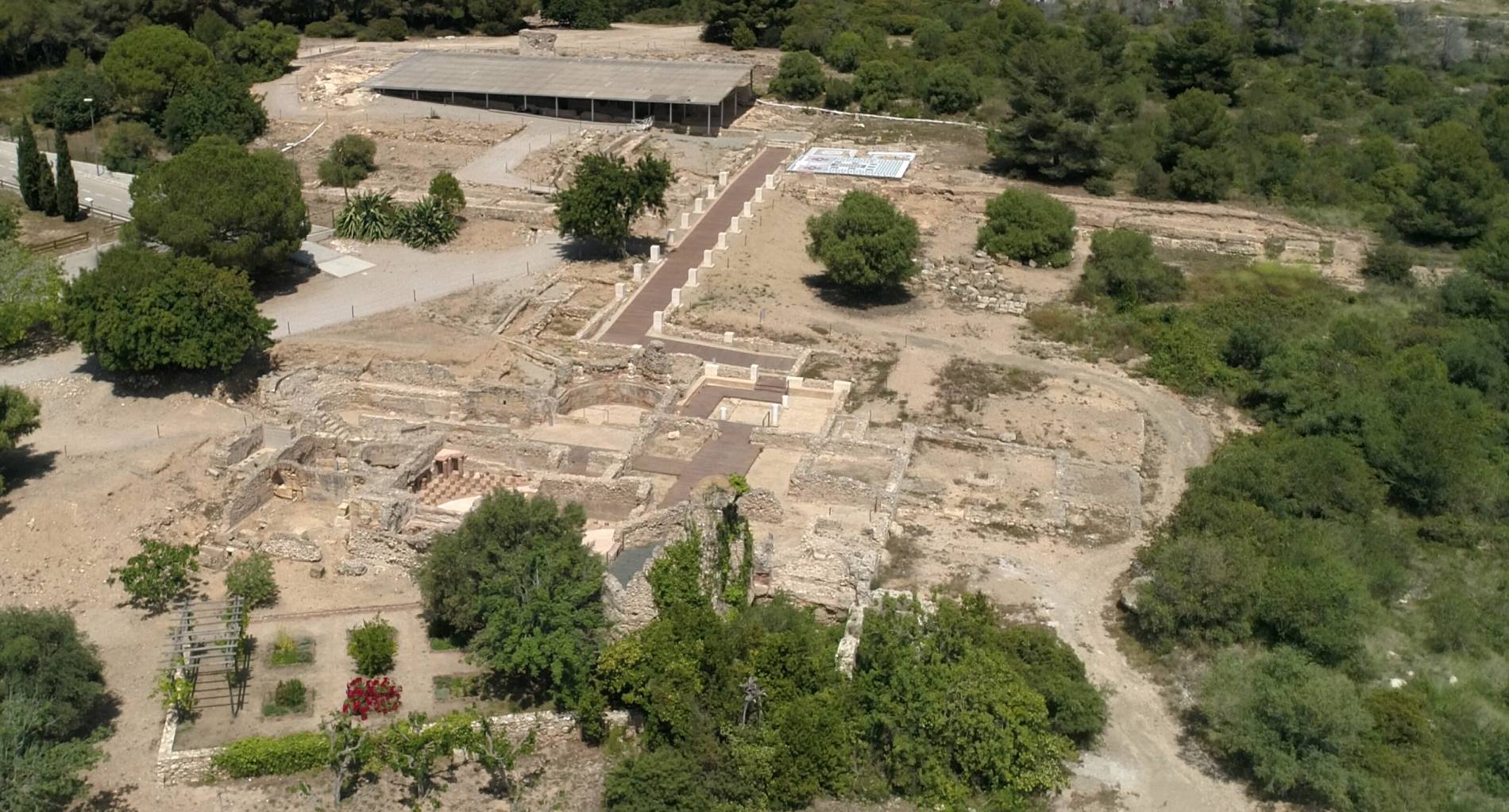
A possible Mithraic sanctuary attached to the luxurious Roman villa of Els Munts, near ancient Tarraco, whose interpretation remains disputed.
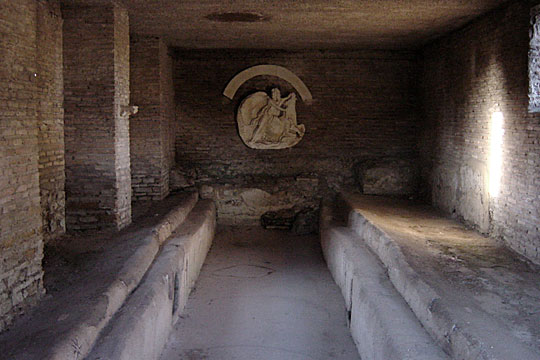
The Mithraeum of the Seven Spheres (Sette Sfere) is of great importance for the understanding of the cult, because of its black-and-white mosaics depicting the planets, the zodiac and related elements.
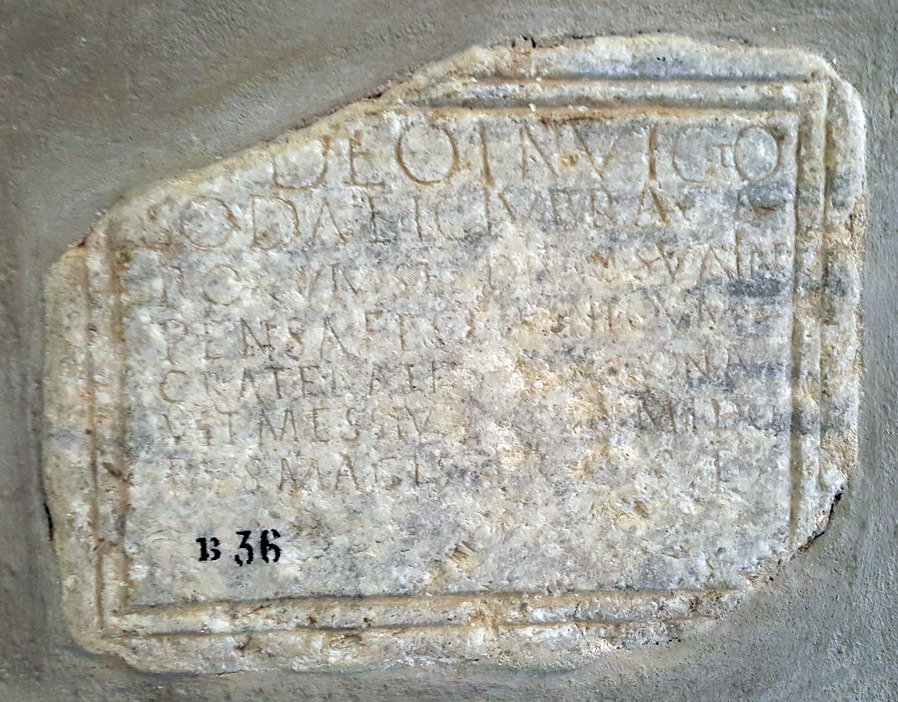
Marble inscription recording the construction of a Mithraic meeting place and the donation of a crater by Titus Flavius Artemidorus.
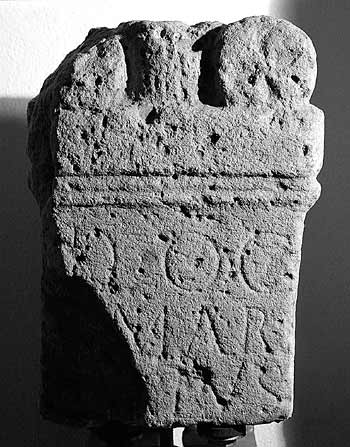
These two inscriptions by a certain Titus Martialius Candidus are dedicated to Cautes and Cautopates.

Early Mithraic Leo from Novae whose name has been associated with the honey symbolism of the leonine grade.
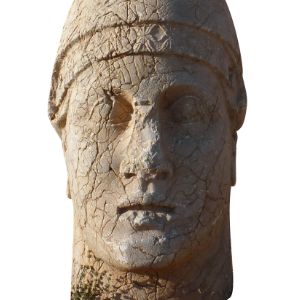
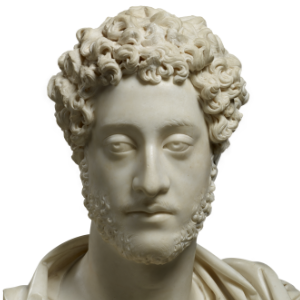
Roman emperor traditionally regarded as the first ruler initiated into the Mysteries of Mithras.


