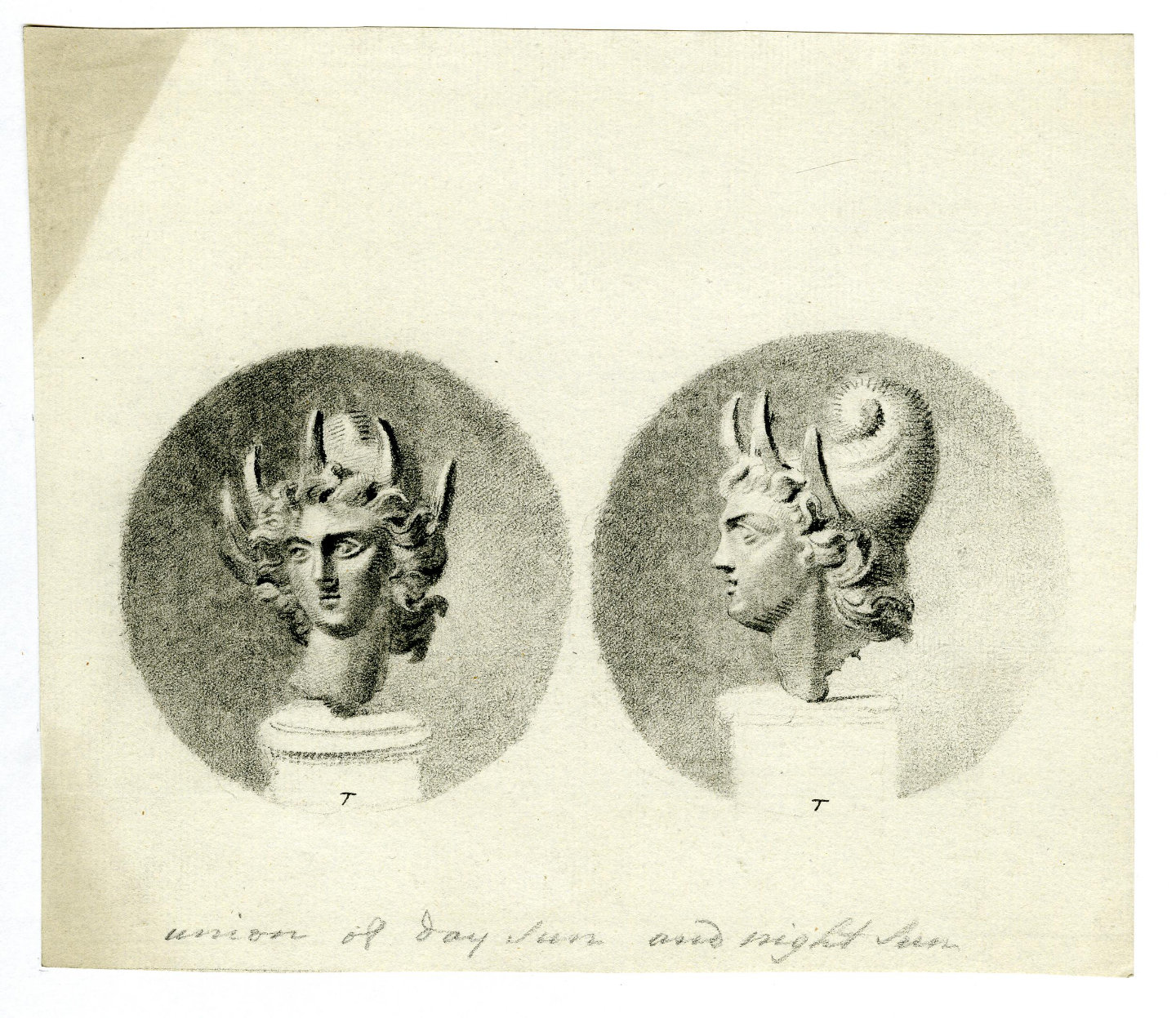
Your search San Giovanni al Timavo gave 3161 results.
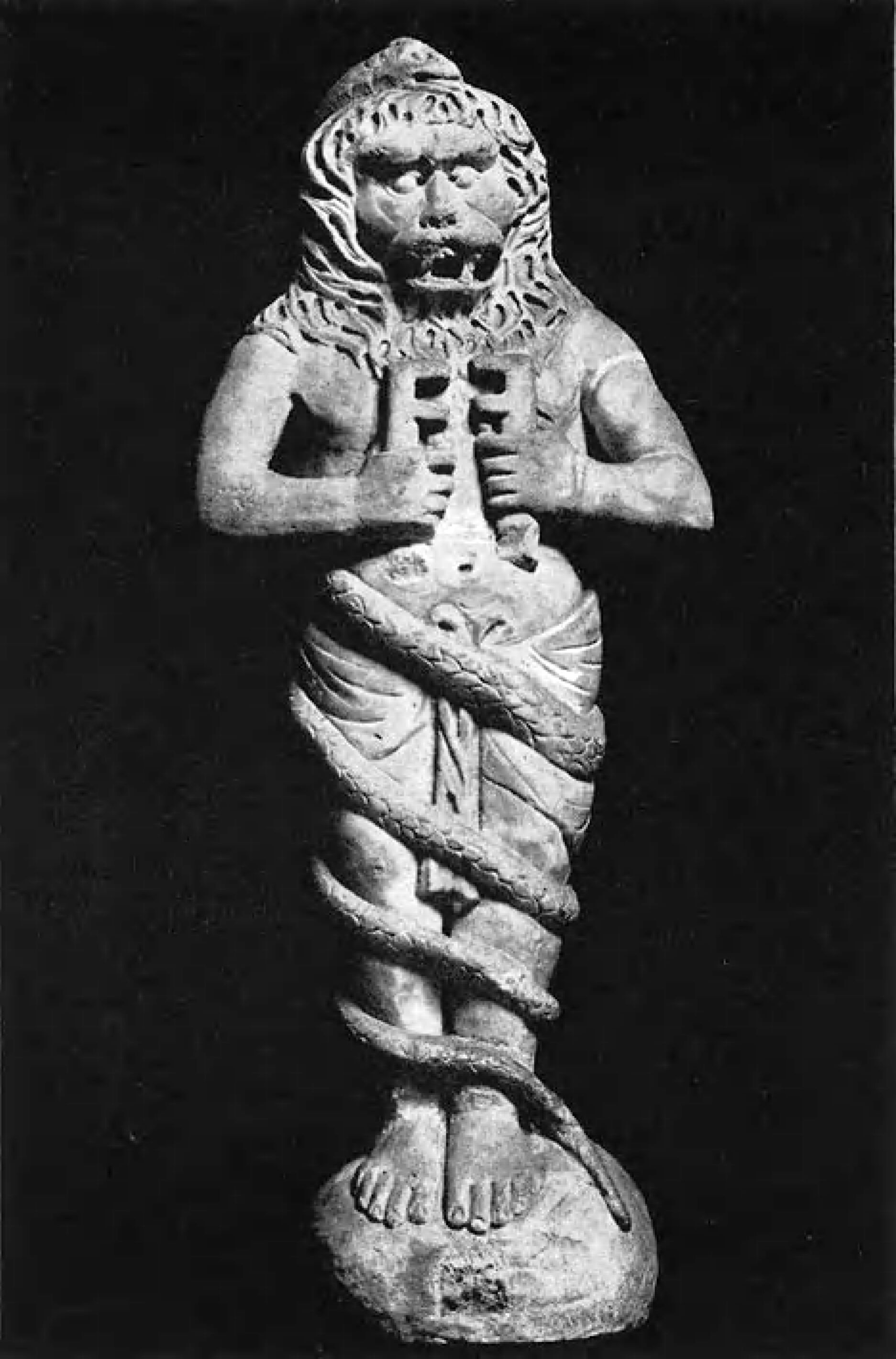
The lion-headed marble from Muti's gardens has a serpent entwined in four coils around his body.
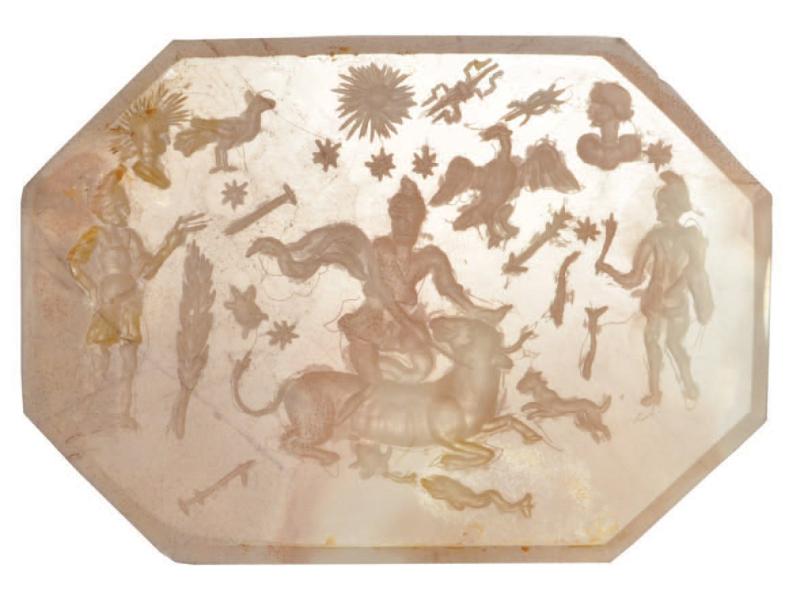
Large intaglio engraved with Mithras as bull slayer surrounded by a peculiar version of Cautes and Cautopates and other celestial deities.
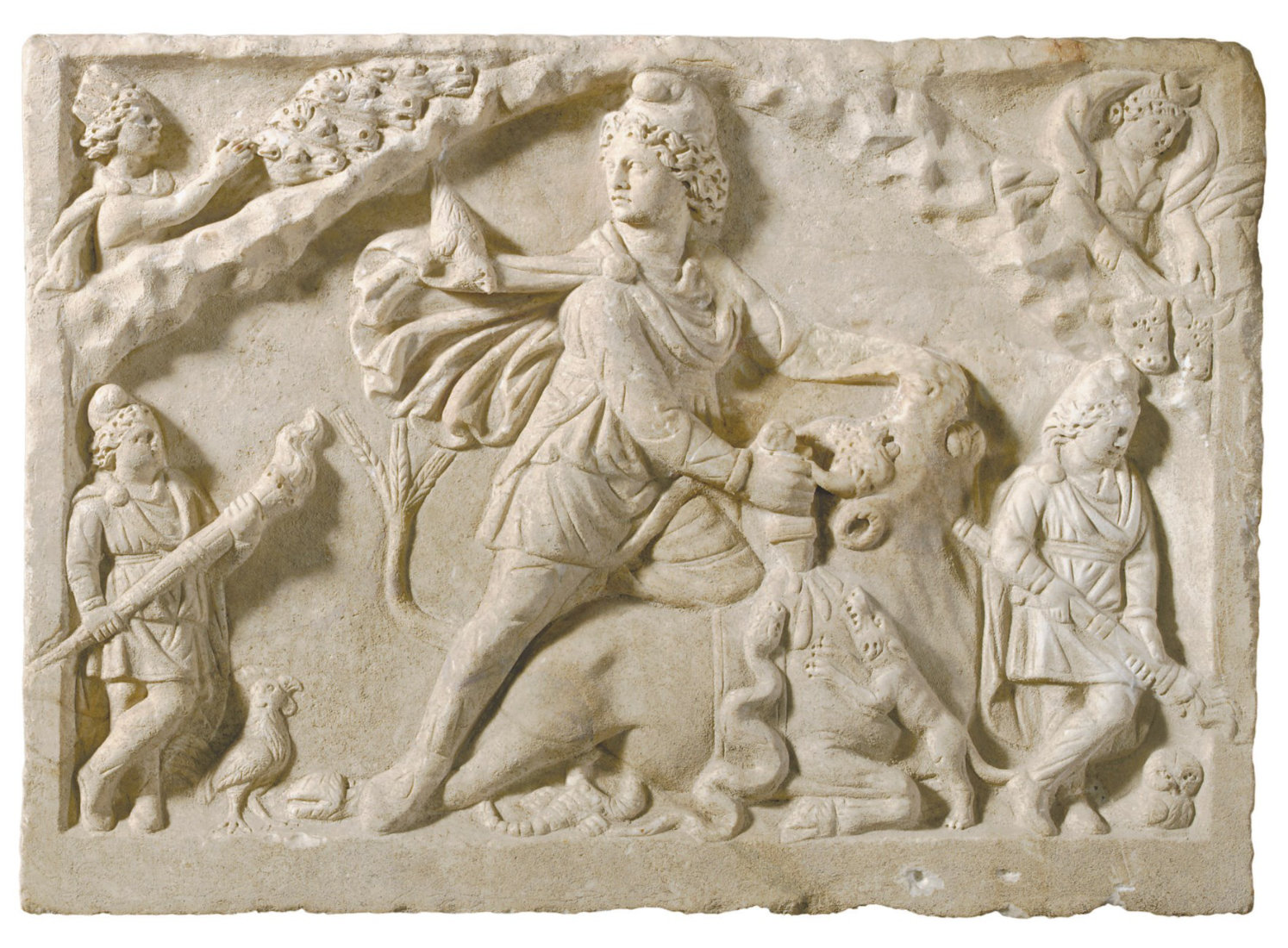
This relief of Mithras killing the bull includes an unusual owl at the feet of Cautopates and a cock next to Cautes.
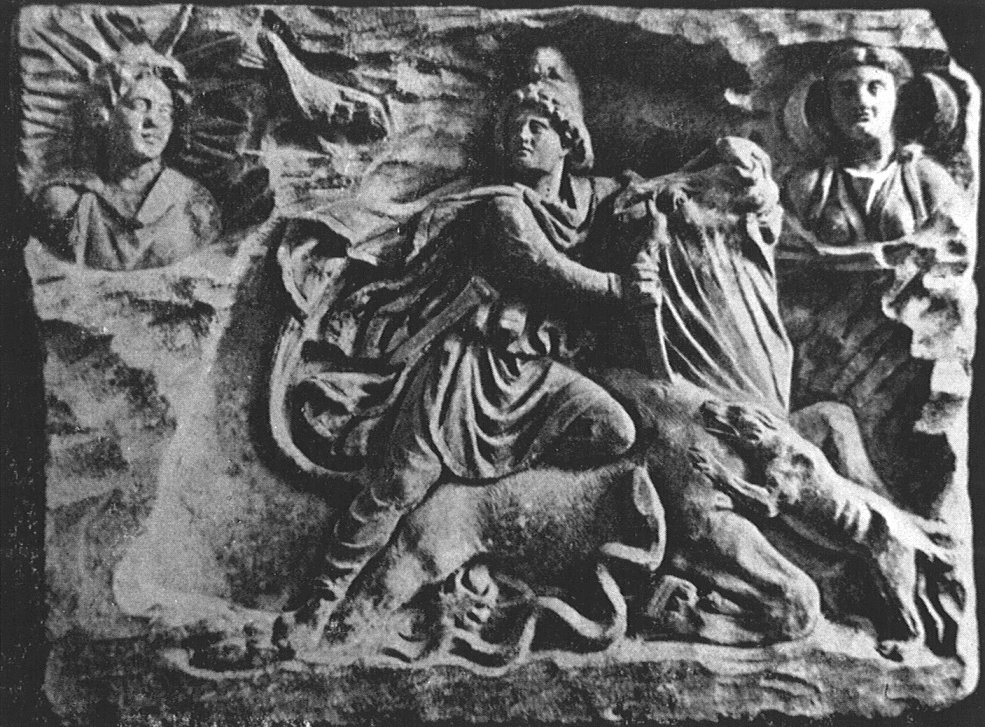
This marble relief depicting Mithras as a bull slayer was found in the back room of the Mithraeum of the Circus Maximus.

This marble relief depicting Mithras killing the bull, found at Porto d’Anzio in 1699 and now lost, is known from a engraving by del Torre.

Fragments of a marble relief of Sol, which probably served as a fenster.
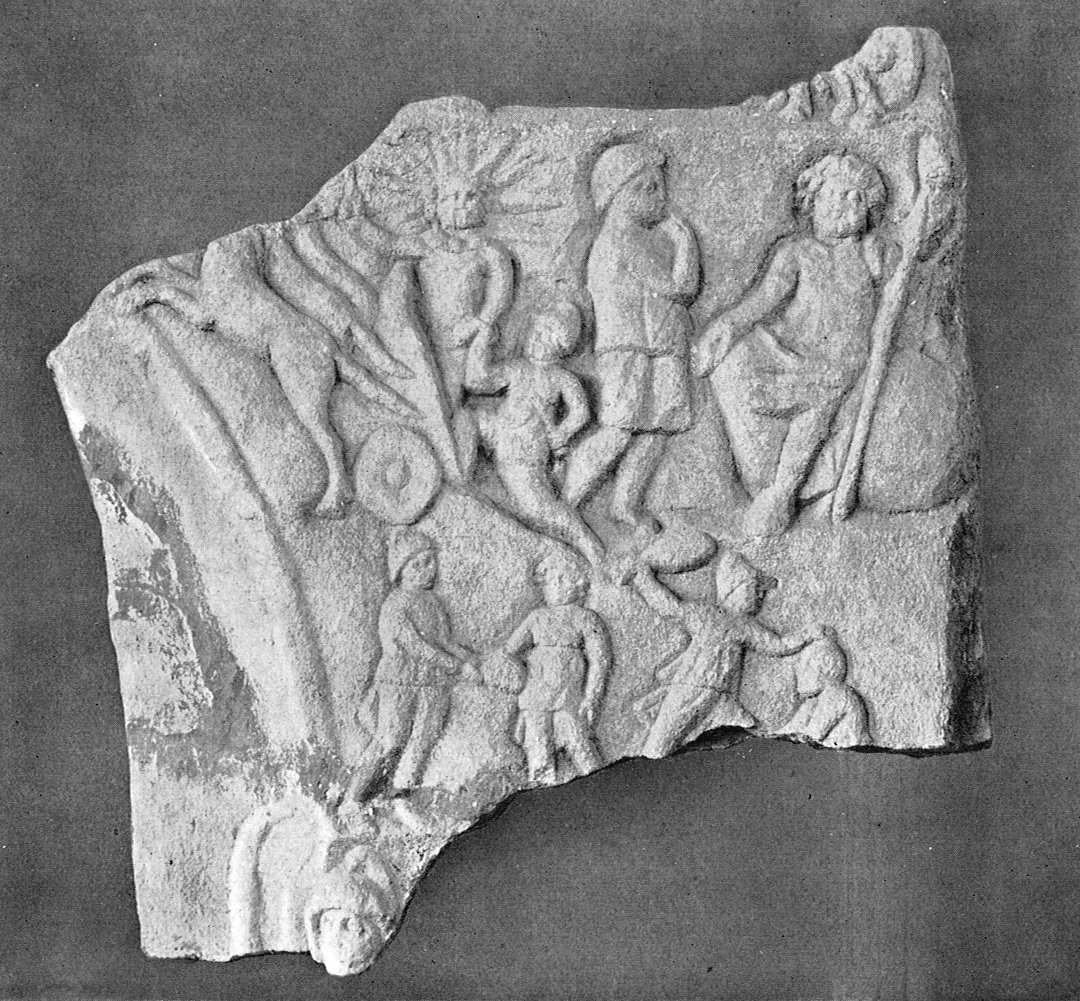
Several Mithraic scenes, including Mithras with Saturn, Mithras with Sol and Mithras' Ascension, are depicted on this fragment of a relief from Ptuj.
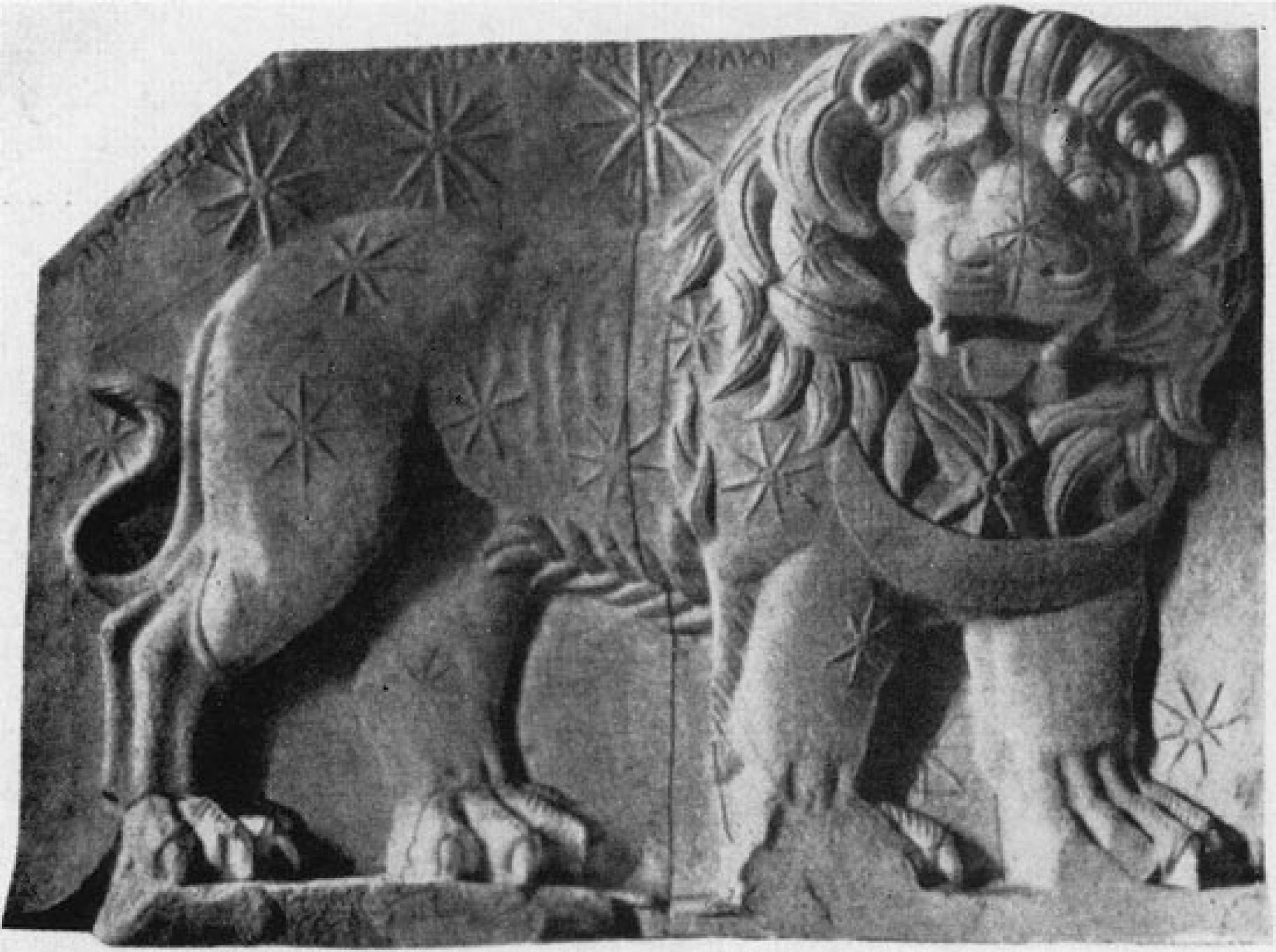
The lion relief from Nemrut Dag has the moon and several stars over his body.
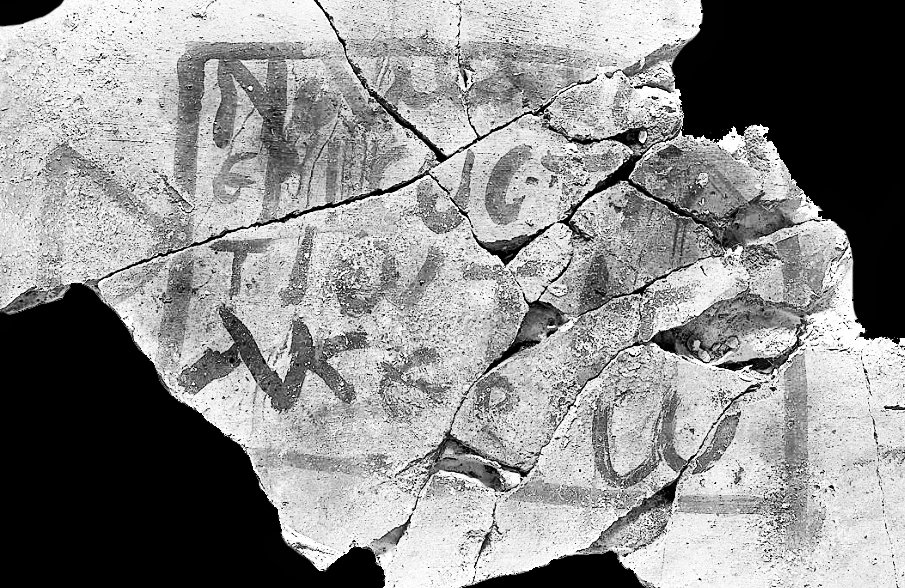
The text mentions a certain Kamerios, described as immaculate miles.

Roman stone low-relief depicting Mithras as a bull-slayer, with the upper part of his head missing.

Two marble statues of Cautes and Cautopates discovered in the Mithraeum of Rusicade, accompanied by symbolic animals including a lion, scorpion, dolphin and bird.
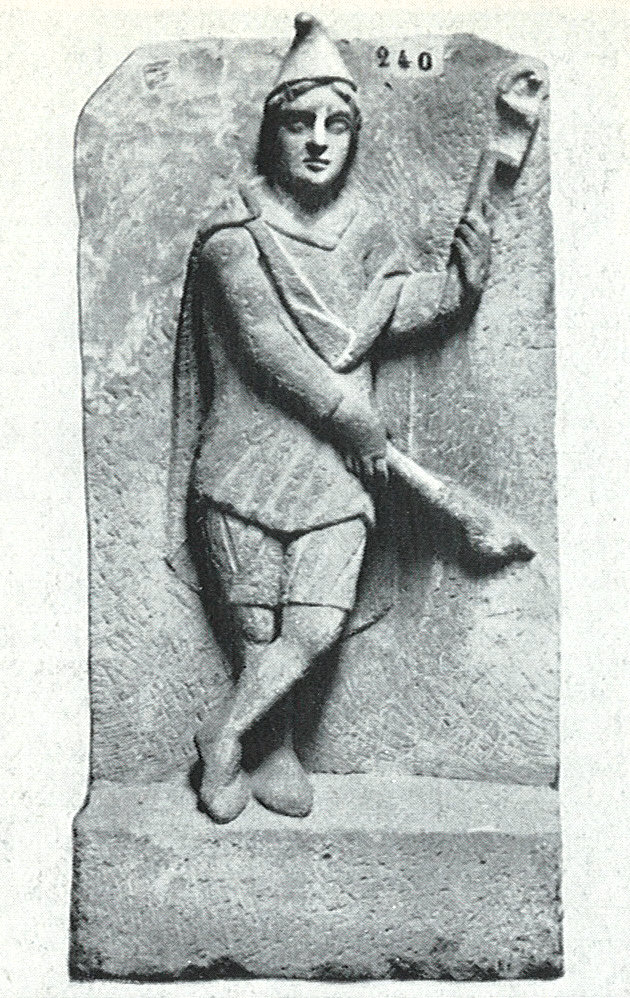
This Cautopates from Nida carries the usual downward torch in his right hand and a hooked stick in his left.
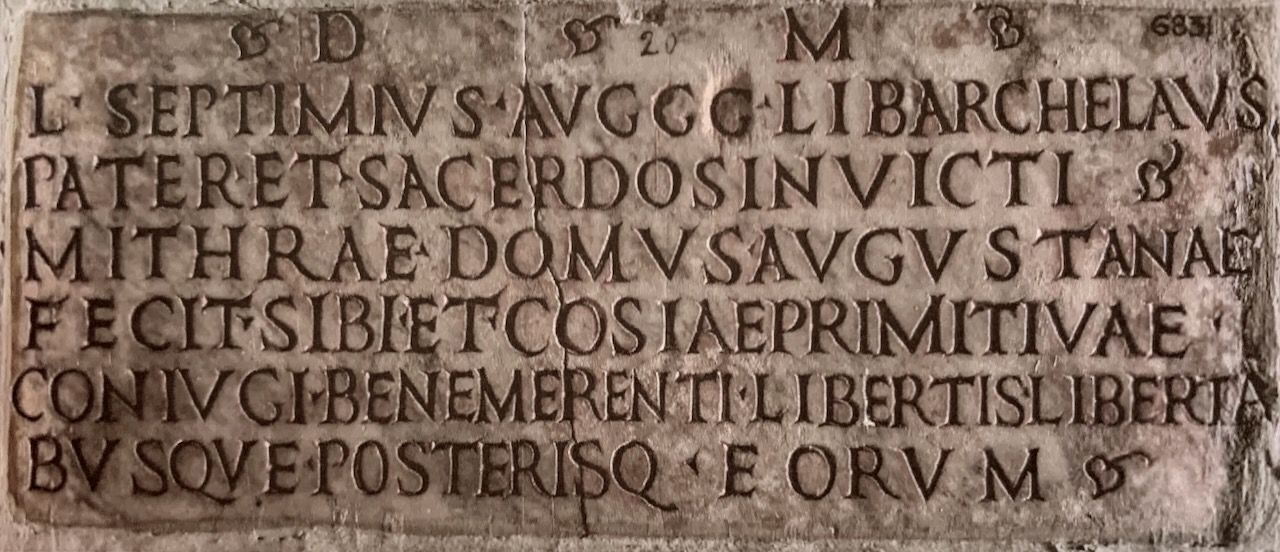
Marble funerary plaque erected by Lucius Septimius Archelaus, a Pater and priest of Mithras, for himself, his wife, and their freedmen and descendants.
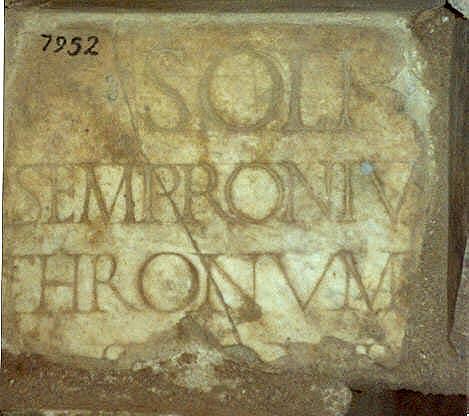
Slab marble indicates that Lucius Sempronius has donated a throne to the Mitreo delle Pareti Dipinte.
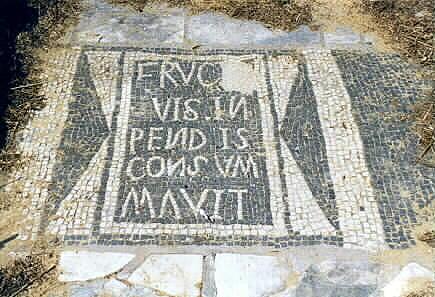
The mosaic bears an inscription indicating the name of the owner.
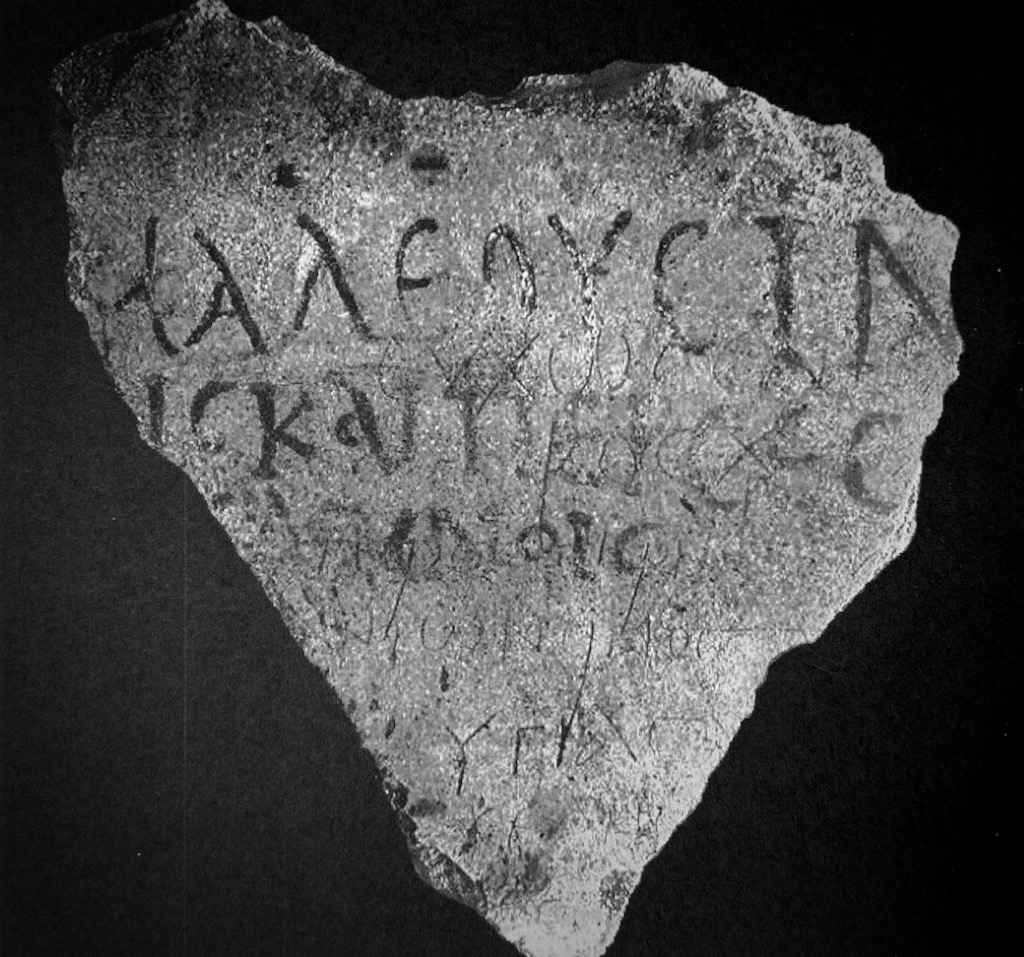
This short dipinto pays homage to the Lions and the Persians, the 4th and 5th Mithraic degrees.
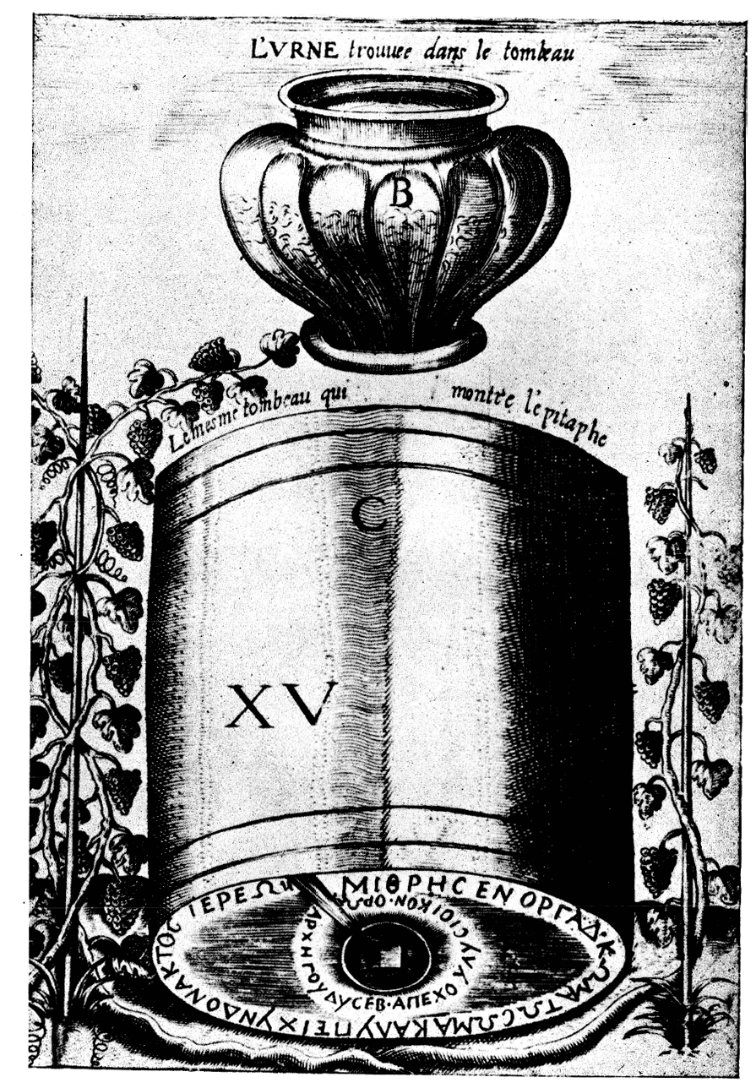
This funerary inscription, engraved on a stone urn discovered near Roman Dijon, mentions a certain Chyndonax, described as a priestly leader of Mithras.

This inscription by a certain Ioulianos, found at the entrance to the Dolichenum at Dura Europos, bears an inscription to Zeus Helios Mithras et Tourmasgade.