Your search Sulz am Neckar gave 1045 results.
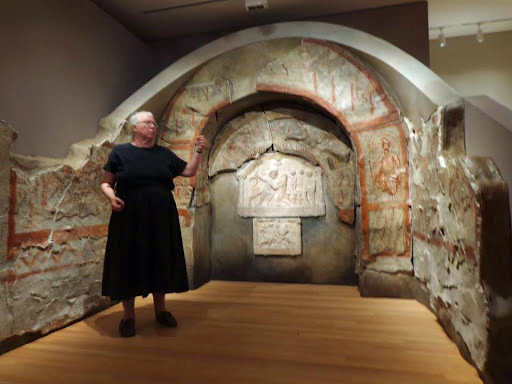
The 24th annual MithraCon has been announced! It will be held in New Haven Connecticut from Friday 26th to Sunday 28th April 2024. MithraCon, or the New England Convention of Mithraic Studies, is a small informal conference focused on the study and…
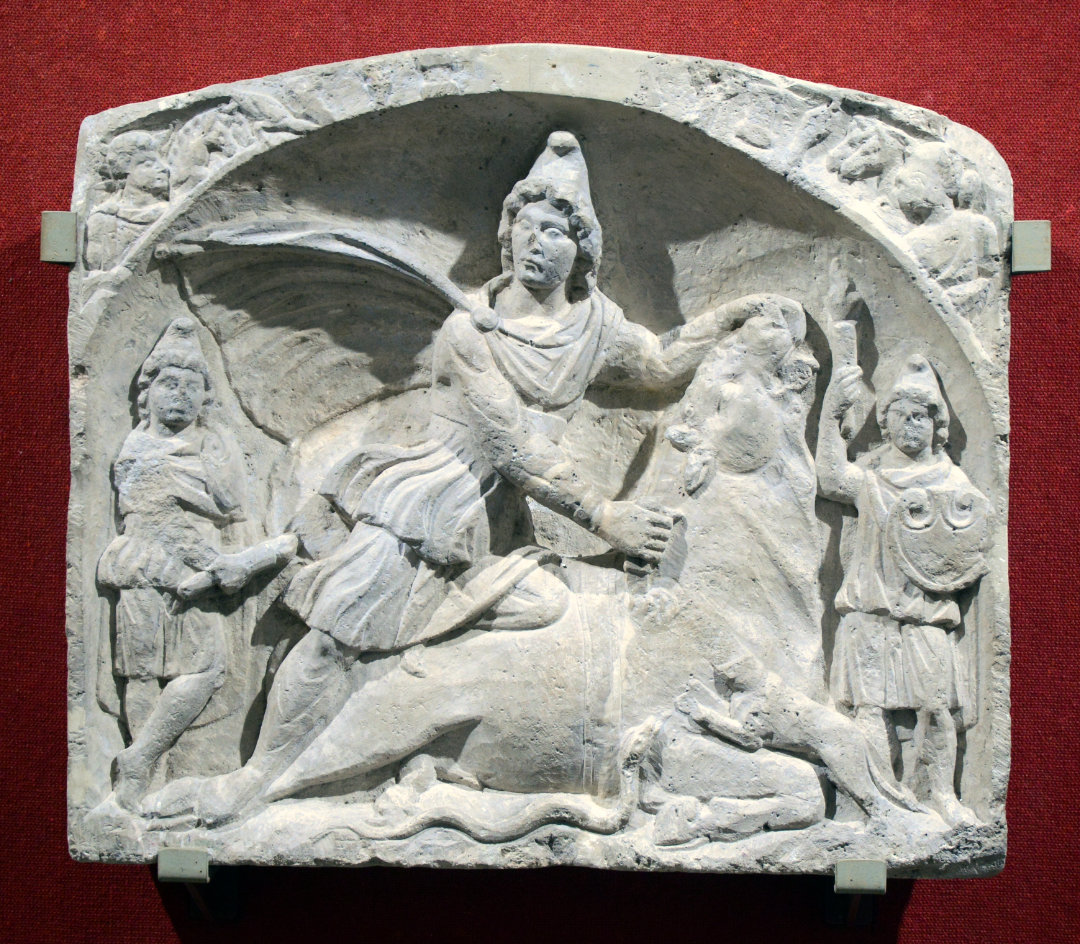
In this relief found in the Sárkeszi Mithraeum, Cautes and Cautopates hold an Amazon shield.

Are you a Fluent English Speaker? Are you interested in joining a bourgeoning community centred around camaraderie, knowledge and community building? If so, we invite you to join the Anglo-Mithraic Society! We offer a welcoming community…

In this 4th-century Roman altar, the senator Rufius Caeionius Sabinus defines himself as Pater of the sacred rites of the unconquered Mithras, having undergone the taurobolium.
A certain Secundinus, steward of the emperor, dedicated this altar to Mithras in Noricum, today Austria.
Minto has claimed that the time god Aion was painted on the corner of the north wall of the Mitreo de Santa Capua Vetere.

The Mithraeum I of Cologne is situated amid a block of buildings. It was impossible to narrowly determine its construction and lay-out.
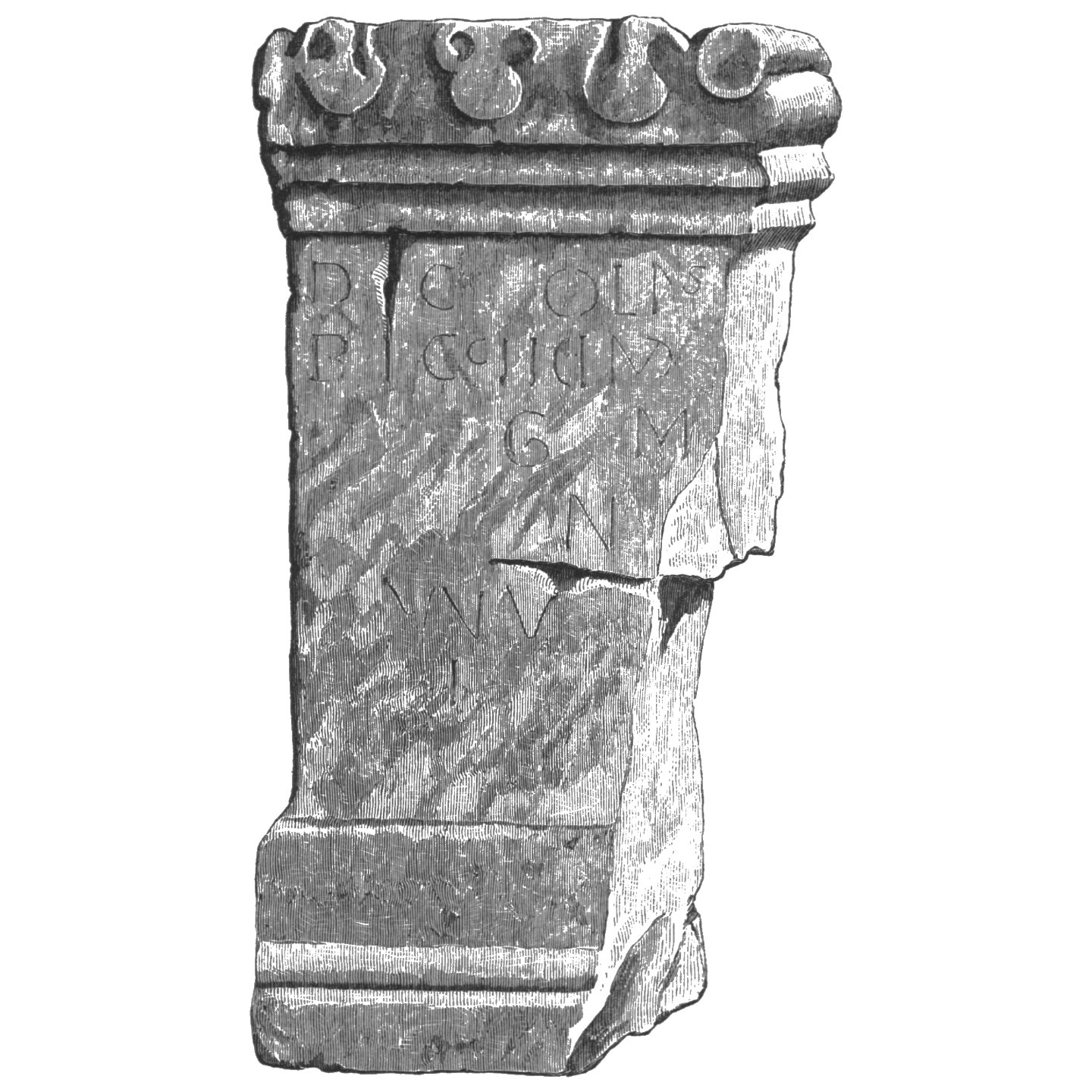
Horsley thought that, like some other inscriptions in the Naworth Collection, this altar also had come from Birdoswald.
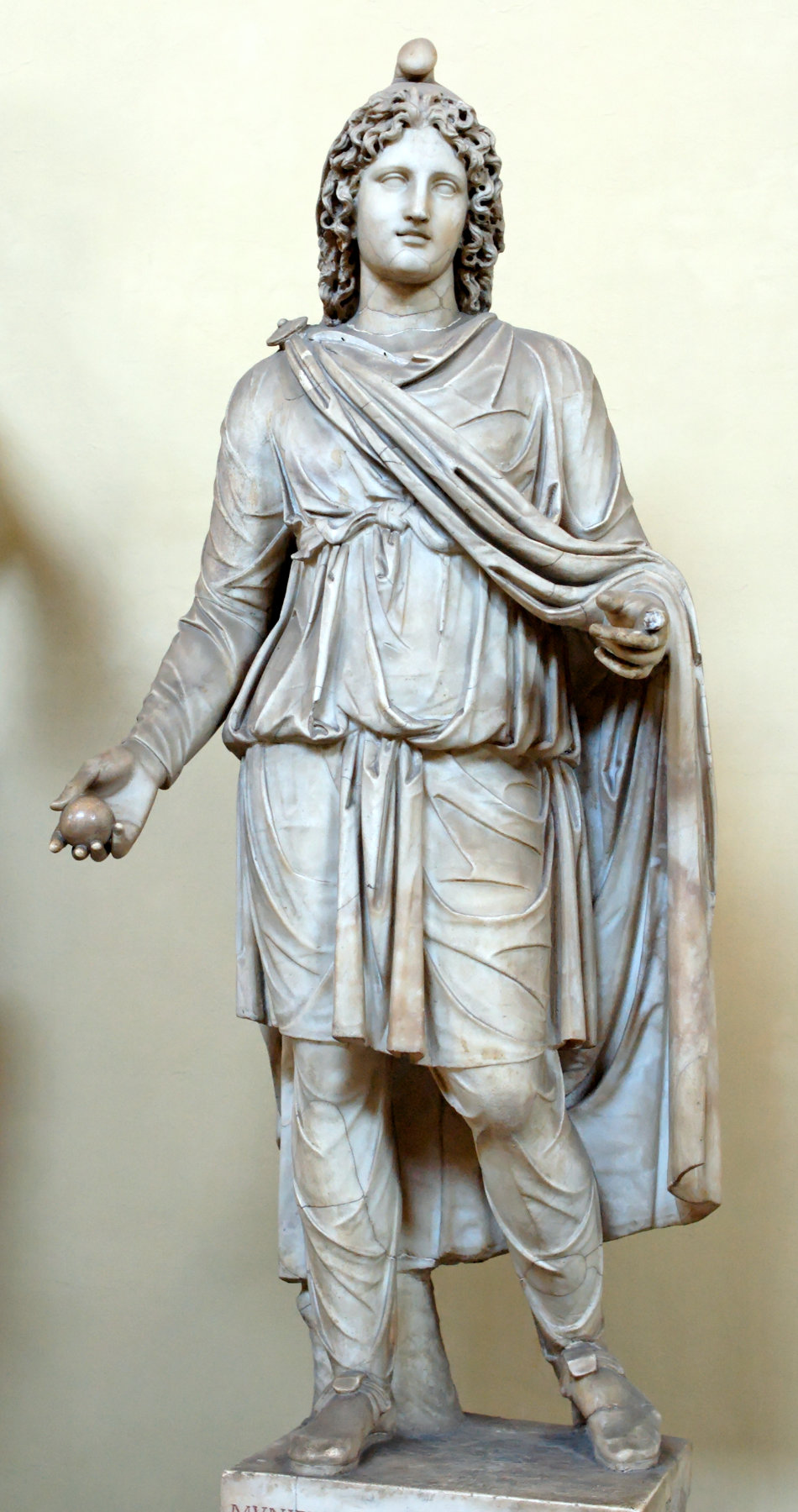
This sculpture, probably of Cautopates, now in the Musei Vaticani, was transformed into Paris.
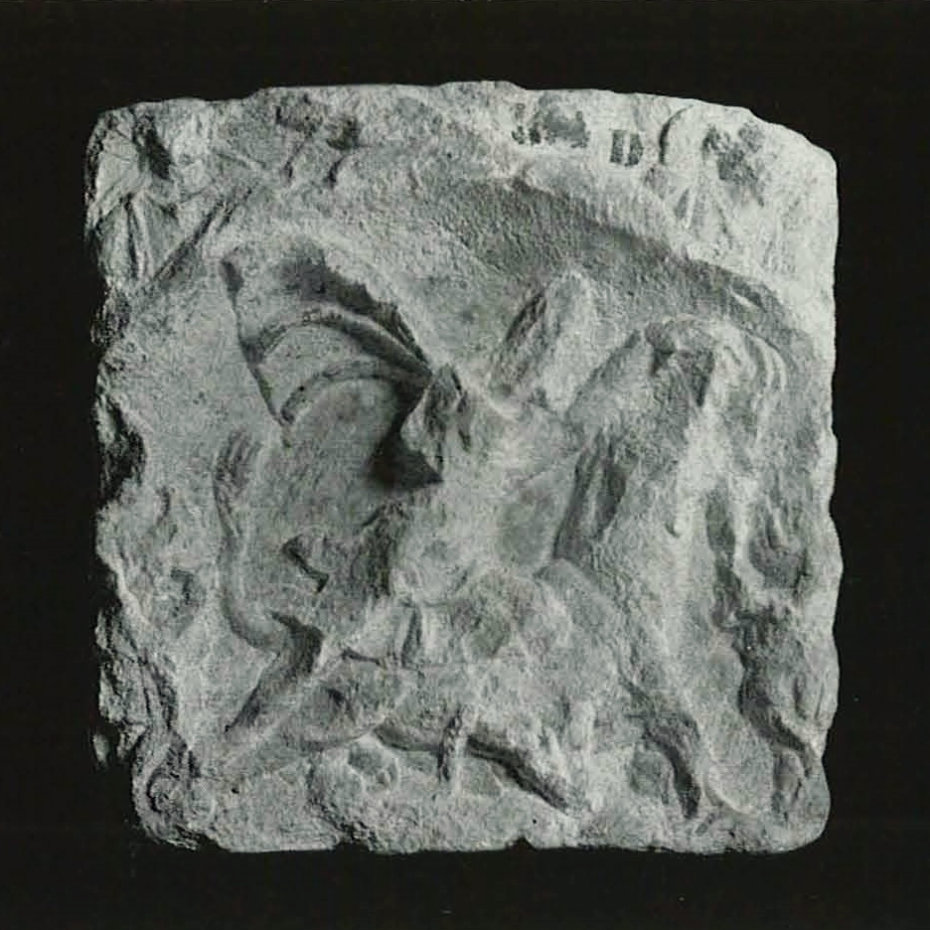
This damage relief of Mithras killing the bull was found walled into a house near Split, Croatia.
In the cult niche of the Mitreo del Caseggiato di Diana there is a list of words that could indicate names and measurements.
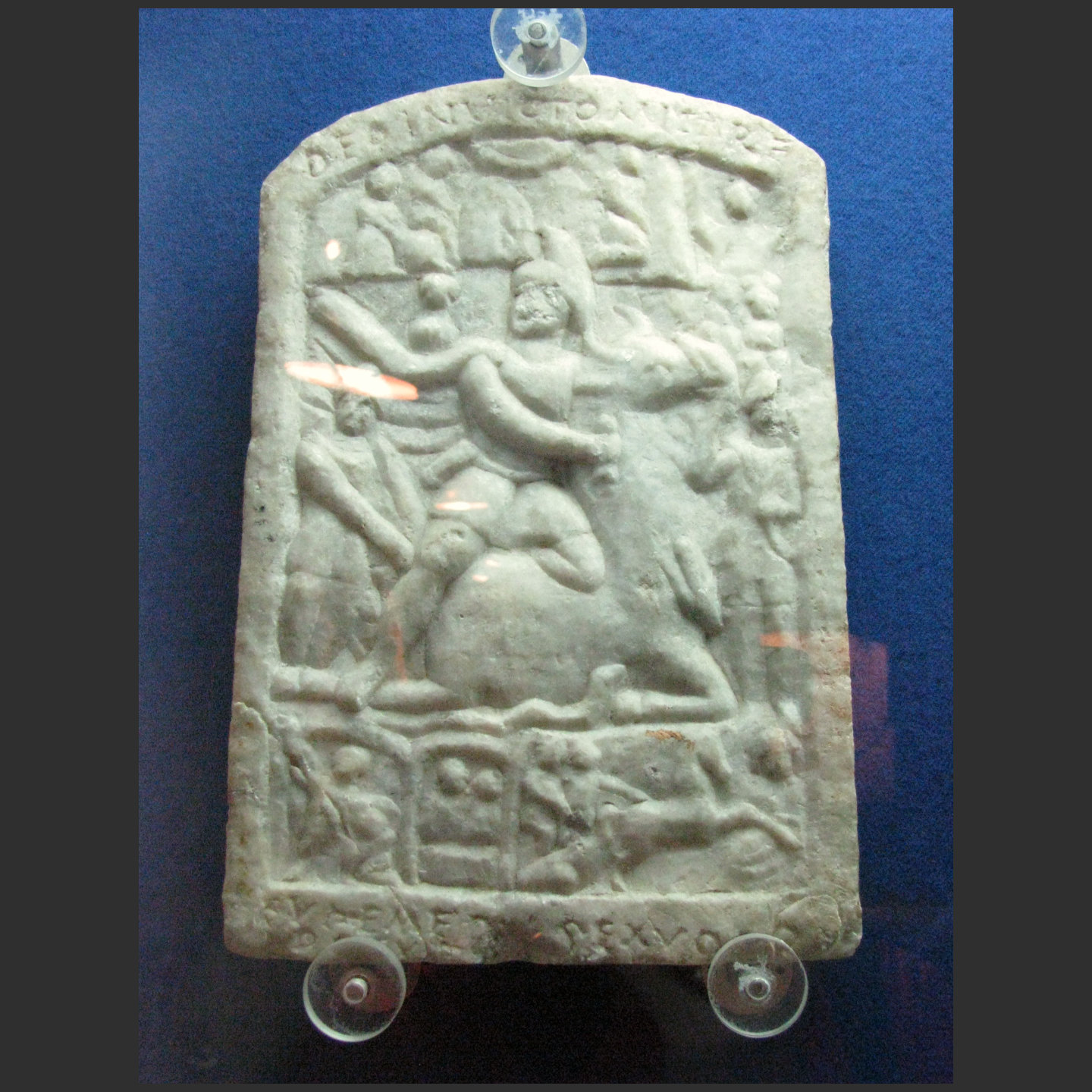
Several authors read the name Suaemedus instead of Euhemerus as the author of this mithraic relief from Alba Iulia, Romania.
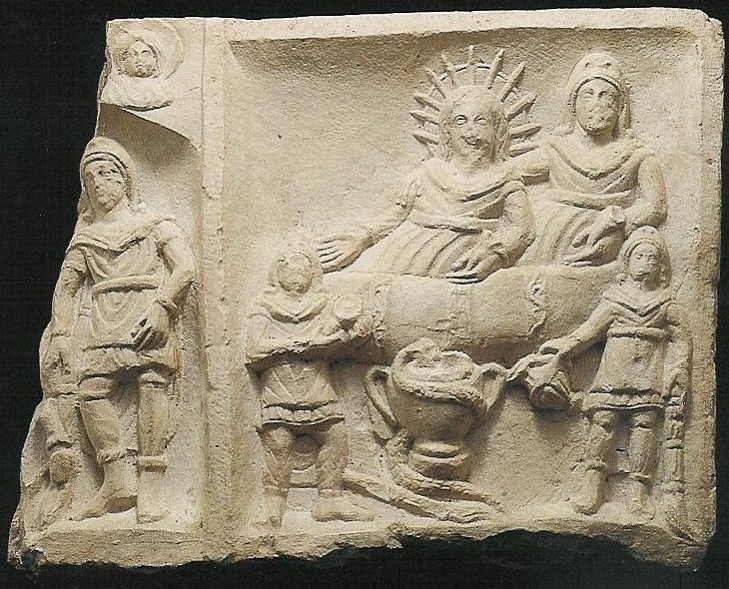
The remains of the mithraic triptic of Tróia, Lusitania, were part of a bigger composition.

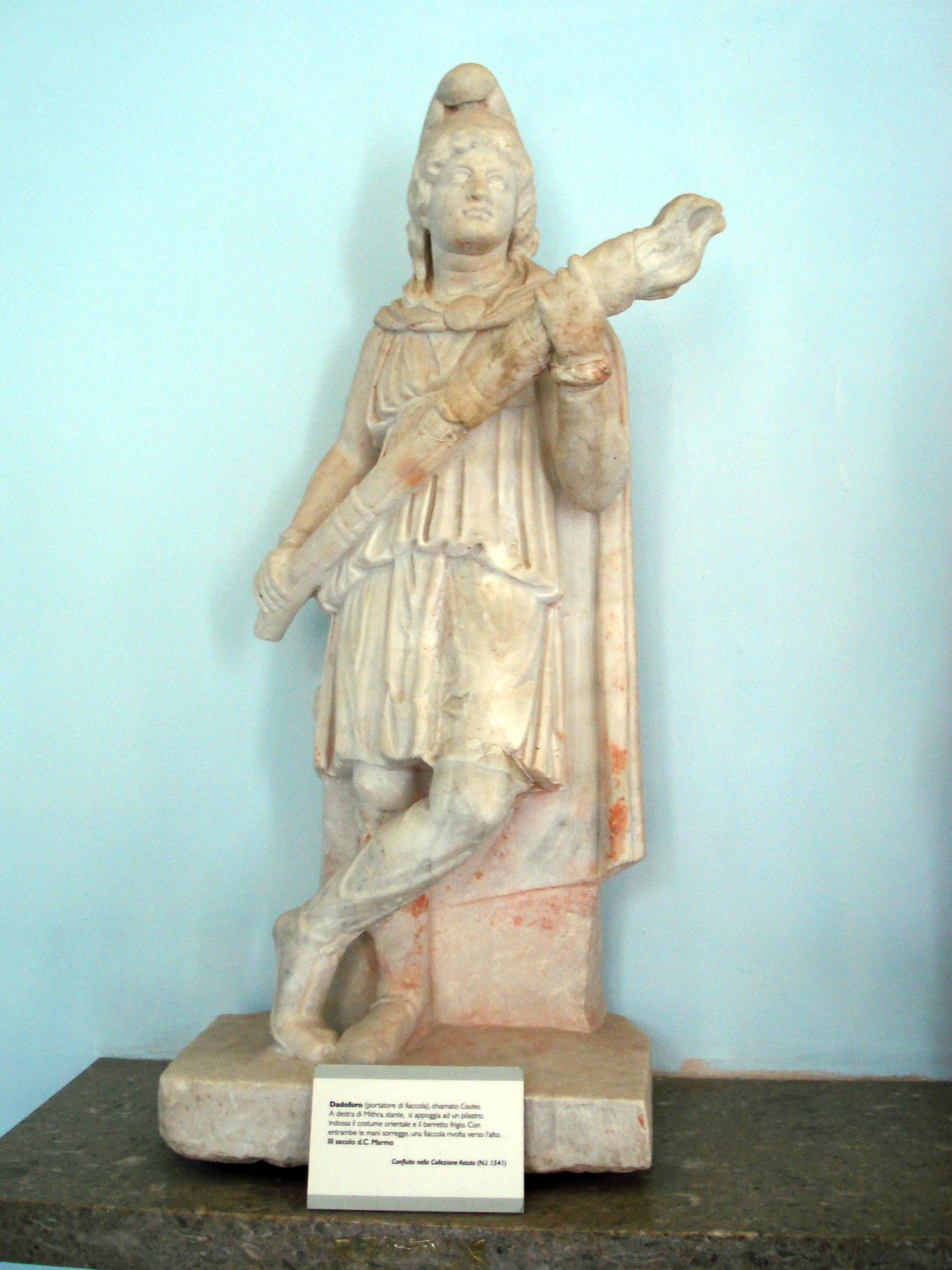
These two mithraic sculptures of Cautes and Cautopates belong to the same collection of Astuto de Noto, made up of mostly Sicilian monuments.
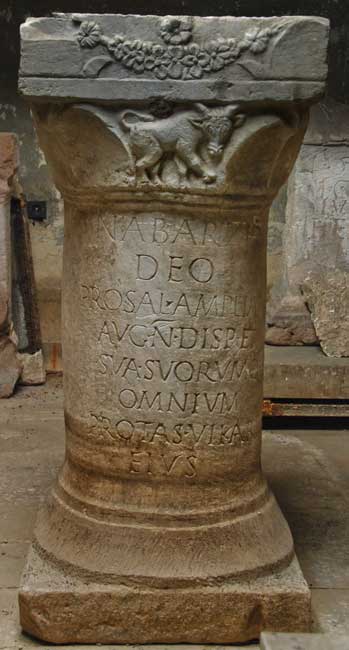
This column found in the Mithraeum of Sarmizegetusa bears an inscription to Nabarze instead of Mithras.
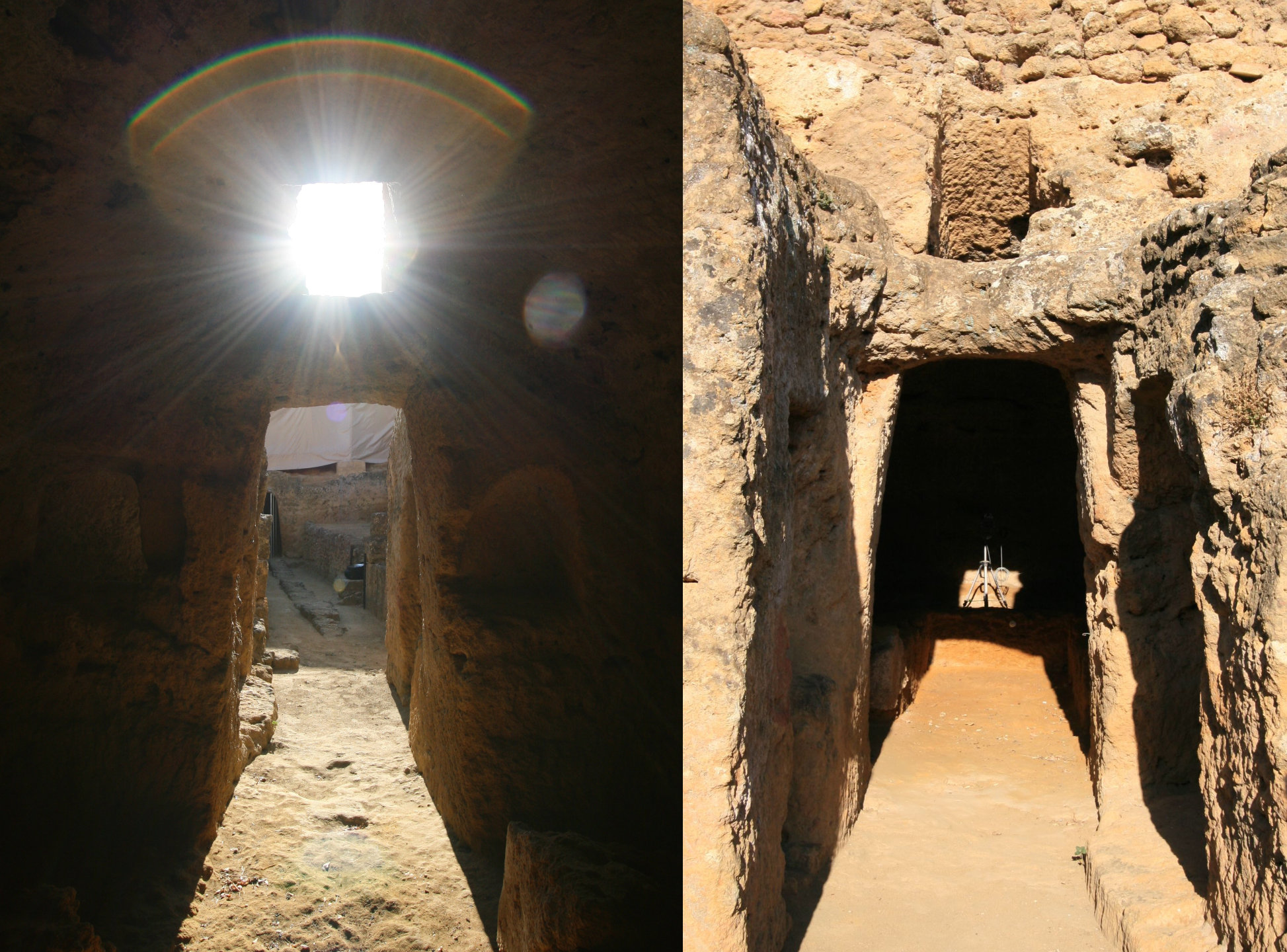
Set in a Roman necropolis, the so-called Mithraeum of the Elephant takes its name from an elephant statue found in one of the tombs.
This inscription found in the Mithraeum of the Seven Spheres mentions the Pater Marco Aemiliio Epaphrodito known from other monuments in Ostia.
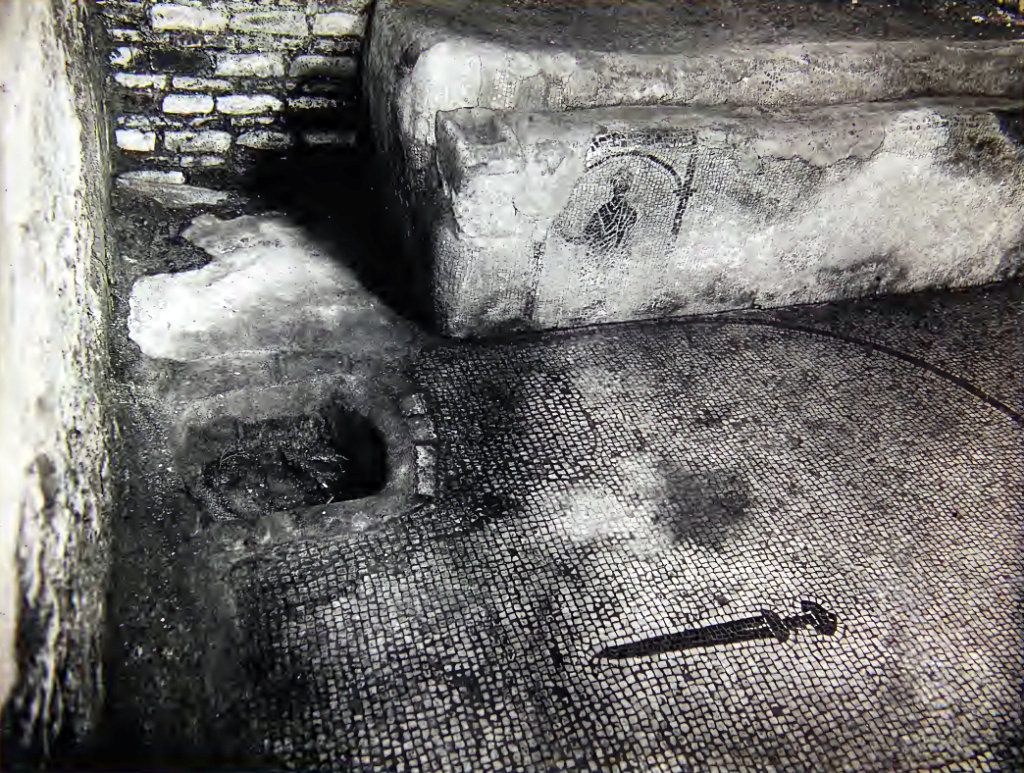
The floor mosaic of the Mithraeum of the Seven Spheres, which gives its name to the temple, depicts a dagger.
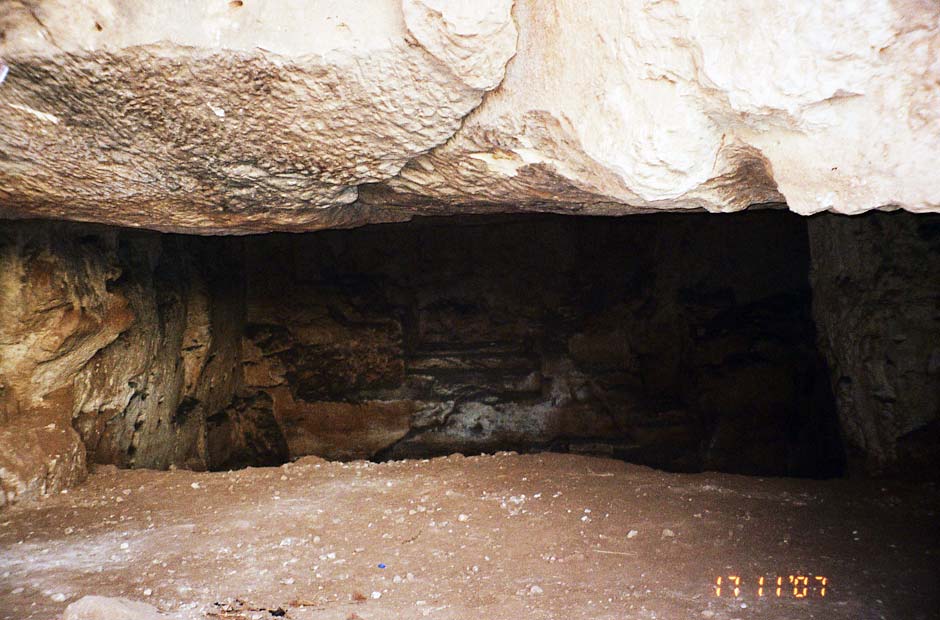
The Mithraea of Doliche, ancient Dülük, Turkey, are unique in that they represent two distinct shrines on the same site.
