Your search Tal hal Hariri / Es-Sâlihiyeh / As Salhiyah gave 3732 results.

Supervisor of the imperial couriers who offered an elaborate votive altar and ritual insignia to Mithras in Rome under Commodus.

Hector erected an altar to Mithras in Emerita Augusta by means of a ‘divine vision’.

Marble altar dedicated at the Vatican Phrygianum in Rome by the Mithraic pater Alfenius Ceionius Iulianus Kamenius in 374 CE.

These six marble fragments from the Second Mithraeum of Poetovio preserve parts of tauroctonies together with figures of Sol, Cautes, and Cautopates.
This inscription shows that Publilius Ceionius, most distinguished man, dedicated a temple to Mithras at Mila, in the modern Constantina, Algeria.
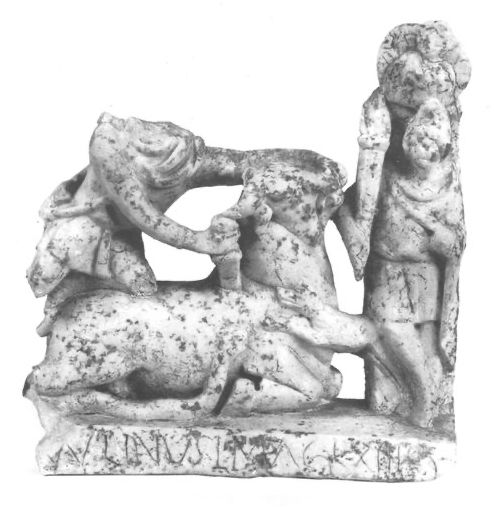
This relief of Mithras killing the bull was dedicated by the bearer of the imperial standard of Legio XIII Gemina, Marcus Ulpius Linus.
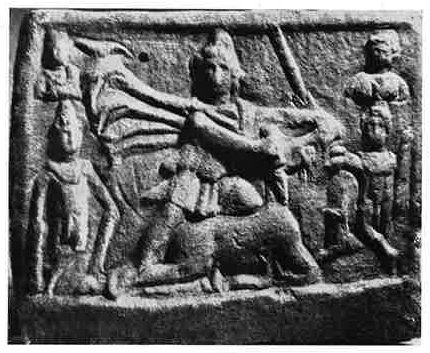
This marble relief depicting Mithras as a bull-slayer was once owned by Major Holzhausen and Franz Cumont and is now housed at the Belgian Academy.
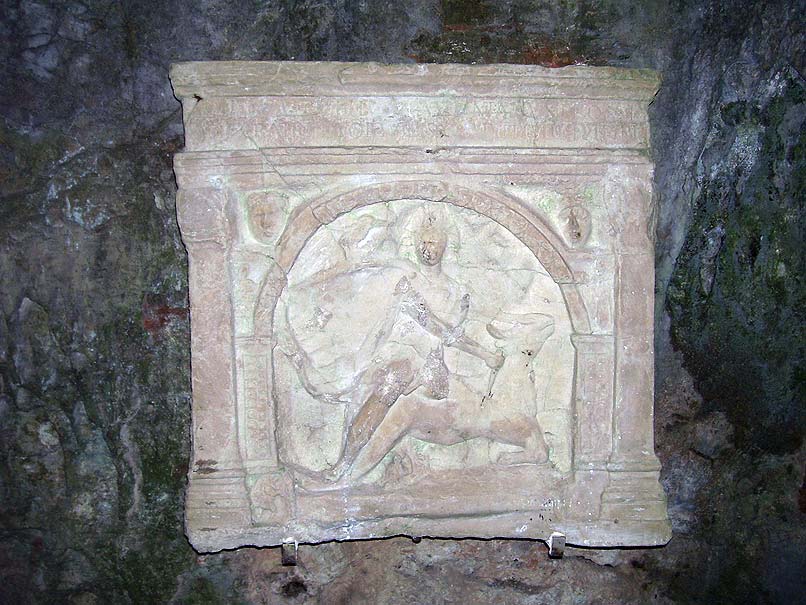
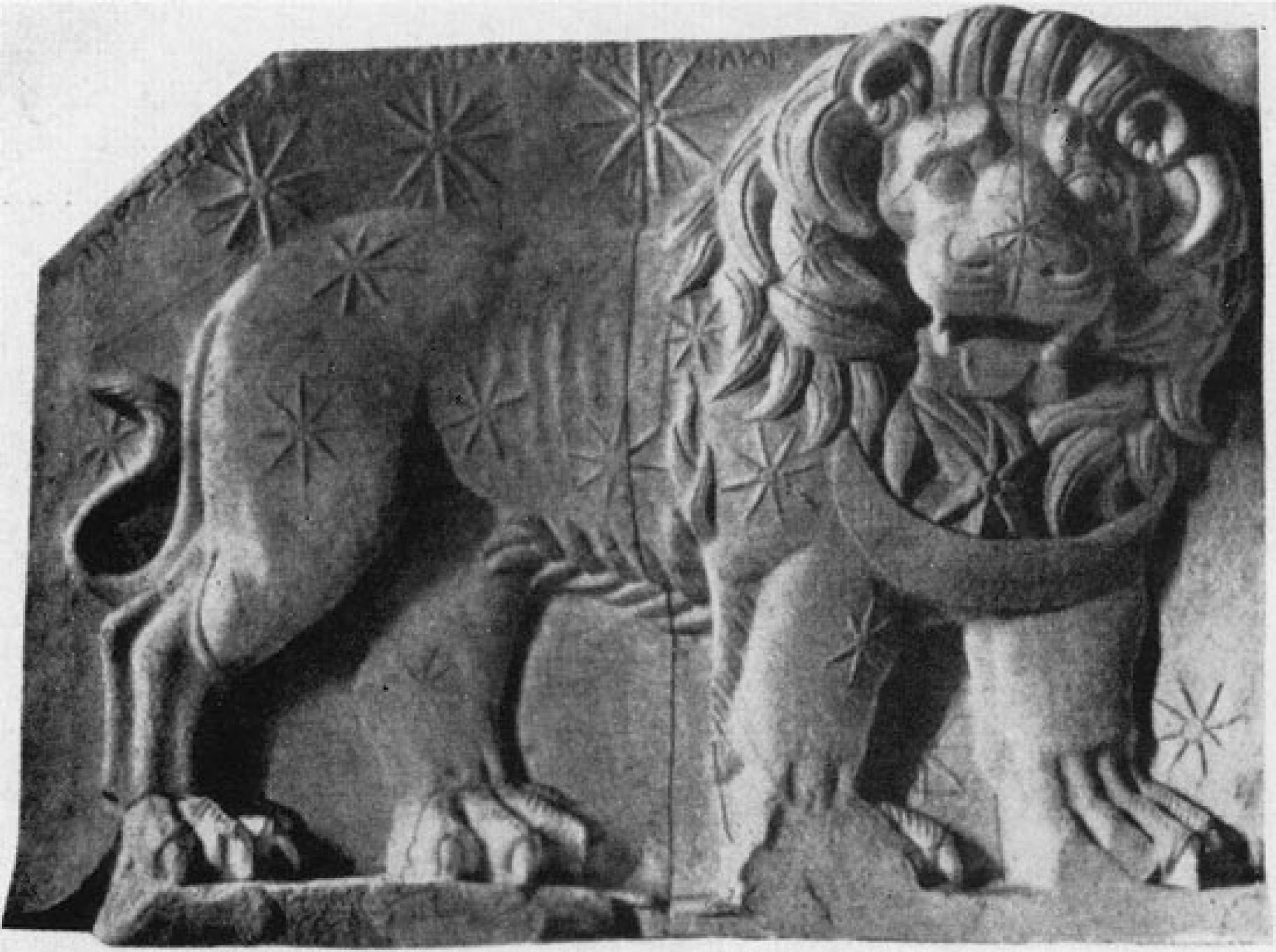
The lion relief from Nemrut Dag has the moon and several stars over his body.
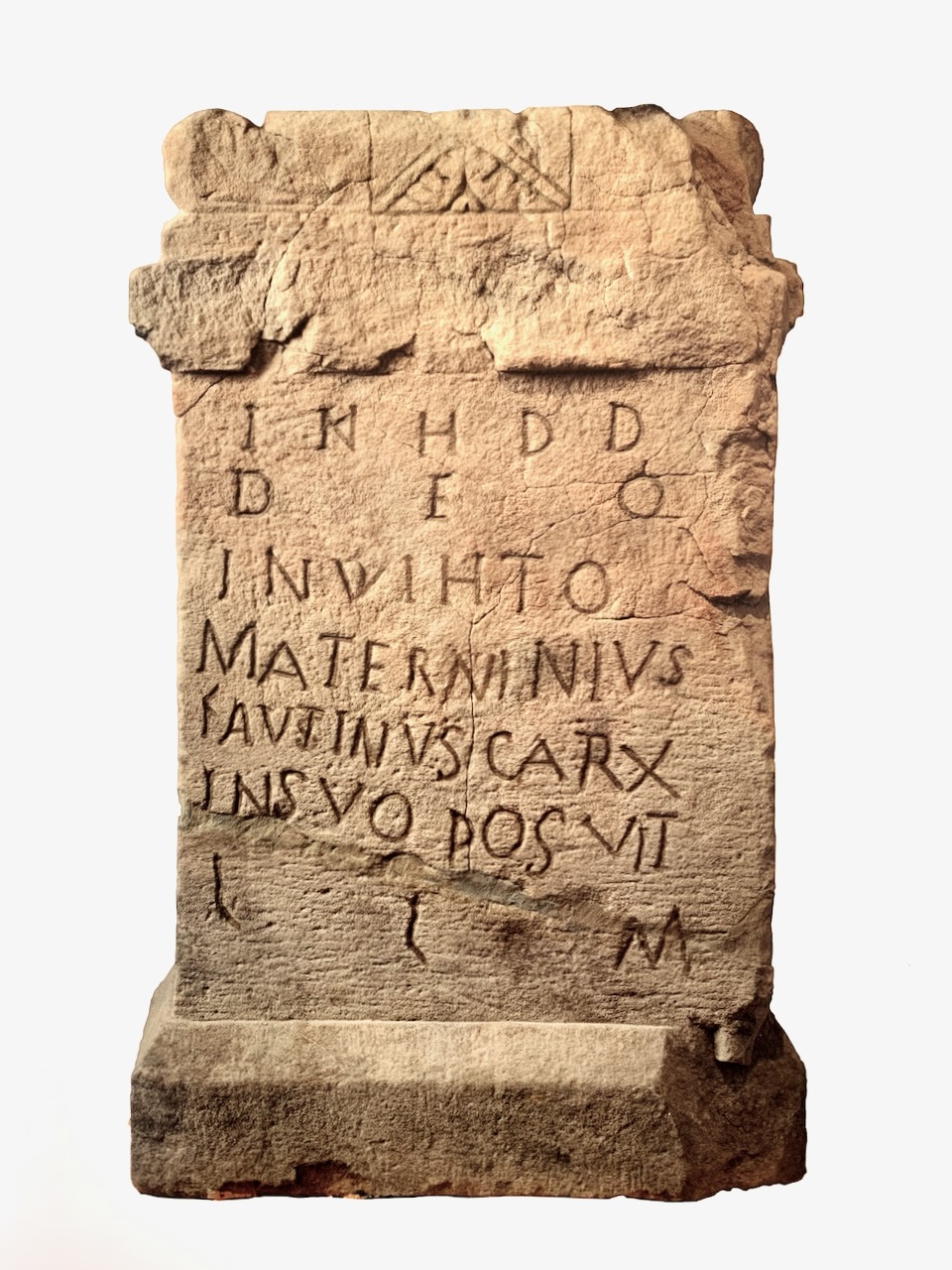
Corax Materninius Faustinus dedicated other monuments found in the same Mithraeum in Gimmeldingen.
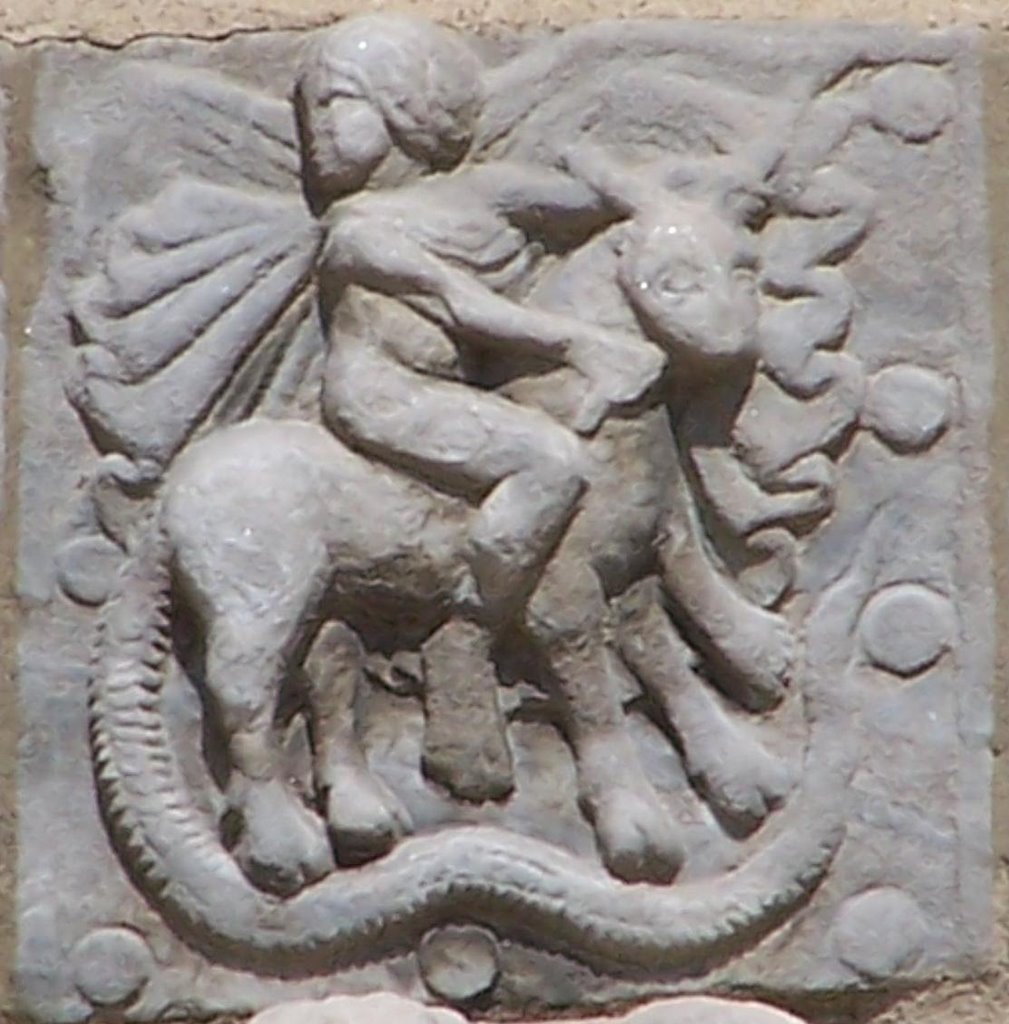
Mithras slaying the bull appears as the sign of Capricorn in a zodiacal sequence on the Pórtico del Cordero of the Abbey de Santo Domingo de Silos, Burgos, Spain.
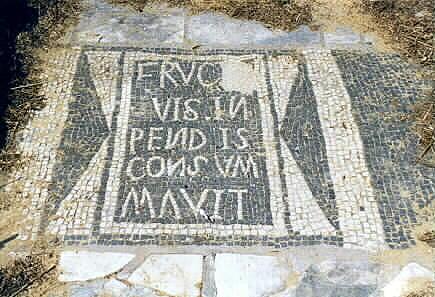
The mosaic bears an inscription indicating the name of the owner.
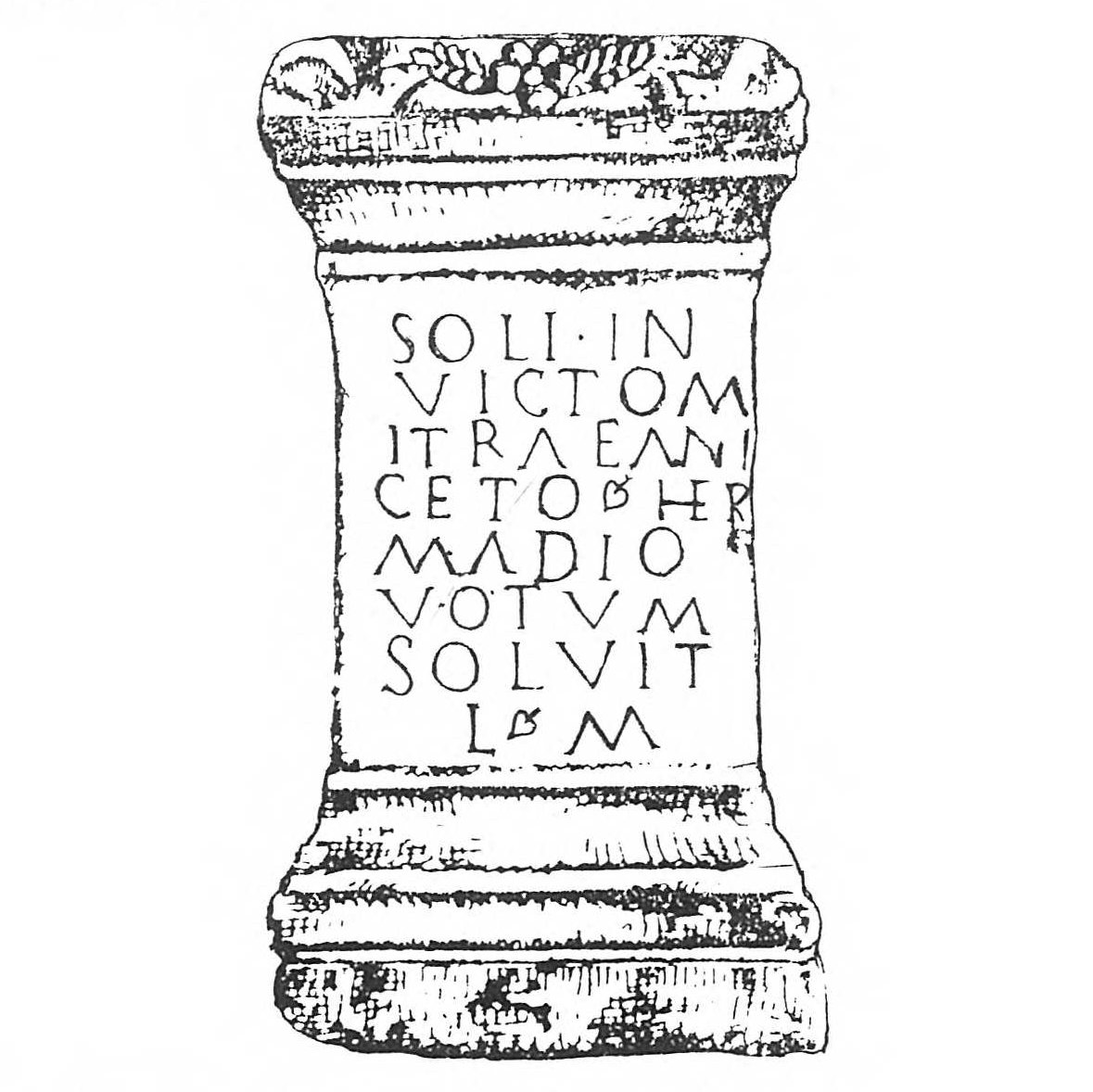
This altar was erected by Hermadio, who also signed other monuments in Dacia and even in Rome.

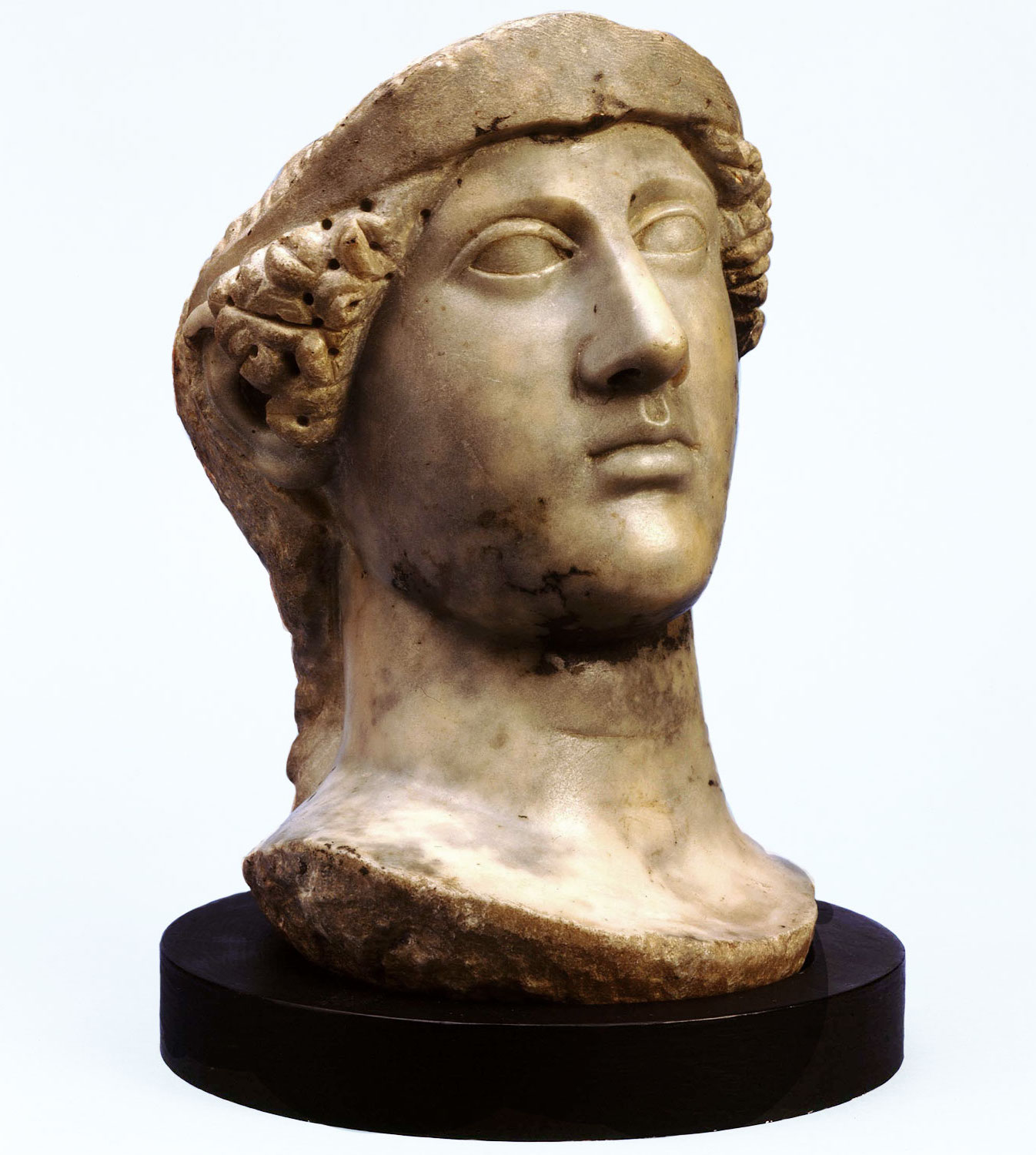
This head was found at the east end of temple of Mithras in London.
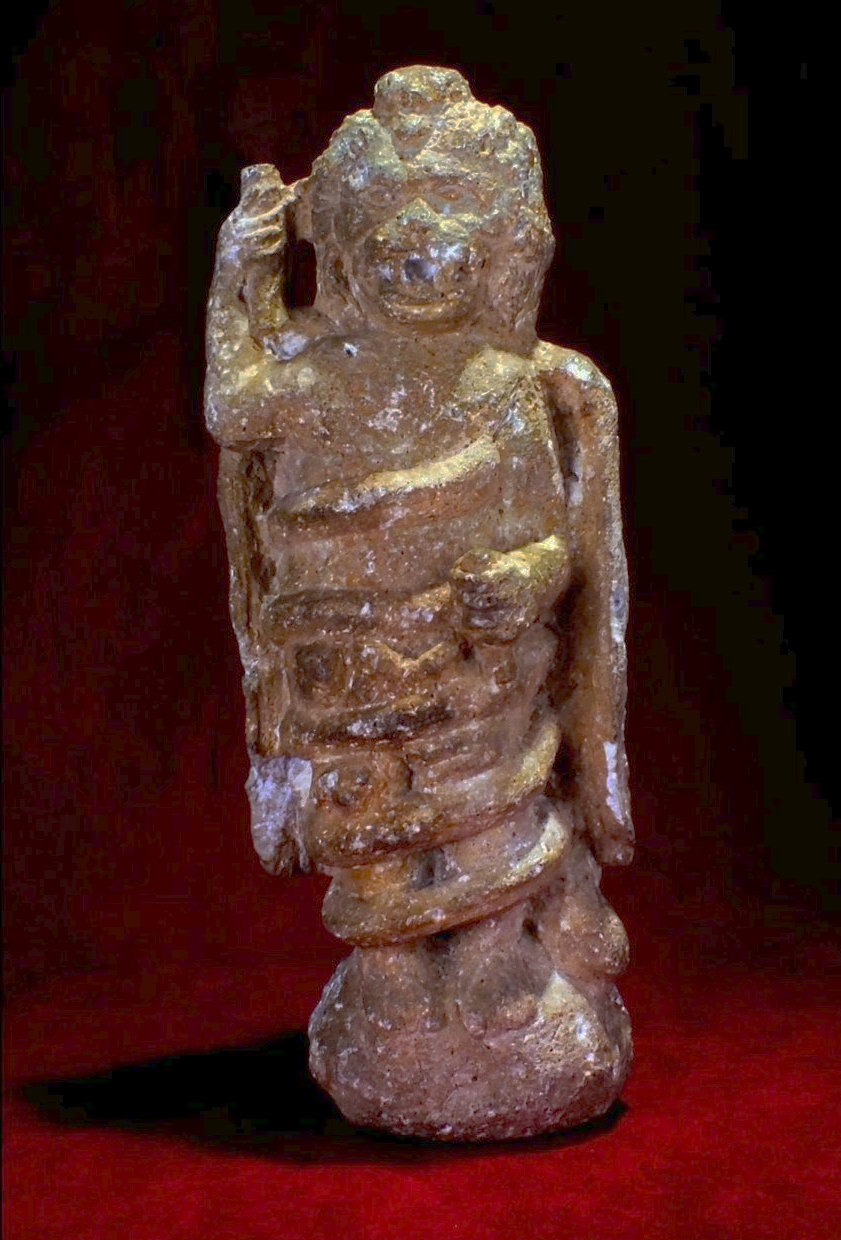
Its base is partially broken, so it is unclear if the figure was standing on a globe, an expected position, or not.
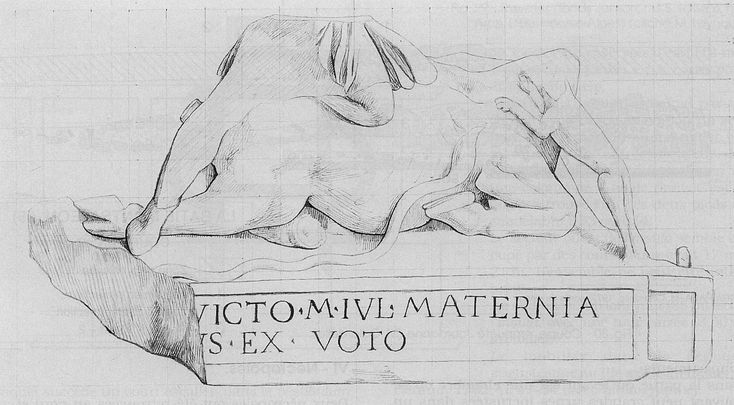
This damaged relief of Mithras killing the bull found in 1804 and formerly exposed at Gap, is now lost.
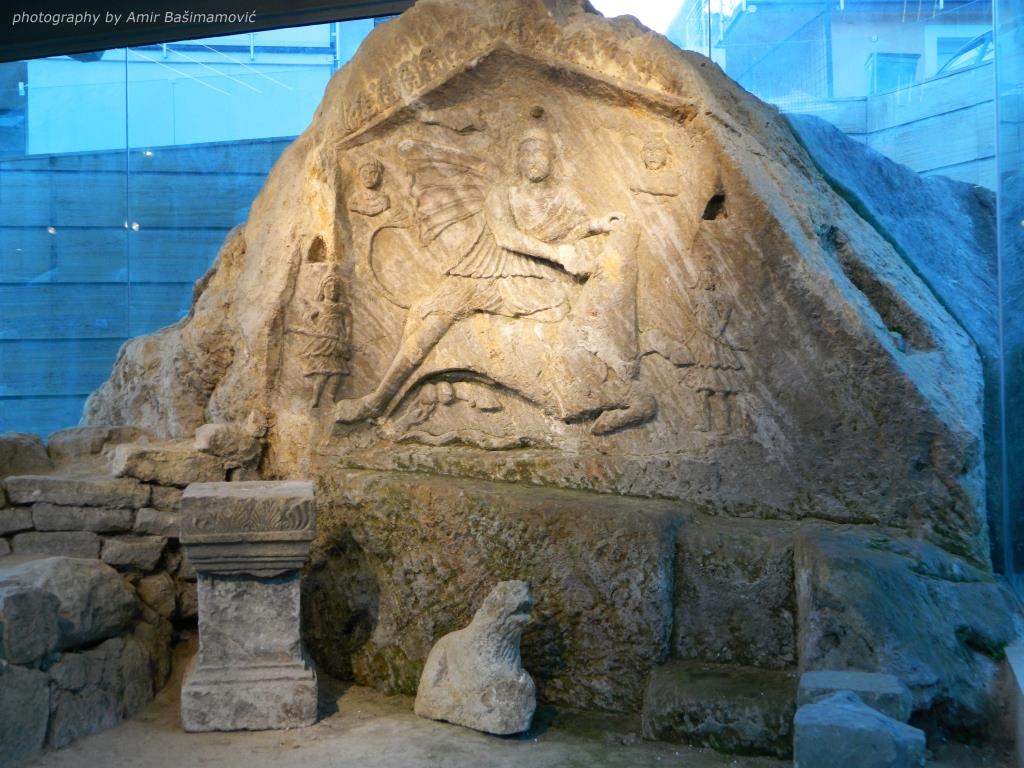
The relief of Mithras killing the bull from the Jajce Mithraeum is walled into the cult niche and surmounted by a roof.
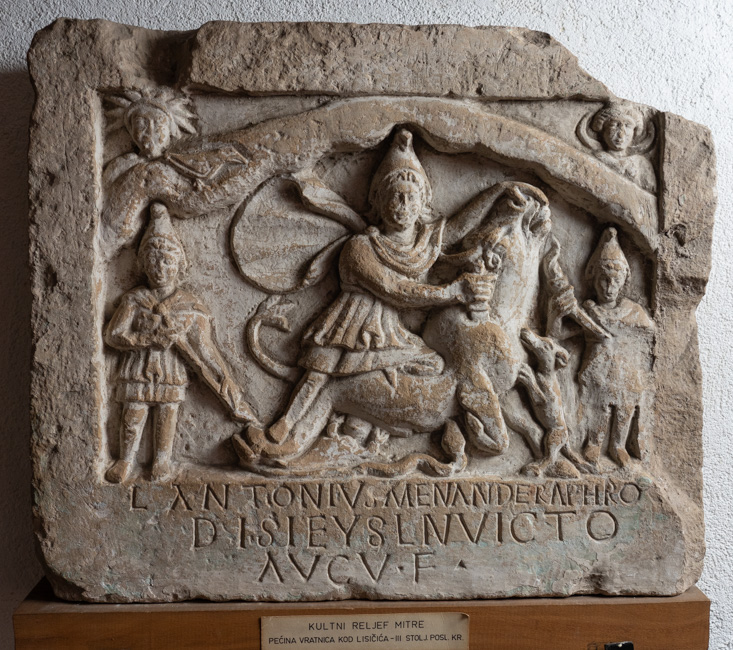
This relief of Mithras as a bullkiller found at Vratnitsa, near Lisicici in northern Macedonia, was signed by a certain Menander Aphrodisieus.
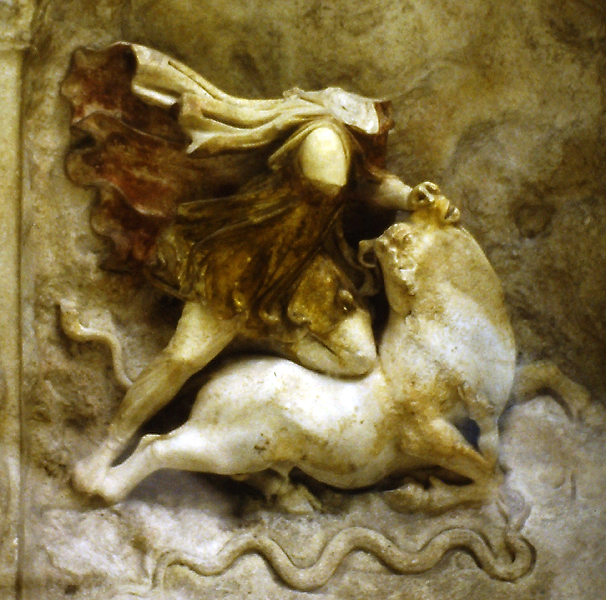
In the Tauroctony of Hermopolis, Cautes and Cautopates are placed over two columns at each side of the sacrifice.
