Your search Tal hal Hariri / Es-Sâlihiyeh / As Salhiyah gave 3730 results.

Limestone base bearing a dedication to Helios Mithras by Midon son of Solon, with a bust of Mithras in Phrygian cap, found at Savçilar on the border of Phrygia and Mysia, 78/77 A.D.
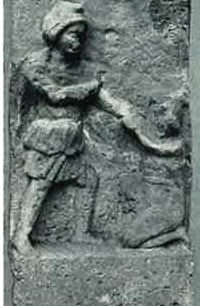
Red sandstone relief from Mithraeum I at Stockstadt depicting Mithras in Oriental dress approaching kneeling Sol with outstretched arms
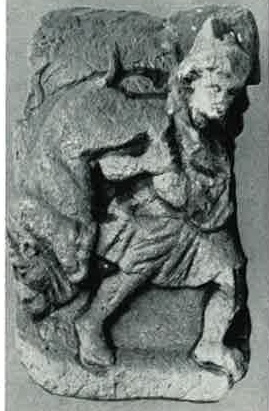
Grey sandstone relief from Mithraeum I at Stockstadt showing Mithras in Oriental dress walking to the right while carrying a bull on his shoulders
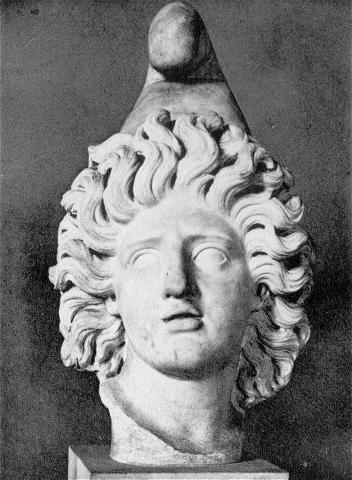
The head of Mithras had seven holes made for fastening rays.
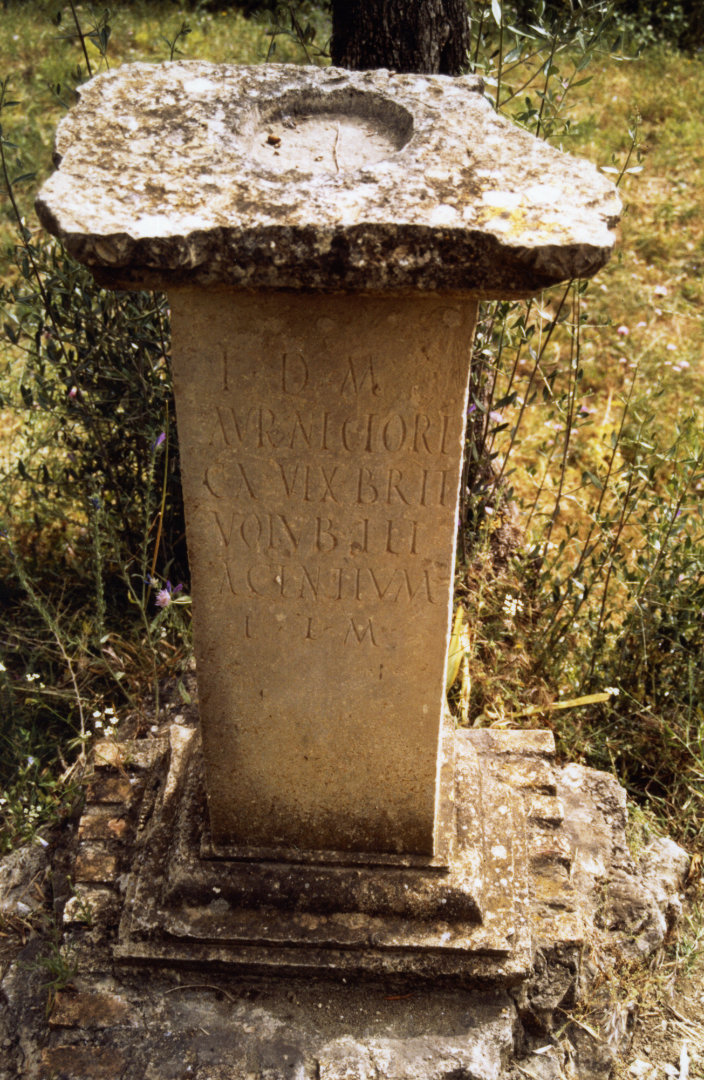
Two inscriptions by Aurelius Nectoreca, a follower of Mithras, have been found in Meknès, Morocco.
Sandstone ritual basin discovered in situ beside the north bench of the Vindobala Mithraeum.
Fragment of a relief from Romula, Dacia, preserving the right foot of Mithras placed on a hoof of the bull.
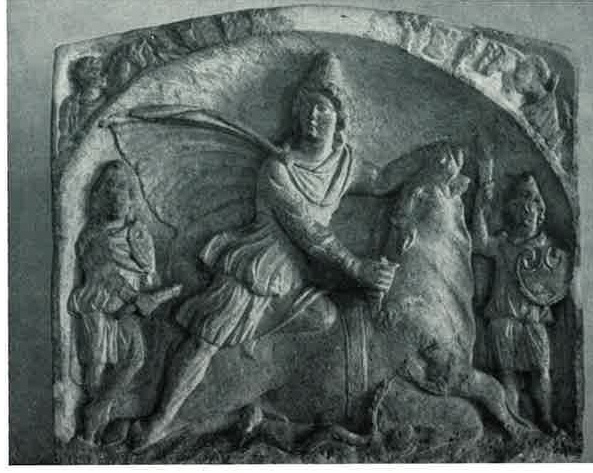
Two lamps — one bearing the stamp Fortis — and a bronze coin of Hadrian from the Mithraeum at Sárkeszi, Pannonia Inferior.
Circular white marble relief in five fragments from the Mithraeum at Sárkeszi, Pannonia Inferior, depicting an open-work tauroctony enclosed in a laurel wreath; only part of the bull's body, the god's foot, and the scorpion are preserved.
Limestone altar fragment from the Mithraeum at Sárkeszi, Pannonia Inferior, recording the restoration of a templum that had collapsed through age.
Limestone altar fragment from the Mithraeum at Sárkeszi, Pannonia Inferior, dedicated to Fonti dei by Septimius Valentinus, optio.
Altar from Aquincum, Pannonia Inferior, dedicated to Deo Soli by Claudius Patasio; dated to AD 191, one of the earliest dated Mithraic inscriptions from Aquincum.
Terracotta relief from Aquincum, Pannonia Inferior, depicting a Venus-like goddess in the company of a child holding a fruit basket; its association with the Mithraeum is probable but not certain.
Limestone altar from Brigetio, Pannonia Superior, dedicated to Invicto deo Mithrae by Masuininius Amicus, Augustalis of the Municipium Brigetionis Antoniniani.
Inscription from Mithraeum III at Ptuj, ancient Poetovio, recording that Sextus Vibius Hermes, Augustalis of the Colonia Ulpia Traiana Poetovionis, donated a silver signum with its base to Soli invicto Mithrae, with Lucius Vernasius Heraclida presiding as pater…
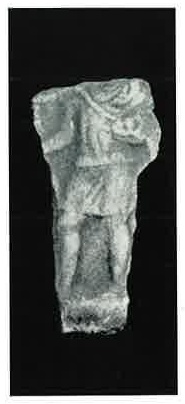
Marble relief fragment from Mithraeum II at Ptuj, ancient Poetovio, depicting a person in Oriental dress with outstretched right arm holding a small fruit basket in his left hand — probably a fragment of the sacred repast scene.
Sandstone relief from Wiesbaden, ancient Aquae Mattiacae, found in a subterranean room in 1858, depicting Cautopates in Oriental dress holding a downward torch
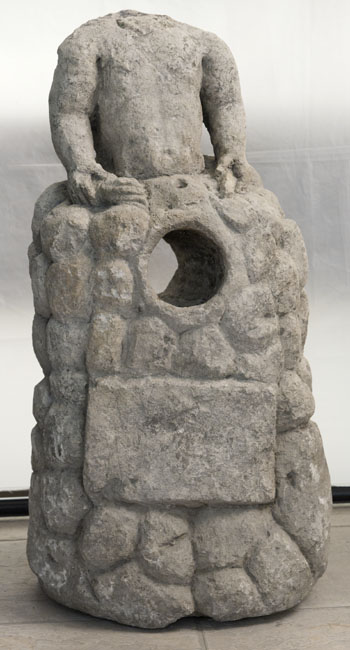
This sculpture from Dobrosloveni, Romania, depicts the petrogenesis of Mithras, with a hole through the generative rock from which water flowed.
Latin dedication to the invincible Mithras reportedly discovered north of ancient Colophon in Lydia.
These twin inscriptions found in the Mithraeum of Tazoult were dedicated by the legate Marcus Valerius Maximianus.
