Your search Tal hal Hariri / Es-Sâlihiyeh / As Salhiyah gave 3731 results.

Large apsidal hall with podium discovered at Uruk-Warka, once interpreted as a possible Mithraic sanctuary.
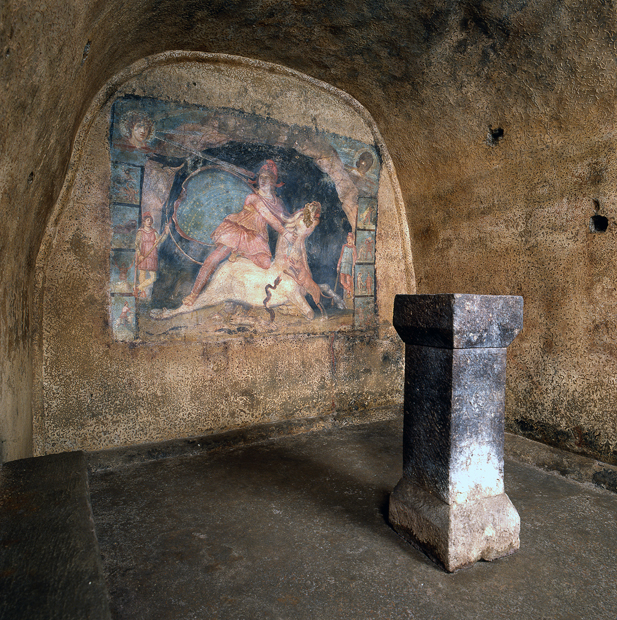
The Marino Mithraeum preserves one of the most elaborate painted cycles of Mithras’ myth, combining the tauroctony, planetary symbolism and scenes from the god’s sacred narrative.
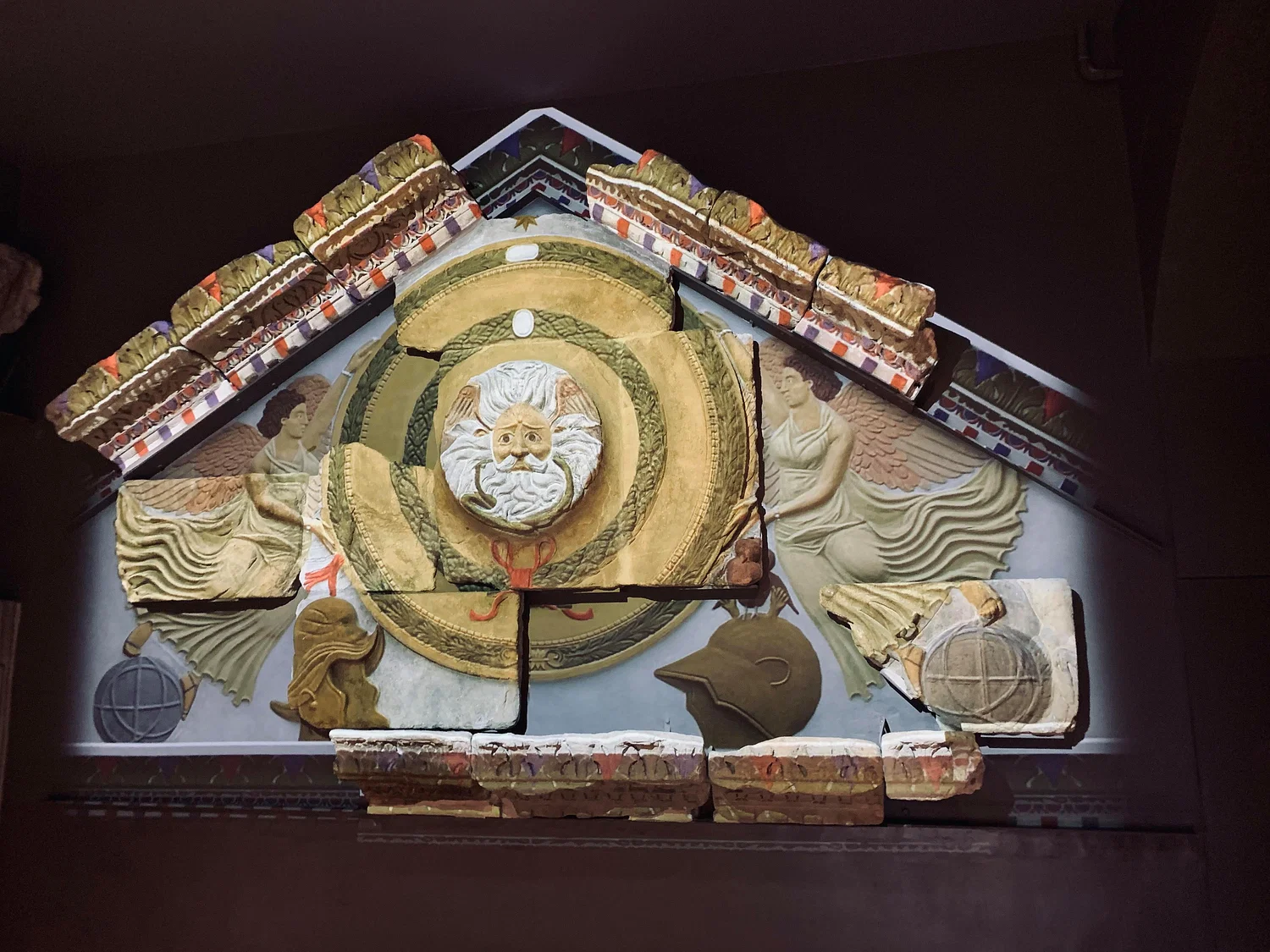
Roman Britannia preserves one of the most strongly militarised corpora of Mithraic evidence in the western empire.
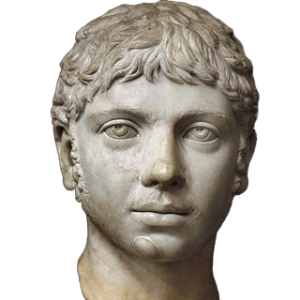
Roman emperor at the age of 14, from 218 to his death in 222, Elagabalus was a main priest of the sun god Elagabal in Emesa.

Emperor Caracalla ordered one of Rome’s largest temples to the god Mithras to be built in the baths bearing his name.
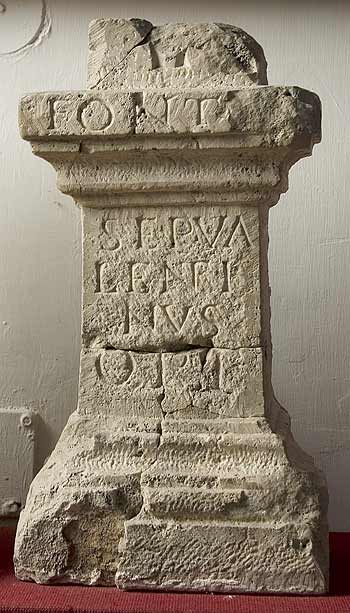
Fragmentary limestone altar dedicated by Septimius Valentinus, an optio, probably discovered in Mithraeum IV at Aquincum.

This marble tablet found at Portus Ostiae mentions a pater, a lion donor and a series of male names, probably from a Mithraic community.
This supposed Mithraic altar from Soulan in the Pyrenees was later identified as a modern forgery, including both the inscription and the alleged cave context in which it was said to have been discovered.

Transpadana occupied the northern plains of Italy where major communication routes connected the peninsula to the Alpine and Danubian worlds.
Umbria formed part of the central Italian heartland through which religious practices circulated between Rome and the northern provinces.
Sicilia connected Italy, North Africa and the eastern Mediterranean through some of the busiest maritime routes of the Roman world.
Syria-Coele formed one of the principal urban and cultural centres of the Roman Near East where diverse religious traditions coexisted.
Lycia et Pamphylia connected southern Anatolia to the maritime networks of the eastern Mediterranean world.
Achaea preserves some of the earliest and most culturally complex evidence for Mithraic cults in the Greek-speaking eastern Mediterranean.
Dalmatia connected the Adriatic world to the Balkan interior through maritime routes, military mobility and provincial urban networks.
Rhaetia occupied a strategic frontier position between the Alps, the upper Danube and northern Italy where Mithraic cults circulated through military networks.
Raetia preserves Mithraic evidence connected to Alpine frontier systems and military mobility.
Roman Syria preserves a major eastern corpus of Mithraic evidence within one of the empire’s most interconnected regions.
Lycia and Pamphylia preserve Mithraic evidence linked to southern Anatolian maritime and urban networks.
Galatia preserves Mithraic evidence shaped by central Anatolian routes and eastern provincial networks.
