Your search Terme di Caracalla gave 2863 results.

This Mithraic temple, also known as the Mithraeum of the Olympii, dates to the 3rd century and was rediscovered in 15th-century Rome, but it has not been preserved.
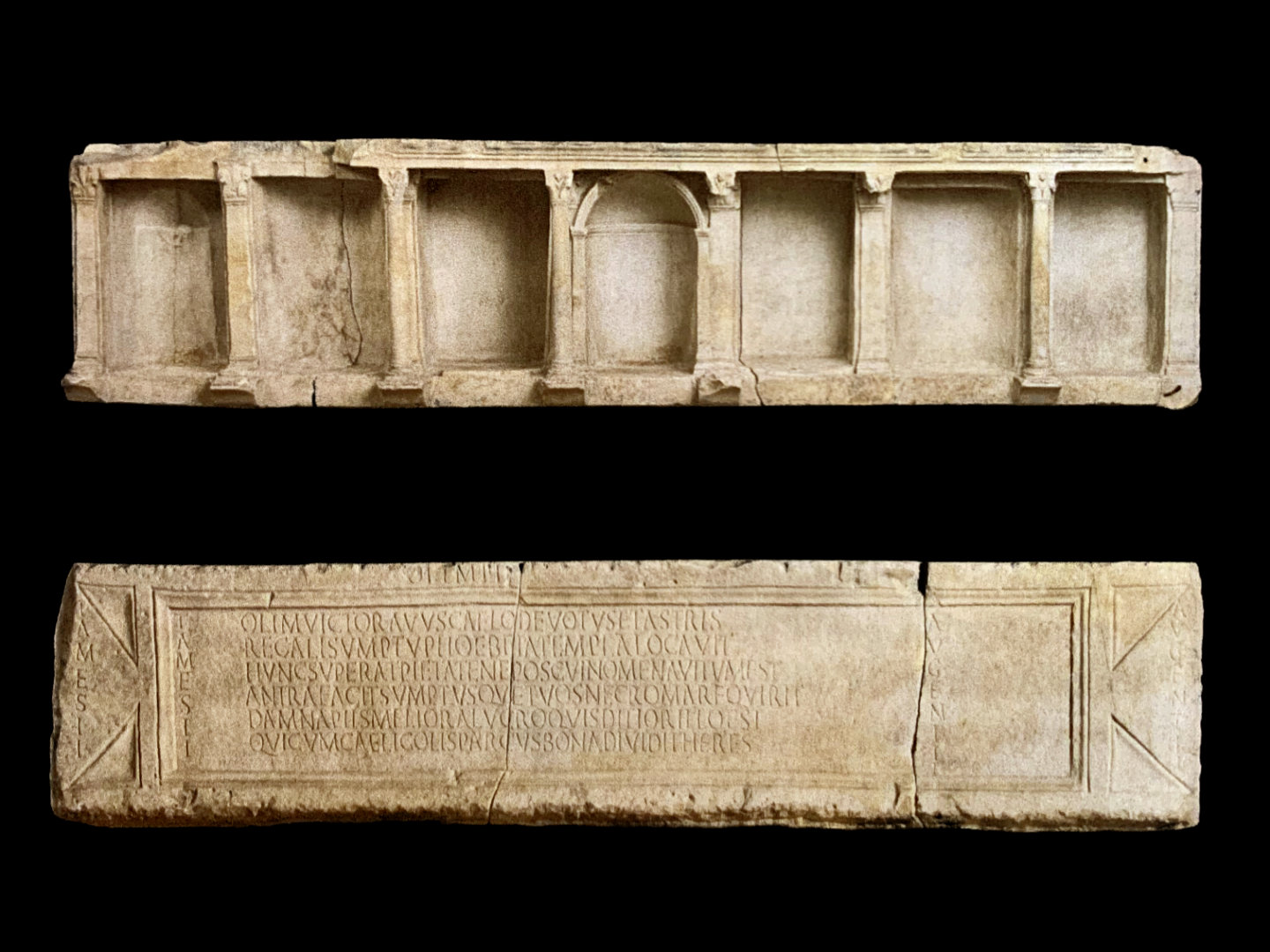
This monument is the only one still available from the disappeared Mithraeum in Piazza S. Silvestro in Capite.
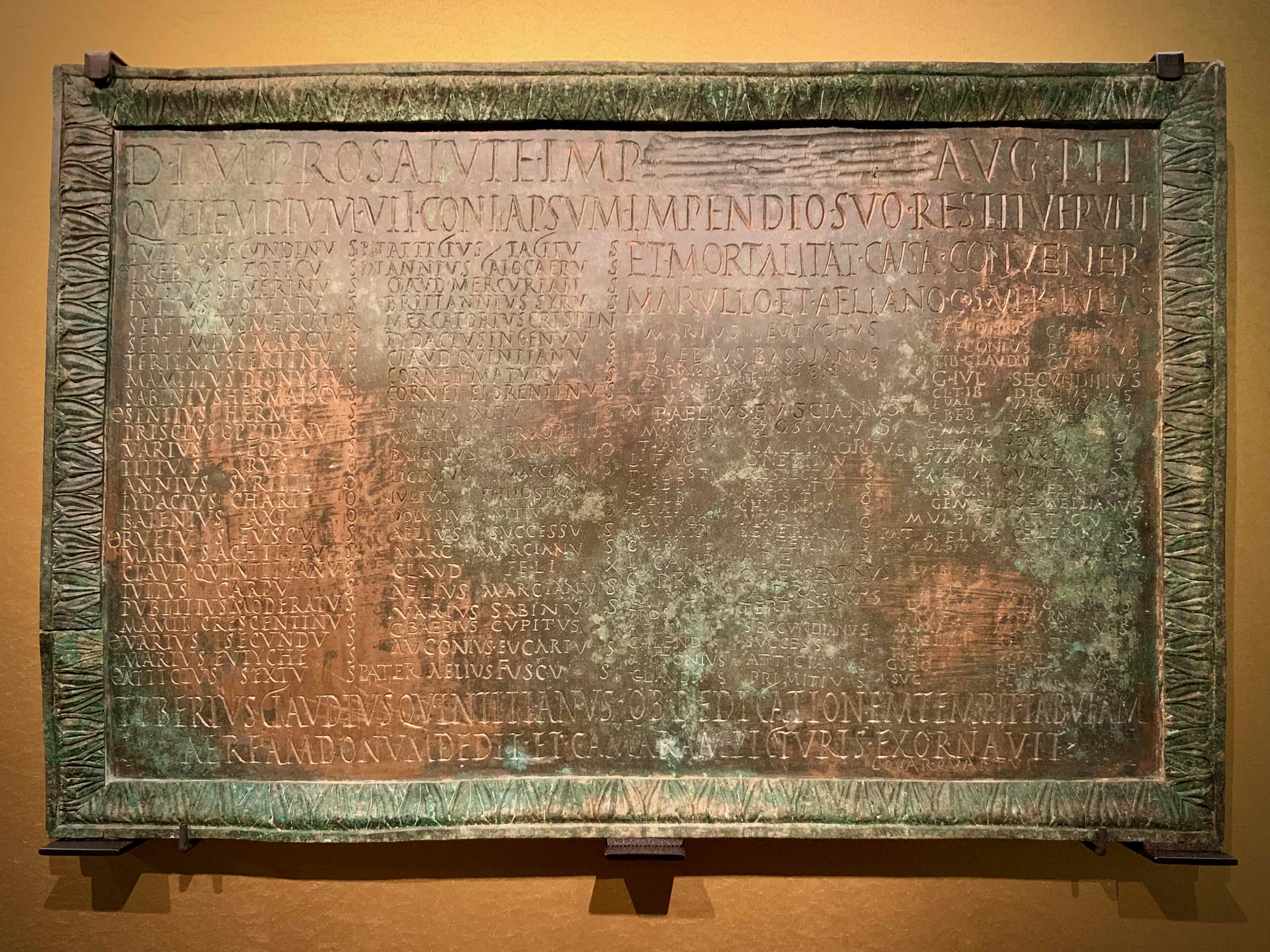
The bronze bears the dedication of a restoration of a Mithraeum carried out in 183.

Firmidius Severinus was a soldier who served in the Legio VIII Augusta for 26 years.
Procurator of Tarraconensis, he dedicated a monument to the Invincible God, Isis and Serapis in Asturica Augusta.
This cylindrical marble altar was dedicated by the same Pater Proficentius as the slab, both monuments found in the Mithraeum beneath the Basilica of San Lorenzo.
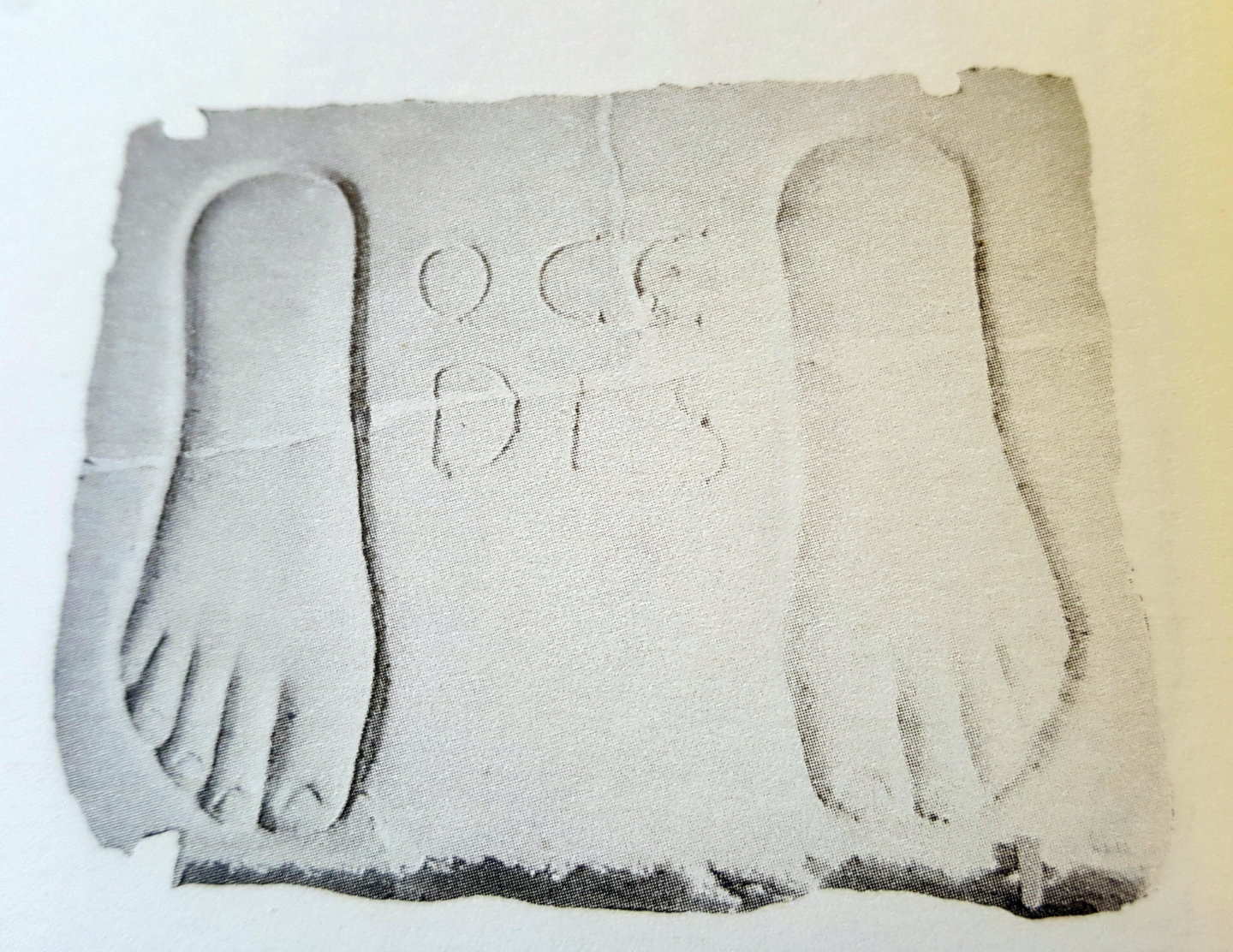
Recent interpretations link this marble inscription to the cult of the goddess Nemesis.
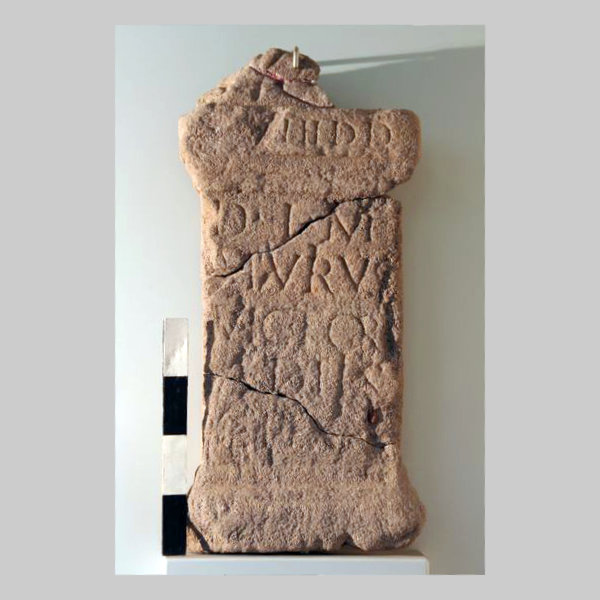
Marius Victor, according to the inscription on the monument, erected this monument to Mithras ’when Philip and Titianus were consuls’.
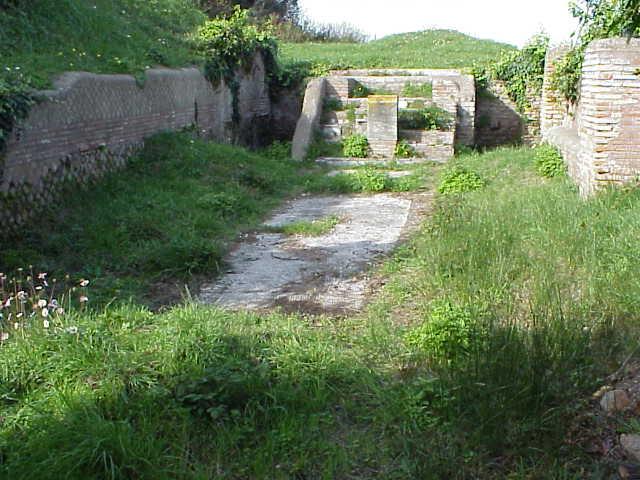
A mosaic of Silvanus, dated to the time of Commodus, was found in a niche in a nearby room of the Mithraeum in the Imperial Palace at Ostia.
In this inscription, found in Angera in Lombardy, Mithras is referred to by the unicum 'adiutor'.
This inscription found in the Mithraeum of the Seven Spheres mentions the Pater Marco Aemiliio Epaphrodito known from other monuments in Ostia.
This lost monument bears an inscription to Cautes by a certain Tiberius Claudius Artemidorus.
This inscription to Mithras Invencible was dedicated by a certain Apronianus in 172 is currently lost.
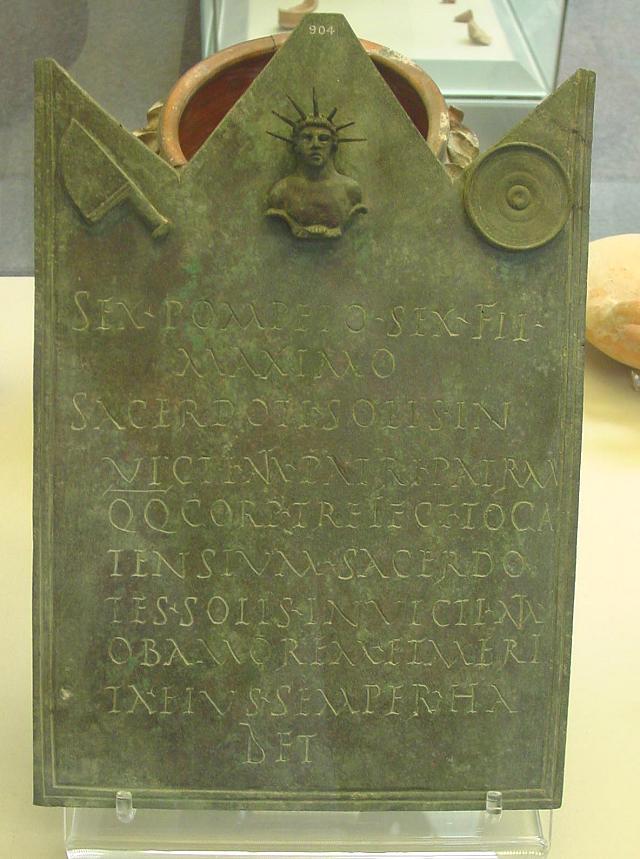
This plaque, now on display in the British Museum, may have come from the Aldobrandini Mithraeum in Ostia.
This is one of the few known Mithraic inscriptions dedicated by a member who attained the grade of Perses.
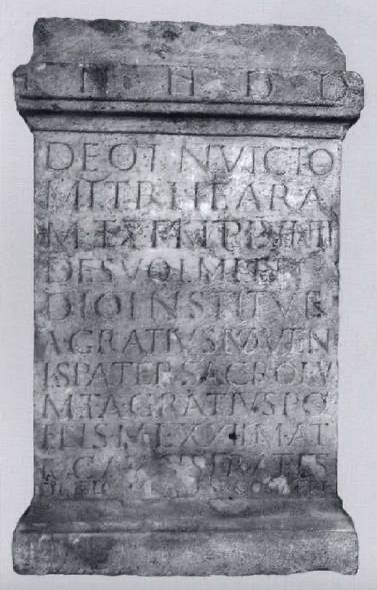
The monument was dedicated by two brothers, one of them being the Pater of his community.
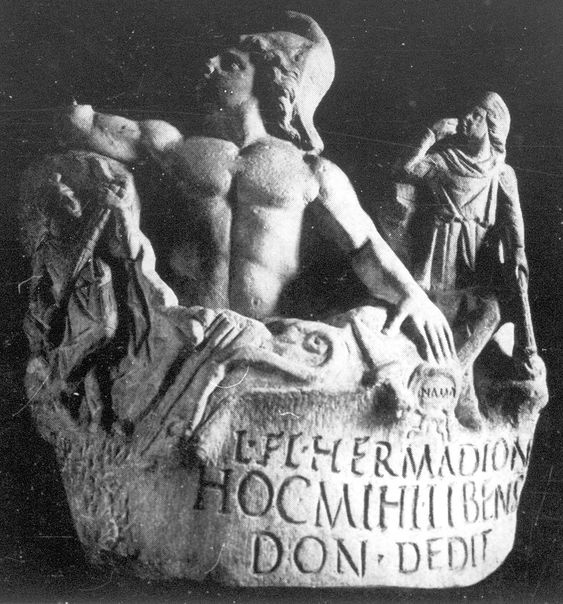
Mithras rock-born from Villa Giustiniani was holding a bunch of grapes in its raised right hand instead of a torch, probably due to a restoration.
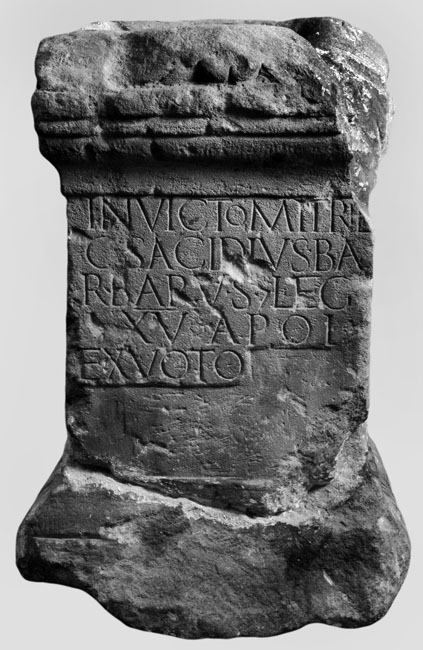
This altar bears the oldest known Latin inscription to the god Mithras, written Mitrhe.
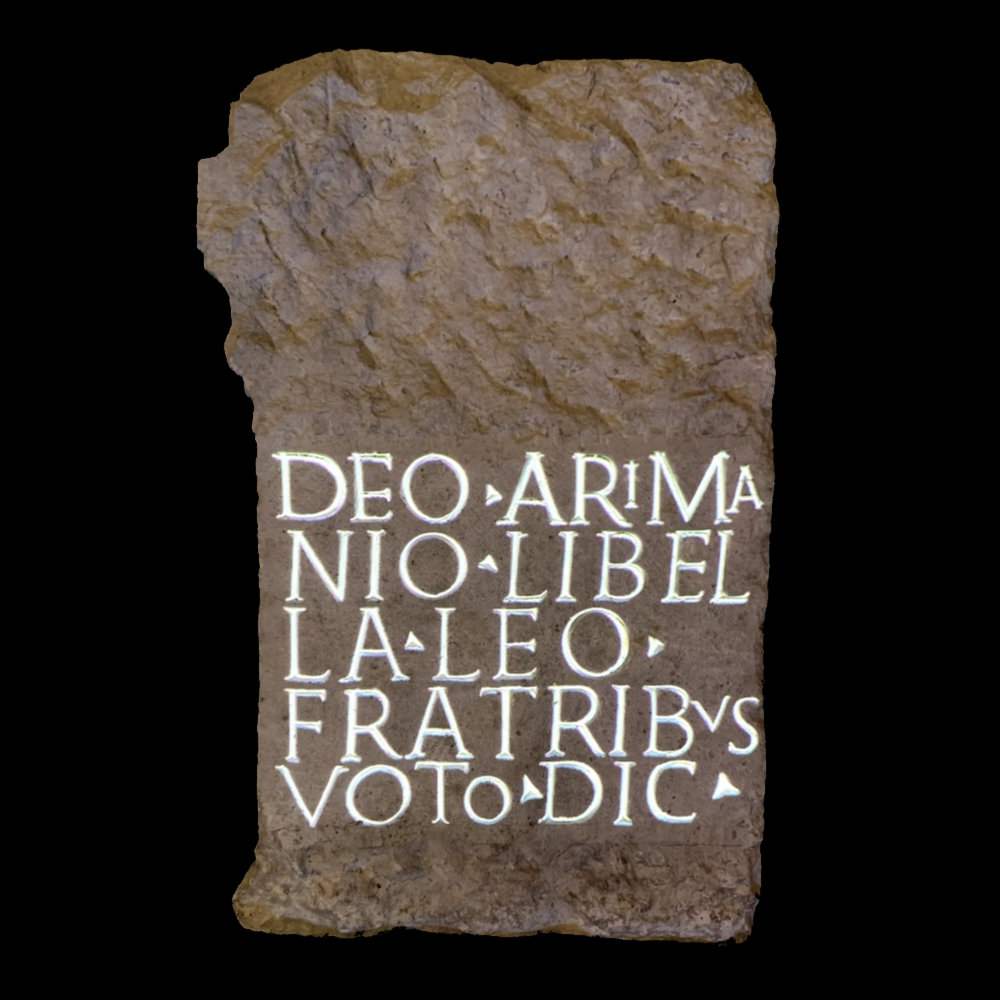
The dedicant of this altar to the god Arimanius was probably a slave who held the grade of Leo.
This marble slab found near the Casa de Diana in Ostia bears two inscription with several names of brothers of a same community
