Your search Terme di Caracalla gave 2080 results.
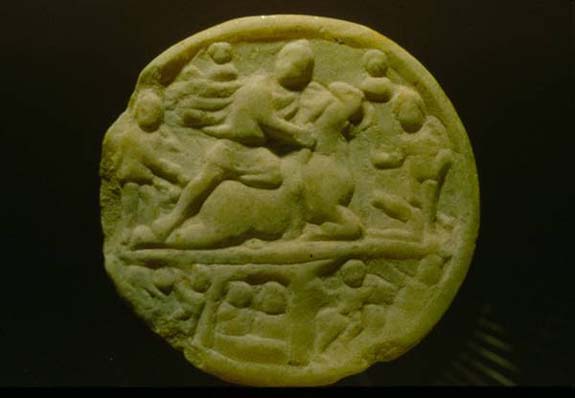
The small medallion depicts three scenes from the life of Mithras, including the Tauroctony. It may come from the Danube area.
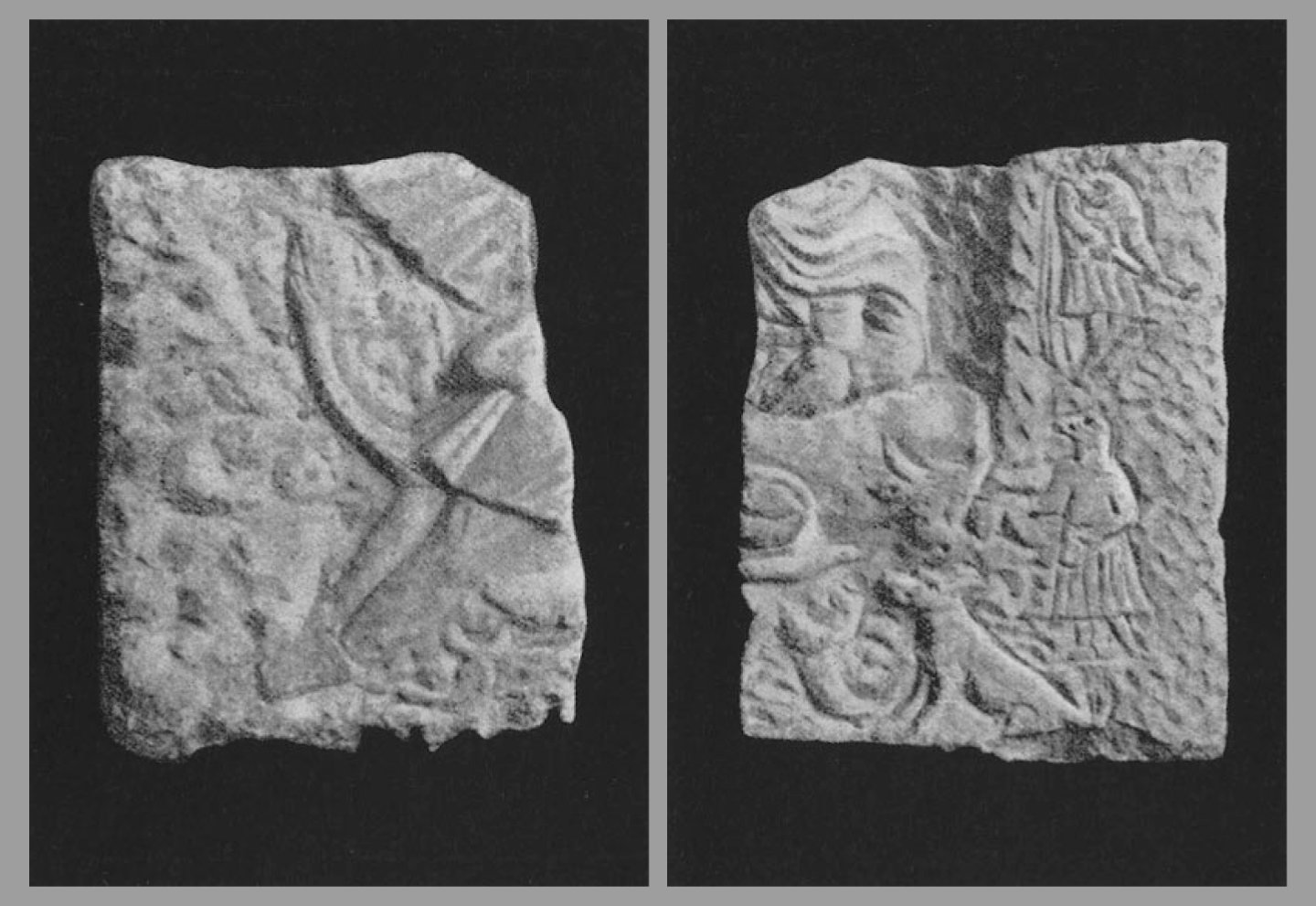
This fragment of a double relief shows a tauroctony on one side and the sacred meal, including a serving Corax, on the other.
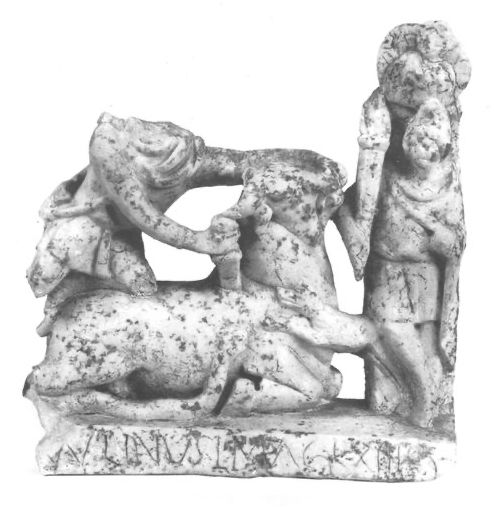
This relief of Mithras killing the bull was dedicated by the bearer of the imperial standard of Legio XIII Gemina, Marcus Ulpius Linus.
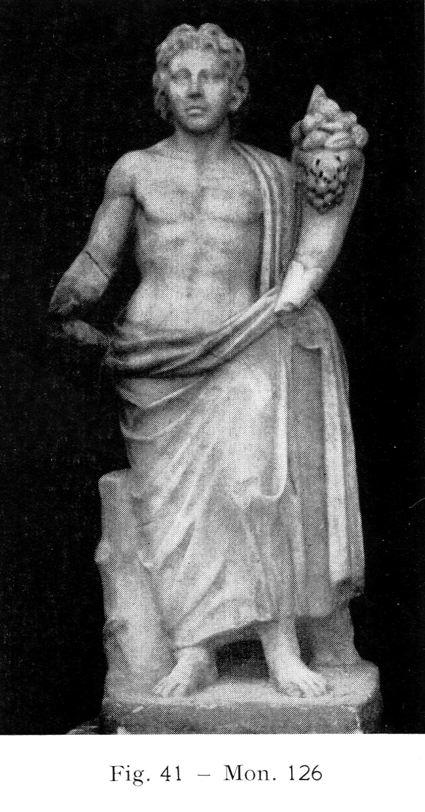
The statue of Skikda has seven holes in his hair for fastening rays.
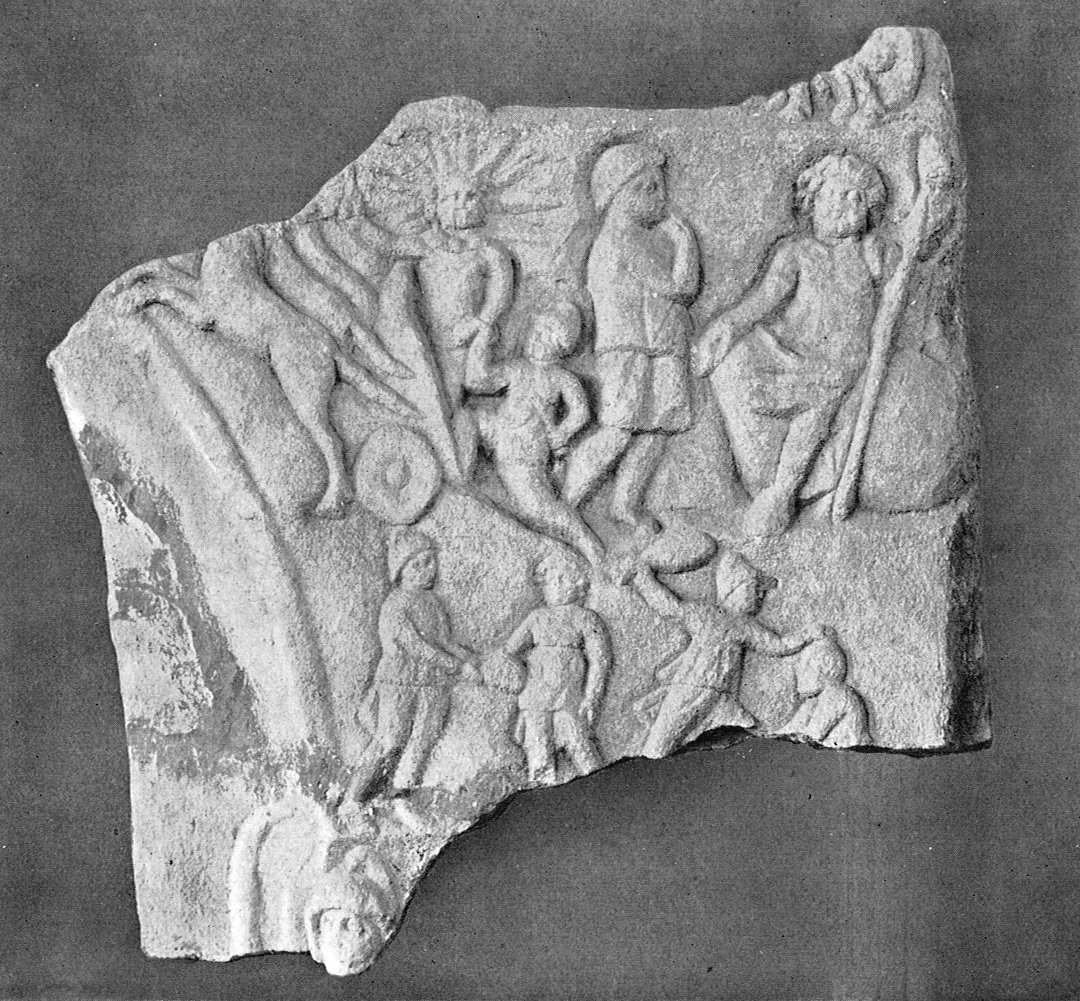
Several Mithraic scenes, including Mithras with Saturn, Mithras with Sol and Mithras' Ascension, are depicted on this fragment of a relief from Ptuj.
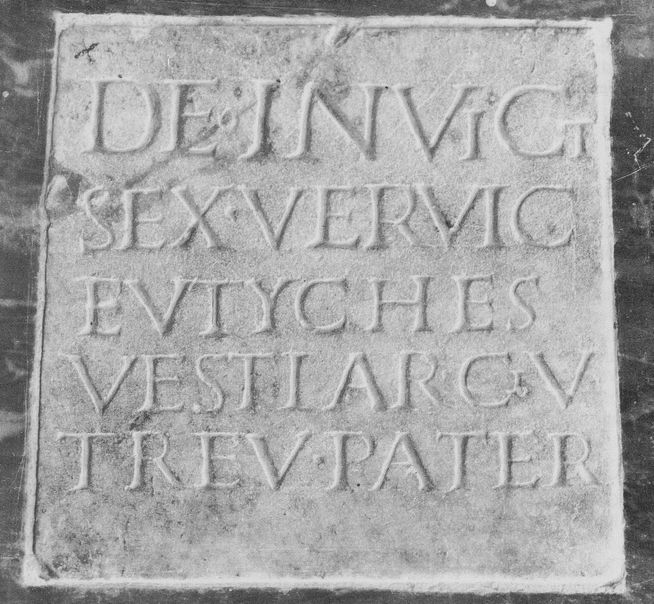
Several inscriptions dedicated to Mithras have been found in Eauze, including these two by a certain Pater Sextus Vervicius Eutyches, discovered in 1768.
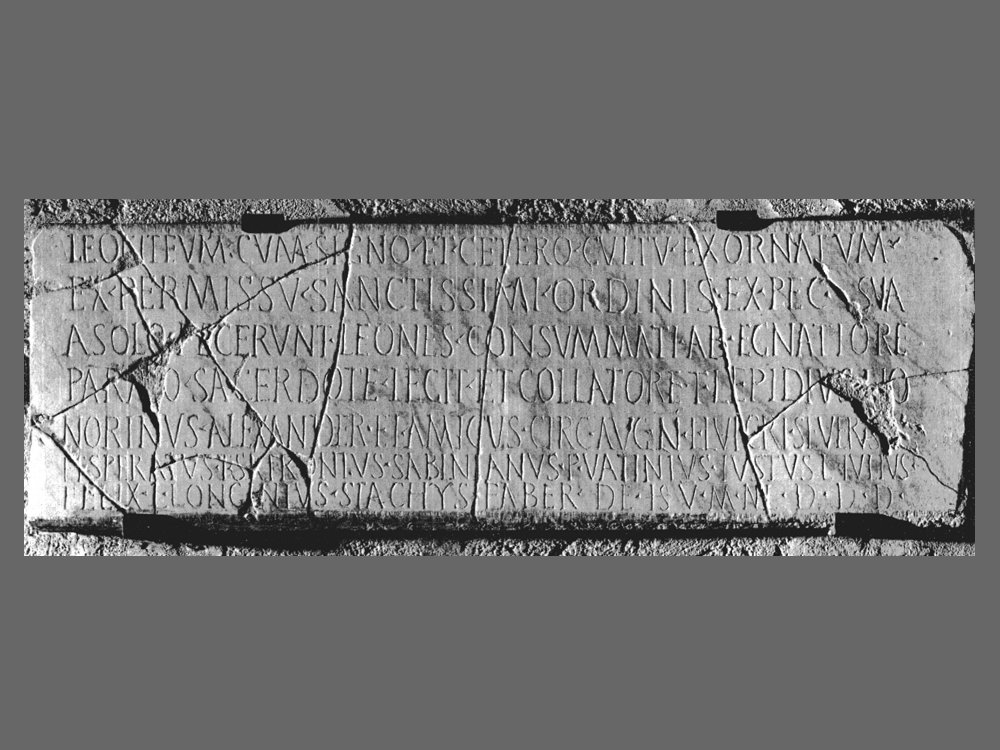
This plaque from Carsulae, in Umbria, refers to the creation of a leonteum erected by the lions at their own expense.
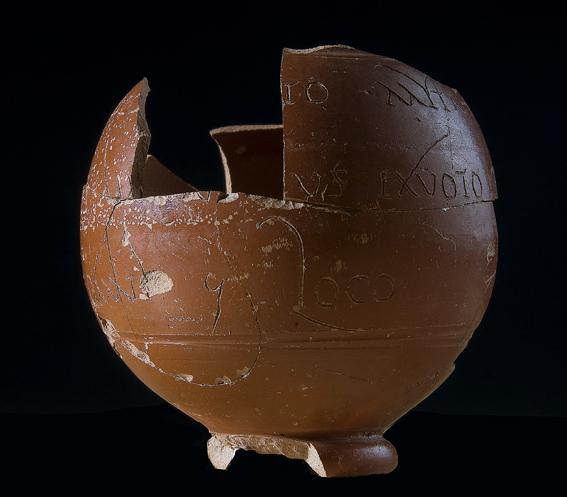
The spherical ceramic cup found at the Mithraeum in Angers bears an inscription to the unconquered god Mithras.
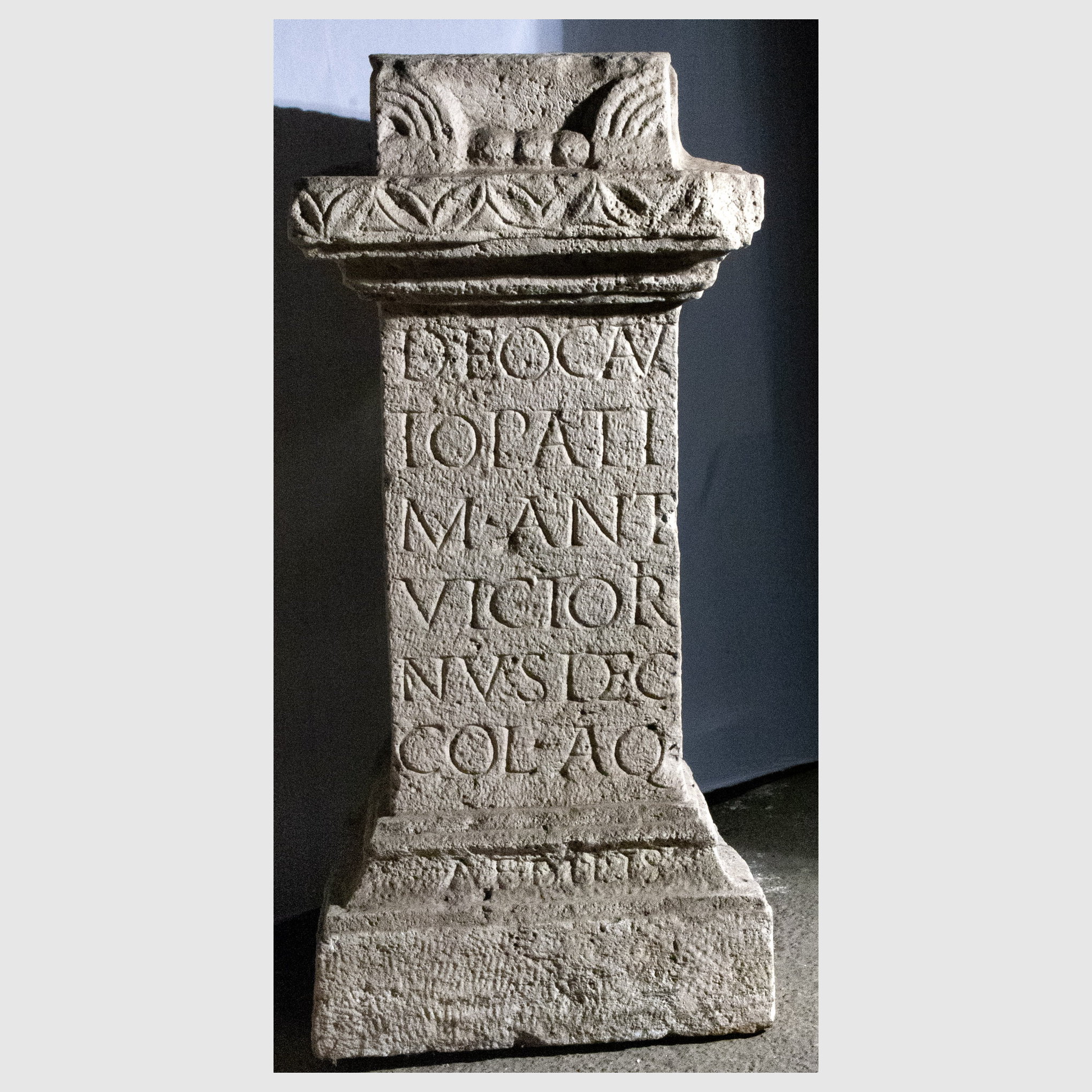
These two altars, erected by a certain Victorinus in the mithraeum he built in his house, bear inscriptions to Cautes and Cautopates.

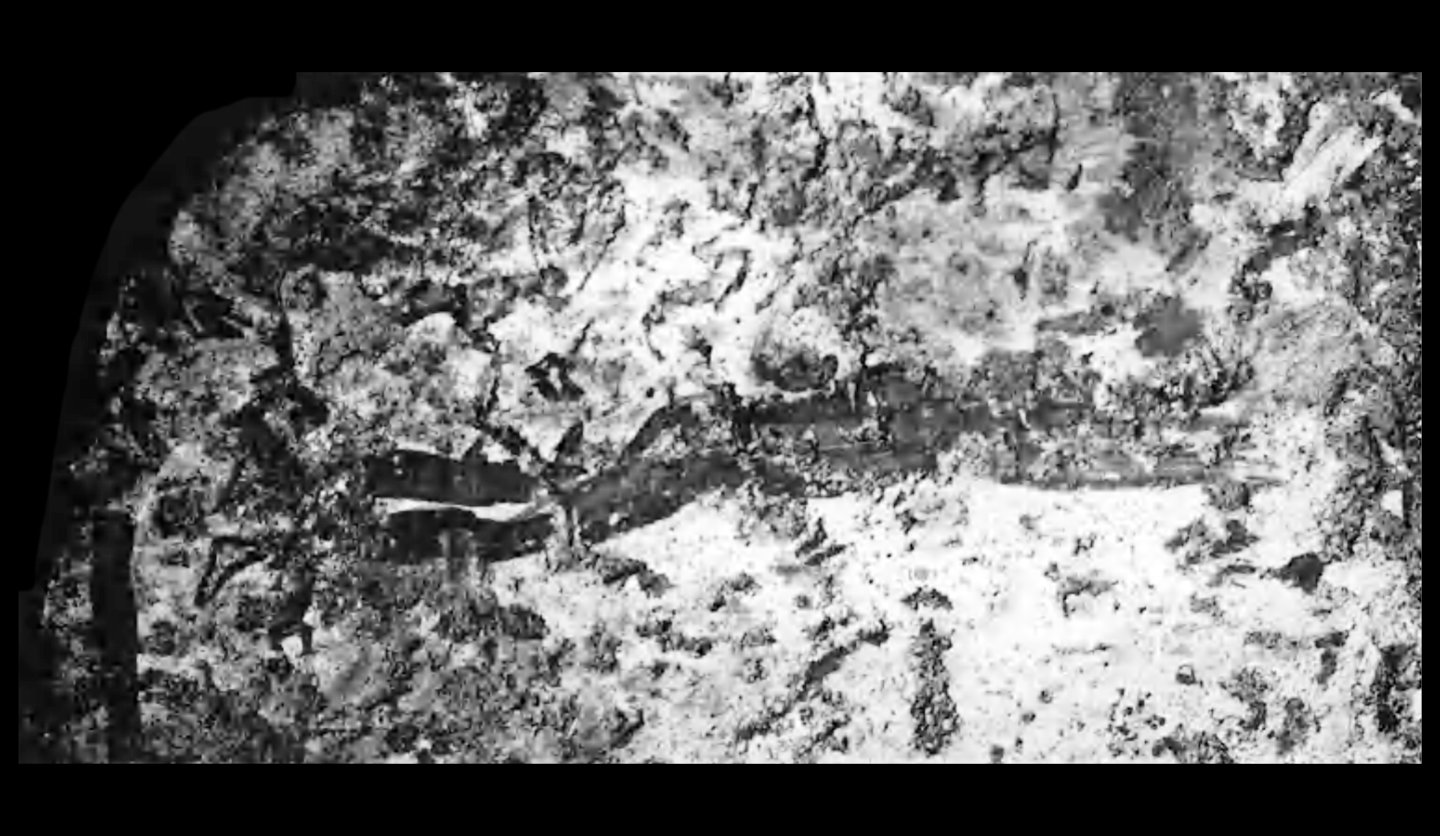
Representation of a person lying prostrate on the ground between two other walking figures on the Mitreo of Santa Capua Vetere.
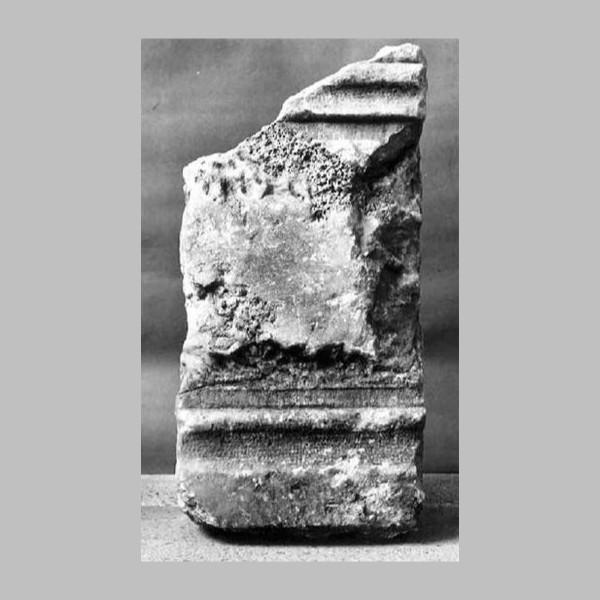
A certain Blastia or Blastianus made a dedication to Mithras and Silvanus on an altar in Emona, Italy.

This marble altar was found ’in the street called di Branco’, behind the palace of the Cardinal of Bologna, in Rome.

This altar is dedicated to the god Sol Invictus Mithras by a certain Florus, a veteran of the Legio III Augusta.
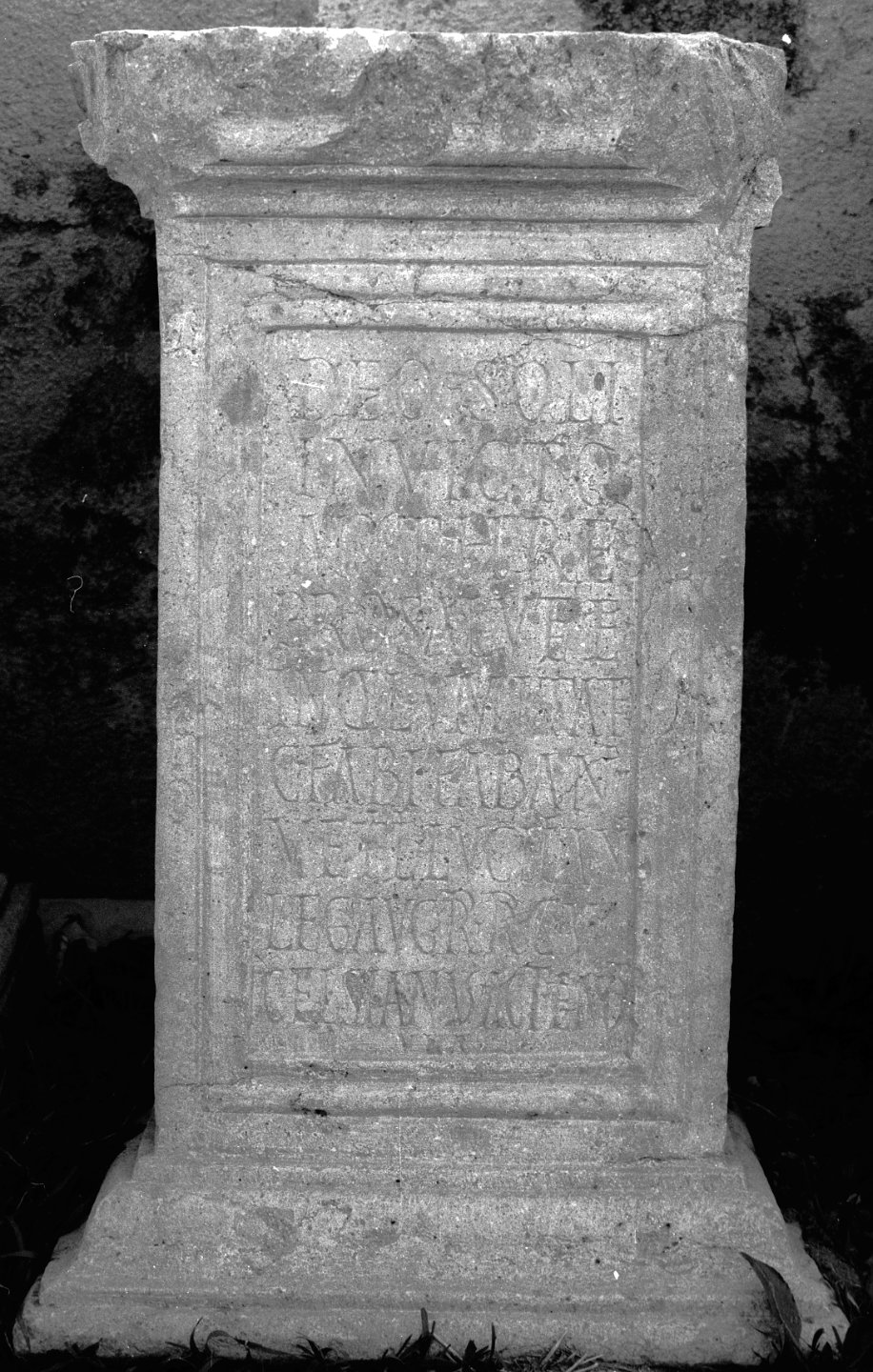
This altar found in Lambèse, now Tazoult, Algeria, bears the inscription of a certain Celsianus for the health of two men to the god Sol Unconquered Mithras.
Fragments of this limestone statue include the head and torso of Mercury, holding the caduceus in his left hand.
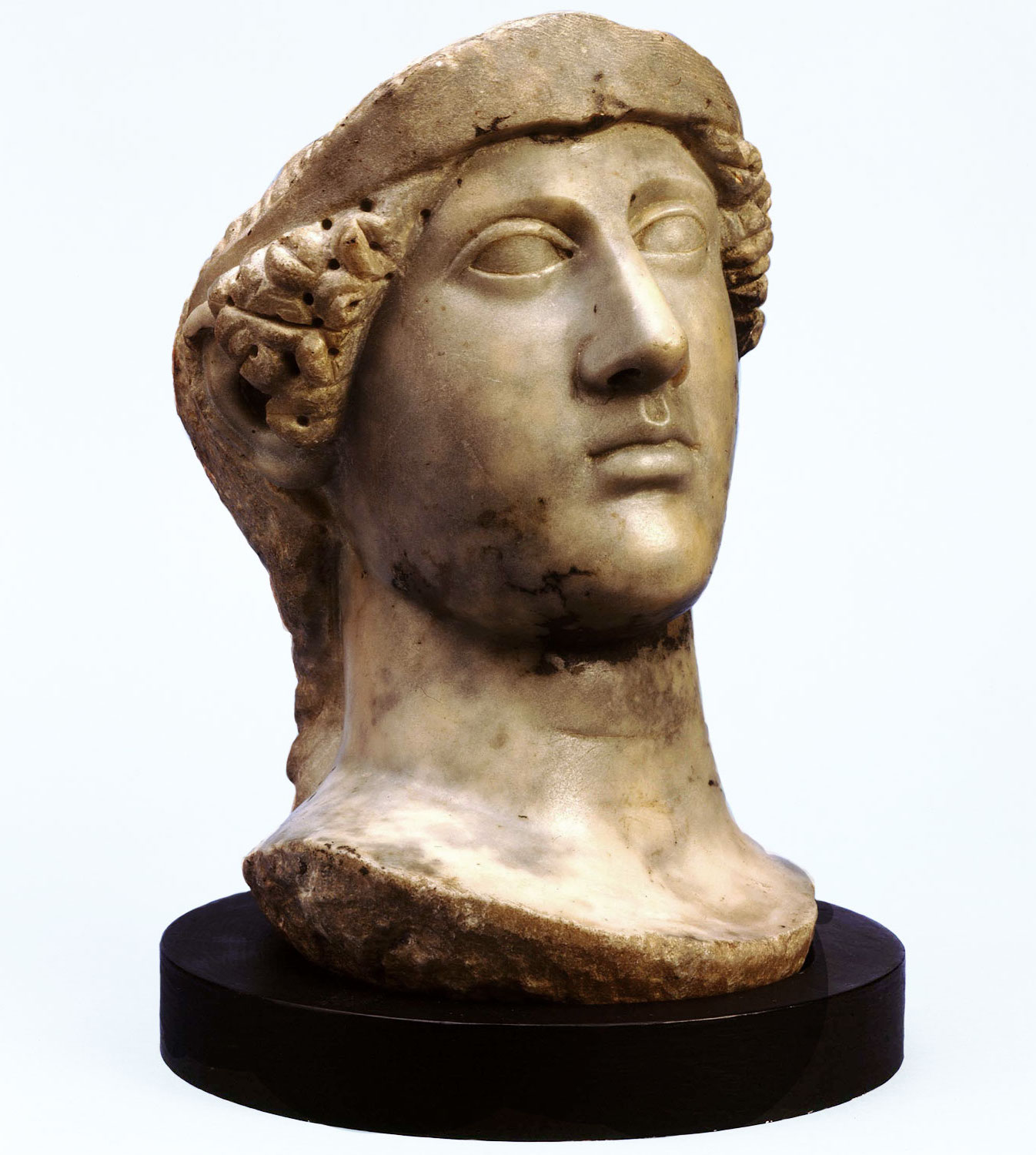
This head was found at the east end of temple of Mithras in London.
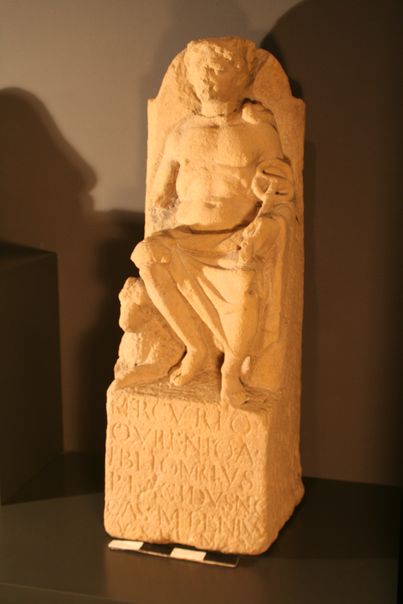
The statue was dedicated to Mercury Quillenius, an epithet used to refer to a Celtic god or the Greek Kulúvios.
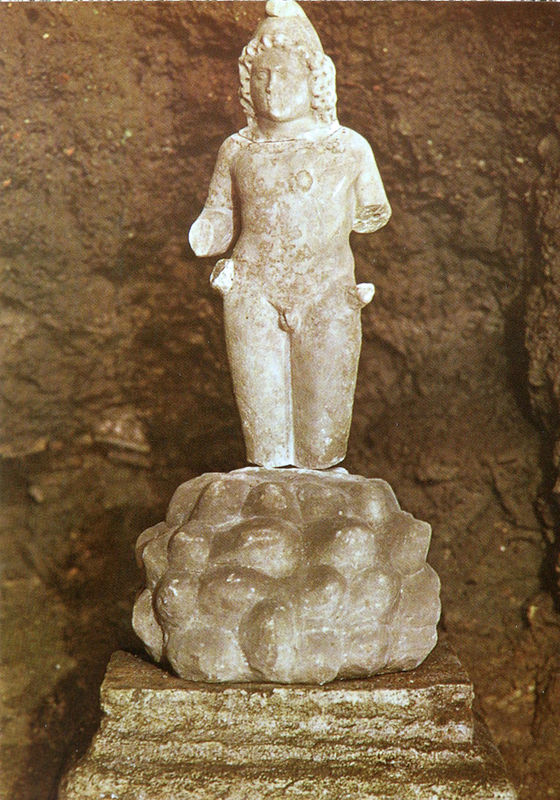
Mithras birth from the knees upwards emerging from a rock and wearing as usual a Phrygian cap.
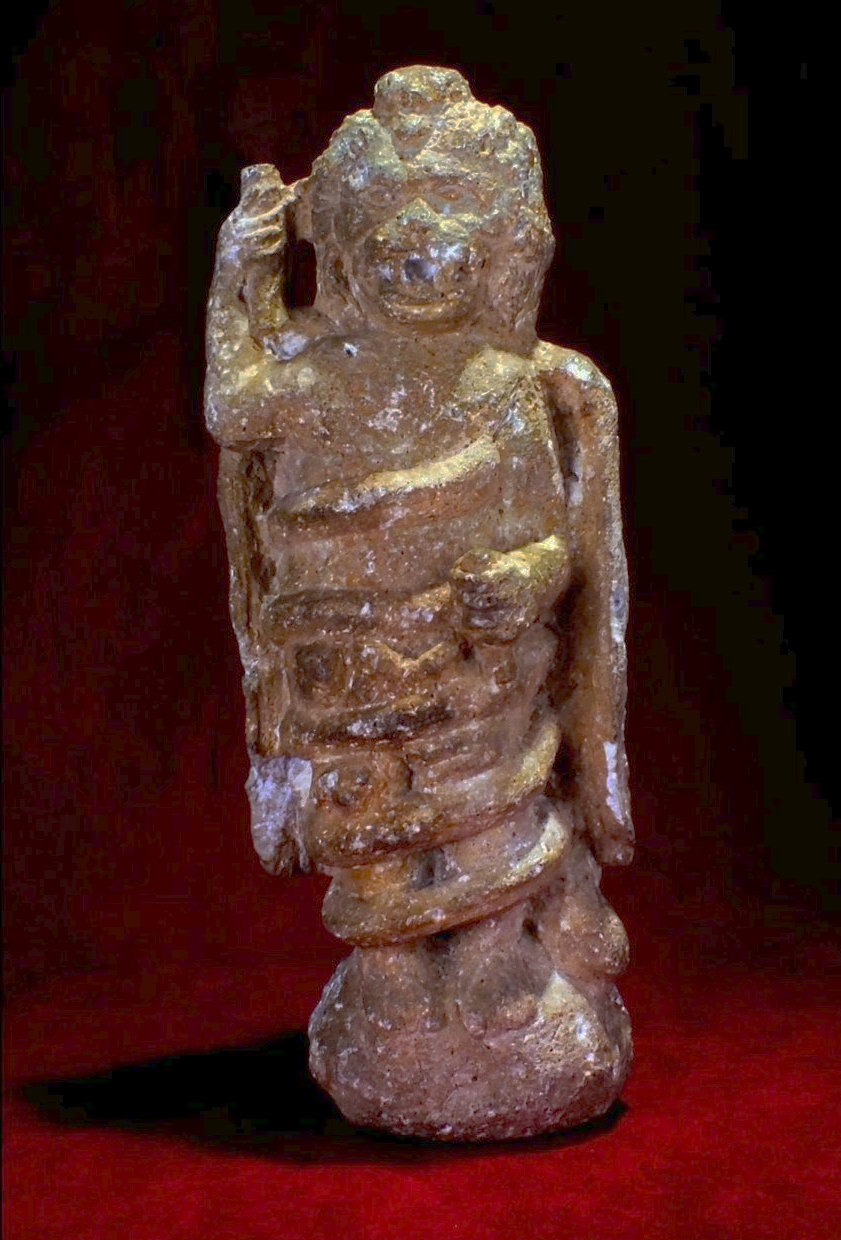
Its base is partially broken, so it is unclear if the figure was standing on a globe, an expected position, or not.
