Your search Val di Non gave 2329 results.

An inscription mentioning a speleum decorated by Publilius Ceionius suggests the location of a mithraeum in Cirta, the capital of Numidia.
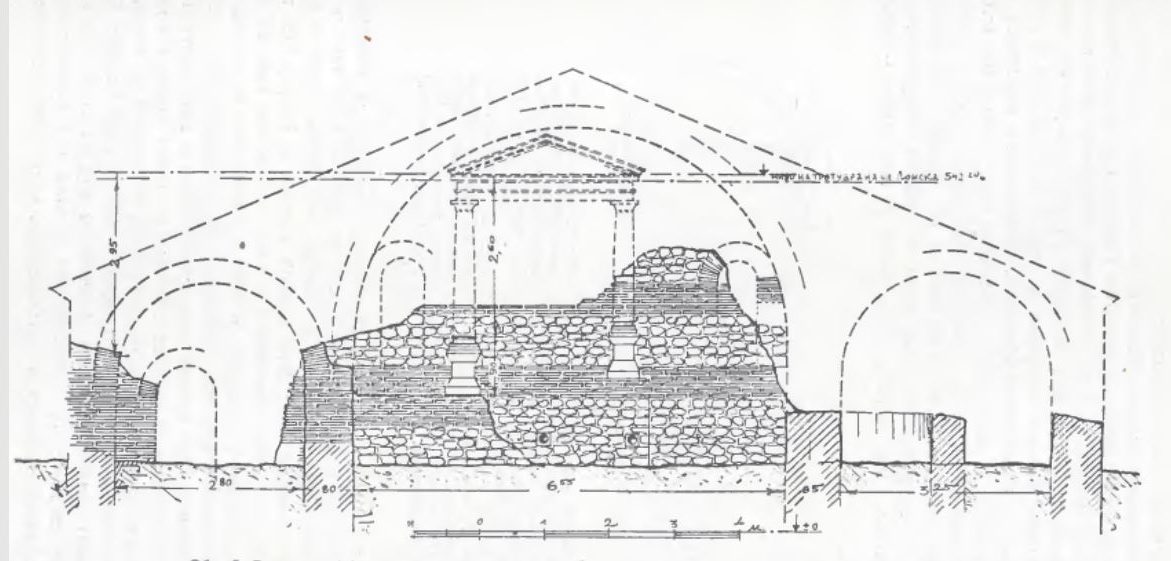
The Mithraeum of Serdica was found in the fortified area of the ancient city of Serdica, now Sofia, Bulgaria.

Callimorphus dedicated this image of the sun god to the invincible sun ’Mythra’.

Y DNA E-M183/E-M81 Roman Numidian & Celtic Scot/Brit from Borders of Scotland and England (desc. from Numidian Tribunes/Prefects of Hadrians & High Rochester)
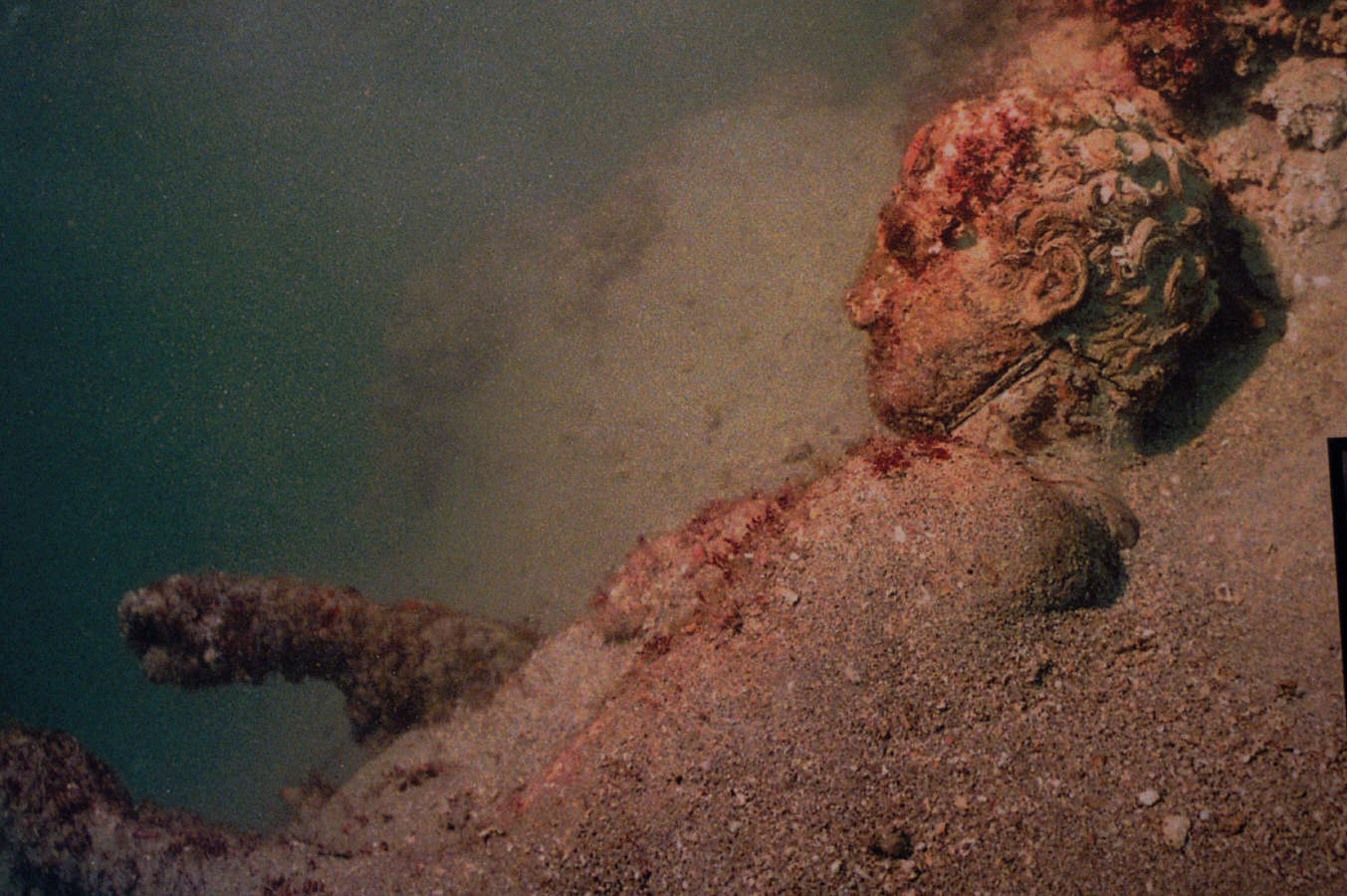
Two excerpts from the ’Life of Commodus’ in Lampridius’ Historia Augusta, dating from the 4th century CE.


He was from Aphrodisias in Caria, where he erected a relief depicting Mithras killing the bull.

He and his brother, both of the Legio II Adiutrix, built a temple and erected several monuments in Budaors, Pannonia.


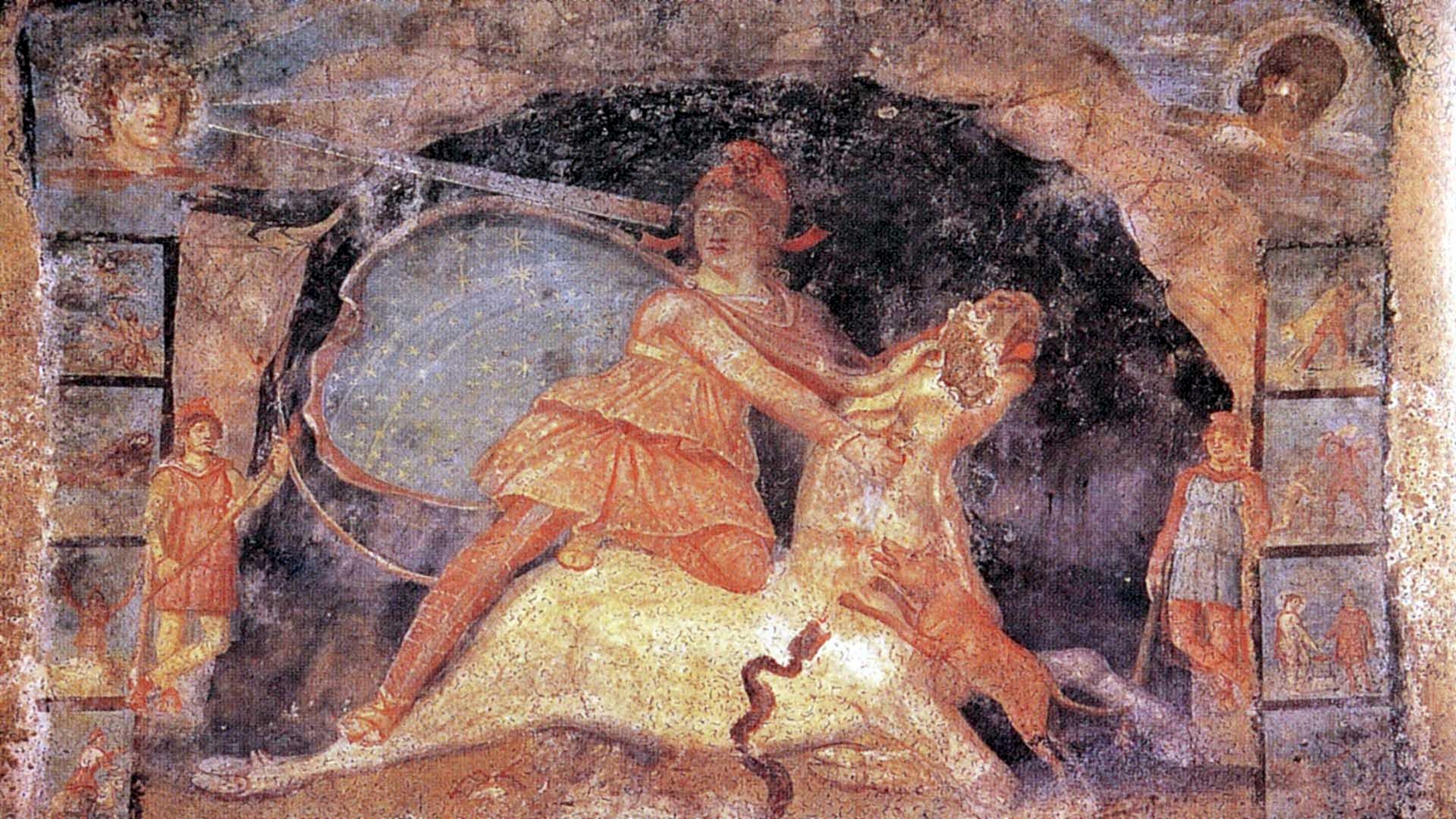
This very fine relief of Mithras killing the bull was discovered in 2014 in Germán, near Sofia, Bulgaria, and is now housed in the Sofia History Museum.

The relief of Palazzo Colonna, Rome, depicts a lion-headed figure holding a burning torch in his outstretched hands.
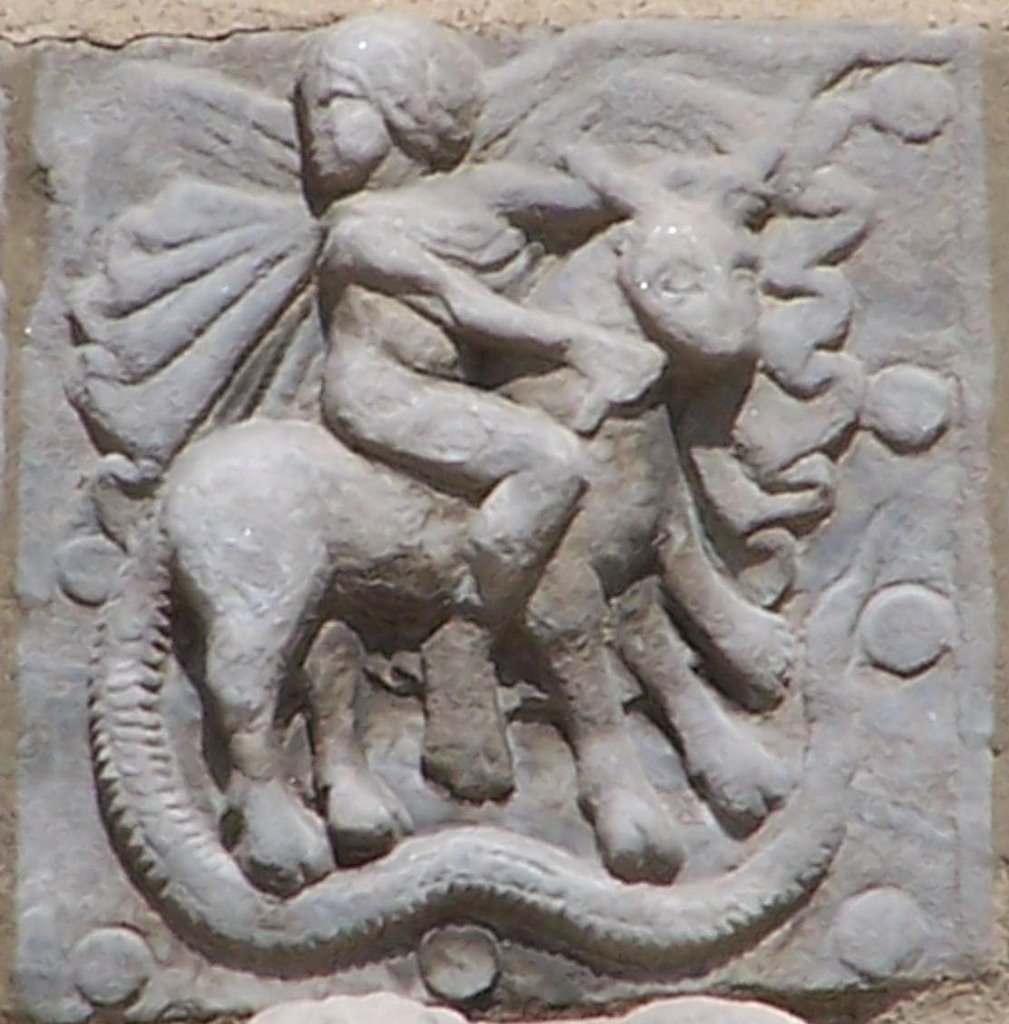
It is indeed surprising to see Mithras represented in the Middle Ages, as we tend to assume that paganism was forgotten at an early date. Well, some representations of Mithras killing the bull in key locations in Europe prove the opposite…
Salvete fratres, I created a fresh new Discord server. Here is the invitation which is valid until 21 July 2024. If you are interested in joining, read the regulations carefully first. If the link doesn’t work DM on Discord at lupuslux. Valete…
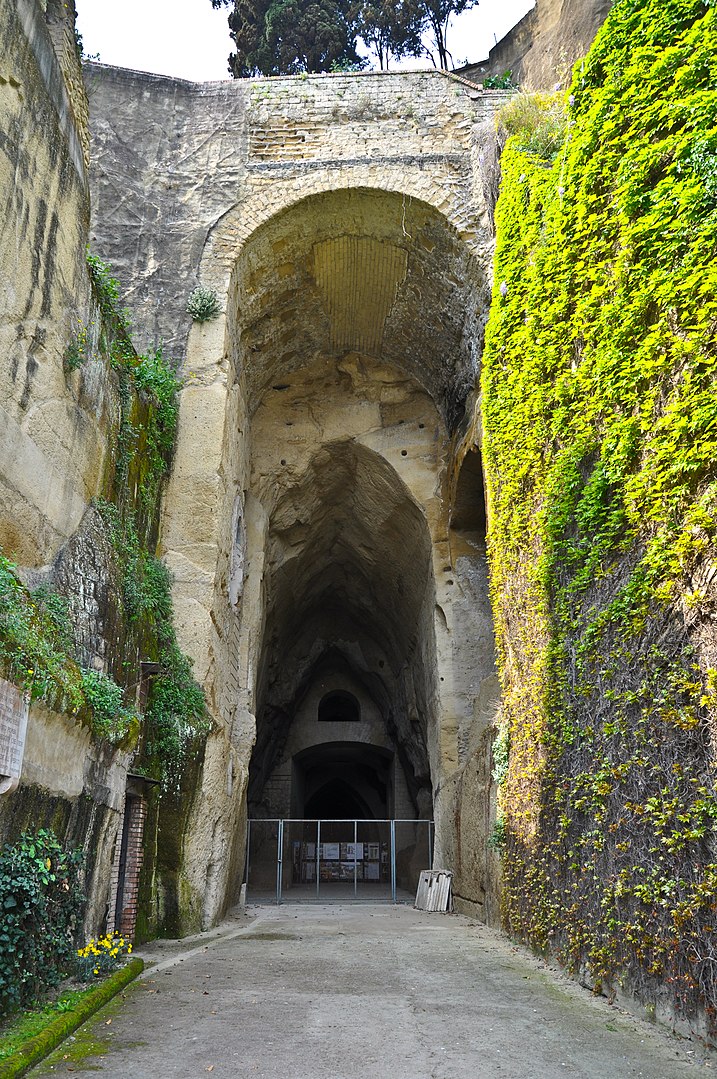
The Mitreo della crypta neapolitana was used a des legends about its use, from a cult place devoted to Priapus to celebrate Aphrodite.
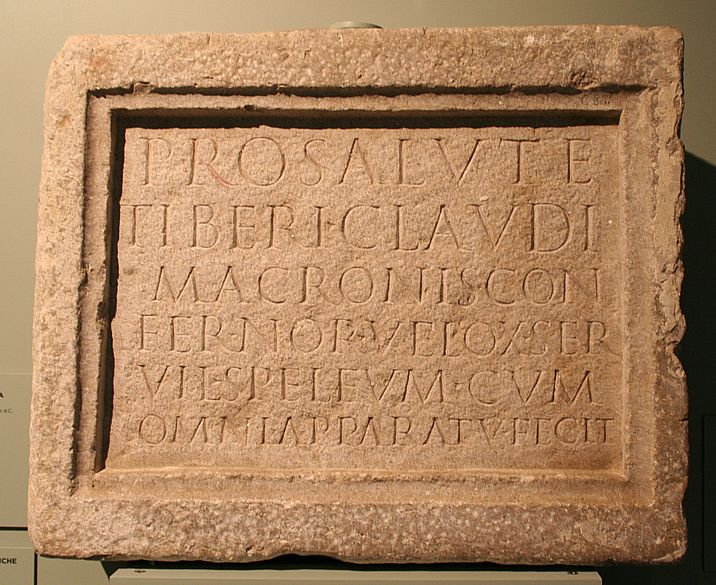
Marble slab with inscription by Velox for the salvation of the chief of the iron mines of Noricum.
The dedicator of this monument is also known for having made a tauroctonic relief in Nesce.
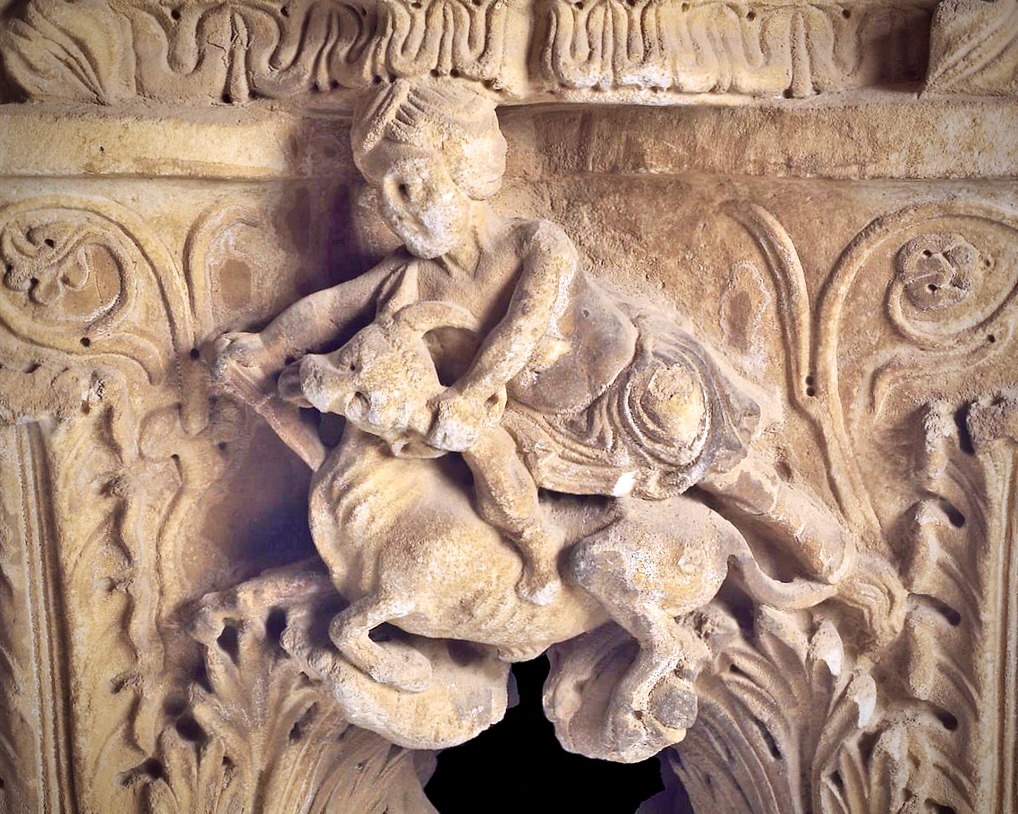
On one of the capitals of the cathedral of Santa Maria Nuova in Monreale, Sicily, an unusual turbaned bull-slaying Mithras has been recorded.
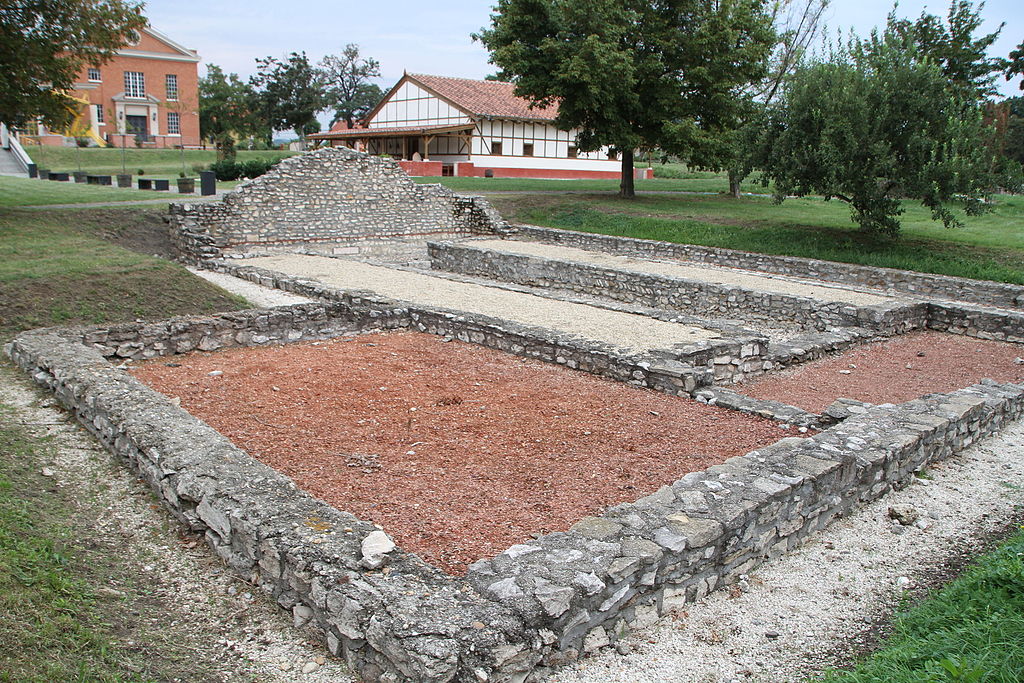
The Mithraeum of Symphorus and Marcus, in Óbuda, Budapest, has been restored to public view in 2004 and, while well presented, it has been heavily restored.
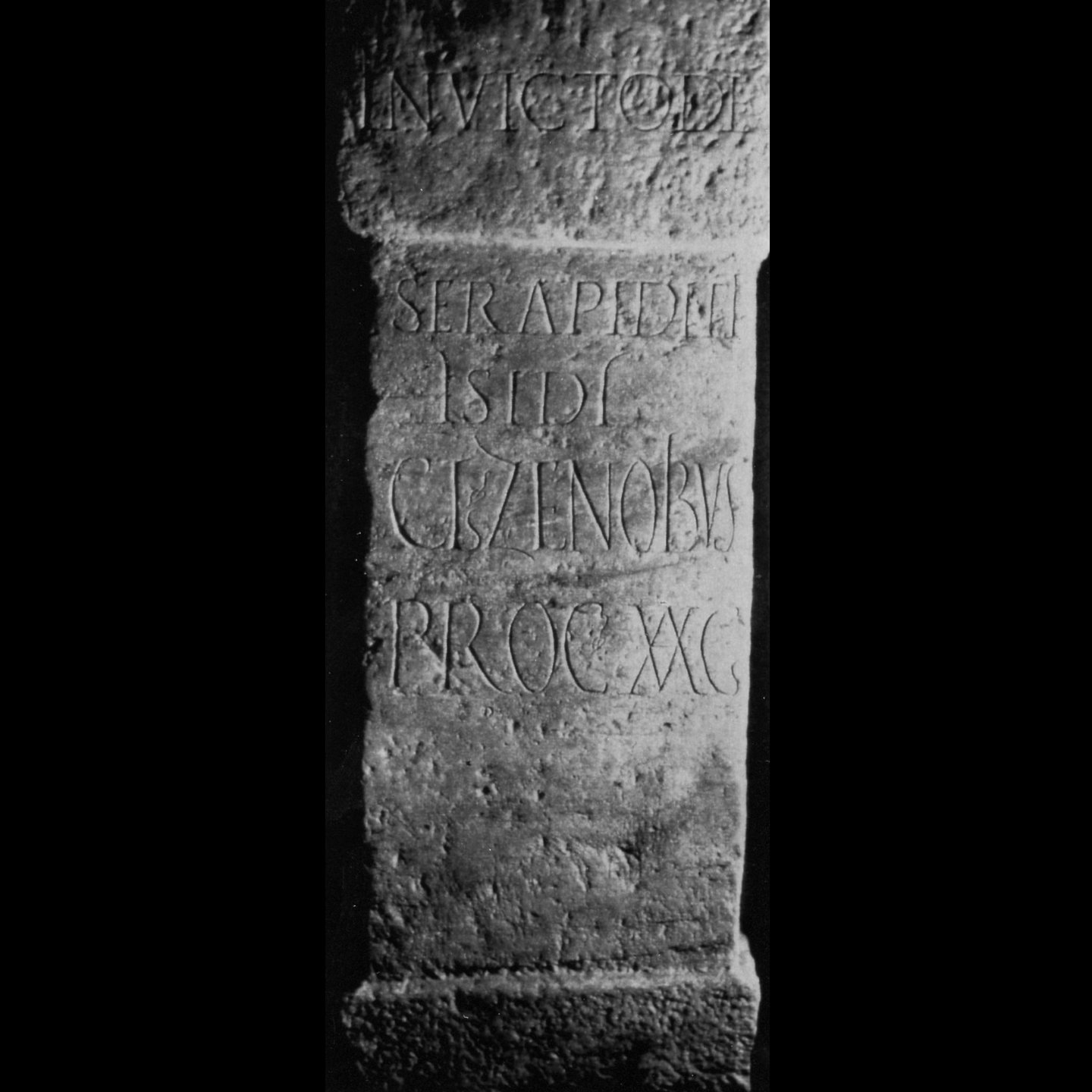
This slab dedicated to the invincible god, Serapis and Isis by Claudius Zenobius was found in 1967 in the walls of the city of Astorga, Spain.
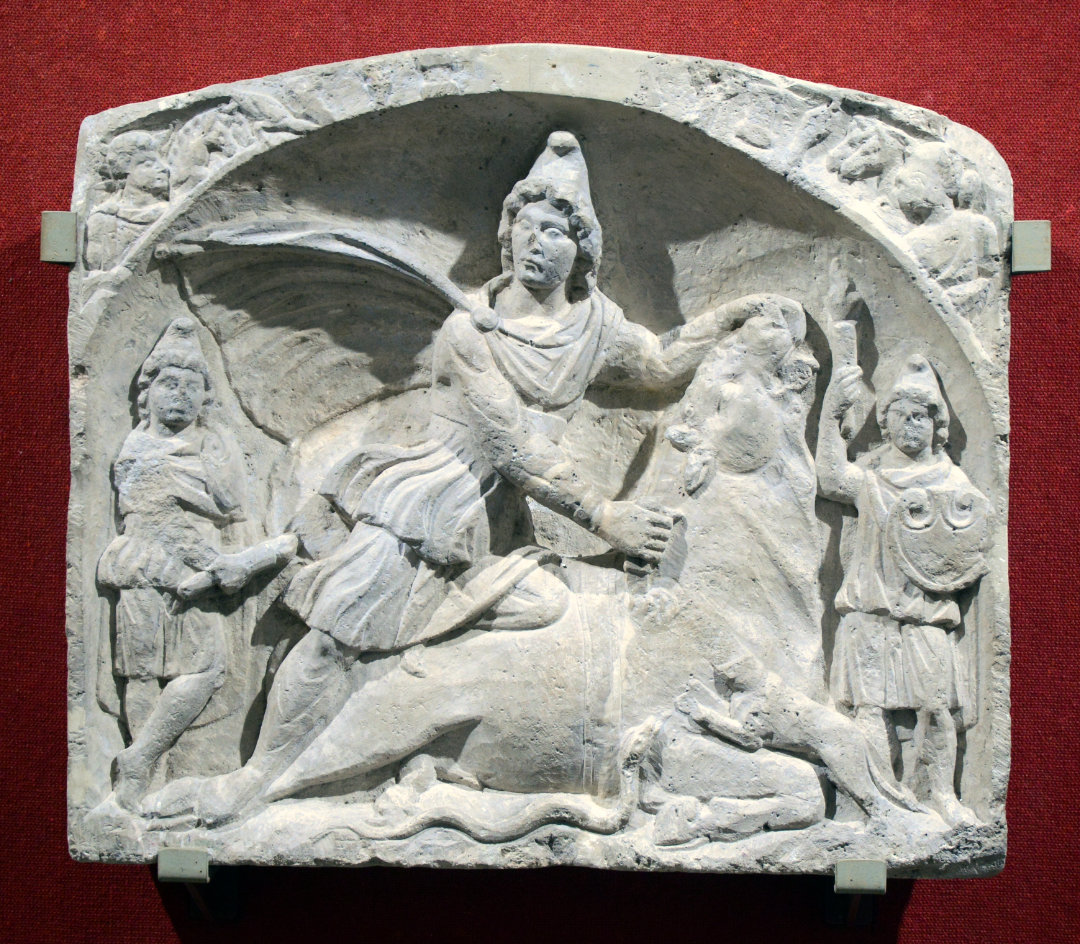
In this relief found in the Sárkeszi Mithraeum, Cautes and Cautopates hold an Amazon shield.
