Your search Villa of Domitian at the Castel Gandolfo gave 3663 results.
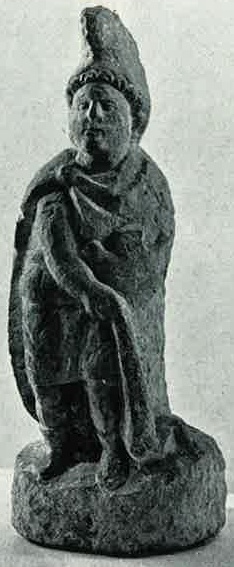
This statuette of Cautopates from Intercisa shows the torchbearer holding a burning torch and a pelta at his side.

This eulogy of Saint Eugene of Trapezos tells how, in the time of Diocletian, he and two other Christian fellows destroyed a statue of Mithras.
This inscription shows that Publilius Ceionius, most distinguished man, dedicated a temple to Mithras at Mila, in the modern Constantina, Algeria.
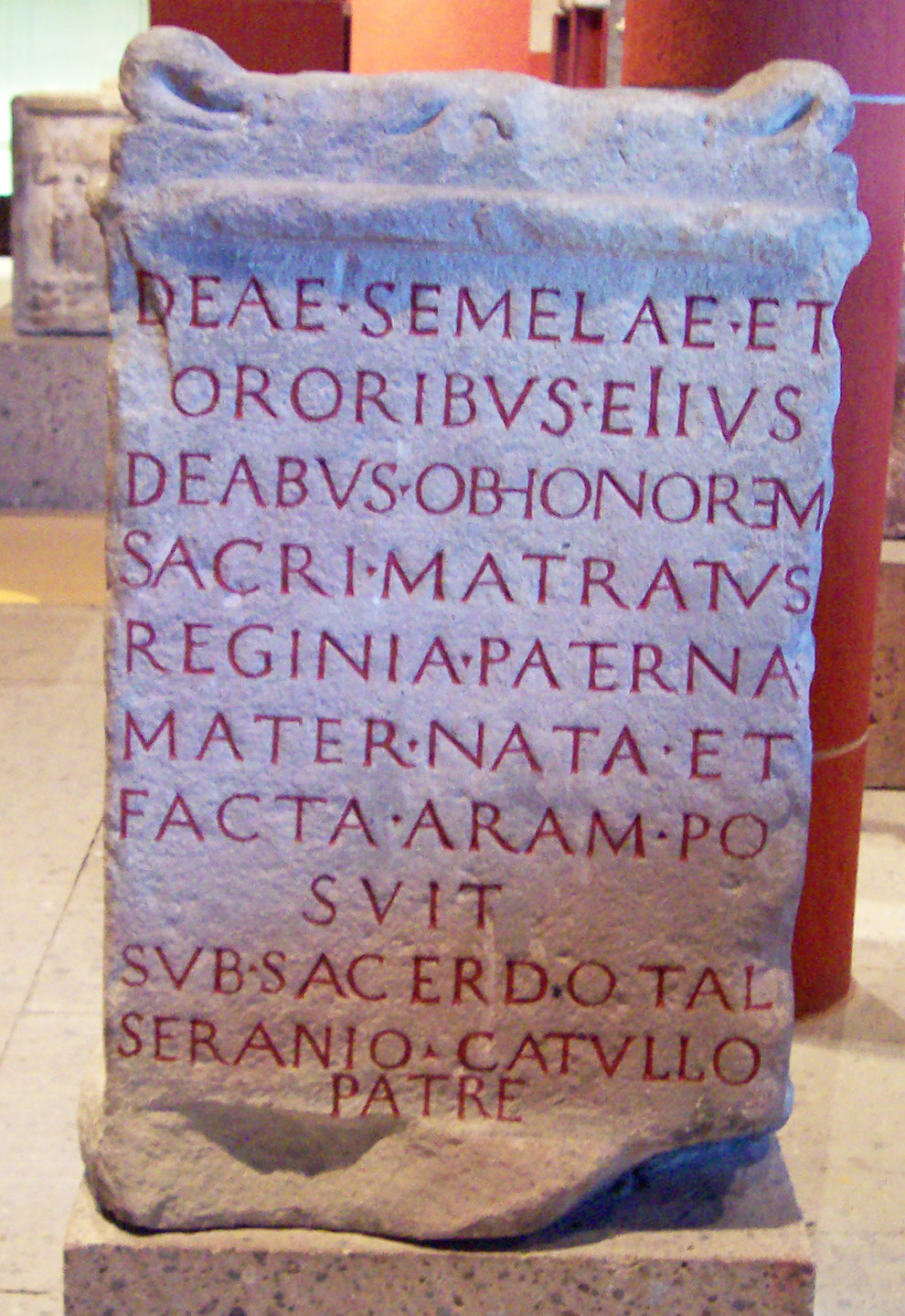
This sandstone altar found in Cologne bears an inscription to the goddess Semele and her sisters.
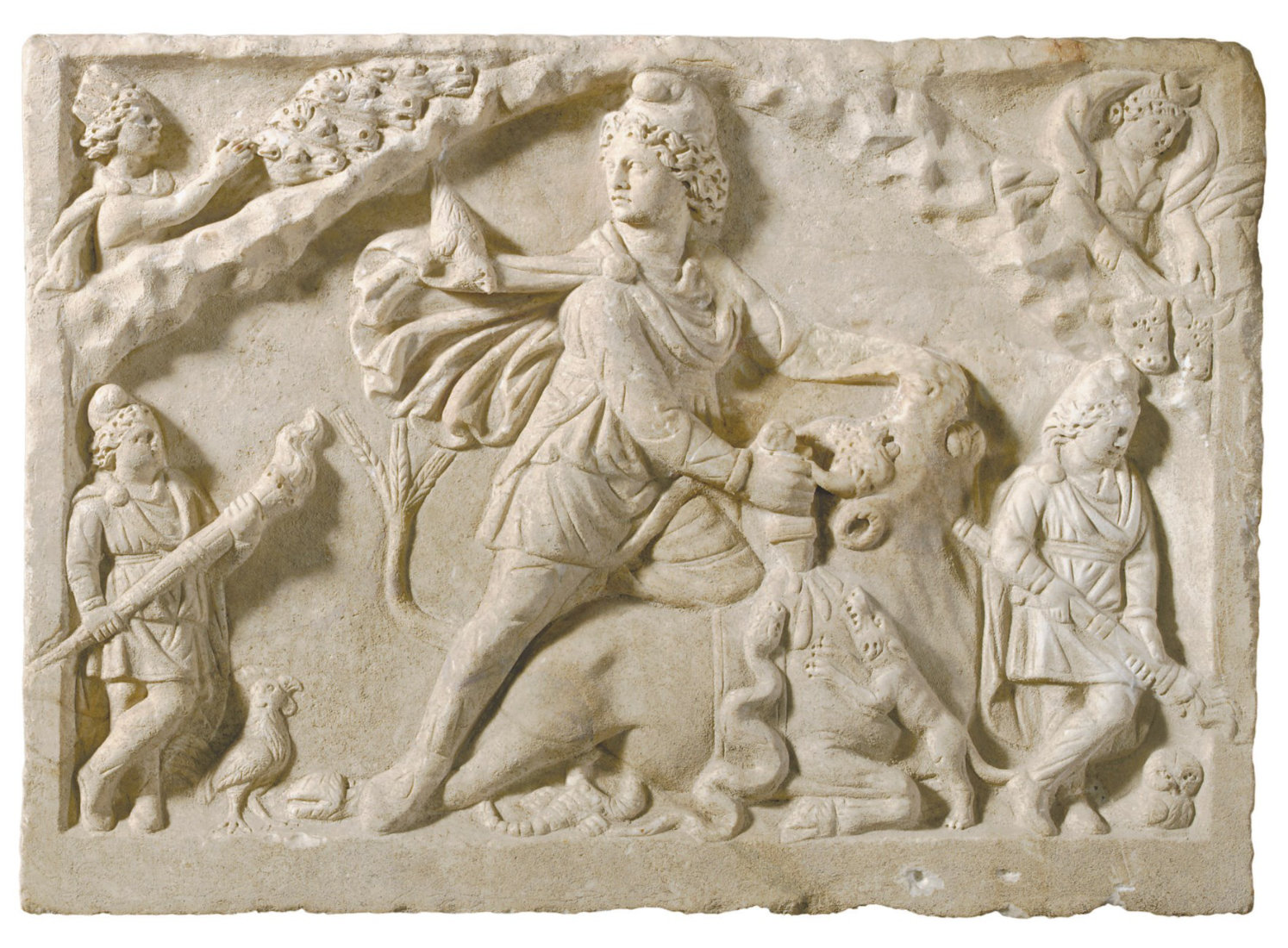
This relief of Mithras killing the bull includes an unusual owl at the feet of Cautopates and a cock next to Cautes.
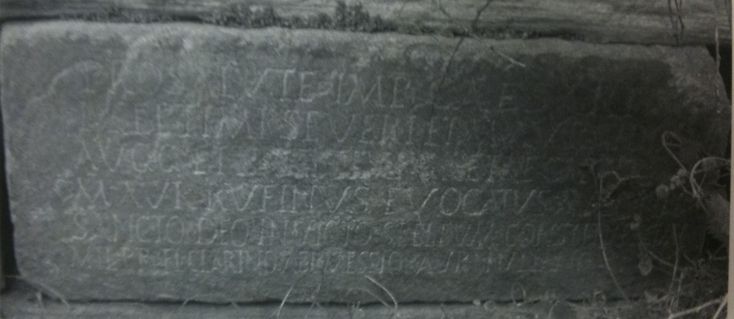
This inscription reveals the existence of a Mithraeum on the island of Andros, Greece, which has not yet been found.
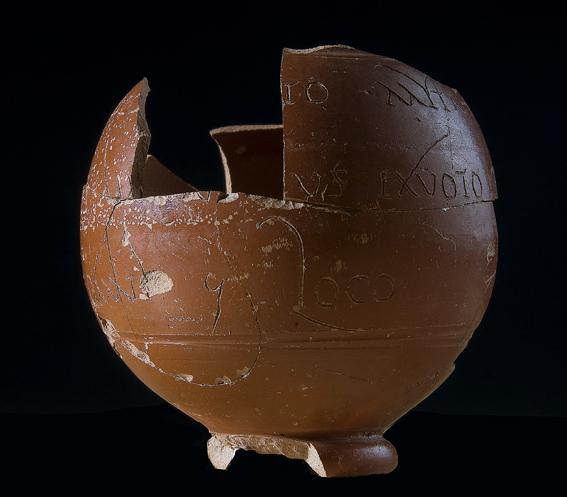
The spherical ceramic cup found at the Mithraeum in Angers bears an inscription to the unconquered god Mithras.

Two marble statues of Cautes and Cautopates discovered in the Mithraeum of Rusicade, accompanied by symbolic animals including a lion, scorpion, dolphin and bird.
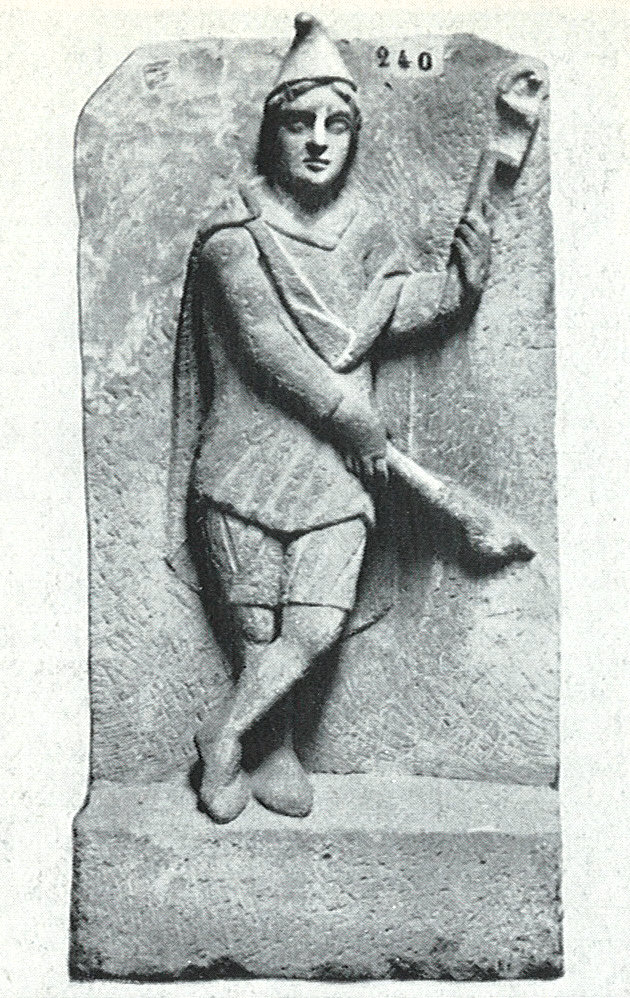
This Cautopates from Nida carries the usual downward torch in his right hand and a hooked stick in his left.
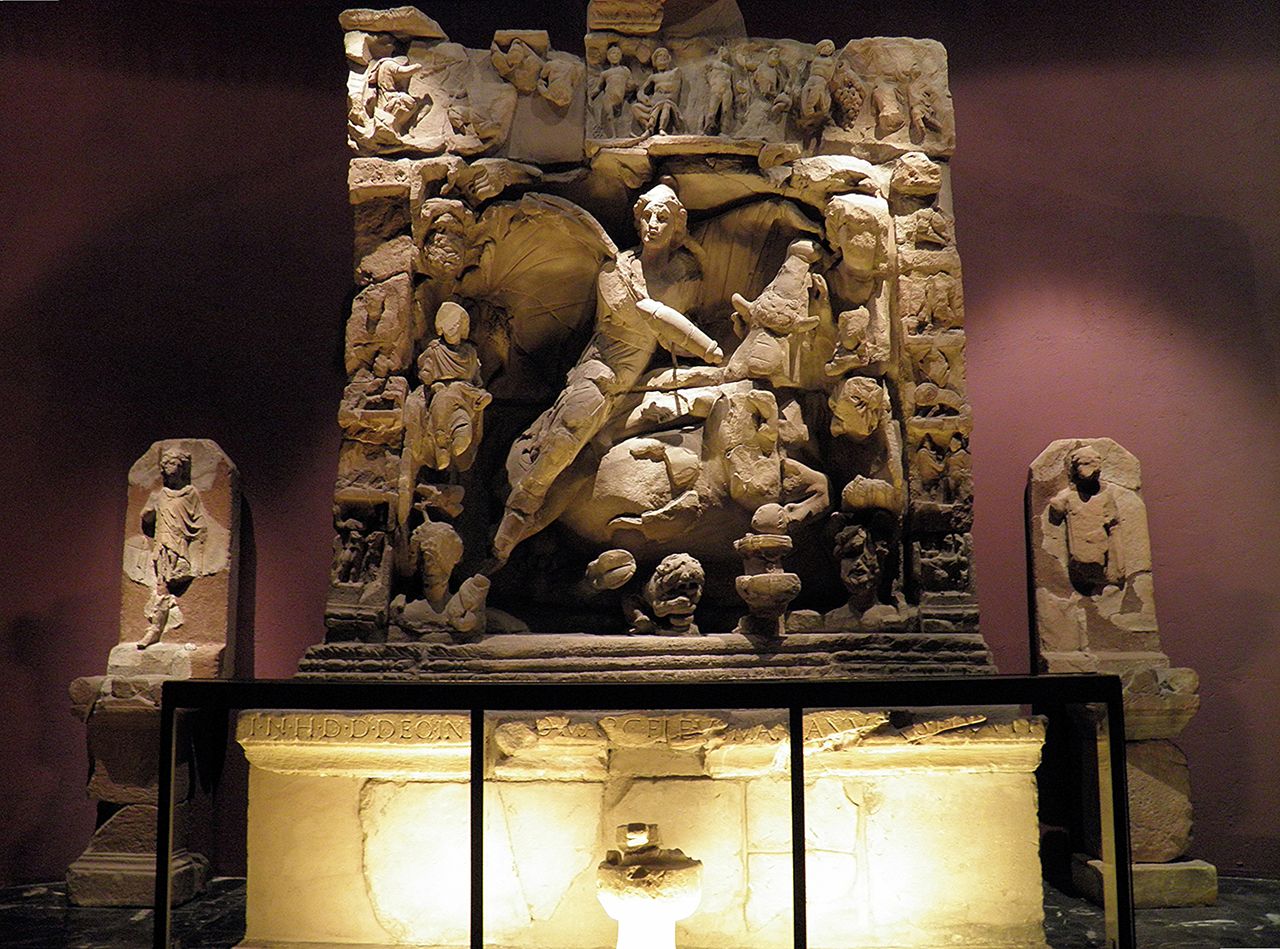
The base of these sandstone reliefs bears an inscription referring to a certain Marcellius Marianus.
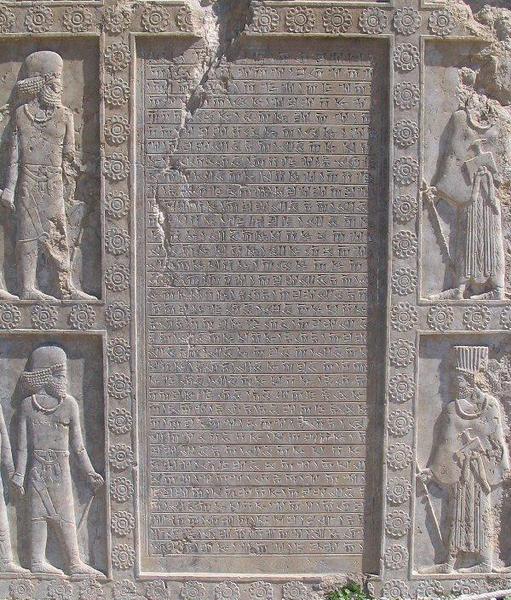
Located at the western entrance to the Palace of Darius in Persepolis, this tablet bears an inscription mentioning Ahuramazda and Mithra.
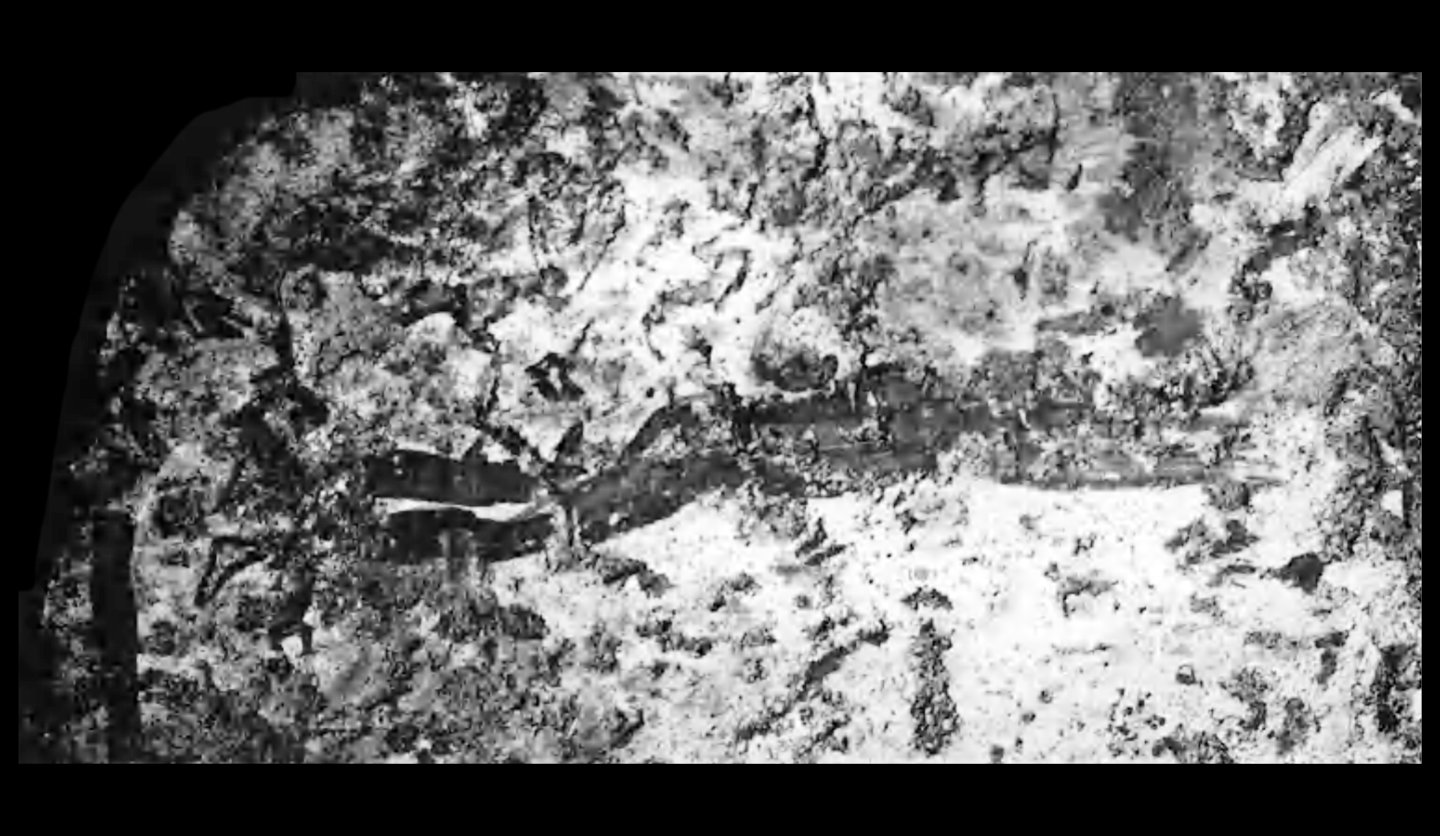
Representation of a person lying prostrate on the ground between two other walking figures on the Mitreo of Santa Capua Vetere.
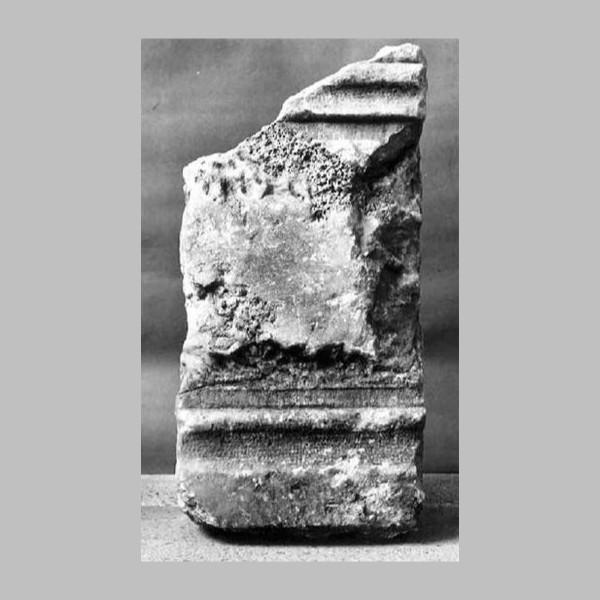
A certain Blastia or Blastianus made a dedication to Mithras and Silvanus on an altar in Emona, Italy.
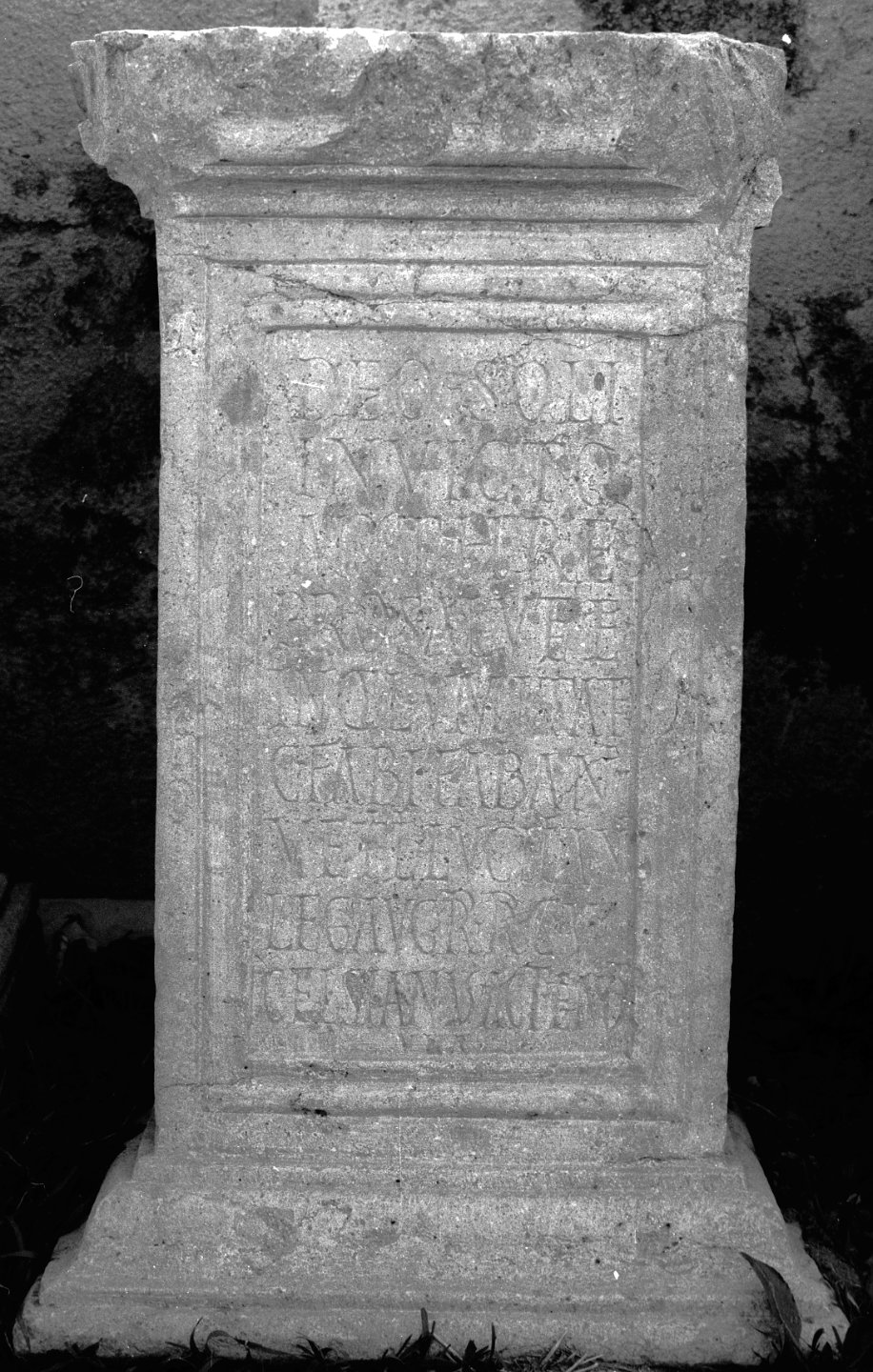
This altar found in Lambèse, now Tazoult, Algeria, bears the inscription of a certain Celsianus for the health of two men to the god Sol Unconquered Mithras.
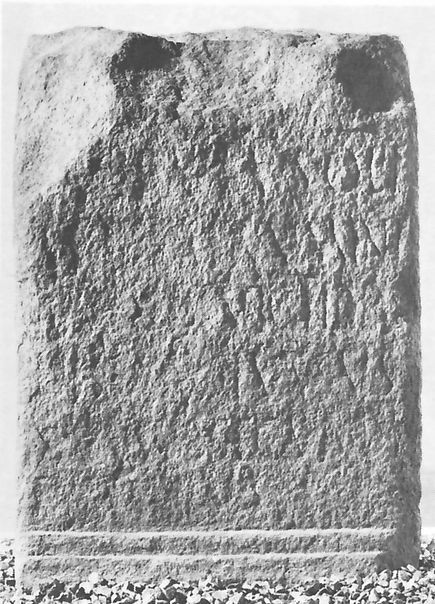
The v in this small altar found in Novaria has been interpreted by some commentators as qualifying Mithras as victorious.
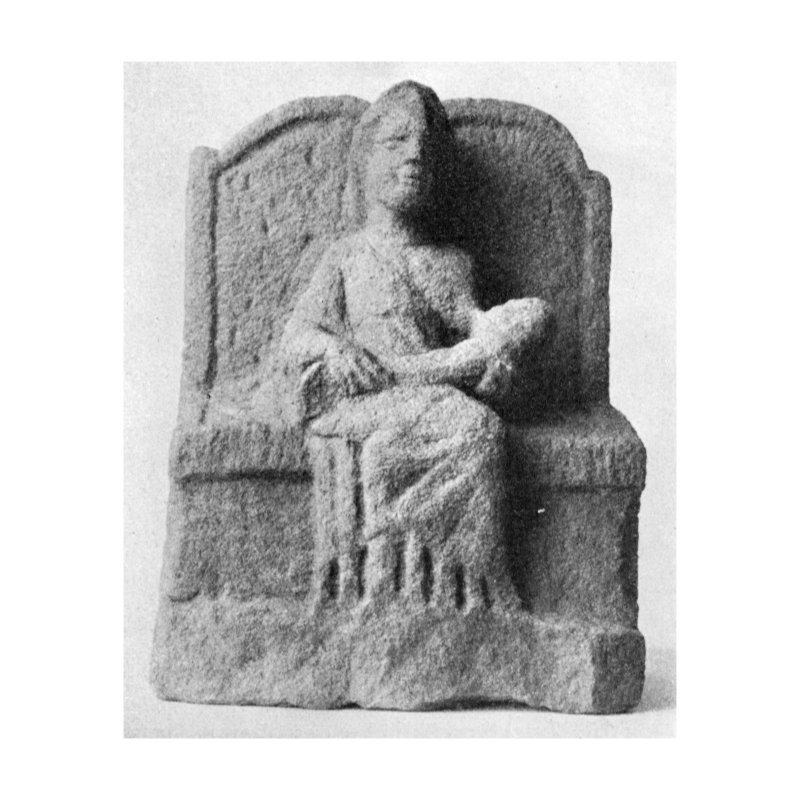
This unusual statue in Mithraic iconography of a mother nursing a child was found in the vestibule of the Mithraeum of Dieburg.
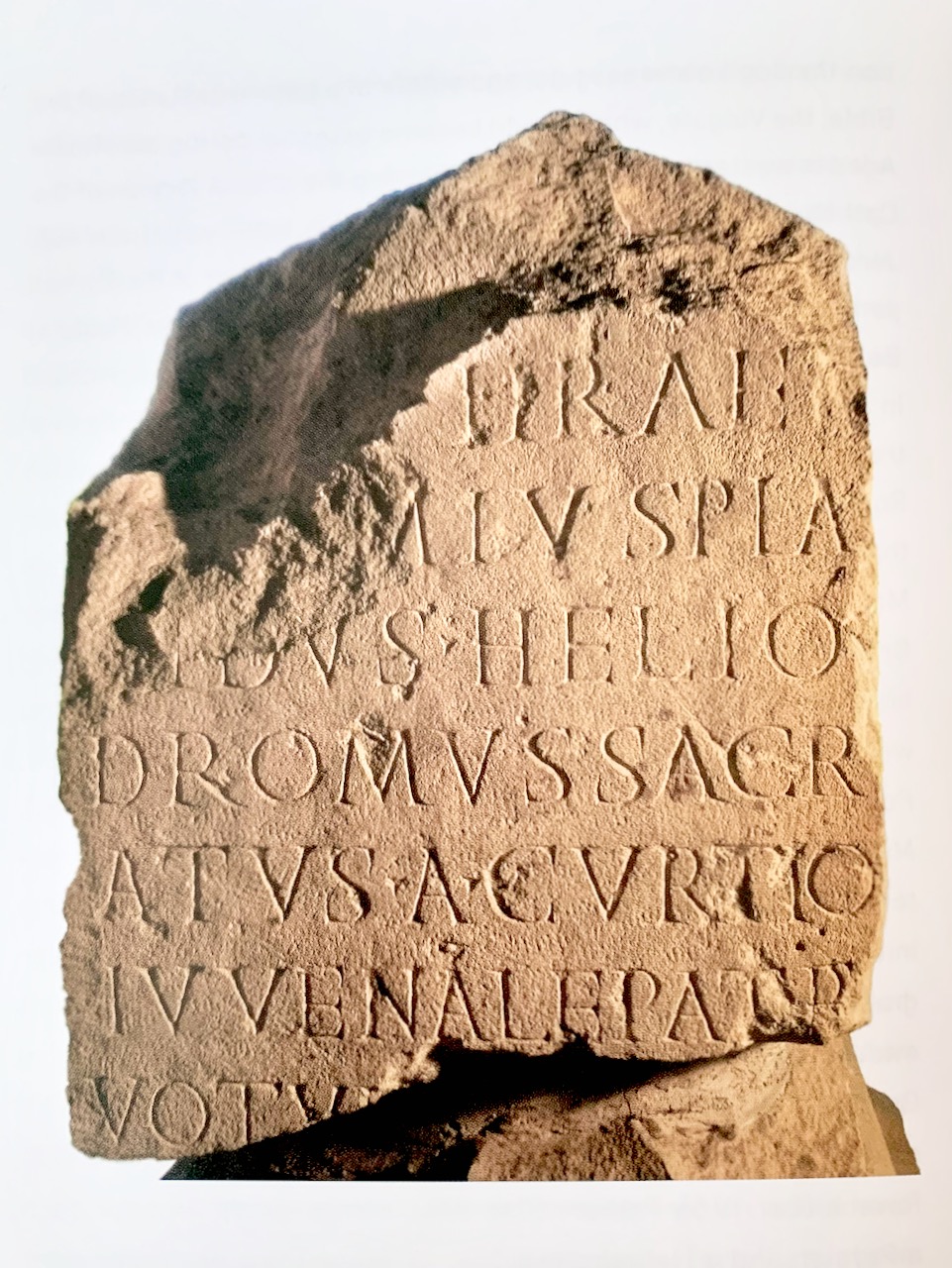
This inscription by a certain Memmius Placidus is the first ever found signed by a Heliodromus.
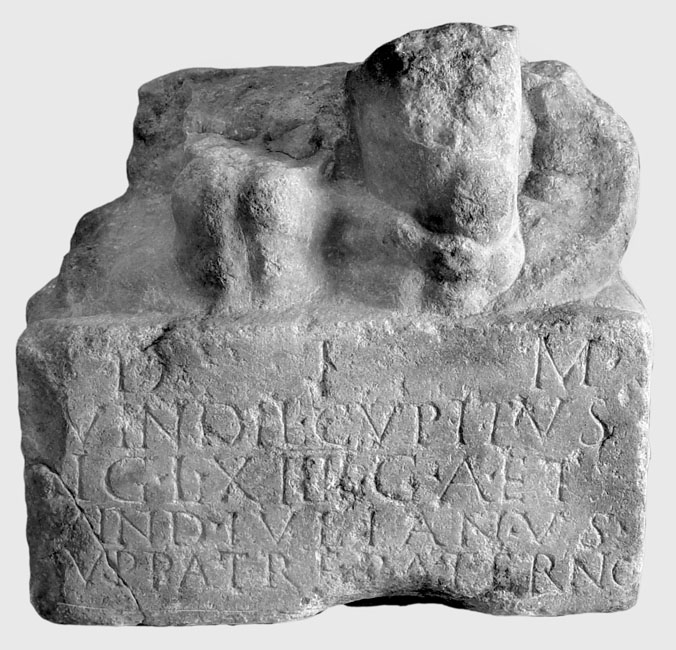
Only parts of the knees of Mithras, emerging from the rock, have been preserved from this monument of Petronell-Carnuntum, Austria.