Your search lucius apuleius madaurensis gave 97 results.

Limestone altar found in Partoș, Dacia, dedicated to Deo Soli by Lucius Valerius Felix.
Altar from Carnuntum, Pannonia Superior, dedicated to Soli invicto Mithrae by Lucius Aelius Leo, miles of Legio XIIII Gemina.
Altar from Petronell, ancient Carnuntum, Pannonia Superior, dedicated to Soli divino ex visu by Lucius Aelius Leo — possibly the same individual who dedicated a further altar identifying himself as a miles of Legio XIIII Gemina.
Sandstone altar from Mithraeum I at Heddernheim, ancient Nida, inscribed with a dedication to Cautes by Lucius Domitius Agilis (?)
Tribune of the First Cohort of Vardulli, he erected a mithraeum at Bremenium together with his consacranei.
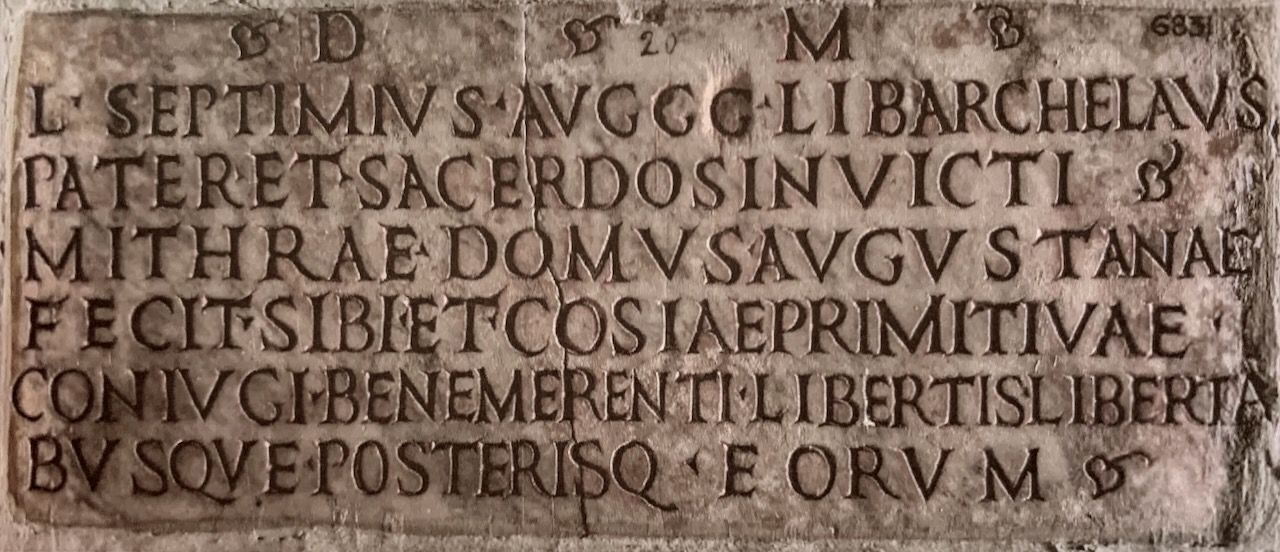
Marble funerary plaque erected by Lucius Septimius Archelaus, a Pater and priest of Mithras, for himself, his wife, and their freedmen and descendants.
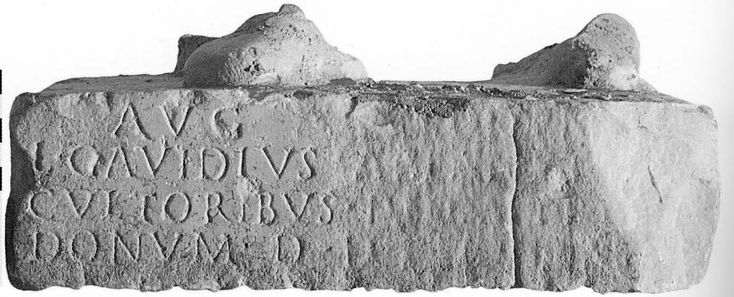
This inscription on white marble by Lucius Gavidius uses the term ther cultores to refer to his Mithraic community in Stabiae, Italy.


He was from Aphrodisias in Caria, where he erected a relief depicting Mithras killing the bull.


He dedicated to the Emperor, for the worshipers of the god Mithras a sculpture in Stabiae.

Priest. He devoted an inscription found on the main altar of the Mitreo della Planta Pedis.


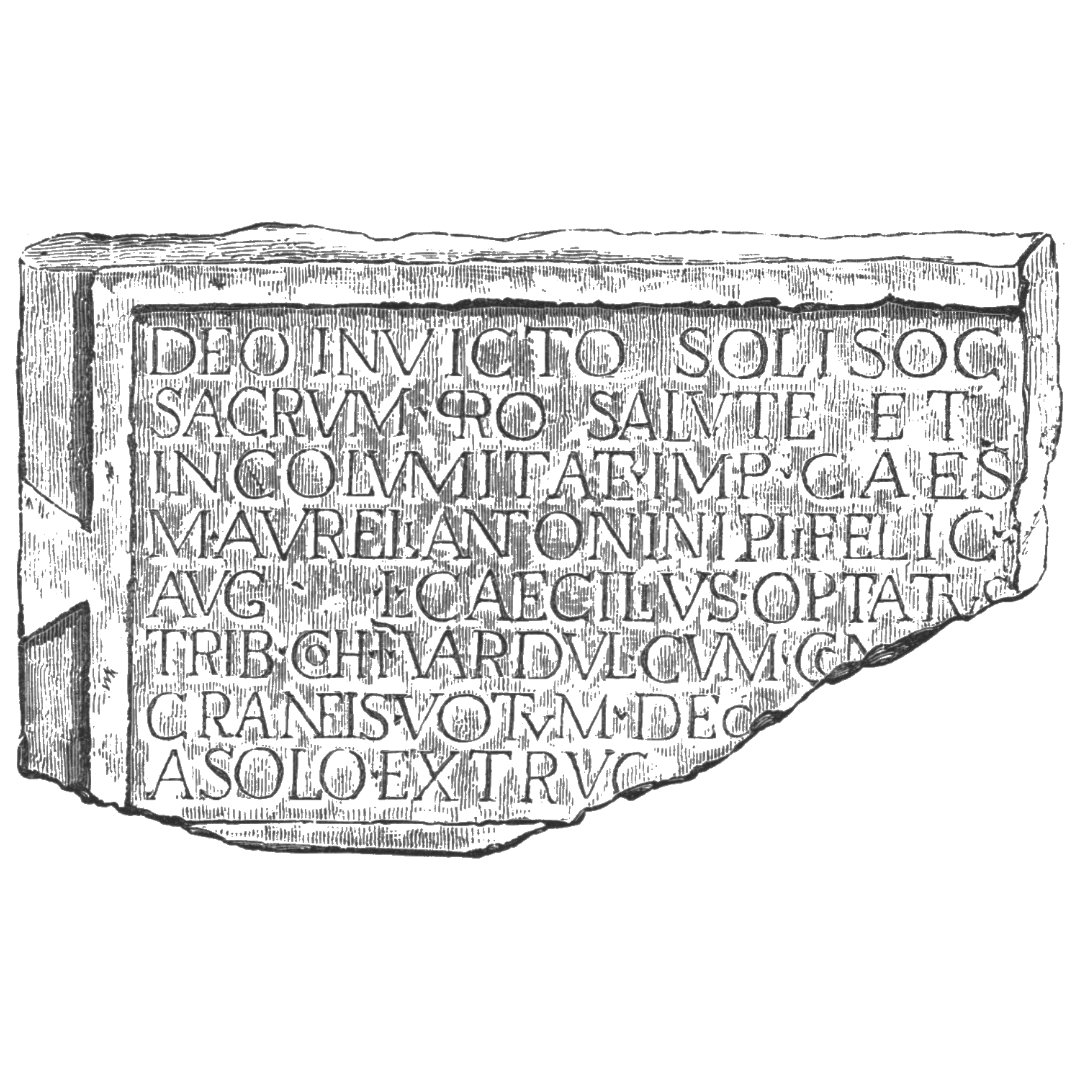
This inscription commemorates the building of a mithraeum in Bremenium with fellow worshippers of Mithras.
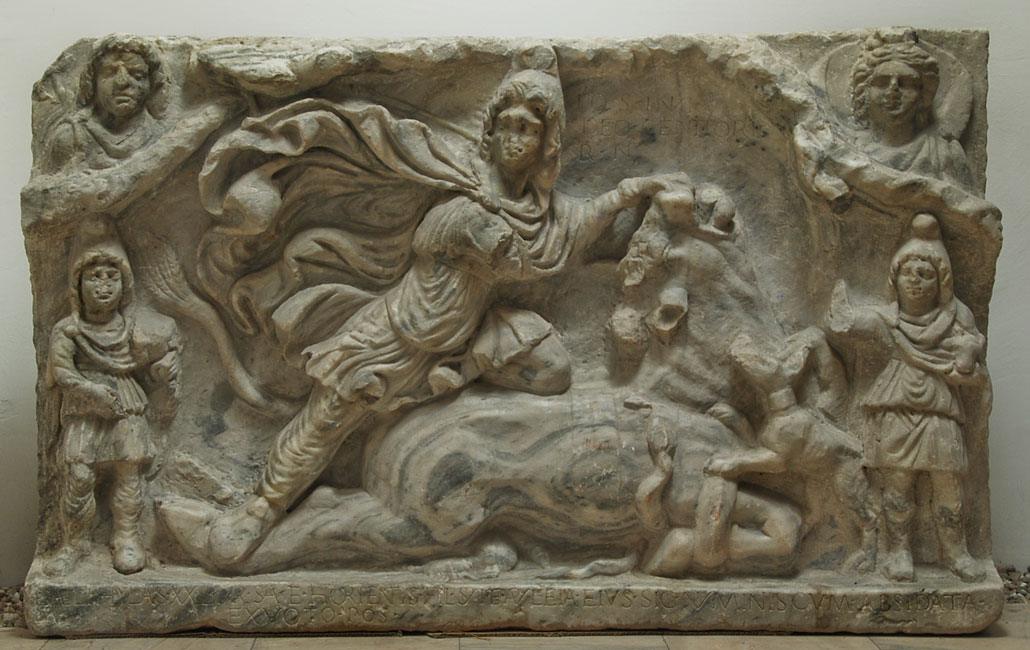
This monument bears an inscription by a certain Lucius Aelius Hylas, in which he associates Sol Invictus with Jupiter.
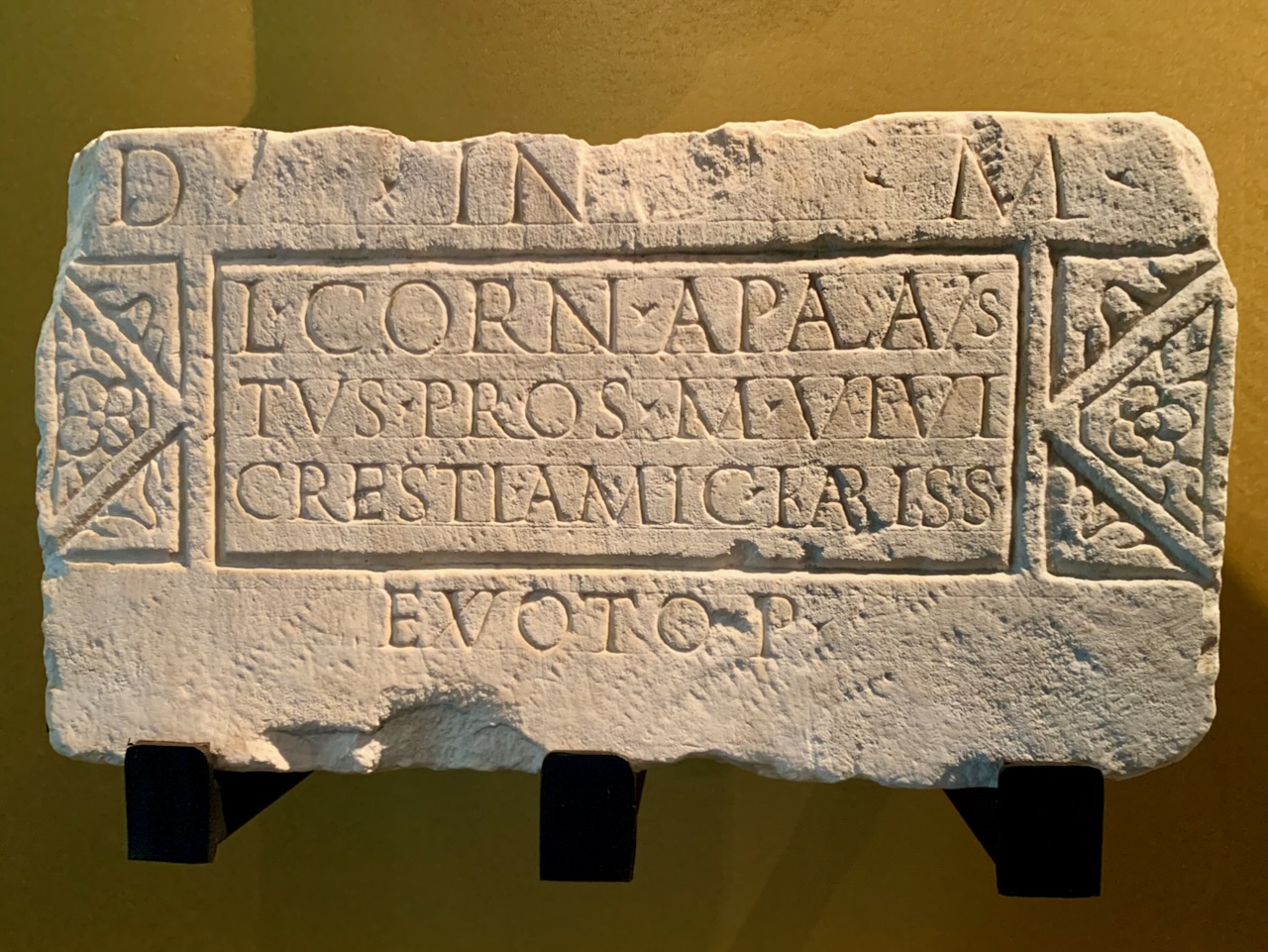
The altar that now stands in Split was dedicated to Invincible Mithras for the health of a dear friend.
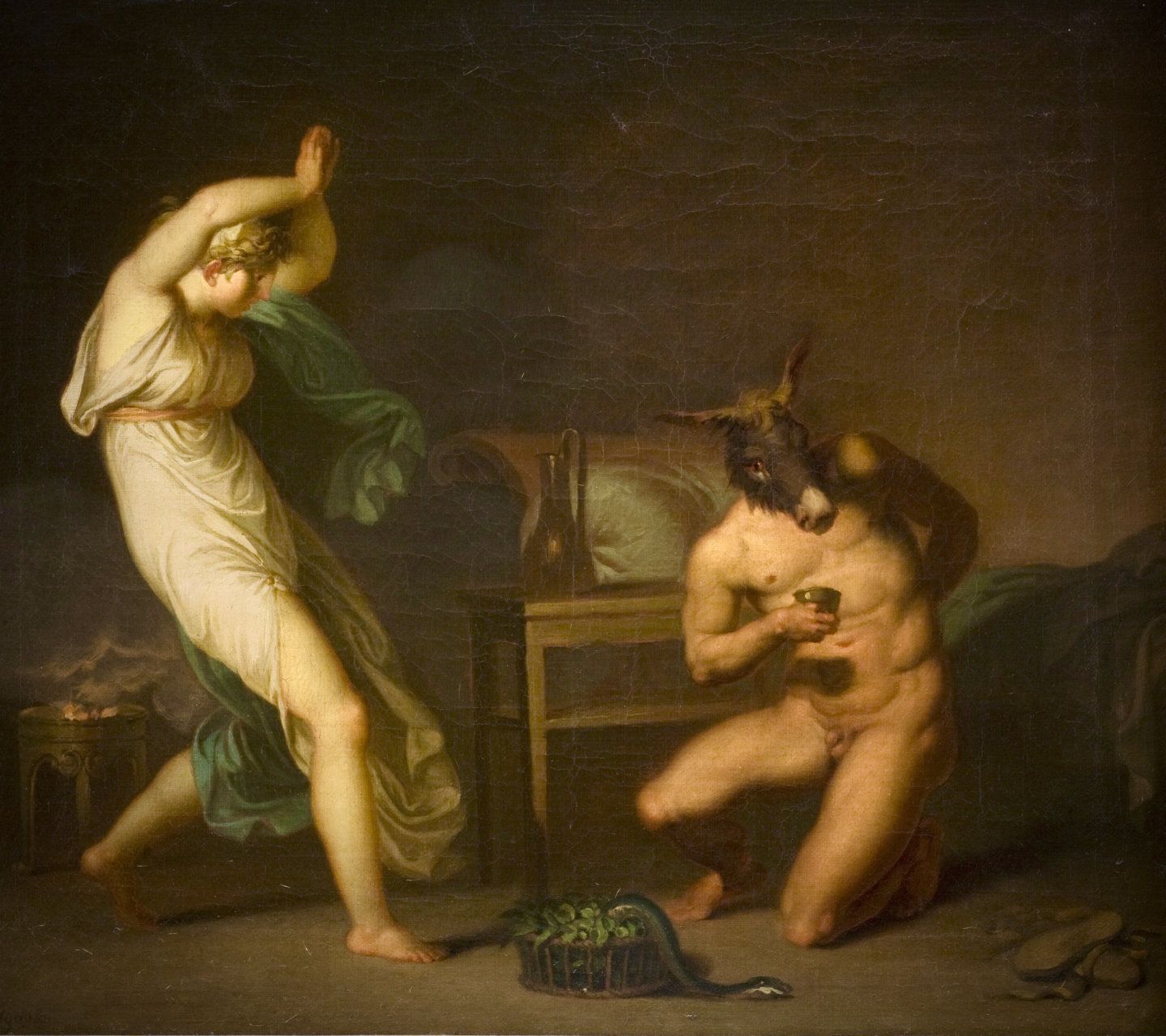
Did Apuleius explain his very own initiation into the Mysteries of Mithras in The Golden Ass? Apuleius' The Golden Ass is one of the most famous and entertaining novels of antiquity. Among his adventures, Lucius is initiated into the mysteries of Isis…
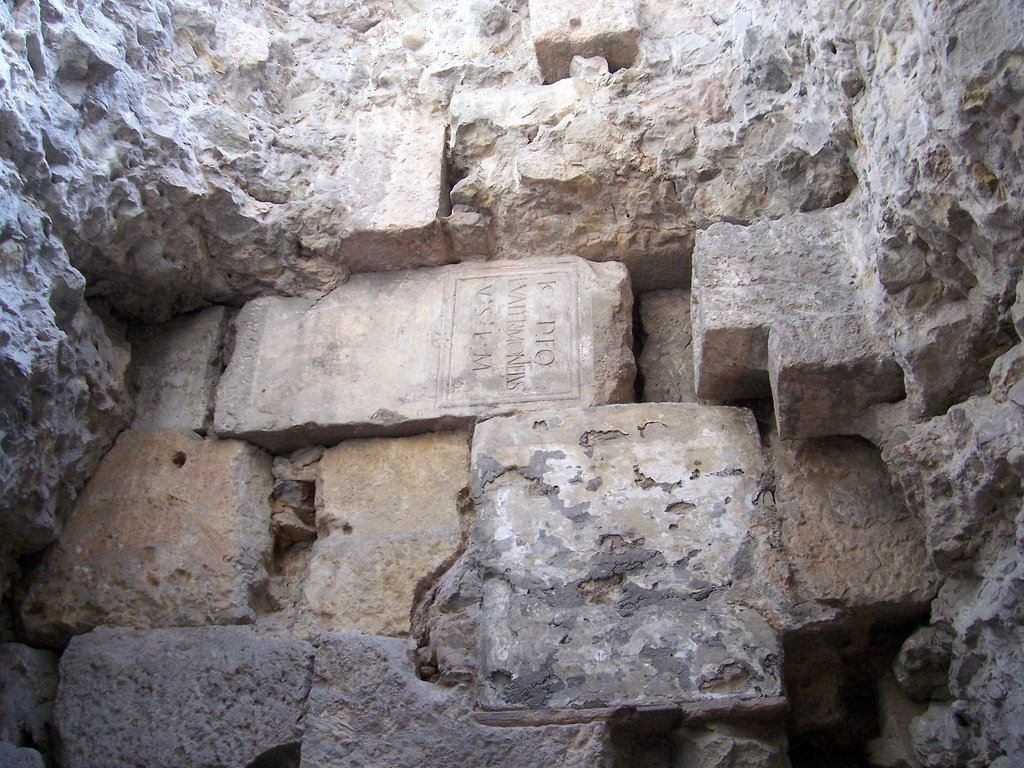
This altar was dedicated to Cautes by a certain Lucius in Baetulo (Badalona), near Barcino (Barcelona).

Emperor Caracalla ordered one of Rome’s largest temples to the god Mithras to be built in the baths bearing his name.
