
In the altar that Titus Tettius Plotus dedicated to the invincible God, he called himself pater sacrorum.
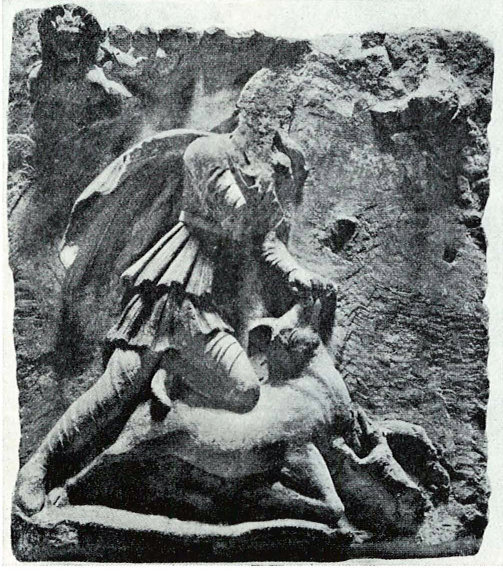
Discovered in Memphis, Egypt, a second relief depicting Mithras killing the bull.
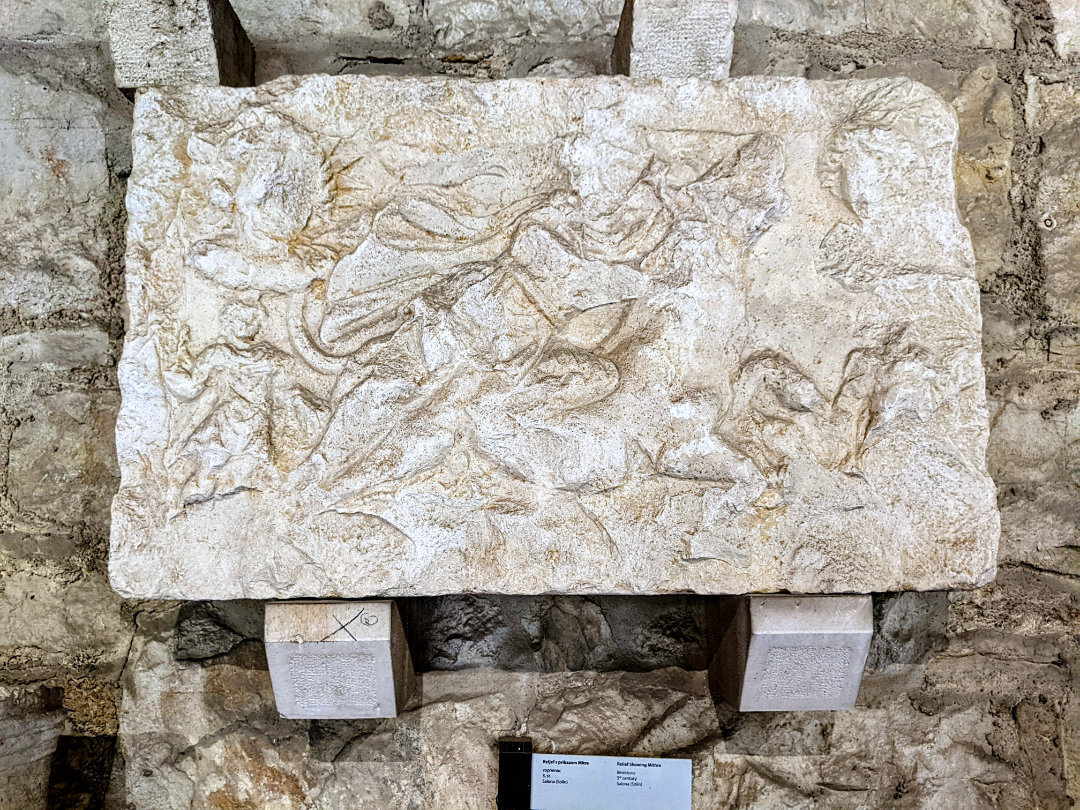
This relief of Mithras killing the sacred bull was found in 1908 near Klisa, in the surroundings of Salona, the ancient capital of Roman Dalmatia.
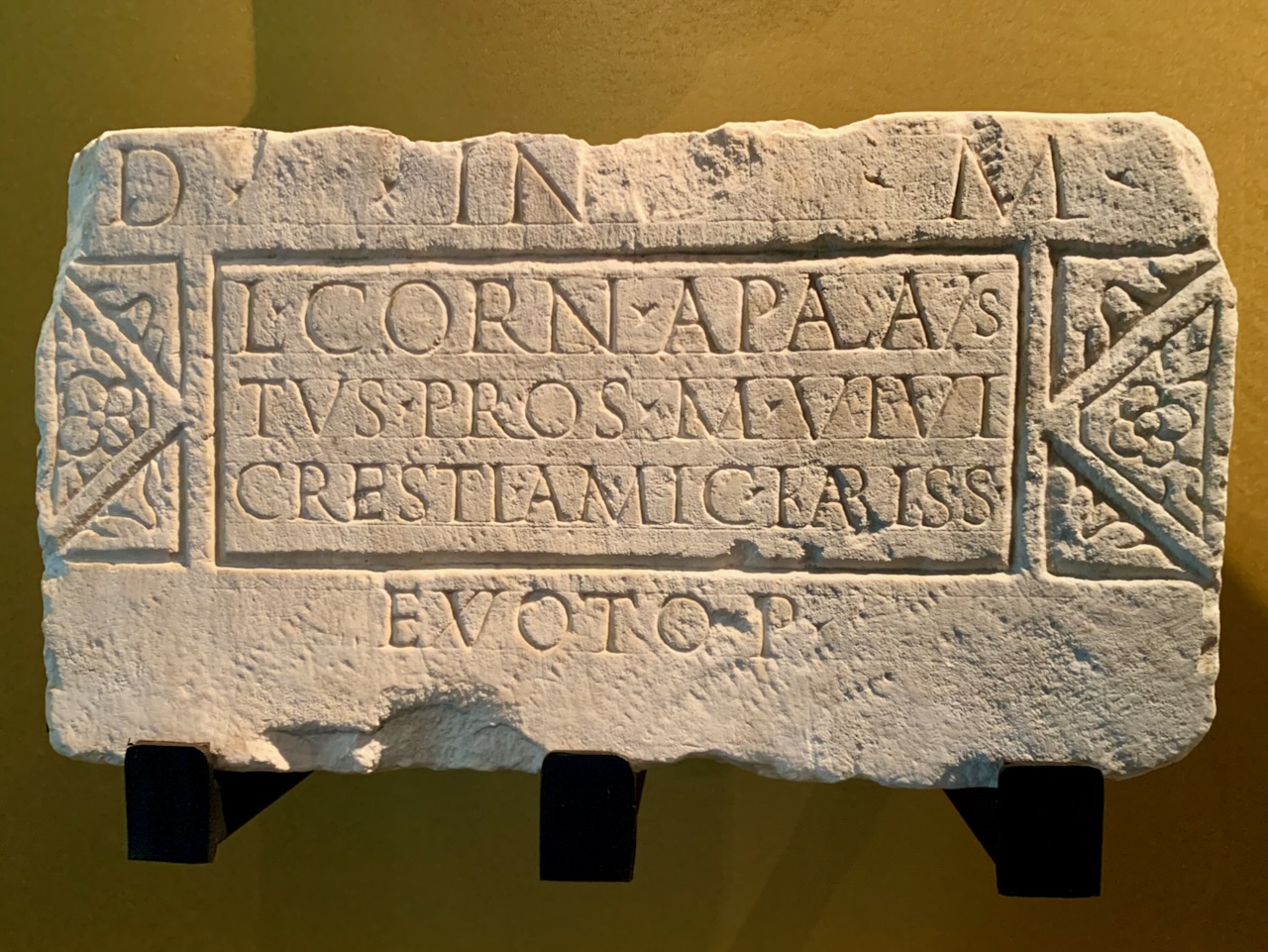
The altar that now stands in Split was dedicated to Invincible Mithras for the health of a dear friend.
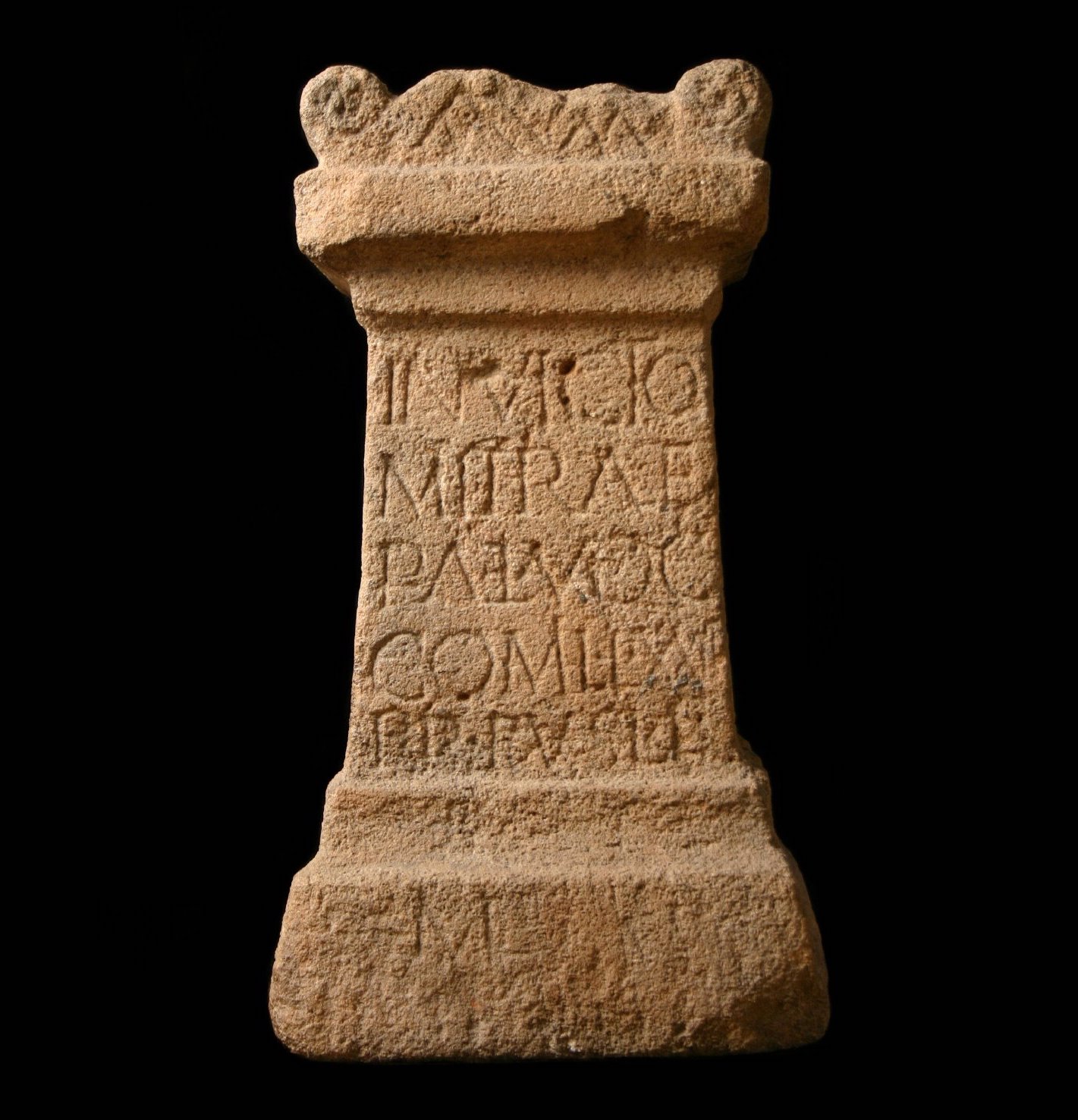
This monument was erected by a certain Publius Aelius Vocco, a solider of the Legio XXII Primigenia Pia Fidelis stationed in Mainz.
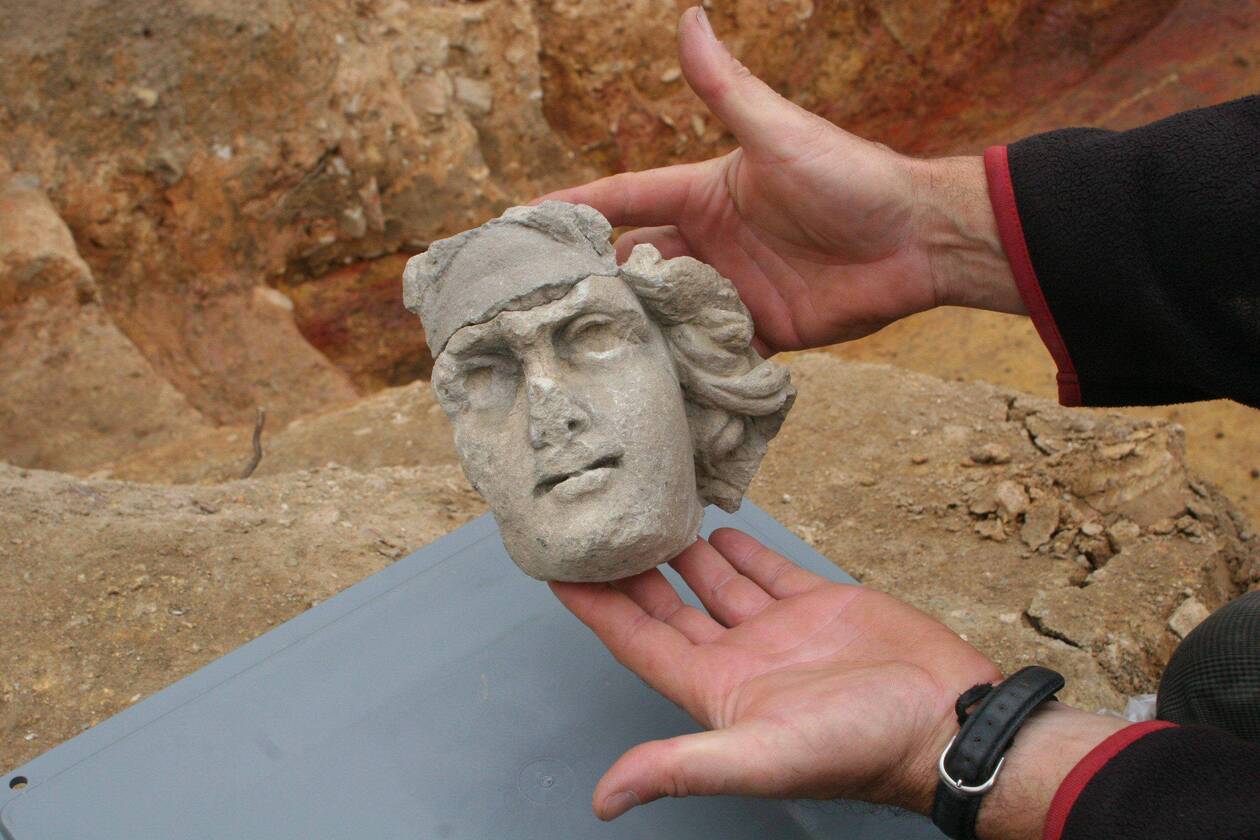
The head of Mithras of Angers has been found a four months after the main relief.
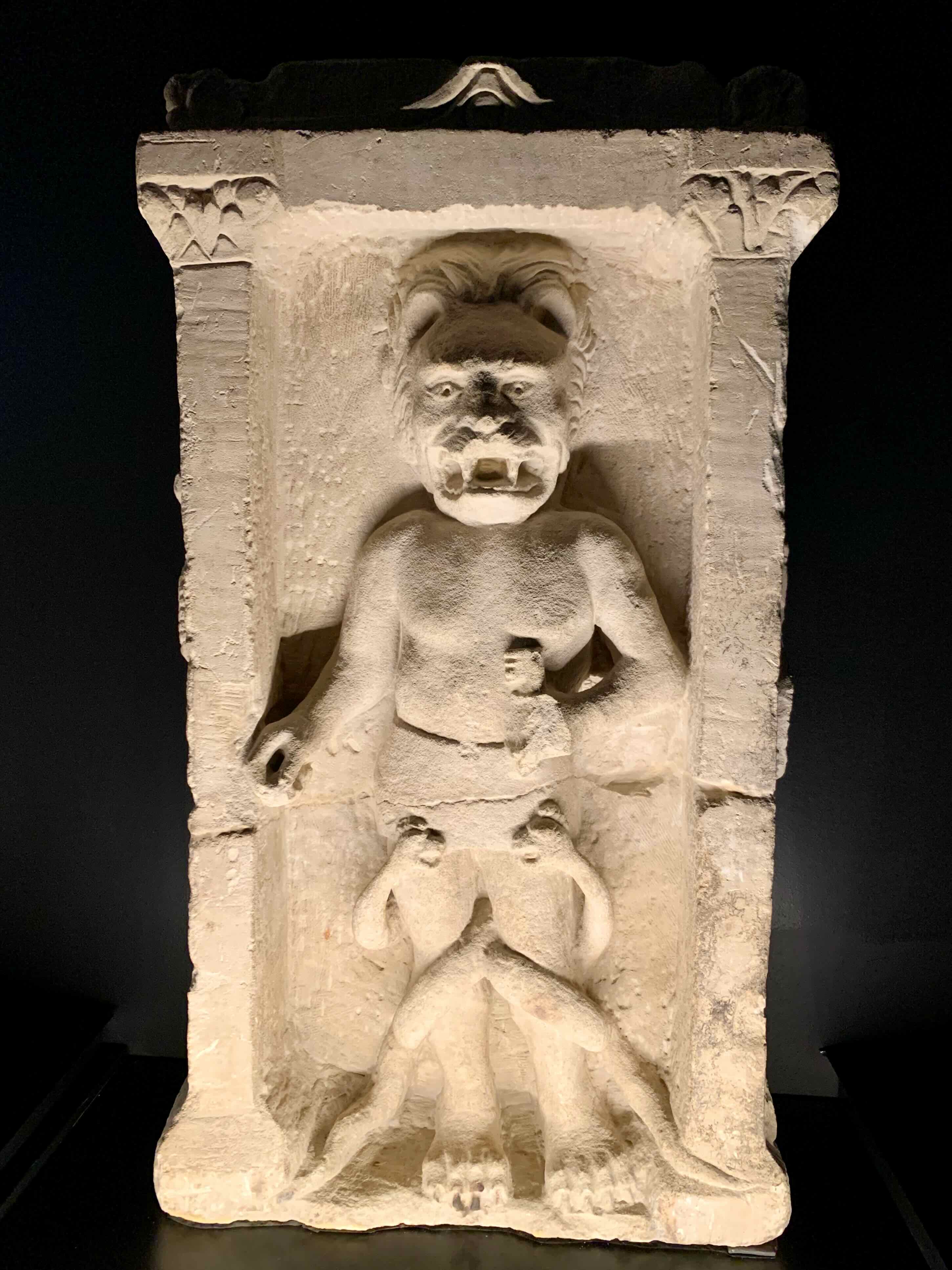
The altar depicting a lion-headed figure from Bordeaux includes a sculpted ewer and a patera on the sides.
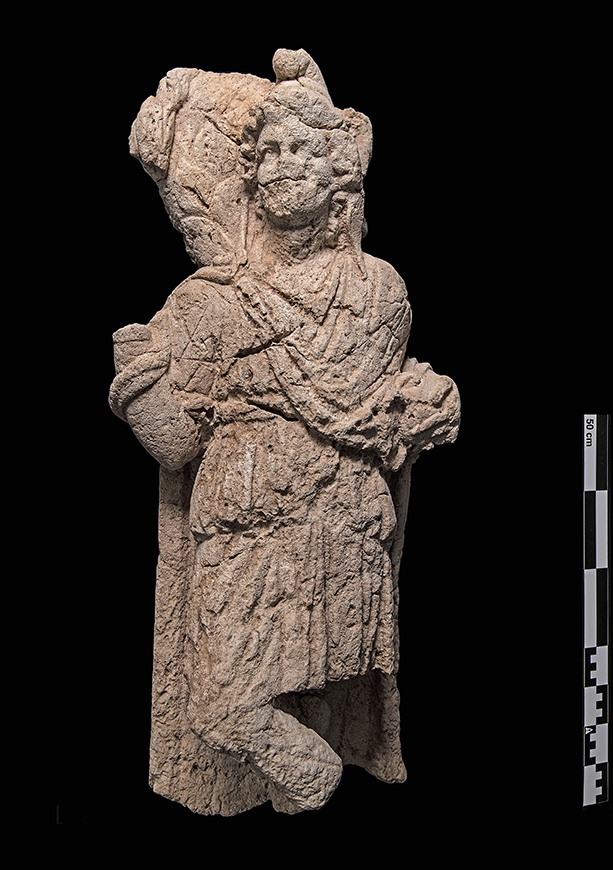
This remarkable relief by Cautes was found in what appears to be a mithraeum in Trier.
This altar found in Sentinum bears an inscription from two brothers.
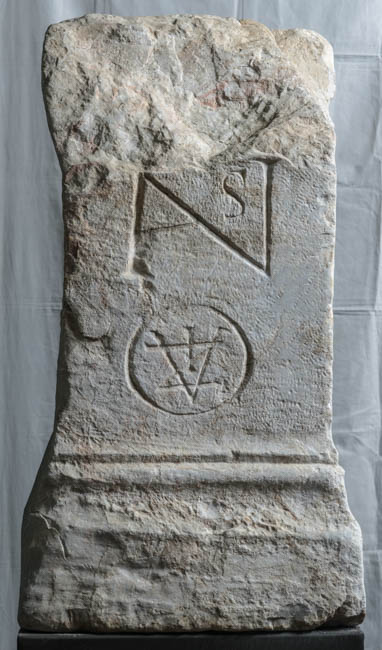
The limestone altar at Klechovtse in North Macedonia bears an inscription to the invincible Mithras.
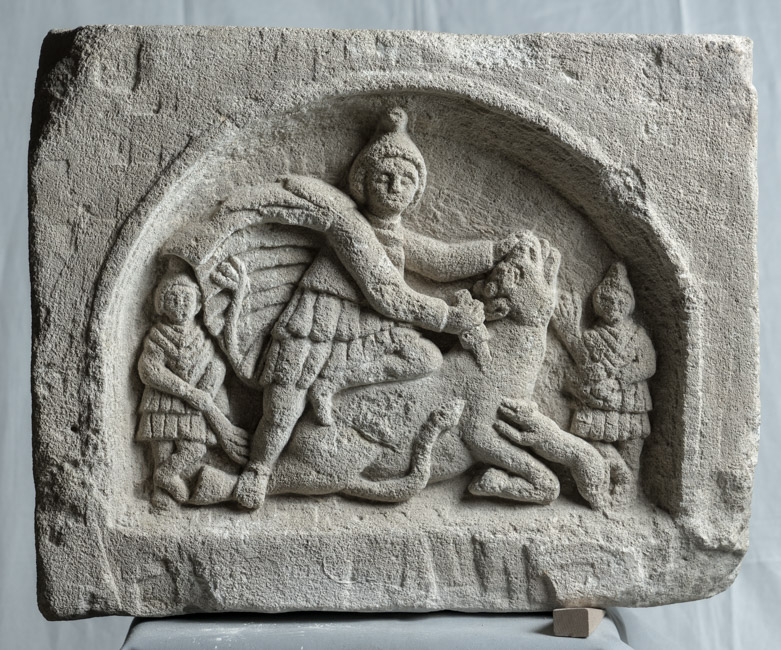
This relief found at Carnuntum represents Mithras slaughtering the bull, without the scorpion, in the sacred cave.
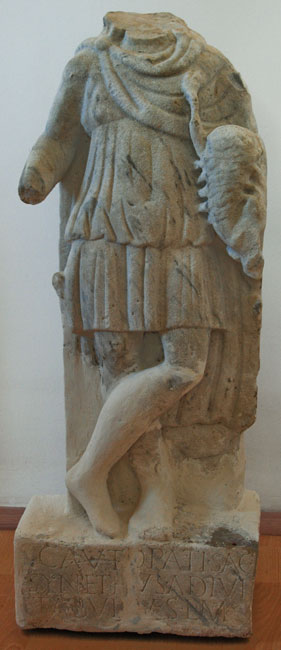
The Cautopates with scorpion found in 1882 in Sarmizegetusa includes an inscription of a certain slave known as Synethus.
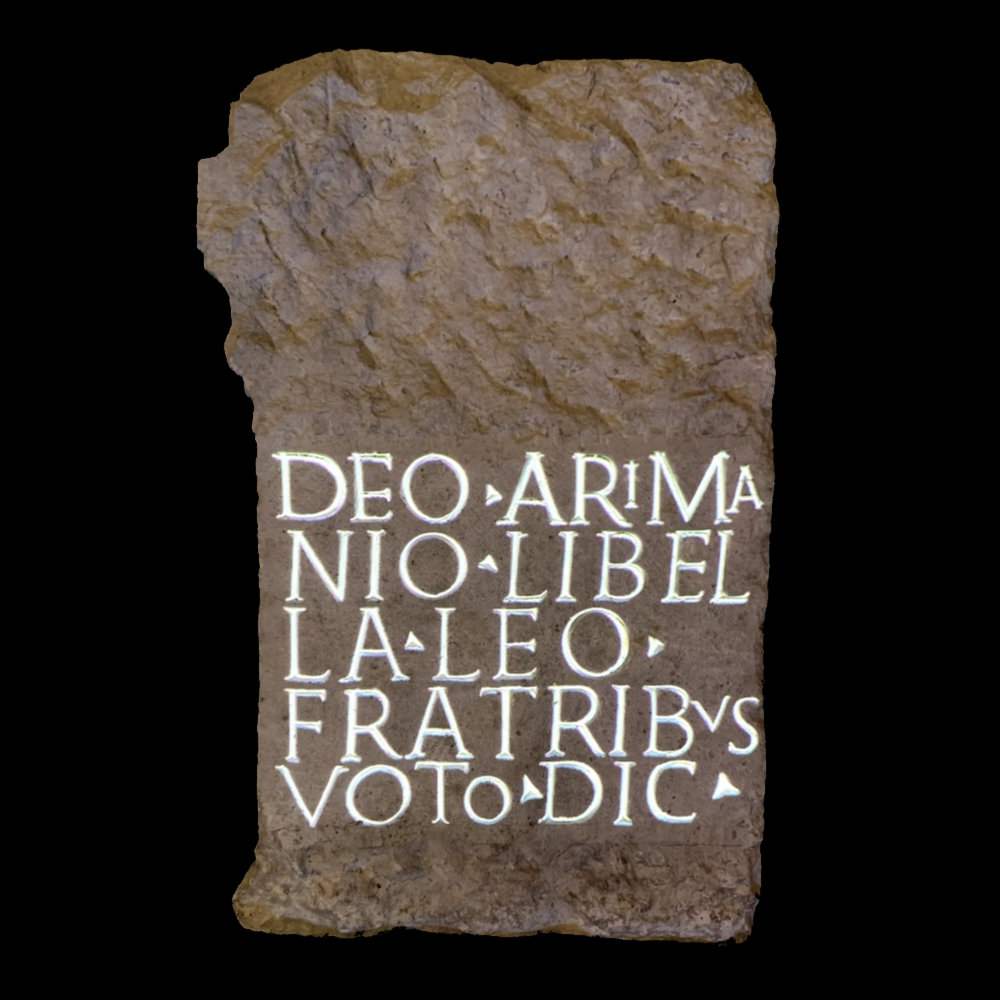
The dedicant of this altar to the god Arimanius was probably a slave who held the grade of Leo.
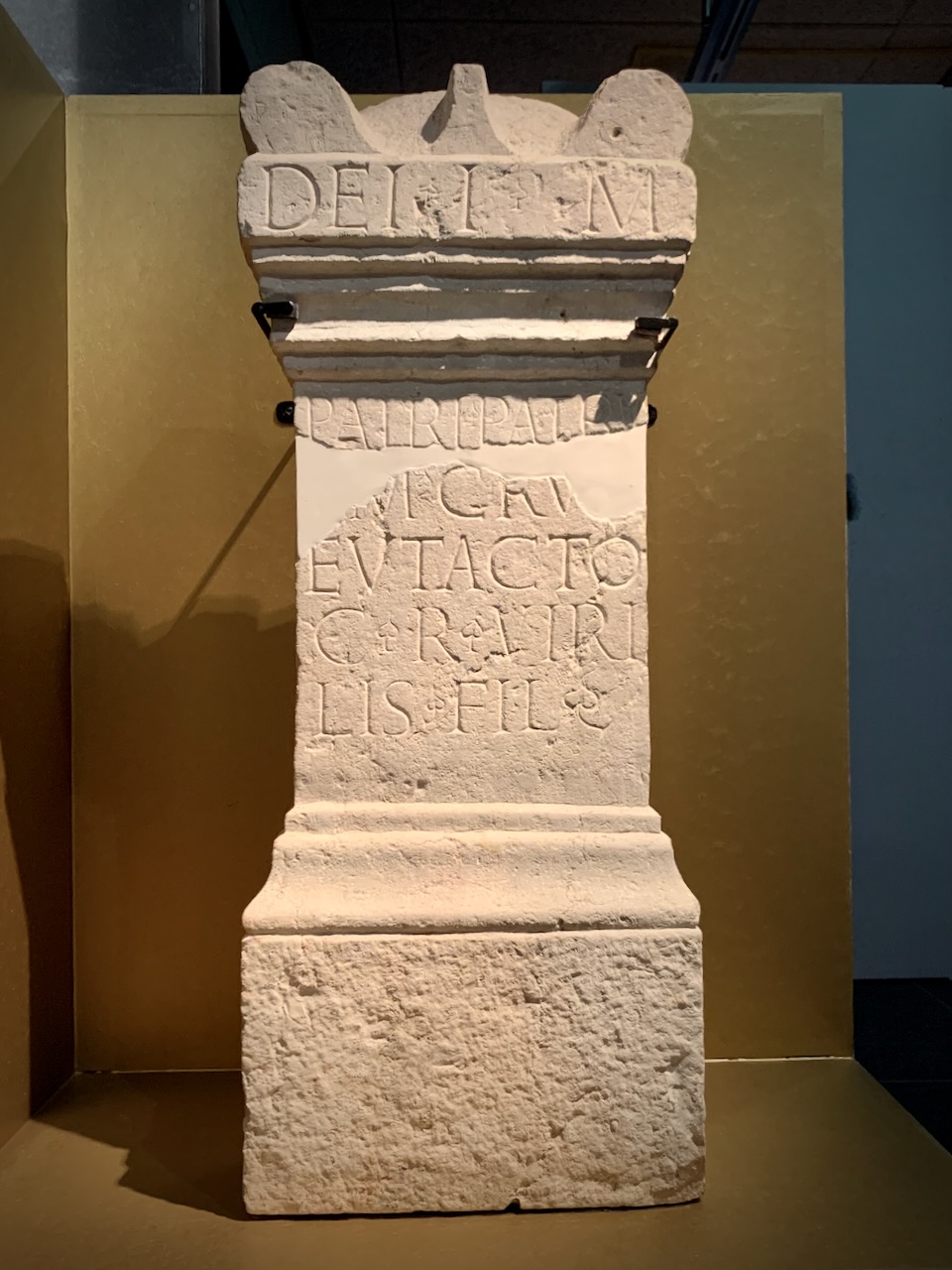
This altar was dedicated by a son to his father, one of the few Patres Patrum recorded in the western provinces.

The dedicator of this altar was a slave in the service of a high official, the prefect Gaius Antonius Rufus, known from other inscriptions.
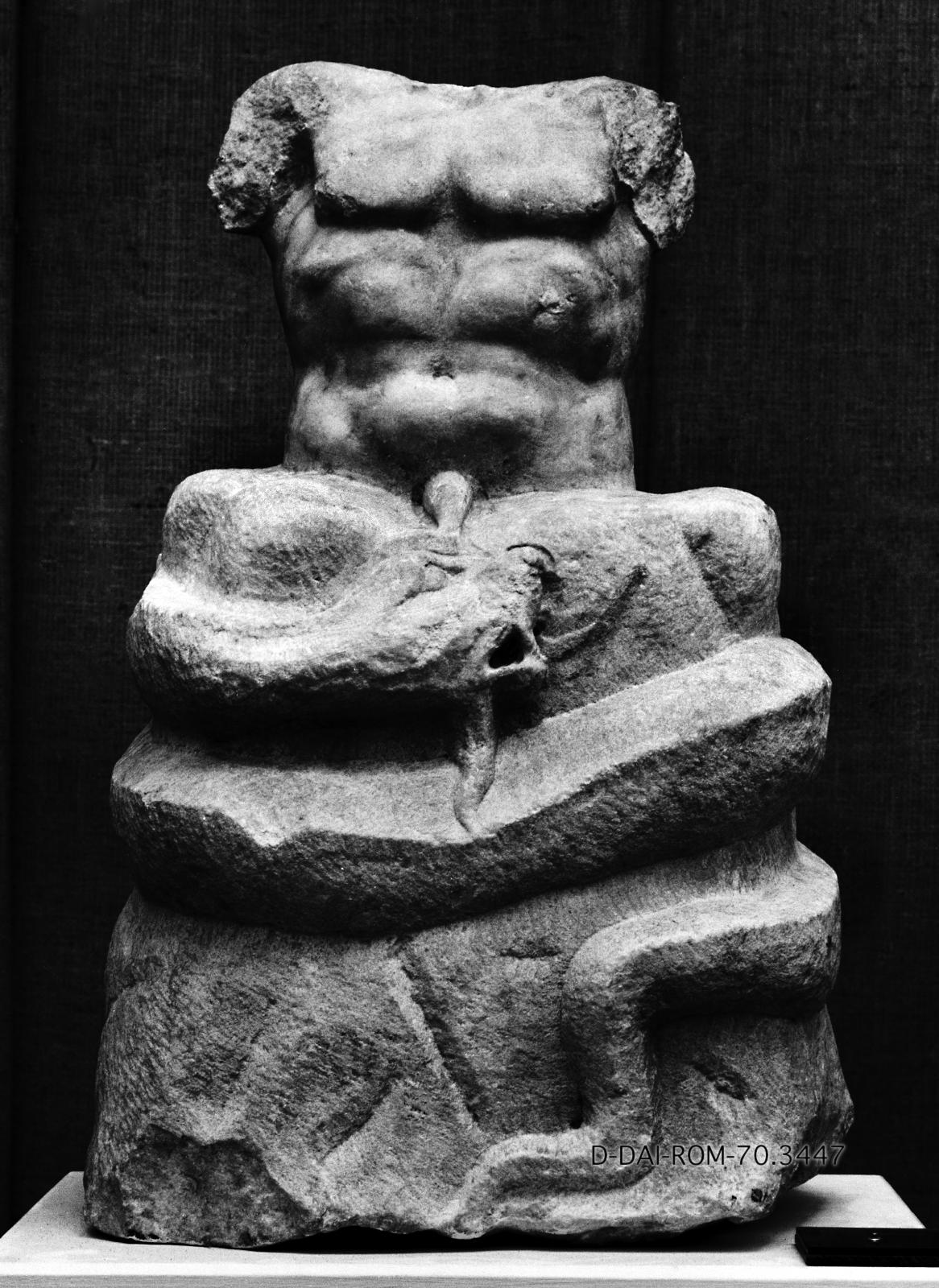
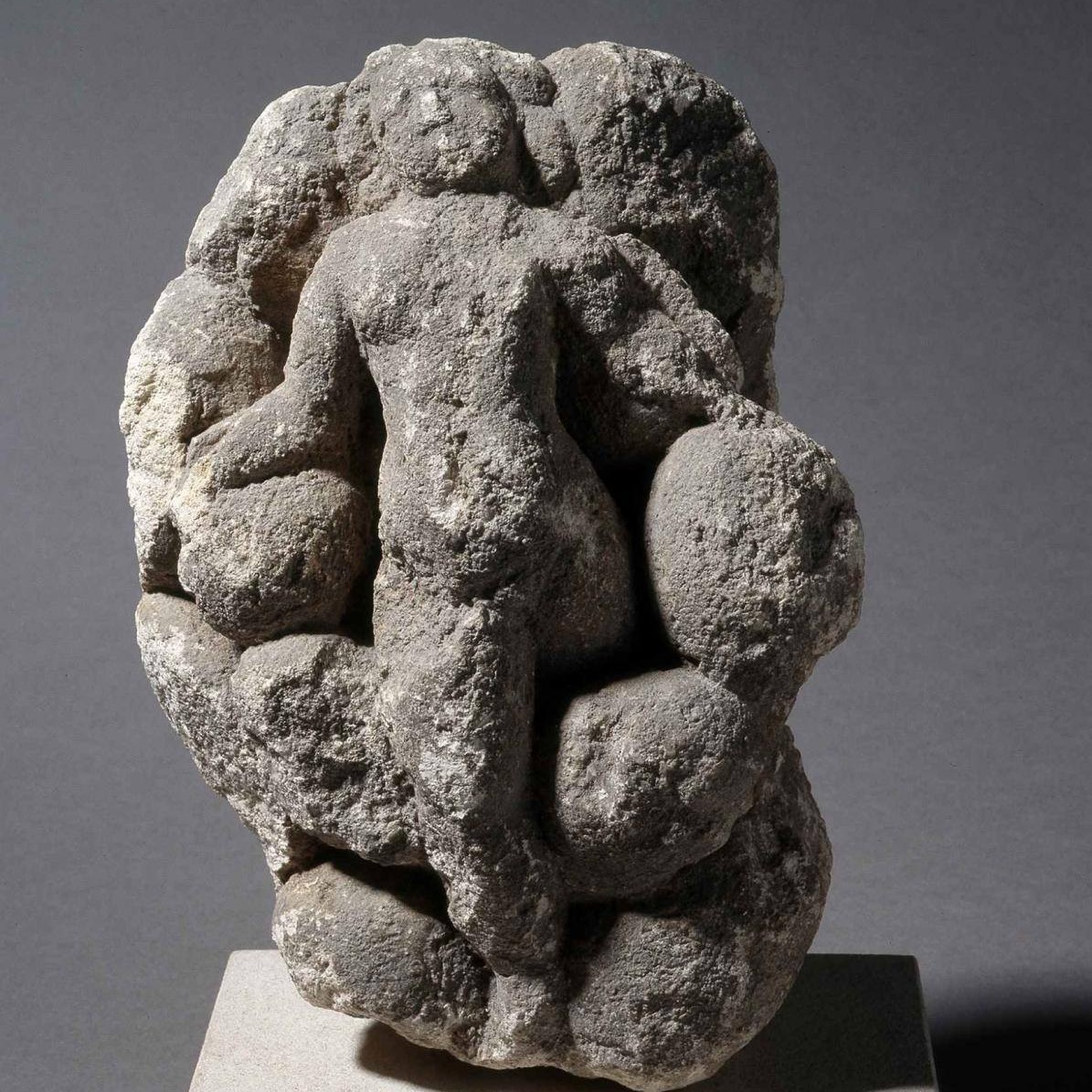
Mithras born from the rock with a snake raising in coils around it.
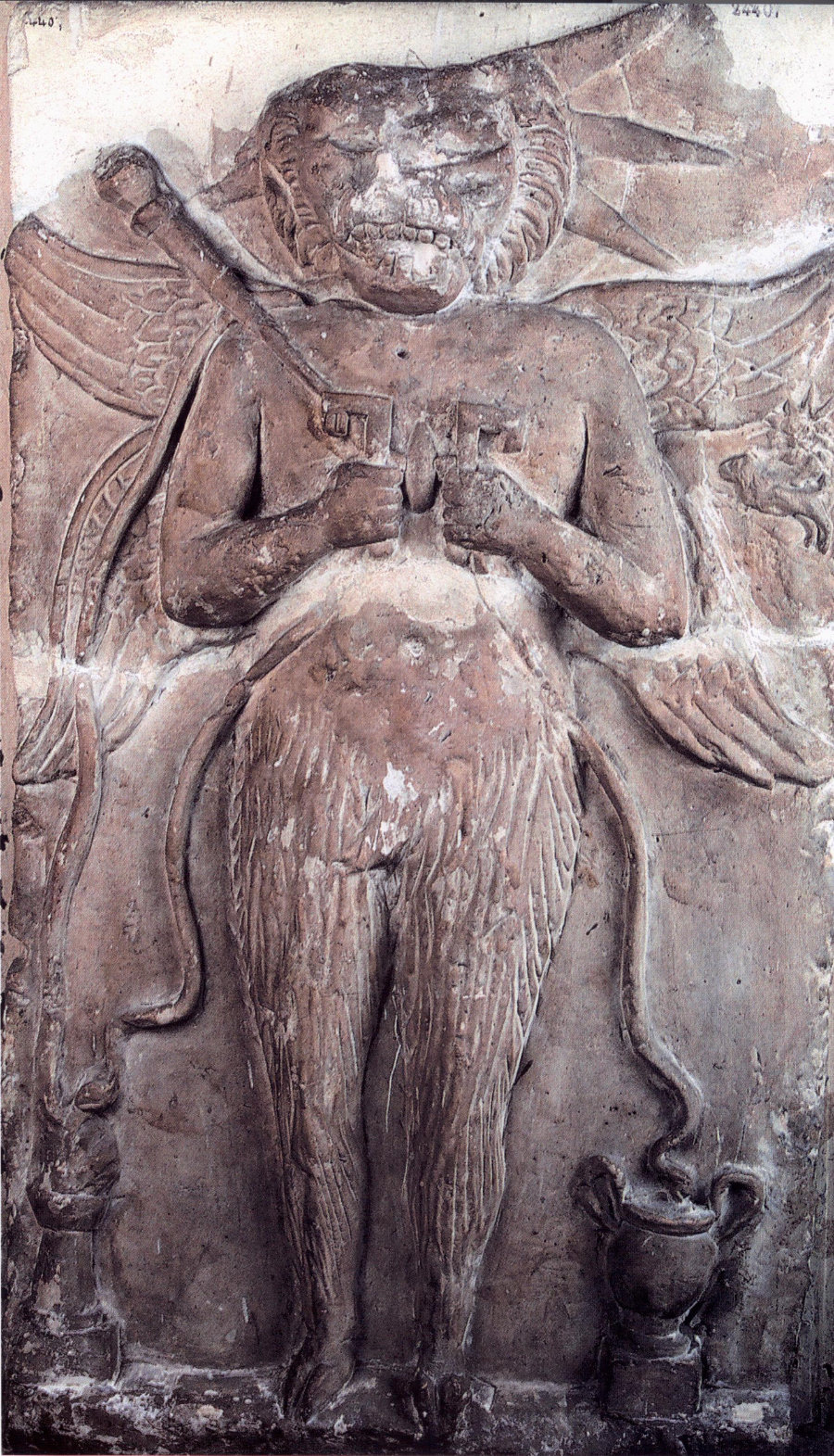
According to Pettazzoni Aion in general finds its iconographical origin in Egypt. Mithras must have been worshipped in Egypt in the third century B.C.
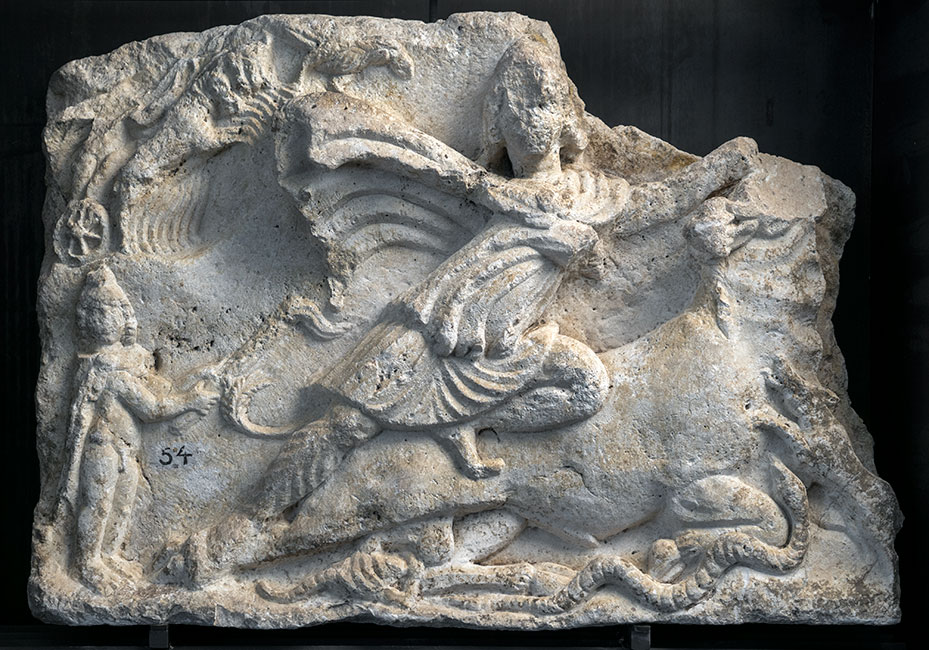
The relief of Mithras killing the bull of Zadar includes a naked Sol in a quadriga.
