Your selection in monuments gave 421 results.
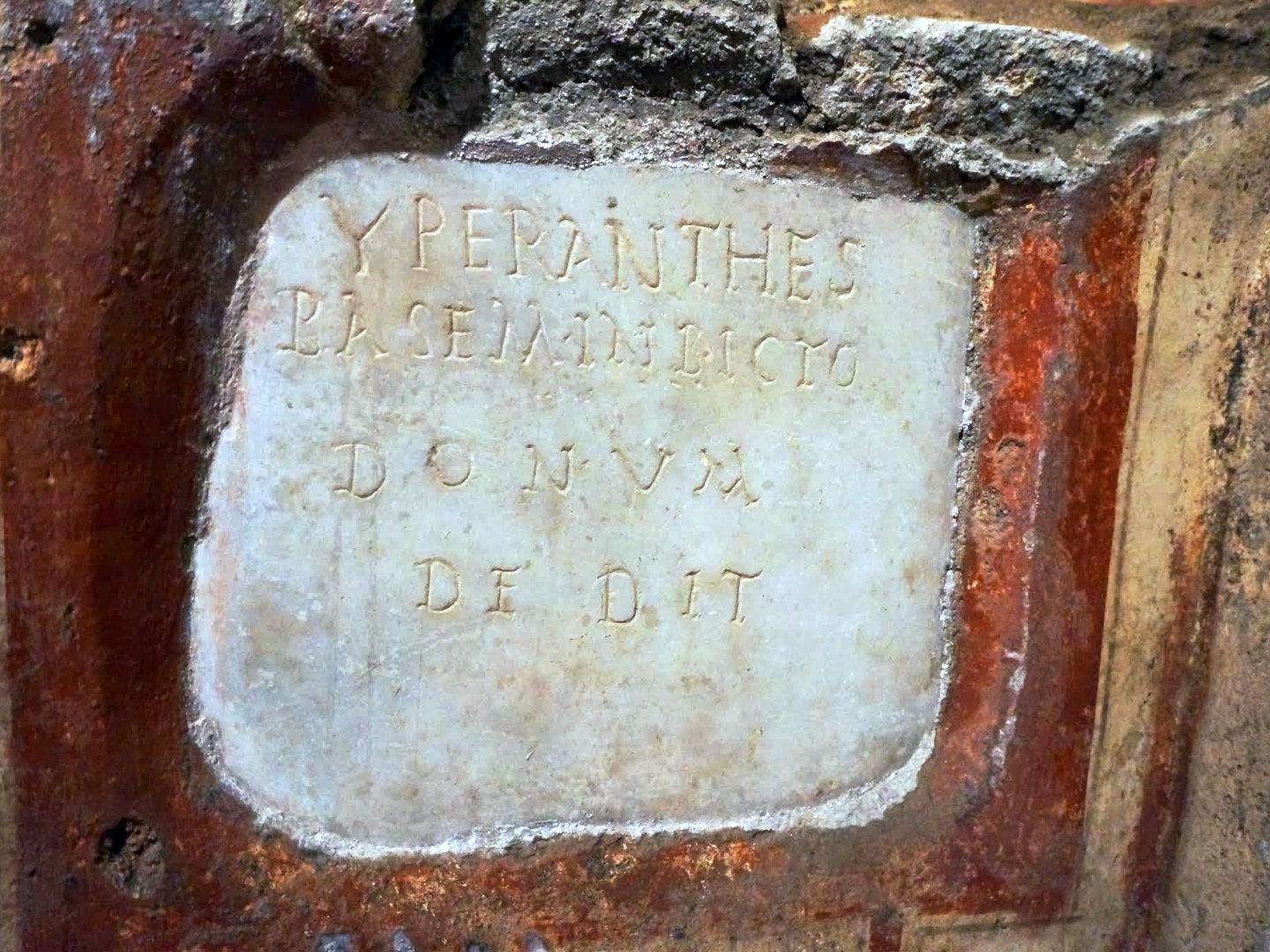
The inscription mentions the name of the donor, Yperanthes, of Persian origin.
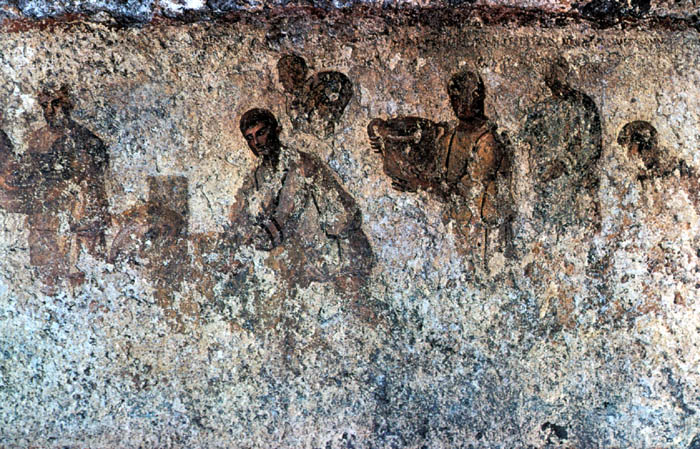
Procession of Leones carrying animals, bread, a krater, and other objects in preparation for a feast.
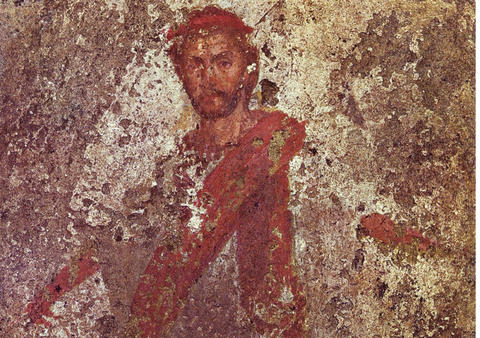
Figures in procession, each representing a different grade of Mithraic initiation, labeled with their respective titles.
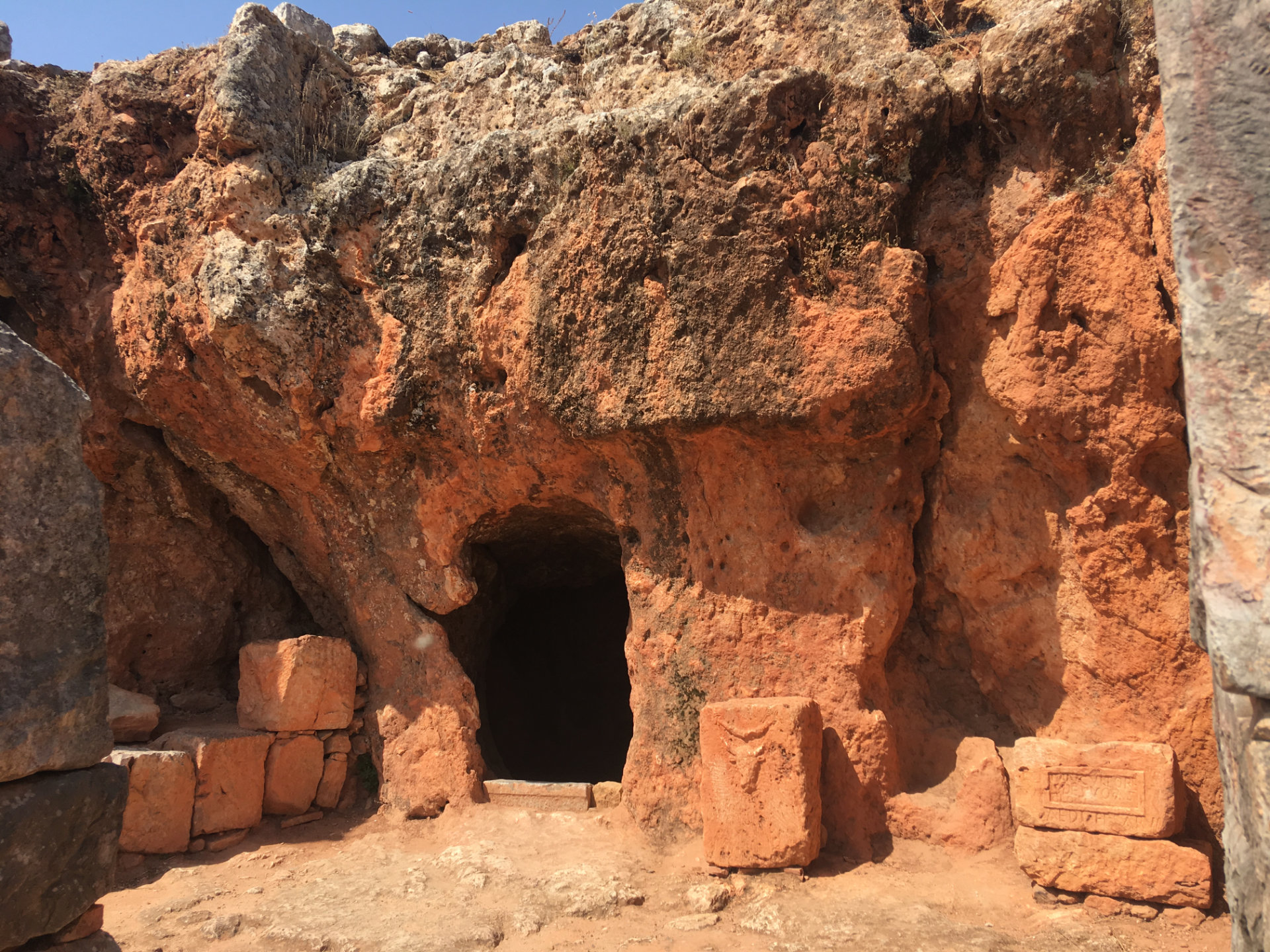
The Mithraeum was housed in a cave. The vault is almost dome-shaped and in front of the cave there is enough space for a possible adjacent temple.
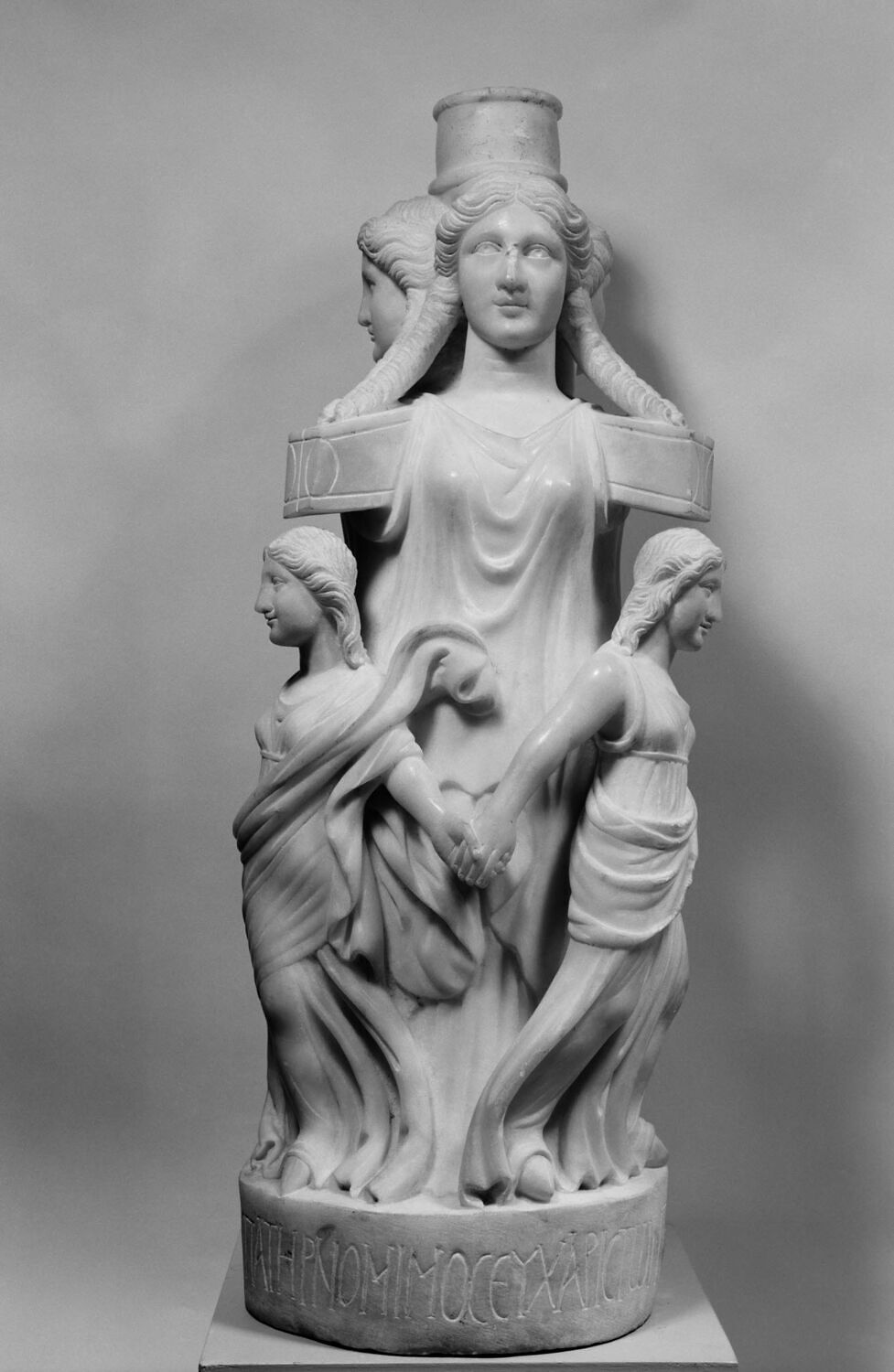
The Hekataion of Sidon, which depicts Hekate in her trimorphic form surrounded by three dancing girls, is the only example found to date in connection with the Mithraic cult.
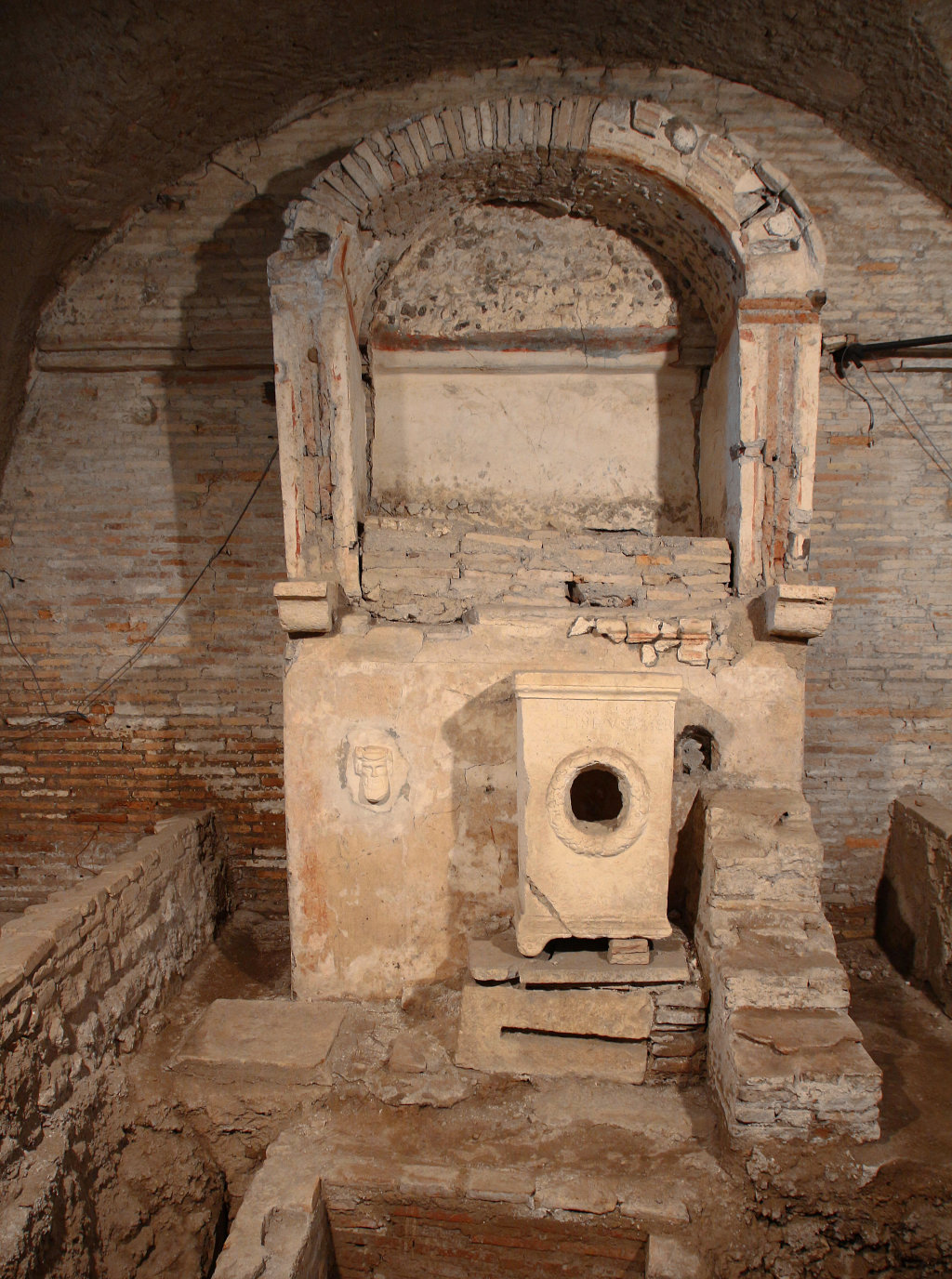
This altar was originally consecrated to Hercules and was rededicated to Mithras by Callinicus in the Mithraeum of the House of Diana.
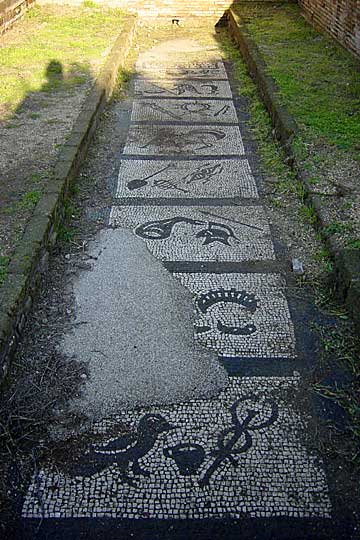
The Felicissimo Mithraeum has a floor mosaic depicting the seven mithraic grades.
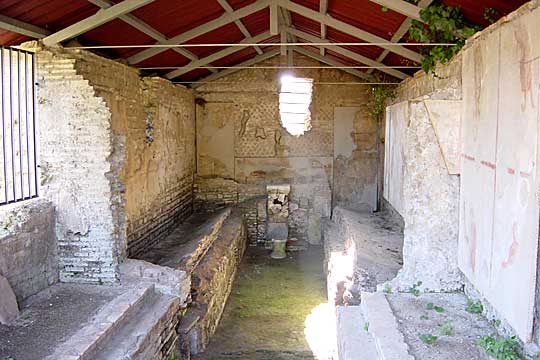
The House of the Mithraeum of the Painted Walls was built in the second half of the 2nd century BC (opus incertum) and modified during the Augustan period.

Two altars dedicated to Sucellus and Nantosvelta found near the Sarrebourg Mithraeum.
This altar dedicated to Sol Invictus Mithras by a certain Septimius Zosimus was found in the Basilica of San Martino ai Monti in Rome.
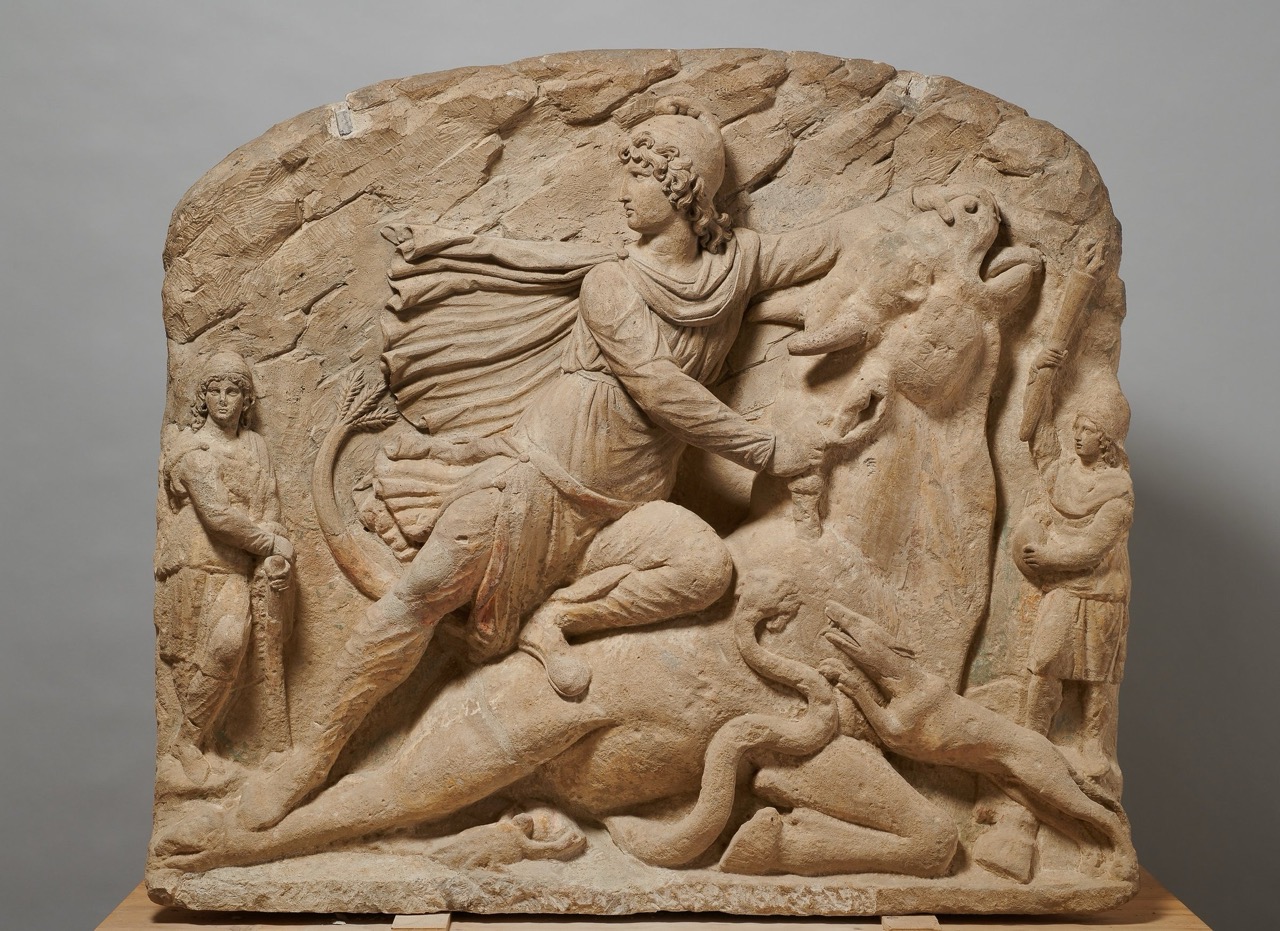
Limestone tauroctony relief from Carnuntum with traces of polychromy and a graffito on the bull’s neck. The inscribed base was carved separately.
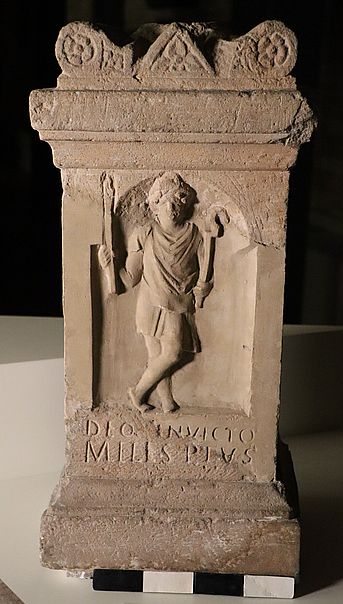
Small votive altar in white limestone from Aquae Mattiacae, dedicated to Deo Invicto by a miles pius. The top preserves the head of Cautes with his raised torch.
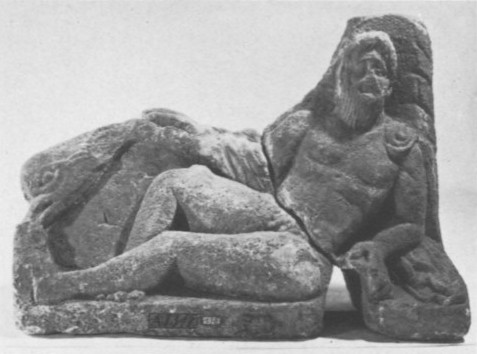
A small limestone altar from Bandorf near Oberwinter dedicated to Deo Invicto Regi. Found in an isolated structure not resembling a mithraeum, its function remains uncertain.
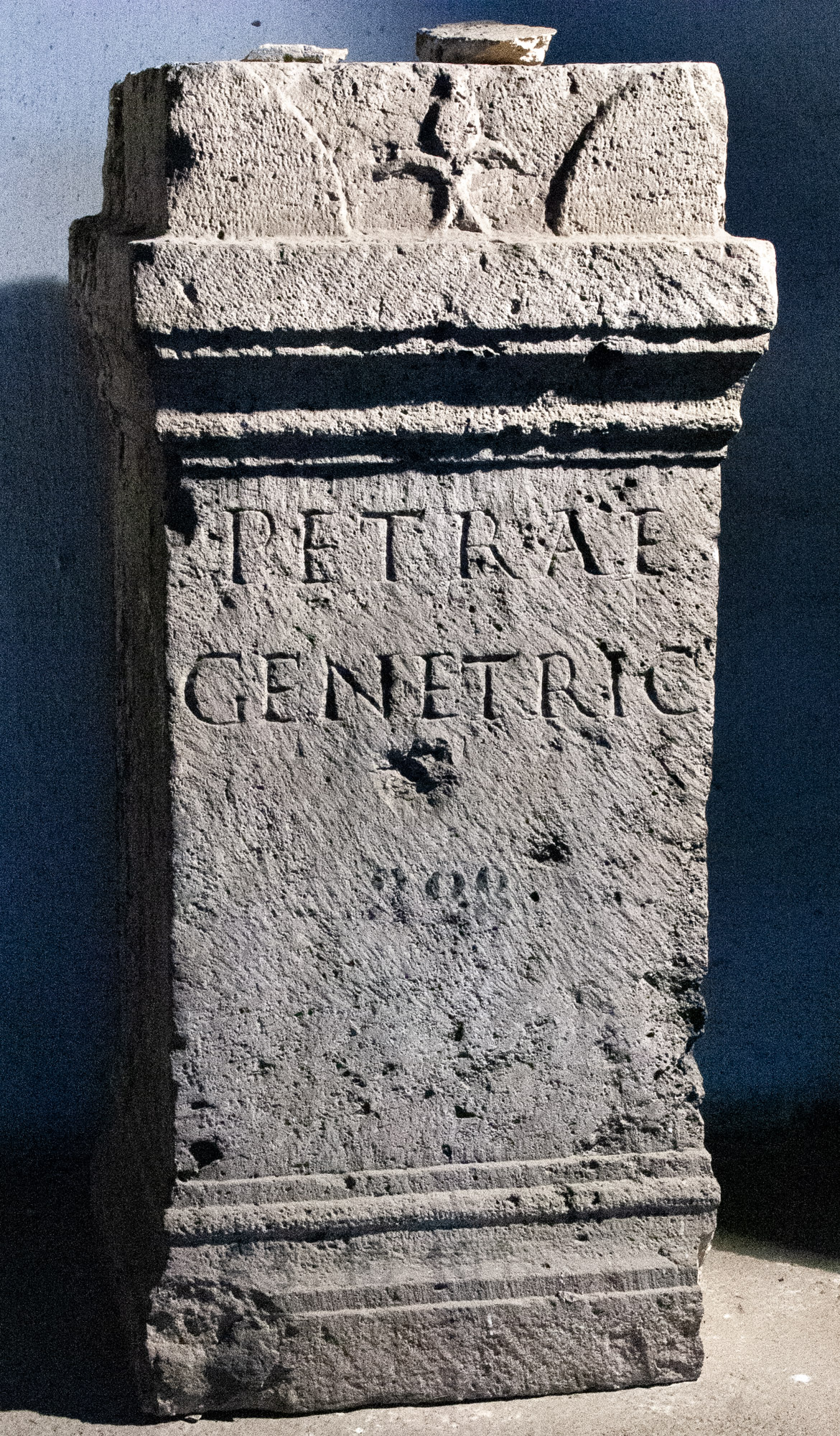
Small limestone altar from Aquincum, Budapest, dedicated to Petra Genetrix.
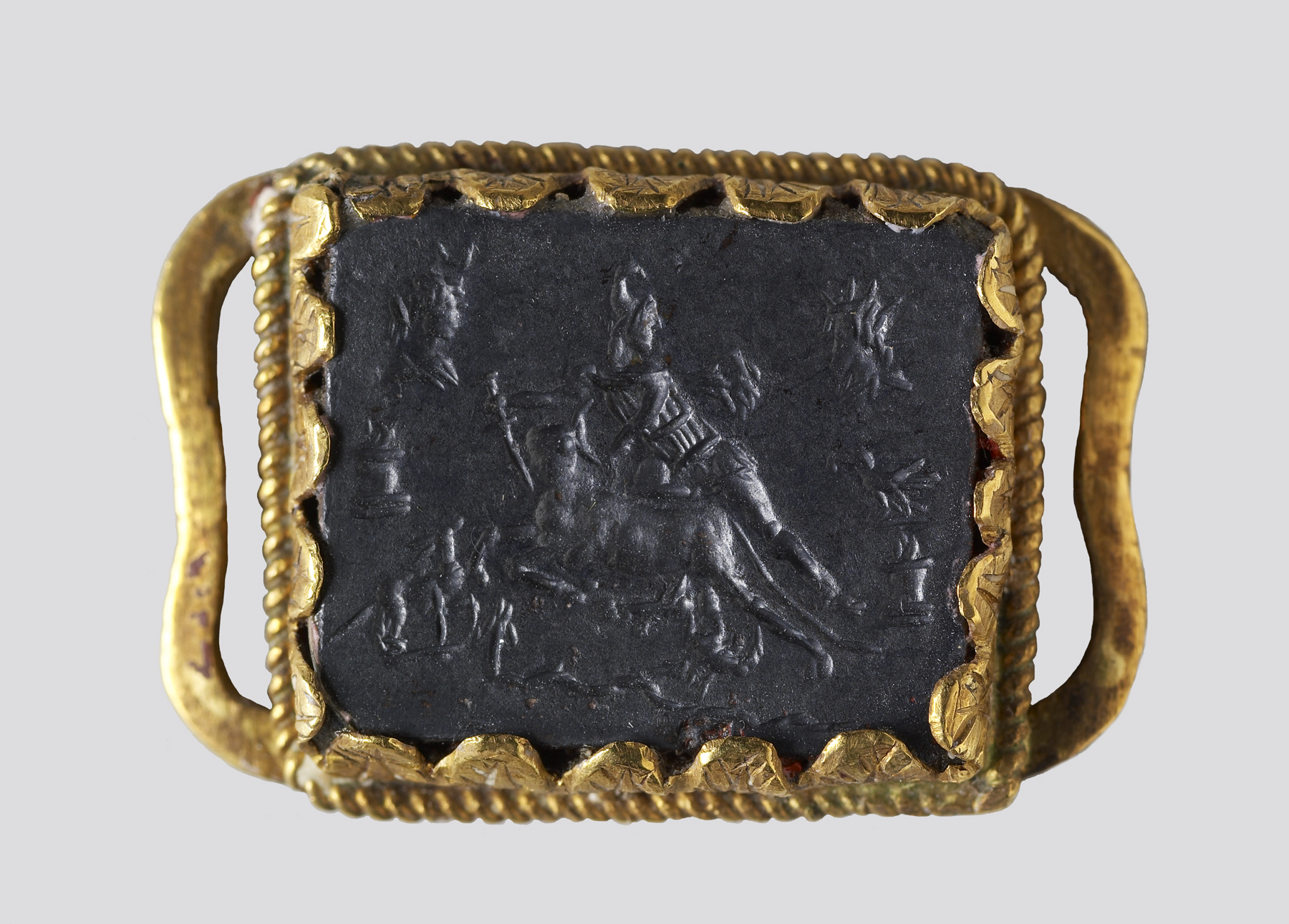
This unusual piece depicts Mithras slaying the bull on one side and the Gnostic god Abraxas on the other.
This inscription mentions a Pater for the first known time.
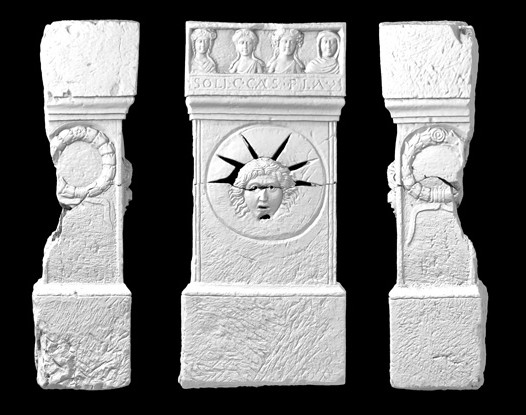
The altar of Sol from Inveresk, Scotland, was pierced, probably to illuminate part of the temple with a particular effect.
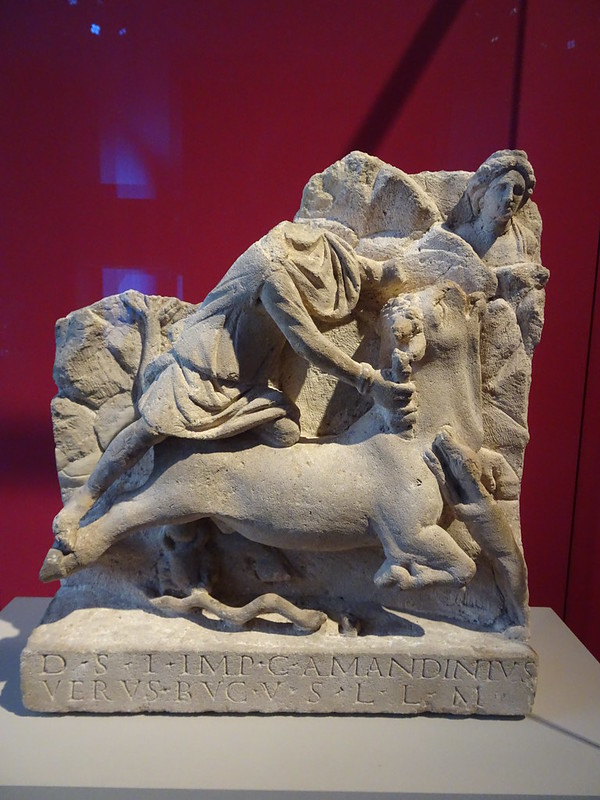
The sculpture of Mithras slaying the bull found in Dormagen is exposed at Bonn Landesmuseum.
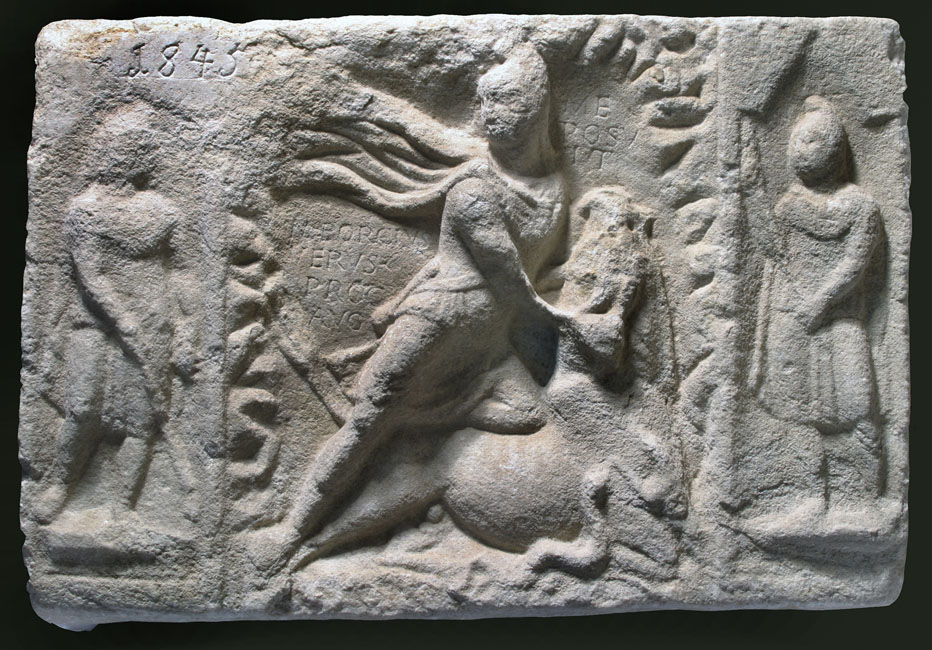
This relief of Mithras tauroctonus and other finds were discovered in 1845 in Ruše, where a Mithraeum probably existed.
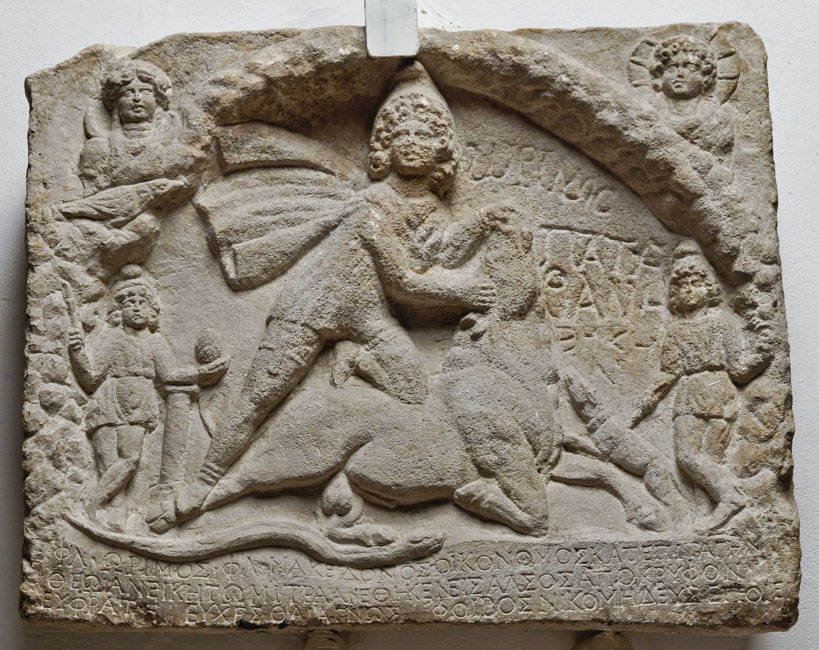
This limestone relief of Mithras killing the bull bears an inscription by a certain Flavius Horimos, consecrated in a ’secret forest’ in Moesia.
