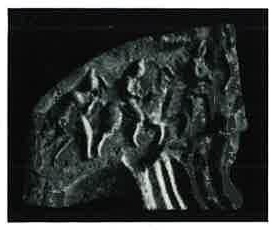
Fragment of a marble tauroctony relief from Artschar, ancient Ratiaria in Moesia Superior, preserving only part of Mithras's flying cloak with the raven perched on it.

Fragmentary inscription from Transdierna, Moesia Superior, preserving only the opening of a dedication to Deo invicto Mithrae.
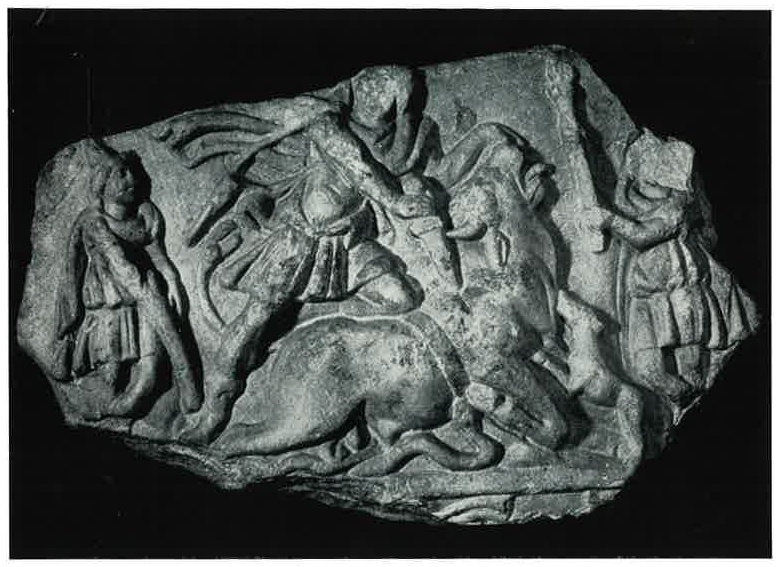
Marble tauroctony relief fragment from Tekija in east Serbia, ancient Transdierna in Moesia Superior, depicting the standard bull-slaying scene.
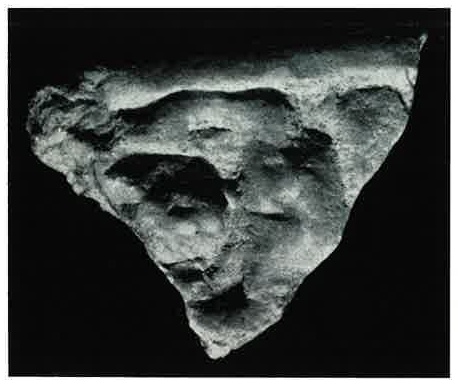
Small marble tauroctony fragment from Cladova, Moesia Superior, preserving part of Mithras's rock-birth scene.
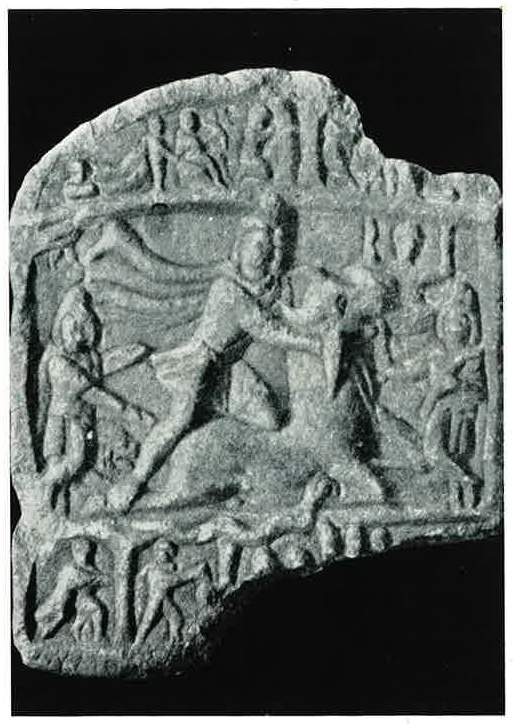
Marble tauroctony relief from Janjevo near Kosovo, Moesia Superior, whose right corners are broken off; the current whereabouts are unknown.
Stone altar with akroteria from Dražinovići, Moesia Superior, found in 1934 near the brook Savina Voda, dedicated to Invicto deo Mithrae for the welfare of Emperor Severus Alexander.
Altar at Knjaževac (Ravna), Moesia Superior, preserved beneath a water-mill called Kulina, dedicated to Invicto deo for the welfare of Emperor Marcus Aurelius Antoninus Augustus.
Damaged white marble tauroctony relief from Timočka Krajina, Moesia Superior, depicting the bull-slaying with corn-ear tail, dog, serpent, scorpion, and torchbearers.
Marble altar from near Osmakovo, Moesia Superior, now in the Niš museum, dedicated to Soli invicto by Valerius Iucundus.
Inscription from Lopata, Moesia Superior, recording that Apollonides, imperial slave and scrutator of the statio Lamud, restored a Mithraic temple that had collapsed through age at his own expense; dated to the consulship of Gentianus and Bassus, AD 211.
White marble altar from Lopata in the Kumanovo district, Moesia Superior, associated with possible Mithraic sanctuary remains at the find-spot.
Stone slab still in front of the church in Kumanovo, ancient Lopata in Moesia Superior, bearing a dedication to Deo sancto Mithrae.
Inscription from Celei, ancient Sucidava in Dacia, dedicated to the sanctum of Solis invicti Mithrae.
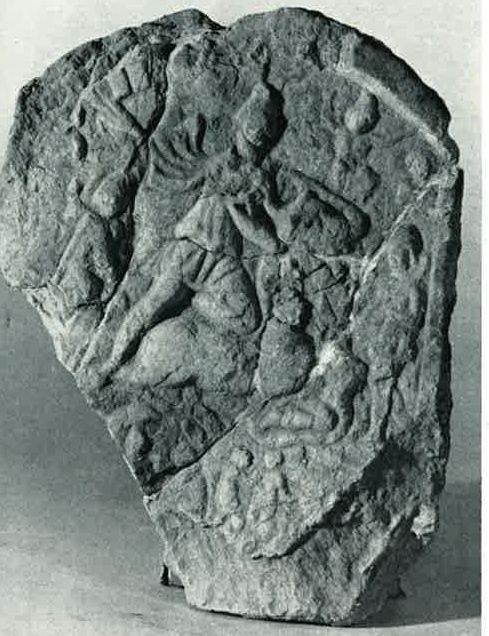
Marble tauroctony relief from the Roman camp at Sucidava, Dacia, found near tower C, depicting the standard bull-slaying with the full iconographic programme.
Inscription from Slăveni-Romanați, Dacia, dedicated to Soli invicto Mithrae: ara Solis — the altar of Sol.
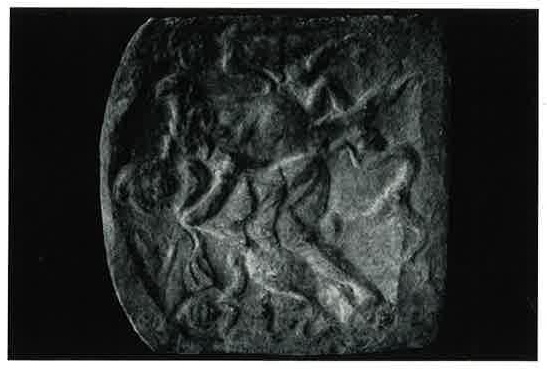
Reddish-white marble tauroctony relief from Slăveni-Romanați, Dacia, depicting the standard bull-slaying with the full iconographic programme.
White marble tauroctony relief from Slăveni-Romanați, Dacia, with the raven perched on the grotto's border; the right upper corner is broken off.
Two white marble tauroctony relief fragments from Slăveni-Romanați, Dacia, depicting the standard bull-slaying scene.
Mithraic sanctuary found in 1837 on the right bank of the river Olt near Slăveni-Romanați, Dacia; the construction of the building is not detailed.
Fragment of a Mithras relief from Bumbești-Gorj, Dacia, bearing a partially preserved dedication to Deo Soli invicto Mithrae.
