Your selection in monuments gave 431 results.
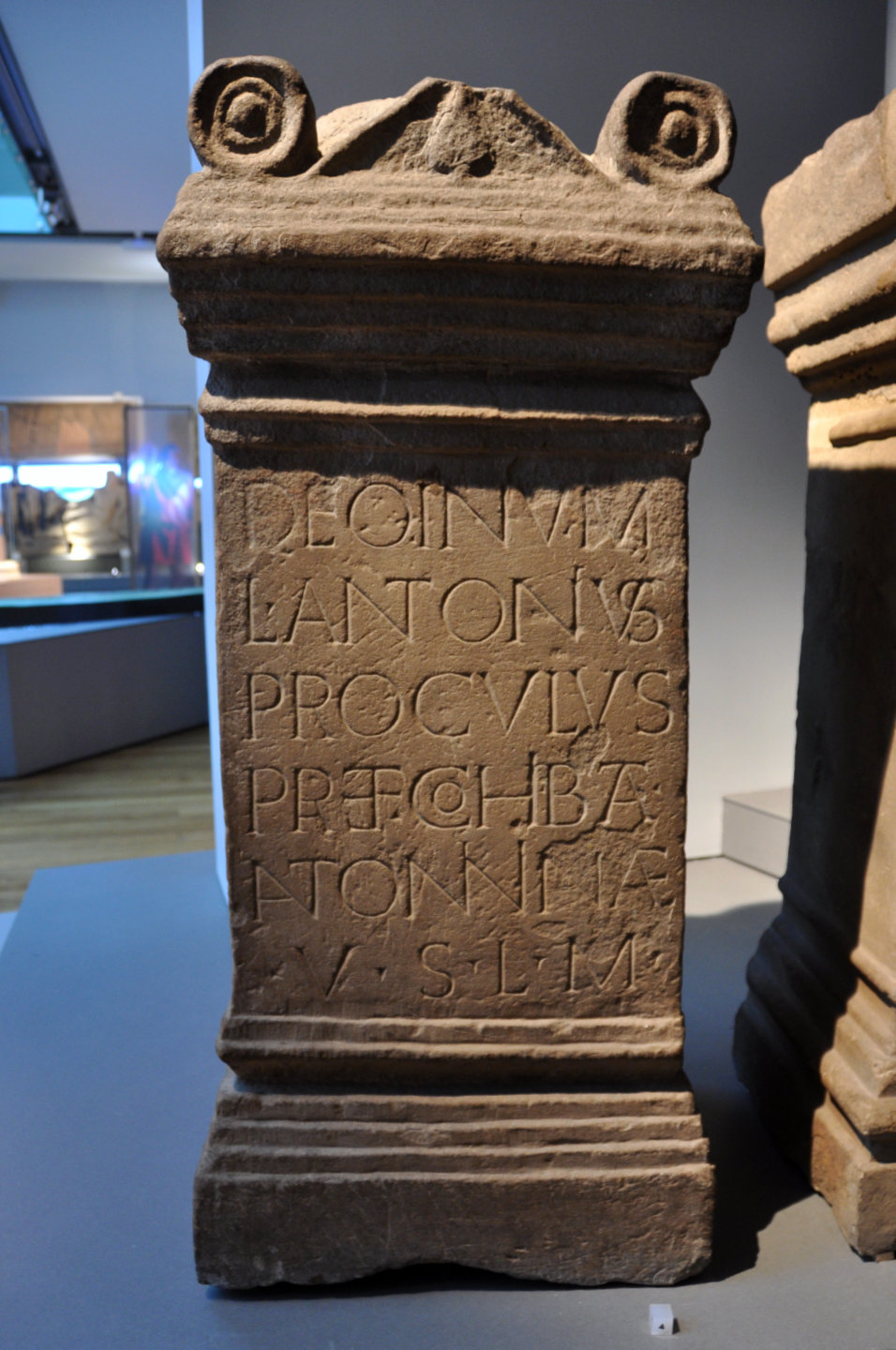
One of the three altars to Mithras found at the Mithraeum of Carrawburgh fort.
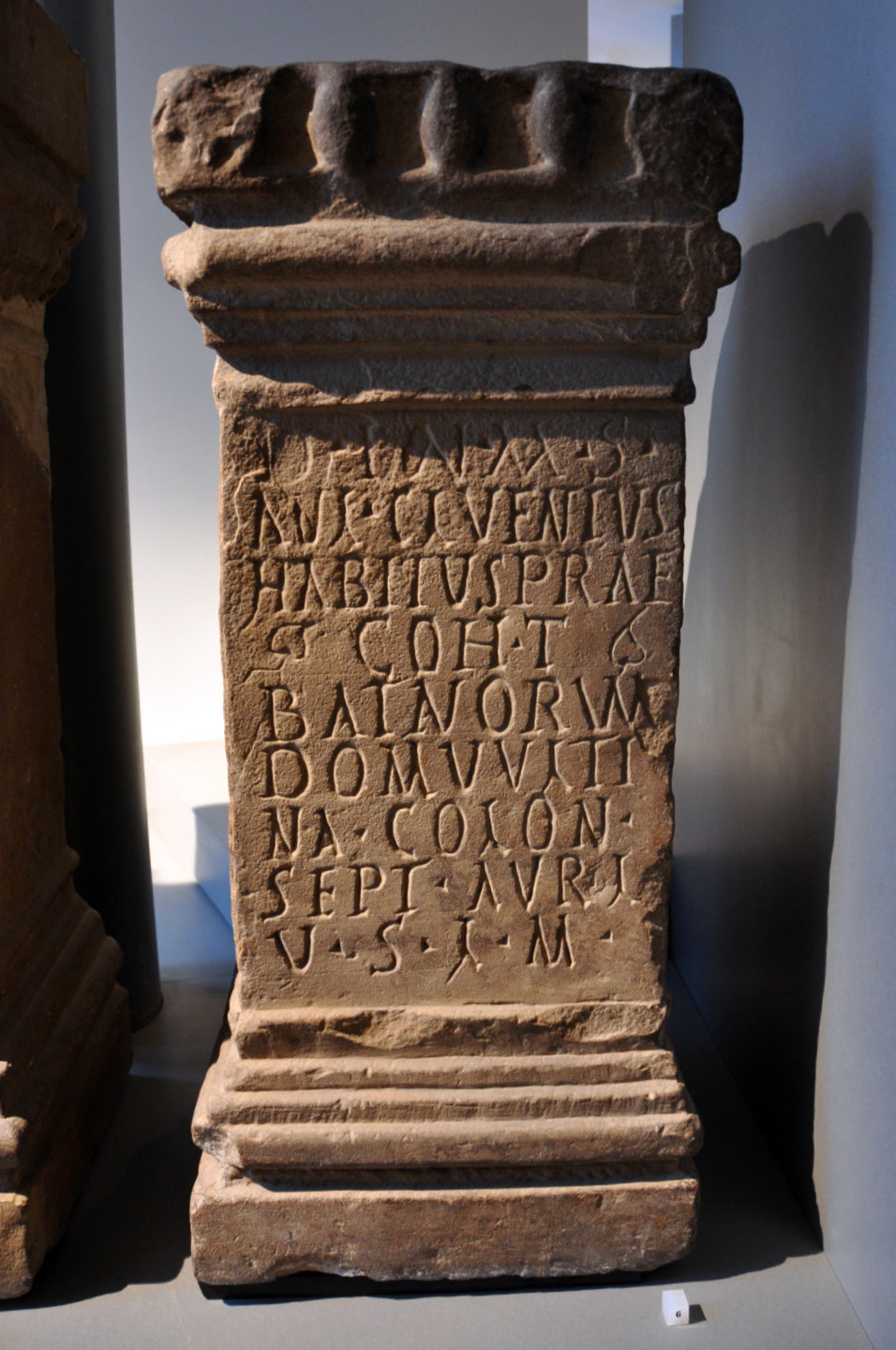
One of the three altars to Mithras found at the Mithraeum of Carrawburgh fort.
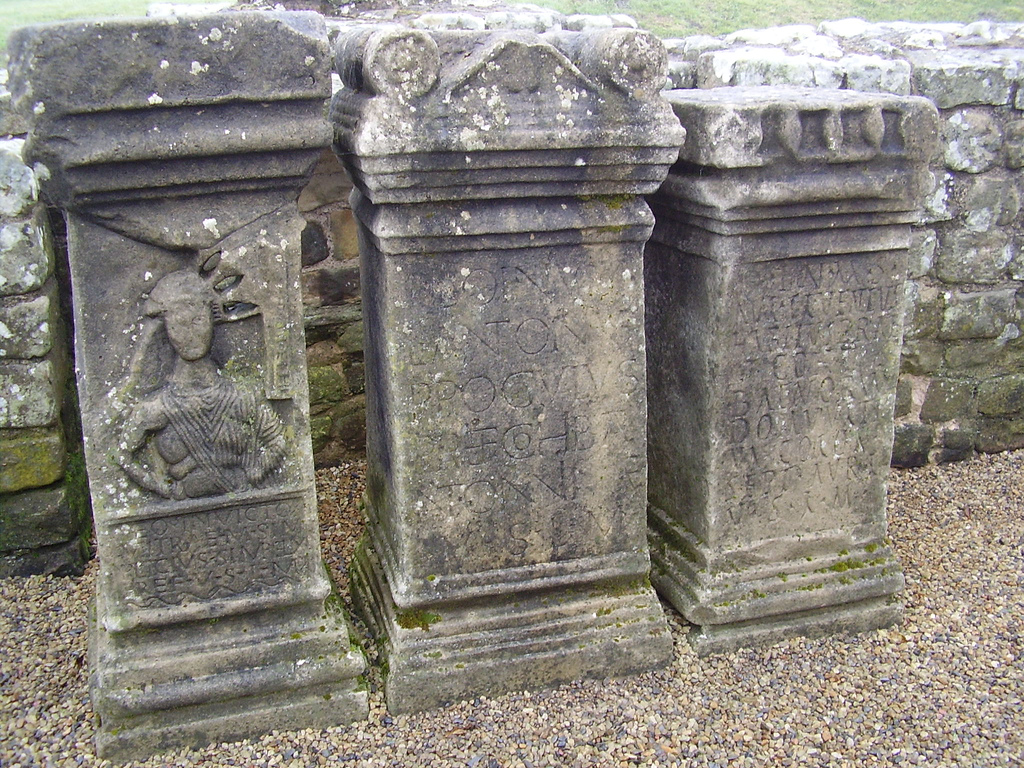
One of the altars from the Carrawburgh Mithraeum depicts the bust of Mithras or Sol.

Limestone keystone dedicated to the invincible Sun by Peticius Pastor and preserved at Lepcis Magna.
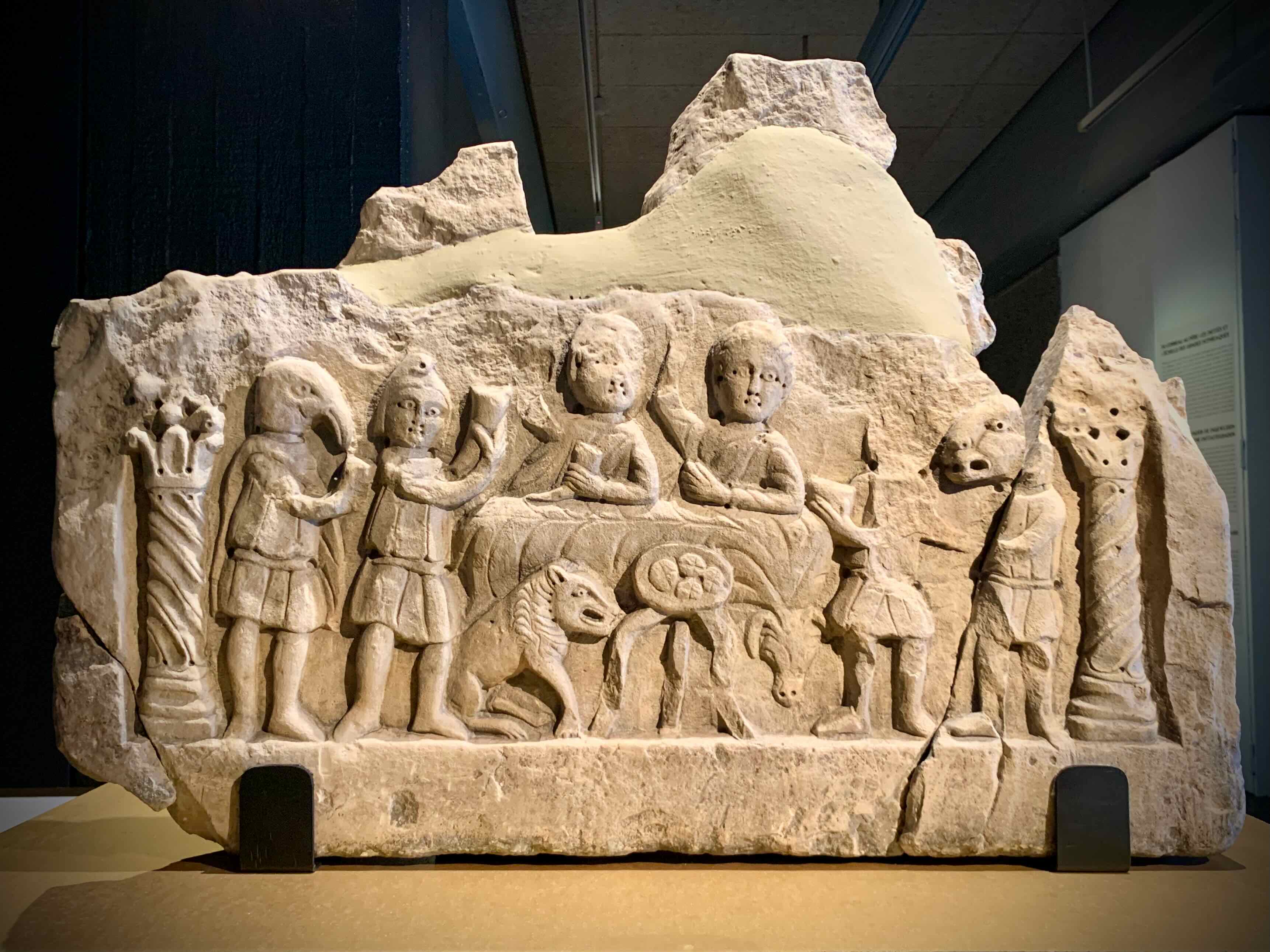
The mithraic relief of Konjic shows a Tauroctony in one side and a ritual meal in the other.
A marble cippus from Rome bearing two inscriptions: the upper dedicated to Deus Sol Invictus Mithras and Cautopates, the lower by Flavius and companions.
The inscription is carved into two pieces of marble cornice.
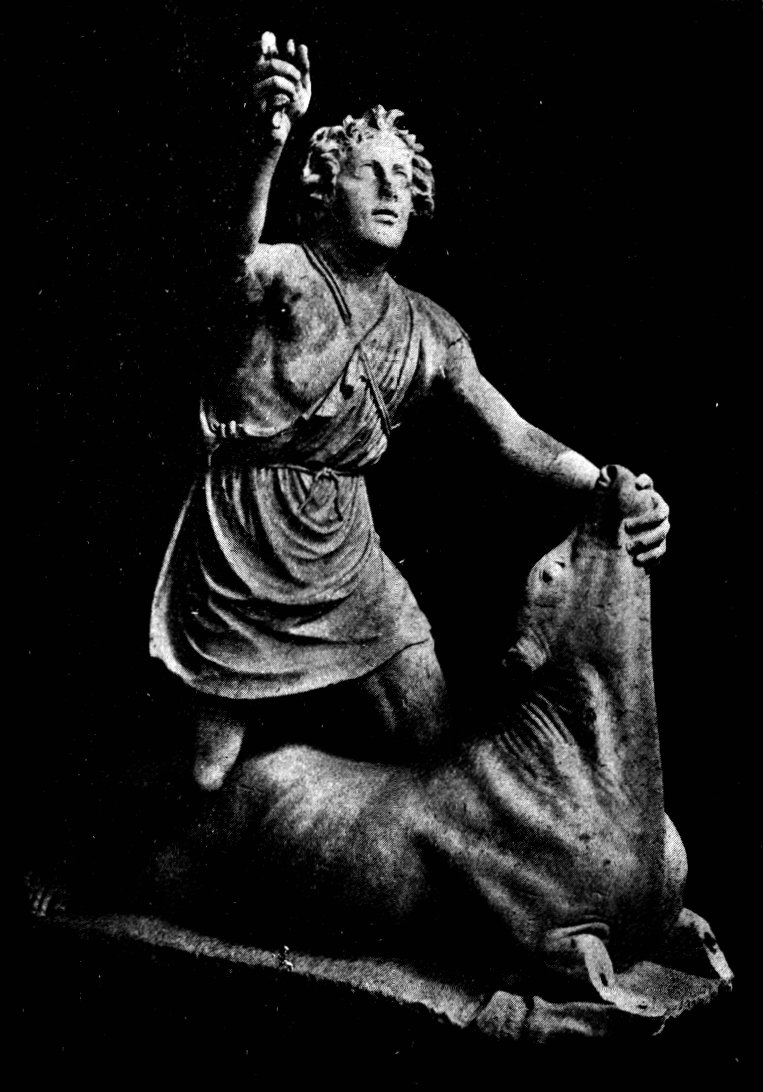
The person who commanded the sculpture may have been M. Umbilius Criton, documented in the Mitreo della Planta Pedis.
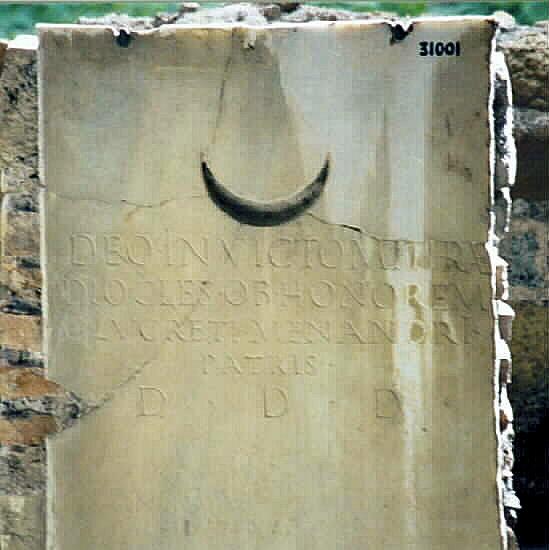
The brick altar of the Mithraeum Menander was covered with marble slabs bearing a crescent and an inscription.
Late Roman funerary inscription from Antium commemorating the senator, governor of Numidia and Mithraic pater Alfenius Ceionius Iulianus Kamenius.
Gold lamina from Ciciliano showing a nude, serpent-entwined Aion-Kronos holding a key and surrounded by Greek voces magicae (2nd c. CE).
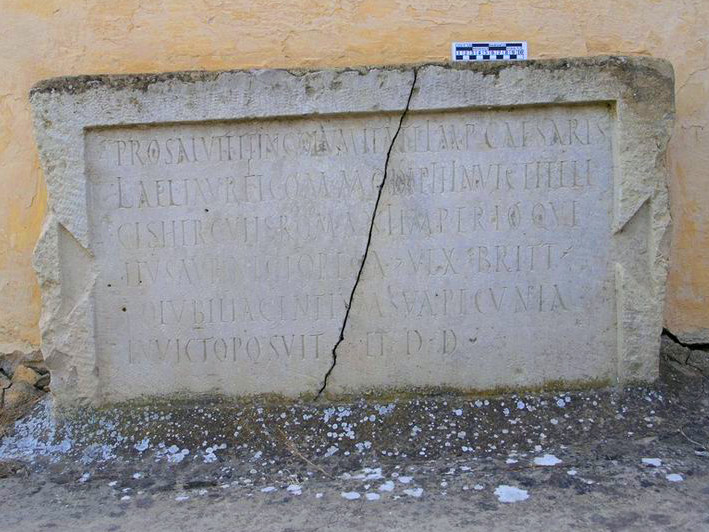
One of the two inscriptions by Aurelius Nectoreca, a follower of Mithras, found in Meknès, Morocco.
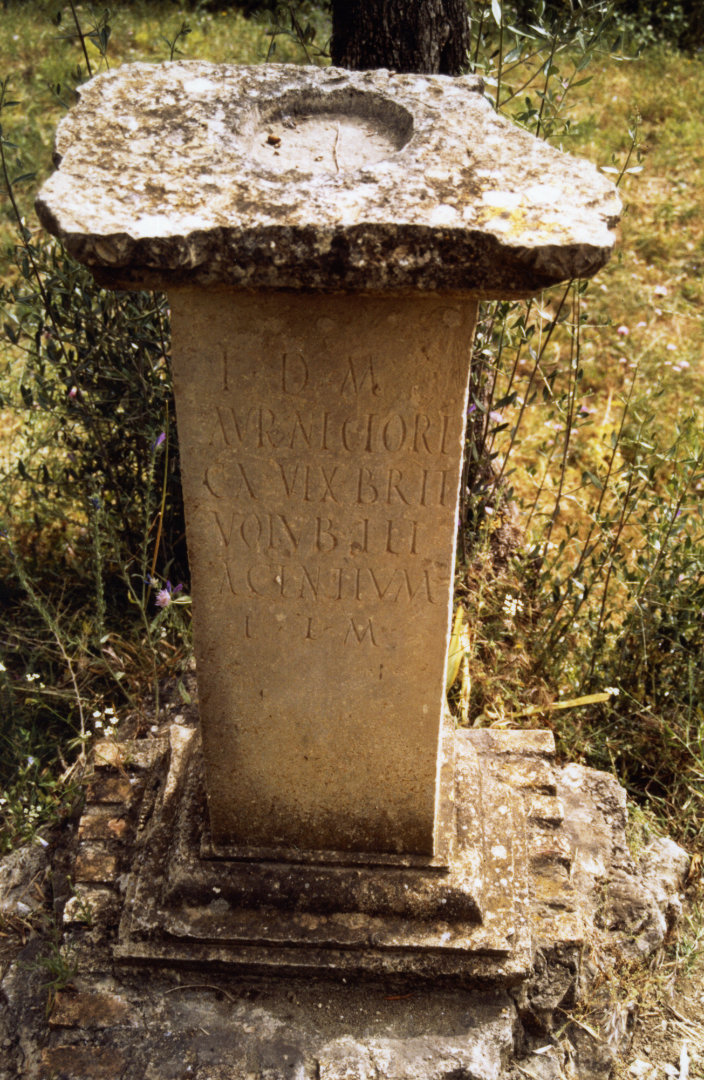
Two inscriptions by Aurelius Nectoreca, a follower of Mithras, have been found in Meknès, Morocco.
Altar inscription from Sahin invoking the most high heavenly god and Mithras in the Alawite Mountains.
Latin dedication to the invincible Mithras reportedly discovered north of ancient Colophon in Lydia.
These twin inscriptions found in the Mithraeum of Tazoult were dedicated by the legate Marcus Valerius Maximianus.
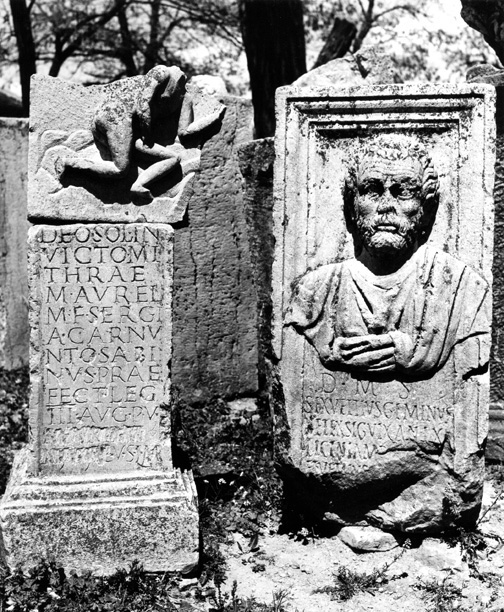
This altar to the god Sol invicto Mithra was erected by a legate during Maximin’s reign in Lambaesis, Numidia.
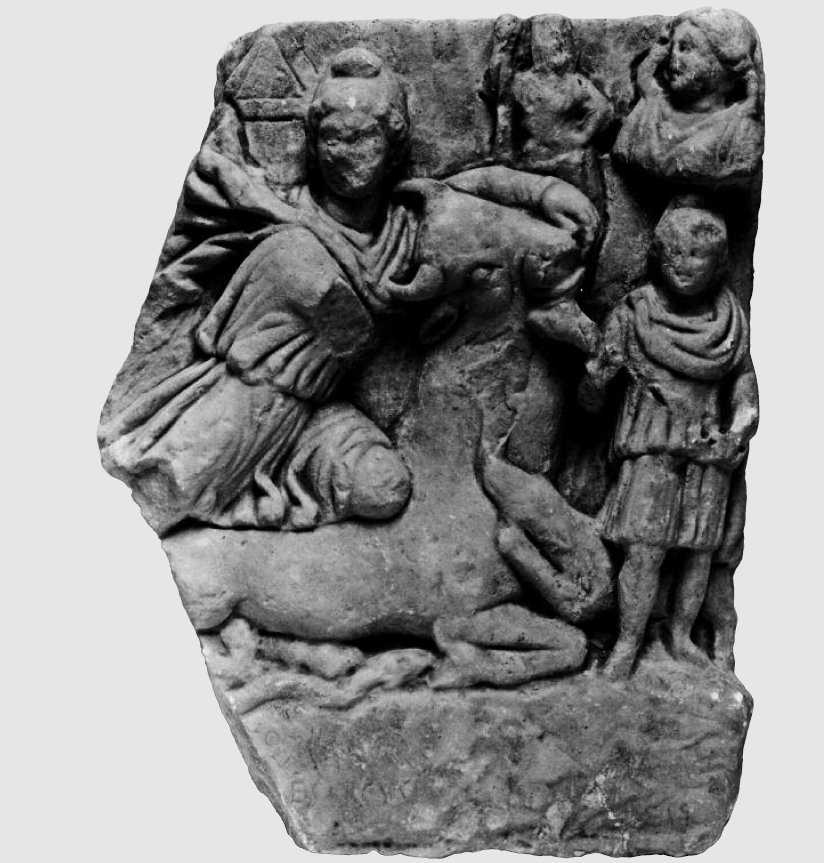
The Tauroctony of Patras was found years before the temple over which the relief of Mithras sacrificing the bull was supposed to preside.
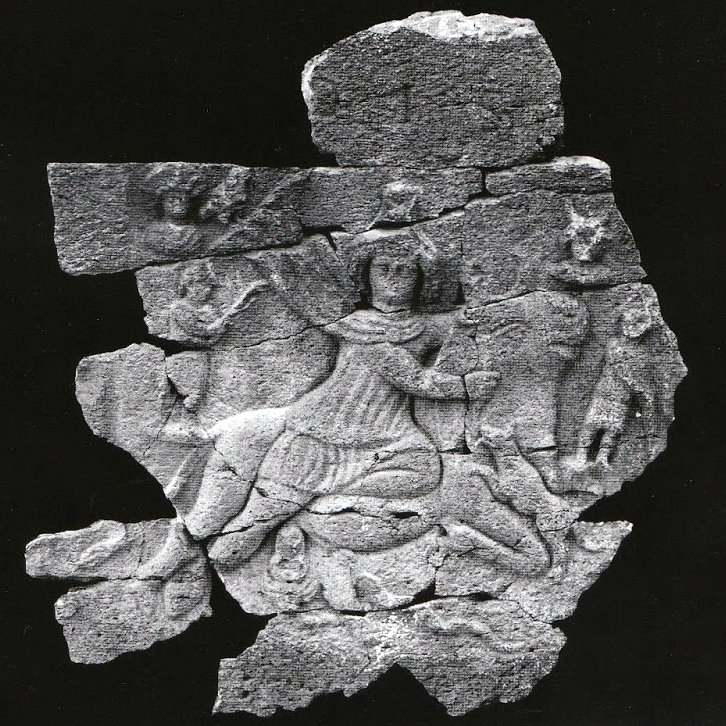
The second tauroctony of Jabal al-Druze seems to have be made by the same sculptor.
This inscription by a certain Numidius Decens was found in the Forum of Lambaesis, now Tazoult تازولت in Algeria.
