Your selection in monuments gave 176 results.

There are no further details about this Mithraic statue from Transylvania, the historical region of central Romania.
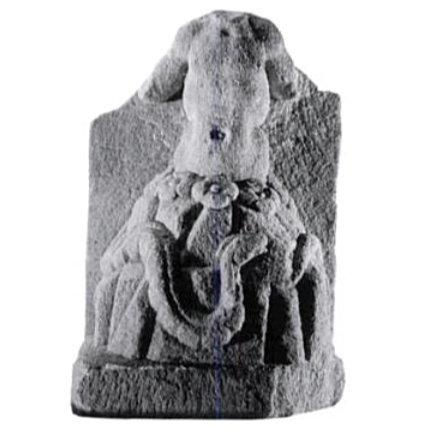
This sculpture of Mithras born from a rock was found in 1922 together with two altars in what was probably a mithraeum.
This monument is too fragmentary to recod it definitely as a Mithras-monument.
This statuette was bought by A. Wiedemann in Luxor in 1882 from a man from Kus.
This Aion is known for wearing a Kalathos on his lion’s head, linking him to the syncretic Sarapis.
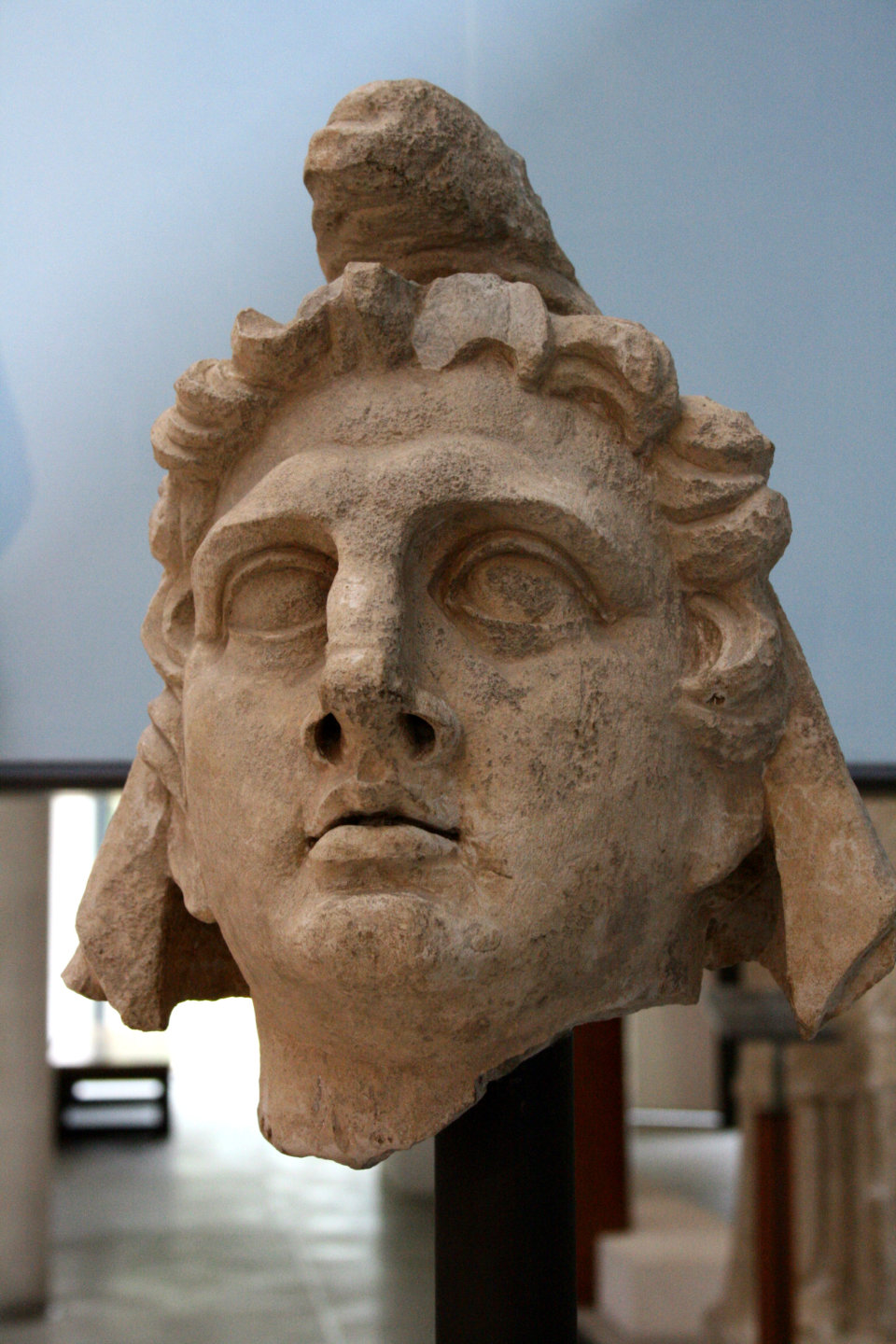
This head of Italian marble, found at Arles, probably belongs to a sculpure of Mithras.
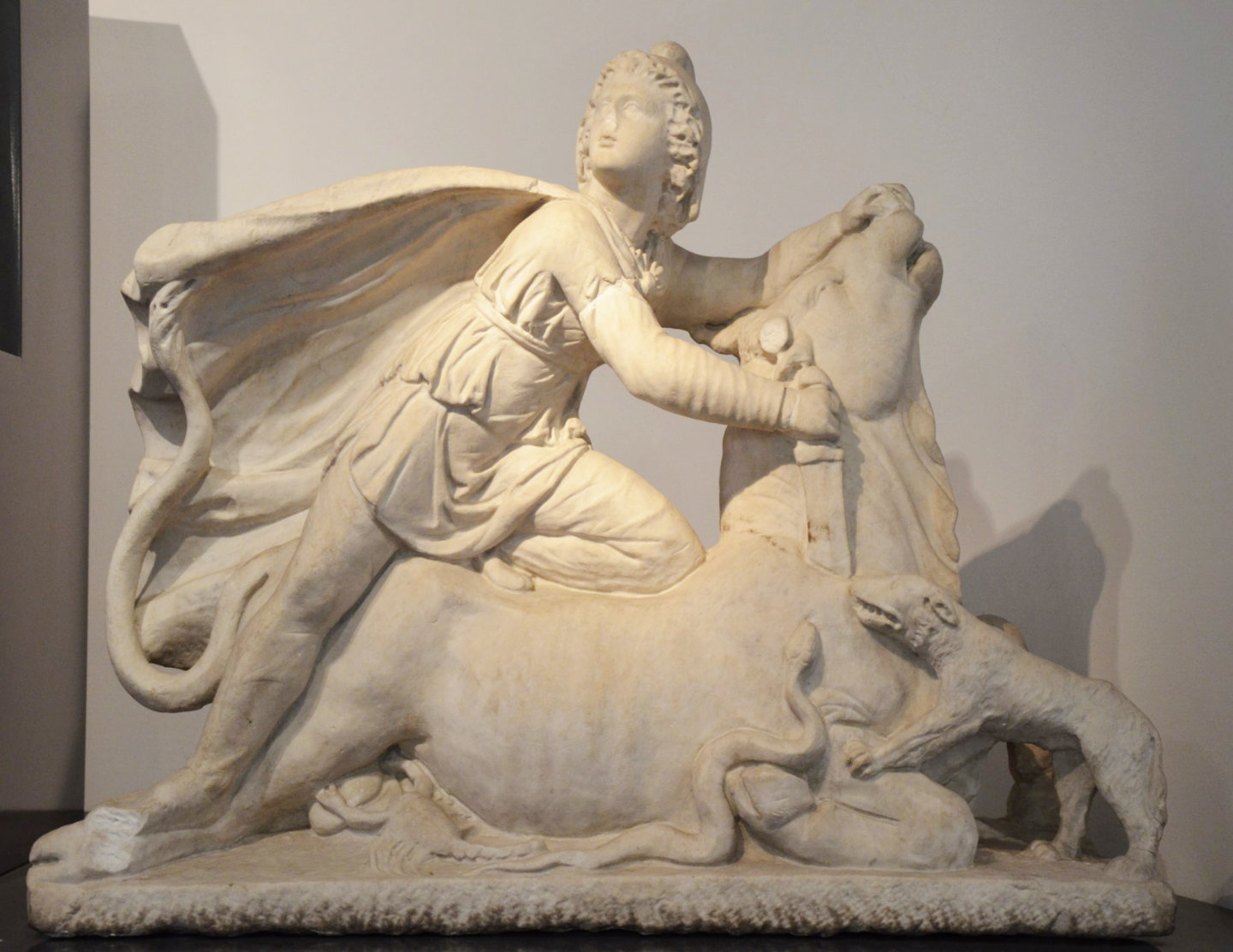
This statue of Mithras as a bullkiller was bought at Rome where it might be found.
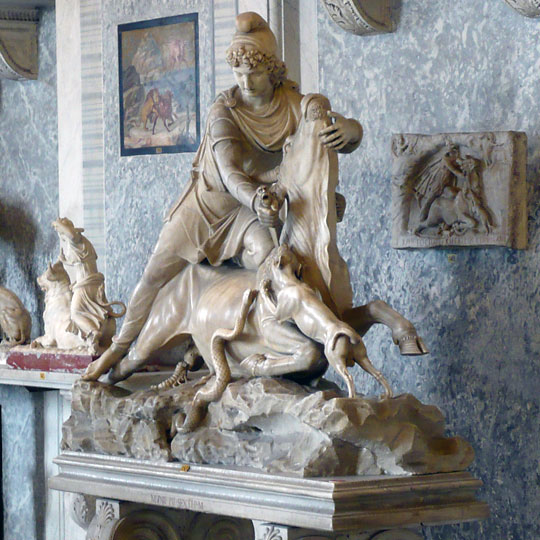
This Mithras killing the bull belonged to the sculptor V. Pancetti before being exhibited in the Vatican Museums under Pius VI.
This marble of Cautes was found together with his partner Cautopates in Ostia in 1939.
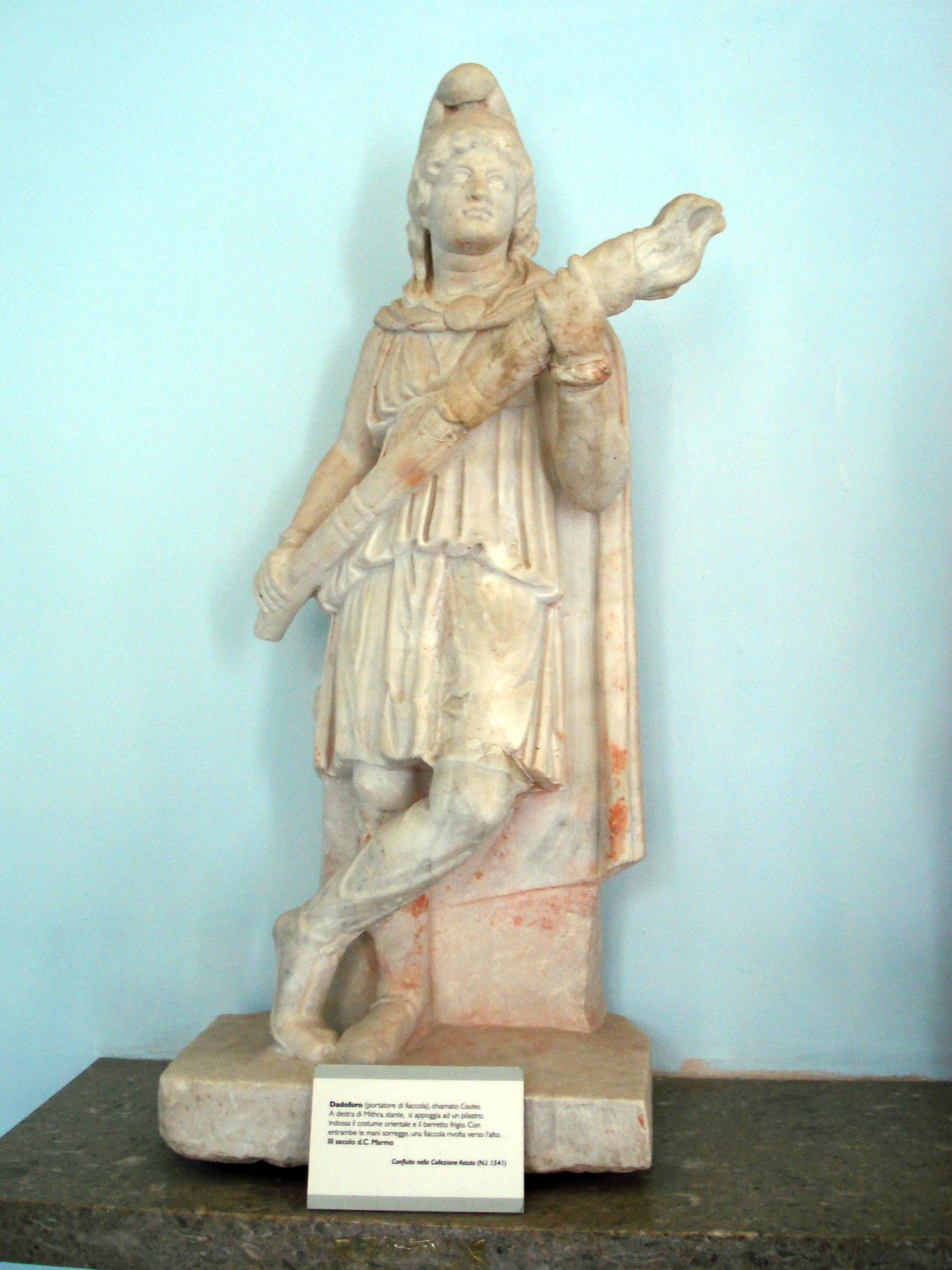
These two mithraic sculptures of Cautes and Cautopates belong to the same collection of Astuto de Noto, made up of mostly Sicilian monuments.
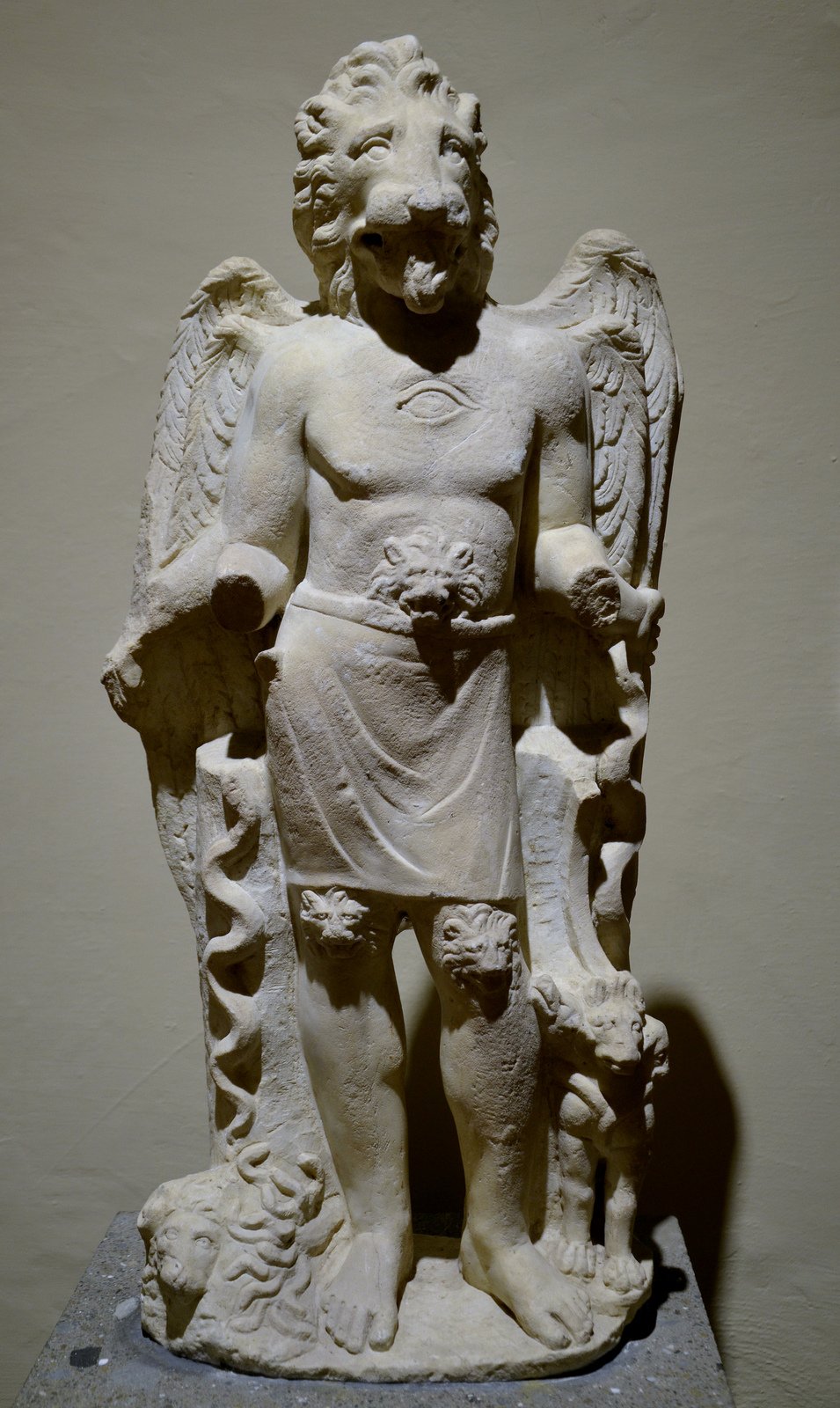
This lion-headed marble was found on the ruins of the Alban Villa of Domitianus.
This lost monument bears an inscription to Cautes by a certain Tiberius Claudius Artemidorus.
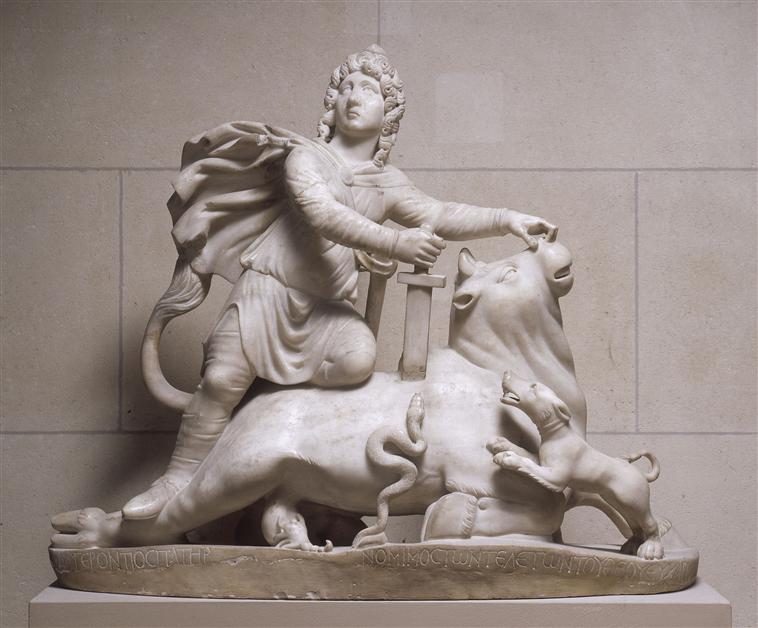
The Mithras killing the bull sculpture from Sidon, currently Lebanon.
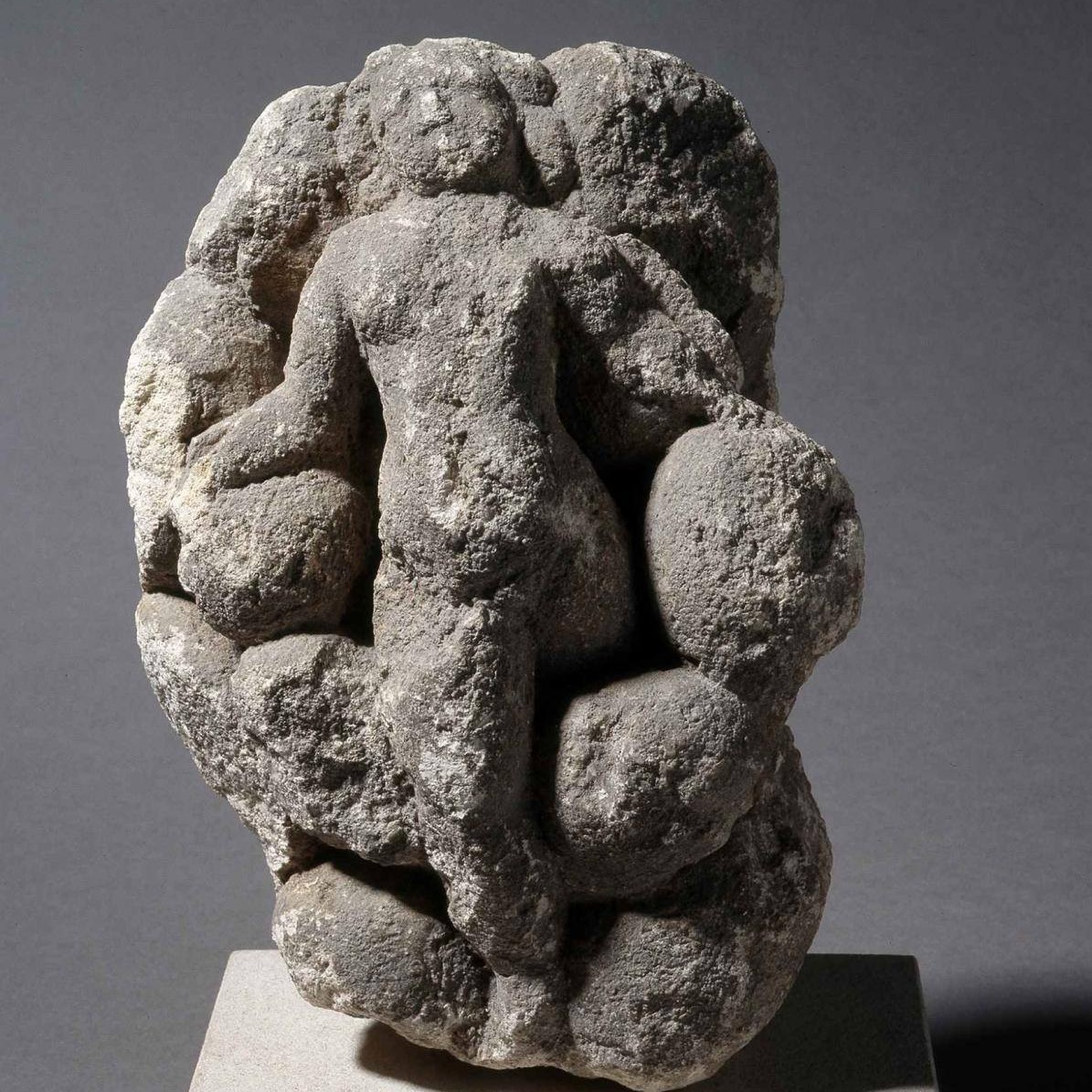
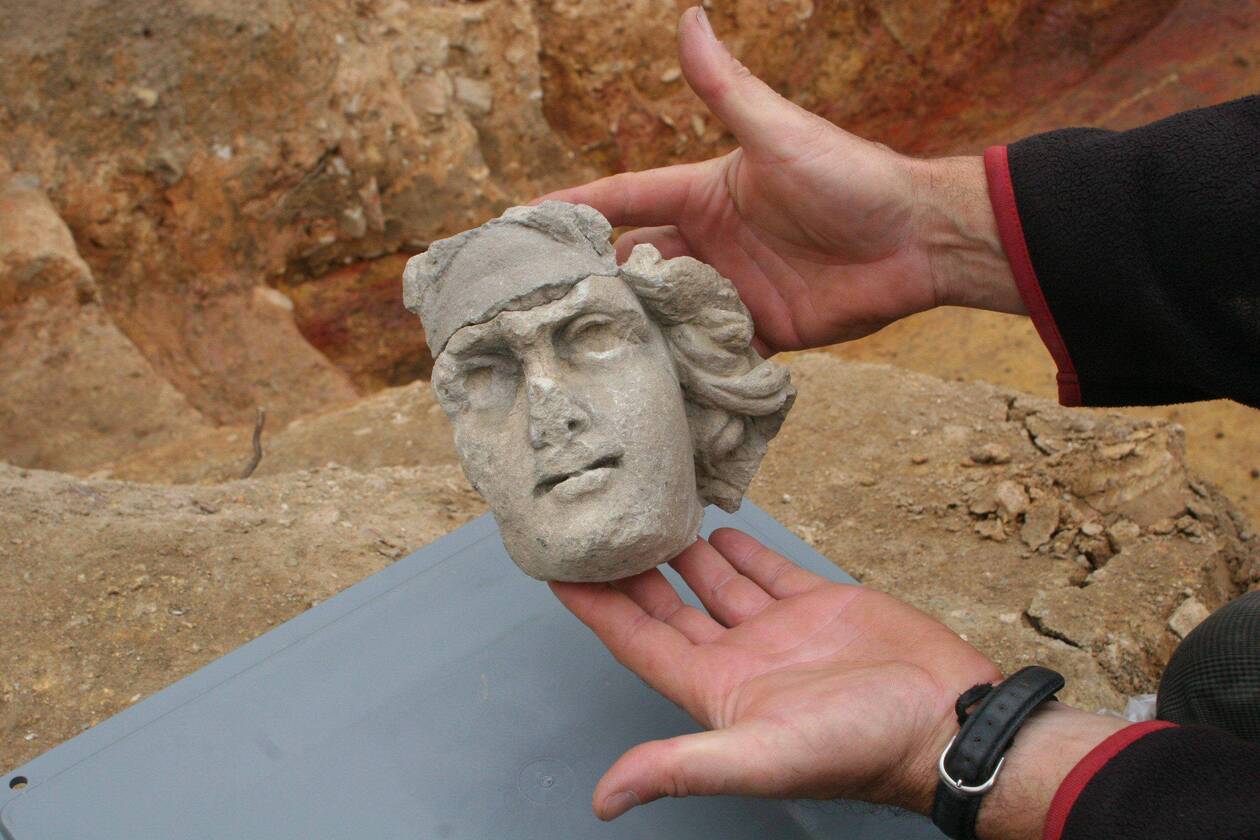
The head of Mithras of Angers has been found a four months after the main relief.
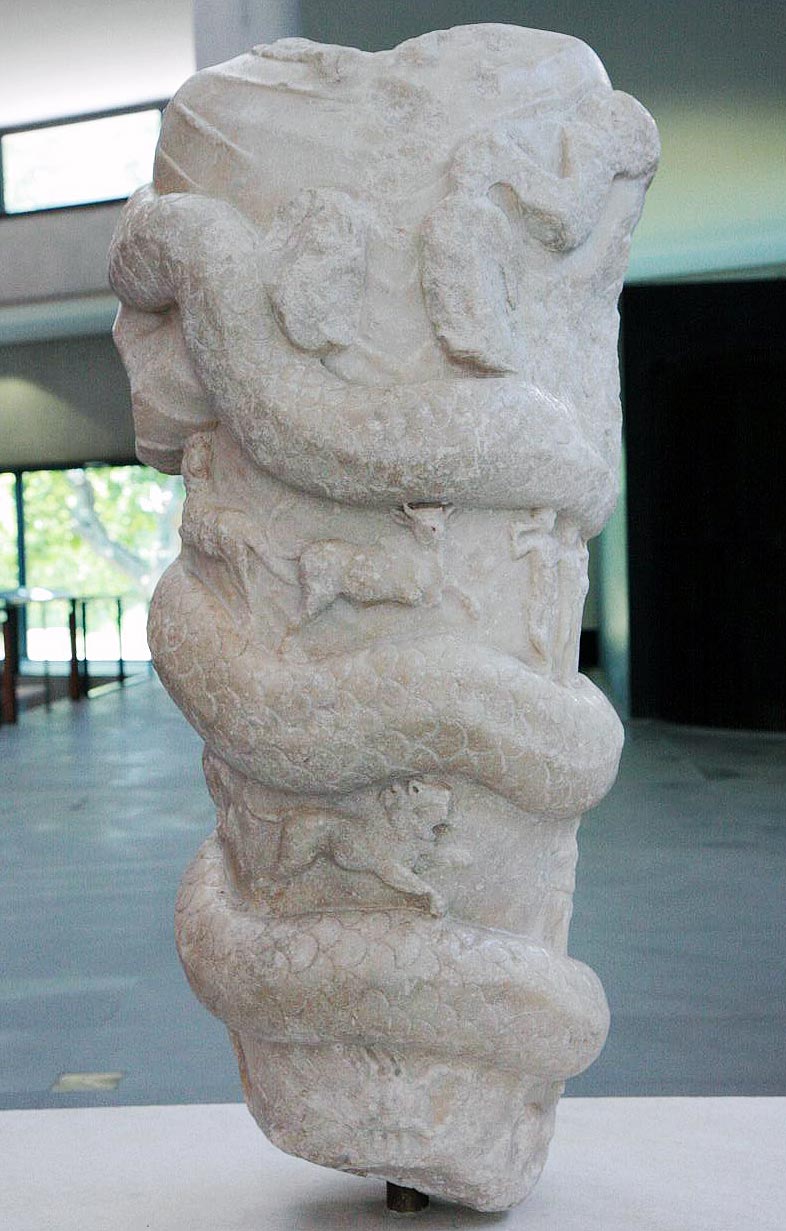
The Aion of Arles includes nine signs of the zodiac in three groups of three, between the spirals of the serpent.
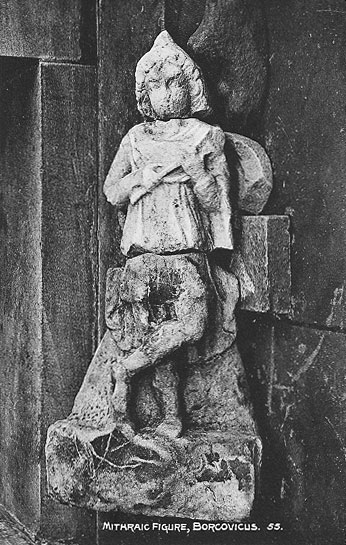
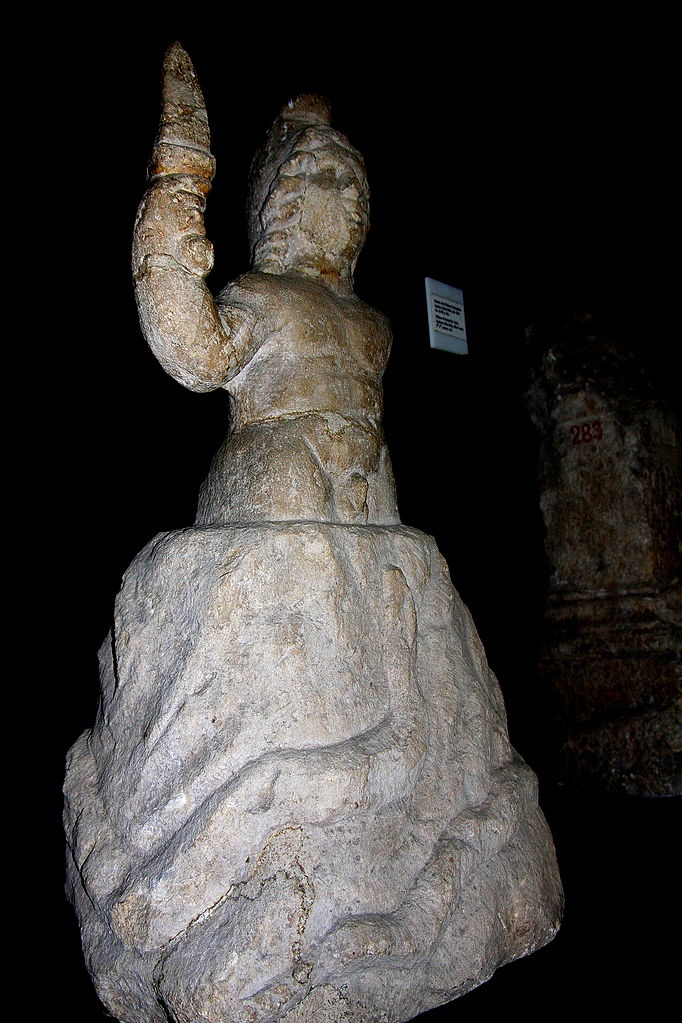
As usual, the solar god rises a dagger with one of his hands while emerges from the rock.
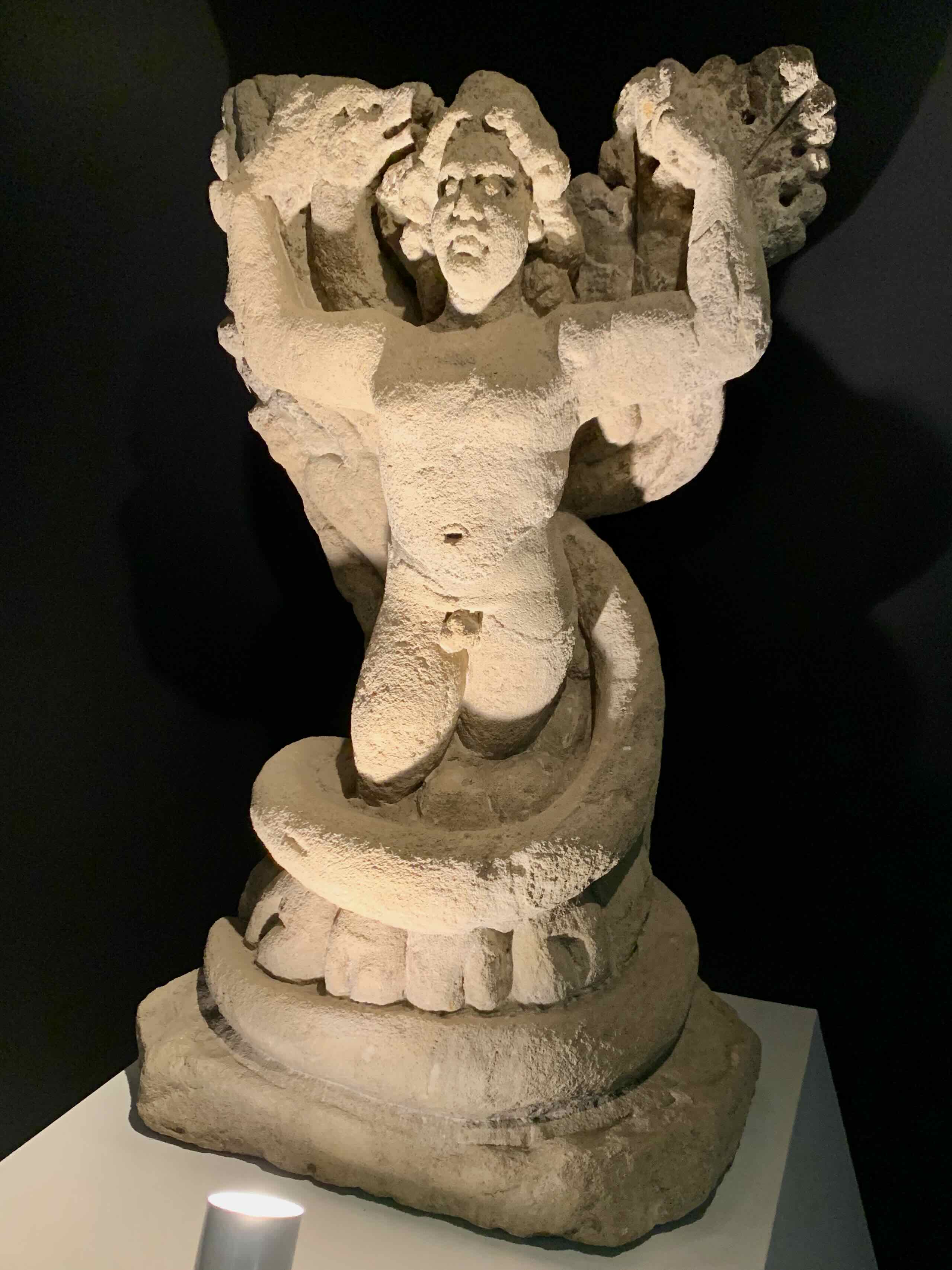
Mithras Petrogenitus, born from the rock, from the Mithraeum of Carnuntum III.
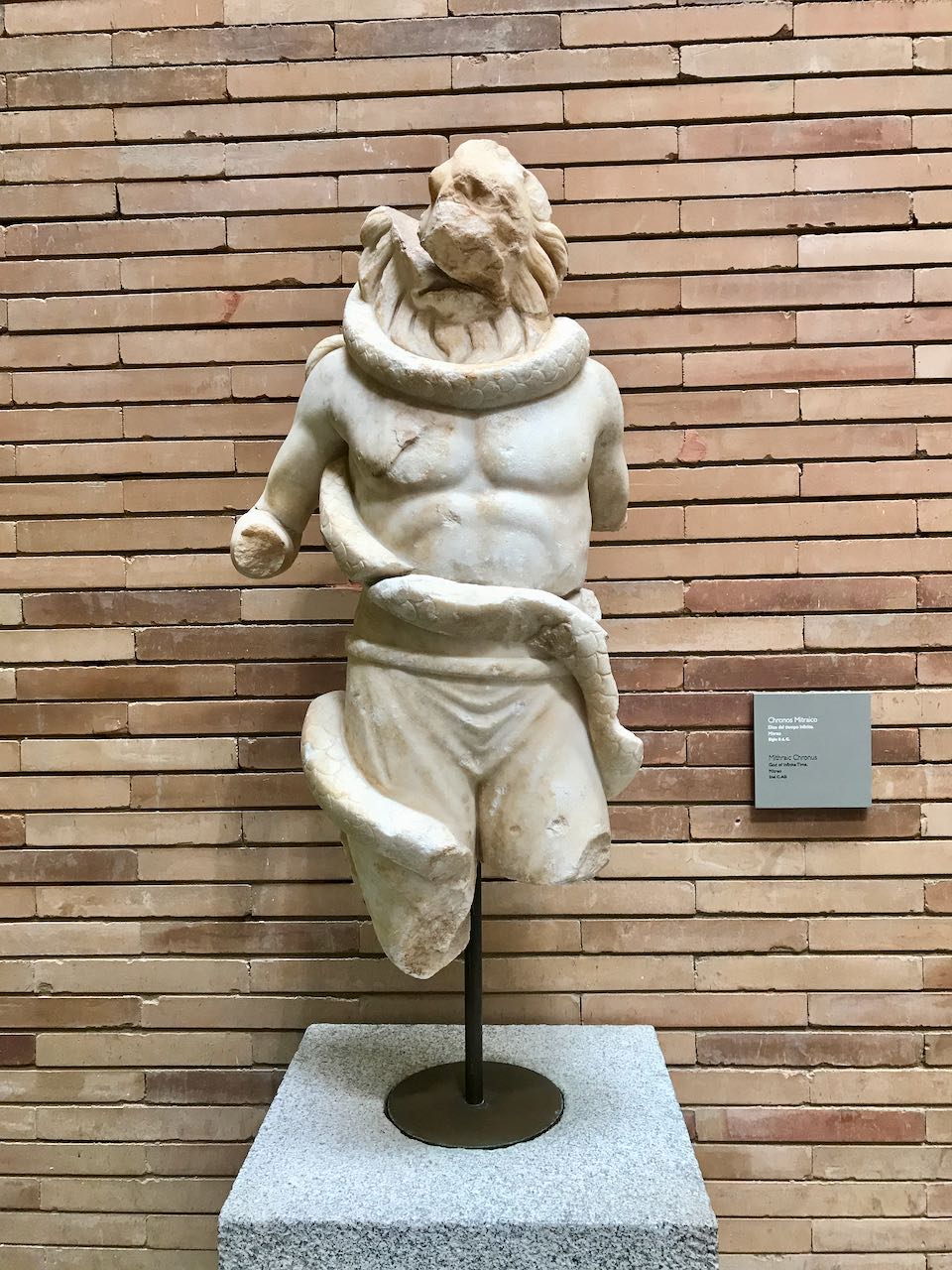
The lion-headed figure, Aion, from Mérida, wears oriental knickers fastened at the waist by a cinch strap.
