Your selection in monuments gave 431 results.
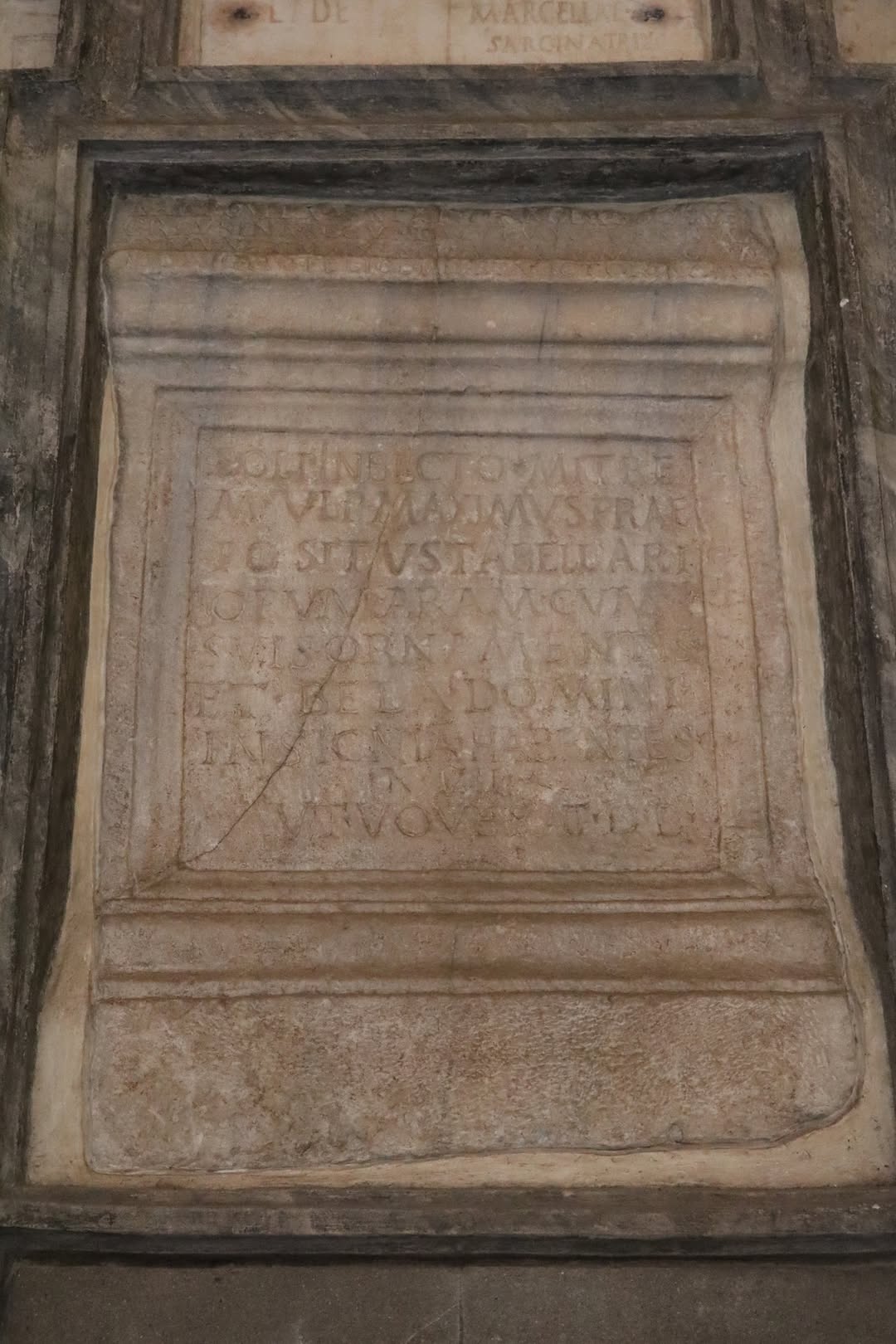
Marble altar dedicated to Sol Invictus Mithras, found in Rome (in aedibus Maffaeiorum), set up in 183 A.D. by M. Ulpius Maximus, praepositus tabellariorum, together with its ornaments and Mithraic insignia, in fulfilment of a vow.
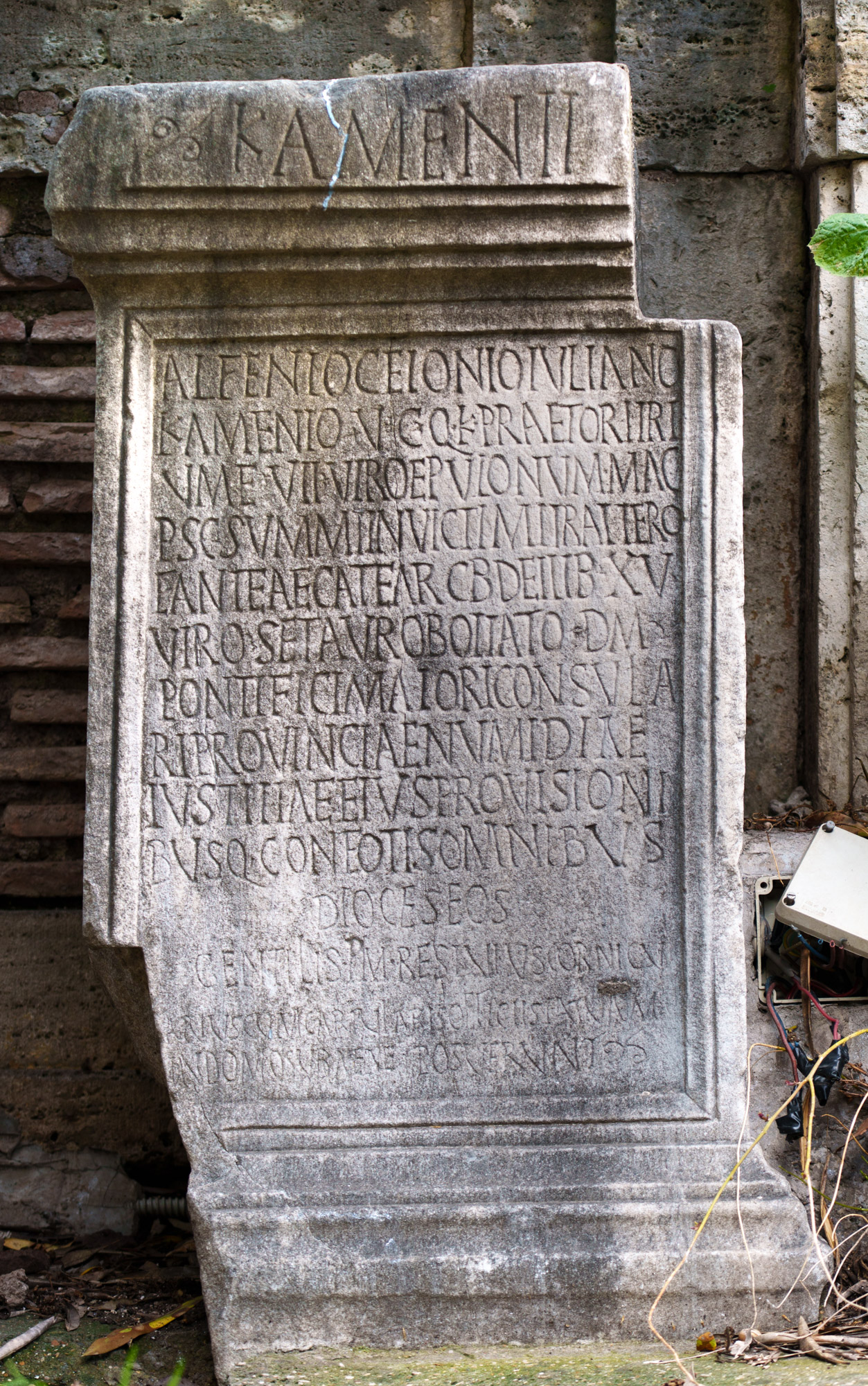
Honorific marble statue base dedicated to the senator and Mithraic pater Alfenius Ceionius Iulianus Kamenius by members of his provincial administration.

Marble altar dedicated at the Vatican Phrygianum in Rome by the Mithraic pater Alfenius Ceionius Iulianus Kamenius in 374 CE.
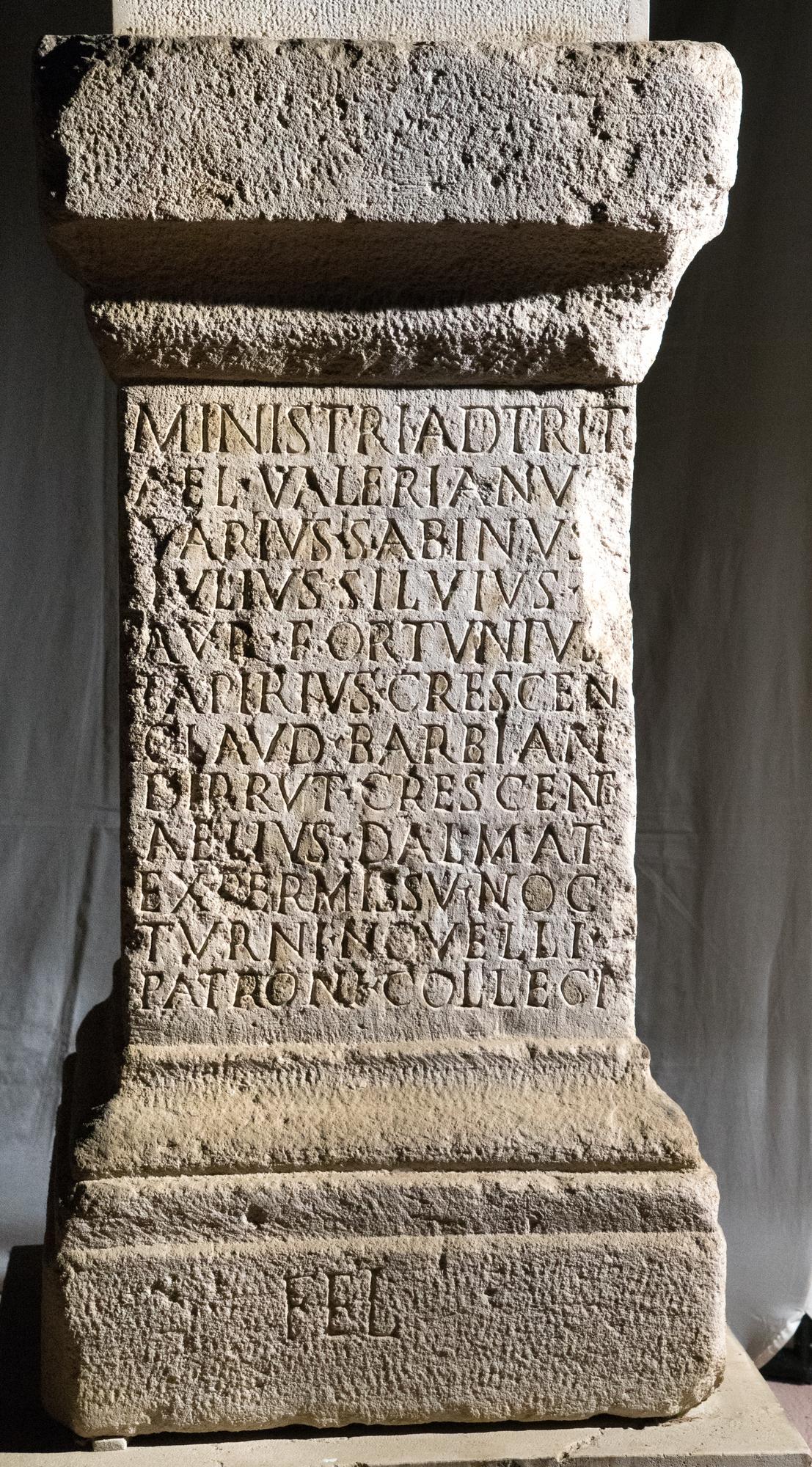
This inscribed limestone altar from Roman Salona preserves several lists of ministers associated with the Tritones collegium during the Tetrarchic period.
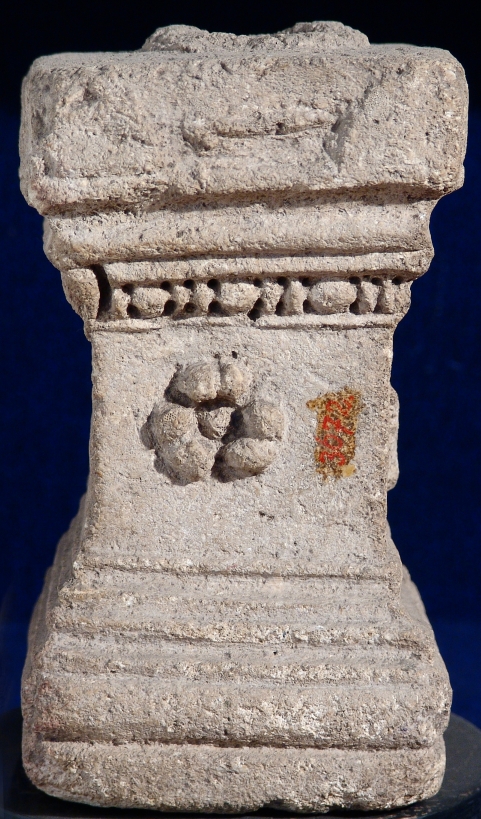
This limestone altar from Roman Dacia preserves a dedication to Mithras by a commander of the Ala II Pannoniorum.
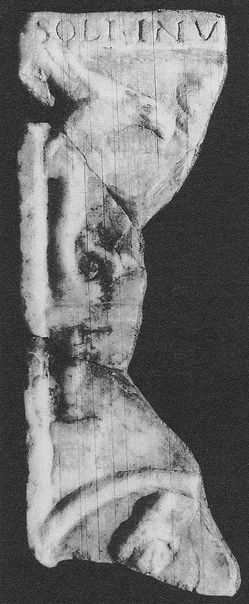
This marble fragment from Apulum preserves the head of Mithras beneath an arch together with a raven and the remains of Sol’s radiate crown.
'Hail to Kamerios the Pater' can be read on one of the walls of the mithraeum at Dura Europos.
This inscription shows that Publilius Ceionius, most distinguished man, dedicated a temple to Mithras at Mila, in the modern Constantina, Algeria.
This stele found at the foot of the Aventine bears an inscription of Kastos father and son, and mentions several syndexioi who shared the same temple.
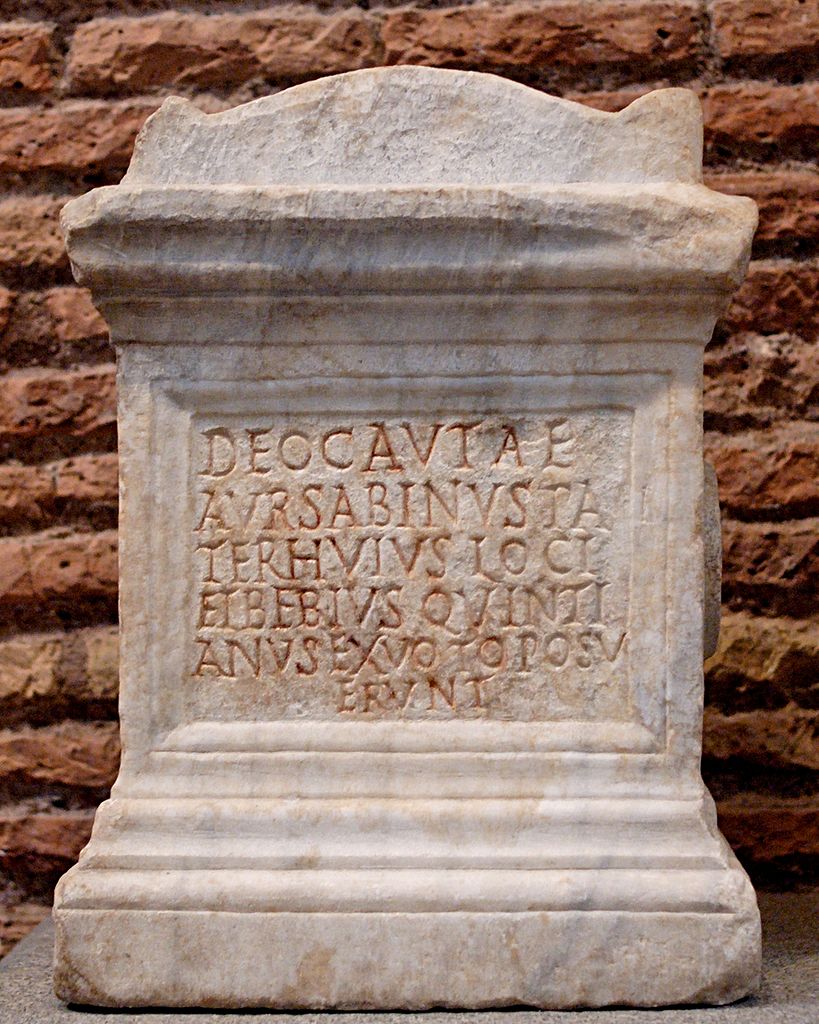
These two parallel altars to the diophores were dedicated by the Pater and a Leo from the Mithraeum of S. Stefano Rotondo.
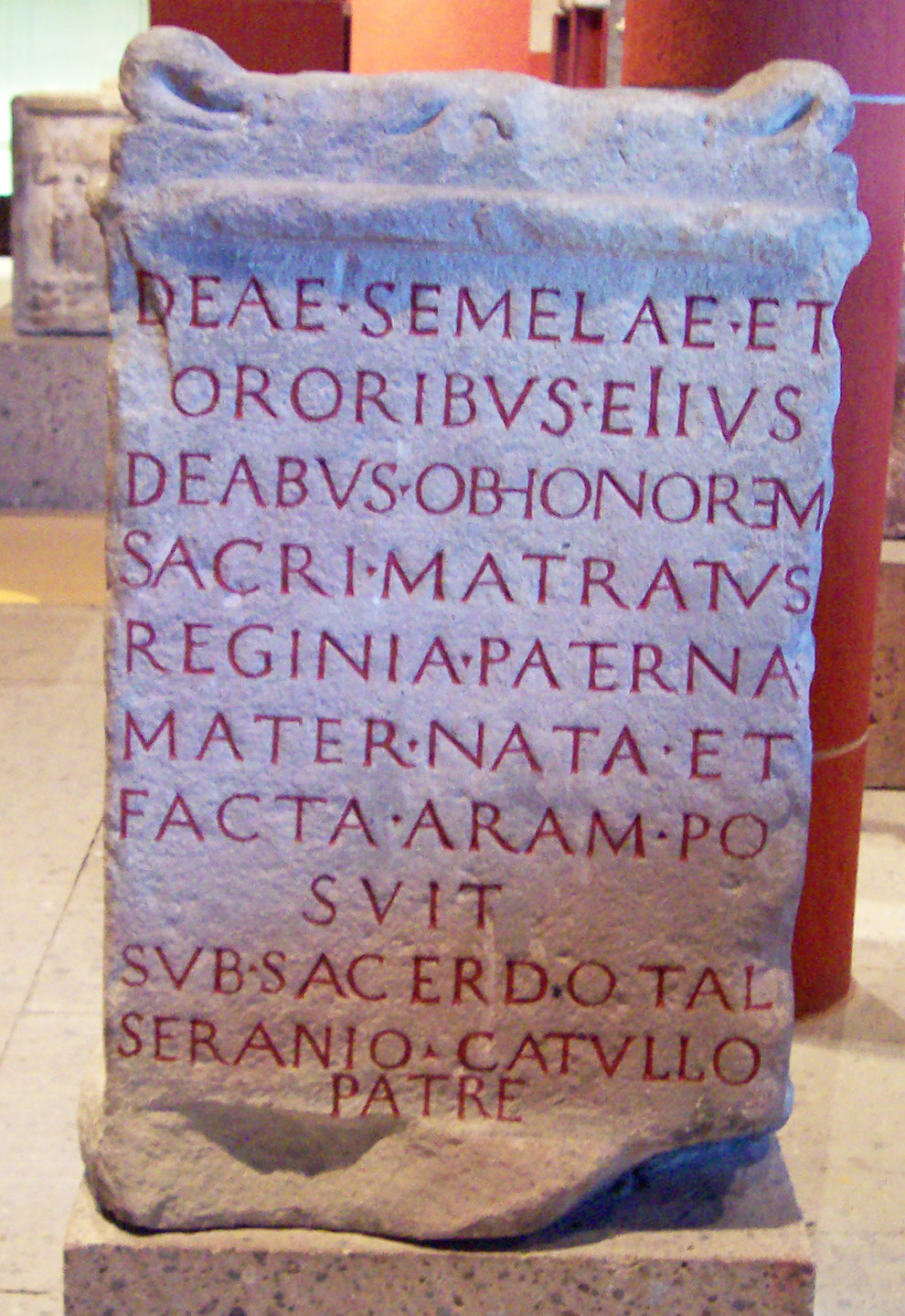
This sandstone altar found in Cologne bears an inscription to the goddess Semele and her sisters.
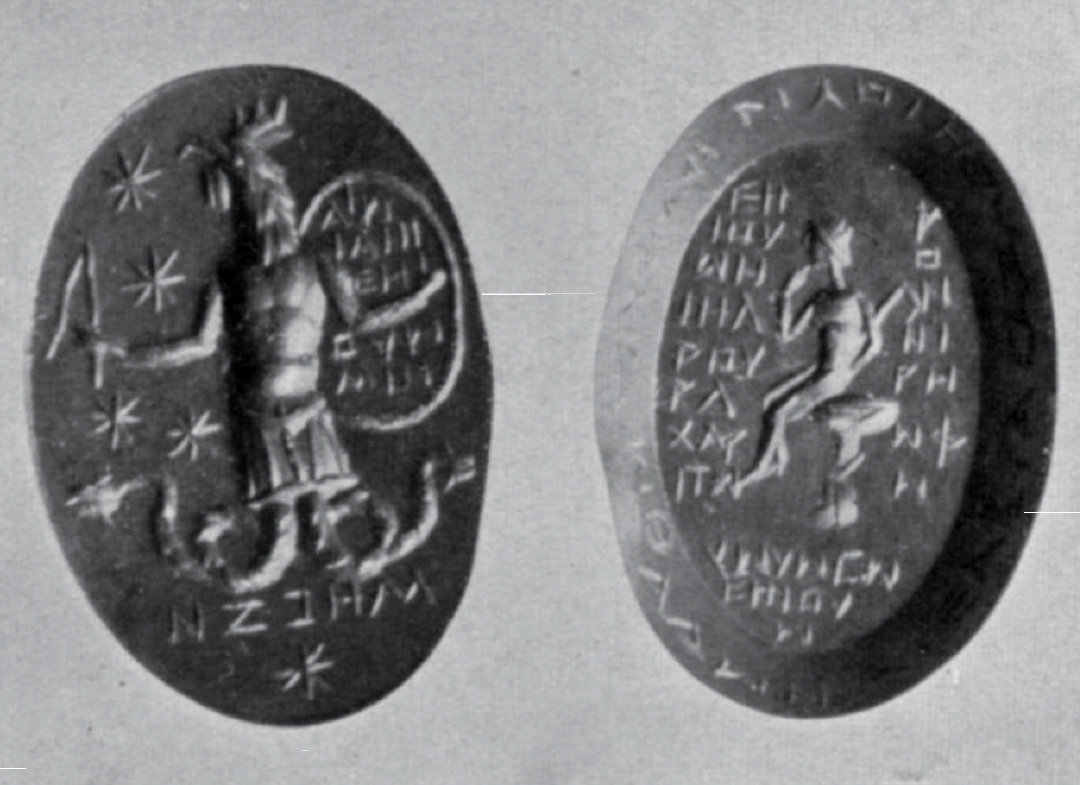
Gnostic amulet found in the ancient Agora of Athens, depicting Abraxas on one side and a Mithraic inscription on the other.
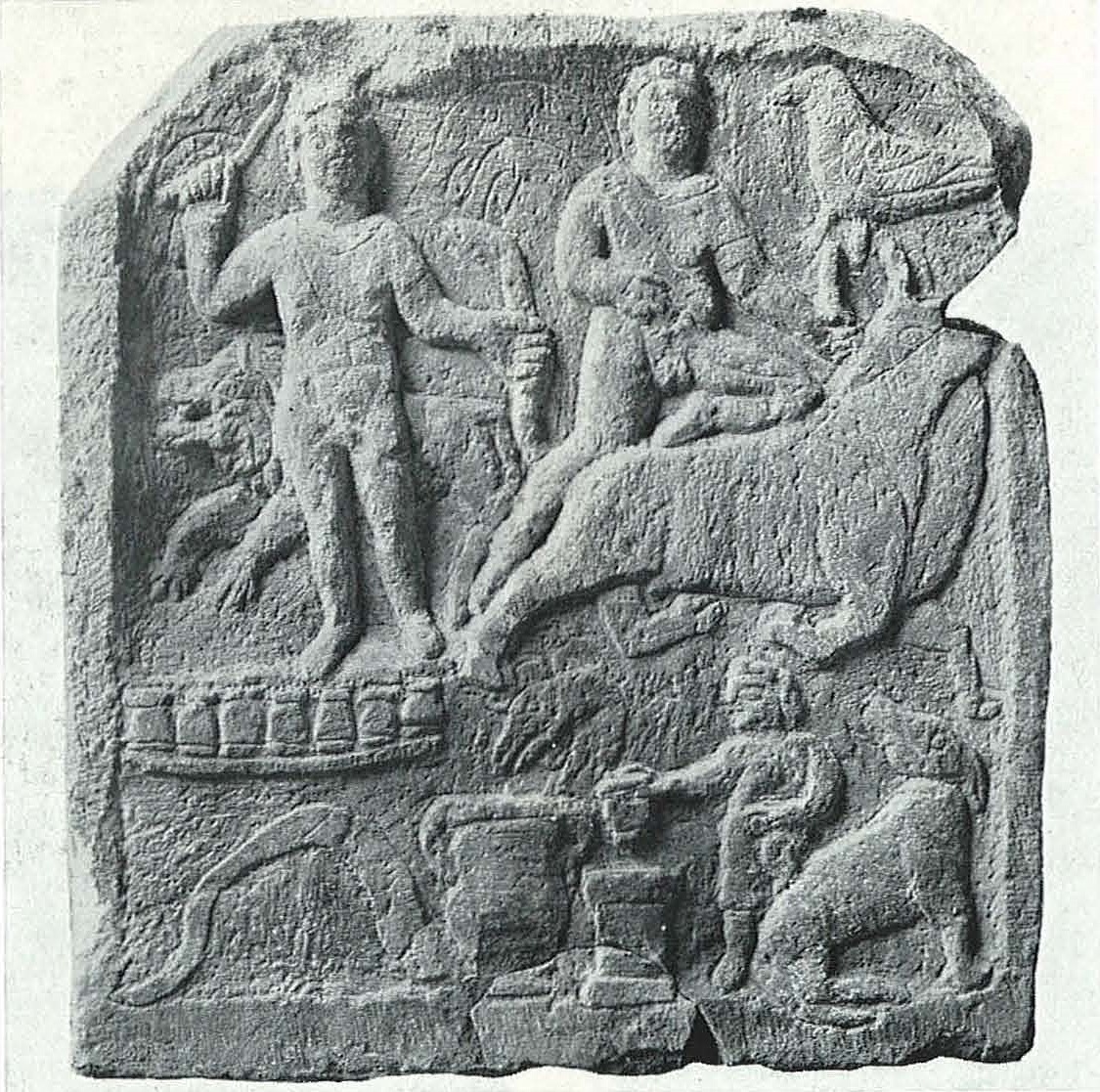
The Tauroctony from Landenburg, Germany, shows a naked Mithras only accompanied by his fellow Cautes.
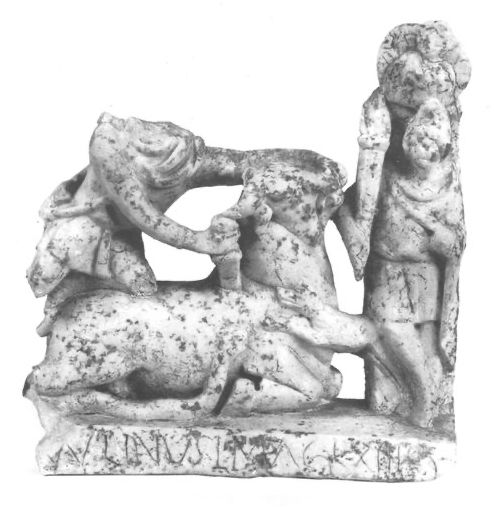
This relief of Mithras killing the bull was dedicated by the bearer of the imperial standard of Legio XIII Gemina, Marcus Ulpius Linus.
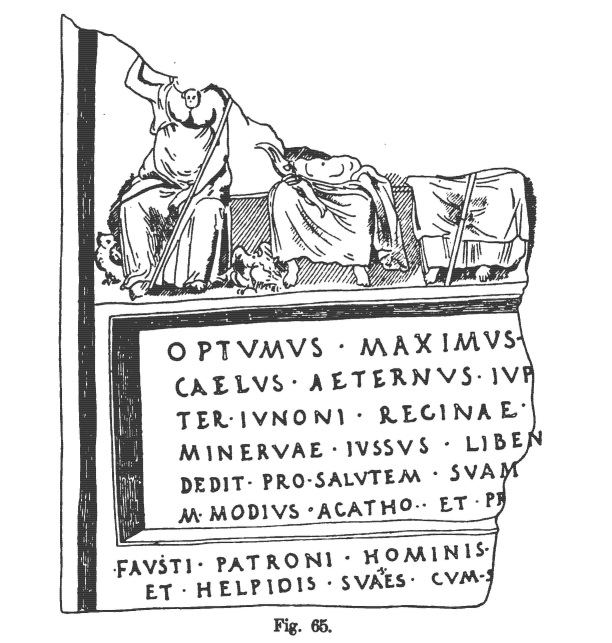
This marble relief bears an inscription by Marcus Modius Agatho, who dedicated several monuments to Mithras on the Caelian Hill in Rome.
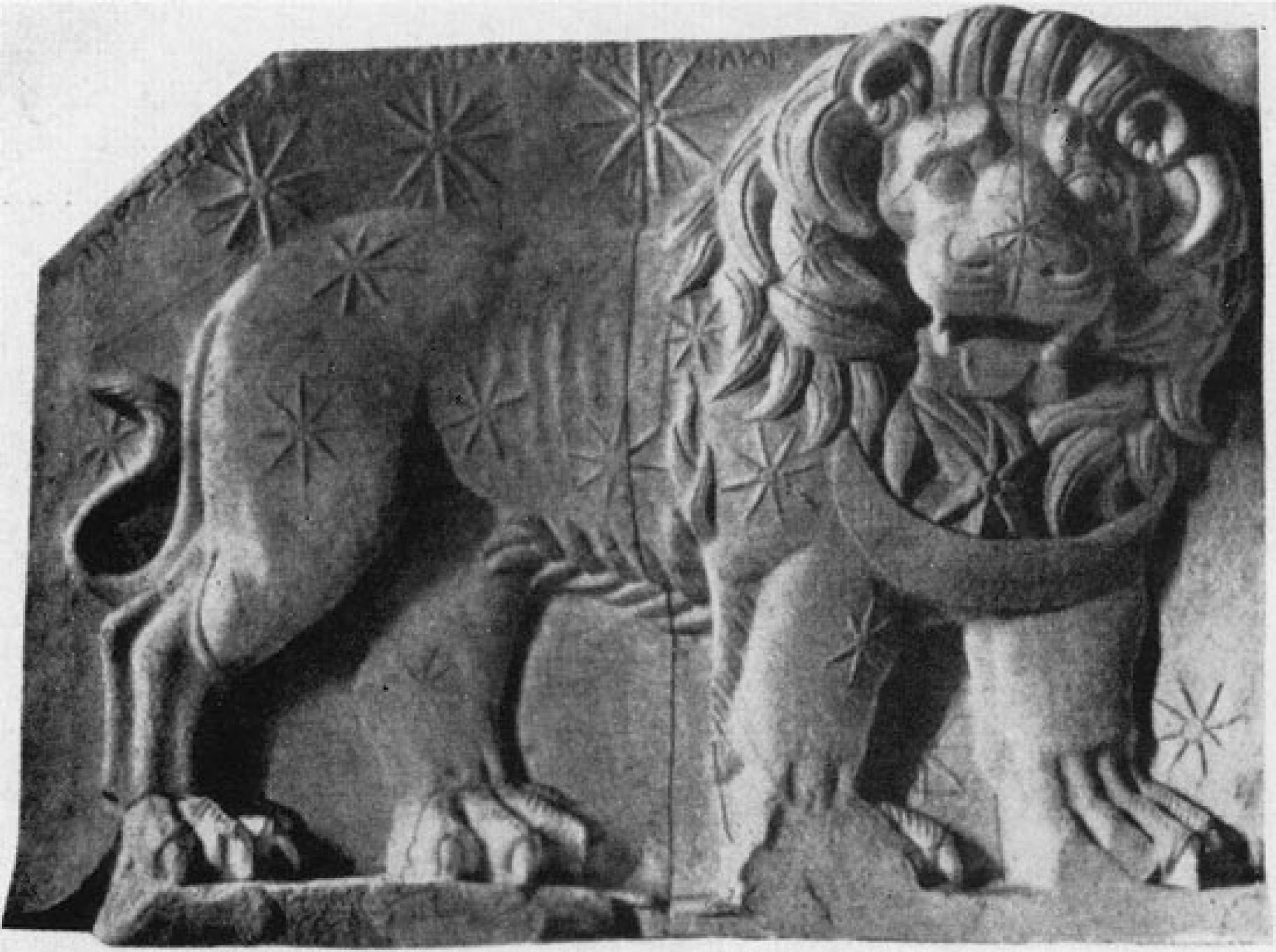
The lion relief from Nemrut Dag has the moon and several stars over his body.
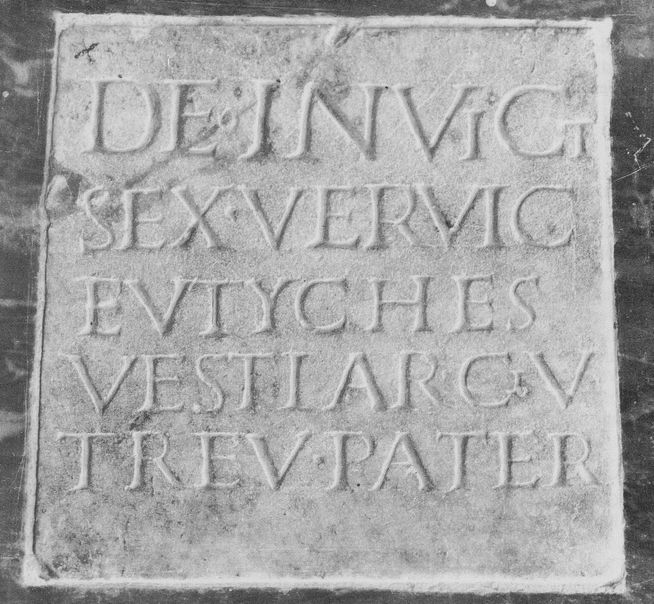
Several inscriptions dedicated to Mithras have been found in Eauze, including these two by a certain Pater Sextus Vervicius Eutyches, discovered in 1768.
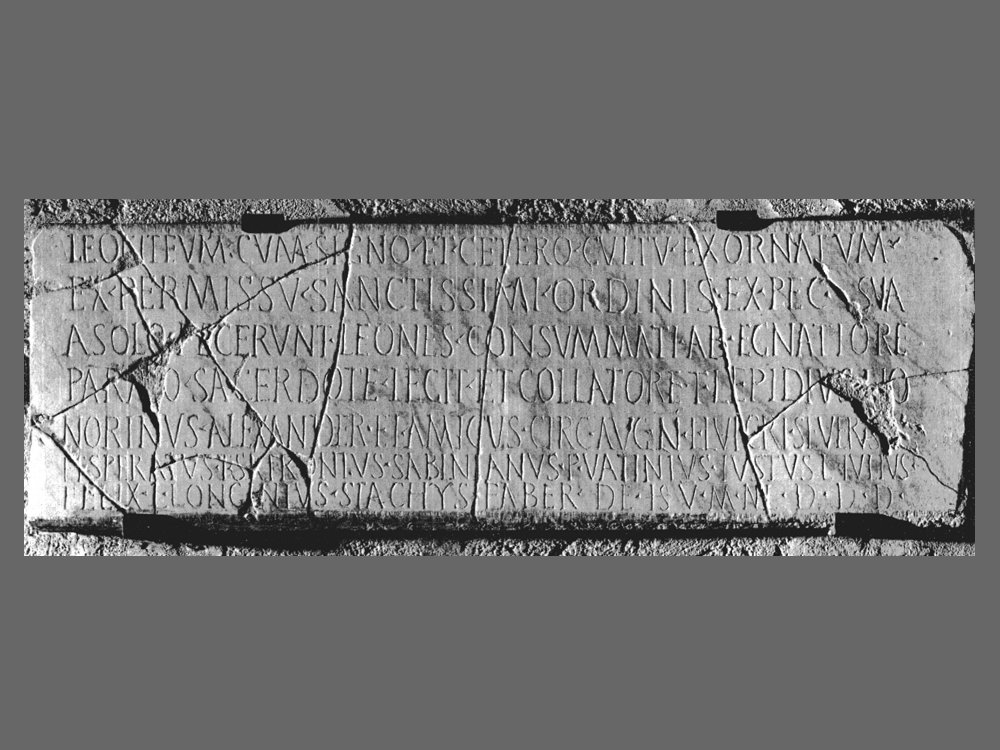
This plaque from Carsulae, in Umbria, refers to the creation of a leonteum erected by the lions at their own expense.
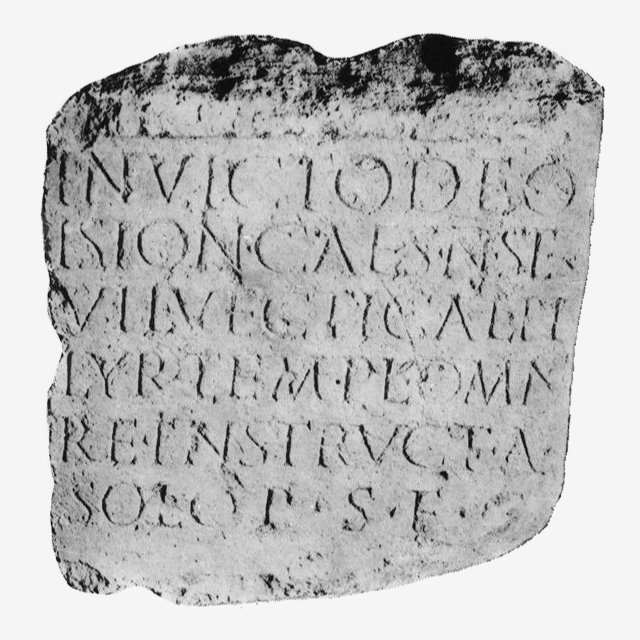
In this monument, the imperial slave Ision claims the completion of a new temple to Mithras in Moesia.
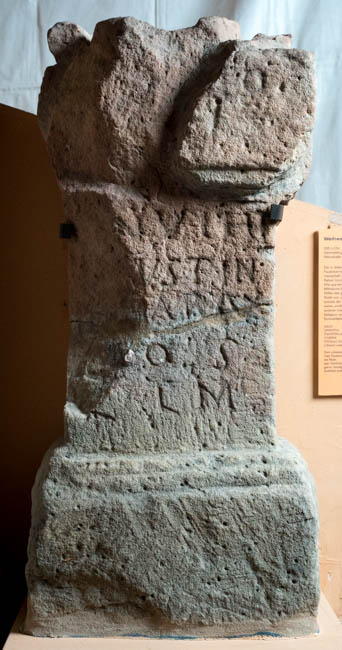
This sandstone altar was dedicated to the god Invictus by a certain Faustinus from Gimmeldingen.
