Your selection in monuments gave 29 results.
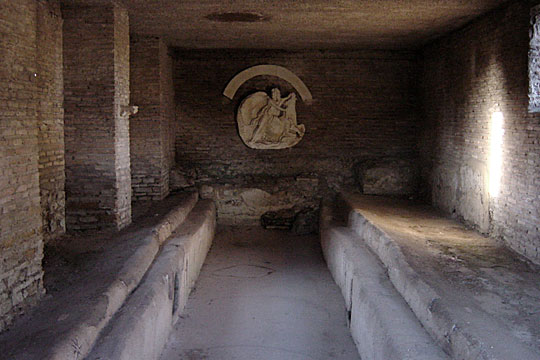
The Mithraeum of the Seven Spheres (Sette Sfere) is of great importance for the understanding of the cult, because of its black-and-white mosaics depicting the planets, the zodiac and related elements.
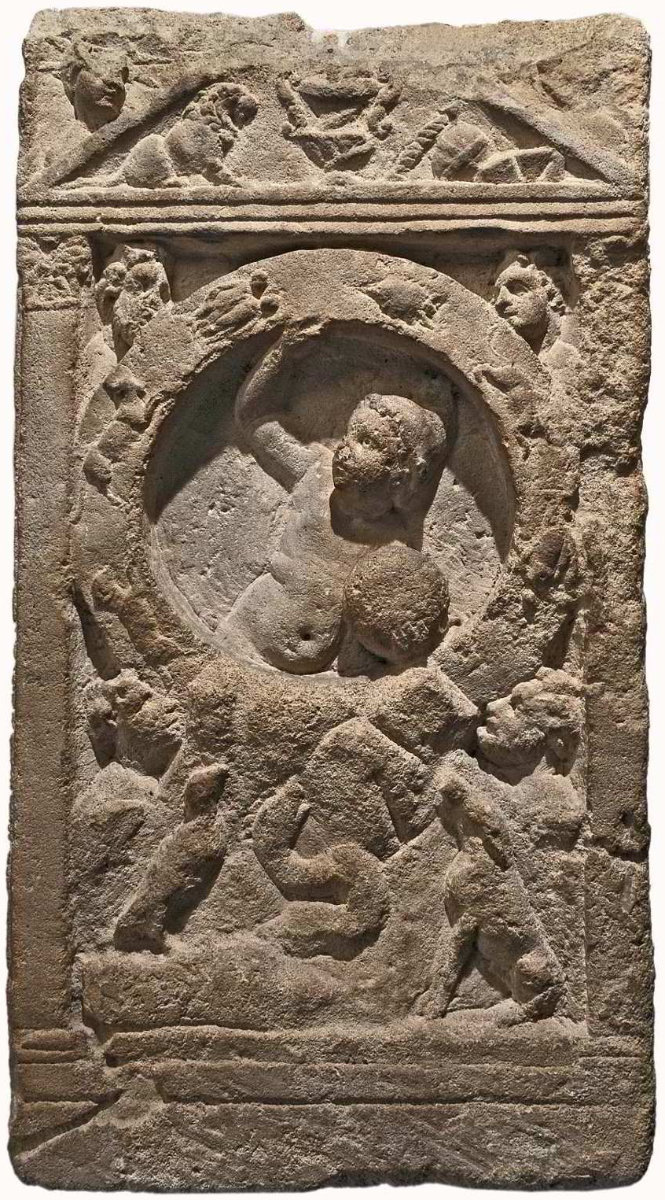
The relief depicts the birth of Mithras, holding a globe, surrounded by the zodiac.
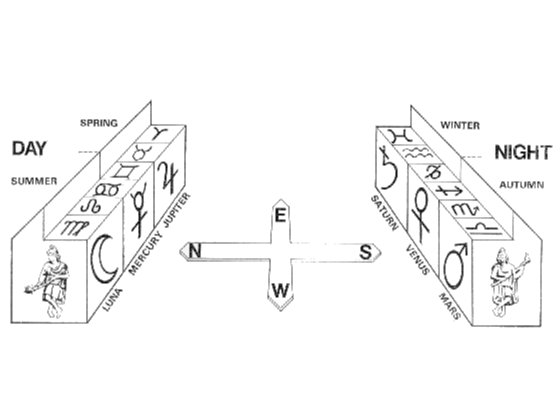
The rich mosaics of the Mithraeum of the Seven Spheres include the the signs of the Zodiac.
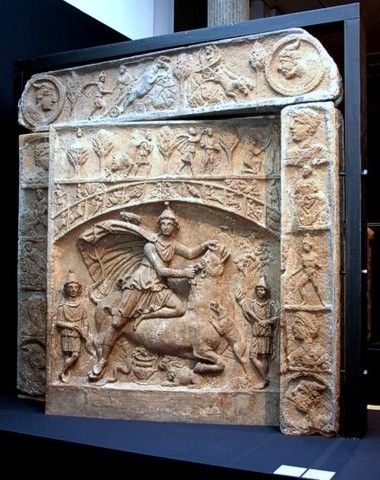
This relief is so well-known that it has been reproduced in nearly every handbook of archaeology and of history of religions.
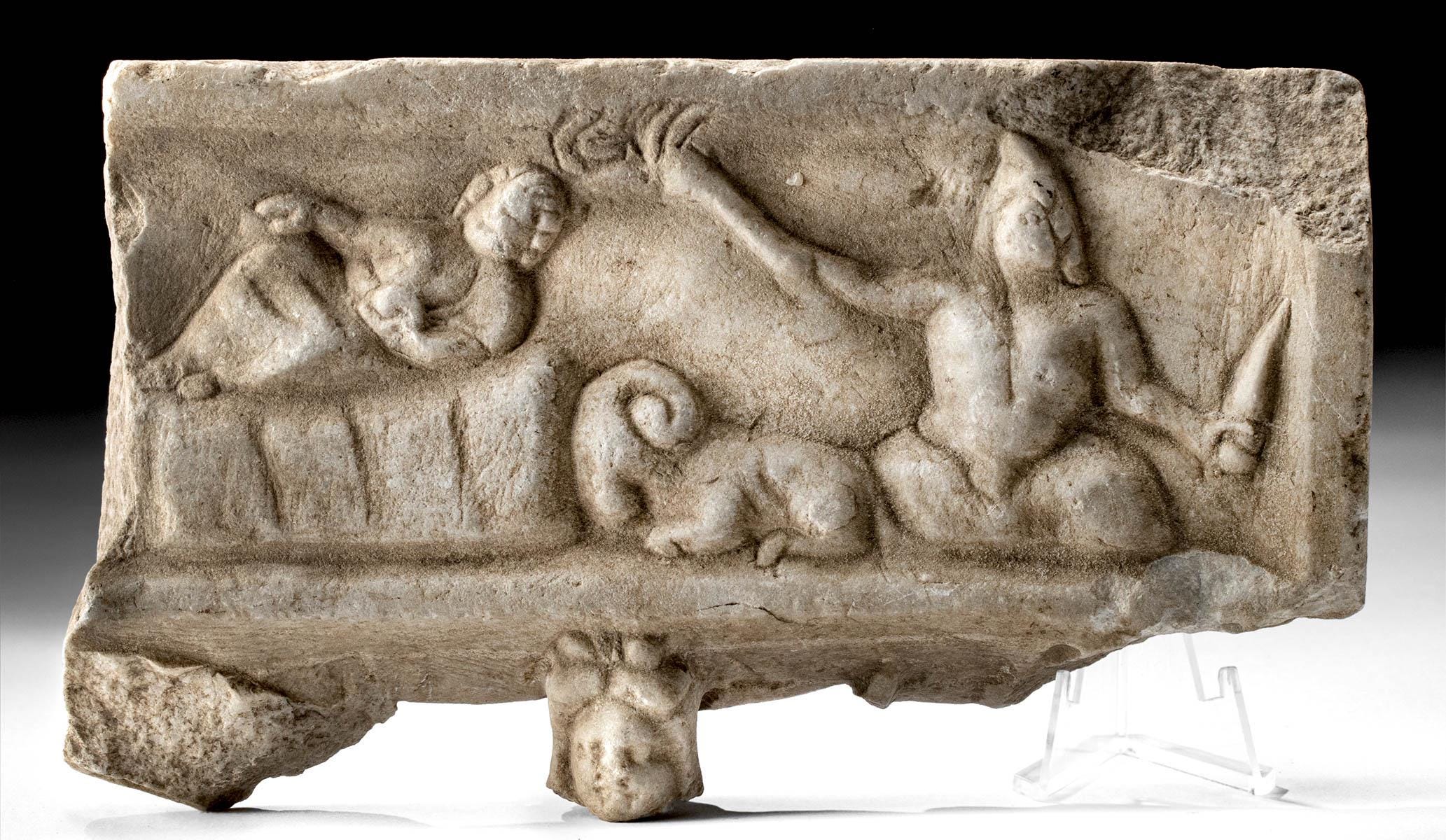
Mithras emerging from the rock with torch and dagger beside a reclining Oceanus or Saturn.
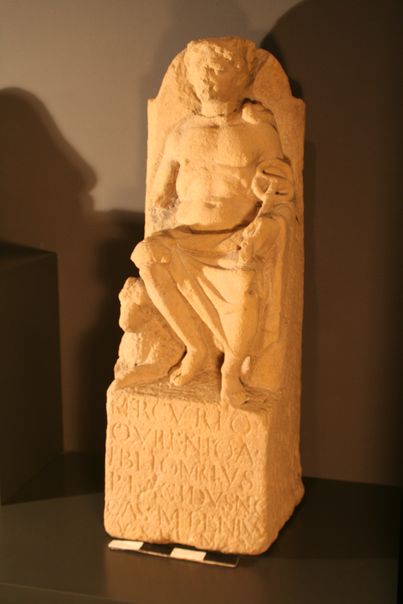
The statue was dedicated to Mercury Quillenius, an epithet used to refer to a Celtic god or the Greek Kulúvios.
Solis invicti Mithrae studiosus astrologiae who was at the same time ’caelo devotus et astris’.
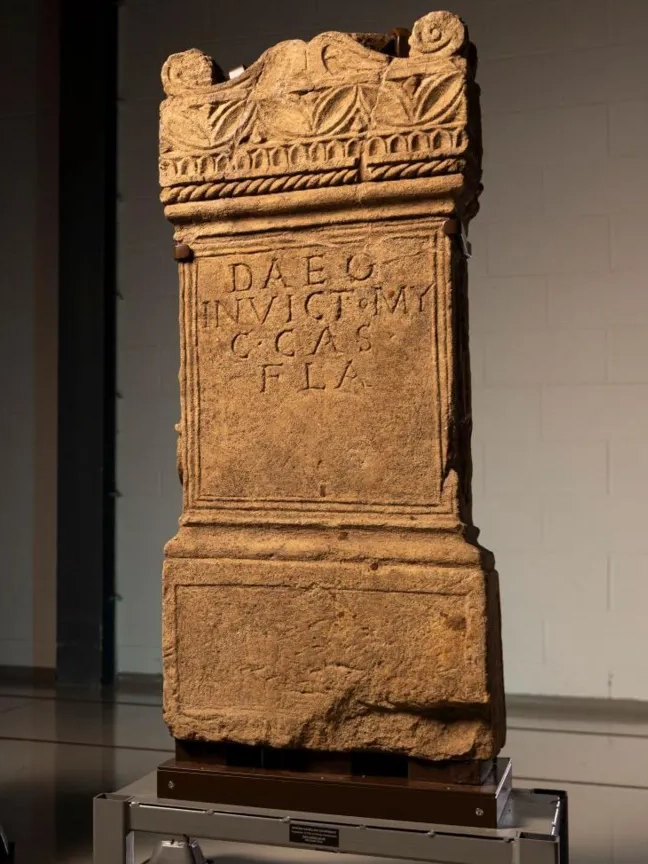
This second altar discovered to date near Inveresk includes several elements unusual in Mithraic worship.
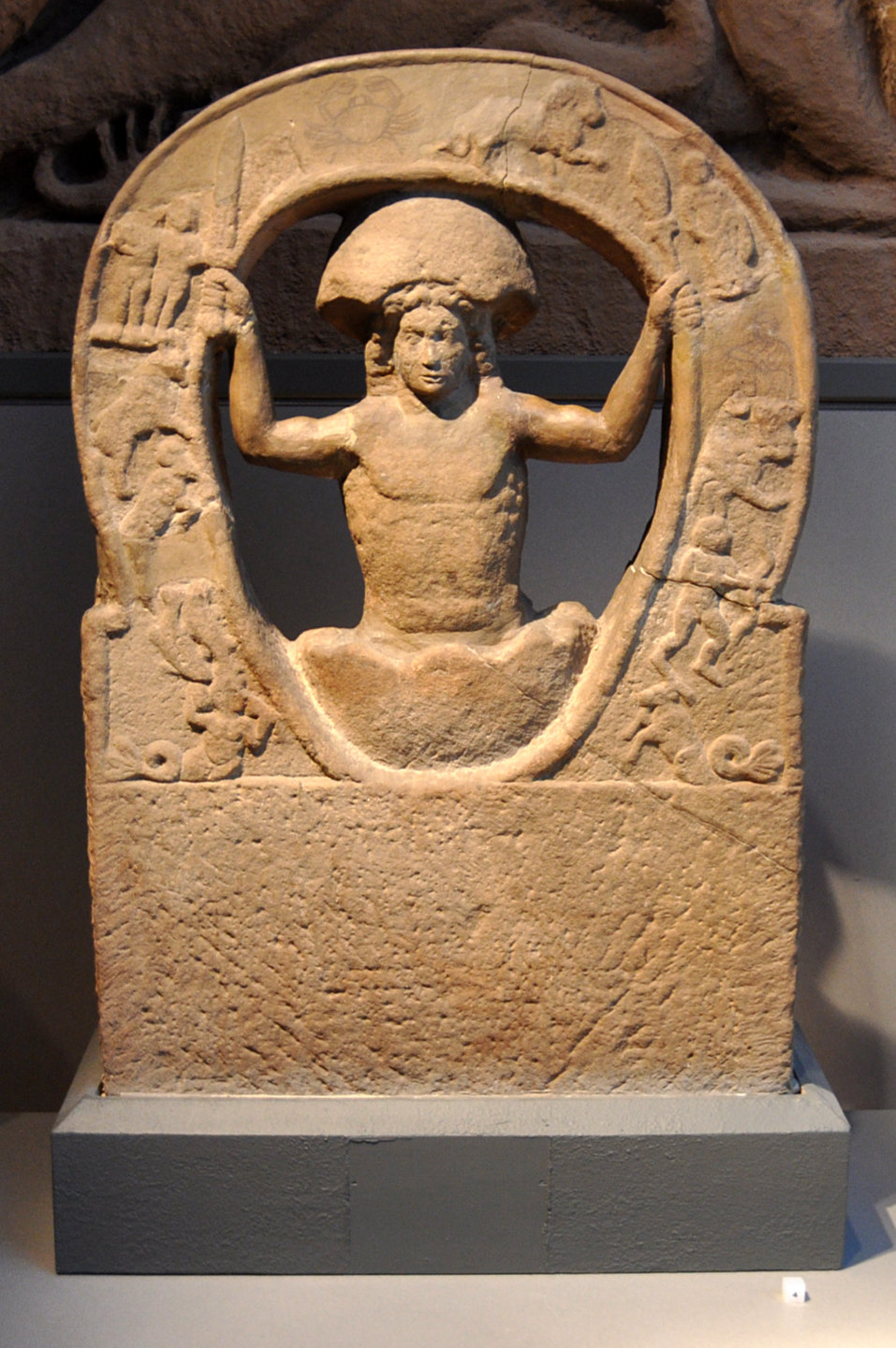
A naked Mithra emerges from the cosmic egg surrounded by the zodiac, as always carrying a torch and a dagger.

This remarkable double-sided relief depicts the myth of Mithras and the Tauroctony on one side, and a scene of Mithras the hunter and the banquet of Mithras and the Sol on the other.
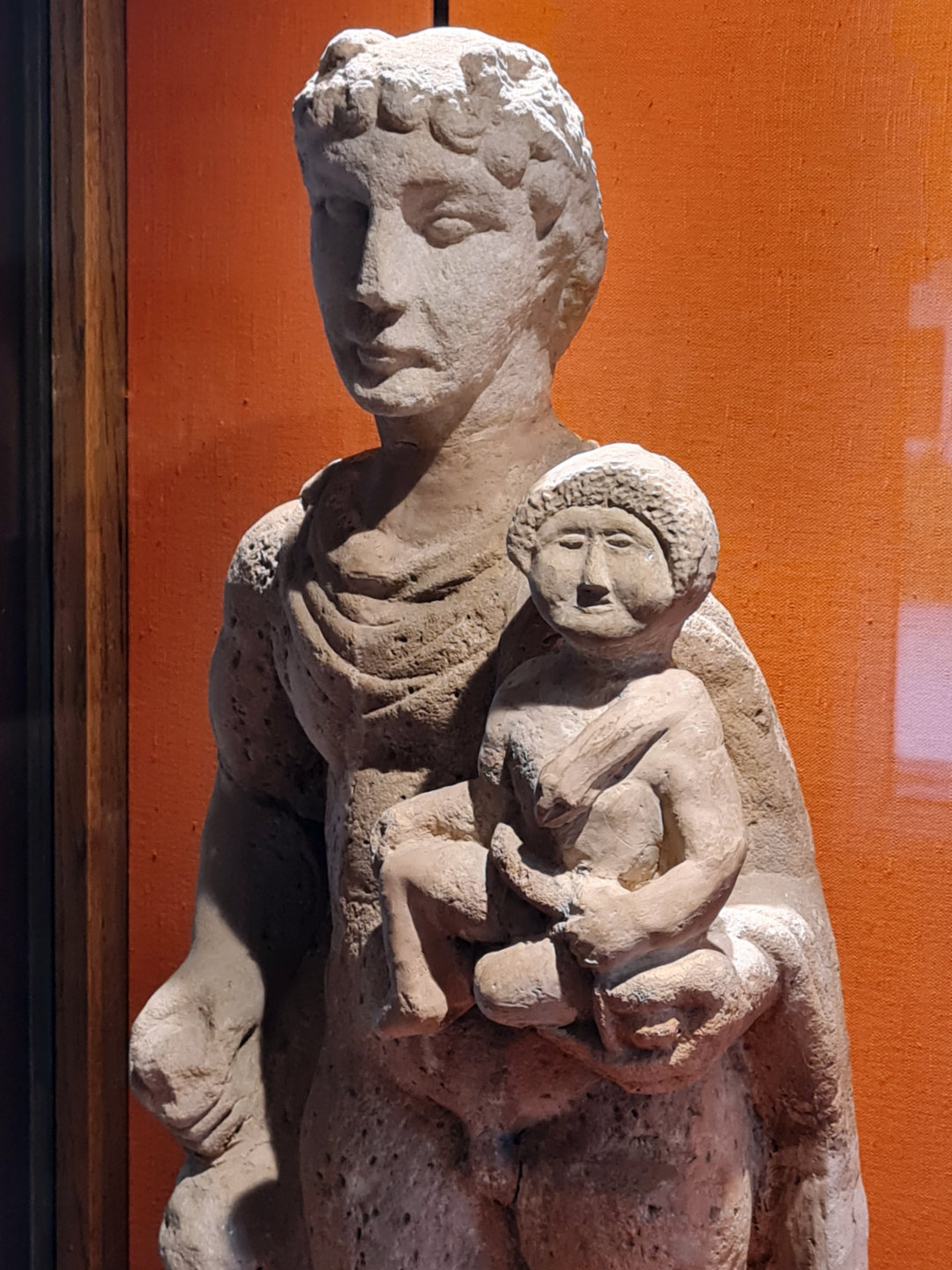
The Stockstadt Mercury carries a purse and a small child around which a snake is coiled.
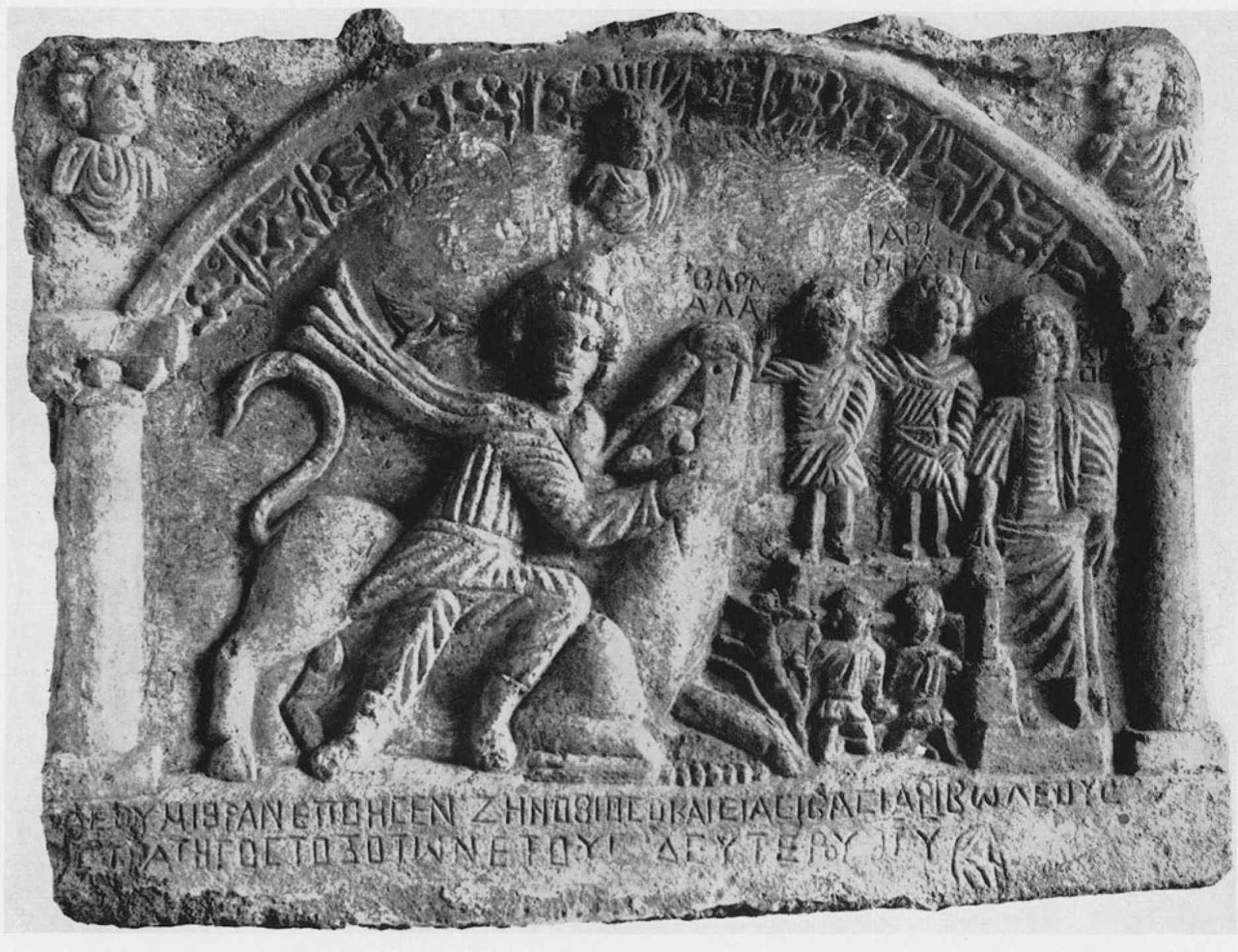
The main relief of Mithras killing the bull from the Mithraeum of Dura Europos includes three persons named Zenobius, Jariboles and Barnaadath.
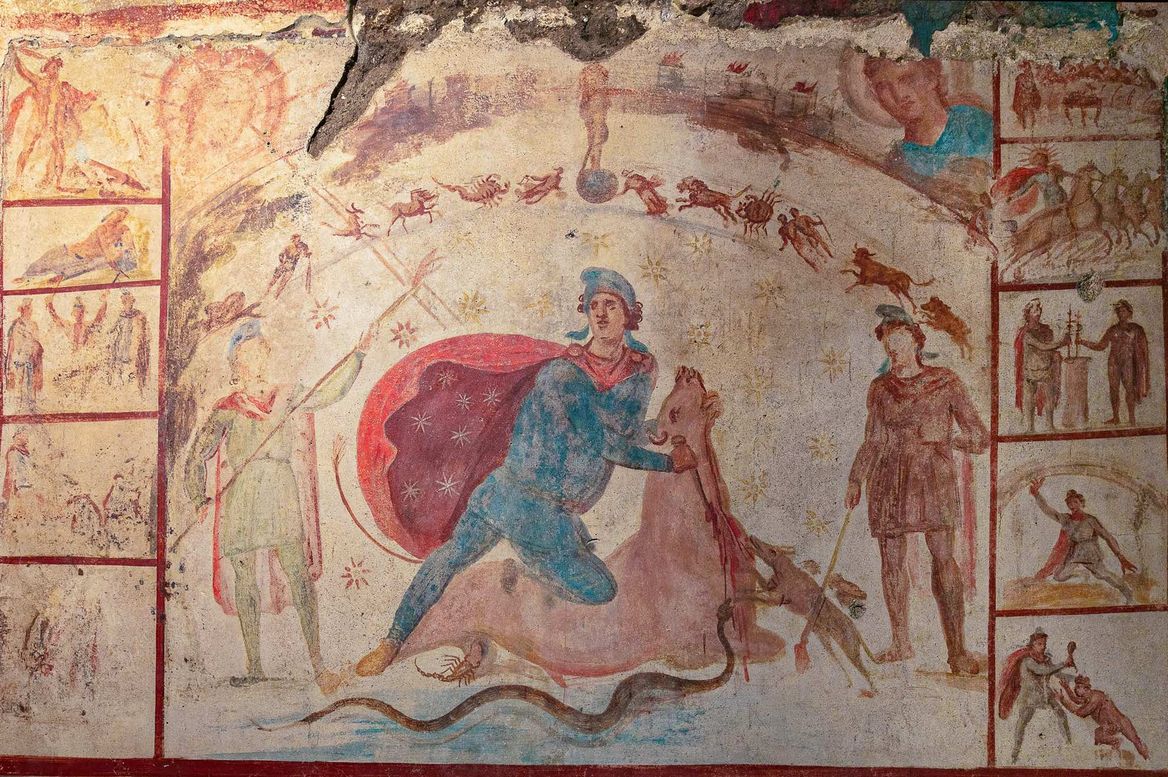
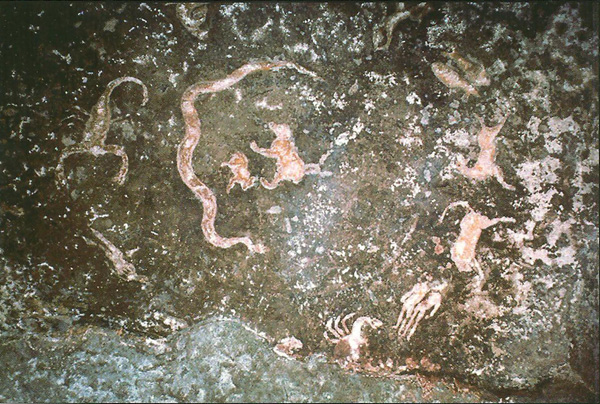
The votive fresco from the Mithraeum Barberini displays several scenes from Mithras’s myth.
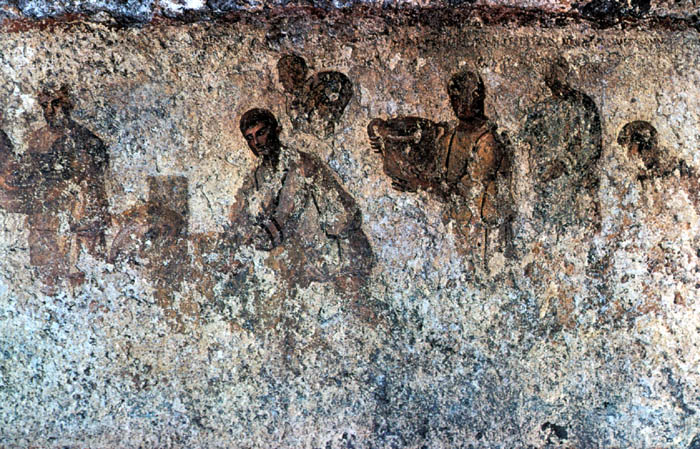
Procession of Leones carrying animals, bread, a krater, and other objects in preparation for a feast.
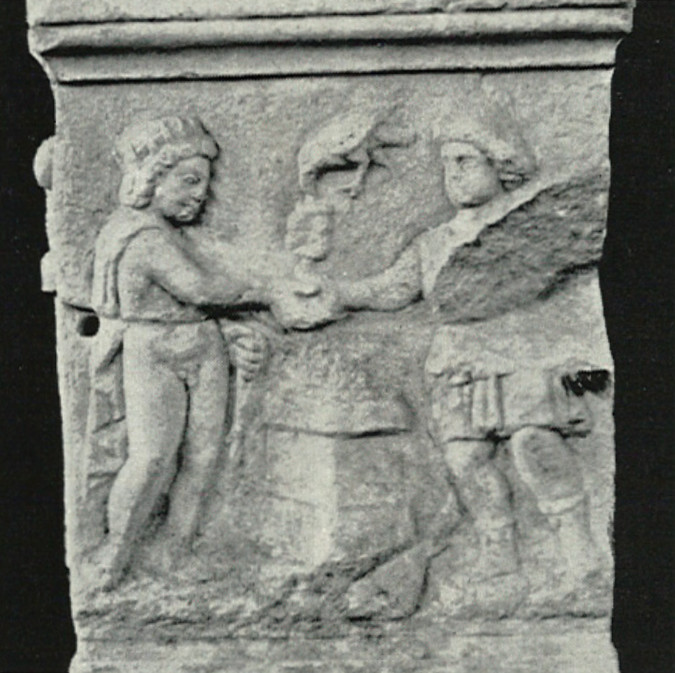
The altar of Ptuj depicts Mithras and Sol on the front and the water miracle on the right side.
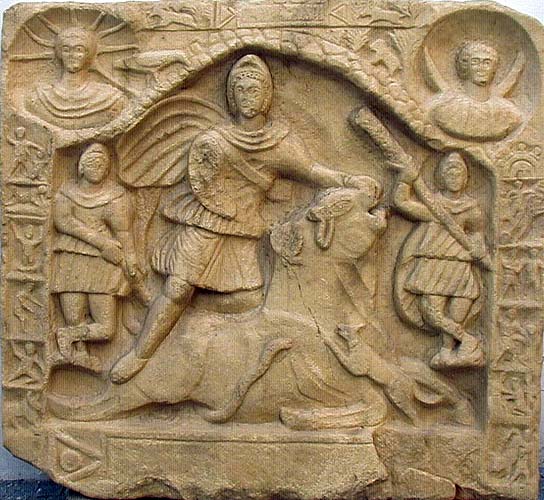
The relief of Mithras slaying the bull at Mauls in Gallia cisalpina is a paradigmatic example of the so-called Rhine-type Tauroctony.
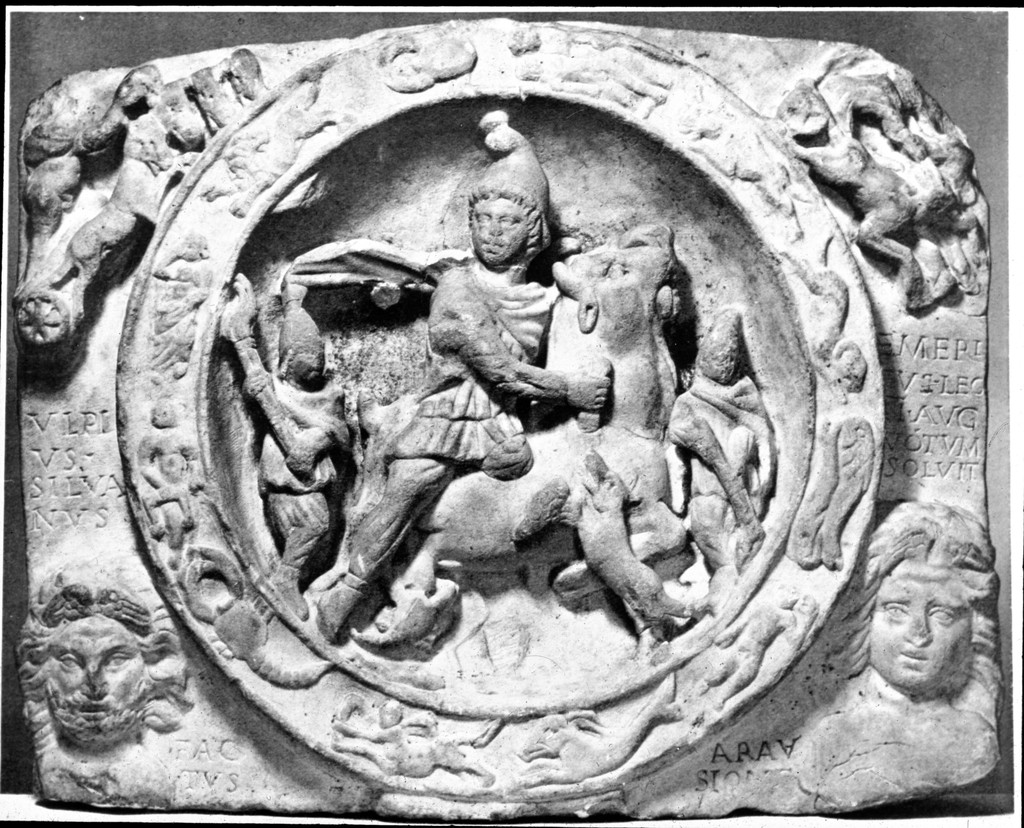
The image of Mithras killing the bull, found near Walbrook, is surrounded by a Zoadiac circle.

White marble statue of Lion-head god of time, formerly in the Villa Albani, nowadays in the Musei Vaticani.
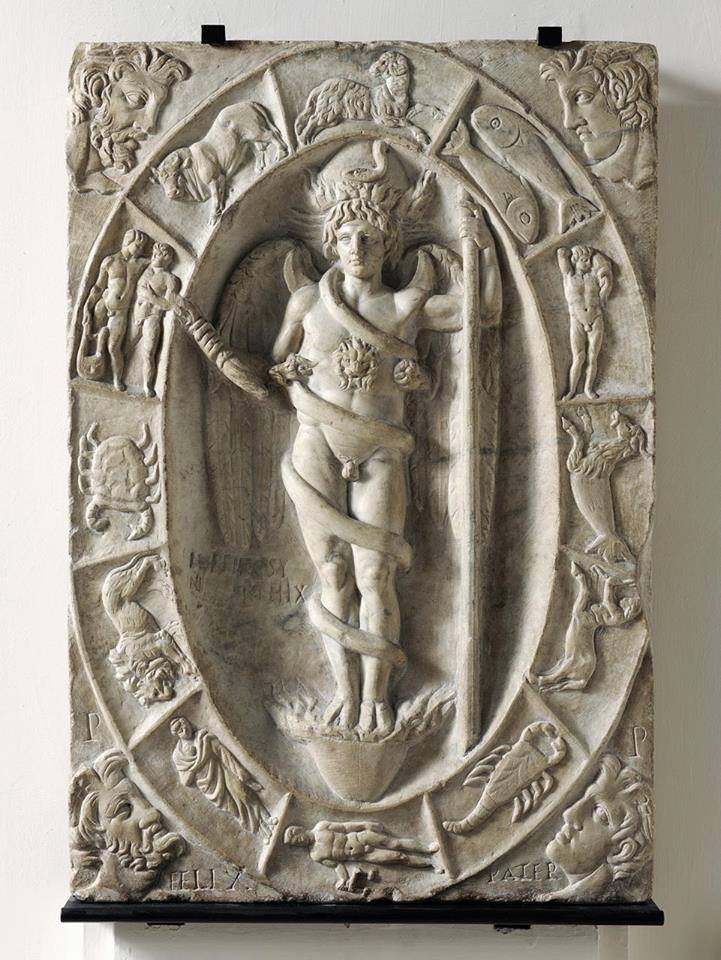
The Aion / Phanes relief, currently on display in the Gallerie Estensi, Moneda, is associated with two Eastern mysteric religions: Mithraism and Orphism.

Fragment of a marble relief (H. 0.27 Br. 0.38 D. 0.045).
