Your search Ša‘āra gave 2453 results.
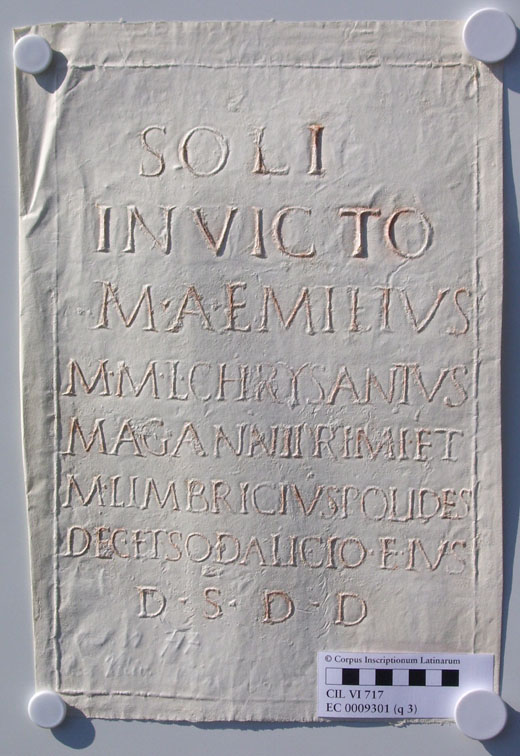
Aemilius Chrysanthus shares the expenses of this monument with a decurio named Limbricius Polides.
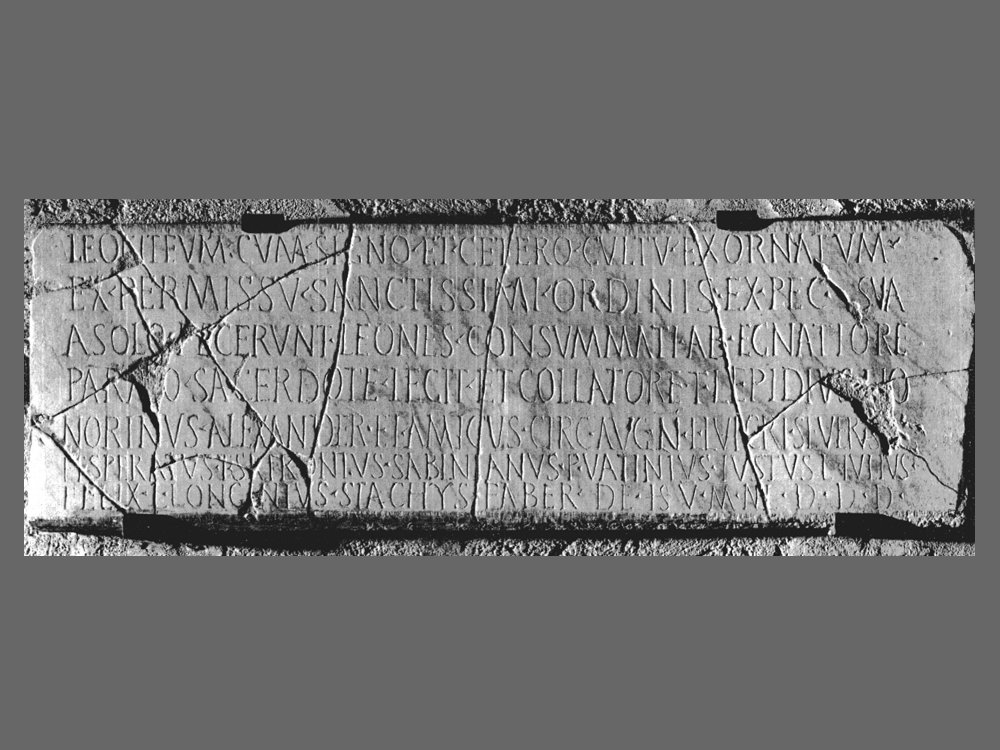
This plaque from Carsulae, in Umbria, refers to the creation of a leonteum erected by the lions at their own expense.
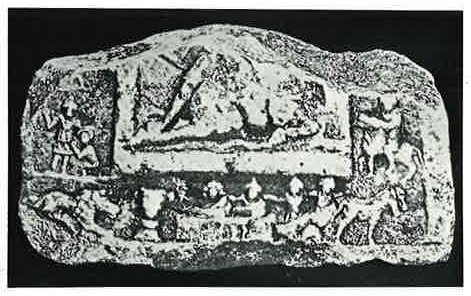
Marble tauroctony relief from Elli Dere near Tatar-Bazardjik, ancient Bessapara in Thracia, with the upper part broken off; the lower portion preserves the standard bull-slaying scene.
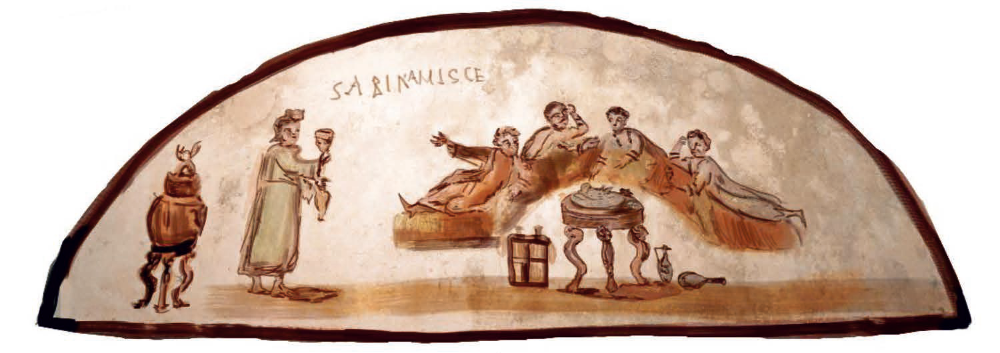
A dinner scene with Sabina from the Catacombe dei Santi Marcellino e Pietro, near Rome, may have been commissioned by a follower of Mithras.

"The remaining figure on this monument, Herakles, was previously misidentified as Apollo on this remarkable black basalt tablet from Samsat, known in Roman times as Samosata.
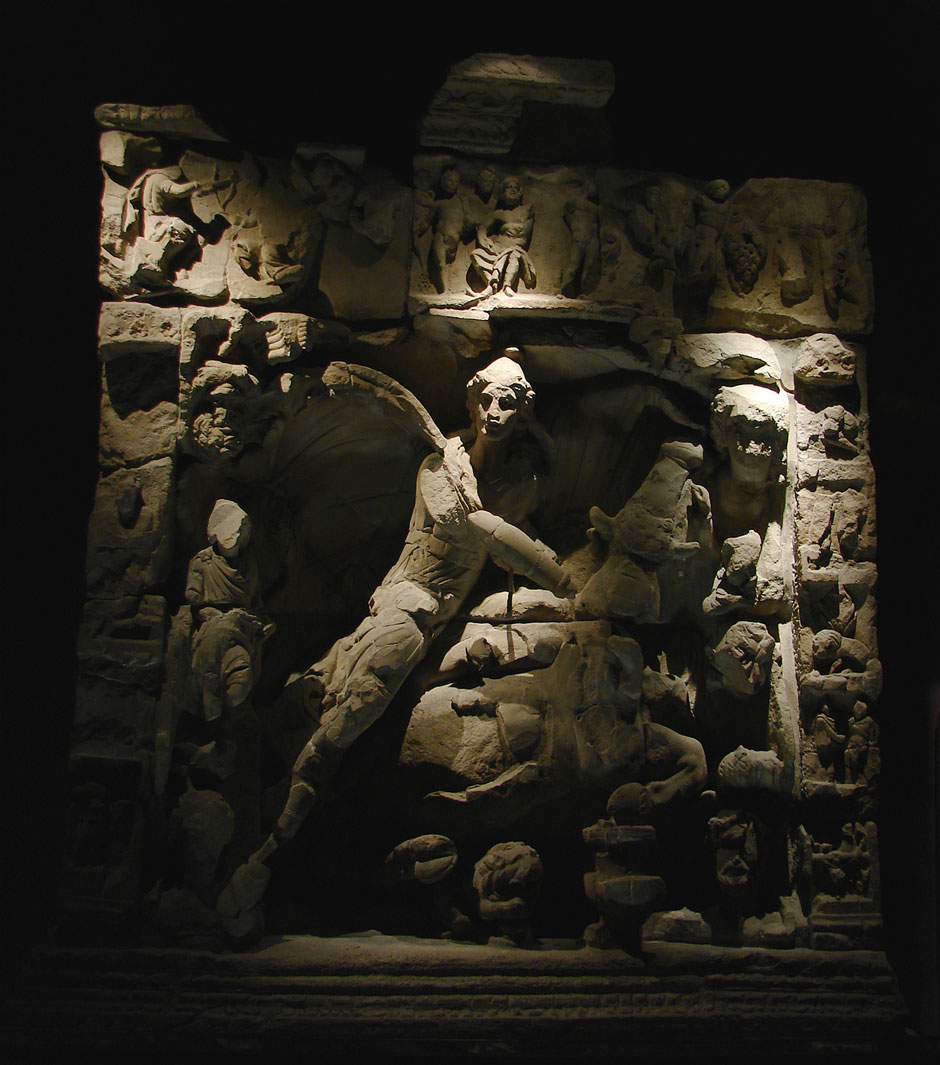
The Tauroctony of Saarbourg (Sarrebourg, ancient Pons Sarravi), France, contains most of Mithras deeds known in a single relief.
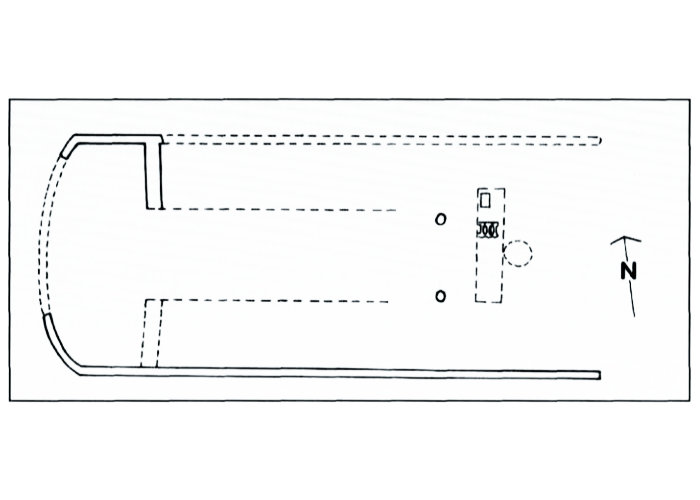
One of the largest known Mithraea in Pannonia, the sanctuary of Sárkeszi stood near the Roman road linking Herculia and Aquincum.
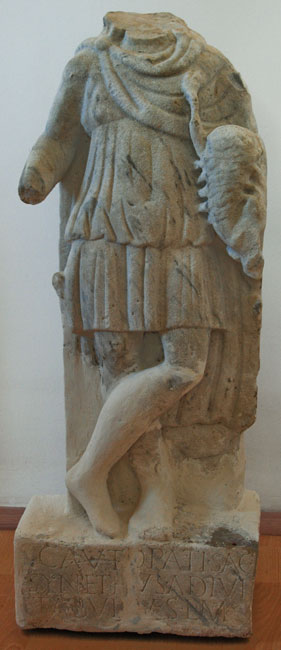
The Cautopates with scorpion found in 1882 in Sarmizegetusa includes an inscription of a certain slave known as Synethus.

A marble funerary cippus from the Vigna Dionigi at Torre Pignatara outside Rome, dedicated to Sextineius Restitutus as most indulgent pater sacrorum by his children and mother, with a crown carved to the left of the final line.
Altar from Petrovaradin, ancient Cusum in Pannonia Inferior, found around 1690, dedicated to Soli invicto Mithrae by Donatus, sacerdos — one of the attestations of the Mithraic priestly title from the Danubian provinces.
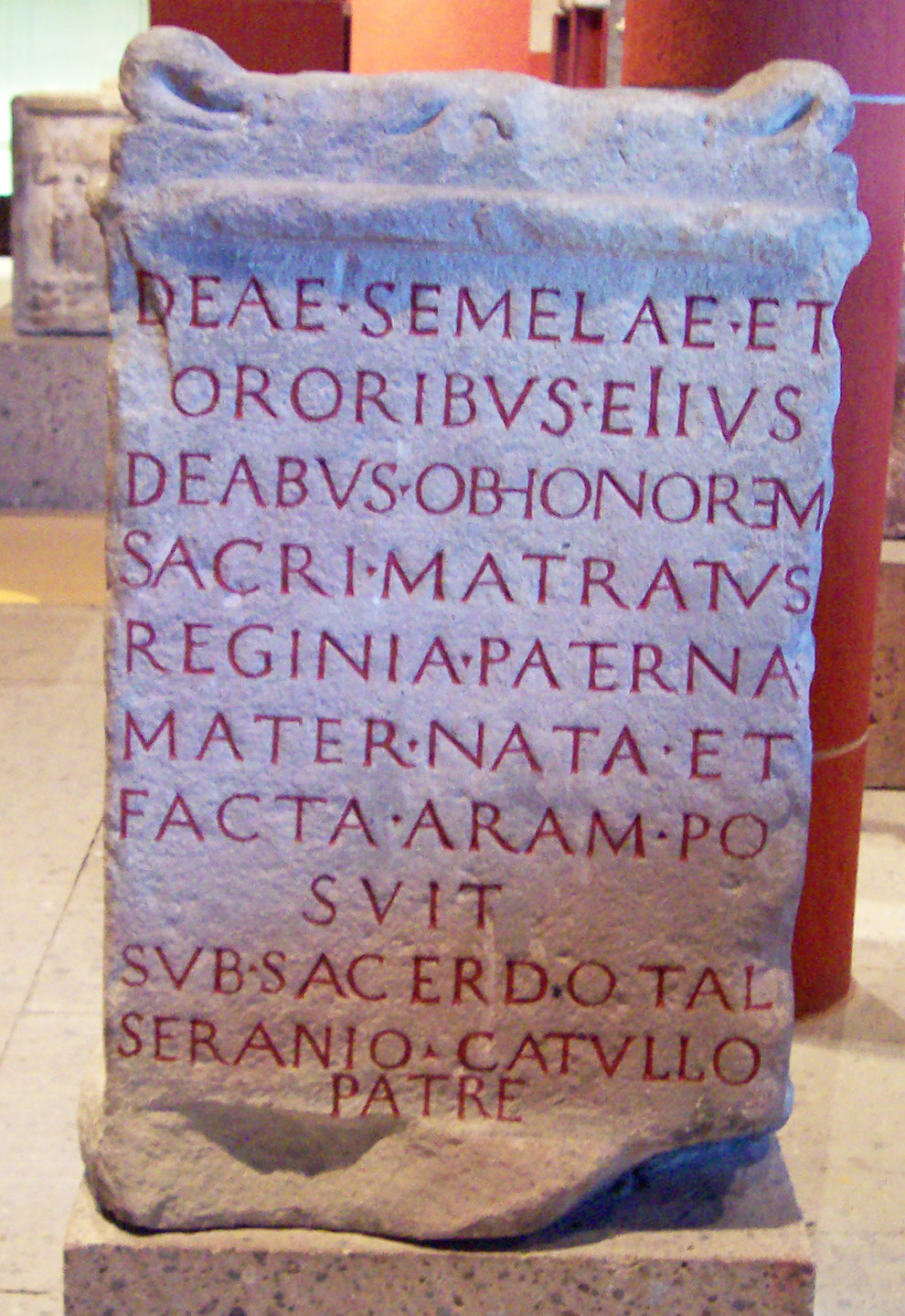
This sandstone altar found in Cologne bears an inscription to the goddess Semele and her sisters.
This rock-cut Mithraeum occupies the north-eastern slope of the Grand-Rebberg at Saarburg, featuring a stepped entrance, a sloping central aisle, lateral benches, and a spring-fed water conduit.
Dedication from Simitthus mentioning the restoration of a monument and a vow fulfilled to Cautes and Cautopates during the reign of Caracalla and Julia Maesa.
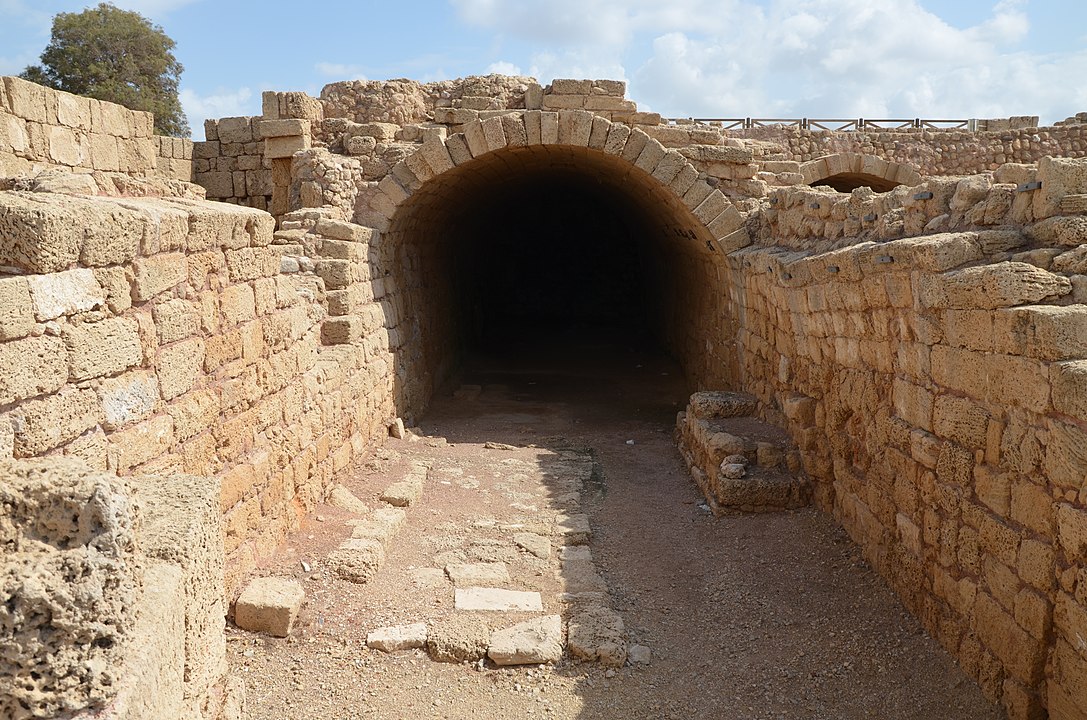
This shrine developed towards the end of 2nd century and remained active until beginning 4th.
Inscription from the area of the castellum at Sisak, ancient Siscia, recording that Iucundus, imperial dispensator of Pannonia Superior, built a portico and an aparatorium for Deo invicto Mithrae ex voto.
Altar inscription from Sahin invoking the most high heavenly god and Mithras in the Alawite Mountains.
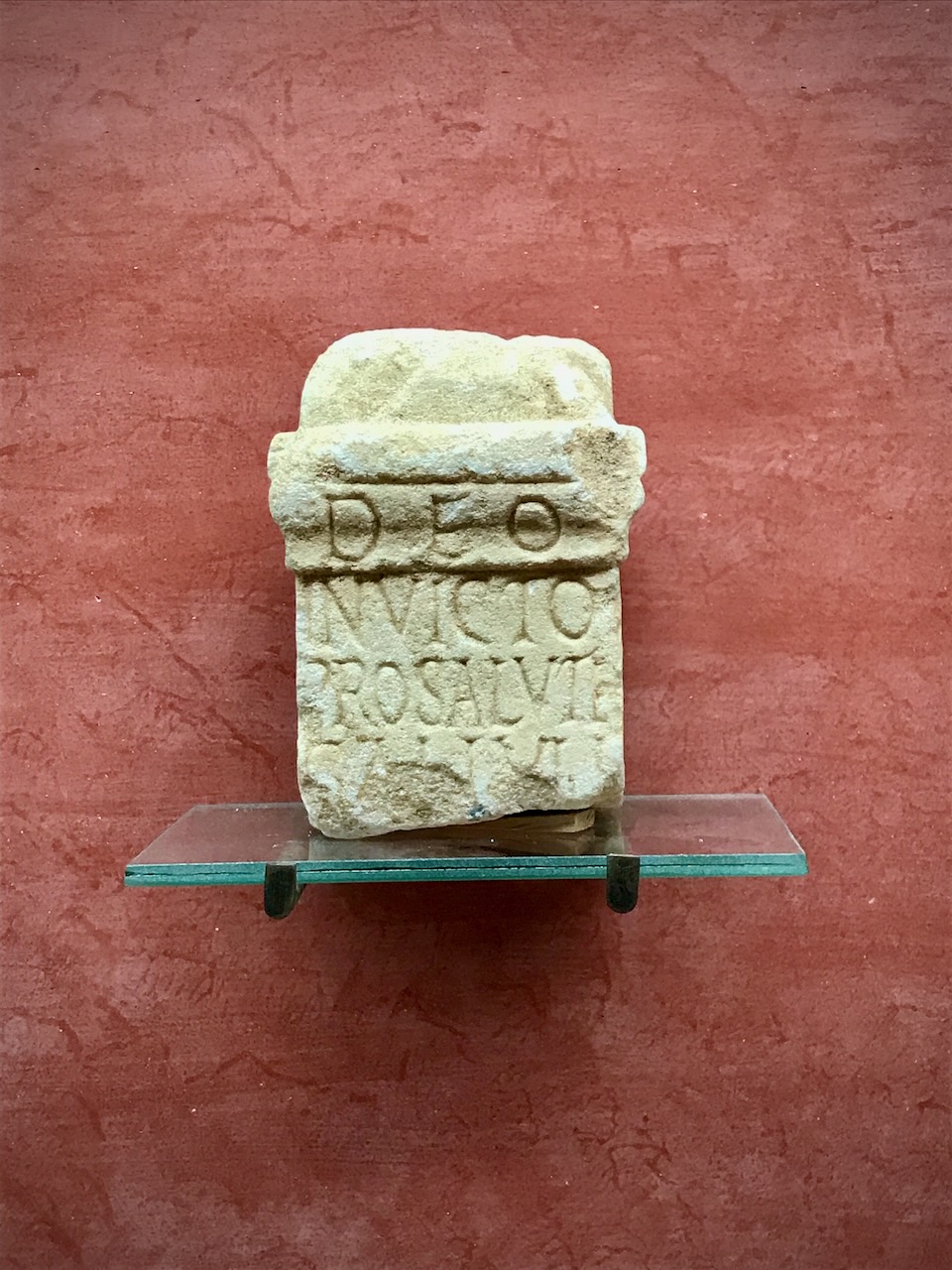
The small Mithraic altar found at Cerro de San Albin, Merida, bears an inscription to the health of a certain Caius Iulius.

This altar, dedicated to Sol Invictus Mithras by a certain Eutyches for the health of the Emperor Caracalla, was found in Sisak, Croatia, in 1899.