Your search Al. N. Oikonomides gave 3559 results.
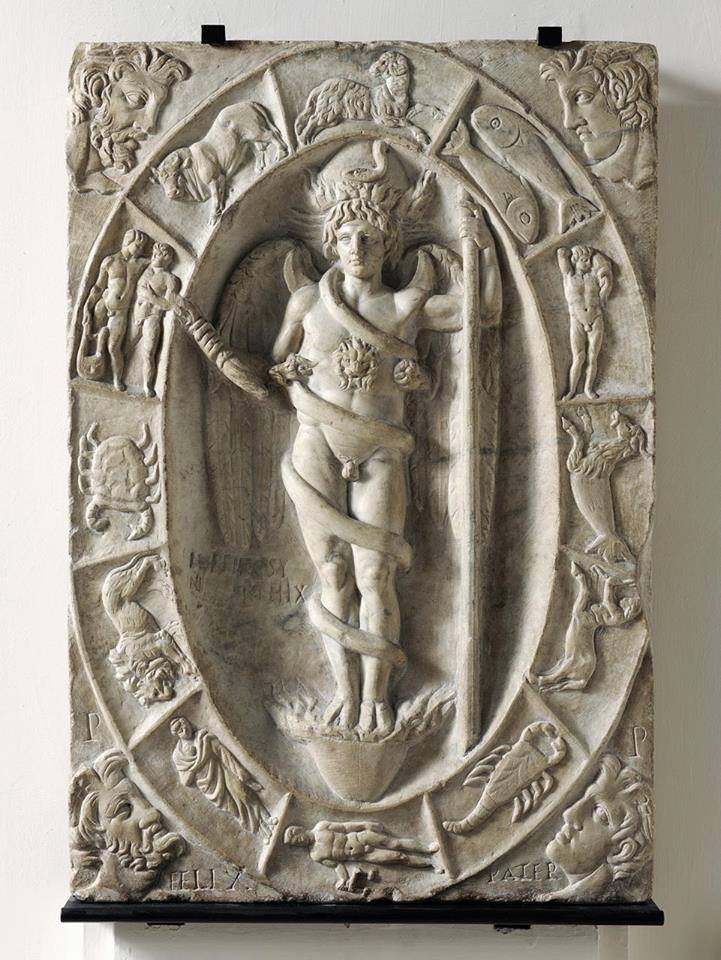
The Aion / Phanes relief, currently on display in the Gallerie Estensi, Moneda, is associated with two Eastern mysteric religions: Mithraism and Orphism.

This fragment of a sculpture depicting the birth of Mithras from a rock, intertwined with a chaotic mass of serpent coils, was discovered in Aquileia, Italy.

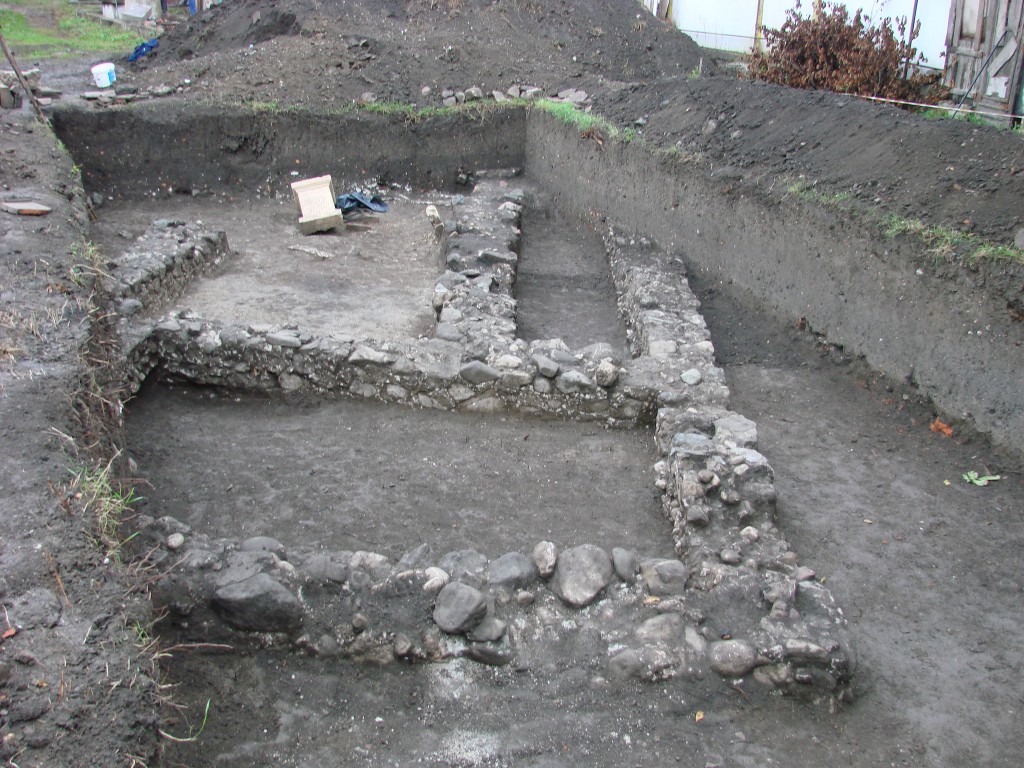
The remains of the Mithraeum of Aosta, also known as the Mitreo di Augusta Praetoria, were discovered in 1953 in insula 59, in a commercial district of the ancient city.

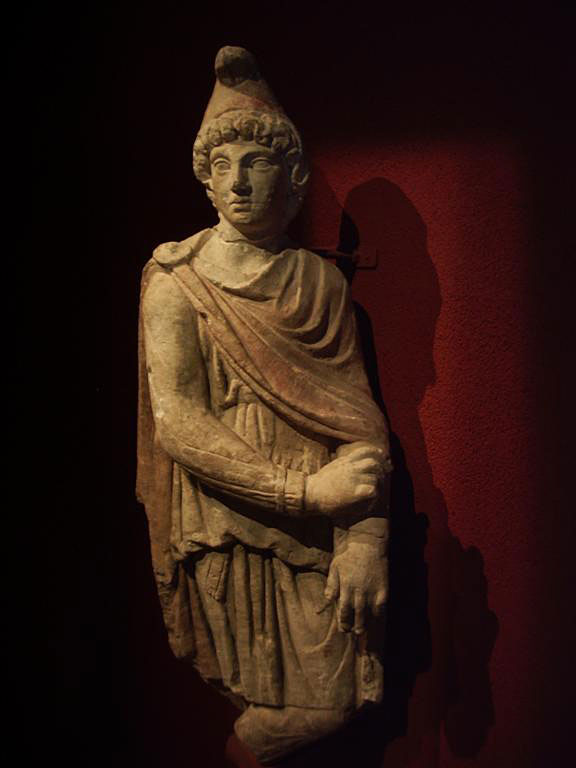
The Cautopates of Bordeaux stands as usual with his legs crossed and arms down.
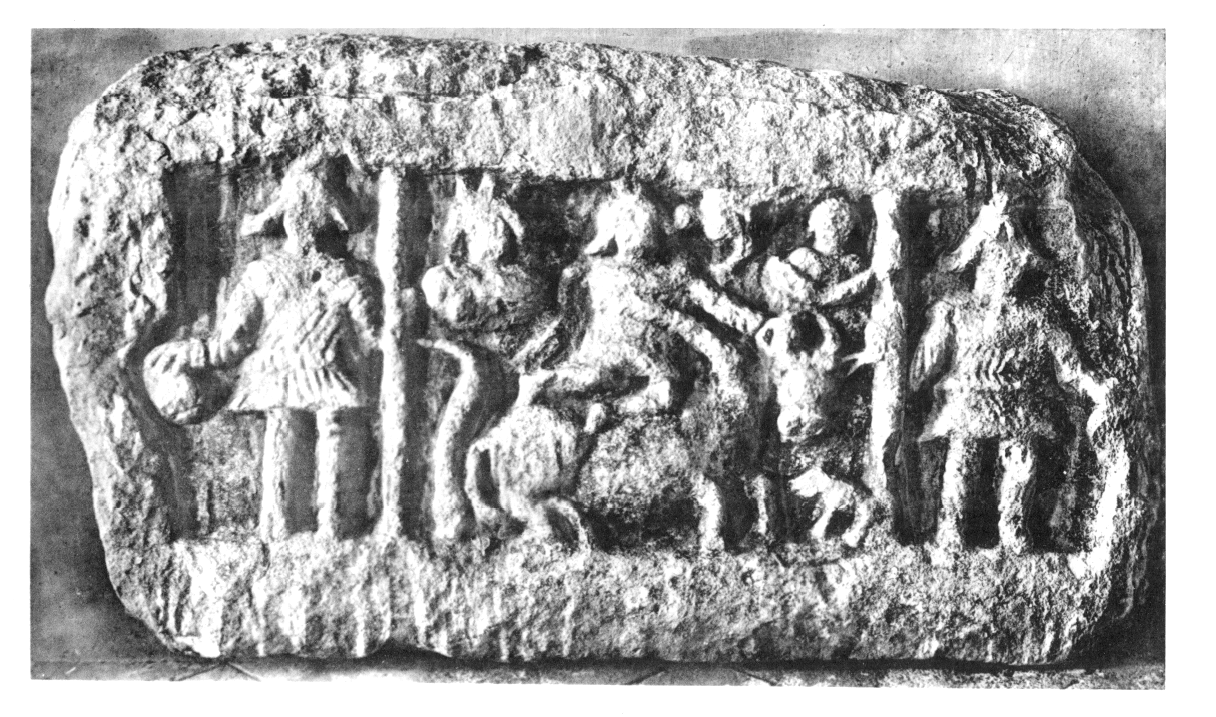
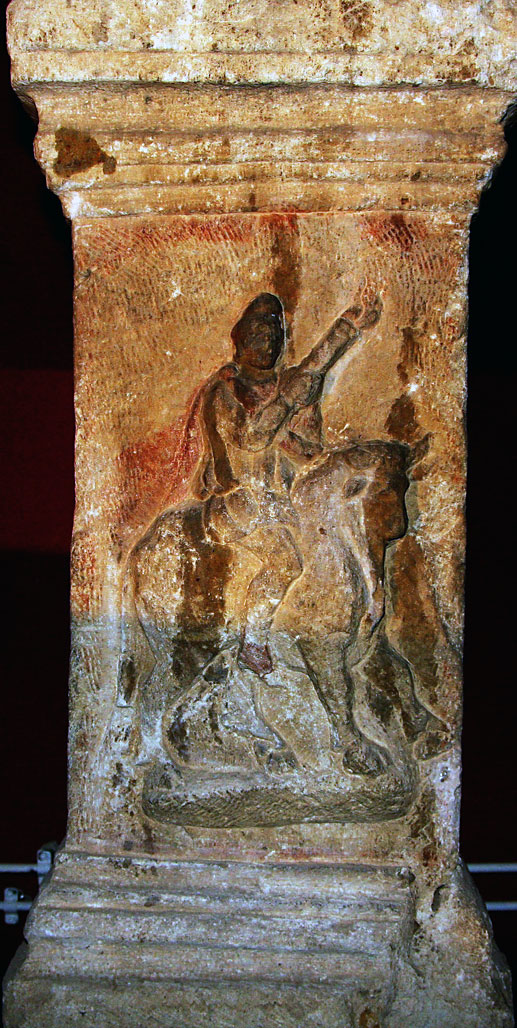
This relief of Mithras as bull slayer is surrounded by Cautes and Cautopates with their usual torch plus an oval object.
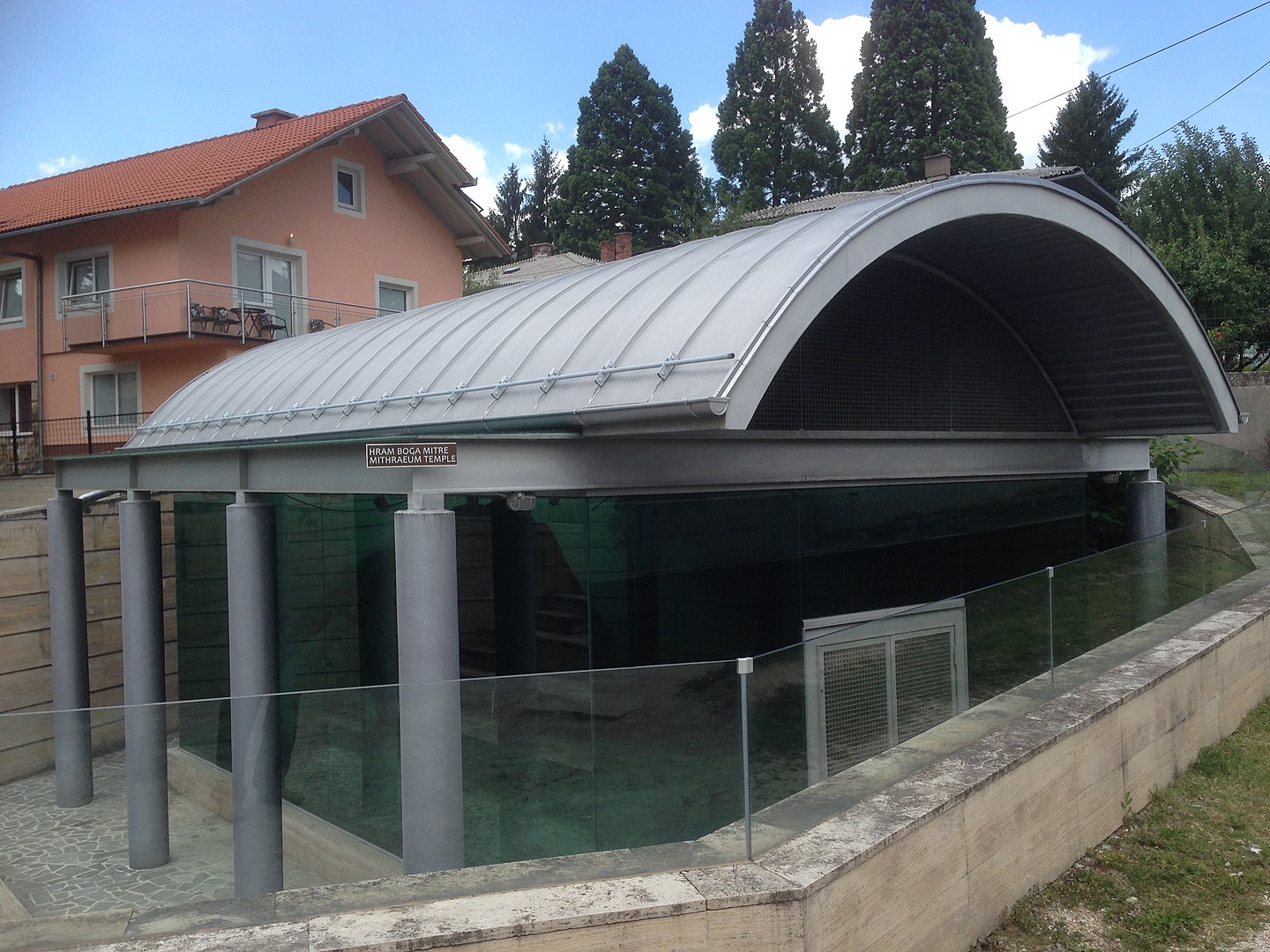
The remains of the Jajački Mithraeum were discovered accidentally during excavation for the construction of a private house in 1931.
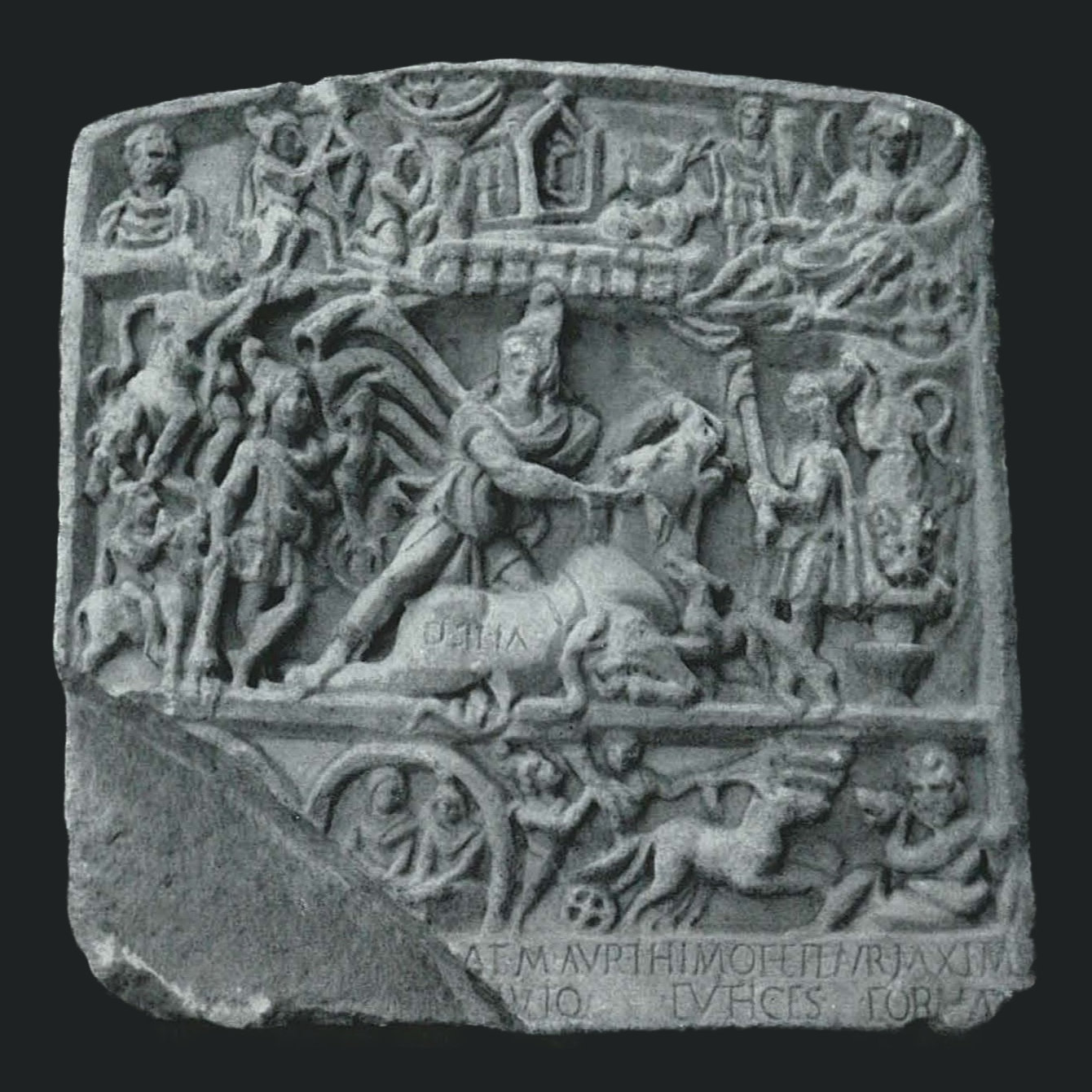
This marble relief of Mithras killing the bull was made by a freedman who dedicated it to his old masters.
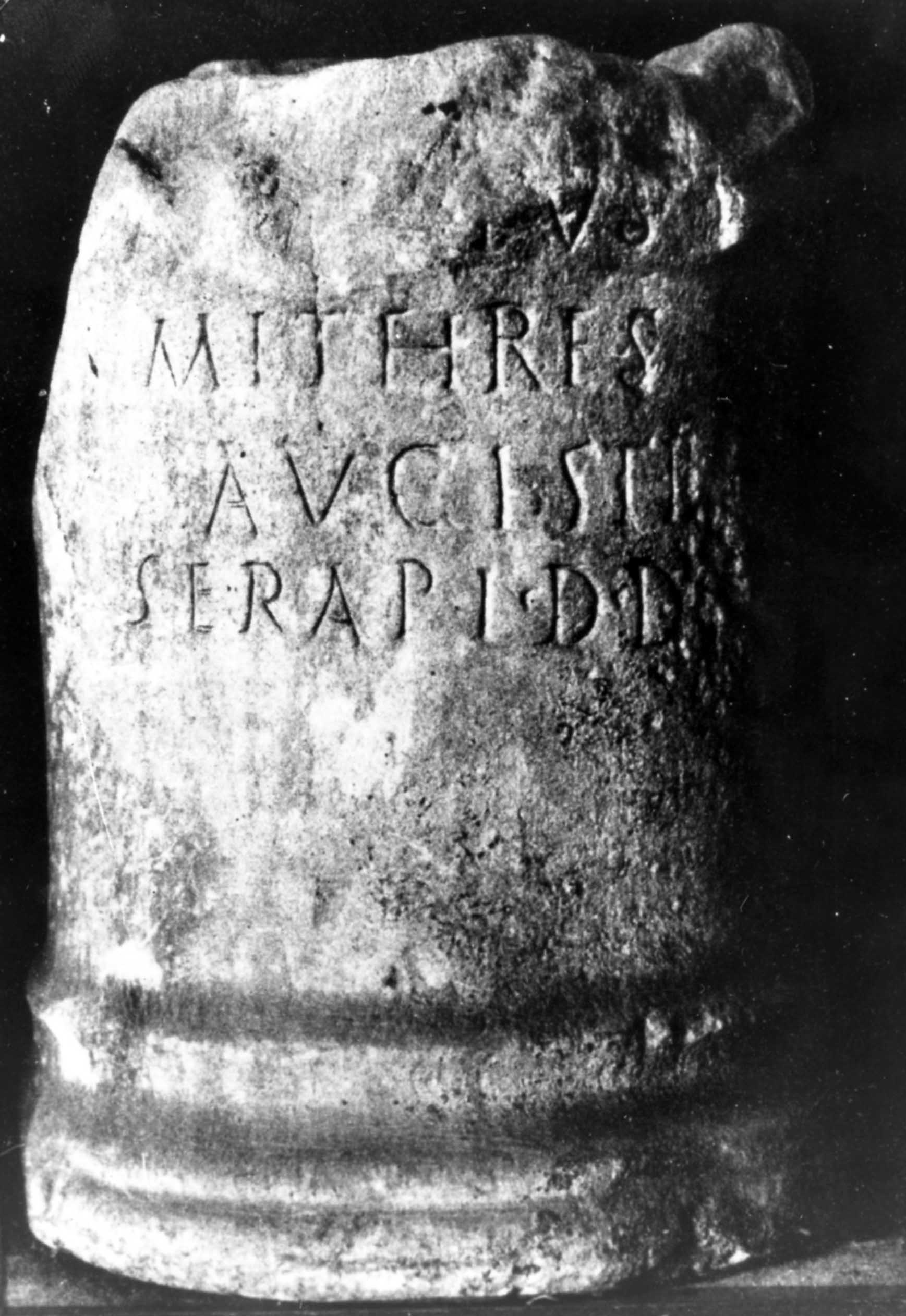
This monument, found in the Domus Flavia in Rome, bears an inscription by a certain Aurelius Mithres.
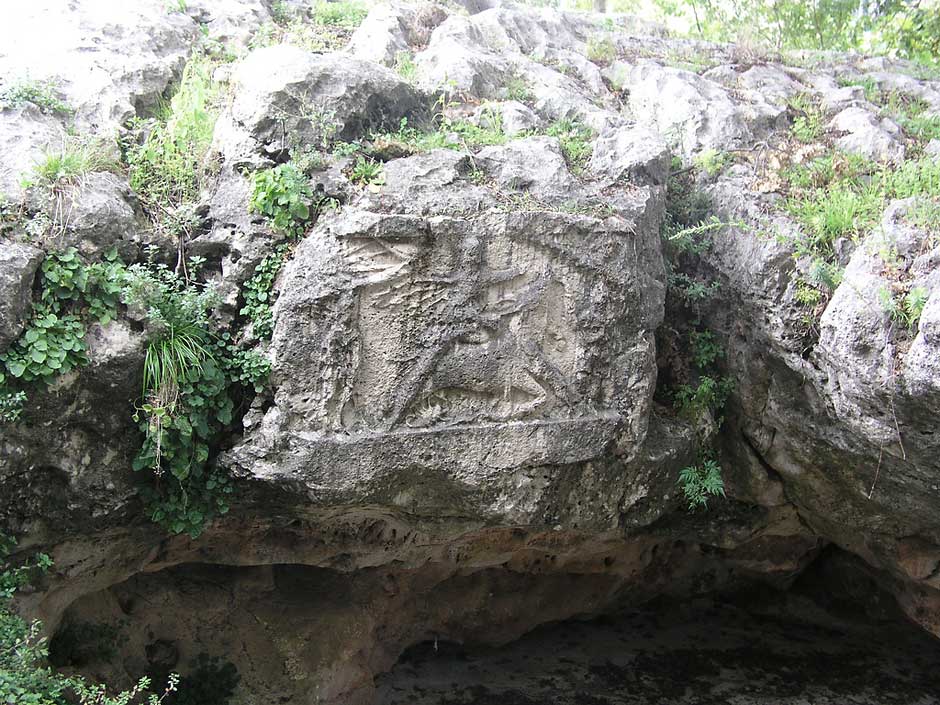
The Mithraeum of Mocici was situated in a grotto at one hour's walk fomr the ancient Epidaurum.
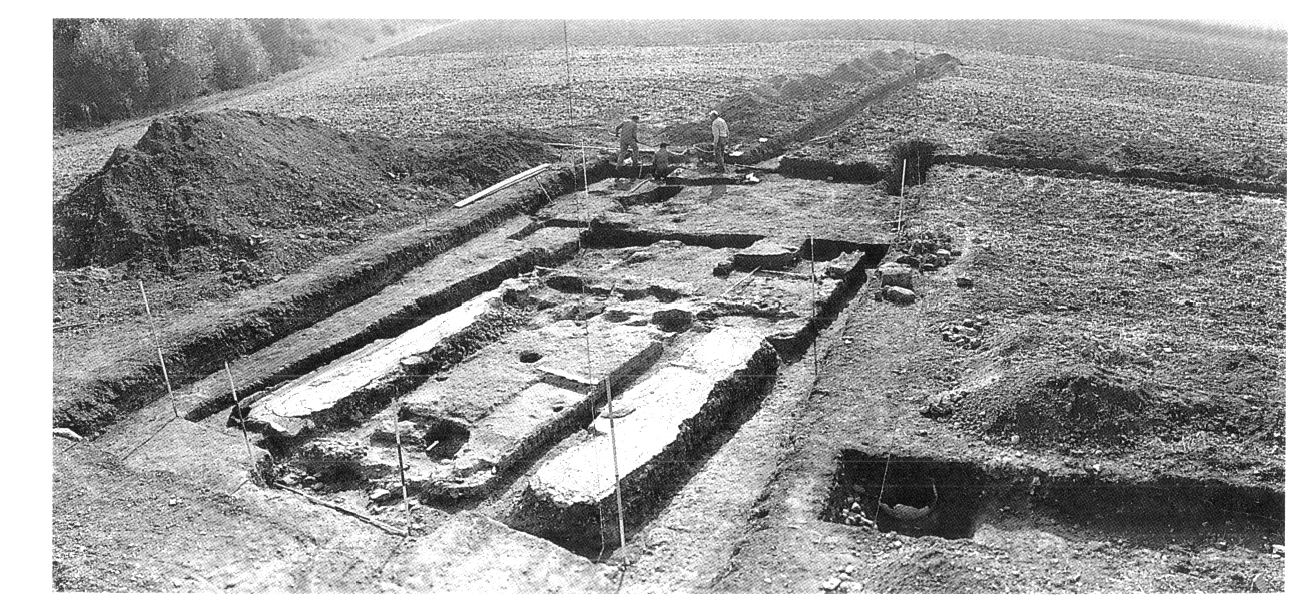
The Mithraeum of Biesheim-Kunheim is located near the ancient village of Altkirch, near the Rhin.

This inscription found in the Mithraeum of the Seven Spheres mentions the Pater Marco Aemiliio Epaphrodito known from other monuments in Ostia.
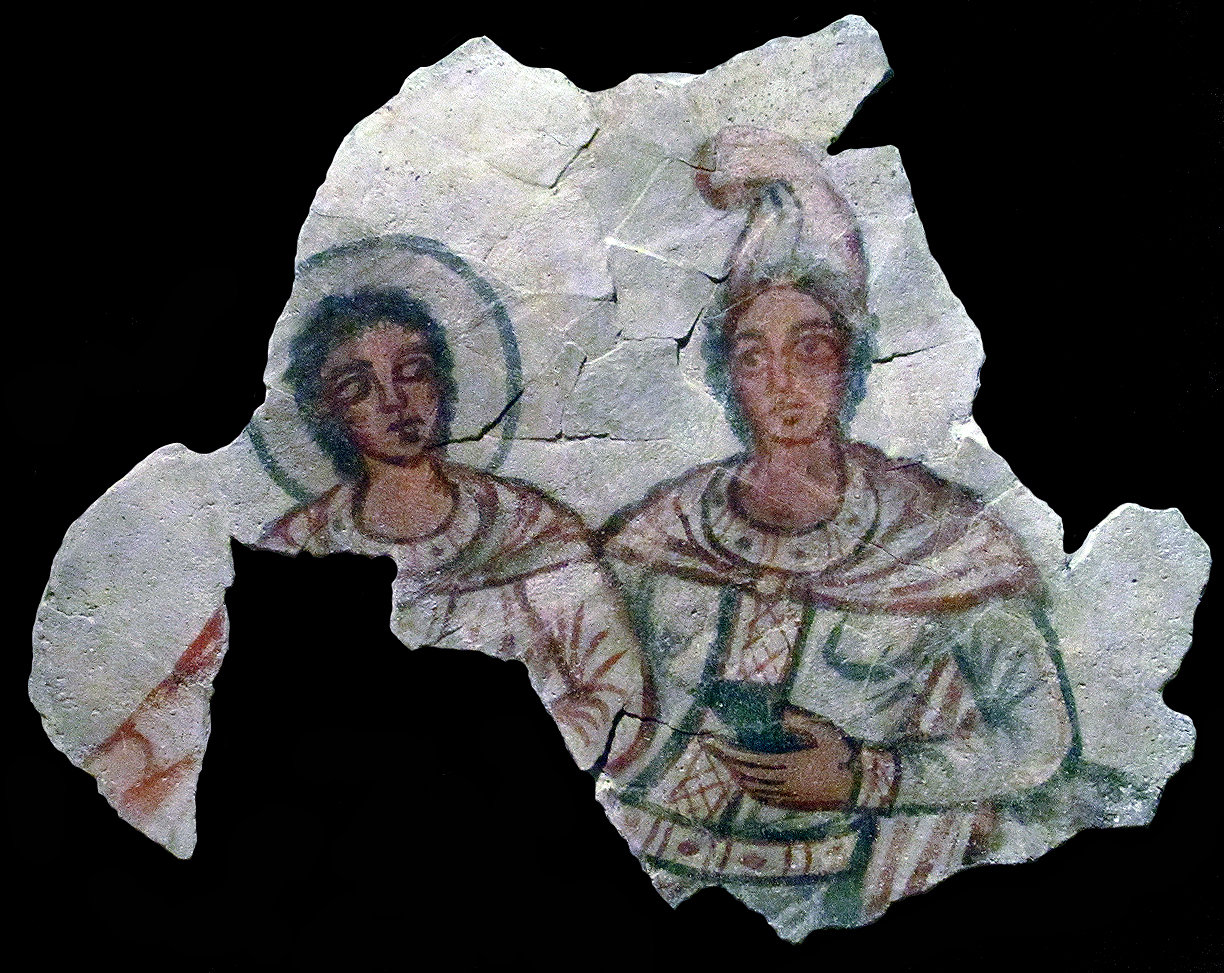
Sol watches Mithras as he gazes Mithras gazes up to heaven while sharing the sacred meal.
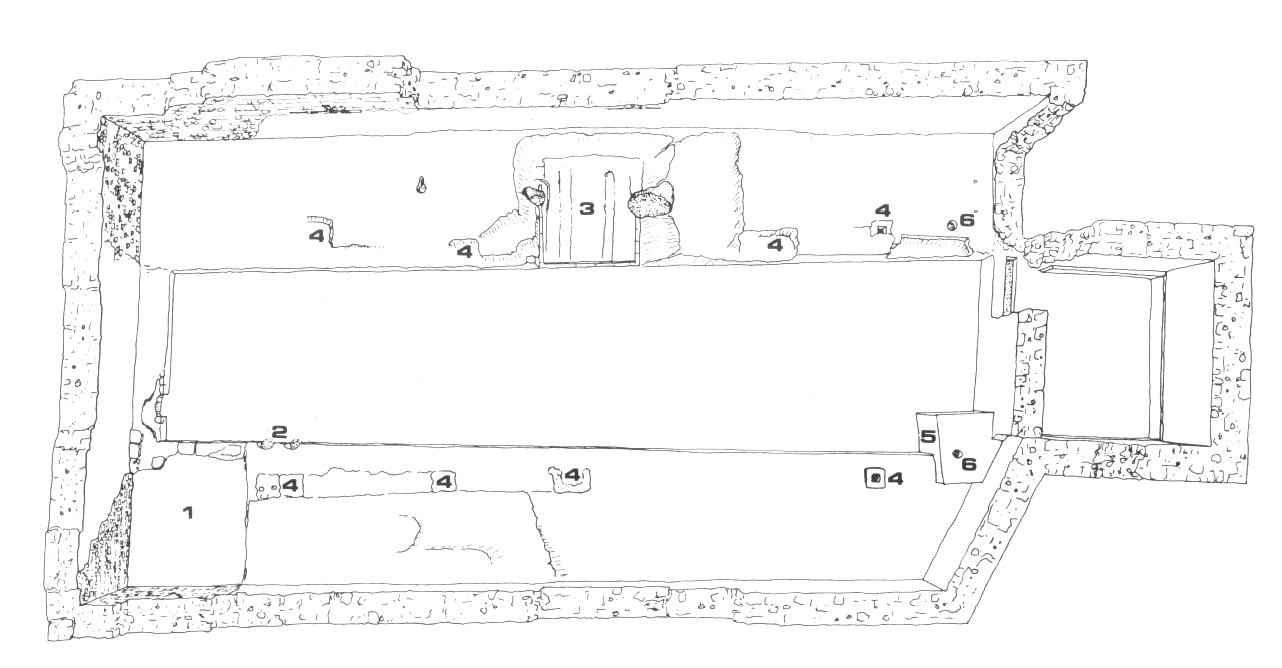
C’est en 1986, à l’occasion de la restructuration de l’ancien magasin Parunis, qu’une fouille de sauvetage archéologique fut réalisée cours Victor Hugo.
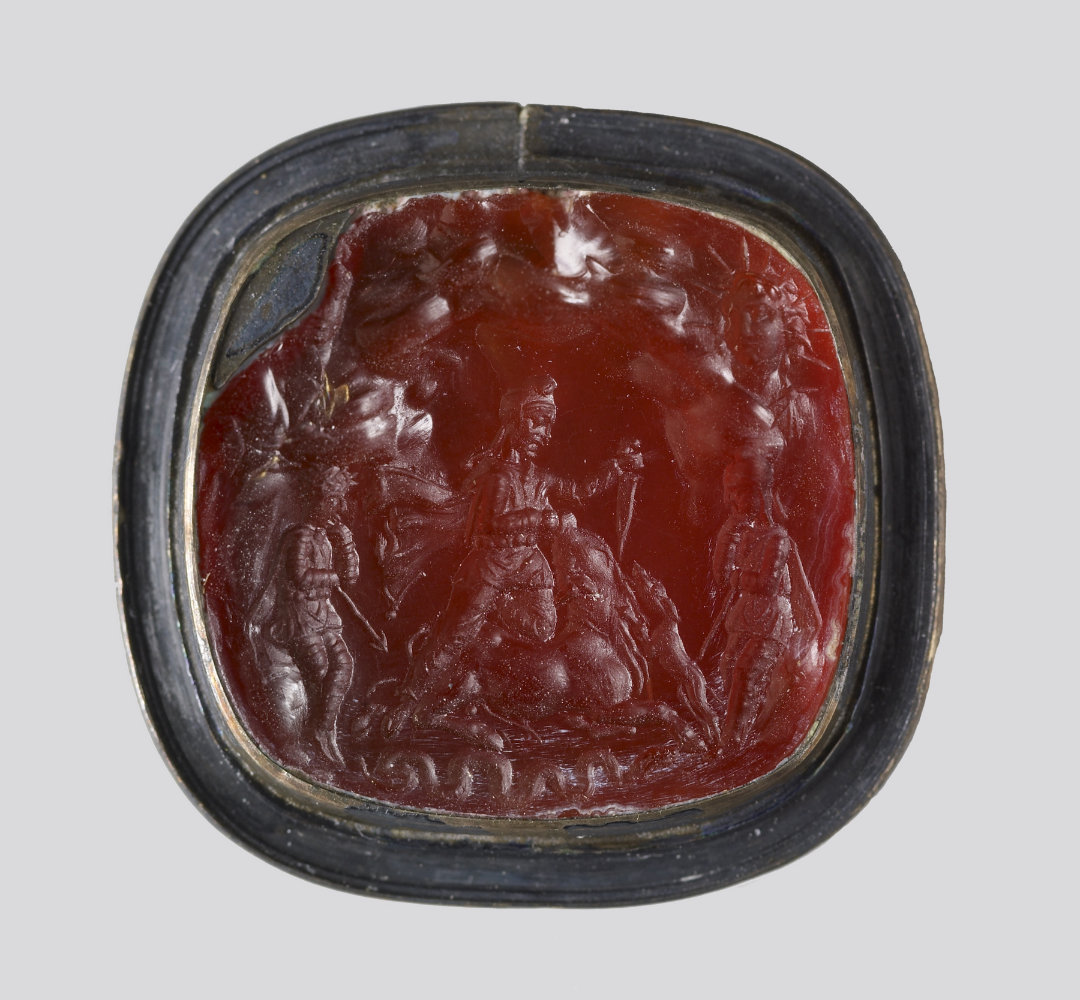
This ancient carnelian intaglio mounted in gold depicts Mithras slaying the bull surrounded by his companions Cautes and Cautopates.
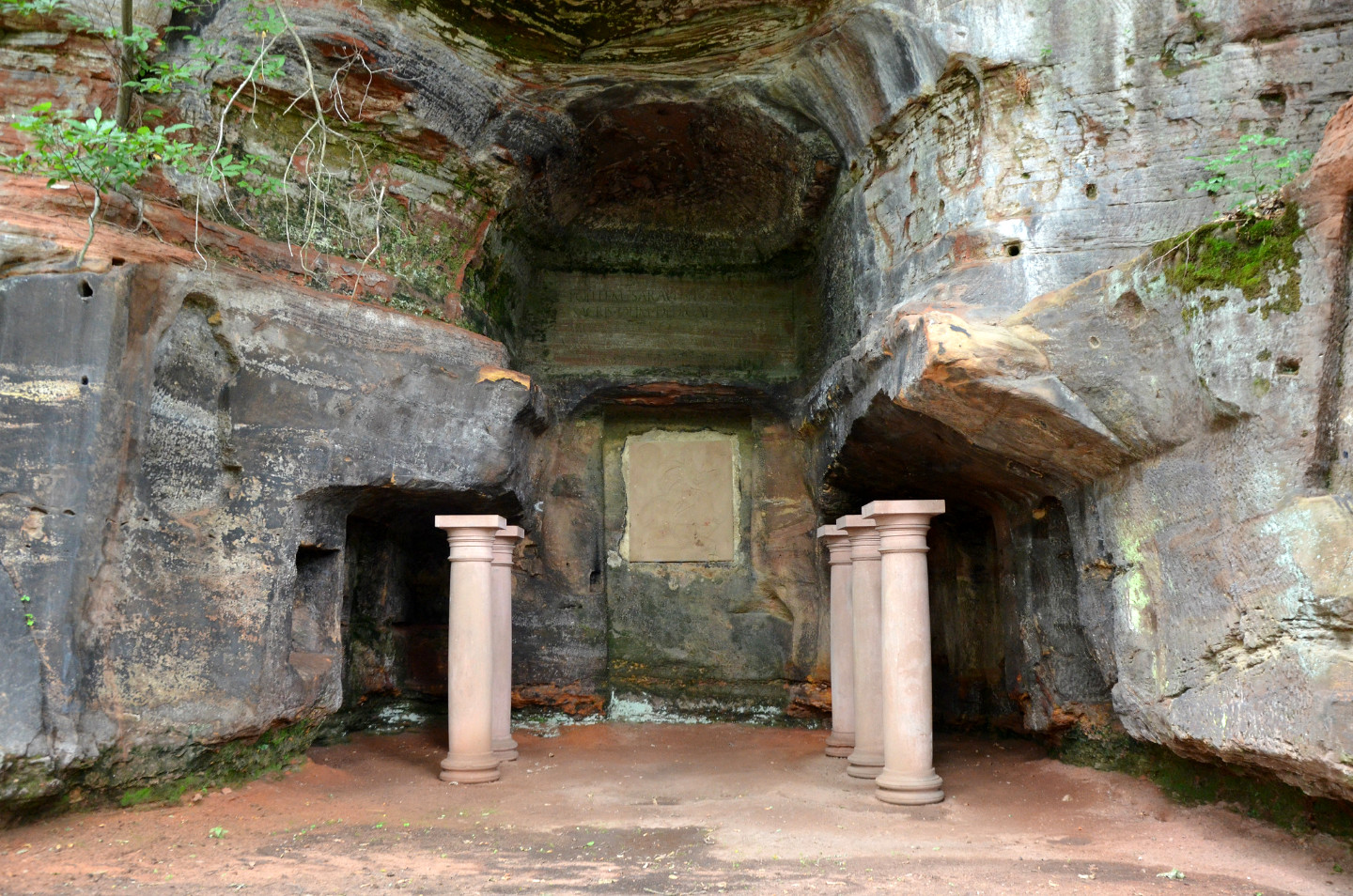
The Mithraeum in Halberg hill, near Saarbrücken, is one of the oldest historical places in the area.
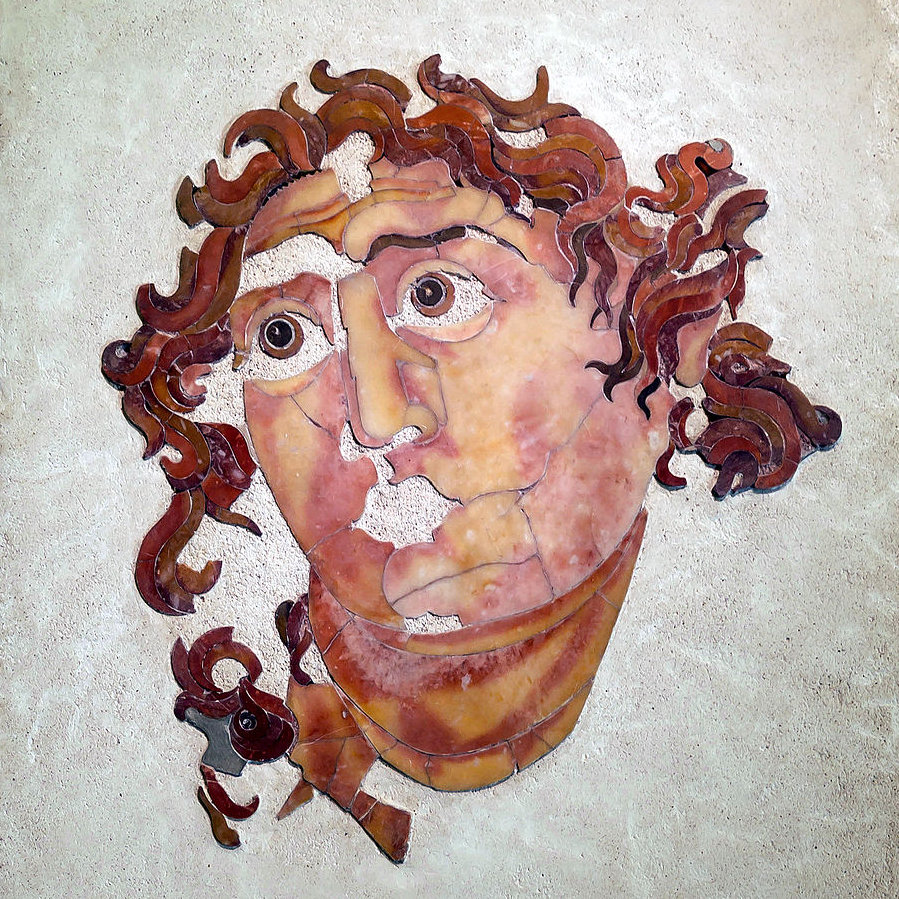
The intarsium of Sol found in the Mithraeum of Santa Prisca is composed of several varieties of marble.
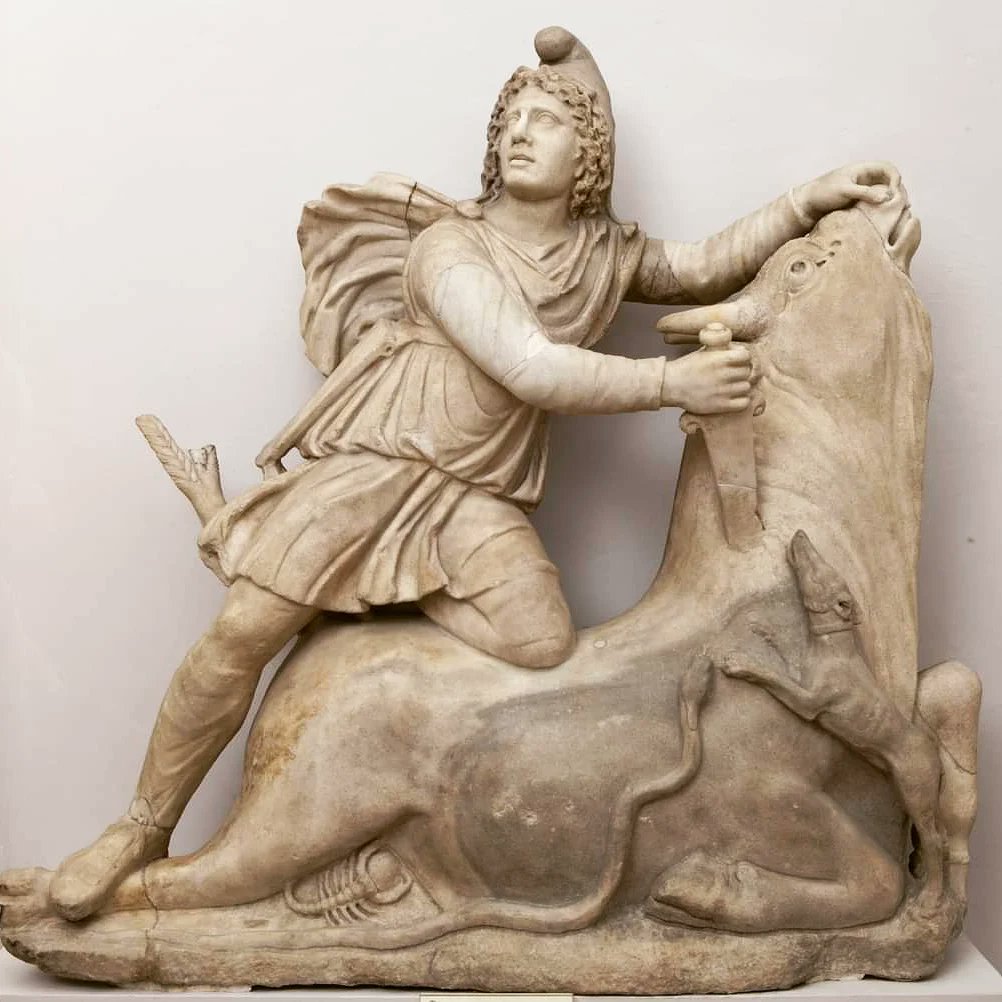
This sculpture of Mithras slaying the bull was bequeathed to the Republic of Venice in 1793 by Ambassador Girolamo Zulian.