Your search Al. N. Oikonomides gave 3559 results.
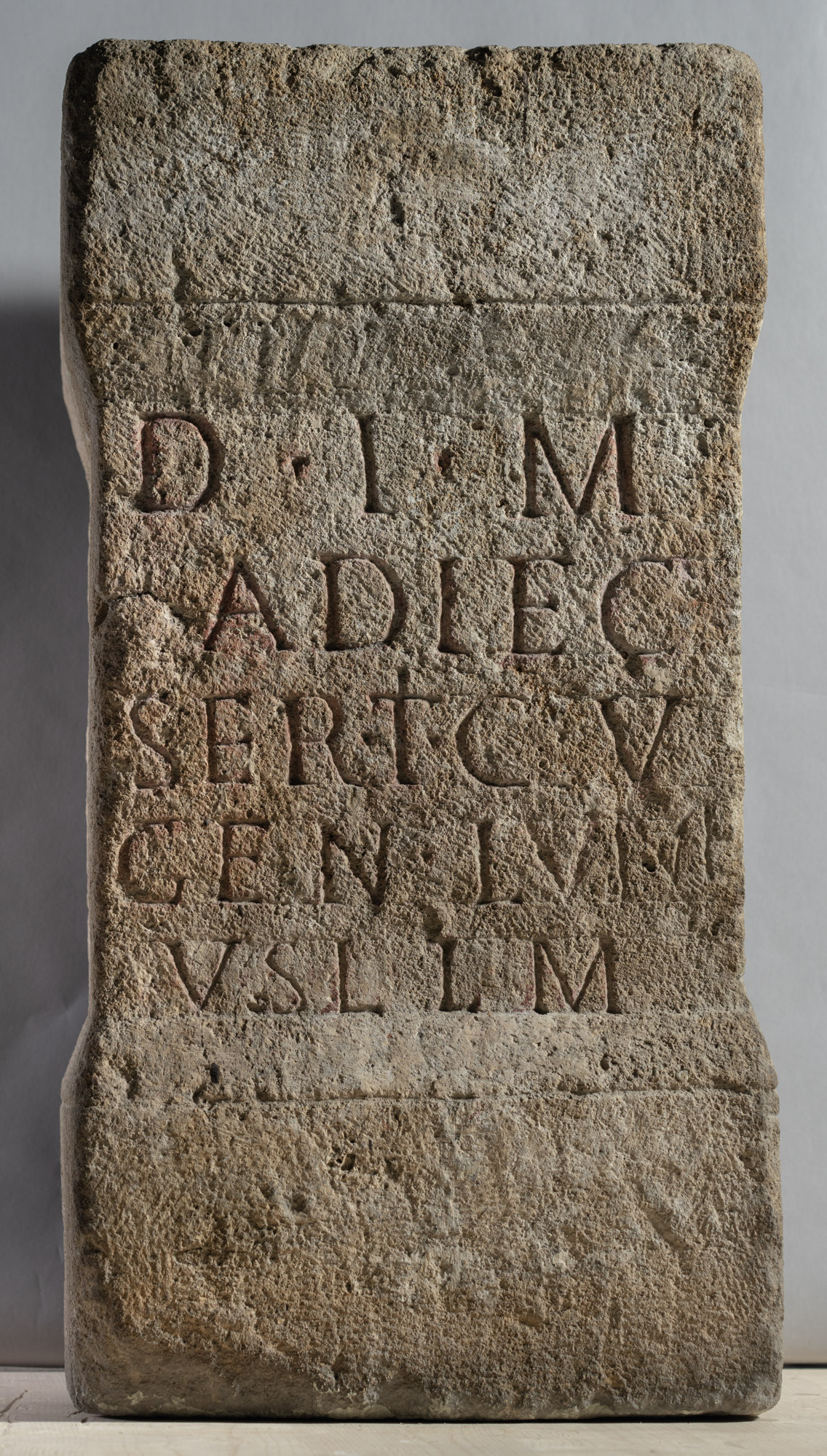
There is no consensus as to whether the altar of the slave Adiectus from Carnuntum is dedicated to a Mithras genitor of light.

This small monument without inscription was found in Bingem, Germany.
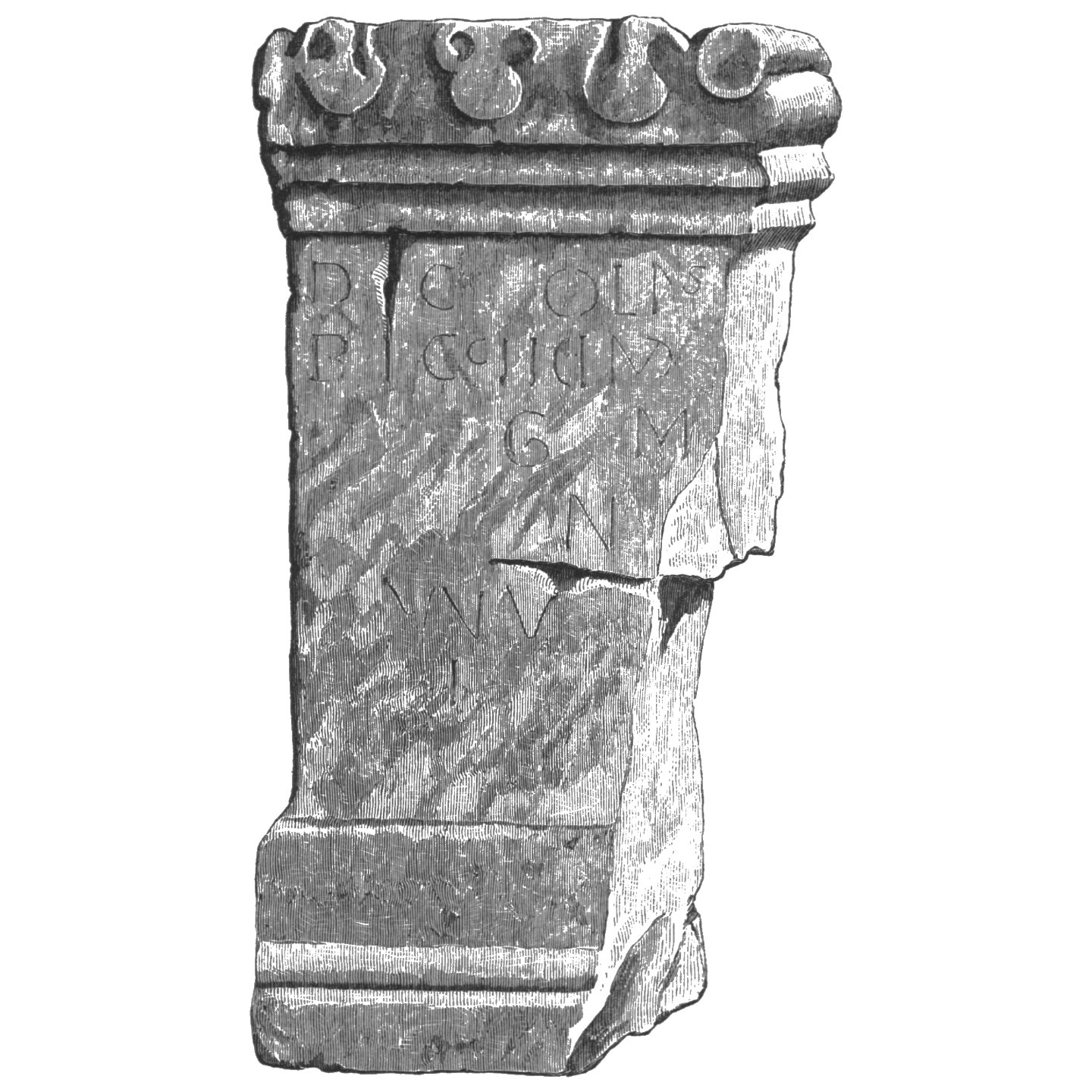
Horsley thought that, like some other inscriptions in the Naworth Collection, this altar also had come from Birdoswald.
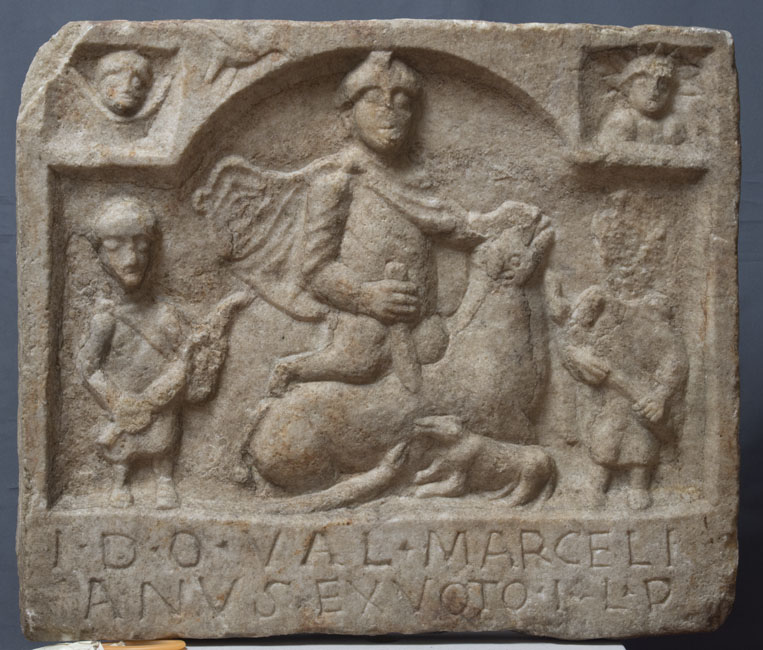
This primitive relief of Mithras as a bullkiller is signed by a certain Valerius Marcelianus.
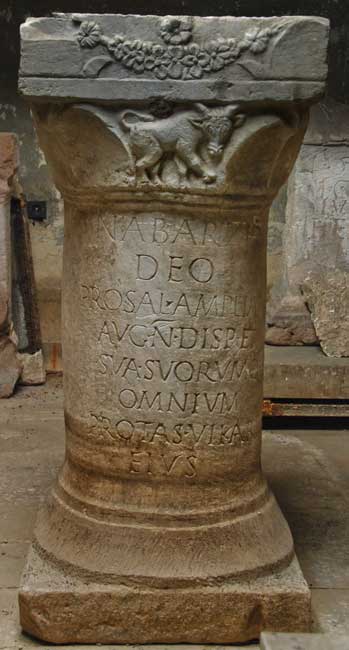
This column found in the Mithraeum of Sarmizegetusa bears an inscription to Nabarze instead of Mithras.
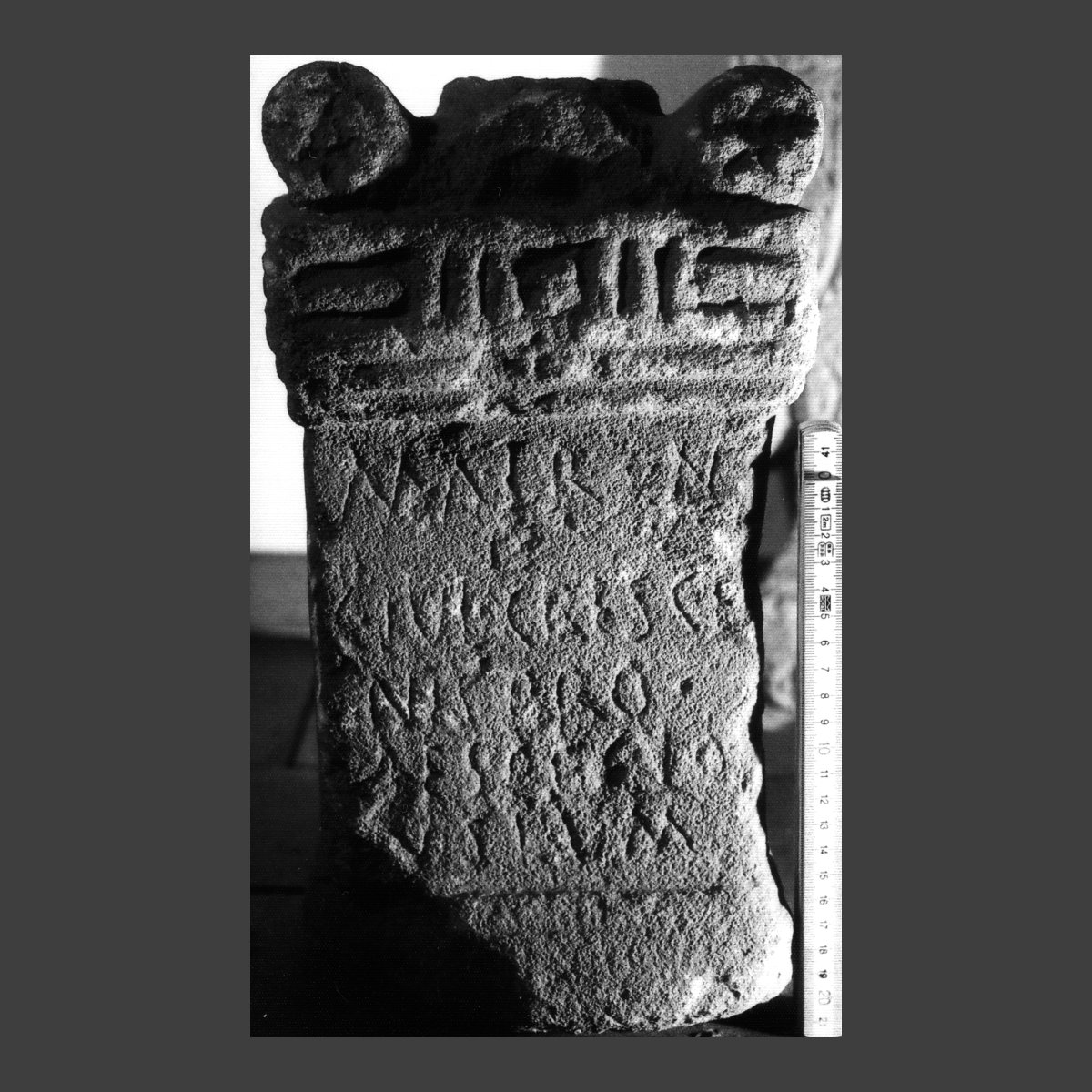
This fragmented altar of a certain Caius Iulius Crescens, found in the Mithraeum of Friedberg, bears an inscription to the Mother Goddesses.
In the altar that Titus Tettius Plotus dedicated to the invincible God, he called himself pater sacrorum.
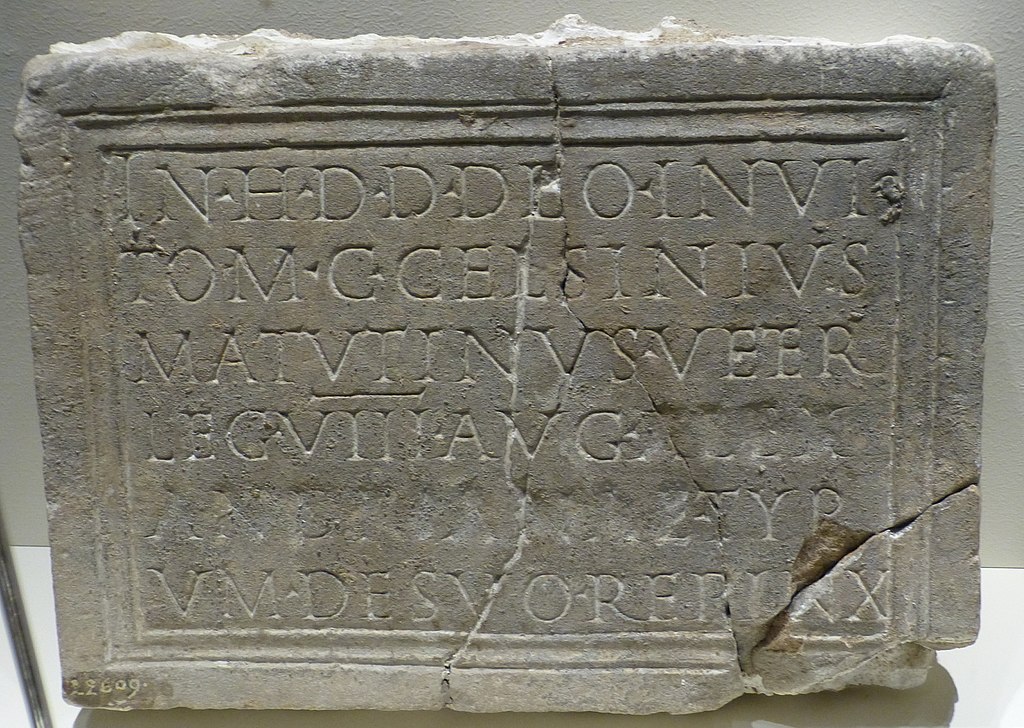
The inscription reports the restoration of the coloured painting of the main relief of the Mithraeum by a veteran of the Legio VIII Augusta.
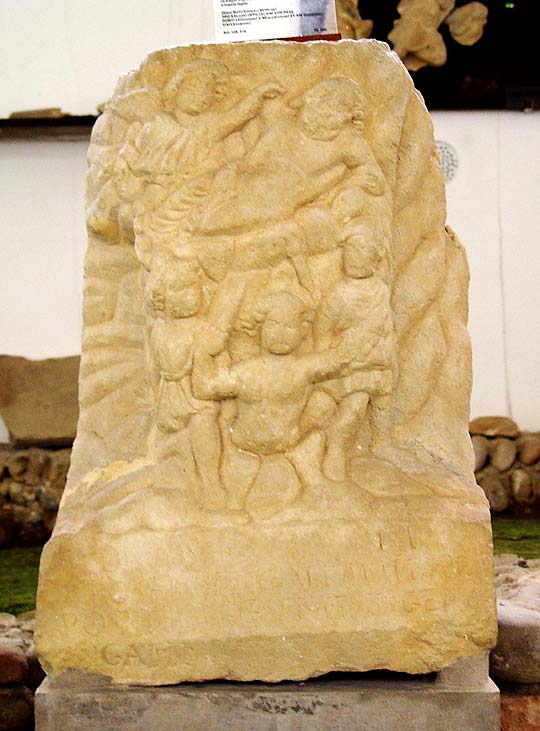
Cautes and Cautopates attend the birth of Mithras from the rock in the Petrogenia of the third Mithraeum of Ptuj.
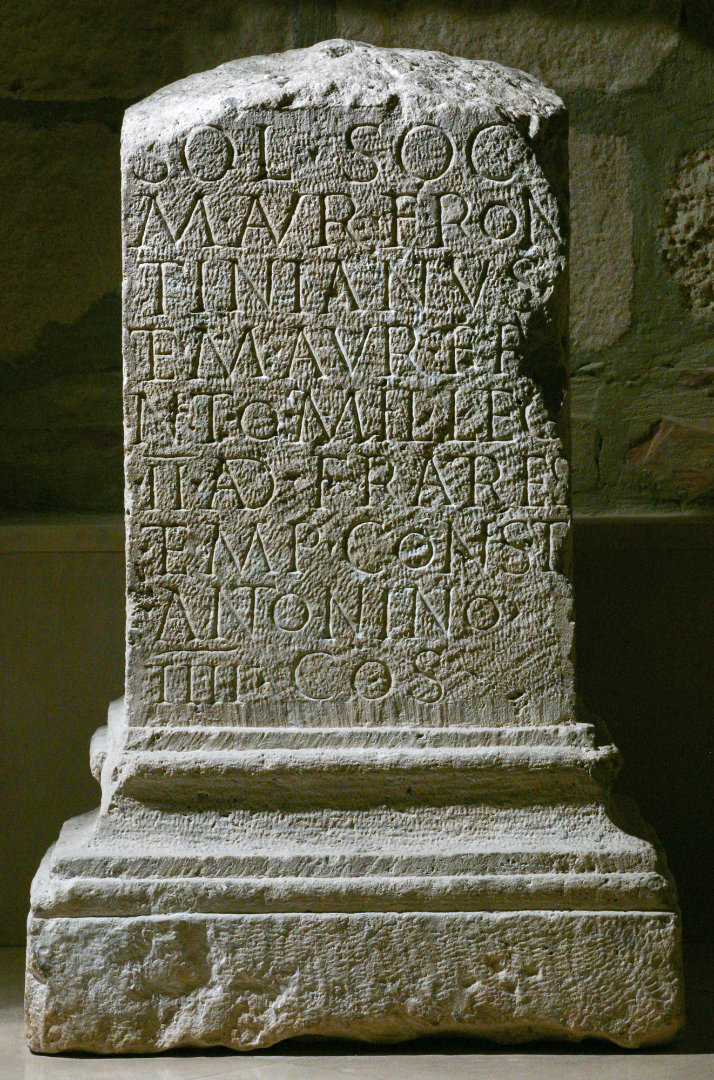
This fragmented altar was erected by two brothers from the Legio II Adiutrix who also built a temple.
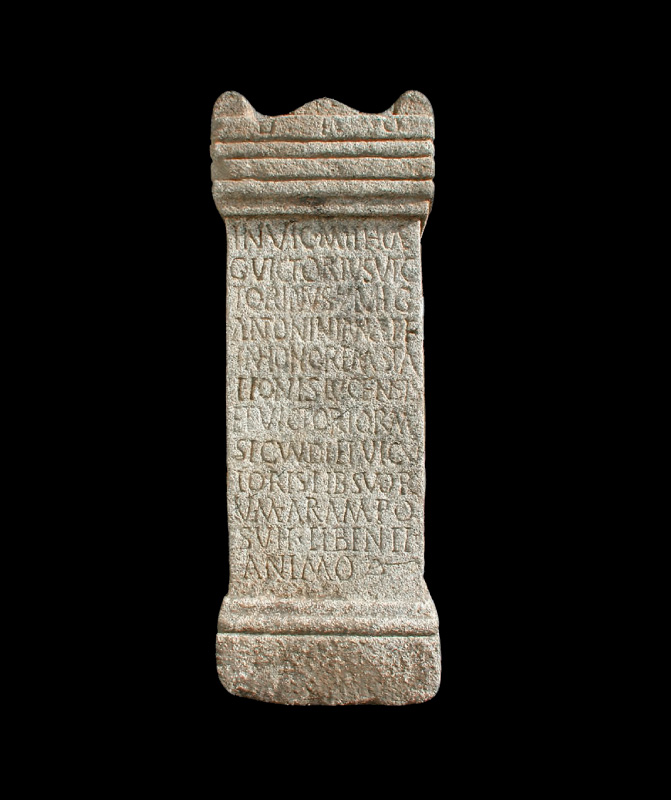
Victorius Victorious, centurion of the Legio VII, erected the altar in honour of the Lugo garrison and of the Victorius Secundus and Victor, his freedmen.
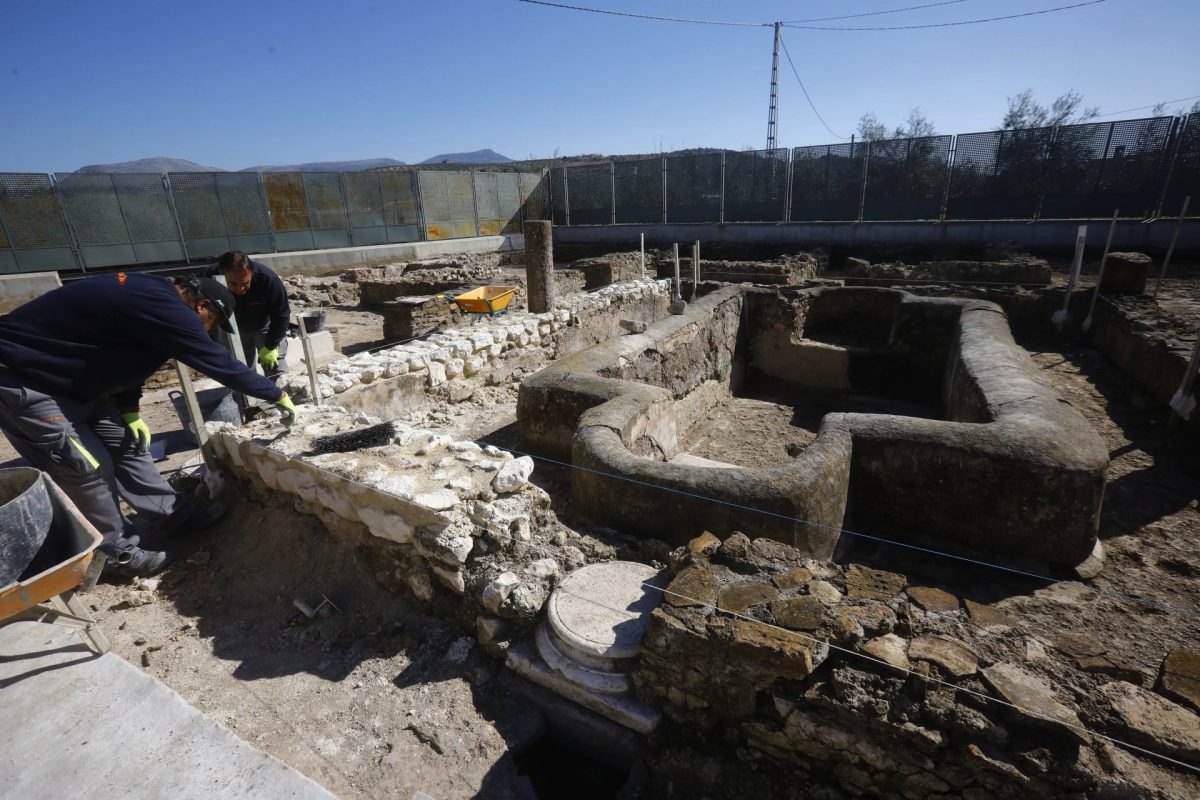
Las excavaciones llevadas a cabo en el yacimiento arqueológico romano de la villa de Mithra, en Cabra (Córdoba), han deparado el excepcional hallazgo de un mitreo, o zona destinada al culto al dios Mithra, cuya estatua fue descubierta hace unos 70 años…
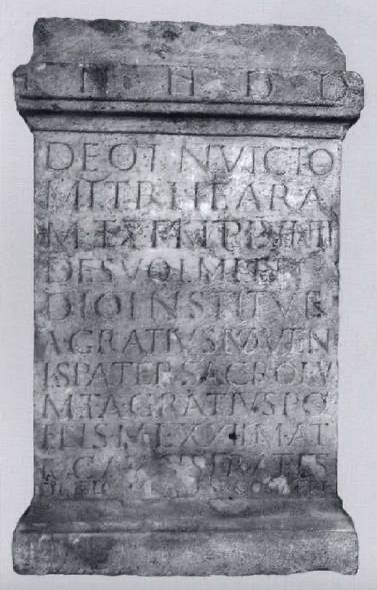
The monument was dedicated by two brothers, one of them being the Pater of his community.
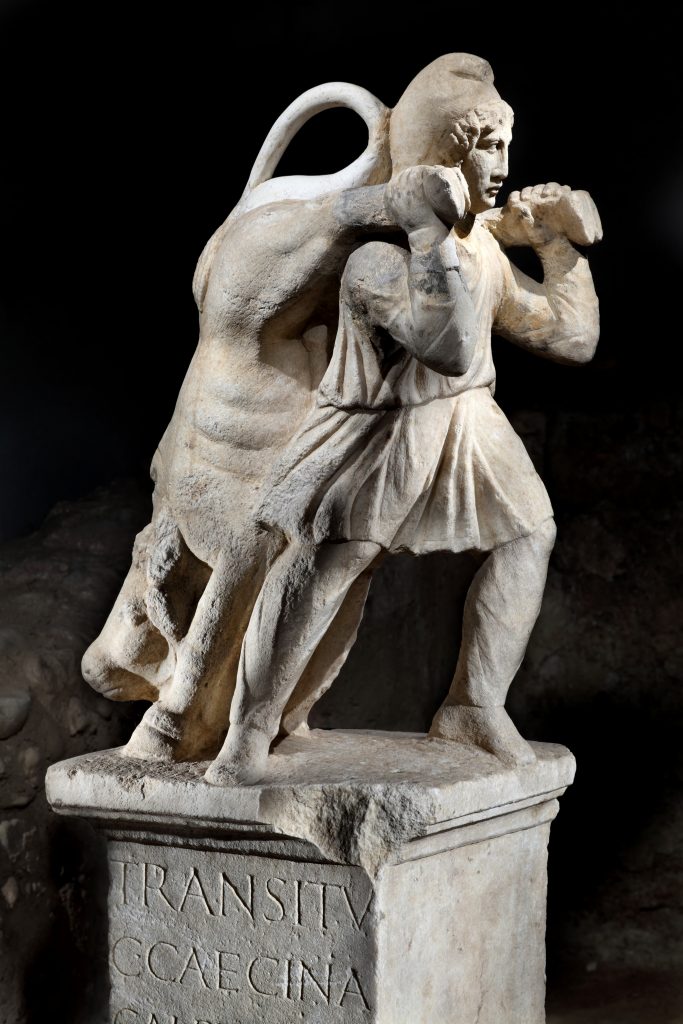
The sculpture of Mithras carrying the bull includes an inscription on its base.
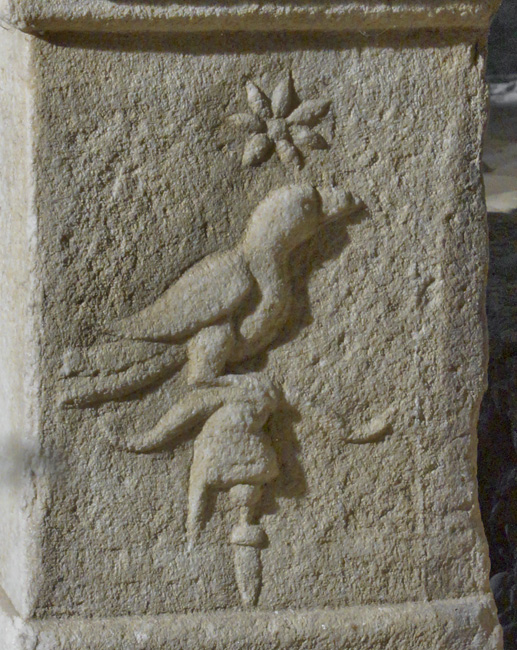
This altar from Ptuj, present-day Poetovio, is decorated with various Mithraic animals such as a tortoise, a cock and a crow and other objects.
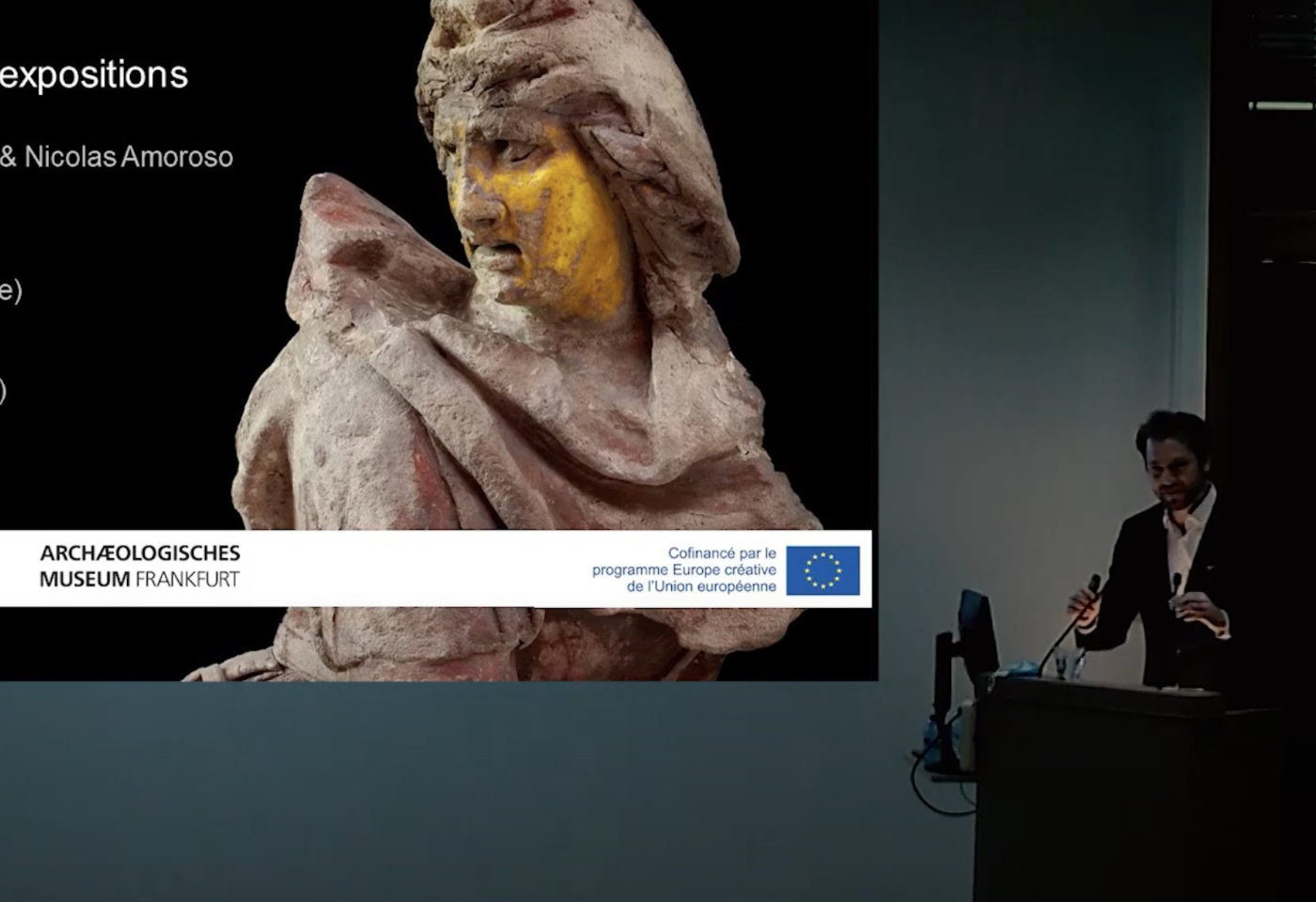
Journée scientifique du 17 décembre 2021 au Musée royal de Mariemont, dans le cadre de l’exposition 'Le Mystère Mithra. Plongée au cœur d’un culte romain'.
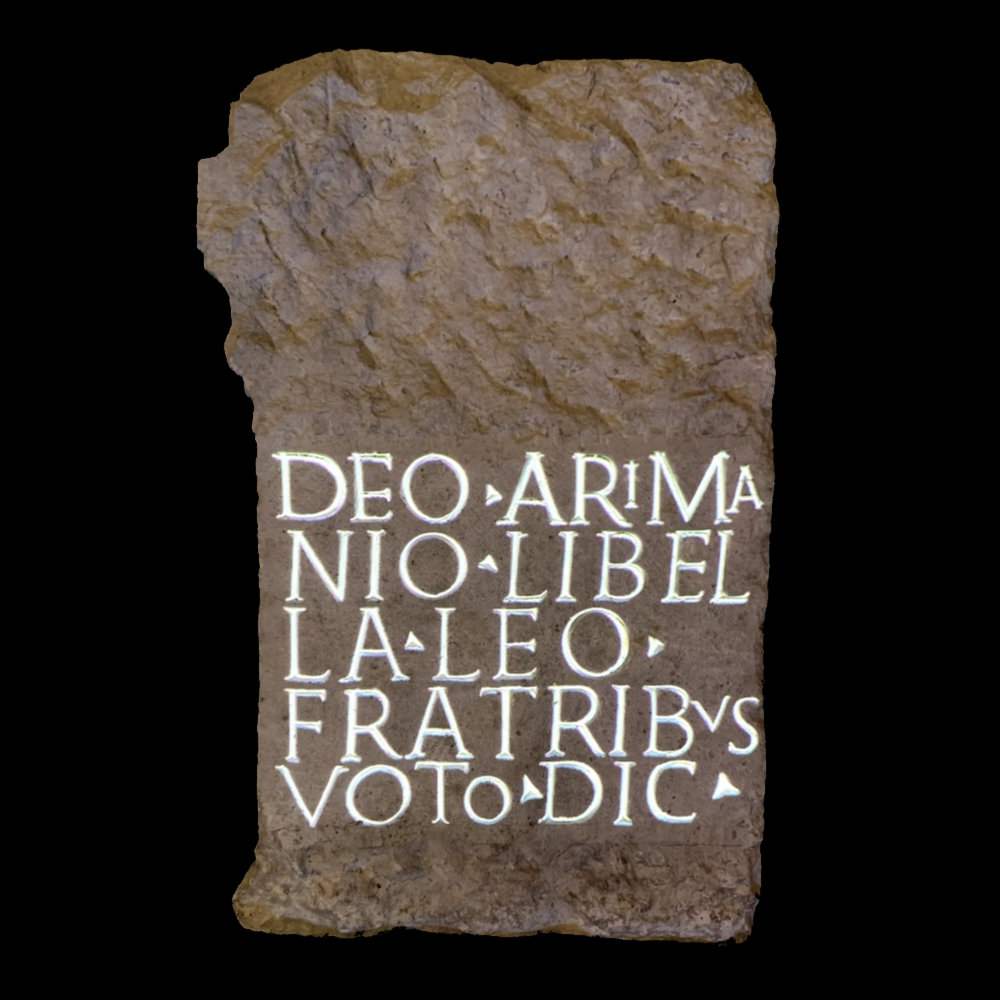
The dedicant of this altar to the god Arimanius was probably a slave who held the grade of Leo.
This altar to Mithras is dedicated by a certain Gaius Iulius Castinus, legate prefect of the emperors.
On this slab, Gaius Iulius Propinquos indicates that he made a wall of the Mithraeum at his own expense.
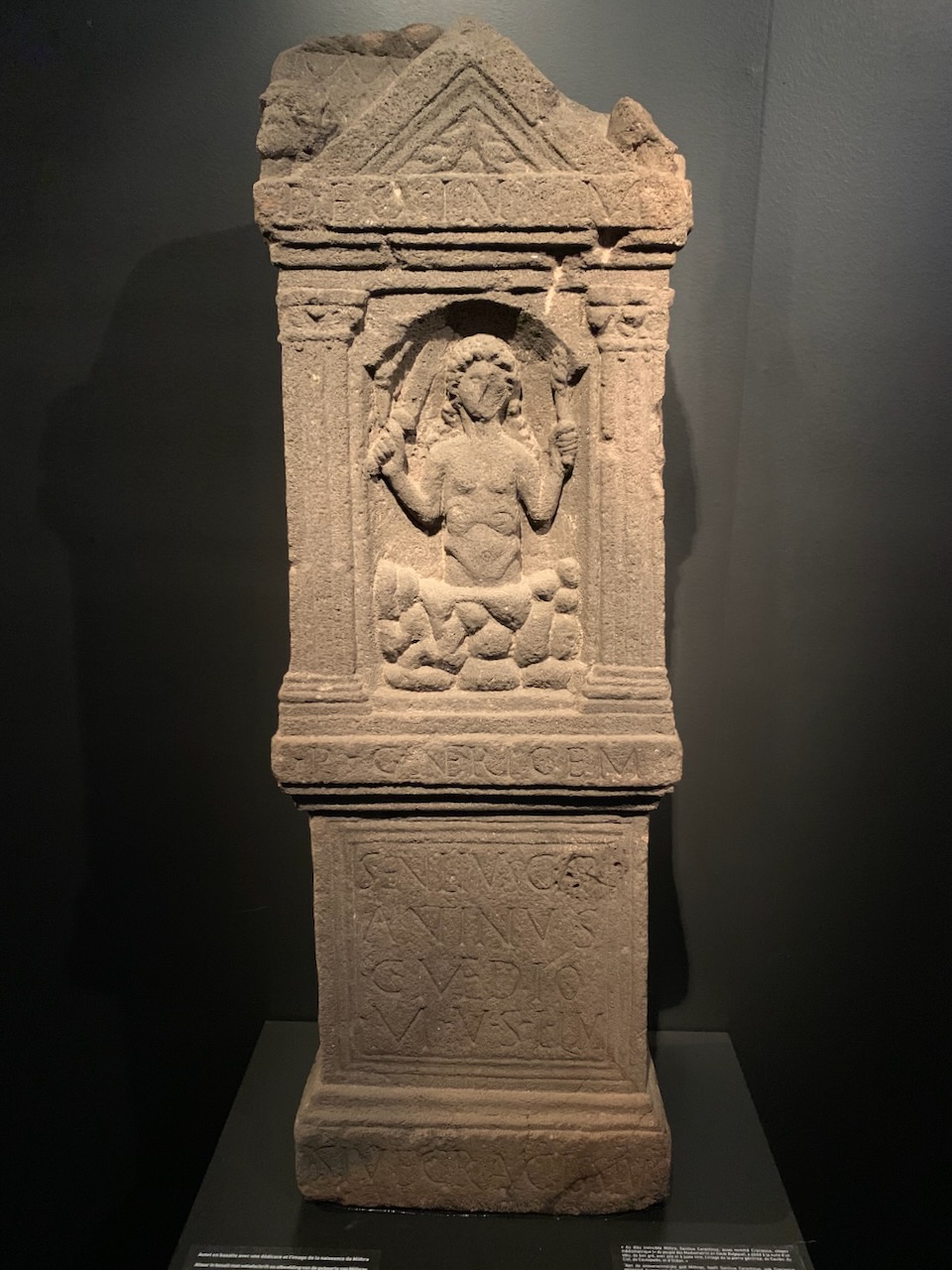
The Mithraic stele from Nida depicts the Mithras Petrogenesis and the gods Cautes, Cautopates, Heaven and Ocean.
