Your search As Salhiyah gave 2397 results.
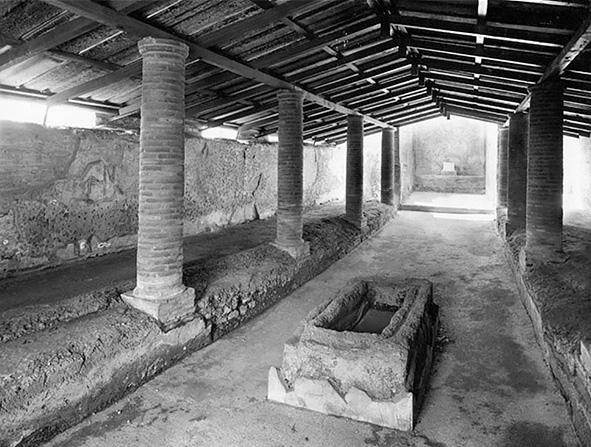
The Mithraeum in the Chapel of the Three Naves was not linked to the cult of Mithras until recently because of a mosaic showing a pig, in the belief that it was an animal unfit for consumption in a temple of Eastern origin.

A bronze plaque records the existence of a mithraeum at Virunum that collapsed and was rebuilt by members of the community.
Intervention de Nicolas Amoroso, commissaire de l’exposition Le Mystère Mithra.
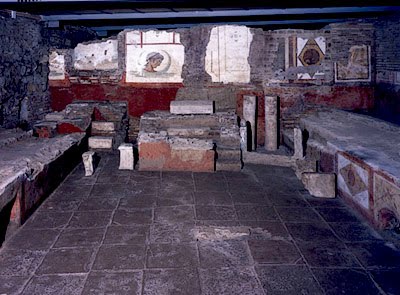
The Mitreo dei Castra Peregrinorum was discovered under the church of Santo Stefano Rotondo in Rome.
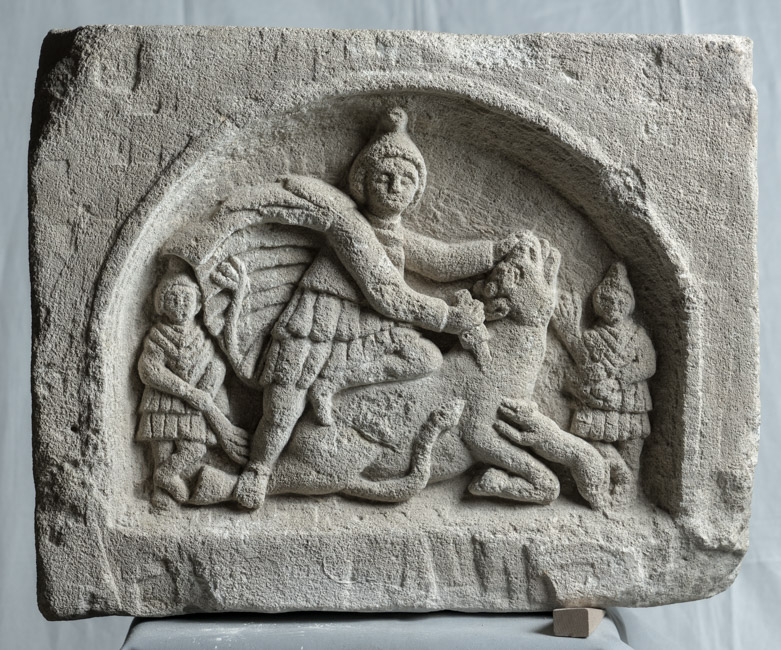
This relief found at Carnuntum represents Mithras slaughtering the bull, without the scorpion, in the sacred cave.
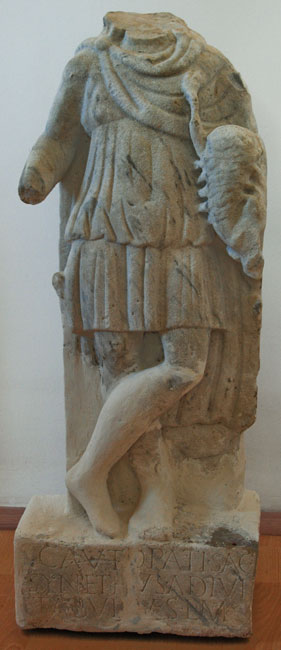
The Cautopates with scorpion found in 1882 in Sarmizegetusa includes an inscription of a certain slave known as Synethus.

This altar, which has now disappeared, was dedicated by the slave Quintio for the health of a certain Coutius Lupus.
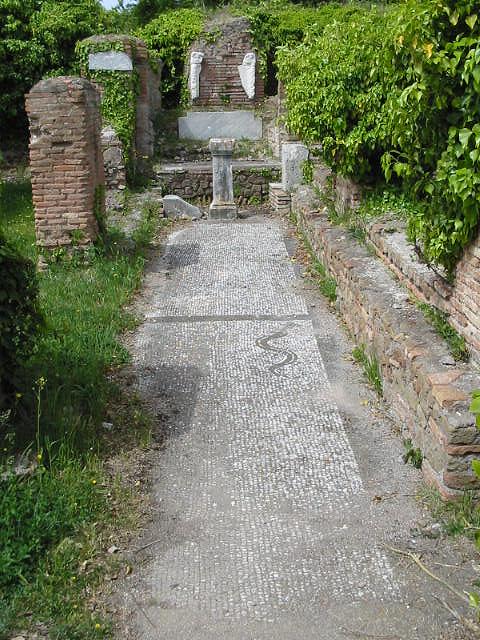
The floor of the central aisle of the Mithraeum of the Footprint in Ostia has a mosaic depicting a snake and a footprint.
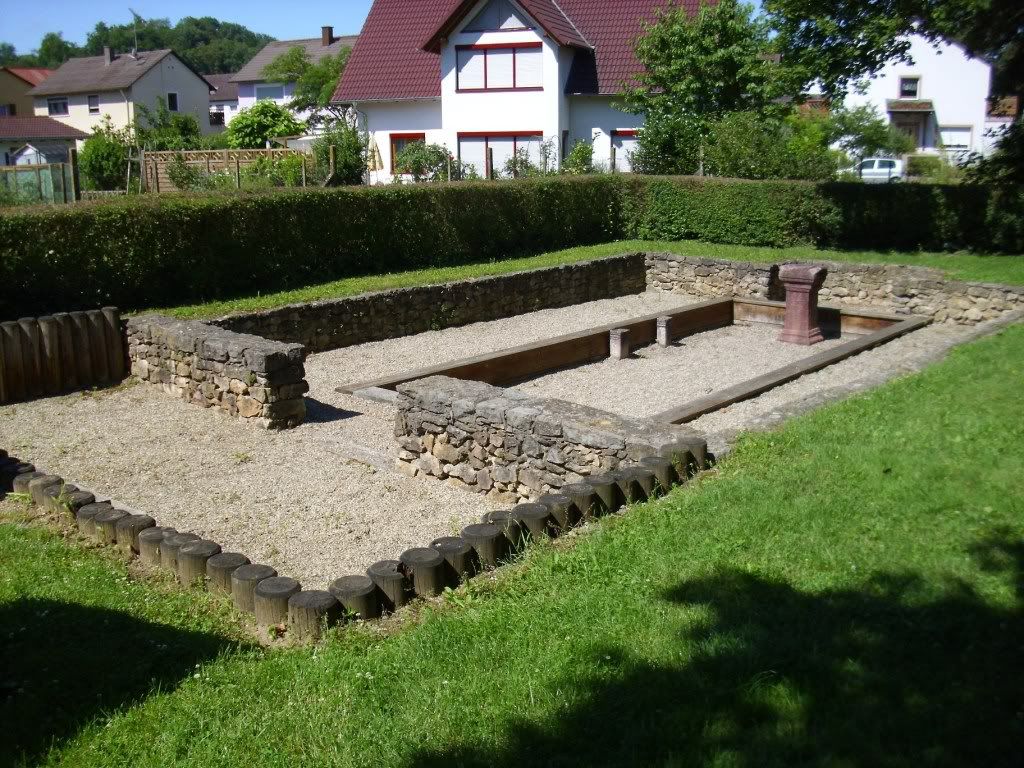
A votive altar referring to the cult of Mithras was found more than forty years before the site was excavated and the Mithraeum discovered.
The Mithraeum of Pamphylia was cut back into the rock to form a cave, with a separate relief of Mithras killing the bull.
The Mithraeum of Mainz, was discovered outside the Roman legionary fortress. Unfortunately the site was destroyed without being recorded.
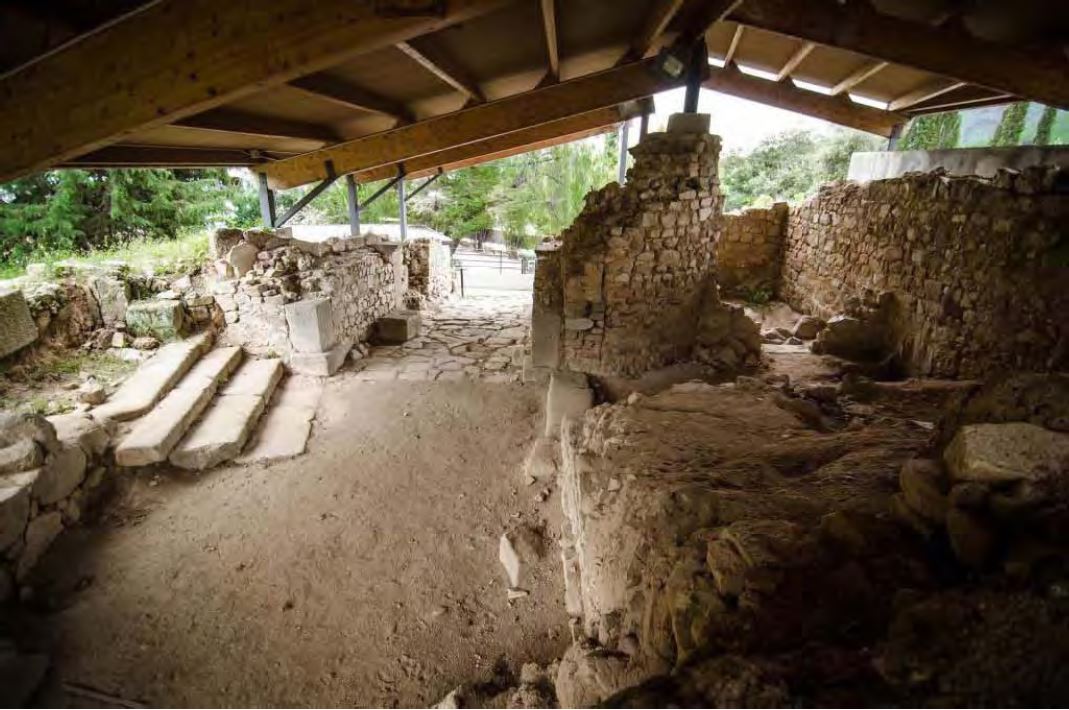
The Roman villa of Can Molodell had a sanctuary that has been related to the cult of Mithras.
This inscription by Luccius Crispus was found near the entrance of the Mithraeum at Pamphylia.
The fifth mithraeum from Aquincum has been found in the house of a military tribune.
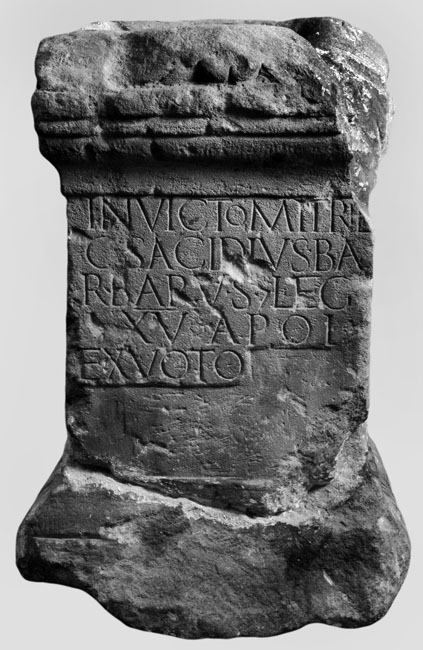
This altar bears the oldest known Latin inscription to the god Mithras, written Mitrhe.
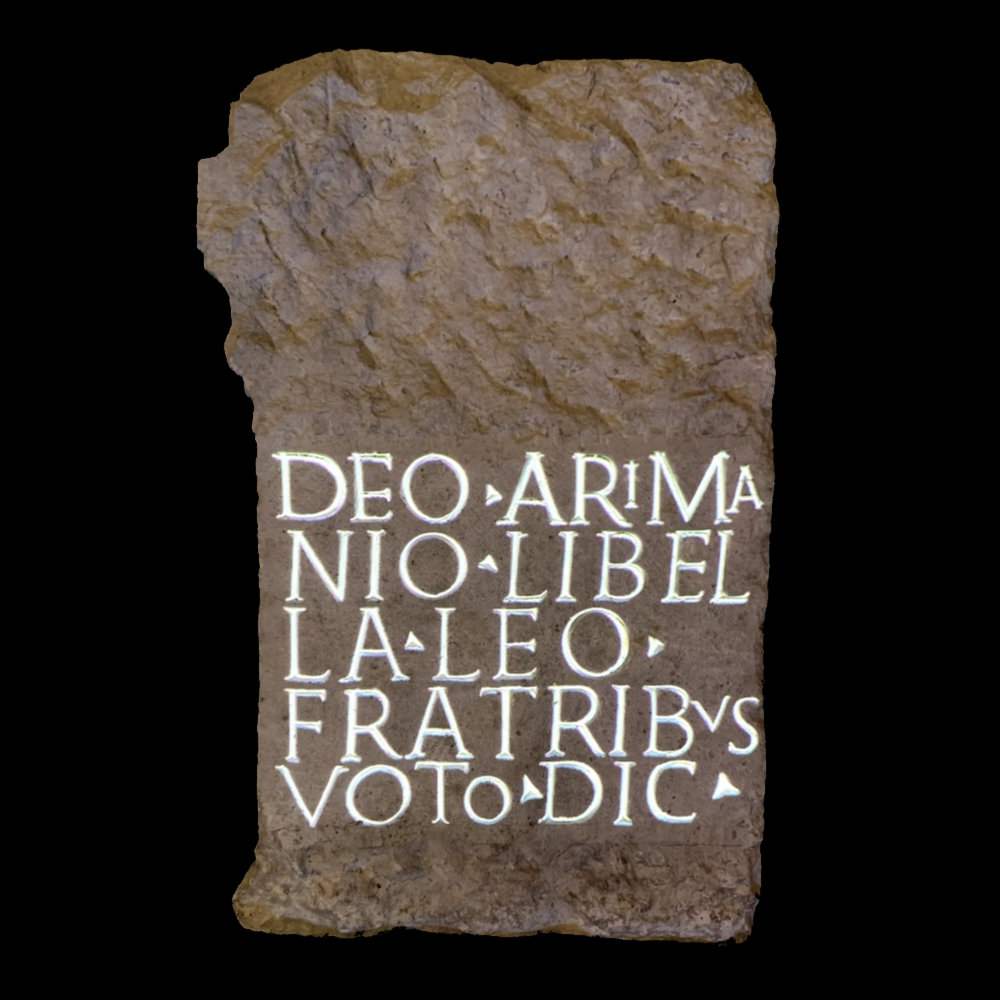
The dedicant of this altar to the god Arimanius was probably a slave who held the grade of Leo.
The Kempraten Mithraeum was unexpectedly discovered during the 2015 excavations near the vicus.
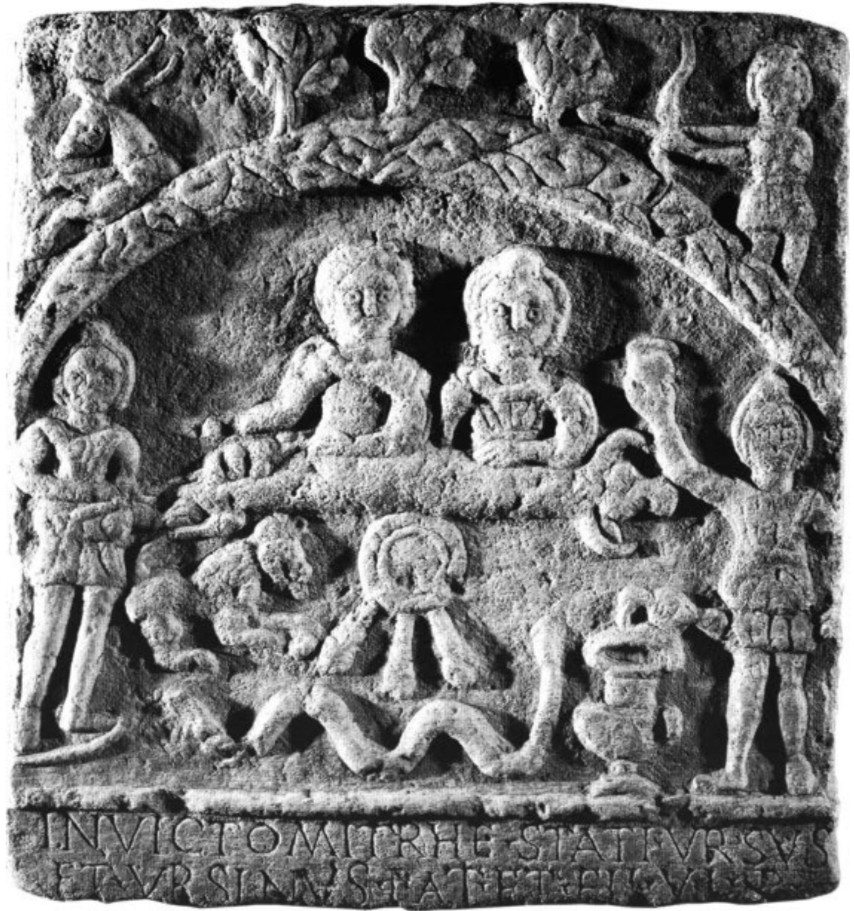
Mithras and Sol share a sacred meal accompanied by Cautes and Cautopates on a relief found in a cemetery from Croatia.
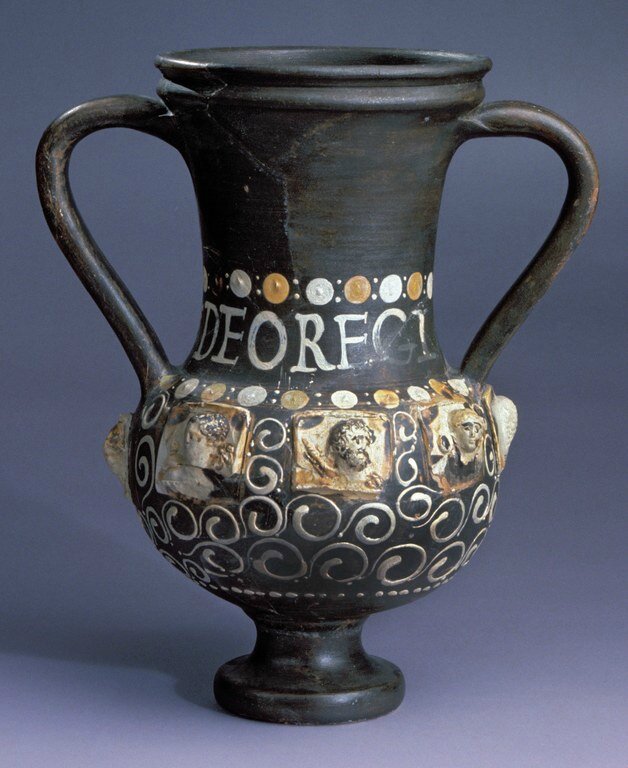
The vase bears an inscription to the god but also 'king' Mithras.
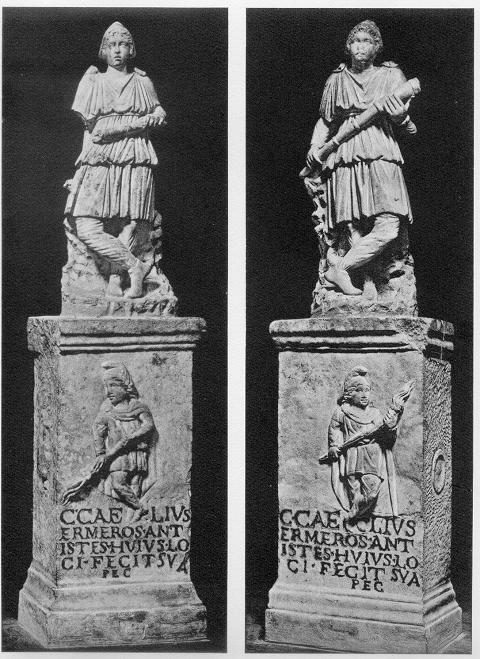
The sculptures of Cautes and Cautopates from the Mitreo del Palazzo Imperiale may have been reused from an older mithraeum in Ostia.
