Your search Bad Abbach gave 142 results.

Many of the inscriptions and sculptures of the site were kept in a museum which has been destroyed.

This dedicatory inscription by Aurelius Seleucus, found in Cilicia, aligns with Plutarch’s account of Cilician pirates performing foreign sacrifices and secret rites of Mithras.

Güglingen is a town in the district of Heilbronn in Baden-Württemberg in southern Germany.
Rottenburg am Neckar; until 10 July 1964 only Rottenburg; Swabian: Raodaburg is a medium-sized town in the administrative district of Tübingen in Baden-Württemberg, Germany. Rottenburg is the seat of a Roman Catholic bishop, being the official centr
The Saalburg is a Roman fort located on the main ridge of the Taunus, northwest of Bad Homburg, Hesse, Germany.
Ladenburg is a town in northwestern Baden-Württemberg, Germany. The town's history goes back to the Celtic and Roman Ages, when it was called Lopodunum.
The area was populated by Iberians, but the origins of Baetulo date back to the 1st century BC, when the Romans founded the city on the Rosés hill. Baetulo was famous for its vineyards, which produced wine for export throughout the Empire.

Garlic merchant, probably from Lusitania, who dedicated an altar to Cautes in Tarraconensis.
This heavily damaged relief from Narbo preserves the figure of a cross-legged Mithraic torchbearer carved in low relief near the church of Saint-Sébastien in Narbonne.
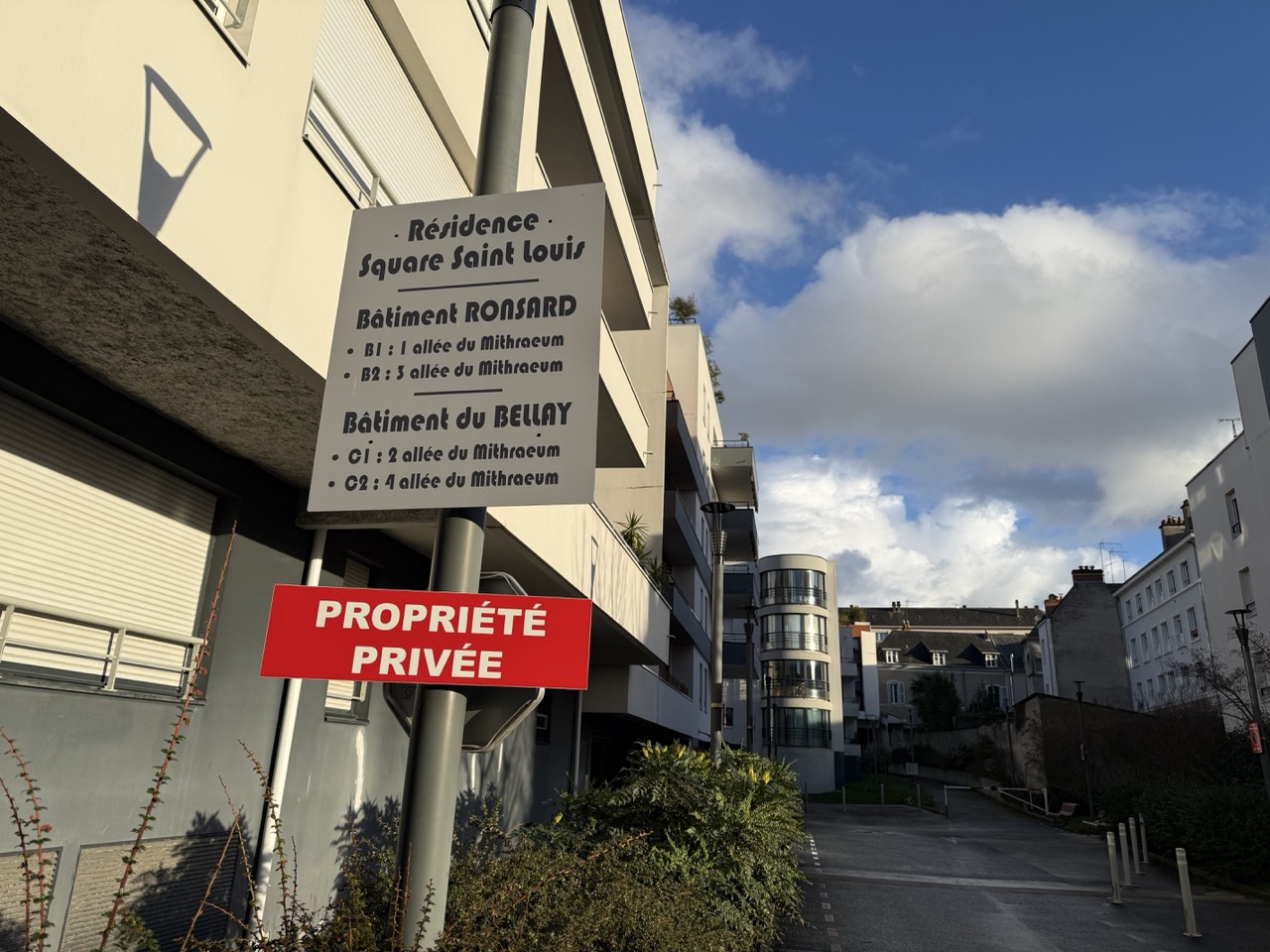
The Mithraeum of Angers, excavated during a preventive operation and subsequently dismantled in 2010, yielded numerous objects, including coins, oil lamps, and a ceramic vessel bearing a votive inscription to the invincible god Mithras.
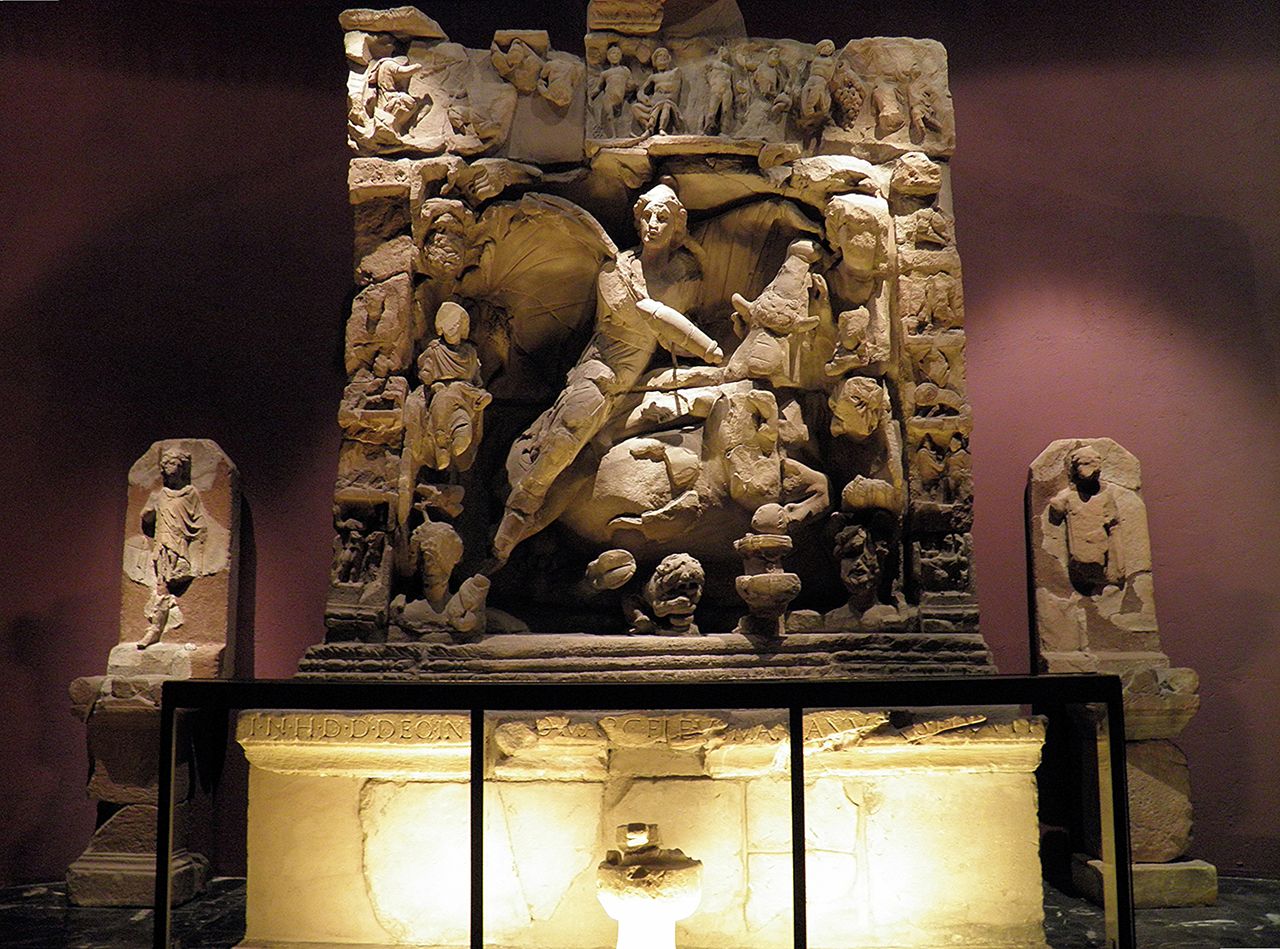
The base of these sandstone reliefs bears an inscription referring to a certain Marcellius Marianus.
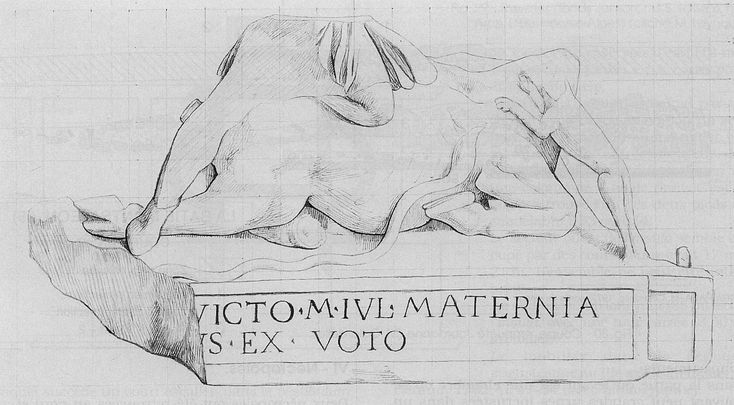
This damaged relief of Mithras killing the bull found in 1804 and formerly exposed at Gap, is now lost.
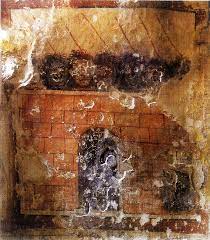
The City of Darkness unique fresco from the Mithraeum of Hawarte shows the tightest links between the western and eastern worship of Mithras in Roman Syria.

Fresco of Mithras found in an arched niche above the right bench of the Baths of Caracalla’s Mithraeum in Rome.
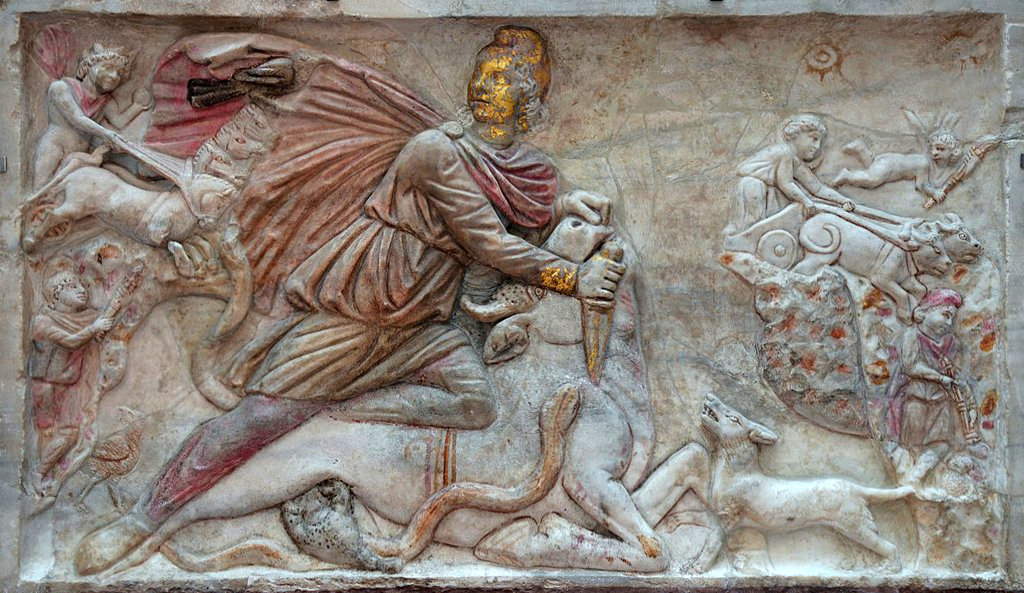
The relief of Mithras killing the bull of Stefano Rotodon preserves part of his polycromy and depicts two unusual figures: Hesperus and an owl.
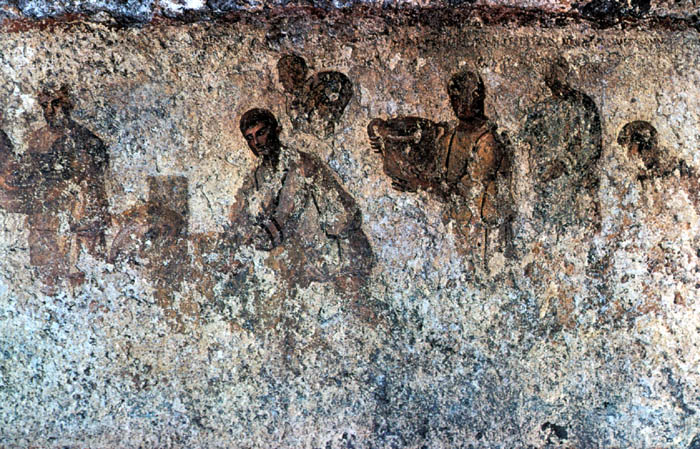
Procession of Leones carrying animals, bread, a krater, and other objects in preparation for a feast.
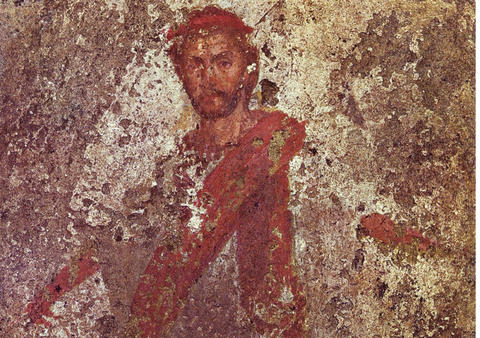
Figures in procession, each representing a different grade of Mithraic initiation, labeled with their respective titles.
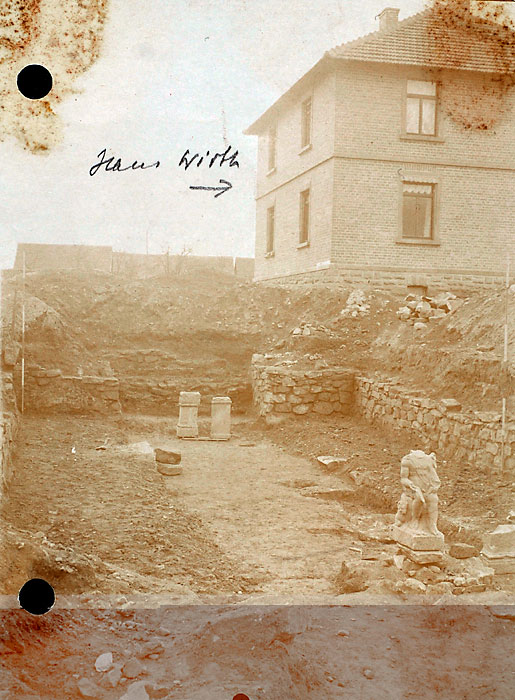
The Mithraeum I in Stockstadt contained images of Mithras but also of Mercury, Hercules, Diana and Epona, among others.

From the late first century CE, Mithras spread across the Roman Empire, leaving more than 130 sanctuaries and nearly 1,000 inscriptions. This volume offers a rigorous synthesis that renews our understanding of this enigmatic cult.
