Your search Boulogne-sur-mer gave 339 results.

Belgica occupied a strategic position between Roman Gaul, the Rhine frontier and the northern provinces where Mithraic cults circulated widely.
Lugdunensis formed part of the urban and administrative core of Roman Gaul, where Mithraic cults circulated through major civic centres.
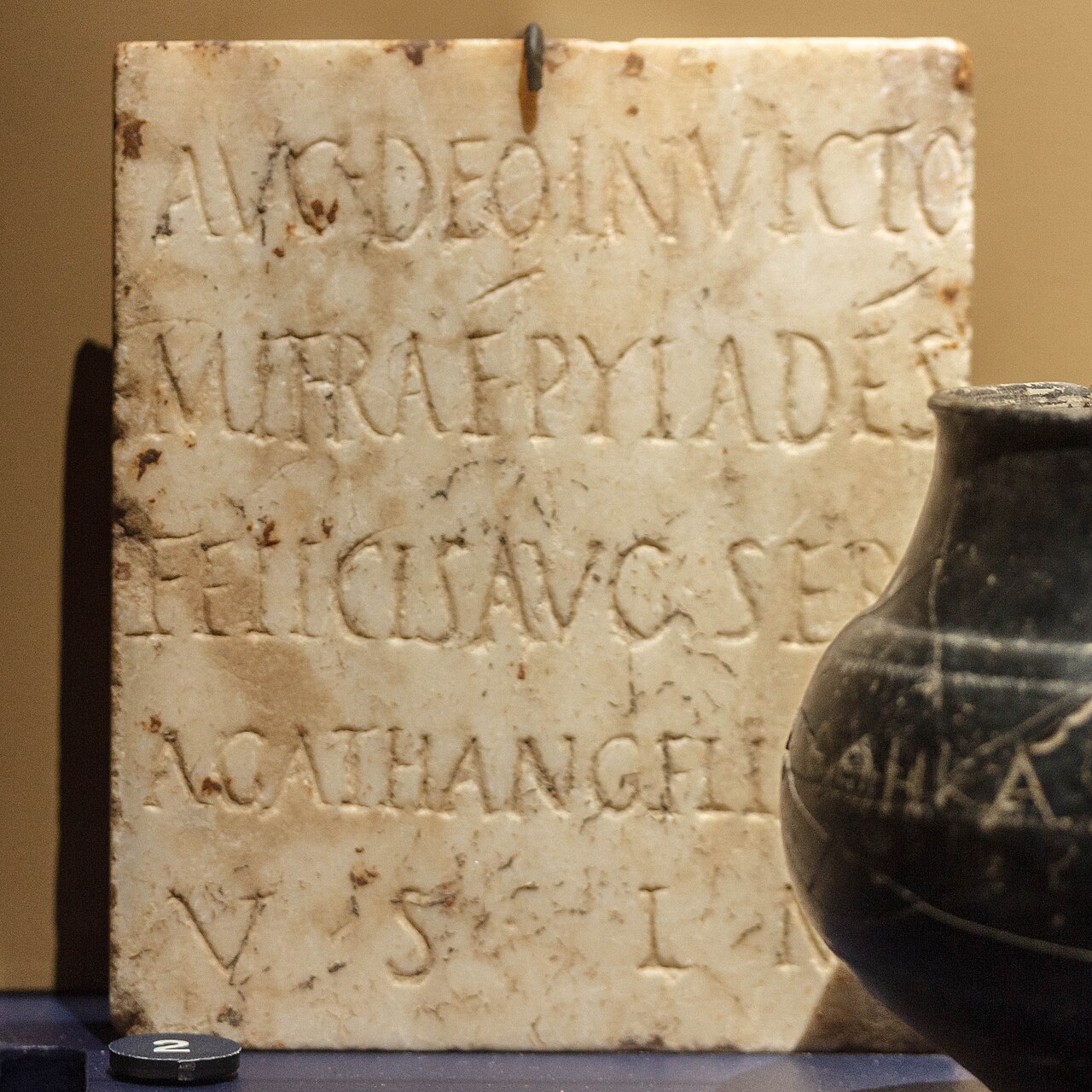
This marble plaque from Iuliomagus, Roman Angers, bears a rare dedication to Mithras by Pylades, a slave of an imperial slave connected to the Roman administration in Gaul.
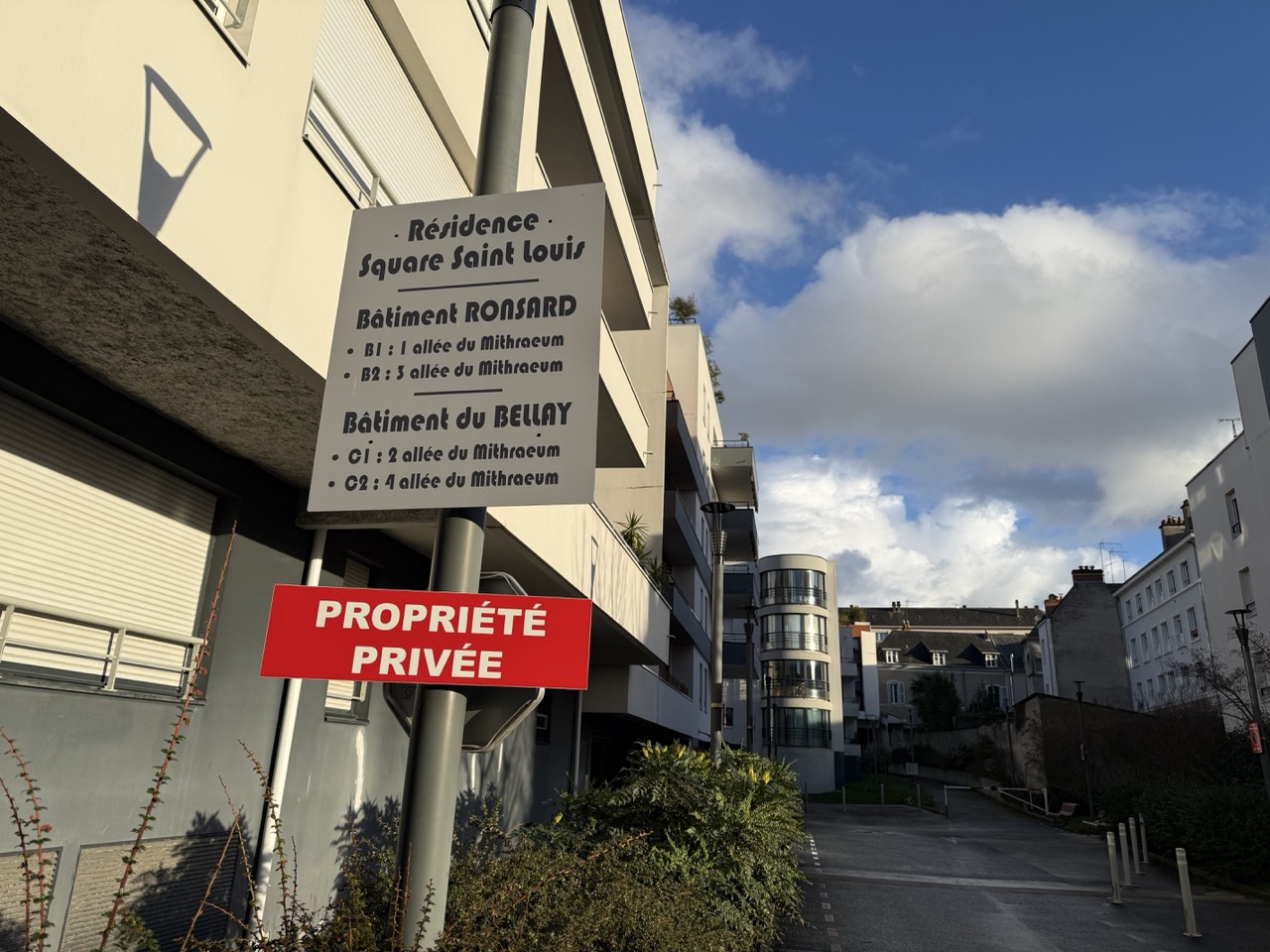
The Mithraeum of Angers, excavated during a preventive operation and subsequently dismantled in 2010, yielded numerous objects, including coins, oil lamps, and a ceramic vessel bearing a votive inscription to the invincible god Mithras.
Roman Sicilia preserves Mithraic evidence shaped by Mediterranean mobility and the island’s strategic position between east and west.
The evidence from Roman Africa reflects the implantation of Mithraic cults within prosperous urban centres of the western Mediterranean.

This lost Mithraic relief, formerly kept near the church of the Santissima Annunziata in Naples, was probably a large tauroctony associated with the area of Puteoli or Pausilypon.
Roman Syria preserves a major eastern corpus of Mithraic evidence within one of the empire’s most interconnected regions.
Pannonia preserves one of the most important frontier corpora of Mithraic evidence in the Roman world.
Roman Asia preserves a rich and diverse body of Mithraic evidence connected to the major cities of western Anatolia.
Bithynia and Pontus preserve important evidence for the diffusion of Mithraic cults across the Black Sea and northwestern Anatolia.
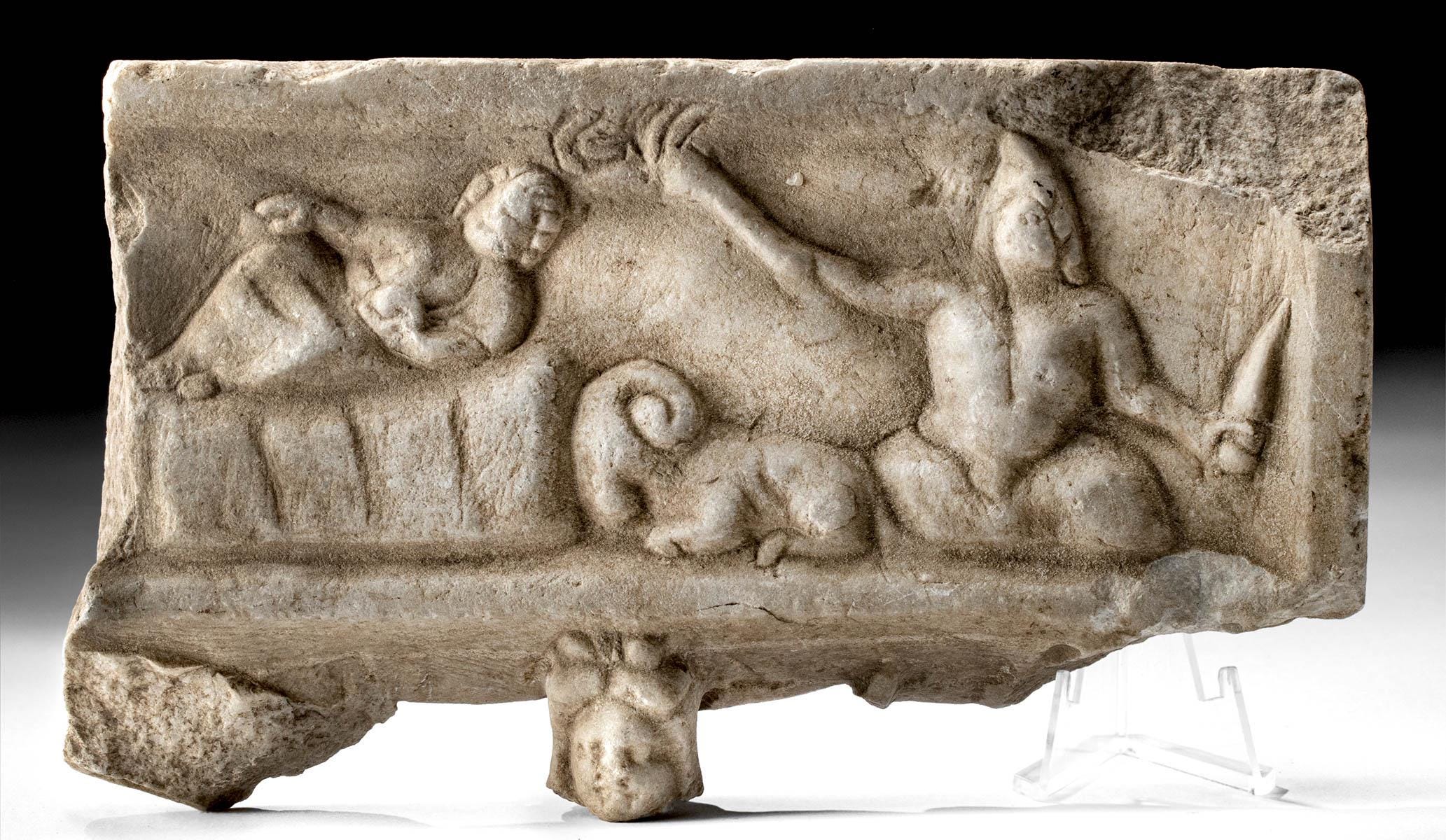
Mithras emerging from the rock with torch and dagger beside a reclining Oceanus or Saturn.
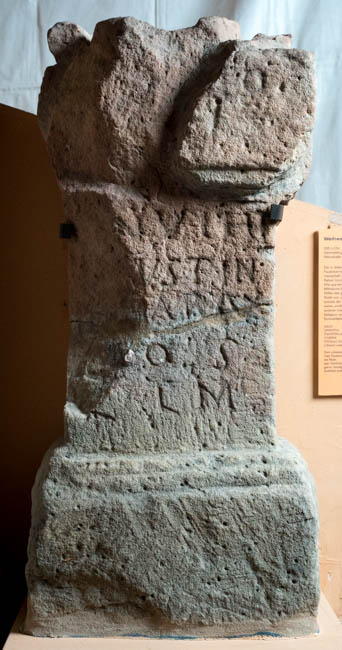
This sandstone altar was dedicated to the god Invictus by a certain Faustinus from Gimmeldingen.
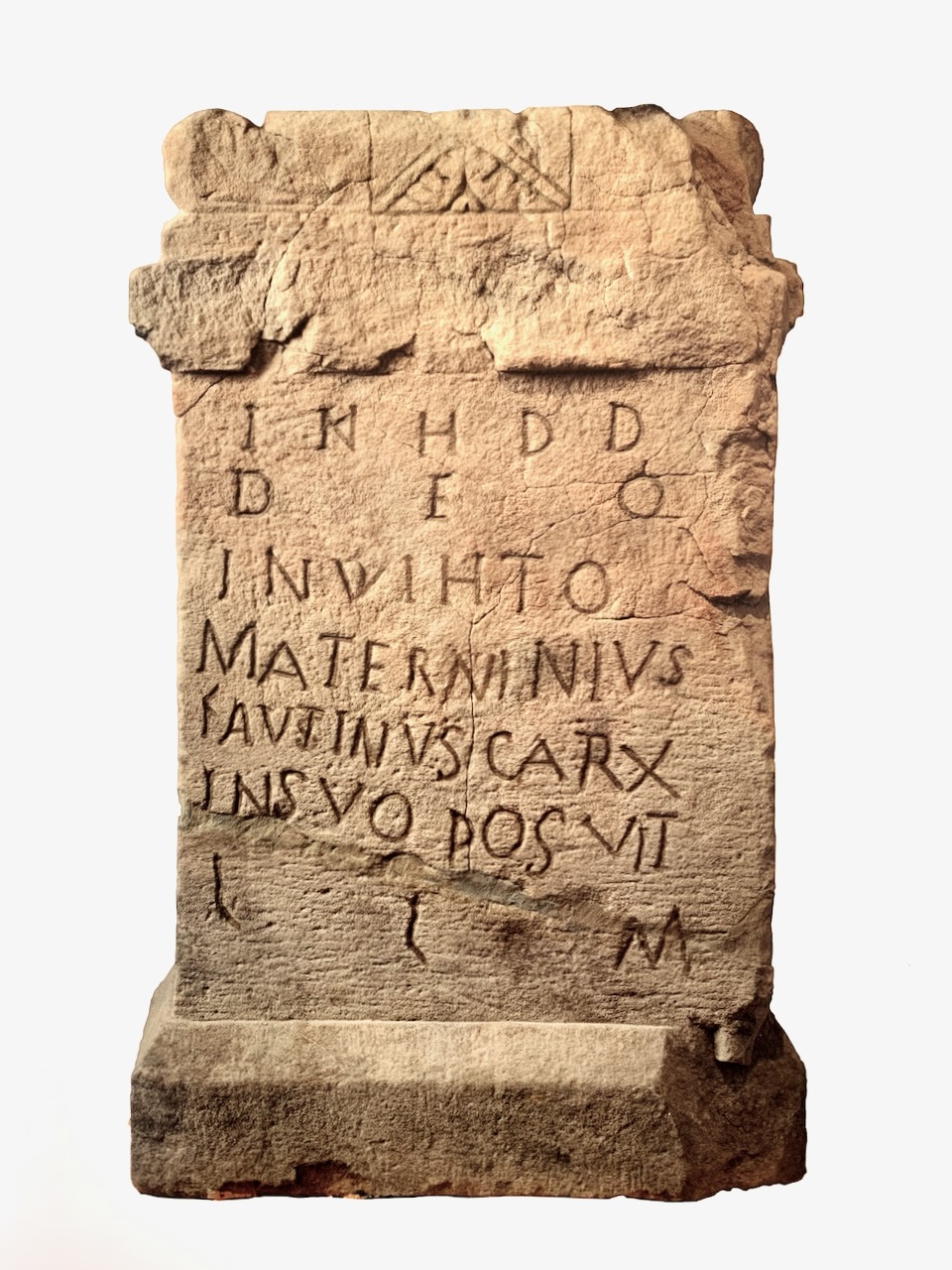
Corax Materninius Faustinus dedicated other monuments found in the same Mithraeum in Gimmeldingen.
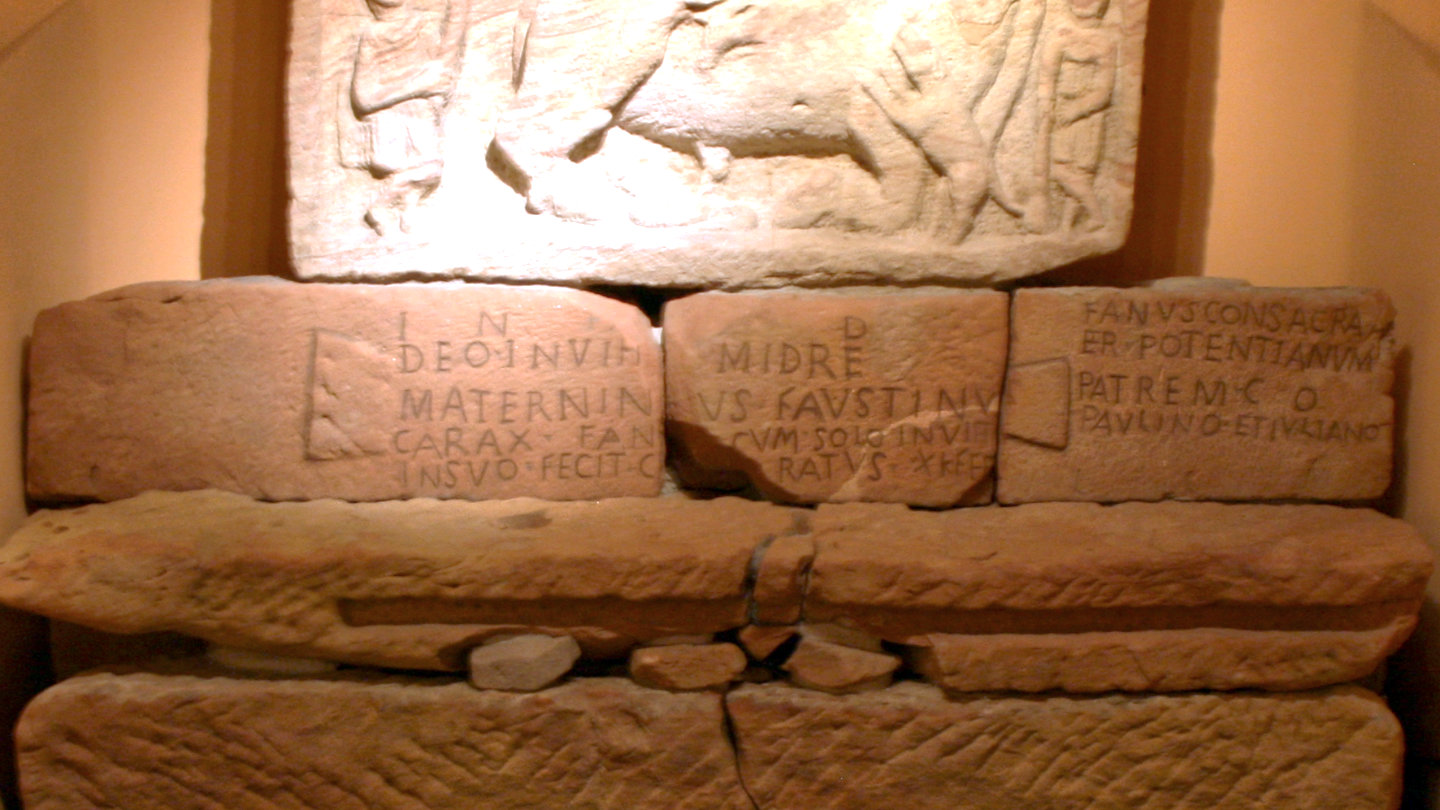
The inscription was located at the base of the main Tauroctony of the Gimmeldingen Mithraeum.
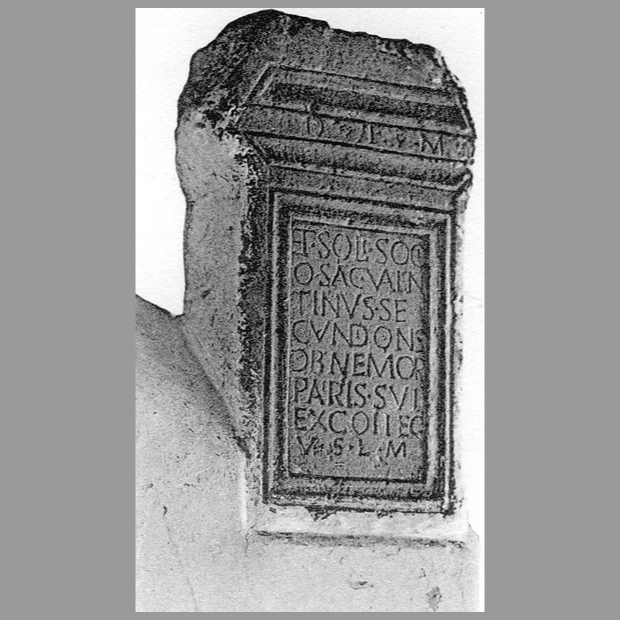
This monument, now lost, was discovered in the 16th century, probably on the site of Sublavio statio.
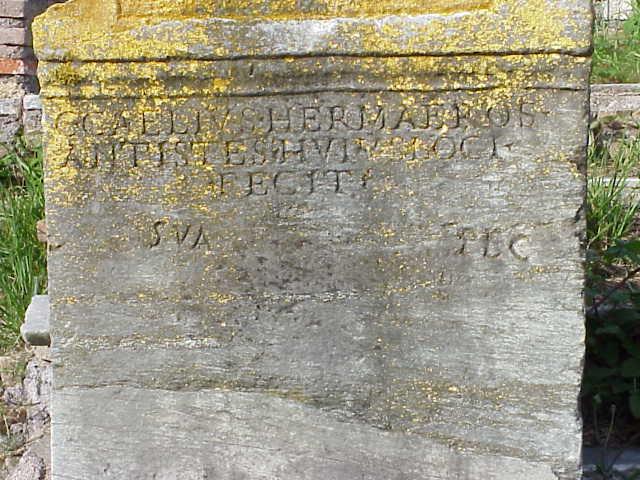
This is one of several marble inscriptions made by a certain Caelius Ermeros, who was the antistes of the Mithraeum of the Imperial Palace.
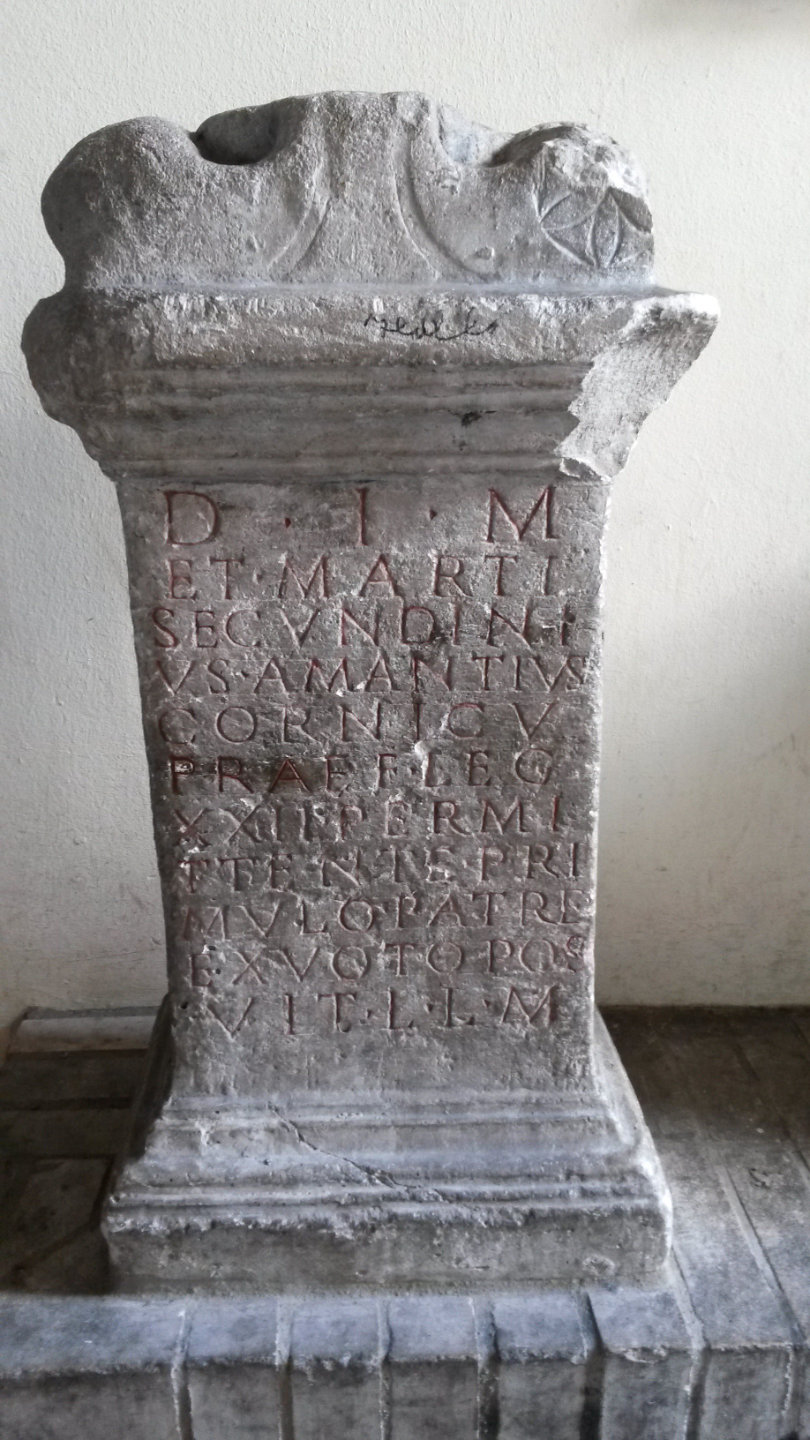
This altar has been unusually dedicated to both gods Mithras and Mars at Mogontiacum, present-day Mainz.
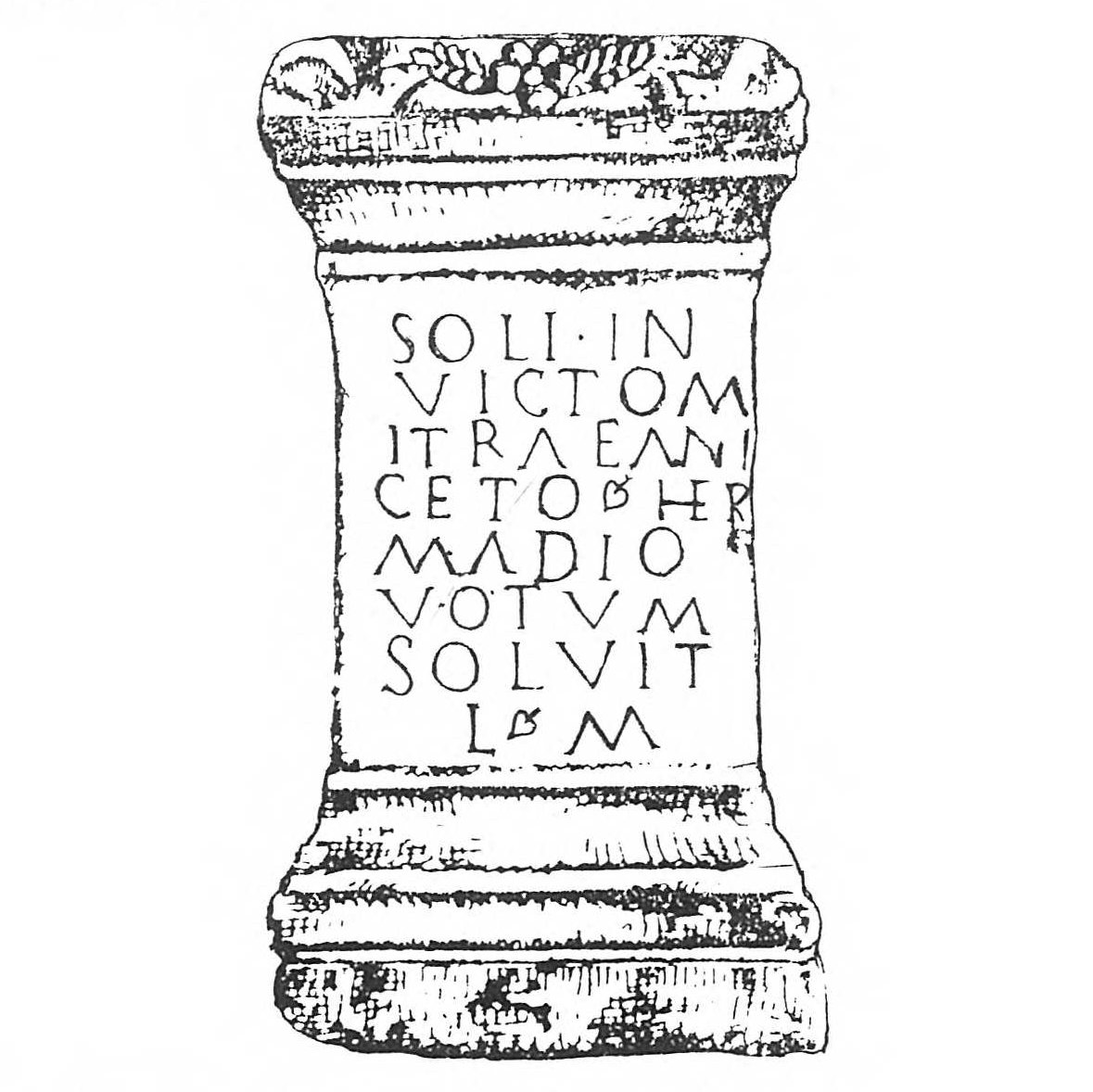
This altar was erected by Hermadio, who also signed other monuments in Dacia and even in Rome.
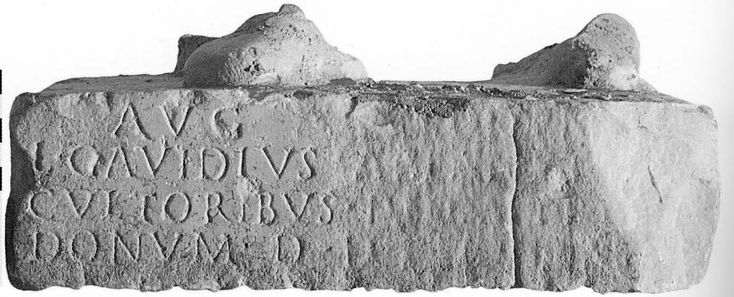
This inscription on white marble by Lucius Gavidius uses the term ther cultores to refer to his Mithraic community in Stabiae, Italy.
