Your search From Rome, Mithreum of Castra Peregrinorum under Santo Stefano Rotondo. gave 548 results.
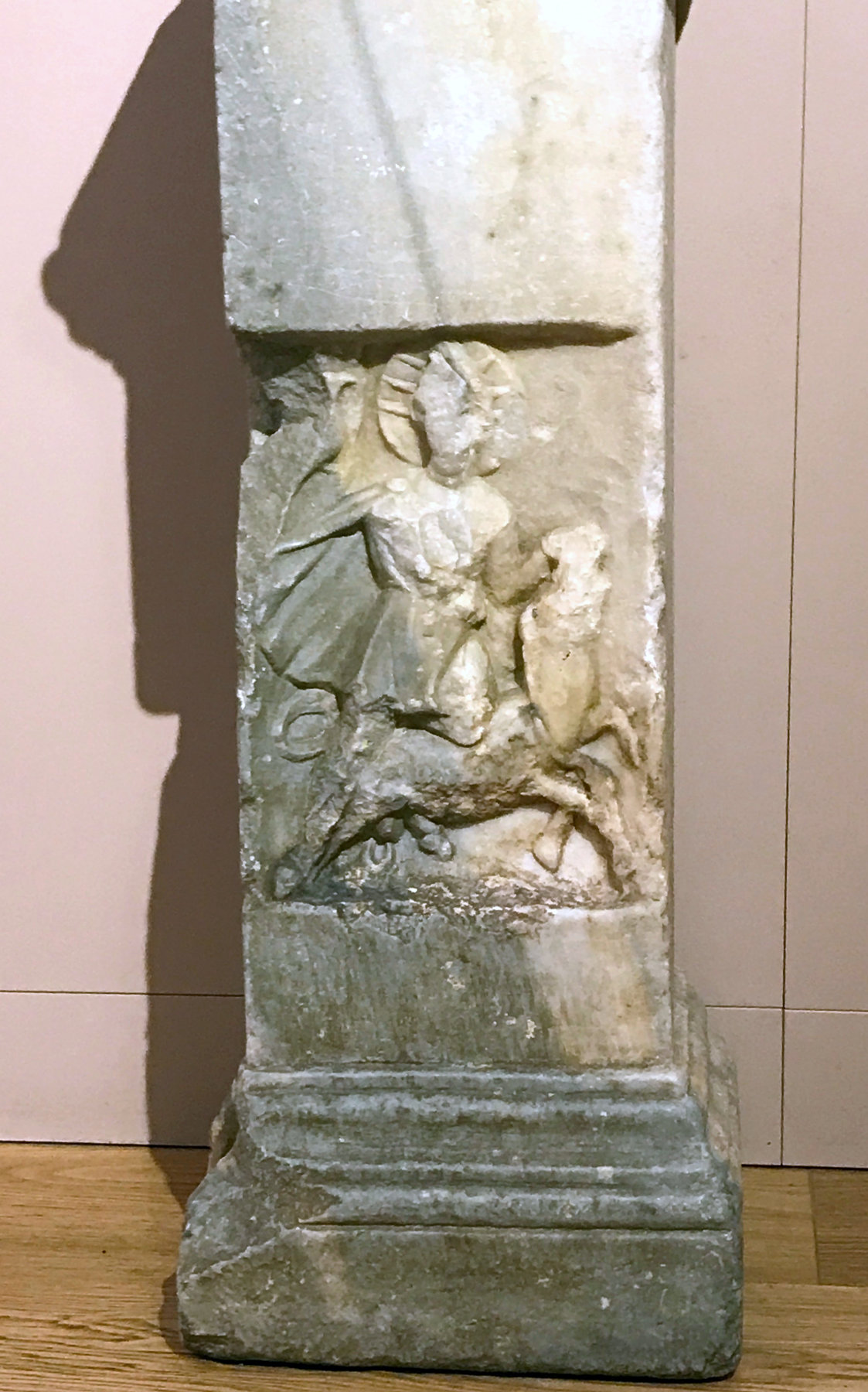
This low relief on an altar of Mithras killing the bull was found in a church in Pisignano, south of Ravenna.
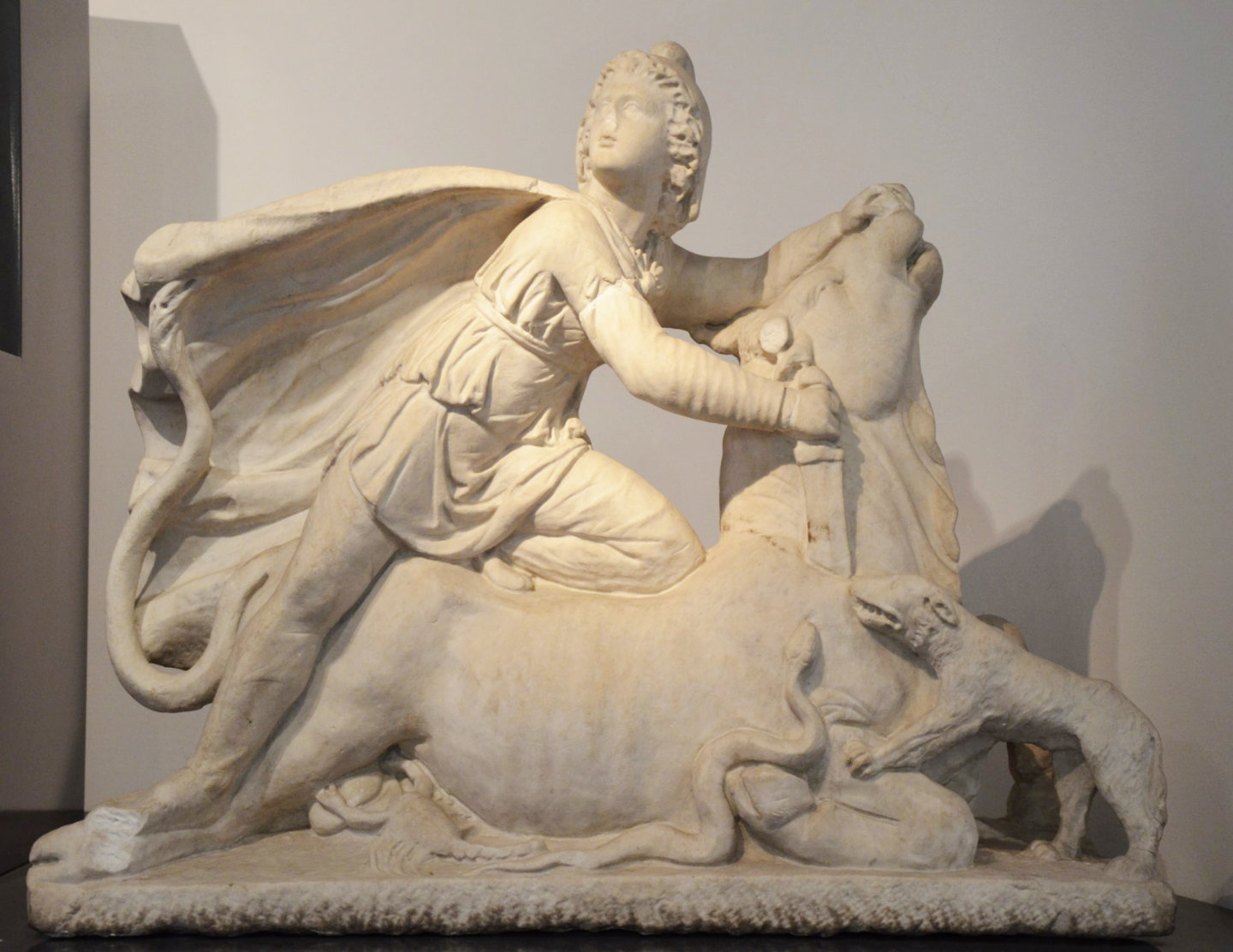
This statue of Mithras as a bullkiller was bought at Rome where it might be found.
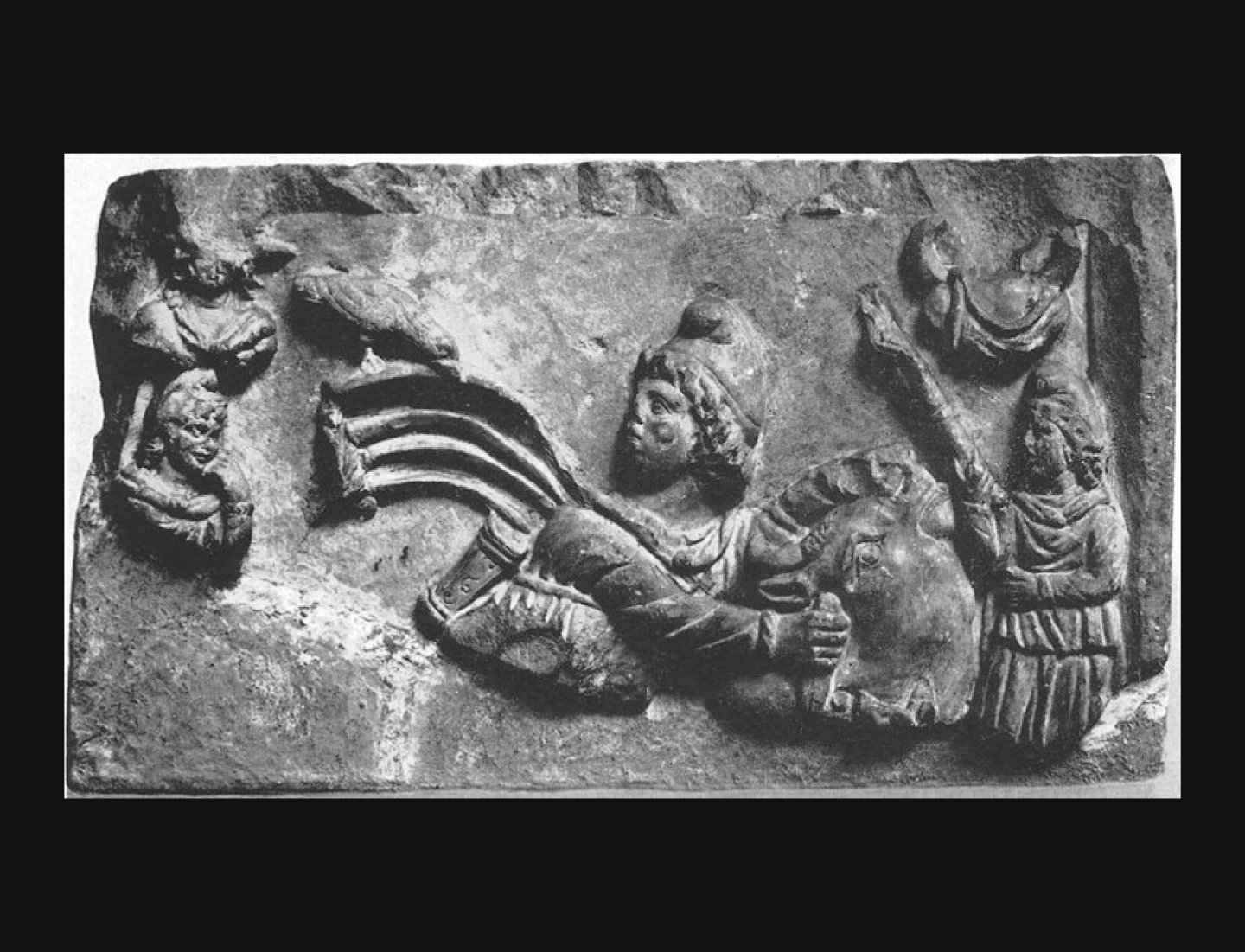
Franz Cumont bought this relief of Mithras as a bullkiller from a dealer who claimed to have found it in a vineyard near the church of Saint Pancrace, in Rome.

Second Mithraic monument dedicated by the Kastos family, found not far from the Arco di S. Lazzaro, in Rome.

Several fragmentary Mithraic remains dedicated by a certain Agatho in the Caelius suggest that a Mithraeum existed in the area.
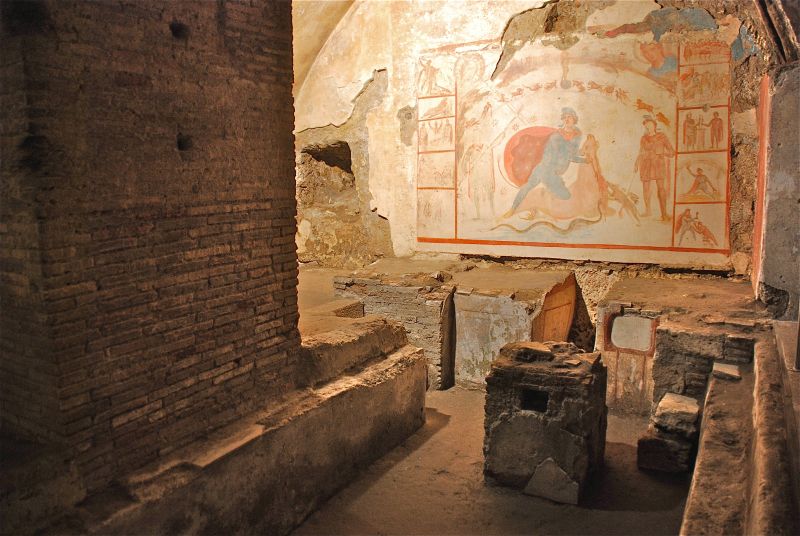
The Barberini Mithraeum was discovered in 1936 in the garden of the Palazzo Barberini, owned by Conte A. Savorgnan di Brazza.
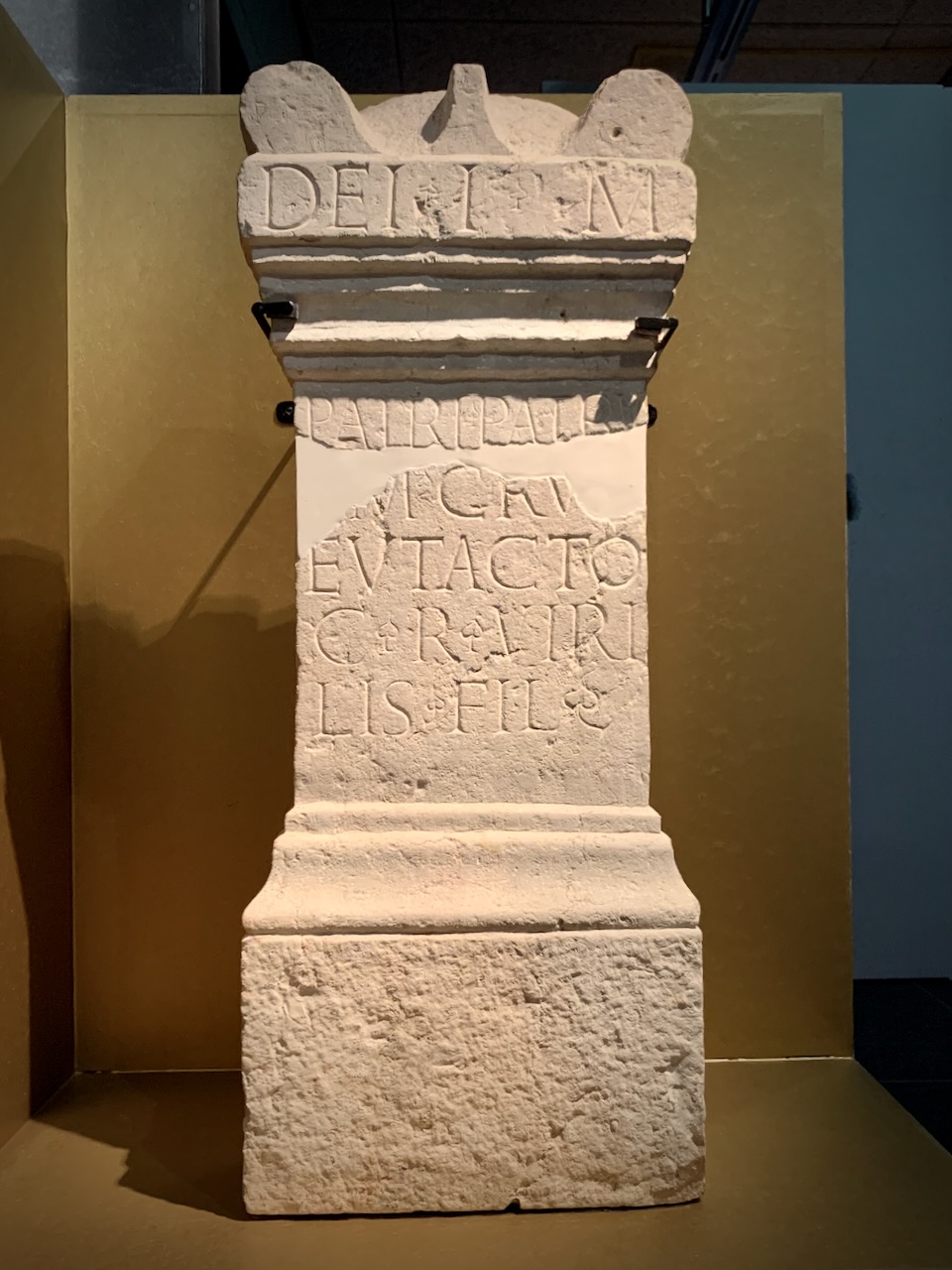
This altar was dedicated by a son to his father, one of the few Patres Patrum recorded in the western provinces.
Three mithraic monuments were found in 1931, suggesting that a mithraeum probably existed in the area.
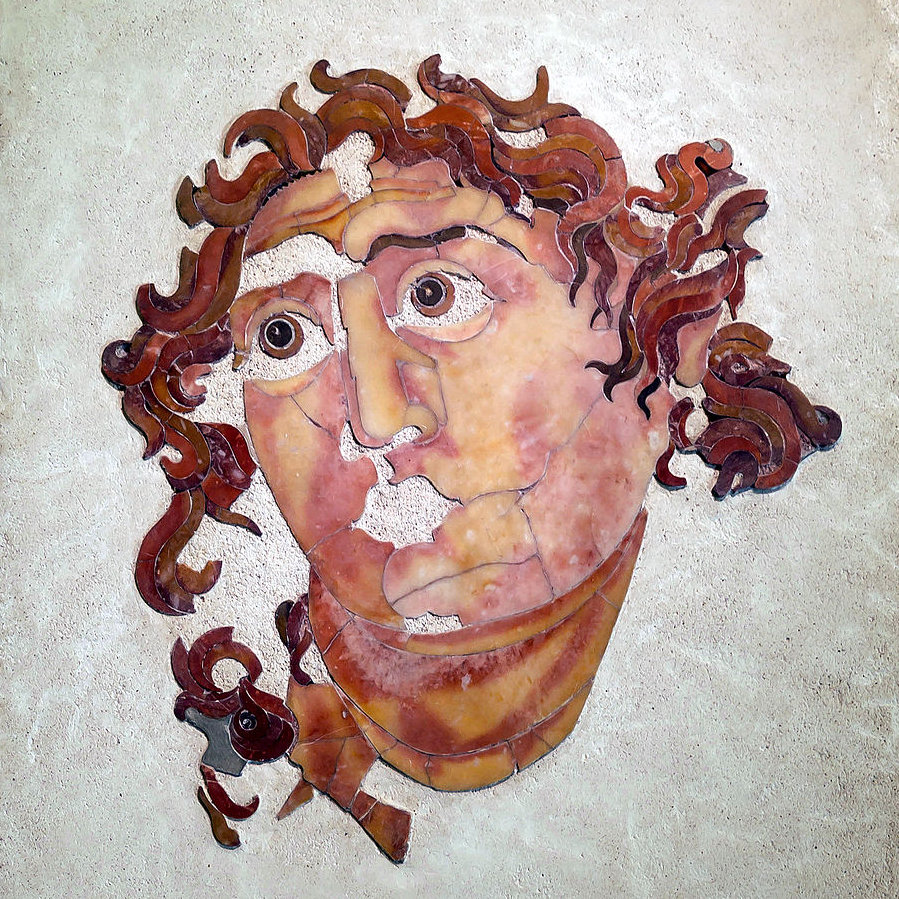
The intarsium of Sol found in the Mithraeum of Santa Prisca is composed of several varieties of marble.
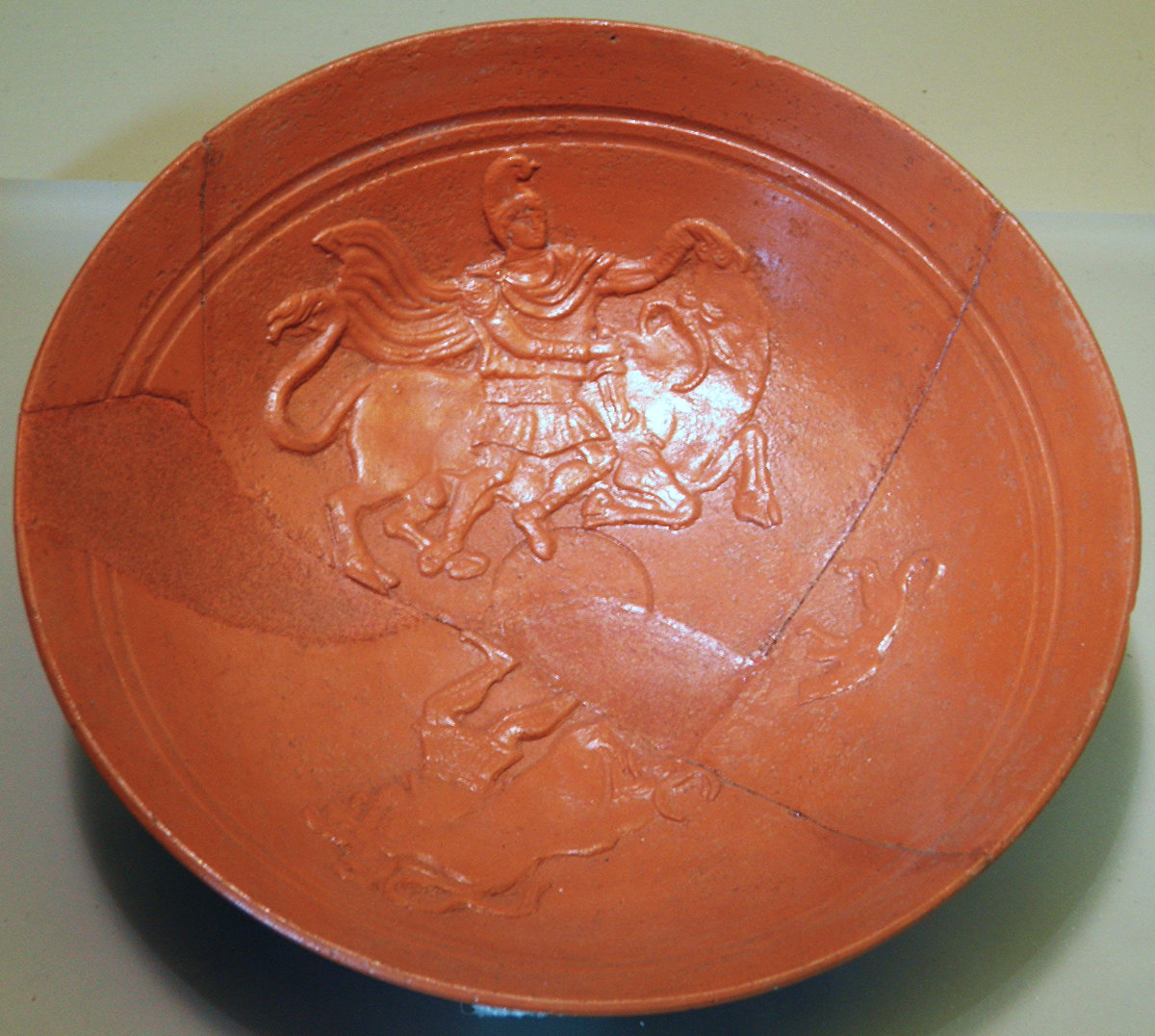
The red ceramic vessel from Lanuvium shows Mithra carrying the bull, followed by the dog, and the Tauroctony on the opposite side.
This Mithraic temple, now disappeared, is known thanks to the numerous remains recorded since 1594 in the 'Memorie di varie antichità trovate in diversi luoghi della città di Roma'.
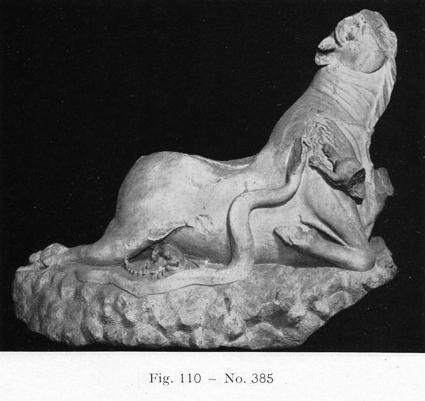
This sculpture of Mithras sacrificing the bull was found in the Quirinal and is now on display in the Musei Capitolini.
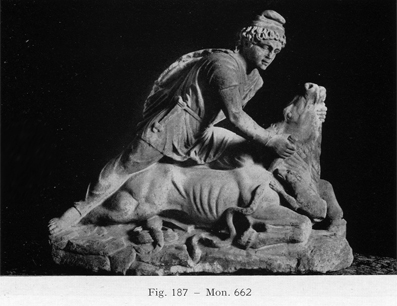
The marble Tauroctony of Asciano, Siena, was donated by Franz Cumont to the Academia Belgica, Rome.

Equestrian pater patrorum whose dedication to Cautes attests the involvement of Rome’s elite in Mithraism.

Ostian sacerdos remembered through his participation in the dedication of the monumental leontocephalic image erected under Commodus in 190 CE.

Member of the Mithraic congregation of Emerita Augusta who commissioned a monumental torchbearer statue under Accius Hedychrus.

My research explores the emergent area of Digital Civics. I formulated the first definition, critical underpinning, and pedagogical model for this concept.
A marble standing torchbearer statue found at Torrita near Nazzano in Etruria at the beginning of the nineteenth century, formerly in Trasi's house at Torrita and later in Rome.

Mithraic devotee known from Dacia and tentatively associated with inscriptions from Rome and Poetovio.
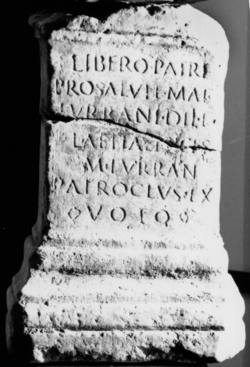
This altar was erected by Hermadio, who also signed other monuments in Dacia and even in Rome.
