Your search Han Potoci gave 881 results.

Known from an altar dedicated to Mithras at Ostia during the tenure of the pater Marcus Aemilius Epaphroditus.

A Mithraic pater of Ostia who dedicated an altar to Cautes in the Mithraeum of the Painted Walls.

A Mithraic pater at Ostia associated with the dedication of an image of Arimanius in the Casa di Diana mithraeum.

Syndexios in Ostia, his name Marsus suggests that he was a snake-charmer.
.jpg)
The statue of Arimanius/Ahriman was found in 1874 under the city wall of York during the construction of the railway station.
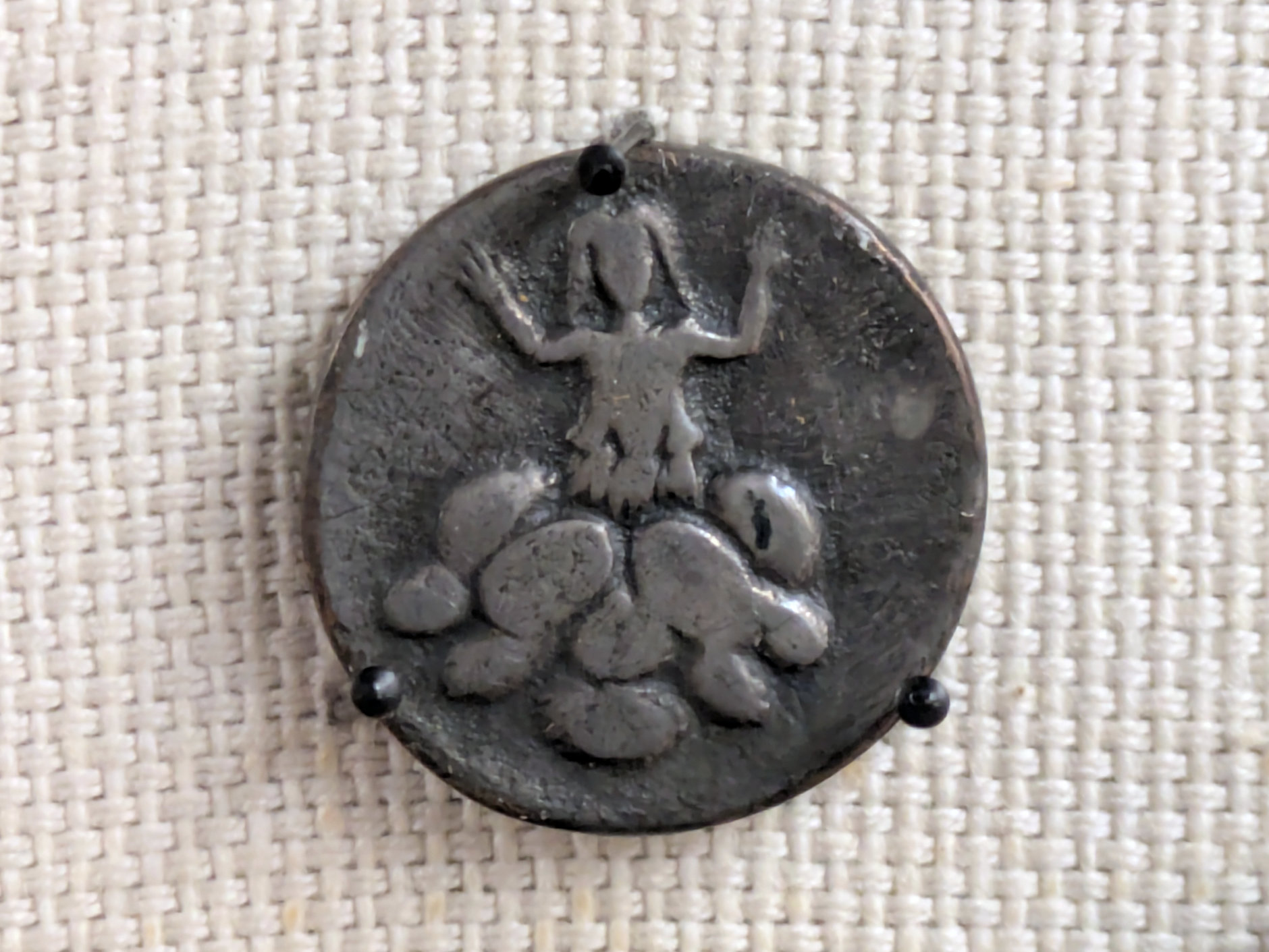
The mithraic denarius of St. Albans dates from the 2nd century.
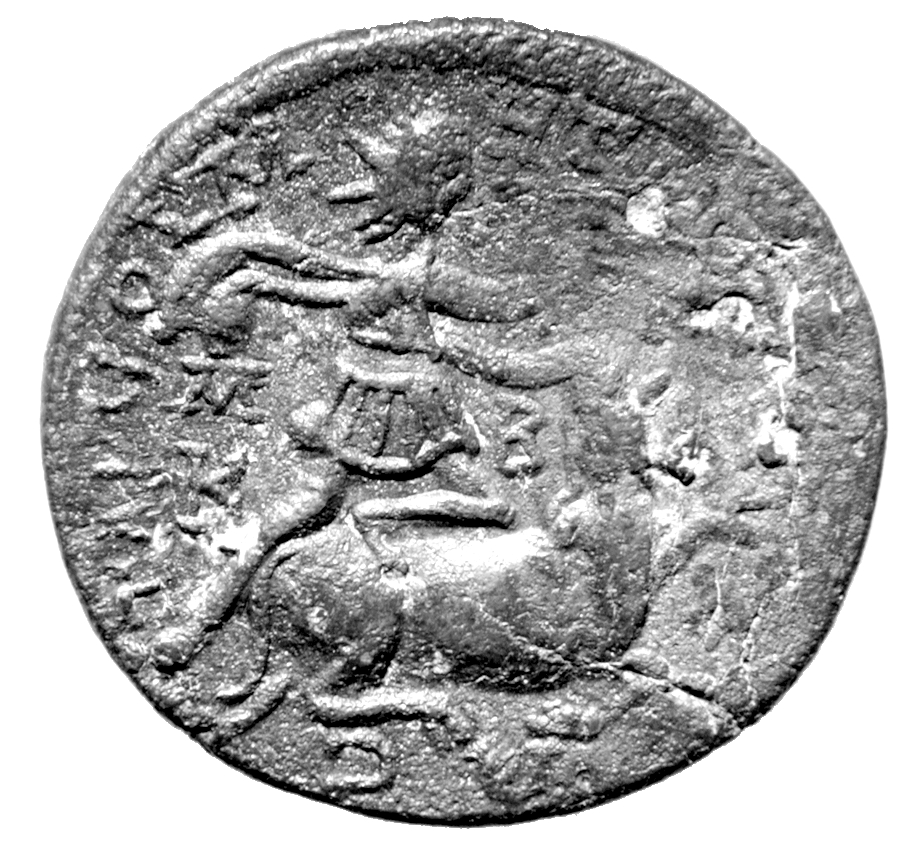
The bronze medallion, from Cilicia, shows Mithras Tauroctonus on the revers.

Late Roman senator and governor of Numidia whose inscriptions present him as a Mithraic pater and initiate in several mystery cults.

Magister of a Bracaran sodalicium associated with the cult of Mithras in Roman Lusitania.
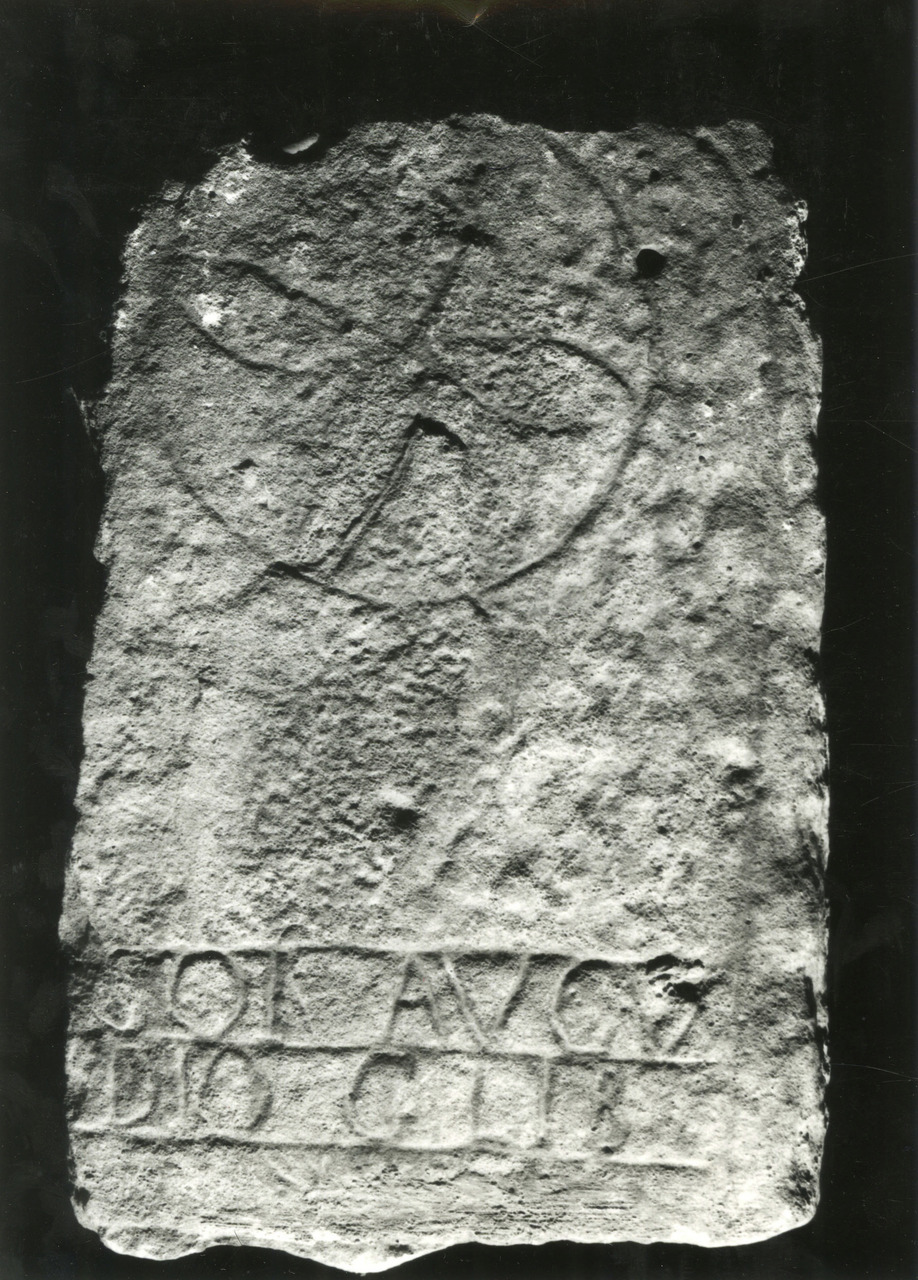
A sandstone slab found along the border of the Tagus river near Thirmarum (modern Trillo, near Cifuentes in Guadalajara), recording an inscriptoiin by a certain Cornelius, freedman of Gaius.

Governor of Numidia and prolific dedicator of monuments to Sol Mithras, Sol Invictus and other deities in late Roman North Africa.

Early Mithraic Leo from Novae whose name has been associated with the honey symbolism of the leonine grade.

Veteran recalled to imperial service and sole named devotee of Mithras currently attested at Grumentum.

Pater sacrorum attested in a funerary inscription from Murviel-lès-Montpellier, probably connected with the Mithraic community of Nemausus.

A funerary cippus, dated to the 2nd–3rd century, commemorating Publius Anthius Logus, pater sacrorum, and erected by Cornelia, daughter of Lucius, found at Sextantio near modern Montpellier in Narbonensis.

Small bronze statuette in Oriental dress from the Walters Art Gallery, Baltimore, depicting a figure no longer considered a Mithraic object.

Pair of bronze torchbearer statuettes in Oriental dress from the Cabinet des Médailles, originally belonging to the same sculptural group.
Fragment of yellowish chalcedony in the Cabinet des Médailles, Paris, formerly in the Millingen collection, depicting the standard tauroctony.
An altar found at Milan (ancient Mediolanum), dedicated to the Invincible Mithras by Varia Severa, daughter of Quintus; because the dedicant is a woman, Cumont suggests it may alternatively be dedicated to the Dis Manibus.
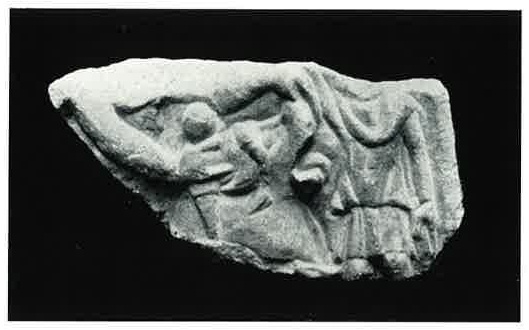
Marble tauroctony relief fragment from an unknown provenance, preserving part of Mithras's body, his right arm and dagger, and his left arm grasping the bull by the nostrils.
